
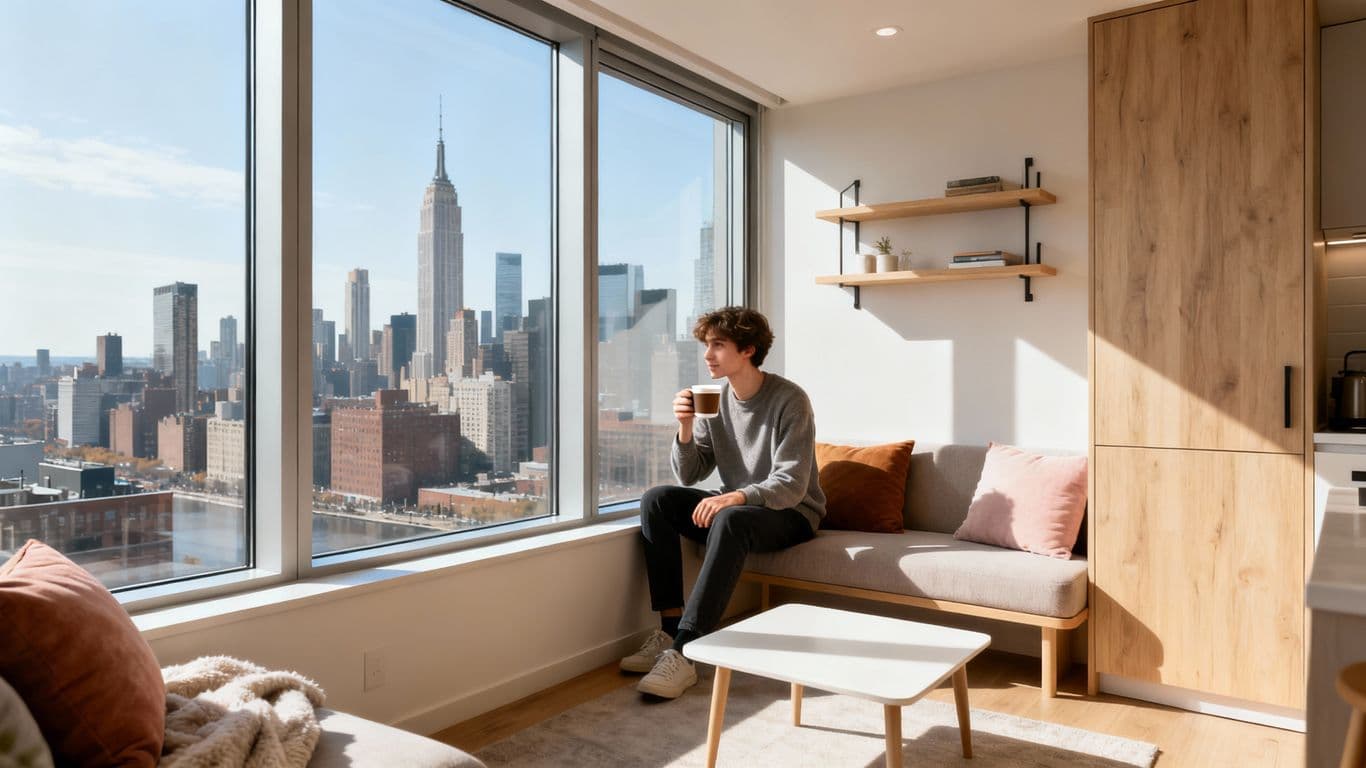
Moving to Tokyo can be exciting, but figuring out where to live can feel like a puzzle. While traditional renting is common, have you considered a short term rental tokyo? It might just be the smarter move, especially if you're new to the city or value flexibility. Let's break down why these places can be a better fit than signing a long-term lease.
Key Takeaways
- Short term rental tokyo options often mean less money upfront. You skip buying all the furniture and appliances, and sometimes don't need huge security deposits or 'key money'.
- These rentals offer way more flexibility. Think month-to-month leases and easier ways to extend or end your stay, which is perfect if your plans aren't set in stone.
- For foreigners, short term rental tokyo can be simpler. Many don't require a Japanese guarantor, and you can often handle reservations and paperwork from abroad, sometimes even with English support.
- You can often find short term rental tokyo in really convenient spots, already set up with furniture and appliances, and managed by professionals.
- While short term rental tokyo might cost a bit more each month than a long-term unfurnished place, you save on moving, furniture, and the hassle of selling things when you leave.
Lower Upfront Costs and Simplified Move-In
Moving to a new city, especially one as dynamic as Tokyo, can feel like a huge undertaking. One of the biggest hurdles is often the sheer amount of money and effort required just to get your living space set up. This is where short-term rentals really shine, cutting down on those initial expenses and making the whole process way less stressful.
No Need to Buy or Dispose of Furniture
Think about it: when you rent a traditional apartment in Japan, you're usually expected to furnish it from scratch. This means buying beds, tables, chairs, appliances like refrigerators and washing machines, and all the little things that make a place feel like home. For a single person, this can easily add up to 200,000 to 300,000 yen, and if you have more needs, it can go way over a million yen. Then, when it's time to move out, you have to deal with getting rid of all that stuff. Selling it can be a hassle, and in Japan, disposing of large items often involves scheduling pickups and paying fees. It's a whole headache you just don't need, especially if you're on a tight schedule. Short-term rentals come fully furnished, so you skip all of that. You get a place that's ready to live in from day one, with all the essentials like a bed, desk, and appliances. It's a massive time and money saver.
Reduced Security Deposits and Key Money
When you rent a standard apartment in Japan, the upfront costs can be pretty shocking. Beyond the first month's rent, you're often looking at a security deposit (usually 1-2 months' rent), key money (a non-refundable gift to the landlord, also 1-2 months' rent), and agency fees (another month's rent). Add in potential guarantor fees, and you could be facing costs equivalent to 4-6 months' rent before you even get the keys. For a ¥150,000 monthly rent, that's a cool ¥600,000 to ¥900,000 out of pocket. Short-term rentals, on the other hand, typically have much simpler and lower upfront requirements. Many skip the key money and agency fees altogether, often just asking for the first month's rent and a smaller deposit. This makes getting settled in Tokyo so much more accessible, especially if you're just arriving or don't want to tie up a huge chunk of cash.
Avoiding Expensive Moving Services
Moving your belongings can be surprisingly costly, especially in Japan. Traditional moving companies often charge based on the volume of your stuff and the distance to your new place. If you happen to be moving during peak seasons, like March or April when many people relocate for school or work, those prices can easily double or even triple. Since short-term rentals come furnished, you don't have a lot of personal furniture or appliances to move. This dramatically cuts down on moving expenses. You might only need to worry about your personal bags and a few essentials, which you can often handle yourself or with minimal help, saving you a significant amount compared to hiring a full-service moving company. This is a big plus when you're trying to keep initial expenses low when you move to Tokyo.
The simplicity of moving into a furnished short-term rental cannot be overstated. It removes a significant financial and logistical burden that often accompanies traditional apartment rentals in Japan, allowing newcomers to focus on settling into their new life rather than stressing over furniture purchases and disposal logistics.
Short Term Rental Tokyo: Flexibility That Matches Modern Lifestyles
Life in the 21st century moves fast, and sometimes, a rigid two-year lease just doesn't cut it. That's where short-term rentals in Tokyo really shine. They offer a level of adaptability that fits perfectly with how many of us live and work today. This flexibility is a game-changer for anyone whose plans might shift or who simply doesn't want to be tied down.
Month-to-Month Leasing Options
Forget being locked into a long contract. Many short-term rentals in Tokyo provide the freedom to rent on a month-to-month basis. This is fantastic if you're not sure how long you'll be staying, perhaps for a project, a trial period in a new city, or just because you like having options. It means you can settle in without the pressure of a lengthy commitment.
Easier Extensions and Early Termination
Plans change, right? With short-term rentals, adjusting your stay is usually much simpler. Need to stay an extra month because your project got extended? Often, it's just a matter of asking and extending your lease. Conversely, if you have to leave earlier than planned, the penalties are typically much less severe than breaking a traditional long-term lease. This reduces a lot of the stress associated with uncertainty.
Ideal for Uncertain or Changing Plans
Think about it: you might get a job offer in Tokyo but aren't sure if you'll stay long-term. Or maybe you're a student on a semester abroad, or a digital nomad exploring different cities. For these situations, short-term rentals are a lifesaver. They allow you to commit to a living space without the long-term financial or logistical baggage. It's about adapting your housing to your life, not the other way around.
The ability to adjust your living situation with minimal fuss is a significant advantage in today's dynamic world. It allows for greater peace of mind and reduces the financial risks associated with unexpected changes in personal or professional circumstances.
Short Term Rental Tokyo Enhances Convenience for Foreigners
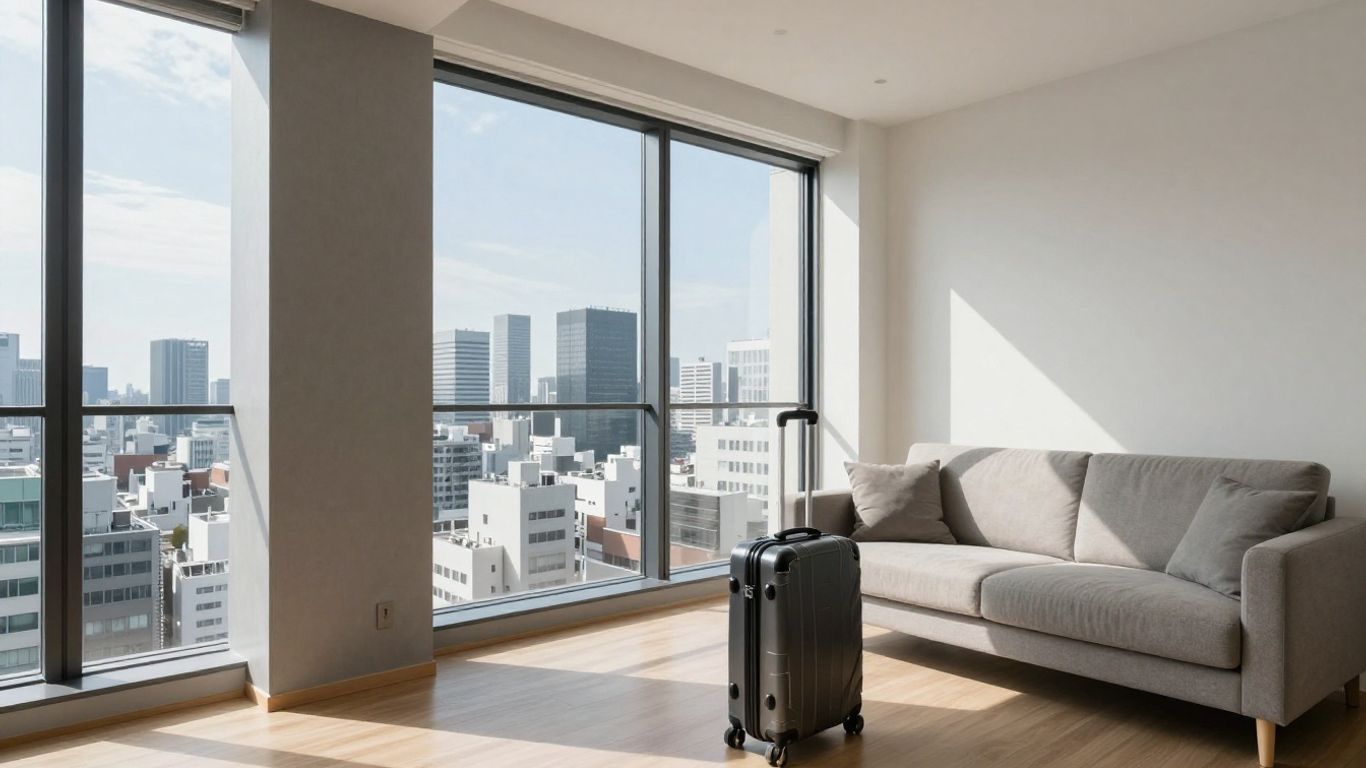
If you’re new to Tokyo, short-term rentals are like a cheat code—making a complicated city suddenly easy to handle. Foreigners usually find traditional rental agreements tricky, with paperwork and language roadblocks popping up right from the start. With a short-term rental, most of that disappears, and you can just grab your suitcase and show up.
No Need for a Japanese Guarantor
The whole guarantor thing is a huge pain for most non-Japanese renters. In a regular lease, you’re often asked for a Japanese guarantor—or are told to use a pricey service. Short-term rentals almost always skip this step, so you skip the stress too.
- No need to find a Japanese friend or boss to vouch for you
- No expensive insurance or intermediary company required
- Easier for people without local connections
Remote Paperwork and Reservations
You don’t have to worry about translating contracts late at night. Most short-term rental agencies handle everything online. From booking to payment and contract signing, it’s done on your phone or computer.
| Task | Long-Term Rental | Short-Term Rental |
|---|---|---|
| Booking | In-Person | Online |
| Contract Signature | Paper/Japanese | Digital/English |
| Advance Documents | Many | Few |
| Approval Timeline | 1-4 Weeks | Same Day-2 Days |
For many foreigners, finishing the paperwork before boarding the plane to Tokyo feels like a small miracle.
English-Speaking Landlord Support
It’s common to find property managers and landlords who speak English (or are at least familiar with overseas renters) in the short-term market. That means less worrying about miscommunication if something breaks or you need help adapting to your new place. Some buildings even provide welcome packages or starter guides written just for newcomers.
- Communication is straightforward—no headaches over Google Translate
- Support available for maintenance, lost keys, or Wi-Fi troubles
- Faster response times compared to most regular leases
If you’re just arriving, or even if you’re stuck overseas finalizing your plans, a short-term rental lets you skip most of the classic roadblocks foreigners face in the Tokyo housing hunt.
Prime Locations and Quality Amenities for Short Term Rental Tokyo
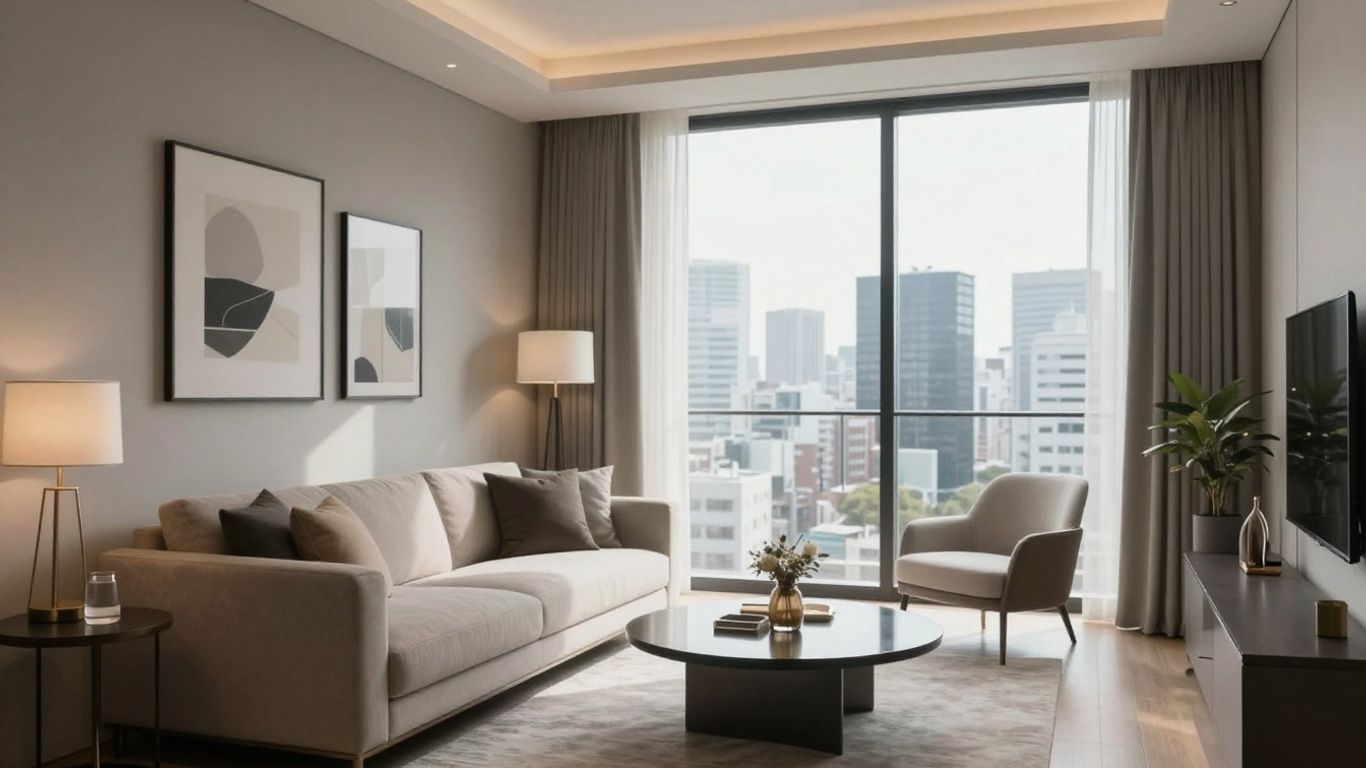
When you're looking at short-term rentals in Tokyo, it's not just about having a roof over your head; it's about where you're located and what you get with the place. Short-term rentals often pop up in the most convenient parts of the city, places that are easy to get to and close to all the action. Think about being near major train stations or popular tourist spots. This means you're not spending half your day just getting around.
Access to Central and Expats-Friendly Neighborhoods
Many short-term apartments are situated in central Tokyo wards, areas that are well-connected and buzzing with activity. These neighborhoods are often popular with both tourists and expats, meaning you'll find a good mix of local culture and international convenience. You might be a short walk from vibrant shopping streets, quiet parks, or bustling business districts. It's about finding a spot that fits your reason for being in Tokyo, whether it's for work, study, or just exploring. Some areas are known for being particularly welcoming to foreigners, making the transition smoother. You can find great options in places like Shibuya, Shinjuku, or even slightly quieter but still well-connected areas. It's about getting that prime location that makes your stay easier.
Furnished Living with Essential Appliances
One of the biggest perks of short-term rentals is that they usually come fully furnished. This means you don't have to worry about buying a sofa, a bed, or a dining table, only to have to sell it or move it later. These places typically include:
- A comfortable bed and basic linens
- A functional kitchen area with necessary cookware
- A washing machine
- A refrigerator and microwave
- Wi-Fi access
It's all about making your move-in as simple as possible. You can often find places that have everything you need from day one, so you can start enjoying Tokyo without the hassle of setting up a home from scratch.
Professional Management and Maintenance
Unlike dealing with a private landlord for a long-term lease, many short-term rentals are managed by professional companies. This can be a real plus. If something breaks or you have a question, there's usually a dedicated team to help you out. They handle the upkeep and repairs, so you don't have to. This means:
- Quicker response times for maintenance issues
- Regular cleaning services might be available
- Professional support if you encounter any problems
Having a reliable management team means you can focus more on your experience in Tokyo and less on the practicalities of your living space. It adds a layer of security and convenience that's hard to beat when you're in a new city.
This professional approach often translates to well-maintained properties and a more predictable living experience, which is exactly what you want when you're not planning on staying forever.
Financial Pros and Cons of Short Term Rental Tokyo
Okay, so let's talk money when it comes to short-term rentals in Tokyo. It's not always as simple as just looking at the monthly rent versus what you'd pay for a longer lease. There are definitely some upsides, but also some things you really need to think about before jumping in.
Understanding Monthly Premiums vs. Long-Term Savings
Short-term rentals often come with a higher price tag per night or per month compared to what you'd find in a traditional year-long lease. Think of it like buying a single coffee versus a whole pot – you pay more for the convenience of just one. This premium covers the flexibility and the fact that you're not locked in for ages. However, if you're only staying for a few months, this can still be way cheaper than breaking a long-term lease or dealing with the hassle of moving all your stuff multiple times. The key is to do the math for your specific stay duration.
Utilities and Additional Fees Transparency
When you rent long-term, you usually pay for your own electricity, gas, and water. With short-term rentals, especially those managed by companies or listed on platforms, these costs are often bundled into your rent. That sounds great, right? But sometimes, it means you're paying a bit extra to cover the average usage, and you might not have as much control over those bills. Also, keep an eye out for things like cleaning fees, which can add up quickly, and any platform service fees. It’s good to know exactly what’s included and what’s not.
Comparing Net Costs With Traditional Renting
Here's where it gets interesting. While the sticker price of a short-term rental might seem higher, you have to consider what you're not paying for. No need to buy furniture, no hefty security deposits or 'key money' (that weird Japanese thing!), and often, no need for expensive movers. Plus, you're not stuck paying rent for an empty apartment if you have to leave suddenly for work or a family emergency. When you factor all that in, the total cost of a short-term rental can sometimes be less than you'd expect, especially for shorter stays or if your plans are a bit up in the air.
| Cost Factor | Short-Term Rental (Typical) | Long-Term Rental (Typical) | Notes |
|---|---|---|---|
| Monthly Rent | Higher | Lower | Premium for flexibility |
| Furniture | Included | Not Included | Major upfront saving |
| Security Deposit/Key Money | Low/None | High | Significant upfront cost difference |
| Utilities | Often Included | Tenant Pays Separately | Can be higher in short-term bundles |
| Moving Costs | Low/None | High | Avoids large moving expenses |
| Flexibility | High | Low | Ability to leave without penalty |
| Total Net Cost (3 months) | Potentially Lower | Potentially Higher | Depends heavily on furniture and deposit costs |
Who Should Choose Short Term Rental Tokyo?
So, who exactly benefits most from the short-term rental scene in Tokyo? It really boils down to your situation and what you're looking for in your stay.
Best for Newcomers and Frequent Movers
If you're just arriving in Tokyo, maybe for the first time, or if you move around a lot for work or personal reasons, short-term rentals are a lifesaver. Think about it: you land, and your place is already set up with furniture, appliances, and all the basics. No hunting for a sofa or figuring out how to get a fridge delivered. It makes settling in so much quicker and less stressful. Plus, if your plans are a bit up in the air, not being tied to a long lease is a huge plus. You can pack up and go without a lot of fuss if your job takes you elsewhere or you decide to explore another city.
Business Professionals and Students
For folks on temporary work assignments or those studying in Tokyo for a semester or two, short-term rentals hit the sweet spot. Companies often arrange these for employees on short-term projects, cutting down on relocation headaches. Students, especially those coming from abroad, find it a practical way to get their bearings without committing to a multi-year lease. It means you can focus on your work or studies without worrying about the logistics of setting up a permanent home.
Not Ideal for Large Families or Personalization Needs
Now, short-term rentals aren't for everyone. If you're moving to Tokyo with a larger family, you might find that short-term options are a bit cramped or don't offer the space you need. Also, if you're someone who really likes to put your own stamp on your living space – painting walls, bringing all your own furniture, and really making a place feel like yours – then a short-term rental might feel a bit restrictive. You're generally getting a pre-set environment, and major changes aren't usually on the table.
The main draw of short-term rentals is convenience and flexibility. They remove many of the initial hurdles associated with moving to a new city, especially if you're not sure about your long-term plans or want to avoid the complexities of the Japanese rental market for a shorter stay.
Here's a quick rundown:
- Perfect for:
- People new to Tokyo
- Those on temporary work assignments
- Students on exchange programs
- Anyone needing flexibility in their living situation
- Less Ideal for:
- Large families needing ample space
- Individuals who want to deeply customize their living environment
- Those planning to stay for many years and wanting to build equity or long-term stability.
Potential Drawbacks Worth Considering
While short-term rentals in Tokyo offer a lot of perks, it's not all sunshine and convenience. You've got to be aware of the downsides before you jump in. It's easy to get caught up in the flexibility and lower initial costs, but sometimes, the long-term picture isn't as rosy.
Inability to Personalize Furnishings
One of the biggest things you'll notice is that you can't really make the place your own. These apartments come pre-furnished, which is great for moving in quickly, but it means you're stuck with whatever style the landlord picked. Forget about painting walls your favorite color or bringing in that comfy armchair you love. You're essentially living in someone else's curated space, and that can feel a bit impersonal after a while. It's like staying in a hotel, but for longer – functional, but not exactly homey.
Higher Cost Over Extended Stays
This is a big one. While the daily or weekly rates might seem reasonable, when you start adding them up over several months, the cost can really balloon. It's like buying groceries one item at a time versus buying in bulk – you pay a premium for the convenience and flexibility. If your stay stretches beyond a few months, you'll likely find yourself spending significantly more than you would on a traditional year-long lease. It's a trade-off: you get flexibility, but you pay for it.
Responsibility for Furniture and Appliance Damages
Since the place comes furnished, you're on the hook if anything breaks. Normal wear and tear is one thing, but if you accidentally damage a piece of furniture or an appliance stops working because of something you did, you'll probably have to pay for repairs or replacement. This can add unexpected costs to your stay, and it's definitely something to keep in mind. You're not just renting a space; you're also responsible for the items within it.
Here's a quick look at some extra costs you might encounter:
- Cleaning Fees: Often charged per stay or per week, these can add up.
- Utility Overages: While some places include utilities, others might charge extra if you go over a certain limit.
- Damage Deposits: You might need to pay a deposit that could be forfeited if there's damage.
It's important to read the fine print on any short-term rental agreement. Understand exactly what's included, what isn't, and what your responsibilities are regarding the property and its contents. Unexpected fees or repair bills can quickly turn a seemingly good deal into a costly mistake.
So, Should You Go Furnished?
Ultimately, choosing between a furnished and unfurnished place in Tokyo really boils down to what you need right now. If you're here for a short stint, want to skip the headache of buying and selling furniture, and just need to get settled fast, a furnished apartment is probably your best bet. It cuts down on a lot of the initial costs and the sheer hassle of setting up a new home in a foreign country. Sure, the monthly rent might be a bit higher, but for many, that trade-off is totally worth the convenience. It lets you focus on your work or exploring the city without worrying about where your couch came from or how you'll get rid of it later. For those longer stays, though, or if you're really particular about your living space, unfurnished might make more sense down the line. But for a quick, easy start in Tokyo, furnished apartments are hard to beat.
Frequently Asked Questions
Why is short-term renting in Tokyo a good idea for someone new to the city?
When you first arrive in Tokyo, renting a furnished place can save you a lot of trouble. You don't have to worry about buying furniture or figuring out how to move it, which can be a big headache in a new country. Plus, many short-term rentals are set up to make it easy for foreigners, often not needing a Japanese guarantor and allowing you to handle paperwork from afar. It's a quick way to get settled without a lot of upfront costs or stress.
How do short-term rentals in Tokyo help with unexpected changes in plans?
Life can be unpredictable, and short-term rentals in Tokyo understand that. They often offer flexible lease terms, like month-to-month options. This means if your job situation changes, or you decide to stay longer or leave sooner than planned, it's usually much easier to adjust your rental agreement. You're not locked into a long, rigid contract like you might be with a standard apartment.
Are short-term rentals in Tokyo more expensive than regular apartments?
Generally, yes, short-term furnished rentals can cost more each month than a long-term unfurnished apartment. This is because you're paying for the convenience of having everything included and the flexibility. However, when you factor in the cost of buying furniture, moving expenses, and potential fees for breaking a long lease, short-term rentals can sometimes be more cost-effective, especially for stays under two years.
What kind of furniture and appliances can I expect in a short-term Tokyo rental?
Most short-term rentals in Tokyo come with the basic essentials to live comfortably. This usually includes a bed, a desk, a refrigerator, a washing machine, and air conditioning. You'll also typically find some basic dining furniture. However, smaller items like cooking pots, pans, or dishes might not be included, so it's always a good idea to check exactly what's provided before you move in.
Do I need a Japanese guarantor to rent a short-term apartment in Tokyo?
For many standard apartments in Japan, a guarantor is required, which can be tough for foreigners to find. The great news is that most short-term rental providers in Tokyo understand this. Many don't require a guarantor at all, or they work with guarantor companies that you can pay a fee to. Some even accept credit card guarantees, making the process much smoother for international residents.
What are the main downsides of choosing a short-term rental in Tokyo?
While convenient, short-term rentals aren't perfect for everyone. You usually can't change or bring in your own furniture, so you have to live with what's provided, even if it's not exactly to your taste. Also, if you end up staying in Tokyo for a very long time, the higher monthly rent can add up and become more expensive than buying your own things over the years. You might also be responsible for any damages to the provided furniture or appliances.
Planning a serviced apartment in Tokyo? Read our complete guide: Serviced Apartments in Tokyo — areas, brands & monthly prices.
Filed under
The Moveandstay editorial team writes about serviced living, workspaces, and city guides across Asia-Pacific.
Read next
Serviced Offices Surge in Popularity as Businesses Embrace Flexible Leasing
May 3, 2026

Hong Kong Serviced Apartment Market Buzzes with Sales and Investment Activity Amidst Shifting Valuations
May 3, 2026

ONYX Hospitality Group Elevates Shama Serviced Apartments with New Lifestyle Concept and Ambitious Expansion
Apr 26, 2026