
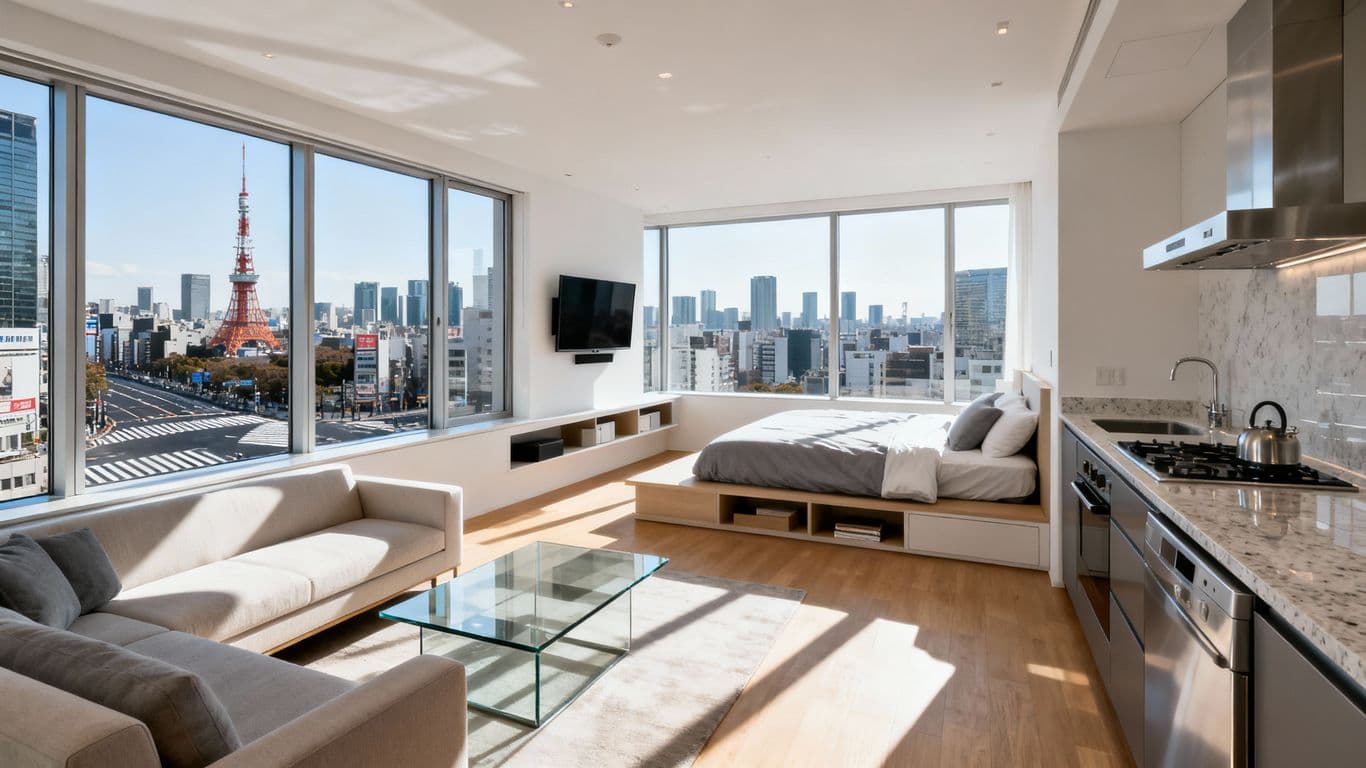
Tokyo's housing market is a wild ride, isn't it? You've got everything from shoebox-sized places to sprawling luxury pads, and figuring out where to even start can feel like a puzzle. Whether you're thinking of renting for a bit or buying a place to call your own, there's a lot to consider. Let's break down what makes Tokyo apartments tick, especially when it comes to finding your perfect spot, like those convenient serviced apartments Tokyo has to offer.
Key Takeaways
- Tokyo apartments vary a lot in size, from tiny studios around 15-25 m² to larger family units over 50 m². Even within the same listing size, actual usable living space can be less than the total floor area due to entryways and balconies.
- Rent prices differ significantly between central Tokyo wards and outer, suburban areas. You might pay double for a similar-sized apartment in a prime location compared to a more distant neighborhood.
- Newer buildings (under 10 years old) often have modern features and better earthquake resistance but come with a higher price tag. Older buildings can be more affordable, especially if they've been renovated, but might lack some conveniences like elevators.
- The luxury housing market in Tokyo caters to high earners and expatriates, with premium apartments in central districts costing significantly more. Expatriates may receive housing allowances to help cover these costs.
- Buying property in Tokyo is expensive, with record-high prices, though low interest rates make mortgages somewhat accessible. Demand remains strong, influenced by population inflow and foreign investment, making serviced apartments Tokyo a popular flexible option.
Understanding Tokyo's Diverse Housing Market
Tokyo's housing scene is a wild mix, and figuring it out can feel like a puzzle. It's not just about finding a place to sleep; it's about understanding how different factors shape what's available and what you'll pay. The sheer variety means there's likely something for almost everyone, but knowing the landscape is key.
Average Apartment Sizes and Layouts
When you look at apartments in Tokyo, you'll notice they tend to be smaller than what many people are used to. This is just a reality of a densely populated city. You'll often see terms like 1R (one room, which is basically a combined living, sleeping, and kitchen area) or 1K (one room plus a small kitchen space). A 1LDK adds a separate living/dining/kitchen area, and then 2LDK and up means more bedrooms.
- 1R/1K: Typically around 15-20 square meters. Great for a single person who doesn't need much space.
- 1LDK: Usually 25-35 square meters. A bit more comfortable for one person or a couple.
- 2LDK and larger: Can range from 40 square meters upwards, offering more bedrooms and living space, but these are less common and pricier, especially in central areas.
It's also common to see the 'genkan', a small entryway where you take off your shoes before stepping up into the main living area. This is a standard feature in almost all Japanese homes.
The Impact of Building Age on Features
Building age plays a big role in Tokyo. Newer buildings often come with modern conveniences, better insulation, and the latest earthquake resistance technology. Older buildings, however, can be significantly cheaper.
- Newer Builds (0-10 years): Expect modern designs, updated amenities, and top-tier earthquake safety. They command a premium price.
- Mid-Age Buildings (10-30 years): These can offer a good balance of features and price. Many have had renovations, so check the interior condition.
- Older Buildings (30+ years): These are often the most affordable. While they might lack some modern touches, many have been updated internally and can provide great value, especially if location is more important than brand-new fixtures.
Don't just look at the outside of an older building. Many have been refurbished inside and can feel just as modern as a new build, but at a fraction of the cost. It's worth checking out places that might not look like much from the street.
Distinguishing Living Space from Total Floor Area
This is a bit of a tricky point in Tokyo real estate. You'll often see two measurements: 'total floor area' (延べ床面積 - nobe yuka menseki) and 'living space' or 'usable floor area' (専有面積 - sen'yuu menseki). The usable floor area is what you actually get to live in – your rooms, kitchen, bathroom. The total floor area includes things like shared hallways, stairwells, and balconies. Always focus on the専有面積 (sen'yuu menseki) when comparing apartments, as this is your actual living space. It's easy to be misled if you're only looking at the larger total floor area number.
Navigating Rental Costs and Options
Finding a place to live in Tokyo can feel like a puzzle, especially when you're trying to figure out what you can actually afford. The city's rental market is pretty varied, and where you choose to live makes a big difference in your wallet.
Rent Variations Between Central and Outer Tokyo
Let's be real, living right in the heart of Tokyo, like in Shibuya or Shinjuku, comes with a price tag. You're paying for the convenience, the buzz, and the short commute. But if you're willing to venture a bit further out, you can often get more bang for your buck. Think about areas that are just a few train stops away from the center; you might find that your ¥100,000 monthly budget suddenly stretches to a larger apartment or even an extra room. It's all about balancing that prime location desire with your financial reality.
Here's a rough idea of what you might expect:
| Area Type | Typical Apartment Size | Estimated Monthly Rent | Notes |
|---|---|---|---|
| Central Tokyo | ~20 m² (Studio) | ¥80,000 - ¥120,000 | Prime locations, smaller spaces are common. |
| Outer Tokyo | ~30-40 m² (1LDK) | ¥90,000 - ¥130,000 | More space for your money, slightly longer commutes. |
| Suburban (Further) | ~40-50 m² (1LDK/2DK) | ¥80,000 - ¥110,000 | Significantly more space, requires more travel time to central hubs. |
Maximizing Space Through Location Choices
So, how do you get more space without breaking the bank? Location is your best friend here. Moving just a bit outside the most popular wards can seriously change the square meterage you get for your rent. For instance, areas like Kōtō Ward or parts of Ota Ward might offer an extra 5 to 10 square meters, or even a separate bedroom, for the same price you'd pay for a smaller studio in a super central spot. It's a trade-off, for sure, but one many people find worth it for a bit more breathing room.
- Prioritize your commute: How much time are you willing to spend getting to work or school each day?
- Consider neighborhood amenities: Even if it's further out, does the area have good shops, parks, and transport links?
- Look at floor plans: Sometimes a well-designed smaller apartment can feel more spacious than a poorly laid-out larger one.
When you're looking at apartments, especially older ones, don't just focus on the rent price. There are often upfront costs like a security deposit (shikikin) and sometimes a non-refundable 'key money' (reikin). These can add up to a few months' rent, so make sure you budget for them. Modern apartments are sometimes doing away with key money, but it's still common in many places.
The Value Proposition of Older, Renovated Apartments
Don't dismiss older buildings just because they aren't brand new. A 20 or 30-year-old apartment might not have the latest flashy finishes, but it can often be significantly cheaper to rent. The key is to check if it's been renovated. Many older buildings have had their interiors updated with modern kitchens, bathrooms, and flooring, offering a comfortable living space at a lower cost. You can sometimes get a much larger place in an older, well-maintained building for the same price as a tiny new studio. It's about finding that sweet spot between cost, size, and condition.
The Appeal of New Construction
When you're looking at apartments in Tokyo, the shiny new buildings definitely catch the eye. They come with all the latest features and a certain modern polish that older places just don't have. Developers are building more spacious units now, aiming for families and couples who want that extra room.
Modern Amenities in Recent Developments
Newer buildings often feel like a step up. Think about things like:
- Security: Many have auto-lock systems, which is a nice peace of mind.
- Convenience: Elevators are pretty standard, even in smaller buildings, saving you from hauling groceries up flights of stairs. Parcel lockers are also becoming more common, which is super handy.
- Comfort: Better insulation means more stable temperatures inside, and you'll often find things like high-tech toilets and modern kitchen appliances.
Earthquake Safety Standards in New Builds
Japan is earthquake country, so building codes are a big deal. New constructions have to meet the latest seismic standards. This means they're built to withstand tremors much better than older structures. It’s a significant factor for anyone living in Tokyo, and knowing your building is up to code offers a lot of reassurance.
The Premium for Brand-New Fixtures and Finishes
Living in a place that no one else has lived in before has its perks. You get brand-new everything – from the paint on the walls to the appliances. This often comes with a higher price tag, both for renting and buying. It’s like buying a new car; there’s a premium for being the first owner. For buyers, this also means you likely won't have to worry about major repairs or renovations for quite some time. For example, a new 70 m² apartment might cost around ¥80 million, while a 30-year-old one of the same size in the same area could be closer to ¥50 million. Rent can also reflect this, with new builds commanding higher monthly payments. If you're looking for modern living, checking out areas like Umeda's new developments can give you a good idea of what's available.
While the allure of new construction is strong, it's worth remembering that the market is always changing. Sometimes, slightly older buildings, perhaps 5-10 years old, can offer a better balance of modern features and price, as the initial 'newness' premium has already settled.
Luxury Living and Expatriate Housing
High-End Properties in Prime Tokyo Districts
Tokyo's most sought-after neighborhoods, like Aoyama, Roppongi, and Akasaka, are home to some seriously impressive apartments. We're talking penthouses with incredible city views and units in gleaming new towers that come with all the bells and whistles – think 24/7 concierge services and state-of-the-art fitness centers. These places aren't just about a roof over your head; they're a statement. The price tags reflect that, of course. You might see a compact 1LDK in a swanky building going for around ¥370,000 a month, while a sprawling penthouse could easily hit ¥2,180,000 or more. It's a different world, for sure.
Budgeting for Premium Apartments
So, how much does this kind of living cost, realistically? For many professionals and expats relocating to Tokyo, a monthly budget in the ¥150,000 to ¥250,000 range can secure a pretty comfortable 1LDK or a small 2LDK in many desirable central areas. It's a significant chunk of change, but it gets you into a prime location with modern conveniences. It's all about finding that sweet spot between what you can afford and what you truly want in terms of space and amenities.
Here's a rough idea of what you might expect for rent in central Tokyo:
| Apartment Type | Typical Size (m²) | Monthly Rent (¥) | Monthly Rent (USD Approx.) |
|---|---|---|---|
| Studio (1R/1K) | 15-25 | 80,000 - 130,000 | $550 - $900 |
| 1 Bedroom (1LDK) | 30-50 | 150,000 - 250,000 | $1,000 - $1,700 |
| 2 Bedroom (2LDK) | 50-70 | 250,000 - 400,000 | $1,700 - $2,700 |
Note: USD conversions are approximate and based on current exchange rates. Prices can vary significantly based on exact location, building age, and amenities.
Understanding Expatriate Housing Allowances
Many international companies recognize that Tokyo living, especially in the premium segment, can be expensive. That's why housing allowances are quite common for expatriate employees. These allowances can significantly ease the financial burden, allowing individuals to consider apartments that might otherwise be out of reach. It's worth checking with your employer about what kind of support is available, as it can really shape your housing options and overall experience in the city.
When considering high-end apartments, especially those geared towards expatriates, remember that the "premium" often includes more than just square footage. It encompasses location, building services, and the overall lifestyle associated with living in a prime Tokyo district. These factors contribute to a higher cost but can also offer a more convenient and comfortable experience for those relocating.
Finding a place that ticks all the boxes in Tokyo's luxury market requires a clear budget and an understanding of what different price points offer. It's a balance between wanting the best and being realistic about costs, but with the right approach, you can find a fantastic home in one of the world's most exciting cities.
The Dynamics of Buying Property in Tokyo
Buying property in Tokyo is a big step, and it's definitely got its own set of quirks. You hear about record prices, and yeah, they can be pretty eye-watering, especially for new builds in the super central areas like Minato or Shibuya. But it's not all about the flashiest new condos. There are definitely ways to get into the market, even if you're not a millionaire.
Record-Breaking Apartment Prices
It's true, Tokyo's real estate market has seen some serious price jumps lately. New apartments in prime spots can easily go for over 100 million yen. This is partly because the city keeps growing and people want to live here. It makes you wonder if it's even possible for regular folks to buy.
The Role of Low Interest Rates in Purchases
One big reason people are still buying, even with these high prices, is Japan's super low interest rates. Mortgages are really cheap right now, often less than 1%. This means borrowing money to buy a place doesn't cost as much each month. So, even if the sticker price is high, the monthly payments can be more manageable than you'd expect. It's a major factor keeping the sales market active.
Long-Term Value and Resale Potential
When you're thinking about buying, especially in a city like Tokyo, you've got to consider how long you plan to stay and what the place might be worth later. Here's the deal:
- Location is King: Properties in really desirable, central areas tend to hold their value better, and sometimes even go up over time. Land itself is often the most valuable part.
- Building Age Matters: Older buildings, especially standalone houses, can depreciate. However, condos, if they're well-maintained and in a good spot, can buck this trend. Some 10-20 year old condos in central Tokyo have actually increased in value.
- The 'New Build' Premium: Just like buying a new car, a brand-new apartment often comes with a premium price tag that might not stick around once it's no longer new. Buying a place that's a few years old might offer better value.
Buying property in Tokyo requires a long-term view. While prices can seem high, low interest rates make borrowing affordable. However, remember that resale value often depends more on the land and location than the building itself, especially for older structures. Careful consideration of your investment horizon and the property's specific attributes is key to making a sound decision in this dynamic market.
For foreigners looking to buy, it's also worth noting that down payments are typically higher (around 10-20%), and you'll need to factor in extra costs like agent fees, taxes, and earthquake insurance. It's a complex market, but with careful planning, finding a place that fits your long-term goals is definitely achievable.
Post-Pandemic Trends in Tokyo Real Estate
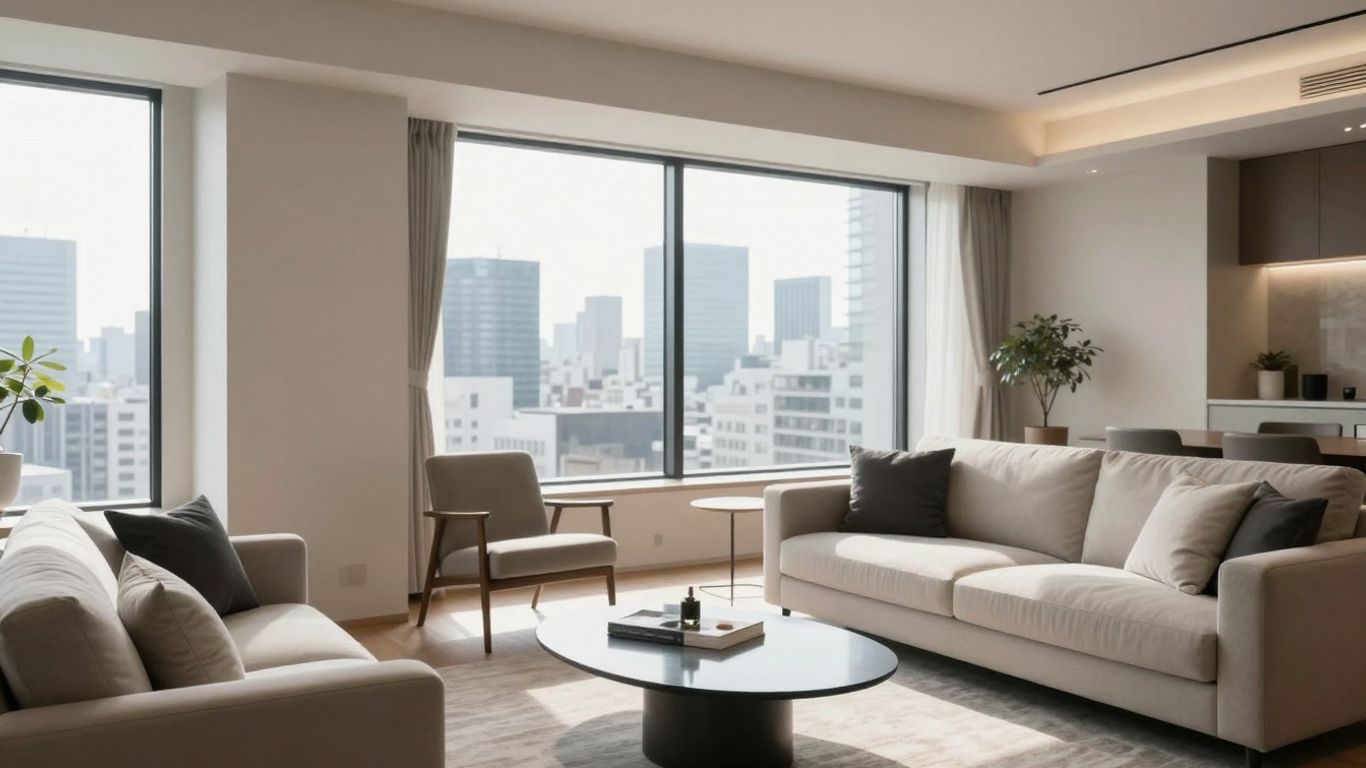
So, what's been happening with Tokyo real estate lately, especially after all the pandemic weirdness? It's been a bit of a rollercoaster, honestly. For a short while, things felt a little quiet. Some folks left the city, many worked from home, and fewer international travelers meant a slight dip in demand for rentals. But that didn't last long.
Population Inflow Driving Rental Demand
By 2022 and 2023, Tokyo started seeing people move back in, and the city's population began growing again. This surge in people looking for places to live pushed rental prices up, and they didn't just recover – they hit new highs. It’s like everyone decided Tokyo was the place to be all at once.
Sustained Demand in the Sales Market
The buying market has also been surprisingly strong. While some might have hesitated at first during the pandemic, a mix of government support, super low interest rates, and maybe a desire for more space (hello, home offices!) kept buyers interested. This sustained interest means that even with high prices, the market keeps moving.
The Influence of Foreign Investment
Another factor playing a role is foreign investment. With the Japanese Yen being weaker compared to other currencies, some overseas buyers see Tokyo property as a real bargain. This has been particularly noticeable in the high-end market, pushing prices up even further.
Here's a quick look at how prices have changed:
| Year | Average New Apartment Price (Tokyo) |
|---|---|
| 2022 | ¥79.1 million |
| 2023 | ¥114.8 million |
This jump is pretty significant, showing just how much demand has increased.
Buying property in Tokyo right now requires a good look at your long-term plans. While prices are high, the low interest rates on mortgages make borrowing cheaper. However, the down payment needed can still be a hurdle, especially for foreigners. It's a balancing act between current costs and future value.
Finding Your Ideal Serviced Apartments Tokyo
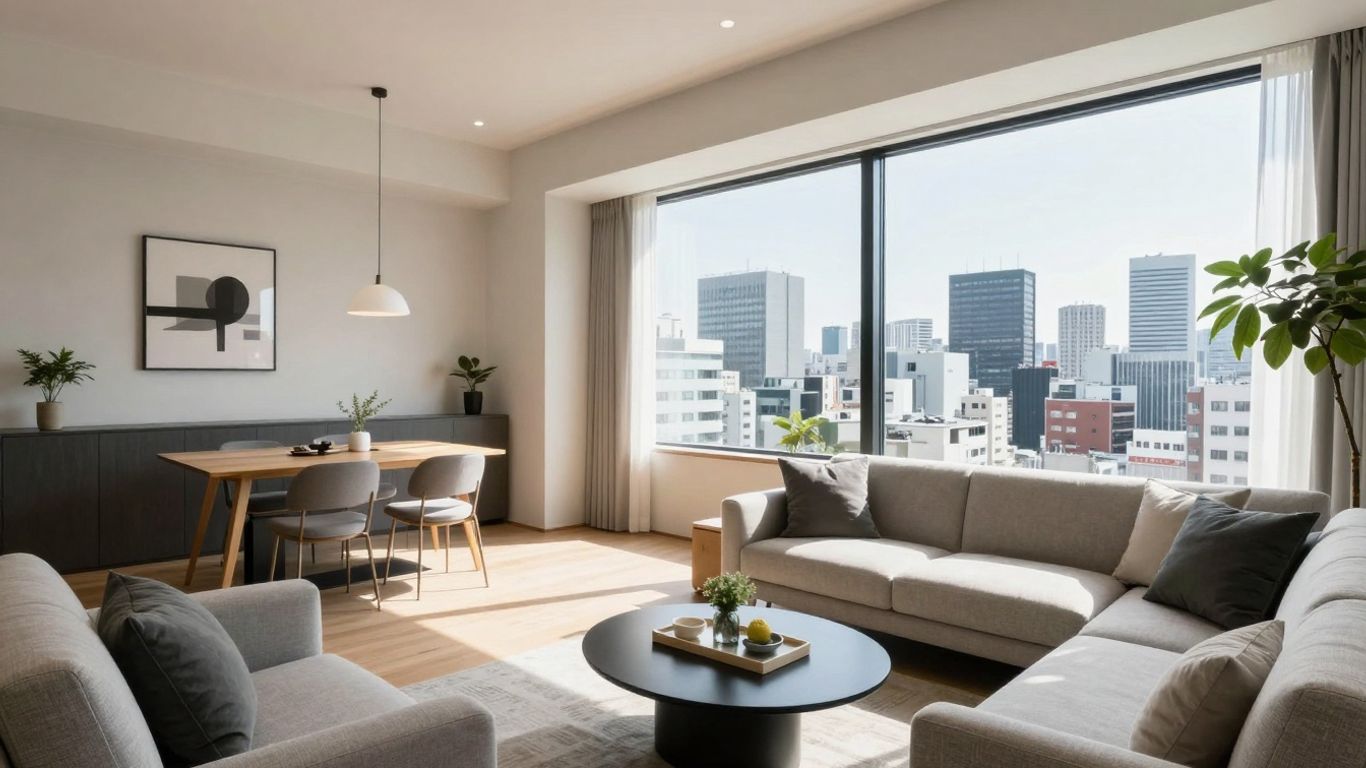
So, you're looking for a place to stay in Tokyo, and maybe the whole apartment hunting thing feels a bit much. Serviced apartments are really starting to pop up everywhere, and for good reason. They sort of bridge the gap between a hotel and a regular rental, offering more space and a homey feel without the long-term commitment or hassle of setting up utilities yourself.
Balancing Location, Size, and Price
When you're looking for a serviced apartment, it's like a puzzle. You've got to figure out what's most important to you. Do you want to be right in the middle of the action, like Shibuya or Shinjuku? That's going to cost more, and you might end up with less space. Or are you okay with a slightly longer commute if it means a bigger place for your money? It's a trade-off, for sure. For example, a place in a central ward might be a cozy studio, while moving just a few stops out could get you a one-bedroom for the same price.
Here's a rough idea of what you might expect:
| Area Type | Typical Size Range | Estimated Monthly Cost | Notes |
|---|---|---|---|
| Central Tokyo | 25-40 m² | ¥200,000 - ¥350,000 | Prime locations, convenient access |
| Outer Tokyo | 35-55 m² | ¥150,000 - ¥250,000 | More space, potentially longer commutes |
| Luxury/Premium | 50+ m² | ¥400,000+ | High-end amenities, exclusive districts |
Considering the Benefits of Serviced Apartments
What makes serviced apartments so appealing, especially right now? Well, they often come furnished, which is a huge plus if you're not planning to stay forever. Think about it: no buying furniture, no selling it when you leave. Plus, things like cleaning services, Wi-Fi, and sometimes even gym access are usually included. It simplifies things a lot, especially if you're new to the city or just want a hassle-free experience.
- Flexibility: Short-term leases are common, giving you freedom to move if your plans change.
- Convenience: Utilities, internet, and often housekeeping are bundled into one price.
- Comfort: More space than a hotel room, with kitchen facilities for preparing your own meals.
- Support: Many properties offer on-site staff to help with any issues.
Serviced apartments are becoming a go-to option for people who need a comfortable, well-equipped base in Tokyo without the complexities of a traditional rental agreement. They offer a practical solution for both short and medium-term stays, fitting well with modern work and travel styles.
Securing Your Accommodation in a High-Demand Market
Tokyo's housing market, even for serviced apartments, can move fast. It's a good idea to start your search a bit in advance, especially if you have specific dates or locations in mind. Be ready to act quickly when you find a place you like. Have your documents in order – proof of income or employment is often required, even for short stays. Don't be afraid to ask questions about the lease terms, what's included in the rent, and any other fees. Getting all the details upfront can save you headaches later on.
So, What's the Takeaway?
Look, Tokyo's housing market is definitely a wild ride. You've got everything from shoebox studios to places that cost more than a small mansion. Whether you're looking to rent or buy, new or old, right in the middle of everything or a bit further out, there are options. It really just comes down to what you can afford and what you need. The city keeps growing, and people keep wanting to live here, so prices are up, and places go fast. It might seem a bit much at first, but with a little research and maybe a bit of luck, you can totally find a spot that works for you in this massive city. Just remember to check out the neighborhood, feel the place out, and don't be afraid to ask questions. Happy hunting!
Frequently Asked Questions
How big are apartments typically in Tokyo?
Tokyo apartments can be quite small, especially in busy areas. A typical studio might be around 20 square meters, which is about the size of a small bedroom. Larger apartments with bedrooms and living areas are usually between 50 to 70 square meters. It's important to know that the listed size often includes entryways and balconies, so the actual living space might be a bit less.
Are new apartments much bigger than older ones?
Newer buildings, usually less than 10 years old, tend to have slightly larger average sizes compared to older ones. For example, new apartments might average around 63 square meters, while older ones are closer to 60 square meters. Developers are building them a bit bigger now to attract families and couples.
Why are new apartments more expensive?
Newer apartments cost more because they come with modern features like better insulation, earthquake safety that meets the latest rules, and often amenities such as security gates and elevators. Renters and buyers are willing to pay extra for these comforts and for the chance to be the first occupants of a brand-new place with all the latest fixtures.
What's the difference in rent between central Tokyo and outer areas?
Rents are significantly higher in central Tokyo compared to the outer, more suburban areas. For instance, a studio apartment in a prime central spot could cost around ¥100,000 to ¥120,000 per month, while a similar one on the outskirts might be only ¥60,000 to ¥80,000. This means you can often get a bigger place or one with an extra bedroom if you live further from the city center.
Is it better to rent or buy an apartment in Tokyo?
Renting offers more flexibility, which is great if your plans might change. Buying is a bigger commitment but can be a good investment, especially with low interest rates. However, apartment prices in Tokyo have reached record highs, making down payments and loan payments substantial. It's wise to think about how long you plan to stay and your financial situation before deciding.
What are serviced apartments, and why are they popular?
Serviced apartments are fully furnished apartments that you can rent for short or long stays, and they often include services like cleaning and utilities. They're popular because they offer the comfort and space of a home with the convenience of a hotel, making them ideal for travelers, business people, or anyone needing temporary housing in Tokyo.
Planning a serviced apartment in Tokyo? Read our complete guide: Serviced Apartments in Tokyo — areas, brands & monthly prices.
Filed under
The Moveandstay editorial team writes about serviced living, workspaces, and city guides across Asia-Pacific.
Read next
Serviced Offices Surge in Popularity as Businesses Embrace Flexible Leasing
May 3, 2026
Hong Kong Serviced Apartment Market Buzzes with Sales and Investment Activity Amidst Shifting Valuations
May 3, 2026
ONYX Hospitality Group Elevates Shama Serviced Apartments with New Lifestyle Concept and Ambitious Expansion
Apr 26, 2026