
The truth about living space in Hong Kong (it shocks newcomers)
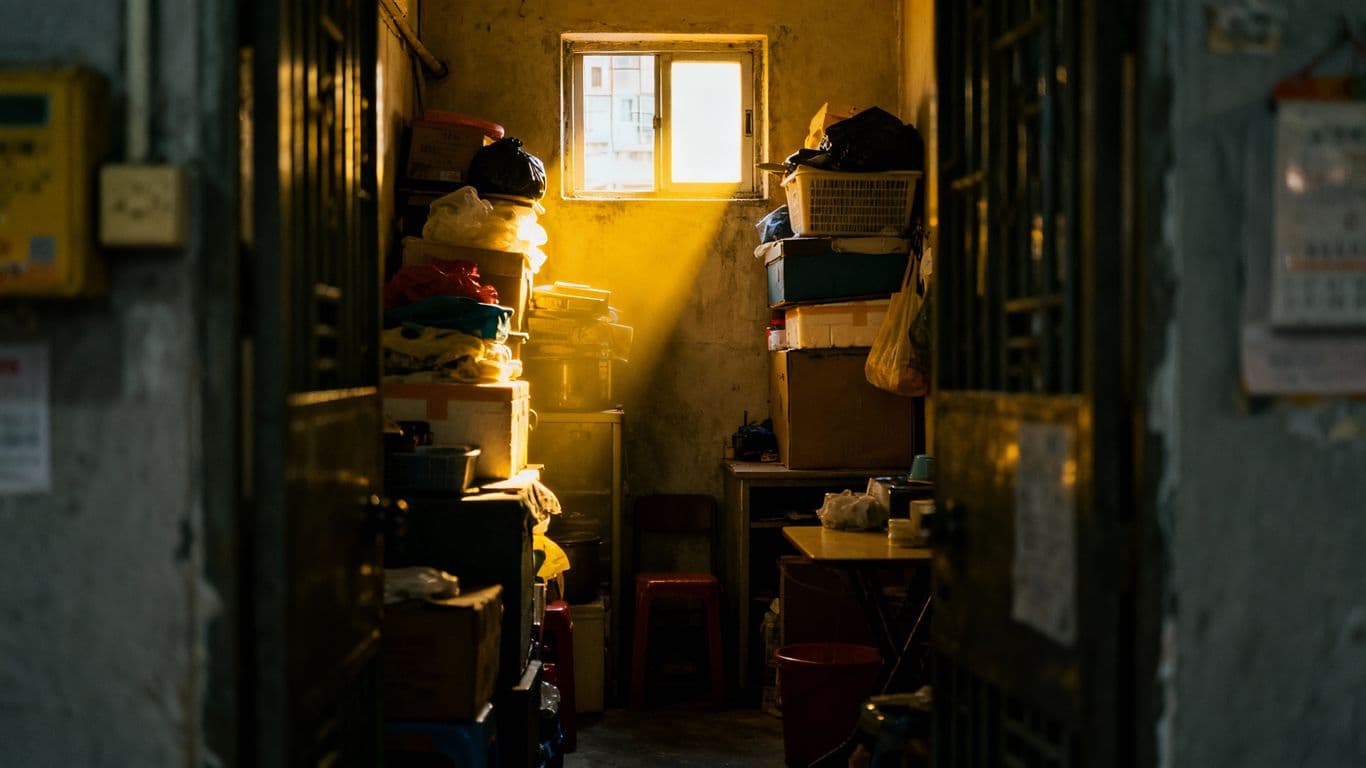
Moving to Hong Kong can be a real eye-opener, especially when it comes to where you'll live. Forget sprawling homes; think cozy, efficient spaces. It's a city that packs a punch, and that includes its living arrangements. From the size of apartments to the cost of just about everything, newcomers often find themselves surprised. But don't worry, it's not all sticker shock. There are clever ways people make it work, and plenty of perks that come with this unique urban environment. Let's break down what you can expect when settling into Hong Kong.
Key Takeaways
- Apartment sizes in Hong Kong are famously small, with studios often under 300 sq ft and one-bedrooms around 300-500 sq ft. This is a major adjustment for most newcomers.
- Renting a place is expensive, with significant variations depending on the district. Buying property is even more challenging due to high prices and large down payment requirements.
- While housing costs are high, daily expenses like public transport and local food can be quite affordable, helping to balance the budget.
- Adapting to small living spaces requires creative storage solutions and a willingness to embrace a more minimalist lifestyle. Serviced apartments Hong Kong can offer a comfortable, furnished alternative for shorter stays.
- Hong Kong offers a vibrant lifestyle with great food, efficient transport, and surprisingly accessible nature, but integrating socially might require learning some Cantonese and understanding local customs.
Understanding Hong Kong's Compact Living Spaces
The Shock of Apartment Sizes for Newcomers
When you first arrive in Hong Kong, the size of apartments can be a real surprise. People coming from places with more open space often find the living quarters here incredibly small. It's not uncommon to see studios that are barely larger than a hotel room, and even one-bedroom places can feel quite snug. This is just the reality of a city where land is extremely valuable. You quickly learn that efficient use of space is key to comfortable living.
Navigating Micro Flats and Studio Apartments
Micro flats and studios are a big part of the housing market, especially for single people or couples. These places are designed to maximize every square inch. You might find a bed that folds up into the wall, a kitchen that's more of a kitchenette, and bathrooms that are very compact. They often come with built-in storage solutions, which are a lifesaver. While they might seem tiny at first, many people find they work well for their needs, especially if they spend most of their time out and about.
Typical Dimensions for One-Bedroom Units
For a one-bedroom apartment, you're generally looking at spaces that range from about 300 to 500 square feet. This usually means a separate bedroom, a small living area, and a compact kitchen and bathroom. It's enough space for one or two people to live comfortably, but don't expect sprawling living rooms or large dining areas. Think functional and cozy rather than spacious.
Family-Sized Flats: What to Expect
Finding a larger flat for a family in the city center can be a challenge and quite expensive. A typical three-bedroom apartment in a more central area might be around 600 to 900 square feet. If you're looking for more space, say over 1,000 square feet, you'll likely need to look further out into the New Territories. These areas often offer larger units at more manageable prices, but it means a longer commute to work or other city hubs. It's a trade-off between space and convenience that many families have to consider.
The density of Hong Kong means that living spaces are optimized to the extreme. What might be considered a small apartment elsewhere is often the norm here, and people adapt by being very mindful of their belongings and how they use their home.
The Financial Realities of Hong Kong Housing
Estimating Monthly Rental Costs
Okay, let's talk about the big one: rent. When people first look into living in Hong Kong, the cost of housing often makes their eyes water. Space is at such a premium here that you're paying a lot for not a lot of square footage, especially compared to many other cities around the world. It’s not uncommon for a small studio apartment to cost more than a much larger place in places like London or New York. This is probably the biggest financial shock for most newcomers.
Here’s a rough idea of what you might expect to pay monthly for rent, keeping in mind this can change based on the exact location, building age, and amenities:
| Type of Apartment | Typical Size (sq ft) | Example Districts | Estimated Monthly Rent (HK$) |
|---|---|---|---|
| Studio | 150-250 | Mong Kok, Jordan | 10,000 - 14,000 |
| One-Bedroom | 300-500 | Wan Chai, Mid-Levels | 18,000 - 28,000 |
| Two-Bedroom | 500-700 | Tseung Kwan O, Tai Wai | 20,000 - 30,000 |
| Three-Bedroom (Family) | 700-1000 | Sha Tin, Fo Tan | 25,000 - 40,000 |
| Luxury (e.g., Harbour View) | 1000+ | The Peak, Repulse Bay | 60,000 - 150,000+ |
It’s a tough pill to swallow, but people adapt. Some choose to live further out in areas like the New Territories where space is more generous for the price, even if it means a longer commute. Others might opt for older buildings that lack modern facilities but come with a lower rent tag. It’s all about figuring out what trade-offs you’re willing to make.
The Challenge of Property Ownership
If renting seems steep, buying property is a whole other level of financial commitment. Hong Kong consistently ranks as one of the least affordable property markets globally. Prices per square foot are incredibly high, often ranging from HK$15,000 to over HK$25,000, depending heavily on the district and the age and condition of the building. For instance, a modest 400 sq ft apartment in a decent Kowloon neighbourhood could easily set you back HK$7 to HK$10 million.
Beyond the sticker price, getting a mortgage here can be tricky. Banks often require substantial down payments, sometimes 30% to 50% of the property value, which is a massive sum to save up. Many first-time buyers rely on financial help from their families or pool resources with a spouse to even get their foot in the door. It’s a long game for most people.
District-Specific Rent Variations
Where you choose to live makes a huge difference to your wallet. The prime areas, like Hong Kong Island's Central and Mid-Levels, are right in the thick of the business and entertainment districts. They offer convenience and prestige but come with the highest rents and often the smallest living spaces. You're paying for the location, pure and simple.
Kowloon, areas like Tsim Sha Tsui or Mong Kok, tend to be a bit more affordable than the most sought-after parts of Hong Kong Island. It's still a very dense, energetic urban environment with great transport links, but you might find slightly better value for money, especially in older buildings.
Then you have the New Territories. This is where you'll generally find more space for your money, often in larger, more modern housing estates that are popular with families. The trade-off here is usually the commute time to the main business hubs. So, when you're looking at rent, always consider how much you're willing to spend on housing versus how much time you want to spend getting to work or other places.
The financial aspect of housing in Hong Kong is a constant balancing act. Newcomers often have to adjust their expectations significantly, prioritizing location, size, or modern amenities based on their budget and lifestyle needs. It's a market that demands careful planning and realistic budgeting from day one.
Beyond Rent: Daily Expenses in Hong Kong
Okay, so rent is a huge chunk of your budget in Hong Kong, we get it. But what about the day-to-day stuff? The good news is that getting around the city is surprisingly affordable and super efficient. You'll probably end up using the MTR (that's the subway system) a lot. A single trip usually costs between HK$4 and HK$20, depending on how far you're going. If you're a regular commuter, a monthly pass might save you some cash, typically around HK$500 to HK$600. Buses and minibuses are also options, costing about HK$4 to HK$15 per ride. Taxis start at HK$27 for the first bit, which isn't too bad for short hops.
Honestly, most people don't bother with a car here. Parking alone can set you back HK$3,000 to HK$5,000 a month, and that's before gas and insurance. So, yeah, public transport is the way to go.
When it comes to food, it's a whole spectrum. Grabbing a meal at a local 'cha chaan teng' (a Hong Kong-style cafe) will likely cost you between HK$40 and HK$80. Fast food places are a bit cheaper, maybe HK$40 to HK$60. If you're looking at mid-range restaurants, expect to spend HK$100 to HK$200 per person. And fine dining? That's HK$300 and up, easily.
Efficient and Affordable Public Transportation
Getting around Hong Kong is a breeze thanks to its extensive and well-maintained public transportation network. The Mass Transit Railway (MTR) is the backbone, connecting most major areas quickly and reliably. Beyond the MTR, a vast network of buses and minibuses covers routes not served by the rail system. Trams are a charming and cost-effective option on Hong Kong Island, while ferries provide scenic links to outlying islands.
- MTR: The most popular choice for speed and convenience.
- Buses & Minibuses: Extensive coverage, often reaching more local neighborhoods.
- Trams: A unique and affordable way to travel on Hong Kong Island.
- Ferries: Connect the islands and offer great harbor views.
Dining Out: From Local Cafes to Fine Dining
Your wallet will thank you if you stick to local eateries. A typical meal at a 'cha chaan teng' or a dai pai dong (open-air food stall) is very reasonable. You can get a hearty noodle soup or a rice dish for under HK$80. Even local fast-food chains offer set meals in that price range. However, if you're tempted by international cuisine or more upscale restaurants, the costs climb quickly. A casual Western meal can easily hit HK$150-HK$200 per person, and that's before drinks. So, balancing your dining budget is key.
Managing Utility Bills and Internet Costs
For a single person or a couple, monthly utility bills are generally manageable. Expect to pay around HK$300 to HK$600 for electricity, though this can spike in the summer months due to heavy air conditioning use. Water costs are usually low, maybe HK$50 to HK$100. Gas for cooking might be around HK$150 to HK$250. High-speed internet is widely available and typically costs between HK$200 and HK$400 per month. It's not a huge expense, but it adds up.
While Hong Kong's housing costs are famously high, many daily expenses can be kept in check with smart choices. Prioritizing local food options and relying on the excellent public transport system can significantly reduce your monthly outgoings. It's all about knowing where to spend and where to save.
Adapting to Hong Kong's Unique Lifestyle
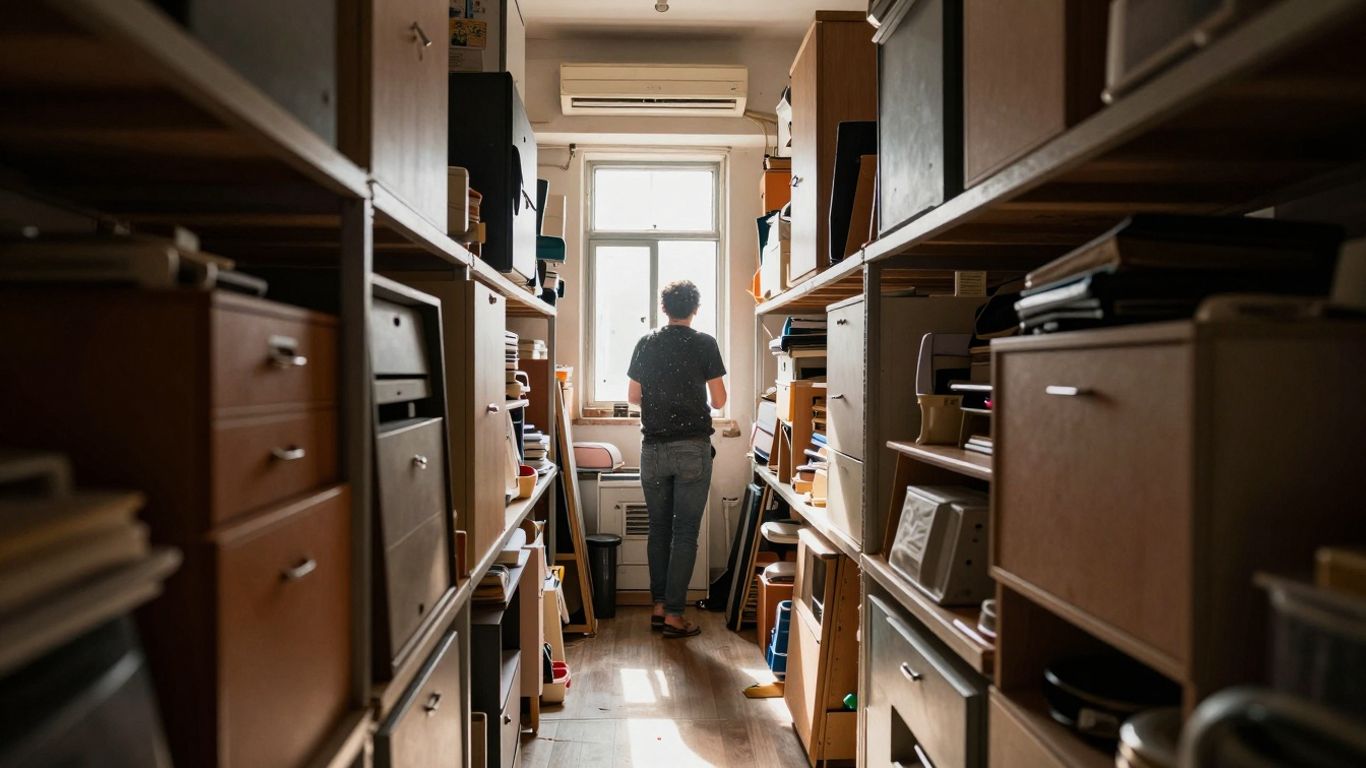
Living in Hong Kong is an experience, that's for sure. It's a city that moves at a breakneck speed, and fitting into its rhythm takes some doing. You'll quickly learn that space is a luxury, and making the most of what you have is key.
Creative Storage Solutions for Small Homes
Forget sprawling walk-in closets or expansive living rooms. In Hong Kong, you learn to get creative. Think vertically! Wall-mounted shelves, over-the-door organizers, and even under-bed storage boxes become your best friends. Many apartments come with built-in storage, but even then, maximizing every inch is an art form.
- Utilize vertical space: Install shelves high up on walls for items you don't use daily.
- Invest in multi-functional furniture: Ottomans with storage, beds with drawers, and expandable dining tables are lifesavers.
- Declutter ruthlessly: Regularly go through your belongings and donate or sell anything you don't truly need. Less stuff means more breathing room.
The Role of Serviced Apartments Hong Kong
For those who aren't ready for the long-term commitment of a lease or need flexibility, serviced apartments can be a good option. They often come furnished and include utilities, which simplifies things when you're just arriving. While they can be pricier per square foot than a standard rental, the convenience factor is high. It's a way to ease into the city without the immediate stress of setting up a new home from scratch. Many expats find these a good starting point to get a feel for different neighborhoods before committing to a longer lease. You can find a range of options depending on your budget and needs, from studios to larger units.
Balancing Urban Intensity with Nature Escapes
It might seem like a concrete jungle, but Hong Kong has surprisingly easy access to nature. Don't underestimate the power of a weekend hike or a trip to one of the outlying islands. Within an hour, you can go from the bustling city streets to serene beaches or lush hiking trails. Places like Dragon's Back offer stunning views, and islands like Lamma or Cheung Chau provide a slower pace of life.
The city's public transport system makes these escapes remarkably accessible. You can hop on an MTR and then a ferry or bus to reach these natural havens without much hassle. It's this blend of intense urban living and readily available natural beauty that makes Hong Kong so unique.
Getting out into nature is a great way to decompress from the city's fast pace. It helps you recharge and appreciate the diverse environment Hong Kong offers, proving that it's not all about skyscrapers and crowded streets. It's a vital part of maintaining well-being here, and something many residents rely on to stay balanced. You can explore options for accommodation expenses that might suit your needs while planning these escapes.
Navigating Social and Cultural Nuances
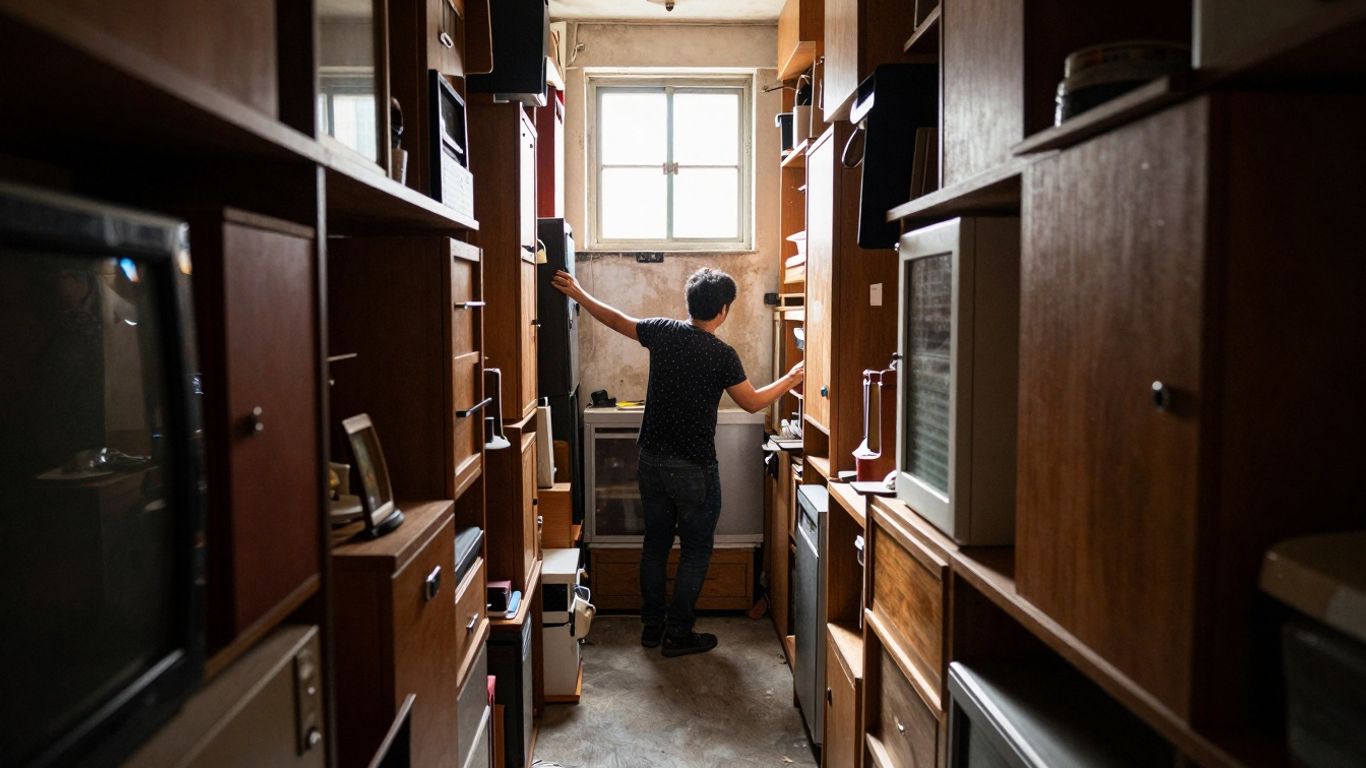
Hong Kong is a city that moves at lightning speed, and fitting in socially can feel like another challenge on top of everything else. It's a place where East meets West, and understanding the local customs is key to making genuine connections.
Making Friends in a Fast-Paced City
So, how do you actually meet people here? For many expats, work is the initial gateway. Beyond that, there are tons of apps and groups dedicated to connecting people with shared interests. Think hiking clubs – Hong Kong has amazing trails, by the way – or sports teams. These are great ways to find your tribe. Making local friends can take a bit more effort, mainly because of the language barrier. While many locals speak English, especially in business settings, diving into Cantonese really opens doors for deeper relationships. It shows you're making an effort, and people generally appreciate that.
Understanding Local Dining Etiquette
Dining out is a huge part of life in Hong Kong, and it's not just about the food. You'll notice things are often more direct than you might be used to. Don't be surprised if service feels a bit brisk; it's usually not personal, just the city's pace. When you're invited to someone's home, bringing a small gift is a nice gesture. Think about things that are easy to store, like specialty teas or sweets. It's a thoughtful way to show appreciation, and there are some great places to find unique items for gift-giving in Hong Kong.
The Importance of Cantonese for Integration
While you can absolutely get by in Hong Kong with just English, learning some Cantonese makes a world of difference. It's not just about ordering food or asking for directions; it's about understanding the culture on a deeper level. Even learning a few basic phrases can break down barriers and show respect. It helps you connect with people beyond the surface level and truly feel like you're part of the city, not just visiting. It can be tough, sure, but the rewards are huge.
The city's energy is infectious, but it can also be overwhelming. Embracing the local culture, even the small things like understanding dining customs or trying to speak a bit of Cantonese, helps you feel more grounded and connected. It's about adapting, not changing who you are, and finding your own rhythm within the Hong Kong hustle.
Family Life and Educational Considerations
Raising a family in Hong Kong presents a unique set of challenges and rewards, especially for newcomers trying to get a handle on things. It's a city that buzzes with energy, and that energy extends to its educational system and family-focused amenities, though often within a compact urban footprint.
The Cost and Competitiveness of International Schools
When it comes to schooling, international education is a big draw for expat families. These schools offer curricula like the IB or GCSE, which can make the transition easier for kids coming from abroad. However, they are also incredibly competitive and come with a hefty price tag. Expect to pay anywhere from HK$150,000 to over HK$250,000 per year, and getting a spot can feel like a race. Waiting lists are common, so it's wise to start your research and applications well in advance. For those considering local options, the academic standards are high, but the pressure can be intense, with a strong emphasis on rote learning.
Family-Friendly Facilities Amidst Urban Density
Despite the city's reputation for being densely populated, Hong Kong actually does a pretty decent job of providing family-friendly spaces. You'll find parks, playgrounds, and recreational centers scattered throughout the city, offering places for kids to run around. Plus, the beaches and more natural landscapes aren't too far away for weekend escapes. Even the shopping malls and dining spots are often equipped with facilities to accommodate families with young children, making day-to-day life a bit smoother.
The Role of Domestic Helpers in Childcare
It's quite common for families in Hong Kong to hire domestic helpers, often referred to as 'helpers,' to assist with childcare and household chores. This arrangement can significantly ease the burden for working parents. Monthly salaries for helpers typically range from HK$4,800 to HK$5,500, with additional costs for accommodation and food. This is a cultural norm that many expats find helpful in managing the demands of family life in such a fast-paced environment. It's a practical solution that allows parents to balance careers with family responsibilities more effectively. For more on settling into Hong Kong, check out this guide for expats relocating to Hong Kong.
The educational landscape here is a significant consideration for families. While international schools offer familiar curricula, their cost and competitive nature are major factors. Local schools are academically rigorous but can be high-pressure environments. Many families find that the support of a domestic helper is invaluable for managing daily life and childcare, allowing for a better work-life balance in this demanding city.
Mental Wellbeing in a High-Energy Environment
Managing Stress in a Demanding City
Living in Hong Kong can feel like being on a treadmill that's always set to high speed. The sheer density of people, the constant hum of activity, and the pressure to keep up can be a lot. It's easy to feel overwhelmed when you're navigating crowded MTR trains during rush hour or trying to find a quiet corner in a city that never seems to sleep. The small living spaces we talked about earlier? They don't always help when you need a moment to yourself. It's a city that demands a lot, and sometimes, it feels like it takes more than it gives. Finding ways to decompress is not a luxury here; it's a necessity.
Popular Local Stress-Relief Activities
Despite the urban intensity, Hong Kongers have found some pretty effective ways to unwind. You'll see people everywhere, especially on weekends, heading for the hills. Hiking is huge. Trails range from easy strolls to challenging climbs, and the views from the top are often worth the sweat. It's a great way to clear your head and get some fresh air, which feels like gold in the city.
Here are a few things people do:
- Hit the trails: From Dragon's Back to Lion Rock, there are countless hiking routes.
- Head to the islands: A short ferry ride can take you to places like Cheung Chau or Lamma Island for a slower pace and seafood.
- Enjoy the parks: Even within the city, places like Hong Kong Park or Kowloon Park offer green spaces for a break.
- Gather with friends: Simple meetups over tea or a meal can be a big stress reliever.
The city's efficiency, while a major draw, can also contribute to a feeling of constant motion. It's important to consciously carve out moments of stillness, whether it's a quiet cup of tea at home or a deliberate walk through a less crowded neighborhood.
Growing Access to Mental Health Support
It's good to know that the conversation around mental health is getting louder. While it might not be as openly discussed as in some Western countries, there's a noticeable increase in resources. More therapists and counselors are available, and many offer services in English, which is a relief for newcomers. Online therapy platforms are also becoming more common, offering a convenient way to access support without leaving your small apartment. It’s a step in the right direction for a city that can sometimes feel like it’s running at a million miles an hour.
So, What's the Real Deal?
Living in Hong Kong definitely isn't what you see in the movies. It's a city that demands a lot, especially when it comes to space and the cost of just having a roof over your head. But for many, the trade-off is worth it. The energy, the food, the sheer convenience of getting around, and the surprising amount of nature tucked away – it all adds up to a unique experience. It’s not for everyone, and it’s okay if the reality of tiny apartments and a fast pace isn't your cup of tea. But if you can roll with the punches and adapt, Hong Kong offers a life that’s hard to find anywhere else. Just be ready for that initial shock when you first see your new place!
Frequently Asked Questions
How small are apartments in Hong Kong, really?
Apartments in Hong Kong are famously tiny! Studios can be as small as 120 square feet, which is like a large bedroom. Even one-bedroom places are usually only around 300 to 500 square feet. It's a big change if you're used to more space, but people get creative with storage.
Is it expensive to rent an apartment in Hong Kong?
Yes, renting is a big expense. A small one-bedroom apartment can easily cost around HK$20,000 to HK$28,000 per month, depending on the area. For a family-sized place with three bedrooms, you might be looking at HK$25,000 to HK$35,000 or more.
What are the daily costs like besides rent?
Good news! Public transport, like the MTR train system, is quite affordable and super efficient, making it easy to get around without a car. Eating at local cafes (cha chaan tengs) is also cheap, usually costing around HK$40 to HK$80 for a meal. However, things like eating at fancy restaurants or going to the gym can add up quickly.
Is it hard to make friends in Hong Kong?
It can be a bit tricky, but it's definitely possible! Many foreigners connect through their jobs or by joining hobby groups like hiking clubs. Learning some basic Cantonese can really help you connect with locals on a deeper level, even though many people speak English.
What's it like for families with kids?
Hong Kong can be a good place for families, but it has its challenges. International schools are great but very expensive, costing over HK$150,000 a year. While space is tight, there are still plenty of parks and family-friendly places. Many families also hire domestic helpers to help with childcare.
Is Hong Kong a stressful city to live in?
It can be! Hong Kong is known for its fast pace, crowded commutes, and demanding work culture, which can feel overwhelming. But many people also find it exciting and appreciate the city's efficiency, safety, and the easy access to nature like hiking trails and beaches for a break.
Filed under
The Moveandstay editorial team writes about serviced living, workspaces, and city guides across Asia-Pacific.
Read next
Serviced Offices Surge in Popularity as Businesses Embrace Flexible Leasing
May 3, 2026
Hong Kong Serviced Apartment Market Buzzes with Sales and Investment Activity Amidst Shifting Valuations
May 3, 2026
ONYX Hospitality Group Elevates Shama Serviced Apartments with New Lifestyle Concept and Ambitious Expansion
Apr 26, 2026