
So, you're thinking about moving to Hong Kong as an expat, right? It's a pretty exciting place, but let's be real, the cost of living in Hong Kong for expats can be a bit of a shock. We're going to break down what you can expect to spend your money on, from finding a place to live to just getting around. We'll also touch on what kind of salaries expats typically pull in and some clever ways to save a few quid while you're there.
Key Takeaways
- Hong Kong is known for being one of the more expensive cities globally, especially for housing.
- Accommodation costs are a big deal due to limited space, so finding a place often means looking a bit further out.
- Daily expenses like food and public transport can be quite reasonable compared to rent.
- Expats often find good career opportunities and competitive salaries in Hong Kong.
- There are definitely ways to cut down on costs, like using public transport and exploring different neighbourhoods.
Understanding the Cost of Living in Hong Kong for Expats
Overall Living Expenses for Expats
Moving to Hong Kong can be exciting, but it's important to understand the costs involved. Hong Kong is known for being an expensive city, and expats need to be prepared for this. The overall cost of living will depend on your lifestyle, accommodation choices, and spending habits. It's not uncommon for people to experience sticker shock when they first arrive, especially if they're coming from places with lower living costs. It's a good idea to research and budget carefully before making the move. You can use a living expenses calculator to get a better idea of what to expect.
Monthly Costs for Individuals and Families
Monthly expenses in Hong Kong can vary significantly between individuals and families. For a single person, you might be looking at around HK$40,000 per month. For a family of four, this could jump to nearly HK$60,000 or more. These figures include rent, food, transport, utilities, and other daily expenses. Of course, these are just estimates, and your actual costs could be higher or lower depending on your spending habits. Here's a rough breakdown:
- Rent: HK$15,000 - HK$30,000+
- Food: HK$5,000 - HK$10,000
- Transport: HK$500 - HK$1,000
- Utilities: HK$500 - HK$1,500
- Other expenses: HK$5,000+
Hong Kong's Global Cost Ranking
Hong Kong consistently ranks as one of the most expensive cities in the world. It's often near the top of the list, competing with cities like New York and London. This high ranking is mainly due to the high cost of housing, which is driven by land scarcity and high demand. While salaries in Hong Kong can be competitive, the high cost of living means that expats need to budget carefully to maintain a comfortable lifestyle. It's the 2nd most expensive city in Asia. It's more expensive than 87% of cities in the world. It's important to consider this global cost ranking when negotiating your salary and planning your finances.
Living in Hong Kong can be an amazing experience, but it's not cheap. Make sure you do your research, create a budget, and be prepared to adjust your lifestyle to make the most of your time there.
Accommodation Costs for Expats in Hong Kong
Rental Prices for Furnished Apartments
Finding a place to live is often the biggest expense for expats in Hong Kong. Rental prices can be very high, especially for furnished apartments in popular areas. You'll find a range of options, from studios to multi-bedroom flats, but be prepared for smaller living spaces compared to what you might be used to. For example, a furnished studio in a desirable location could set you back a significant portion of your monthly budget. It's worth doing your research and considering different neighbourhoods to find something that fits your needs and budget.
Impact of Land Scarcity on Housing
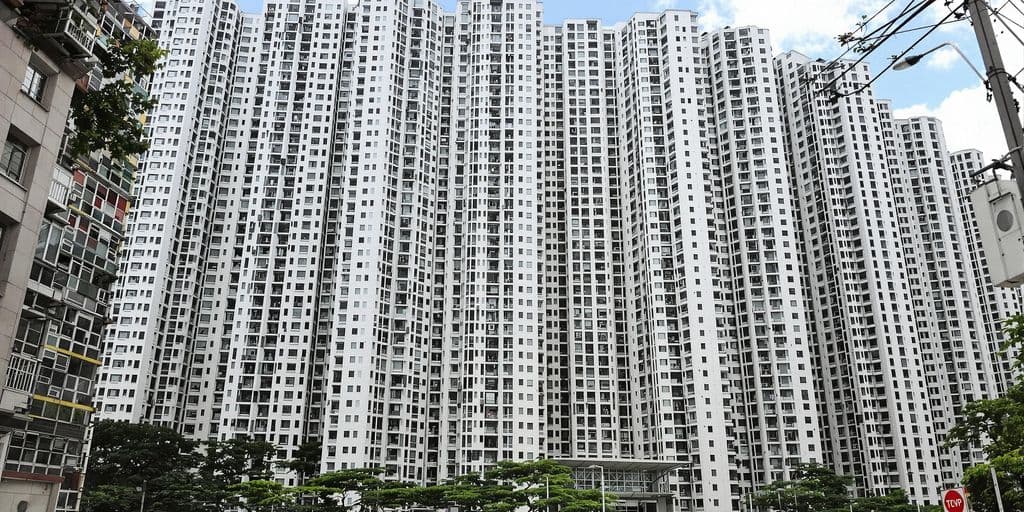
Hong Kong's limited land area is a major factor driving up property prices. With a high population density, demand for housing is always strong, which keeps rental costs elevated. This scarcity affects not only the price but also the size of available apartments. Don't be surprised if you find yourself paying a premium for a relatively small space. The limited land also influences the types of housing available, with high-rise buildings being the norm. This land scarcity is a key consideration when planning your move.
Strategies for More Affordable Housing
Despite the high costs, there are ways to find more affordable housing in Hong Kong:
- Consider living in less central districts: Areas further from the city centre often have lower rental prices.
- Look for smaller apartments: Opting for a smaller space can significantly reduce your monthly rent.
- Explore shared accommodation: Sharing a flat with other expats or locals can be a cost-effective option.
It's a good idea to start your housing search well in advance of your move. Utilise online resources and consider working with a reputable real estate agent who specialises in expat rentals. They can help you navigate the market and find a place that meets your needs and budget.
Daily Expenses and Utilities in Hong Kong

Typical Food and Drink Costs
Eating out in Hong Kong can be surprisingly affordable, or incredibly expensive, depending on your choices. You can grab a quick and tasty meal for around HK$95 in a central area. Groceries, on the other hand, can vary. Here's a quick breakdown:
- Local Market: Fresh produce is generally cheaper.
- Supermarkets: Expect to pay a premium for imported goods.
- Dining Out: Hawker stalls and local cafes are budget-friendly.
It's worth exploring different neighbourhoods to find the best deals on food. Some areas offer much cheaper options than the main tourist spots.
General Utility Bills for Residents
Utility bills are a consistent expense to consider. For a single person in a small apartment (around 480 sq ft), you might expect to pay around HK$854 per month for basic utilities like gas and heating. However, this can increase significantly depending on your usage and the size of your flat. For example, electricity in Hong Kong is supplied by two companies, and costs can vary. Here's a rough guide:
- Electricity: Can be quite high, especially in summer due to air conditioning.
- Water: Relatively inexpensive.
- Gas: Used mainly for cooking and heating water.
Household Help and Services
Hiring domestic help is common in Hong Kong, and relatively affordable compared to many Western countries. Many expats employ helpers for cleaning, cooking, and childcare. The cost will depend on the helper's experience and the number of hours they work. Here's what to consider:
- Full-time Helper: Expect to pay a monthly salary plus food allowance.
- Part-time Cleaner: Hourly rates vary.
- Agency Fees: If you use an agency, there will be additional costs.
It's important to understand the legal requirements and employer responsibilities when hiring domestic help. Make sure you comply with all regulations to avoid any issues.
Transportation and Personal Spending
Public Transport Efficiency and Cost
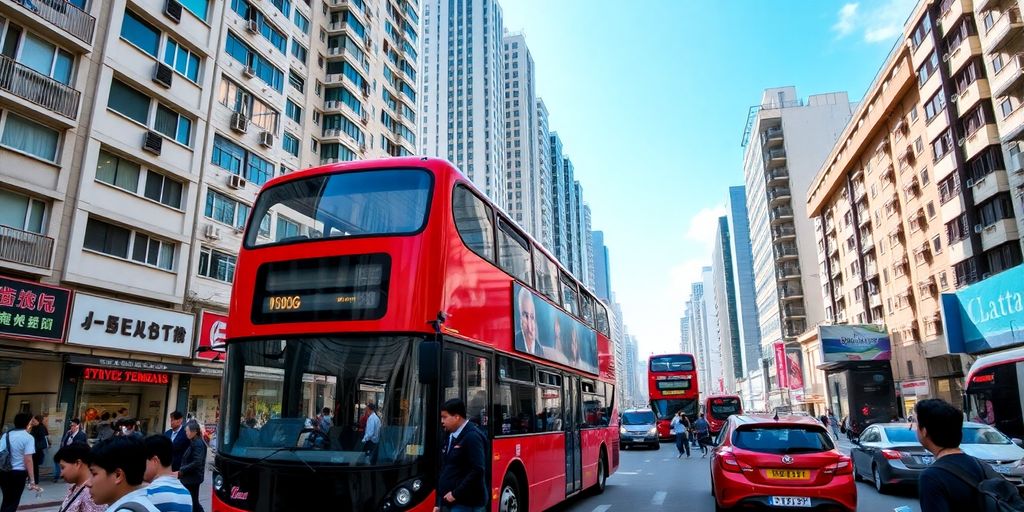
Hong Kong boasts a really efficient and relatively cheap public transport system. The MTR (Mass Transit Railway) is usually the quickest way to get around, but buses, trams ('ding dings' as they're affectionately known), and ferries also serve different areas. Using an Octopus card makes paying for everything super easy – you just tap and go. It's not just for transport either; loads of shops and even some restaurants accept it. This can really help simplify your daily spending.
Vehicle Ownership Considerations
Owning a car in Hong Kong? It's a whole different ball game. First off, space is at a premium, so parking can be a nightmare and seriously expensive. Then there's the cost of the car itself, plus insurance, maintenance, and fuel. And don't forget the toll charges for some of the tunnels and roads. Honestly, unless you absolutely need a car for work or have specific mobility needs, it's probably not worth the hassle or the expense. Public transport is just so good that it covers most people's needs.
Personal Care and Clothing Expenses
Personal care and clothing costs can vary a lot depending on your lifestyle. If you're into designer brands and fancy salons, you'll obviously be spending more. But there are plenty of affordable options too. Local markets and smaller shops often have good deals on clothing, and there are lots of reasonably priced hairdressers and beauty salons. Here's a rough idea of what you might be looking at:
- Basic haircut: HK$200-500
- Jeans from a mid-range brand: HK$400-800
- Monthly gym membership: HK$500-1000
It's easy to get caught up in the consumer culture here, but with a bit of planning, you can definitely keep your personal spending under control. Think about what you really need versus what you want, and shop around for the best deals. Also, don't be afraid to check out local markets and smaller shops – you can often find some great bargains. For example, consider using public transport to save money.
Expat Salaries and Career Prospects
Average Expat Salary Expectations
So, you're thinking about moving to Hong Kong for work? One of the biggest draws is, of course, the salary. Expats in Hong Kong often find themselves earning competitive wages, especially when working for international companies. According to some surveys, the average expat salary can be quite attractive, often exceeding what they might earn in their home countries. This is due to a combination of factors, including the demand for skilled workers and the high cost of living. It's not just about the money, though; it's about what that money can get you in terms of lifestyle and opportunities.
Career Progression Opportunities
Hong Kong is a place where you can really climb the ladder. It's a dynamic environment, and there are plenty of chances to advance your career. Many expats report that they find it easier to progress in their careers in Hong Kong compared to their home countries. This is partly because of the city's strong economy and its position as a major hub for international business. The financial services sector is a big employer, but there are also opportunities in education, technology, and other industries. It's worth doing your research to see where your skills fit best.
Here are some sectors with good career prospects:
- Finance
- Technology
- Education
- Healthcare
Hong Kong's appeal extends beyond just salary; it's about the potential for professional development and the chance to gain international experience. The city's fast-paced environment and diverse culture can be incredibly enriching for those looking to take their careers to the next level.
Hong Kong's Appeal for Professional Growth
What makes Hong Kong so appealing for professional growth? Well, it's a mix of things. The city's strategic location in Asia, its strong legal system, and its open economy all contribute to its attractiveness. Plus, there's a real sense of ambition and drive in the city, which can be infectious. For many expats, Hong Kong offers a chance to work on challenging projects, gain exposure to different cultures, and build a global network. It's not always easy, but the rewards can be significant. Don't forget to consider the expat salary expectations when planning your move.
Economising Strategies for Expats
Exploring Cheaper Districts
Let's be honest, Hong Kong can be expensive. But it doesn't have to break the bank. One of the easiest ways to save money is to consider living outside the main expat hubs. Areas like Sham Shui Po or Sai Kung offer significantly lower rental costs compared to places like Central or Mid-Levels. You might have a slightly longer commute, but the savings can be substantial. Plus, you'll get a more authentic taste of Hong Kong life. It's a win-win, really. Think about it – more money for travel or that fancy gadget you've been eyeing up. You can also find affordable housing in other areas.
Leveraging Public Transport
Forget about relying on taxis. Hong Kong boasts an incredibly efficient and affordable public transport system. The MTR (subway), buses, trams, and ferries can get you just about anywhere. Get yourself an Octopus card – it's your ticket to seamless travel. Not only is it convenient, but it's also much cheaper than owning a car, especially when you factor in parking fees and petrol costs. Seriously, ditch the car and embrace the MTR. You'll be surprised how much you save. Plus, you'll avoid the crazy traffic. It's a no-brainer.
Smart Shopping for Essentials
Food shopping can be a killer, especially if you're sticking to imported goods. Try to shop at local markets for fresh produce – you'll find better prices and support local businesses. Also, consider buying in bulk for non-perishable items. Places like wet markets offer great deals if you know where to look. Don't be afraid to try local brands; they're often just as good as the imported stuff, but much cheaper. And remember, eating out doesn't always have to be expensive. There are tonnes of local eateries that offer delicious and affordable meals. You can also check out expat salaries to help you budget.
Living frugally in Hong Kong is totally doable. It just takes a bit of planning and a willingness to step outside your comfort zone. Embrace the local culture, explore different neighbourhoods, and be smart about your spending. You'll be surprised how much you can save without sacrificing your quality of life.
So, Can Expats Really Afford Hong Kong?
Alright, so we've had a good look at what it costs to live in Hong Kong. It's pretty clear that while some things, like public transport, are a bargain, the big one – rent – can really hit your wallet hard. But here's the thing: it's not all doom and gloom. Expats often land jobs with decent salaries, and there are ways to make your money go further. You don't have to live in the most expensive spots, and being smart about your spending can make a big difference. So, while it might seem a bit pricey at first glance, with a bit of planning, Hong Kong can definitely be a place where expats can live comfortably and even save a bit. It's all about making those clever choices.
Frequently Asked Questions
How much does it cost for expats to live in Hong Kong?
Living in Hong Kong can be quite expensive, especially when it comes to finding a place to live. Rent for a furnished studio in a pricey area might cost around HK$22,747.18 each month. Even a larger family home in a cheaper part of town could be about HK$26,964.49, not counting extra bills.
Why is housing so expensive in Hong Kong?
A big reason for the high housing costs is that Hong Kong doesn't have much land. There are many people living in a small space, which makes land very valuable and drives up prices for homes.
Can expats afford to live in Hong Kong?
Yes, it is definitely possible to live in Hong Kong without spending too much money. You can save by choosing to live in less expensive areas, using the great public transport system, and being smart about where you buy your everyday items.
What are the typical utility costs in Hong Kong?
For a single person, basic utility bills like heating, gas, and electricity for a small flat might be around HK$854. If you want help around the house, that could add another HK$60 per hour.
What kind of salaries can expats expect in Hong Kong?
Many expats working for international companies in Hong Kong earn good salaries, often around US$148,410 per year. Hong Kong is also known for offering good chances to move up in your career.
Is public transport affordable for expats in Hong Kong?
Public transport in Hong Kong is very good and not expensive. A monthly pass for getting around might cost about HK$510. This is a much cheaper option than buying a car, which can be very pricey (for example, a Volkswagen Golf might cost HK$243,385).
The Moveandstay editorial team writes about serviced living, workspaces, and city guides across Asia-Pacific.
Read next

Serviced Offices Surge in Popularity as Businesses Embrace Flexible Leasing
May 3, 2026

Hong Kong Serviced Apartment Market Buzzes with Sales and Investment Activity Amidst Shifting Valuations
May 3, 2026

ONYX Hospitality Group Elevates Shama Serviced Apartments with New Lifestyle Concept and Ambitious Expansion
Apr 26, 2026