
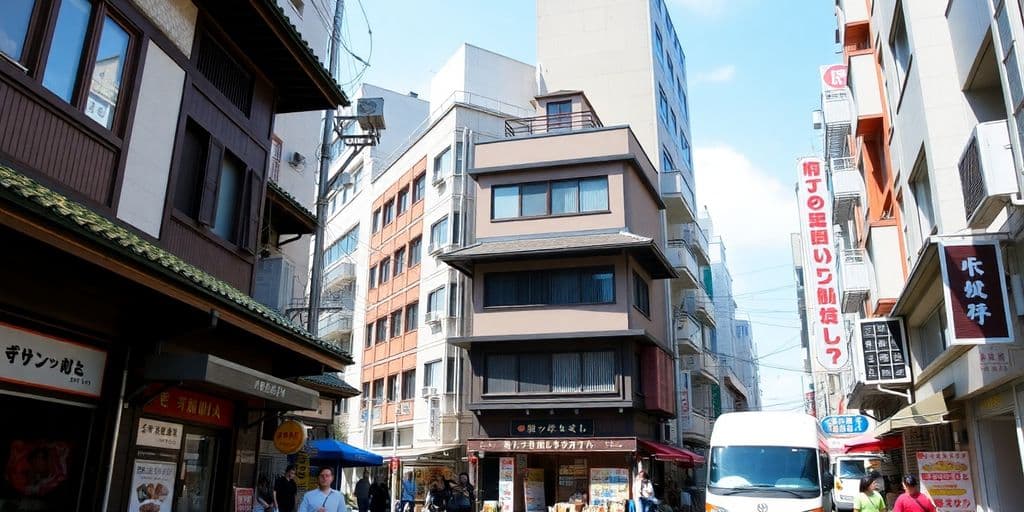
Short-term rentals in Tokyo have become increasingly popular, especially with the city's vibrant tourist scene. However, navigating this market isn't as straightforward as it might seem. From understanding local laws to choosing the right location, there are plenty of factors to consider if you're thinking about entering the short-term rental market in Tokyo. This article will guide you through the essentials, ensuring you’re well-prepared for what lies ahead.
Key Takeaways
- Tokyo's short-term rental market is booming, but it's crucial to stay updated on local regulations.
- The Minpaku law requires hosts to register, limiting rentals to 180 nights per year unless a hotel licence is obtained.
- Location is key—areas like Shibuya and Shinjuku are popular but come with their own challenges.
- Furnished apartments tend to attract more guests, but competition is fierce, so make your listing stand out.
- Providing local insights and quality amenities can greatly enhance the guest experience and lead to better reviews.
Understanding The Short-Term Rental Market
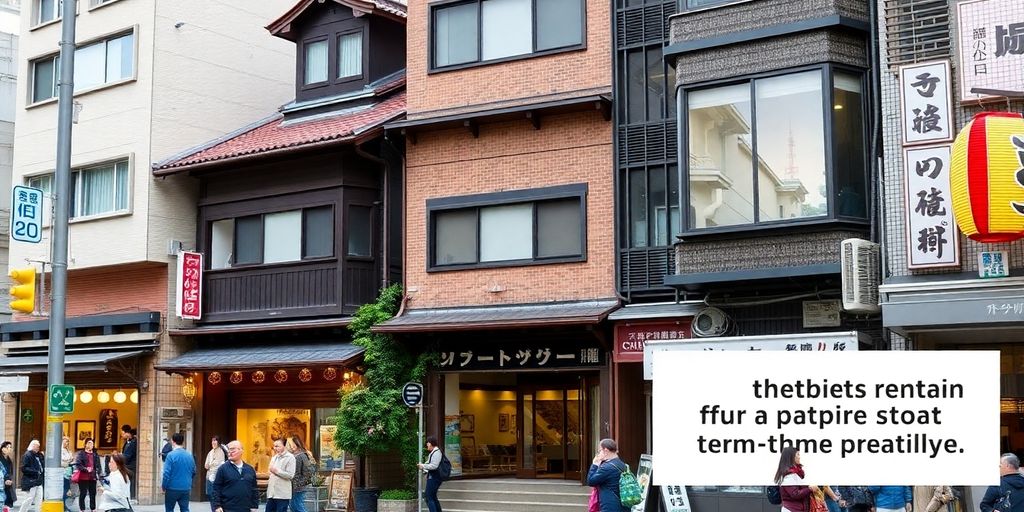
Current Trends in Short-Term Rentals
The short-term rental market in Tokyo is seeing some interesting shifts. The days of easy money are gone, and it's now a competitive business. With the exchange rate being favourable, many are considering purchasing property to operate as short-term rentals. However, it's not as simple as it seems.
- There's a lot of high-quality competition out there.
- Tourists tend to prioritise Tokyo, Kyoto and Osaka.
- Maintenance services can be hard to come by outside of these main urban areas.
The tight regulatory environment and high property prices mean that profitability is not as high as one might assume. In many cases, after accounting for limited rental days and costs, an Airbnb's net yield is comparable to a traditional rental.
Impact of Regulations on Rentals
Regulations, especially the Minpaku Law, have had a big impact. Some owners remember the 'golden days' before Minpaku, when there were fewer restrictions. Now, understanding the licences and regulations is vital. These regulations have major implications on your offering capacity and level. It's important to budget for compliance and limitations, assuming a maximum of 180 nights per year.
Comparing Short-Term and Long-Term Rentals
Deciding between short-term and long-term rentals in Tokyo requires careful consideration. Acquisition prices are high, which compresses rental yields for both. Many investors caution that the math only works if one has a long-term horizon or expects significant property appreciation. Tokyo's long-term rental demand is extremely stable, so reverting to monthly or yearly leases is viable if Airbnb doesn't pan out. This safety net somewhat justifies paying a premium for a well-located property – you're not stuck without options.
Navigating Legal Requirements
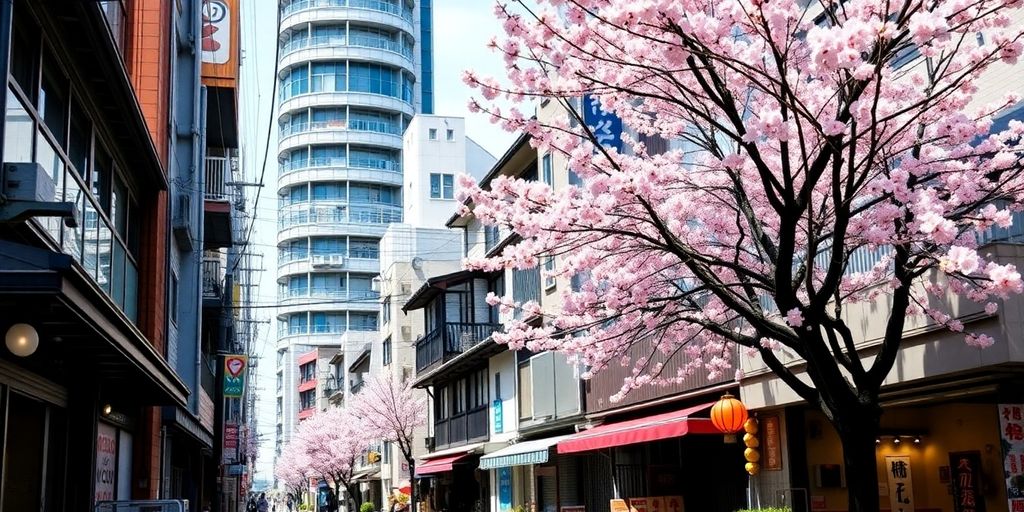
Alright, so you're thinking about jumping into the short-term rental game in Tokyo? Awesome! But before you start picturing those sweet profits, let's talk about the not-so-glamorous but super important stuff: the legal side of things. Japan, like anywhere, has rules, and you gotta play by them. It's not just about avoiding fines; it's about being a responsible host and keeping everyone happy – including the neighbours!
Overview of Minpaku Law
Okay, so the big one you'll hear about is the Minpaku Law (民宿新法). Basically, this law was introduced to regulate the short-term rental market, which was getting a bit wild. The Minpaku Law sets out the basic rules for legally operating a short-term rental. It's designed to balance the needs of tourists with the concerns of local residents. Here's the gist:
- You need to register your property with the local government.
- There's a limit on the number of days you can rent out your place each year (usually capped at 180 days).
- You have to meet certain safety and hygiene standards.
Ignoring the Minpaku Law can lead to some serious headaches, including hefty fines and even being shut down. So, it's really not worth the risk. Make sure you do your homework and get everything in order before you start accepting bookings.
Registration Process for Hosts
So, how do you actually register your property? Well, it can be a bit of a process, but don't worry, I'll break it down. First, you'll need to gather all the necessary documents. This usually includes:
- Proof of ownership (or permission from the landlord if you're renting).
- A floor plan of the property.
- Your ID.
- Details of your management plan (how you'll handle cleaning, guest communication, etc.).
Once you've got all that, you'll need to submit it to your local municipal office. They'll review your application and, if everything's in order, issue you a Minpaku licence. Keep in mind that the exact requirements can vary slightly depending on the municipality, so it's always best to check with them directly. Also, if you are starting an Airbnb in Japan and don't own the entire building, you'll need landlord permission.
Local Regulations and Compliance
Don't think the Minpaku Law is the only thing you need to worry about! Each city, and even each ward within Tokyo, can have its own additional regulations. These can cover things like:
- Operating hours (some areas restrict check-in/check-out times).
- Noise levels (be mindful of your neighbours!).
- Waste disposal (follow the local recycling rules).
It's your responsibility to find out what these local rules are and make sure you're following them. You can usually find this information on the local government's website, or by contacting them directly. Ignorance isn't an excuse! Staying compliant with local regulations is key to avoiding problems and maintaining a good relationship with your neighbours. You might want to consider getting professional services to help you with the registration process.
Choosing The Right Location
Location, location, location! It's an old saying, but it rings especially true when it comes to short-term rentals. Where you choose to base your rental can make or break its success. You need to think about what your target guest is looking for and pick a spot that ticks their boxes.
Popular Districts for Short-Term Rentals
Some areas in Tokyo are just magnets for tourists and business travellers. Shinjuku is a classic example, offering a mix of nightlife, shopping, and easy access to transport links young adults. Shibuya is another popular choice, known for its trendy vibe and iconic scramble crossing. For a more traditional experience, consider Asakusa, with its temples and historical atmosphere. Ueno Park is also a great option, offering a blend of culture and nature. Each district has its own unique appeal, so do your research to see which one aligns best with your target audience.
Factors Influencing Location Choice
Beyond just popularity, several factors should influence your location choice:
- Proximity to Attractions: How close is the property to major tourist spots, museums, parks, and entertainment venues? The closer, the better.
- Local Amenities: Are there plenty of restaurants, cafes, supermarkets, and convenience stores nearby? Guests appreciate having easy access to everyday essentials.
- Safety and Security: Is the area generally considered safe? Research crime rates and read reviews from other travellers to get a sense of the neighbourhood's safety.
- Noise Levels: Is the area quiet and peaceful, or is it prone to noise from traffic, nightlife, or construction? Consider your target guest – some might enjoy the buzz of a lively area, while others prefer a more tranquil setting.
Choosing the right location is about more than just finding a popular spot. It's about understanding your target guest and picking a location that meets their needs and preferences. Think about what they're looking for in a Tokyo experience and choose a location that delivers on that promise.
Accessibility and Transportation
Tokyo has an amazing public transport system, and being close to train or subway stations is a huge plus. Consider these points:
- Distance to Stations: How far is the property from the nearest train or subway station? A short walk is ideal.
- Line Connectivity: Which lines serve the station? Are they major lines that provide easy access to key areas of the city?
- Airport Access: How easy is it to get to and from the airport? Direct train or bus links are a major selling point.
- Taxi Availability: Are taxis readily available in the area? This can be useful for guests arriving late at night or with lots of luggage.
Types of Properties Available
Apartments vs. Houses
When you're looking at short-term rentals in Tokyo, you'll quickly notice that apartments are far more common than houses. Space is at a premium, especially in central areas. Apartments range from compact studios, perfect for solo travellers, to larger family-sized apartments. Houses, while less frequent, offer more space and privacy, often located in quieter, more residential neighbourhoods. The choice really boils down to your budget, group size, and preferred location.
Unique Features of Tokyo Rentals
Tokyo rentals often come with unique features that you might not find elsewhere. Think about these points:
- Compact Living: Be prepared for smaller spaces compared to Western standards. Efficient use of space is key.
- Japanese Bathrooms: Many apartments feature a separate toilet and bathing area. The bath is often designed for soaking, not just showering.
- Tatami Rooms: Some older apartments might have tatami rooms, offering a traditional Japanese experience. These rooms use woven-straw mats and are used for sleeping or relaxing.
- Balconies: Small balconies are common, providing a bit of outdoor space, though they might not be very large.
It's worth noting that many buildings have strict rules about noise and rubbish disposal. Be sure to familiarise yourself with these rules to avoid any issues during your stay.
Furnished vs. Unfurnished Options
For short-term rentals, furnished properties are the norm. This usually includes essential furniture, appliances, and kitchenware. Unfurnished apartments are more common for long-term leases, requiring you to bring your own furniture. If you're staying for just a few weeks or months, a furnished apartment is definitely the way to go. You can find monthly apartments that are fully furnished and ready to move into.
Here's a quick comparison:
| Feature | Furnished Apartments | Unfurnished Apartments |
|---|---|---|
| Availability | Common for short-term rentals | Rare for short-term rentals |
| Cost | Higher rental cost | Lower rental cost |
| Convenience | Move-in ready | Requires buying/renting furniture |
| Target Audience | Tourists, business travellers, short-term residents | Long-term residents, people moving permanently |
Setting Competitive Pricing
Understanding Average Daily Rates
Okay, so you're thinking about renting out your place in Tokyo? Great! But before you start dreaming of piles of yen, let's talk about pricing. Getting your pricing right is super important. You don't want to scare people away with prices that are too high, but you also don't want to sell yourself short. A good starting point is to understand the average daily rates (ADR) in your area. This is basically the average price that similar properties are renting for per night. You can use online tools to get a sense of the Airbnb trends and monthly ADR fluctuations, especially as we head into 2025. Remember, these are just averages, and your actual rate will depend on a bunch of factors.
Factors Affecting Rental Prices
Loads of things can affect how much you can charge for your short-term rental. Think about it – is your place super modern with all the latest gadgets, or is it more traditional? Does it have amazing views, or is it facing a brick wall? Location is key, of course. A place in Shibuya is going to command a higher price than somewhere further out. And don't forget about the time of year. Peak tourist seasons, like spring and autumn, usually mean you can charge more. Here's a quick rundown:
- Location: Central areas = higher prices.
- Season: Peak seasons = higher prices.
- Amenities: More amenities = higher prices.
- Property Size: Bigger place = higher prices.
It's also worth thinking about what makes your place unique. Does it have a cool theme, like manga-centric? Is it super convenient for winter sports? Maybe it's a great pit stop for bikers. Whatever it is, play it up! Make your place irresistible to your target audience.
Strategies for Pricing Your Rental
Alright, so you know about ADR and the factors that affect pricing. Now, how do you actually set your rates? Here are a few strategies to consider:
- Dynamic Pricing: Use software that automatically adjusts your prices based on demand. This can be a great way to maximise your revenue, but it can also be a bit complicated to set up.
- Seasonal Adjustments: Manually adjust your prices based on the time of year. This is a simpler approach, but it requires you to keep a close eye on the market.
- Competitive Analysis: Regularly check out what other similar properties are charging and adjust your prices accordingly. This is a good way to stay competitive, but it can be time-consuming.
Don't be afraid to experiment with different pricing strategies to see what works best for you. And remember, it's always better to start a bit higher and lower your prices if you're not getting bookings, rather than starting too low and missing out on potential revenue.
Enhancing Guest Experience
Making sure your guests have a great time is super important for getting good reviews and repeat bookings. It's not just about having a clean place; it's about creating an experience that makes them want to come back. Think about what makes a stay memorable and how you can go the extra mile.
Importance of Quality Amenities
Having good amenities can really set your place apart. It's more than just the basics; it's about providing things that make your guests feel comfortable and taken care of. Think about what you appreciate when you travel and try to offer similar things. Here are a few ideas:
- High-speed Wi-Fi: This is a must-have for most travellers these days.
- Comfortable bedding: A good night's sleep can make a huge difference.
- Well-equipped kitchen: If your guests plan to cook, make sure they have everything they need.
- Quality toiletries: Nice shampoo, conditioner, and soap can be a nice touch.
- Entertainment options: A smart TV with streaming services or a selection of books can be great for downtime.
Cultural Considerations for Hosts
Japan has a unique culture, and it's important to be aware of this when hosting guests. Understanding and respecting local customs can really boost positive ratings. Here are a few things to keep in mind:
- Remove your shoes: It's customary to remove shoes when entering a home in Japan. Provide slippers for your guests.
- Cleanliness: The Japanese value cleanliness, so make sure your place is spotless.
- Quiet hours: Be mindful of noise levels, especially at night.
- Gift-giving: If you want to leave a welcome gift, consider something small and local.
- Recycling: Japan has strict recycling rules, so provide clear instructions for your guests.
Providing Local Insights and Recommendations
Being able to give your guests good recommendations for things to do and see can really improve their stay. They'll appreciate having insider tips and feeling like they're experiencing the real Tokyo. Here's how you can help:
- Create a welcome guide: Include information about local restaurants, shops, and attractions.
- Offer transportation tips: Explain how to use the public transport system and recommend the best routes.
- Share your favourite spots: Tell your guests about your personal favourite places in the neighbourhood.
- Be available for questions: Let your guests know they can contact you if they need help or have any questions.
Providing a great guest experience is about more than just the physical space. It's about creating a welcoming and informative environment that allows your guests to feel comfortable and enjoy their stay. By paying attention to the details and going the extra mile, you can ensure that your guests have a memorable and positive experience in Tokyo.
Managing Your Short-Term Rental
Running a short-term rental in Tokyo isn't just about listing your property and waiting for bookings. It's a hands-on job that requires careful management to ensure both your property and your guests are well looked after. From keeping things spick and span to handling tricky situations, here's what you need to know.
Maintenance and Cleaning Services
Keeping your rental in tip-top shape is essential for attracting and retaining guests. Regular maintenance prevents small issues from becoming big, expensive problems. Here's what to consider:
- Regular Inspections: Conduct routine checks of your property to identify and address any wear and tear, plumbing issues, or electrical faults. Aim for monthly inspections, or more frequently if possible.
- Professional Cleaning: Partner with a reliable cleaning service to ensure your property is spotless between guests. A clean and well-maintained space is a major factor in positive reviews.
- Emergency Repairs: Have a list of trusted contractors (plumbers, electricians, etc.) available for urgent repairs. Quick response times can prevent guest dissatisfaction and potential damage to your property.
It's easy to underestimate the importance of good maintenance. A leaky tap or a broken appliance can quickly turn a happy guest into an unhappy one, leading to negative reviews and lost bookings. Investing in preventative maintenance is always a smart move.
Handling Guest Communications
Clear and prompt communication is key to a smooth and enjoyable experience for your guests. Here's how to ace it:
- Pre-Arrival Information: Send guests detailed information about check-in procedures, house rules, and local amenities well in advance of their arrival. This reduces confusion and sets expectations.
- Prompt Responses: Respond to guest inquiries quickly and efficiently. Aim to answer messages within a few hours, especially during peak booking times.
- Multilingual Support: If you don't speak Japanese, consider using translation tools or hiring a bilingual assistant to communicate with guests who may not speak English. This is especially important given the number of foreign investors and affordable properties in Japan.
Dealing with Issues and Complaints
Even with the best planning, issues and complaints can arise. Here's how to handle them effectively:
- Stay Calm: When faced with a complaint, remain calm and professional. Listen to the guest's concerns and try to understand their perspective.
- Offer Solutions: Provide practical solutions to address the issue. This might involve offering a partial refund, arranging for repairs, or providing alternative accommodation.
- Document Everything: Keep a record of all complaints and the steps you took to resolve them. This can be helpful if you need to refer back to the issue later. Remember that positive ratings are crucial for success. Consider using a short-term rental consultant to help you get started.
Final Thoughts on Short-Term Rentals in Tokyo
In conclusion, if you're considering diving into the short-term rental scene in Tokyo, there's a lot to think about. The demand is definitely there, thanks to the city's popularity with tourists. But, it’s not all smooth sailing. You’ve got to navigate the tricky regulations and high property prices. It’s clear that while there’s potential for profit, it’s not as straightforward as it might seem. Make sure to do your homework, understand the local laws, and be prepared for some challenges along the way. If you can manage that, you might just find that Tokyo's rental market can be a rewarding venture.
Frequently Asked Questions
What are short-term rentals?
Short-term rentals are places you can rent for a short time, usually less than a month. They are often used by tourists or business travellers.
How do I find a short-term rental in Tokyo?
You can find short-term rentals through websites like Airbnb or booking platforms that list available properties.
What are the legal requirements for hosting a short-term rental?
In Tokyo, hosts must register their property under the Minpaku law and follow local regulations, which may include limits on how many days you can rent.
What types of properties can I rent?
You can rent various types of properties, such as apartments, houses, or unique accommodations like traditional ryokans.
How can I ensure a good guest experience?
To enhance guest experience, provide quality amenities, be responsive to questions, and offer local tips for exploring Tokyo.
What should I consider when setting rental prices?
When setting prices, look at average rates in your area, think about the size and features of your property, and consider seasonal demand.
Planning a serviced apartment in Tokyo? Read our complete guide: Serviced Apartments in Tokyo — areas, brands & monthly prices.
Filed under
The Moveandstay editorial team writes about serviced living, workspaces, and city guides across Asia-Pacific.
Read next
Serviced Offices Surge in Popularity as Businesses Embrace Flexible Leasing
May 3, 2026
Hong Kong Serviced Apartment Market Buzzes with Sales and Investment Activity Amidst Shifting Valuations
May 3, 2026

ONYX Hospitality Group Elevates Shama Serviced Apartments with New Lifestyle Concept and Ambitious Expansion
Apr 26, 2026