
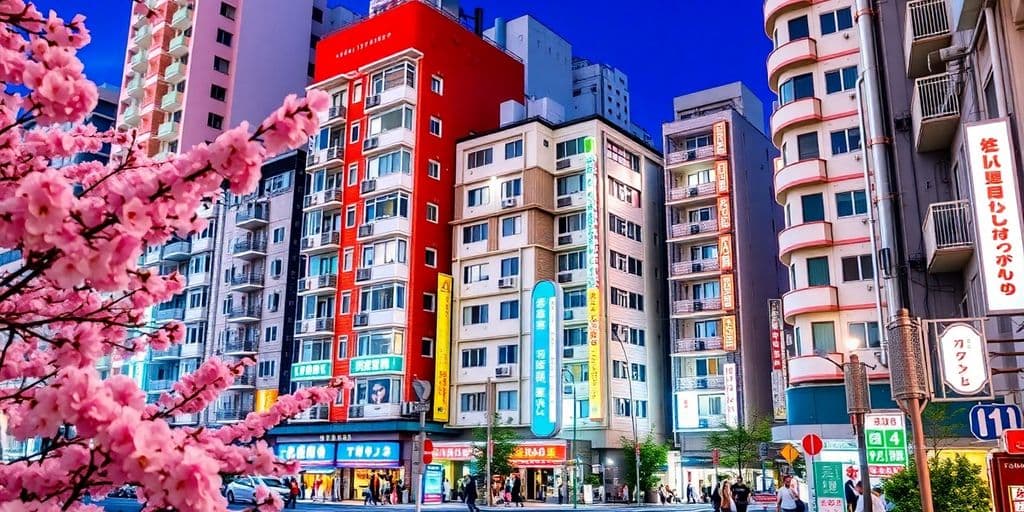
If you're thinking about living in Tokyo, understanding the monthly rent in Tokyo is essential. The rental market here can be quite complex, with prices varying greatly depending on location, type of apartment, and various other factors. In this guide, we'll break down everything you need to know about renting in this bustling metropolis, from average costs to upfront fees and ongoing expenses. Whether you're a first-time renter or looking to relocate, we've got you covered with the key details.
Key Takeaways
- Tokyo's rent varies widely by area, with central wards like Shinjuku being much pricier than outer wards.
- Be prepared for significant upfront costs, including key money, security deposits, and agency fees.
- Understanding the difference between 'apato' and 'mansion' can help you choose the right apartment for your needs.
- Timing your move can lead to better rental deals, especially during off-peak seasons.
- Ongoing costs like utilities and maintenance fees should be factored into your budget for a realistic monthly expense.
Understanding Monthly Rent in Tokyo
Factors Influencing Rent Prices
So, you're thinking about moving to Tokyo? Ace! One of the first things you'll need to get your head around is the rent. It's not a simple calculation, and loads of things can affect how much you'll be shelling out each month. Location is a big one, obviously. Living right in the heart of Shibuya or Shinjuku is going to cost you a pretty penny compared to somewhere a bit further out. The size of the apartment matters too – a tiny studio apartment in the city centre will be cheaper than a spacious two-bedroom place.
Then there's the age and condition of the building. Newer buildings with all the mod cons tend to command higher rents. And don't forget about transport links. Being close to a major train station can really bump up the price. Basically, the more convenient and desirable the location, the more you'll pay.
Average Rent Across Different Areas
Tokyo is massive, and the average rent can vary wildly depending on which ward you're looking at. Central areas like Minato and Chuo are notoriously expensive, while outer wards such as Adachi or Edogawa offer more affordable options. To give you a rough idea:
- Central Tokyo (e.g., Shinjuku, Shibuya): £1,200 - £2,500+ per month
- Inner Suburbs (e.g., Setagaya, Meguro): £900 - £1,800 per month
- Outer Wards (e.g., Adachi, Nerima): £600 - £1,200 per month
These are just averages, of course, and you can find places that are cheaper or more expensive depending on the specific property. It's worth doing your research and checking out different areas to see what fits your budget.
Comparison with Other Major Cities
How does Tokyo stack up against other major cities in terms of rent? Well, it's definitely up there. Compared to London or New York, Tokyo can be similarly priced, especially in the prime locations. However, it's worth remembering that what you get for your money can be quite different. Apartments in Tokyo tend to be smaller than in many Western cities, so you might be paying a similar amount for less space. Also, Sydney is more expensive than Tokyo.
It's important to factor in other living costs too. While rent might be comparable, things like transport and groceries can be more or less expensive depending on the city. So, it's all about looking at the bigger picture and working out what's affordable for you.
Average Cost By Ward
Shinjuku and Its High Prices
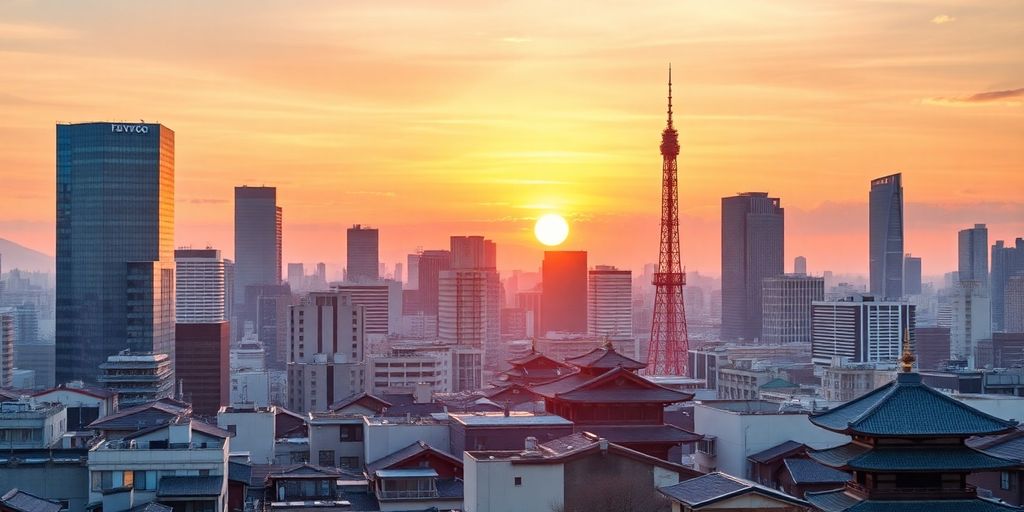
Shinjuku is known for its vibrant atmosphere and convenient location, but this comes at a cost. Rent in Shinjuku is generally higher compared to other wards in Tokyo. You're paying a premium for being in the heart of the action, close to major transport hubs and entertainment. If you're set on living in or near Shinjuku, consider neighbouring Toshima-ku or Nakano-ku as alternatives. These areas offer relatively cheaper options while still providing easy access to Shinjuku's amenities. The average rents in Tokyo can vary significantly depending on the ward.
Affordable Options in Outer Wards
If budget is your primary concern, look towards the outer wards of Tokyo. Generally, the further you move away from the city centre, the more affordable the rent becomes. Areas like Katsushika-ku, Nerima-ku, Itabashi-ku, Adachi-ku, Arakawa-ku and Edogawa-ku offer significantly lower rental prices compared to central locations. You might find yourself with a longer commute, but the savings can be substantial. For example, Ota-ku and Setagaya-ku are close enough to the more expensive Shibuya-ku and Minato-ku, but the average price of a 1K apartment is around ¥80,000.
Trends in Rental Prices Over Time
Rental prices in Tokyo are subject to change based on various economic factors. Keep an eye on these trends to make informed decisions about when and where to rent. Prices can fluctuate depending on the time of year, with potential dips during off-peak moving seasons. Also, consider that apartments further than 10 minutes from a train station will save you money.
It's worth noting that while central Tokyo offers unparalleled convenience, you might end up spending a significant portion of your salary on rent, potentially more than 30% for a small apartment. Weigh your priorities carefully – is a shorter commute and access to downtown worth the higher cost, or would you prefer more space and savings in an outer ward?
Upfront Costs of Renting a Japanese Apartment
Renting an apartment in Tokyo? Get ready for more than just the monthly rent. There are several upfront costs to consider, some of which are unique to Japan. It's good to know what you're paying for before you sign on the dotted line.
Key Money and Security Deposits
Key money (礼金, reikin) is a non-refundable payment to the landlord. Think of it as a thank you for letting you rent their place. It's a tradition that dates back to the post-World War II era when housing was scarce. Nowadays, it's becoming less common, but it's still something to be aware of. It's usually one to two months' rent. Security deposit (敷金, shikikin) on the other hand, is refundable. It covers any potential damages to the apartment during your stay. If you leave the place in good condition, you'll get it back. It's also usually equivalent to one or two months' rent. These two alone can add a significant chunk to your initial expenses.
Agency Fees and Initial Payments
Agency fees (仲介手数料) are what you pay the real estate agent for their help in finding your apartment. This is typically one month's rent. You'll also need to pay the first month's rent upfront. This is called mae yachin. So, before you even move in, you're already paying for the first month. Tenant insurance is often required, and this covers damage and liability. The cost varies depending on the provider and coverage. It's worth shopping around to find a good deal. Also, some buildings require an additional maintenance fee (管理費, kanri hi) for common areas. This can be around ¥10,000 a month.
Understanding Maintenance Fees
Maintenance fees (管理費) cover the upkeep of common areas in the building, like lobbies, elevators, and hallways. These fees are usually on top of your monthly rent and can range from ¥5,000 to ¥20,000 per month. It's important to factor these into your budget. Some buildings might also require a guarantor fee (保証会社費用), especially if you don't have a Japanese guarantor. This fee can vary, but it's another upfront cost to consider. It's worth checking out average rent by ward to get an idea of costs.
Budgeting for these upfront costs is essential. It's easy to get caught off guard if you're not prepared. Make sure you have enough savings to cover all these expenses before you start your apartment hunt. It will make the whole process a lot less stressful.
Types of Apartments Available
Tokyo's got a real mix of apartments, and knowing the difference can save you a lot of hassle (and money!). You'll generally find two main types: apato and mansion. It's not always obvious what's what, so let's break it down.
Differences Between Apato and Mansion
Okay, so what's the deal? Apato are generally your older, smaller, and often cheaper apartments. Think thinner walls (so maybe not ideal if you like blasting music at 3 AM) and fewer fancy features. They're often made of wood or lighter materials. Mansion, on the other hand, are the modern, reinforced concrete buildings. They tend to have better soundproofing, security, and more amenities. Of course, that comes with a higher price tag. It's worth considering what you value most. If you are looking for new apartments, you might want to consider a mansion.
Size and Layout Variations
Japanese apartments use a unique system to describe their layout. You'll see things like 1R, 1K, 1LDK, and so on. Here's a quick guide:
- 1R (One Room): Basically a studio apartment – one room that serves as your living, sleeping, and eating space. The kitchen is usually a small kitchenette.
- 1K (One Room + Kitchen): Similar to a 1R, but with a separate, albeit small, kitchen area.
- 1DK (One Room + Dining Kitchen): One room plus a dining area and a separate kitchen. A bit more space than a 1K.
- 1LDK (One Room + Living/Dining Kitchen): One room plus a combined living, dining, and kitchen area. This offers even more space and is popular for couples.
- 2LDK, 3LDK, etc.: Two or three rooms plus a combined living, dining, and kitchen area. These are suitable for families or people who need extra space.
Luxury Apartments and Their Costs
If you're after something a bit special, Tokyo has plenty of luxury apartments. These often come with concierge services, gyms, rooftop gardens, and stunning views. Of course, they don't come cheap. Expect to pay a premium for these kinds of places, especially in central areas like Shinjuku or Shibuya. The cost can easily be double or even triple the average rent. It really depends on the location, size, and the specific amenities offered.
Choosing the right type of apartment really depends on your budget, lifestyle, and priorities. Think about what's important to you – is it space, location, amenities, or price? Once you know what you're looking for, you'll be in a much better position to find the perfect place.
Preparing for Your Tokyo Apartment Hunt
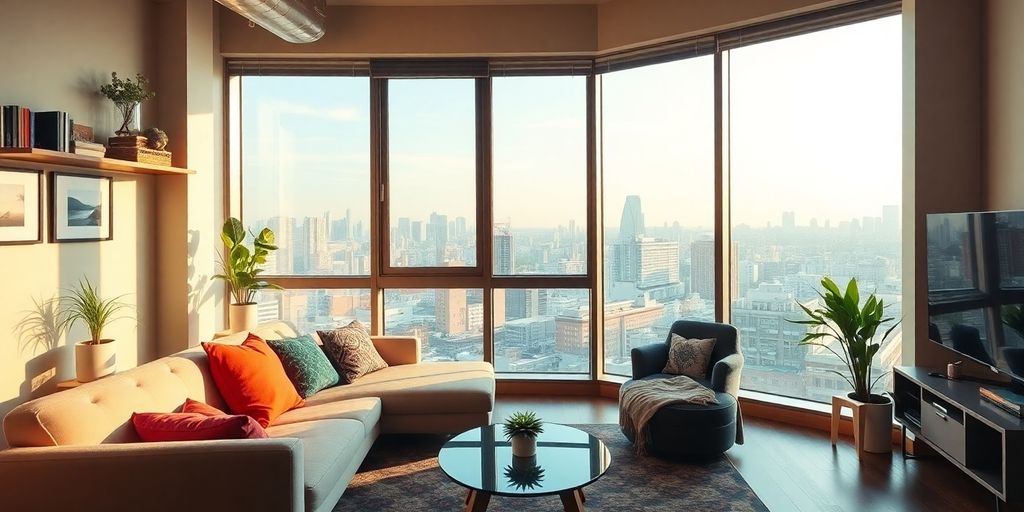
So, you're thinking about moving to Tokyo? Awesome! Finding an apartment here can be a bit of a mission, but with some planning, it's totally doable. Let's get you prepped for the hunt.
Setting a Realistic Budget
Knowing your budget is the first and most important step. Don't just think about the monthly rent. You've got to factor in all the upfront costs, which can be surprisingly high. We're talking key money (a non-refundable gift for the landlord), a security deposit, agency fees, and sometimes even a guarantor fee. It all adds up!
Here's a rough idea of what you might be looking at:
| Cost Type | Typical Amount |
|---|---|
| Key Money | 1-2 months' rent |
| Deposit | 1-2 months' rent |
| Guarantor Fee | 0.5-1 month's rent |
| Agent Fee | 1 month's rent |
Remember to also consider utilities, internet, and transportation costs when figuring out what you can realistically afford each month. It's better to be conservative and have some wiggle room than to stretch yourself too thin.
Popular Areas and Average Rents
Where you want to live will have a massive impact on how much you pay. Central areas like Shibuya and Shinjuku are super convenient but come with a hefty price tag. Outer wards can be much more affordable, but you'll have a longer commute. It's all about finding the right balance for you.
Here's a quick look at some popular areas and their average monthly rents for a small 1R/1K apartment:
| Area | Average Monthly Rent (1R/1K) | Commute to Central Tokyo |
|---|---|---|
| Shibuya | ¥120,000 | 0-10 minutes |
| Shinjuku | ¥110,000 | 0-5 minutes |
| Nakano | ¥80,000 | 15-20 minutes |
| Kichijoji | ¥90,000 | 20-25 minutes |
Timing Your Move for Better Deals
When you move can actually affect your chances of finding a good deal. The rental market in Tokyo has peak seasons and off-seasons. Generally, January to March is the busiest time because people are moving for new jobs or school terms. This means more competition and higher prices. April to August can be a bit quieter, potentially offering better deals. November and December might have the best prices, but there will be fewer options available. Understanding financial guidelines is key to a smooth rental experience.
Here's a breakdown:
- Peak (Jan-Mar): More options, higher prices, fierce competition.
- Off-Peak (Apr-Aug): Potential for better deals, fewer choices.
- Low Season (Nov-Dec): Best prices, limited selection.
Steps to Finding the Perfect Apartment
Establishing Your Budget
Before you even start scrolling through listings, it's really important to get your budget sorted. I mean, properly sorted. You don't want to fall in love with a place only to realise it's way out of your reach.
- Monthly Rent: A good rule of thumb is to aim for rent that's no more than 30% of your monthly income. This helps keep your finances stable.
- Initial Costs: Remember to factor in all those upfront costs. Key money, security deposit, agency fees, and the first month's rent can really add up. Don't get caught out!
- Ongoing Costs: And don't forget about the monthly bills! Maintenance fees, utilities, and even parking can make a big difference to your budget.
Choosing the Right Location
Tokyo is massive, and each area has its own vibe. Where you choose to live will have a huge impact on your daily life. Think about what's important to you.
- Commute: How long are you willing to travel to work or school? Living closer to a station can be more expensive, but it'll save you time and hassle.
- Amenities: Do you want to be near shops, restaurants, parks, or other facilities? Some areas are more convenient than others.
- Atmosphere: Do you prefer a lively, bustling neighbourhood or a quiet, residential area? Consider what kind of environment you'll feel most comfortable in. For example, if you are looking for a quiet place, you might want to consider affordable options in outer wards.
Finding the right location is a balancing act. You need to weigh up your priorities and make compromises. It's worth spending some time exploring different areas to get a feel for them.
Navigating the Rental Market
The Tokyo rental market can be a bit daunting, especially if you don't speak Japanese. But don't worry, there are ways to make the process easier.
- Real Estate Agents: Find a good real estate agent who understands your needs and can guide you through the process. Look for agents who speak English if you're not confident in Japanese.
- Online Listings: Use online platforms to search for apartments. Websites like GaijinPot and Real Estate Japan have listings specifically for foreigners.
- Be Prepared: Have all your documents ready, including your passport, visa, and proof of income. You'll also need a guarantor, or be prepared to use a guarantor company.
It's also worth noting that some apartments don't allow pets, so if you have a furry friend, make sure you use online platforms that allow you to philtre for pet-friendly properties.
Ongoing Costs to Consider
Utilities and Maintenance Fees
Okay, so you've found your apartment, paid the deposit, and moved in. Great! But the costs don't stop there. You've got to factor in the monthly bills. Utilities in Tokyo can add a significant chunk to your expenses.
- Electricity: This will vary depending on the season and how much you use your air conditioning or heating. Expect higher bills in summer and winter.
- Gas: Used for cooking and hot water, gas bills can also fluctuate.
- Water: Water bills are usually pretty reasonable, but it all adds up.
Then there are the maintenance fees (管理費, kanri hi). These cover the upkeep of the building's common areas, like the lobby, elevators, and sometimes even the garbage disposal areas. These can range from ¥5,000 to ¥20,000 a month, so it's worth checking what's included before you sign the lease. Don't forget to arrange for utilities such as electricity, gas, water, and internet.
Parking Costs in Central Areas
If you're planning on having a car in Tokyo, especially in the central wards, be prepared for eye-watering parking costs. Space is at a premium, and parking fees reflect that. You could be looking at anything from ¥20,000 to ¥50,000 per month just for parking! It might be worth considering whether you really need a car, or if public transport is a better option. Public transport is very efficient, and it might save you a lot of money and hassle in the long run.
Insurance and Other Monthly Expenses
Tenant insurance is often a requirement when renting in Japan. It covers you for damage to the property and liability. The cost varies depending on the provider and the level of coverage, so shop around to find a plan that suits your needs. Also, don't forget about other monthly expenses like internet and phone bills. Internet is pretty much essential these days, and there are plenty of providers to choose from. Mobile phone plans can also vary in price, so do your research to find the best deal.
It's easy to get caught up in the excitement of finding an apartment and forget about these ongoing costs. Make sure you factor them into your budget so you don't get any nasty surprises down the line. A little planning can go a long way in making your Tokyo living experience a smooth one.
Final Thoughts on Renting in Tokyo
So, there you have it. Renting in Tokyo can be a bit of a rollercoaster, but it’s not impossible. Just remember to keep your budget in check and be ready for those upfront costs. The city has a lot to offer, from vibrant neighbourhoods to quiet corners, so take your time to find the right spot for you. If you’re flexible and do your homework, you can definitely find a place that suits your needs without breaking the bank. Good luck with your search, and don’t hesitate to reach out for help if you need it!
Frequently Asked Questions
What factors affect rent prices in Tokyo?
Rent prices in Tokyo depend on many things, such as the area you choose, the size of the apartment, and how new the building is. Central locations like Shibuya and Shinjuku are usually more expensive.
How much should I budget for renting an apartment?
A good rule is to spend no more than 30% of your monthly income on rent. Also, remember to include upfront costs like key money and security deposits.
What are the different types of apartments available?
In Tokyo, you can find two main types of apartments: 'apato', which are older and often cheaper, and 'mansion', which are newer and have more amenities.
Are there extra costs besides rent?
Yes, you will need to pay for utilities like water and electricity, as well as maintenance fees for shared areas in the building. Parking fees can also be high if you have a car.
How can I find a suitable apartment in Tokyo?
Start by setting a clear budget and deciding on a location that suits your needs. Use online listings and consider working with a real estate agent who understands the local market.
What should I know about the rental process in Japan?
Renting in Japan can be different from other countries. Be prepared for upfront costs like key money, and understand that many landlords prefer tenants with stable jobs.
Planning a serviced apartment in Tokyo? Read our complete guide: Serviced Apartments in Tokyo — areas, brands & monthly prices.
The Moveandstay editorial team writes about serviced living, workspaces, and city guides across Asia-Pacific.
Read next
Serviced Offices Surge in Popularity as Businesses Embrace Flexible Leasing
May 3, 2026
Hong Kong Serviced Apartment Market Buzzes with Sales and Investment Activity Amidst Shifting Valuations
May 3, 2026

ONYX Hospitality Group Elevates Shama Serviced Apartments with New Lifestyle Concept and Ambitious Expansion
Apr 26, 2026