
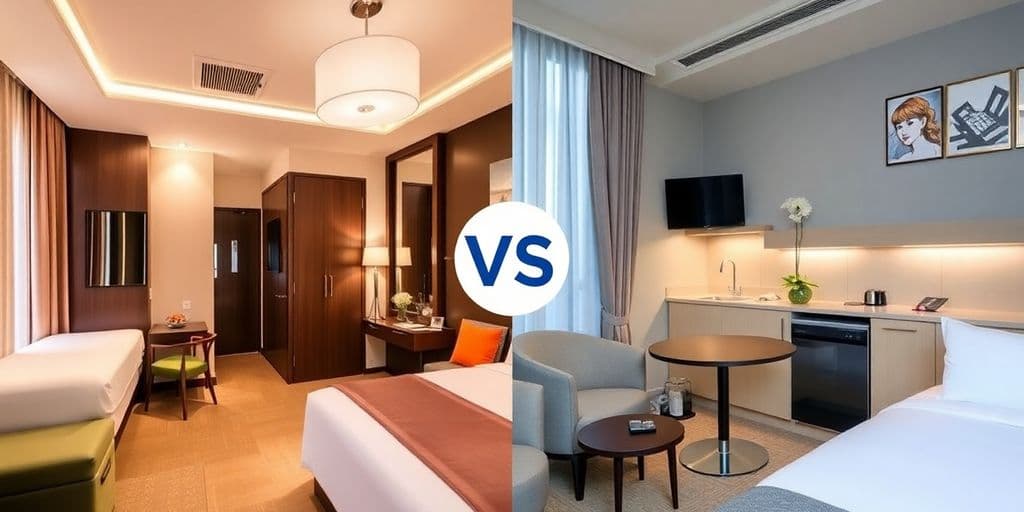
When planning a trip to Tokyo, one of the biggest decisions you'll face is whether to stay in a hotel or a serviced apartment. Each option has its perks and drawbacks, and the best choice often depends on your specific needs and preferences. This article will explore the key differences between hotels and serviced apartments in Tokyo, helping you determine which accommodation type suits you best.
Key Takeaways
- Hotels offer standardised services and convenience, perfect for short stays.
- Serviced apartments provide more space and a homely feel, ideal for longer visits.
- Airbnb rentals can offer unique local experiences, but may lack consistency.
- Cost-wise, serviced apartments can be more economical for extended stays.
- Consider your need for privacy and flexibility when choosing between options.
Understanding The Differences Between Accommodation Types
Okay, so you're planning a trip to Tokyo and trying to figure out where to stay? It's a big decision! Hotels, serviced apartments, and even Airbnbs all have their own quirks. Let's break down the key differences so you can make the best choice for your trip.
Characteristics Of Hotels
Hotels are what most people think of when they travel. They're generally known for their convenience and range of services. You've got your front desk, daily housekeeping, and often on-site restaurants or bars. Think of it as a one-stop shop for your travel needs. They come in all shapes and sizes, from budget-friendly options to super luxurious ones. The downside? They can sometimes feel a bit impersonal, and you're often paying a premium for the convenience.
Features Of Serviced Apartments
Serviced apartments are like a hybrid between a hotel and a regular apartment. You get the space and amenities of an apartment – think a full kitchen, living area, and separate bedrooms – combined with some hotel-like services, such as housekeeping. They're great if you want a bit more independence and space, especially if you're planning a longer stay. Plus, having a kitchen can save you money on eating out. Serviced apartments normally have a bigger floor space than hotel rooms. They are ideal for accommodating larger groups of guests like families or friends who wish to stay together. With ample independent space within the fully furnished personal suite that has separate living, dining and bedroom areas, you and your guests can live in utmost comfort and privacy during your entire stay.
Overview Of Airbnb Rentals
Airbnbs are a whole different ballgame. You're essentially renting someone's home or apartment, which can offer a more unique and local experience. The range is huge – you can find anything from a spare room in someone's house to an entire villa. The big advantage is often price and the chance to live like a local. However, quality can be inconsistent, and you don't always get the same level of service as you would in a hotel or serviced apartment. It's worth checking out mid-range accommodation if you want to compare prices.
Choosing between a hotel, serviced apartment, or Airbnb really boils down to what you value most in your trip. Do you want convenience and service? Go for a hotel. Need space and independence? A serviced apartment might be better. Looking for a local experience and potentially lower prices? Airbnb could be the way to go. Think about your priorities and what will make your trip the most enjoyable.
Here's a quick comparison table:
| Feature | Hotel | Serviced Apartment | Airbnb |
|---|---|---|---|
| Space | Typically smaller | More spacious | Varies widely |
| Amenities | Standard hotel amenities | Full kitchen, laundry | Varies widely |
| Services | Daily housekeeping, etc. | Limited housekeeping | Minimal |
| Price | Can be expensive | Mid-range | Potentially cheaper |
| Local Experience | Limited | Moderate | High |
| Consistency | High | Moderate | Low |
Cost Considerations For Your Stay
When planning a trip, especially to a city like Tokyo, understanding the costs associated with different accommodation types is really important. It's not just about the nightly rate; you need to think about what's included and how you plan to spend your time. Let's break down the cost factors for hotels, serviced apartments, and Airbnbs.
Comparing Hotel Rates
Hotel rates can vary wildly depending on location, star rating, and time of year. You'll often find that hotels in central locations, like near Tokyo Station or Shinjuku, command higher prices. Keep an eye out for deals, especially if you're booking in advance or travelling during off-peak seasons.
- Consider the type of room you need. A basic room will be cheaper than a suite.
- Check if breakfast is included. If not, factor in the cost of eating out.
- Be aware of extra charges, like resort fees or service charges.
Evaluating Serviced Apartment Pricing
Serviced apartments often appear more expensive per night than hotels, but they can work out cheaper for longer stays. This is because they usually include facilities that save you money, like a kitchen and laundry facilities. Plus, you get more space, which can be a real bonus if you're travelling with family or extended stays.
- Look at the total cost for your entire stay, not just the nightly rate.
- Factor in the savings from cooking your own meals and doing your own laundry.
- Consider the value of having more space and privacy.
Airbnb Cost Analysis
Airbnb pricing is all over the place. You can find some real bargains, but you can also end up paying more than you would for a hotel or serviced apartment. The key is to do your research and read reviews carefully. Don't forget to factor in cleaning fees and service charges, which can add a significant amount to the total cost.
- Compare prices with hotels and serviced apartments in the same area.
- Read reviews carefully to avoid hidden costs or unpleasant surprises.
- Consider the location and accessibility of the property.
It's easy to get caught up in the initial price tag, but it's important to look at the bigger picture. Think about how you'll be spending your time, what facilities you'll need, and how much you're willing to spend on things like eating out and laundry. By taking a holistic approach, you can find the accommodation option that offers the best value for your money.
Space And Comfort: A Key Factor
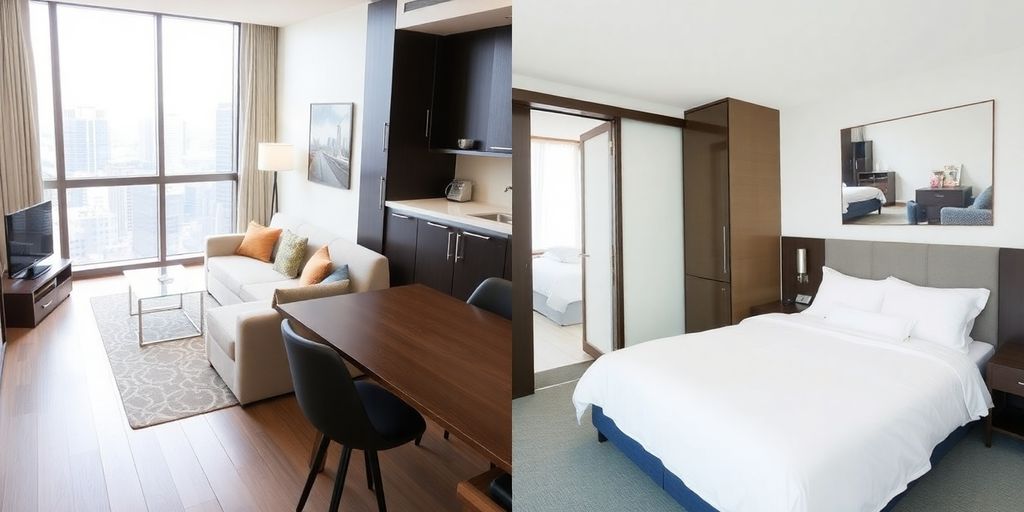
Space and comfort are really important when you're deciding where to stay, especially if you're planning a longer trip. It's not just about having a bed; it's about having enough room to relax and feel at home. Let's look at how hotels, serviced apartments, and Airbnbs stack up in this area.
Room Size In Hotels
Hotel rooms are often on the smaller side, especially in cities like Tokyo where space is at a premium. While hotels excel in providing essential comforts, their room sizes can feel restrictive for extended stays or when travelling with family. You might find yourself tripping over luggage or struggling to find a quiet corner to work. It's worth checking the square footage before you book, but generally, expect a focus on functionality over spaciousness.
Living Space In Serviced Apartments
Serviced apartments usually offer significantly more space than hotel rooms. This extra room often includes separate living, dining, and sleeping areas. This is a big plus if you value privacy or need to spread out. Imagine having a proper lounge to relax in after a long day, or a dining table where you can enjoy a meal without balancing plates on your knees. The extra space can make a real difference to your overall comfort, especially if you're staying for more than a few days. For business travellers, Oakwood Premier Tokyo offers ideal serviced apartments.
Airbnb Space Options
Airbnb is a bit of a mixed bag when it comes to space. You might find a tiny studio apartment or a sprawling house, so it really depends on what you book. Here's a few things to consider:
- Variety: Airbnb offers a wide range of property types, from single rooms to entire homes.
- Location: Space can vary greatly depending on the neighbourhood. Central locations might mean smaller spaces.
- Accuracy: Photos can be deceiving, so read reviews carefully to get an accurate sense of the space.
Choosing the right accommodation is about more than just the price. It's about finding a space that meets your needs and makes you feel comfortable. Think about how much time you'll be spending in your accommodation and what activities you'll be doing there. This will help you decide whether a hotel, serviced apartment, or Airbnb is the best fit for you.
Amenities And Services Offered
Hotel Amenities Overview
Hotels are known for their extensive range of amenities designed for short-term convenience and comfort. Think daily housekeeping, room service, and on-site restaurants. These are pretty standard. You'll also often find gyms, swimming pools, and business centres. The level of service is usually higher in a hotel, with staff readily available to assist with any needs.
Serviced Apartment Features
Serviced apartments aim to be a home away from home, so they focus on providing amenities that support a more independent lifestyle. This usually includes a fully equipped kitchenette, laundry facilities, and more living space. You might not get daily housekeeping as standard, but it's often available for an extra charge. The idea is you have more control over your environment and schedule. Serviced apartments often have a minimum stay requirement, so they are ideal for extended work trips.
Airbnb Offerings
Airbnb is a bit of a mixed bag when it comes to amenities. It really depends on the host and the property. Some Airbnbs might have all the bells and whistles – a fully equipped kitchen, laundry, and even access to a pool or gym. Others might be more basic. It's important to read the listing carefully and check what's included. One thing that's pretty consistent is that you're unlikely to get the same level of service as a hotel.
Ultimately, the best choice depends on your priorities. If you value convenience and service, a hotel might be the way to go. If you prefer more space and independence, a serviced apartment could be a better fit. And if you're looking for something unique and don't mind a bit of uncertainty, Airbnb might be worth considering.
Privacy And Flexibility In Accommodation
When you're away from home, having a space that feels like your own is a big deal. Whether it's for work or leisure, the level of privacy and how flexible your accommodation is can really affect your trip. Let's look at how hotels, serviced apartments, and Airbnbs stack up in this area.
Privacy In Hotels
Hotels are pretty standard when it comes to privacy. You get your own room, and staff are usually respectful. However, you're still in a hotel environment, which means you might hear noise from other guests or staff. Hotel rooms are designed for short stays, so they might not feel as private or homely as other options. Plus, housekeeping comes in daily, which some people might find intrusive.
Flexibility Of Serviced Apartments
Serviced apartments offer a different level of flexibility. They're designed for longer stays, so they come with more space and facilities. You'll usually have a kitchen, living area, and separate bedrooms. This means you can cook your own meals, relax in your own space, and generally live more like you would at home. Housekeeping is less frequent than in hotels, giving you more privacy. The flexibility of serviced apartments makes them ideal for business travellers or families who need a home away from home.
Airbnb's Unique Flexibility
Airbnbs are all over the place in terms of privacy and flexibility. You might get an entire house to yourself, or just a room in someone's home. It really depends on the listing. Some hosts are hands-off, while others are very involved. This can be great if you want a local experience, but it can also be a bit unpredictable. One thing to consider is that short-term rentals can sometimes cause issues with neighbours, so it's worth being mindful of that.
Ultimately, the best option depends on what you value most. If you want guaranteed privacy and minimal interaction, a hotel might be the way to go. If you need more space and flexibility, a serviced apartment could be a better fit. And if you're looking for a unique experience and don't mind a bit of uncertainty, an Airbnb might be right up your street.
Cultural Immersion And Local Experience
Staying In Hotels
Hotels, while comfortable, often provide a more sanitised experience. You're surrounded by other tourists, and the interactions are generally transactional. You might get some basic tourist information from the concierge, but it's unlikely to lead to any deep cultural exchange. The food is often internationalised to cater to a wide range of tastes, so you might miss out on authentic local cuisine. However, some hotels do offer cultural activities like tea ceremonies or calligraphy classes, so it's worth checking what's available. For example, you can find cultural experiences in some hotels.
Living In Serviced Apartments
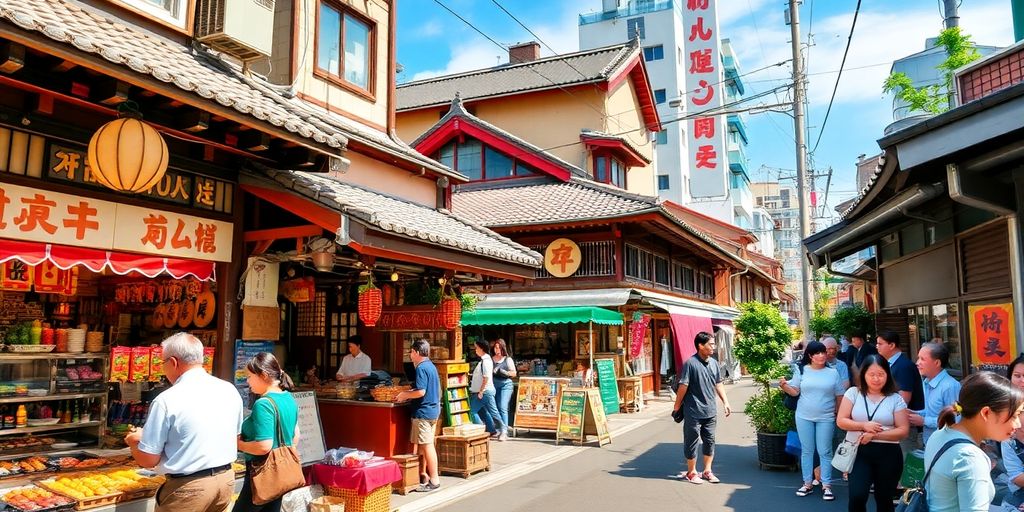
Serviced apartments offer a slightly different angle. You're living in a residential building, potentially alongside locals. This can give you a glimpse into everyday life in Tokyo that you wouldn't get in a hotel. You'll likely be shopping at local supermarkets and maybe even trying out nearby restaurants that aren't on the tourist trail. The longer your stay, the more opportunities you'll have to integrate and experience the local culture.
Airbnb's Local Touch
Airbnb can be a real mixed bag when it comes to cultural immersion. It really depends on the host and the location. Some hosts are incredibly welcoming and keen to share their local knowledge, while others are more hands-off. Staying in a residential neighbourhood can definitely give you a feel for local life, but it's important to be respectful of your neighbours and their customs.
It's worth remembering that cultural immersion isn't just about seeing the sights. It's about engaging with the local community, trying new things, and being open to different perspectives. Whether you choose a hotel, serviced apartment, or Airbnb, make an effort to step outside your comfort zone and connect with the people and culture around you.
Here's a quick comparison:
| Accommodation Type | Cultural Immersion Potential | Interaction with Locals |
|---|---|---|
| Hotel | Low to Medium | Limited, mostly staff |
| Serviced Apartment | Medium | Potential, neighbours |
| Airbnb | Variable | Host dependent |
Ideal Choices For Business Travellers
When you're travelling for work, the right accommodation can make a huge difference. It's not just about having a place to sleep; it's about having a space that supports your productivity, relaxation, and overall well-being. Let's break down which type of accommodation might suit you best.
Hotel Benefits For Business Stays
Hotels are often the go-to choice for business travellers, and for good reason. They offer a range of services designed to make your stay as smooth as possible. Think about it: you've got incredible staff ready to help with anything you need, from printing documents to arranging transportation. Plus, many hotels have business centres, meeting rooms, and reliable Wi-Fi, all of which are essential for getting work done. And let's not forget the convenience of having restaurants and bars on-site, perfect for a quick meal or a post-work drink.
- Concierge services for booking transport and making reservations.
- Business centres with printing and faxing facilities.
- On-site dining options for quick and easy meals.
Serviced Apartments For Professionals
Serviced apartments are becoming increasingly popular among business travellers, especially those on longer assignments. The main draw is the extra space and home-like amenities. You get a fully equipped kitchen, a separate living area, and often laundry facilities, which can be a lifesaver on extended trips. This means you can cook your own meals, relax in a comfortable living room, and avoid those hefty laundry bills. Plus, having more space can make it easier to focus on work without feeling cramped.
Serviced apartments offer a blend of hotel-like services and apartment-style living, providing a comfortable and convenient option for business travellers who value space, privacy, and self-sufficiency.
Airbnb For Business Trips
Airbnb can be a bit of a mixed bag for business travel. On the one hand, you might find unique and interesting properties in convenient locations. On the other hand, the level of service and consistency can vary widely. If you're considering Airbnb for a business trip, it's important to do your research and read reviews carefully. Look for properties that offer amenities like Wi-Fi, a dedicated workspace, and flexible check-in/check-out times. Also, make sure the host is responsive and reliable.
- Potential for unique and interesting properties.
- Inconsistent service levels compared to hotels or serviced apartments.
- Requires careful research and vetting of properties and hosts.
Final Thoughts
In the end, choosing between a hotel and a serviced apartment in Tokyo really boils down to what you need from your stay. Hotels are great for short visits, offering convenience and a range of services, but they can feel a bit cramped and impersonal. On the other hand, serviced apartments give you that homey feel, with more space and the ability to cook your own meals. They’re especially handy for longer stays, letting you settle in and really experience the local culture. If you want comfort, flexibility, and a taste of everyday life in Japan, serviced apartments are definitely worth considering. So, weigh your options carefully and pick what suits you best!
Frequently Asked Questions
What are the main differences between hotels and serviced apartments?
Hotels usually offer standard services like daily cleaning and meals, while serviced apartments provide more space and facilities like kitchens, making them feel more like home.
Which option is more cost-effective for longer stays?
Serviced apartments tend to be cheaper for longer stays because they include utilities and have lower nightly rates compared to hotels.
Are serviced apartments suitable for business travellers?
Yes, serviced apartments are great for business travellers as they provide a comfortable living space with amenities like Wi-Fi and kitchen facilities.
Can I cook in a serviced apartment?
Yes, serviced apartments come with kitchens where you can prepare your own meals, which is a big advantage over hotels.
How do Airbnb rentals compare to hotels and serviced apartments?
Airbnb rentals can offer unique local experiences and more space, but they may lack the consistent services found in hotels and serviced apartments.
Is privacy better in serviced apartments or hotels?
Serviced apartments usually offer more privacy since there are fewer interruptions from staff compared to hotels.
Planning a serviced apartment in Tokyo? Read our complete guide: Serviced Apartments in Tokyo — areas, brands & monthly prices.
Filed under
The Moveandstay editorial team writes about serviced living, workspaces, and city guides across Asia-Pacific.
Read next
Serviced Offices Surge in Popularity as Businesses Embrace Flexible Leasing
May 3, 2026

Hong Kong Serviced Apartment Market Buzzes with Sales and Investment Activity Amidst Shifting Valuations
May 3, 2026

ONYX Hospitality Group Elevates Shama Serviced Apartments with New Lifestyle Concept and Ambitious Expansion
Apr 26, 2026