
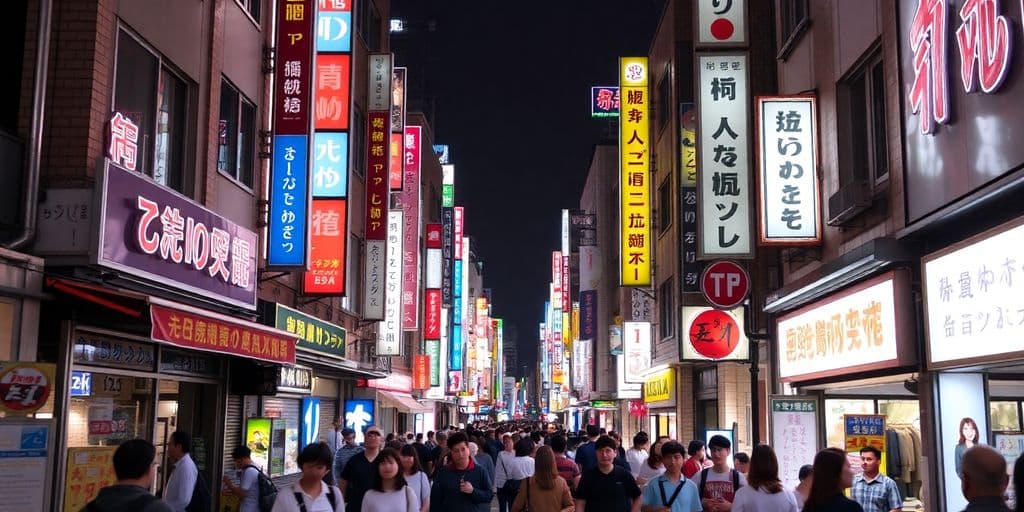
Tokyo is known for its vibrant culture and fast-paced lifestyle, but it's also infamous for its high cost of living. If you're considering a move to this bustling metropolis or just curious about what it takes to live here, understanding the financial aspects is crucial. This guide will break down the various costs associated with living in Tokyo, from housing and food to transportation and entertainment, giving you a clearer picture of what to expect.
Key Takeaways
- Living in Tokyo is generally expensive, with average monthly costs around ¥318,407 for a single person.
- Rent prices vary significantly, with central areas being much pricier than suburban locations.
- Grocery prices can be managed with smart shopping habits and local discounts.
- Public transport is efficient and affordable, making it a popular choice for commuting.
- Childcare costs can be offset by government subsidies, especially for younger children.
Understanding The Cost Of Living In Tokyo
Overview Of Monthly Expenses
Figuring out how much it costs to live in Tokyo can be a bit of a puzzle, but let's break it down. A single person might spend around ¥318,407 each month, while a family of four could be looking at roughly ¥951,720. These figures include everything from rent and groceries to transport and leisure activities. Of course, these are just averages, and your actual expenses will depend on your lifestyle, where you live, and your spending habits. For example, someone who eats out every night will have a very different budget than someone who cooks at home. The average monthly cost in the Kanto region gives a good baseline.
- Rent: This is often the biggest expense, especially in central Tokyo.
- Food: Eating in or dining out, it adds up quickly.
- Transport: Public transport is efficient but not always cheap.
It's worth noting that these costs can fluctuate depending on the time of year and any unexpected expenses that might pop up. Creating a detailed budget and tracking your spending is essential for managing your finances effectively in Tokyo.
Comparison With Other Major Cities
Tokyo often gets a reputation for being super expensive, but how does it really stack up against other global cities? Well, compared to places like London or Sydney, Tokyo can actually be more affordable. A family of four in London might spend around ¥1,509,359 a month, while a single person could pay ¥594,377. Sydney is also pricier. Of course, it depends on your lifestyle, but in general, Tokyo offers a good balance between quality of life and cost. Here's a quick comparison:
| City | Family of Four (Monthly) | Single Person (Monthly) |
|---|---|---|
| Tokyo | ¥951,720 | ¥318,407 |
| London | ¥1,509,359 | ¥594,377 |
| Sydney | Higher than Tokyo | Higher than Tokyo |
Factors Influencing Costs
Several things can affect how much you end up spending in Tokyo. Location is a big one – living in central areas like Shibuya or Shinjuku will cost more than living in the suburbs. Your housing choices also play a role; a modern apartment will be more expensive than a traditional one. Then there's your lifestyle: do you eat out a lot, or do you prefer cooking at home? Do you take taxis everywhere, or do you rely on public transport? All these choices add up. Also, keep an eye on grocery shopping in Japan for potential savings.
- Location: Central vs. suburban areas.
- Housing: Apartment type and size.
- Lifestyle: Dining habits, transport choices, and leisure activities.
Housing And Rental Prices
Average Rent In Central Areas
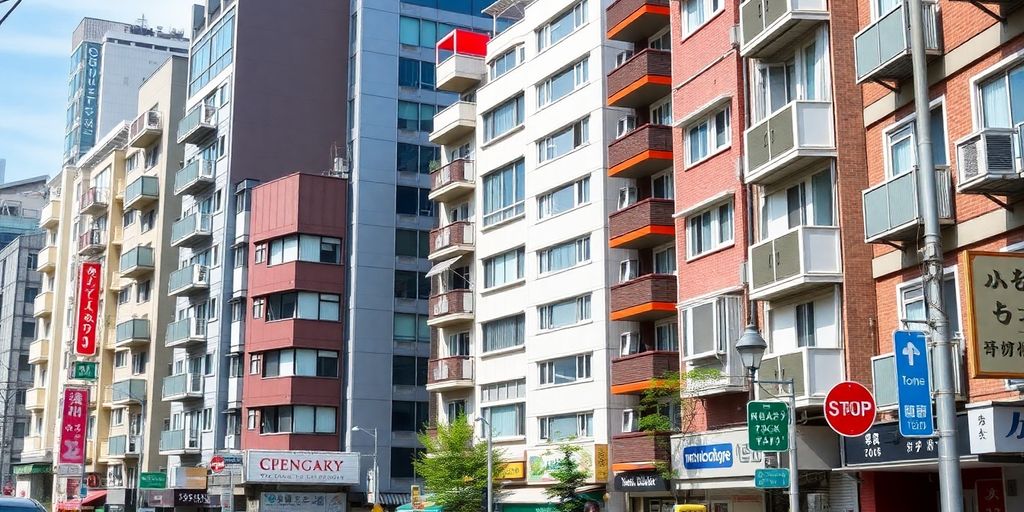
Okay, so let's talk about rent in central Tokyo. It's no secret that it can be pretty steep. You're paying for convenience, location, and well, the simple fact that you're in Tokyo! Expect to pay a premium for being close to major train stations, business districts, and popular entertainment spots.
Here's a rough idea of what you might be looking at:
- 1-bedroom apartment: ¥170,000 - ¥250,000 per month.
- 2-bedroom apartment: ¥250,000 - ¥400,000 per month.
- 3-bedroom apartment: ¥400,000+ per month.
Keep in mind these are just averages. The actual price will depend on the size of the apartment, its age, and how close it is to the nearest station. For example, in Q4 2024, the average mid-market asking rent in Tokyo's 23 wards reached JPY4,332 (US$29) per sqm.
Cost Of Buying Property
Buying property in Tokyo? That's a whole different ball game. It's a big investment, and prices can vary wildly depending on the area. Generally, you're looking at a significant amount of money, especially in central locations. Plus, there are all sorts of fees and taxes to consider, so it's not a decision to be taken lightly.
Here's a general idea of property prices:
- Price per square metre in the city centre: ¥1,000,000 - ¥3,000,000+
- Price per square metre outside the centre: ¥550,000 - ¥1,100,000+
Don't forget about mortgage interest rates! They're generally quite low in Japan, around 1.76% yearly for a 20-year fixed rate, but it's still something to factor into your calculations. Also, consider the average monthly net salary after tax, which is around ¥356,000, when thinking about affordability.
Tips For Finding Affordable Housing
Finding affordable housing in Tokyo is possible, it just takes a bit of effort and flexibility. Here are a few tips:
- Look outside the city centre: The further you get from central areas, the cheaper the rent becomes. Consider areas like Saitama or Chiba, which are still well-connected to Tokyo by train.
- Consider share houses: Share houses are a popular option for young people and those on a budget. You get your own private room, but share common areas like the kitchen and living room. This can significantly reduce your rent.
- Be flexible with your requirements: Are you willing to live in a smaller apartment? Or one that's a bit older? Being flexible with your requirements can open up more affordable options.
- Check online resources: There are many websites and agencies that specialise in finding affordable housing in Tokyo. Use them to your advantage!
Living in Tokyo doesn't have to break the bank. With a bit of research and planning, you can find a place that fits your budget and lifestyle. It's all about being smart and knowing where to look. Don't be afraid to explore different neighbourhoods and consider all your options. You might be surprised at what you find!
Food And Grocery Expenses
Typical Grocery Prices
Okay, let's talk food. Groceries in Tokyo can be surprisingly manageable, or they can make your wallet cry – it really depends on your shopping habits. You've got your standard supermarkets like Maruetsu, Seiyu, and AEON, which are great for everyday stuff. For those of us craving a taste of home, Kaldi Coffee Farm, Seijo Ishii, and National Azabu are your go-to spots, but be prepared to pay a bit more. If you're on a tight budget, Gyomu Super and OK Store are lifesavers. Don't forget your reusable bags! Also, translation apps are your friend when you're trying to figure out what you're buying. The seafood sections are amazing, though.
Here's a rough idea of what you might spend per month:
- Single person: ¥15,000 - ¥40,000
- Couple: ¥30,000 - ¥80,000
- Family of four: ¥50,000 - ¥150,000+
And to give you a better idea, here are some average prices for common items:
| Item | Price (¥) |
|---|---|
| Milk (1 litre) | 230 |
| Bread (500g) | 222 |
| Rice (1kg) | 715 |
| Eggs (12) | 326 |
| Chicken Fillets (1kg) | 1,090 |
| Potatoes (1kg) | 449 |
| Apples (1kg) | 794 |
| Oranges (1kg) | 844 |
Dining Out Costs
Eating out in Tokyo is an experience, but it can add up quickly. You can grab a quick bowl of ramen for around ¥800-¥1200, or go all out with a fancy sushi dinner that could easily cost you ¥10,000 or more per person. Lunch sets (teishoku) are often a good deal, usually ranging from ¥800 to ¥1500. Izakayas (Japanese pubs) are fun for a night out with friends, but expect to spend around ¥3000-¥5000 per person, depending on how much you eat and drink. Street food is also a great option for cheaper eats.
Budget-Friendly Shopping Tips
Want to save some money on food? Here are a few tips:
- Shop at discount supermarkets: Places like Gyomu Super and OK Store offer much lower prices than regular supermarkets.
- Look for discounted items in the evenings: Supermarkets often mark down bento boxes and other prepared foods as they approach their expiration date.
- Cook at home more often: This might seem obvious, but eating out less frequently can make a big difference.
- Buy seasonal produce: Fruits and vegetables are usually cheaper when they're in season.
- Check out local markets: You can often find better deals on fresh produce at local markets than at supermarkets.
One thing I've learned is that planning your meals ahead of time can really help. If you know what you're going to cook, you're less likely to impulse buy expensive ingredients or decide to eat out at the last minute. Also, don't be afraid to try cooking with Japanese ingredients – they can be surprisingly affordable and delicious.
Transportation Costs
Getting around Tokyo can seem daunting at first, but the city boasts an incredibly efficient and extensive public transport system. It's something you'll definitely need to factor into your monthly budget. Let's break down the costs.
Public Transport Options
Tokyo's public transport is a marvel. You've got a dense network of trains and subways operated by different companies (JR, Tokyo Metro, Toei), plus local buses filling in the gaps. It's generally clean, punctual, and safe, but can get seriously crowded during rush hour.
- Trains: The backbone of Tokyo's transport. Fast and frequent.
- Subways: Excellent for getting around central Tokyo.
- Buses: Useful for reaching areas not well-served by trains, or for shorter distances.
Monthly Commuter Passes
If you're commuting regularly, a monthly pass is a must. It can save you a significant amount of money compared to buying individual tickets every day. The cost varies depending on the distance and the specific route you need. Your employer might even subsidise this, so it's worth checking!
| Type | Cost (¥) | Range (¥) |
|---|---|---|
| One-way Ticket | 214.50 | 180.00-300.00 |
| Monthly Pass (Regular) | 8,000.00 | 4,400.00-17,670.00 |
Taxi Fares And Alternatives
Taxis in Tokyo are readily available, but they're not cheap. The metre starts at around ¥500, and the fare increases quickly. They're best saved for situations where public transport isn't an option, or when you're travelling in a group. Consider these alternatives:
- Cycling: A great way to get around, especially in local neighbourhoods. Bicycle parking is available near stations.
- Walking: Tokyo is a very walkable city, and you'll discover hidden gems along the way.
- Ride-sharing apps: Becoming more common, but still not as prevalent as in other major cities.
Public transport is the way to go in Tokyo. It's reliable, efficient and will save you a lot of money compared to taxis. Get yourself a Suica or Pasmo card for easy travel, and plan your routes in advance using a navigation app like Google Maps or Japan Transit Planner. You'll be navigating the city like a pro in no time!
Utilities And Internet Services
Average Utility Bills
Okay, so let's talk about keeping the lights on and the water running. The cost of utilities in Tokyo can vary quite a bit depending on the size of your place, the season, and how much you like to crank up the AC or heating. Generally, for an 85m2 apartment, you're looking at a monthly bill that could range from ¥17,000 to ¥47,000. That includes electricity, heating, cooling, water, and garbage disposal. It's a pretty wide range, I know, but it really does depend on your usage habits.
Here's a rough breakdown:
- Electricity: ¥8,000 - ¥15,000 (more in summer and winter)
- Gas: ¥3,000 - ¥8,000 (more in winter)
- Water: ¥2,000 - ¥4,000
It's worth noting that many newer apartments are more energy-efficient, which can help keep your bills down. Also, being mindful of your usage – turning off lights, taking shorter showers – can make a difference.
Internet Costs
Staying connected is pretty important, right? For internet, you've got a few options. You could go for a pocket Wi-Fi device, which will set you back around ¥3,500 a month. Or, you could get a proper broadband or fibre optic connection for your place, which is more like ¥4,500 a month. The speed is usually pretty good, and most plans come with unlimited data, which is a bonus. Expect to pay around ¥4,867.54 for unlimited data plans.
Tips For Reducing Utility Expenses
Alright, so how can you save a bit of cash on your utility bills? Here are a few things I've found helpful:
- Compare providers: Don't just stick with the first company you find. Use websites to shop around for better deals on electricity and gas.
- Track your usage: Keep an eye on how much energy and water you're using. Many providers have apps that let you monitor your consumption and spot areas where you can cut back.
- Be energy-conscious: Simple things like turning off lights when you leave a room, unplugging electronics when you're not using them, and using energy-efficient appliances can all add up.
- Consider a smart metre: These can give you real-time info on your energy use, helping you identify ways to save. Contact your utility provider to see if they offer them.
By being a bit savvy, you can definitely keep your utility and internet costs manageable in Tokyo.
Childcare And Education Expenses
Cost Of Daycare Services
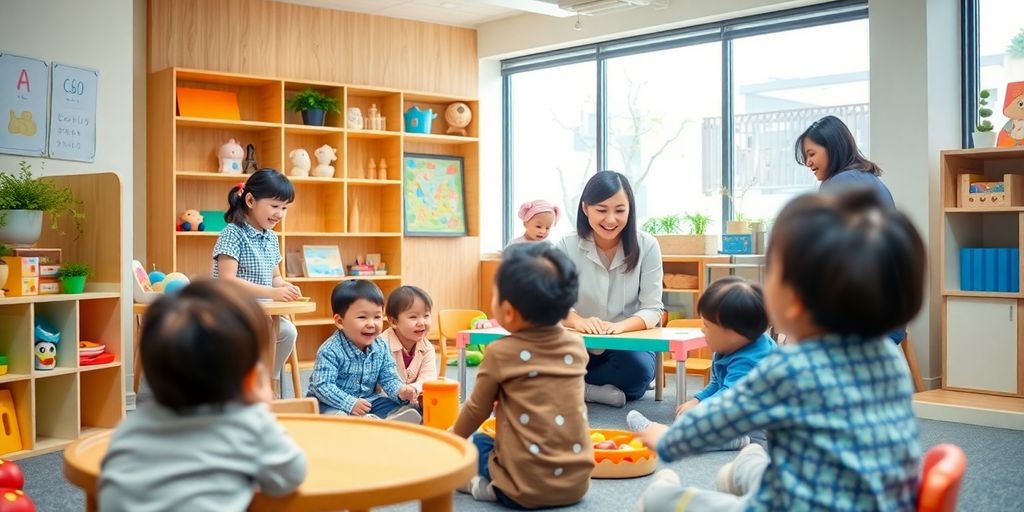
Navigating childcare in Tokyo can feel like a maze, but understanding the options is key. Licenced daycare centres (Ninka Hoikuen) are generally more affordable, with costs ranging from ¥10,000 to ¥60,000 a month, and subsidies are often available based on your income. These are aimed at children aged 0-5, and you'll need to apply through your local city hall. Demand is high, so get your application in early!
Unlicensed centres (Ninkagai Hoikuen) offer more flexibility, but expect to pay between ¥40,000 and ¥80,000. Other options include certified centres (Nintei Kodomo en), kindergartens (Yochien), small-scale childcare (Shokibo Hoiku), home-style daycare (Hoiku Mama), and temporary childcare (Ichiji Azukari). For expats, international preschools are available, but these come with a higher price tag, typically between ¥100,000 and ¥250,000 per month.
School Fees And Subsidies
School fees in Tokyo vary wildly depending on the type of institution. Public schools are generally more affordable, especially with government subsidies. However, many expats opt for international schools, which can be quite expensive. Here's a glimpse at some yearly fees:
- The Innovation Fellowship: ¥2,250,000
- Kohana International School: ¥784,000 - ¥1,034,000
- K. International School Tokyo: ¥2,702,000
- Axis International School: ¥1,795,000 - ¥2,731,000
- Tokyo YMCA International School: ¥2,118,000
- Yokohama International School: ¥2,775,000 - ¥3,500,000
Keep in mind that these are just examples, and fees can change. It's always best to check directly with the school for the most up-to-date information. Also, remember to look into any available subsidies or financial aid programmes.
After-School Programmes
After-school programmes, or juku, are a big part of the Japanese education system. These cram schools offer extra tuition and support, particularly for older kids preparing for exams. Costs can vary significantly depending on the type of programme and the number of classes per week. Expect to pay anywhere from ¥10,000 to ¥50,000+ per month. For younger children, there are also a variety of extracurricular activities available, such as sports, music, and arts classes. These can add to your monthly expenses, but they can also be a great way for your child to learn new skills and make friends.
It's worth noting that many families in Tokyo prioritise education and are willing to invest a significant portion of their income in their children's schooling and extracurricular activities. This is something to consider when budgeting for your family's expenses in Tokyo.
Leisure And Entertainment Costs
Tokyo isn't all work and no play, but how much does it cost to actually enjoy yourself? Let's break down the expenses associated with leisure and entertainment in the city.
Average Costs For Activities
From catching a movie to belting out tunes at karaoke, Tokyo offers a huge range of activities. However, these come at a cost. Movie tickets typically range from ¥1,500 to ¥2,000. Karaoke is a popular option, with hourly rates starting from around ¥300, but this can increase depending on the time of day and the room size. For something more active, consider the cost of a monthly fitness club membership, which averages around ¥10,000. If you're into tennis, renting a court for an hour on the weekend will set you back about ¥2,800.
Dining And Nightlife Expenses
Eating out and enjoying Tokyo's nightlife can quickly add up. A casual meal might cost around ¥1,000-¥2,000 per person, while a more upscale dining experience could easily exceed ¥5,000. Drinks at a bar or club can range from ¥500 for a beer to ¥1,000 or more for a cocktail. Nightlife can be expensive, so it's worth planning ahead and looking for deals or happy hour specials.
Cultural Events And Attractions
Tokyo boasts a wealth of cultural attractions, from museums and art galleries to temples and gardens. Entry fees for museums and galleries typically range from ¥500 to ¥1,500. Visiting temples and gardens is often free or has a small entrance fee of a few hundred yen. Live performances, such as theatre or concerts, can vary greatly in price, with tickets for local performers starting around ¥6,000 and international acts costing upwards of ¥12,000.
Budgeting for leisure and entertainment is essential for managing your overall cost of living in Tokyo. Consider setting a monthly allowance for these expenses and exploring free or low-cost activities, such as visiting parks or attending local festivals. Taking advantage of discounts and special offers can also help you stretch your budget further.
Here's a quick look at some average costs:
- Movie ticket: ¥1,500 - ¥2,000
- Karaoke (per hour): ¥300+
- Museum entry: ¥500 - ¥1,500
- Casual meal: ¥1,000 - ¥2,000
Wrapping Up Your Tokyo Experience
So, there you have it. Living in Tokyo can be a bit of a rollercoaster when it comes to costs. Sure, it’s not the cheapest place on the planet, but if you plan wisely, you can make it work. From food to rent, knowing what to expect helps a lot. Don’t forget to explore the city and enjoy all it has to offer, because it’s not just about the money. Whether you’re here for work or just soaking up the culture, Tokyo has a unique charm that’s hard to resist. Just keep an eye on your budget, and you’ll be fine!
Frequently Asked Questions
How much does it cost to live in Tokyo?
On average, a single person spends about ¥318,407 each month, while a family of four can expect costs around ¥951,720.
Is housing expensive in Tokyo?
Yes, housing in Tokyo can be pricey, especially in central areas. Average rent for a small apartment starts at around ¥100,000.
What are typical grocery prices like?
Grocery prices can vary, but a single person may spend between ¥15,000 and ¥40,000 a month on food.
How much do public transport and taxis cost?
Public transport is quite affordable, with monthly passes available. Taxi fares can be higher, so using public transport is often cheaper.
Are utilities and internet expensive?
Basic utilities for an apartment can cost around ¥26,967, while internet services may be about ¥4,874 each month.
What about childcare costs in Tokyo?
Childcare can range from ¥10,000 to ¥60,000 a month, depending on the type of daycare and any subsidies available.
Planning a serviced apartment in Tokyo? Read our complete guide: Serviced Apartments in Tokyo — areas, brands & monthly prices.
Filed under
The Moveandstay editorial team writes about serviced living, workspaces, and city guides across Asia-Pacific.
Read next
Serviced Offices Surge in Popularity as Businesses Embrace Flexible Leasing
May 3, 2026
Hong Kong Serviced Apartment Market Buzzes with Sales and Investment Activity Amidst Shifting Valuations
May 3, 2026

ONYX Hospitality Group Elevates Shama Serviced Apartments with New Lifestyle Concept and Ambitious Expansion
Apr 26, 2026