
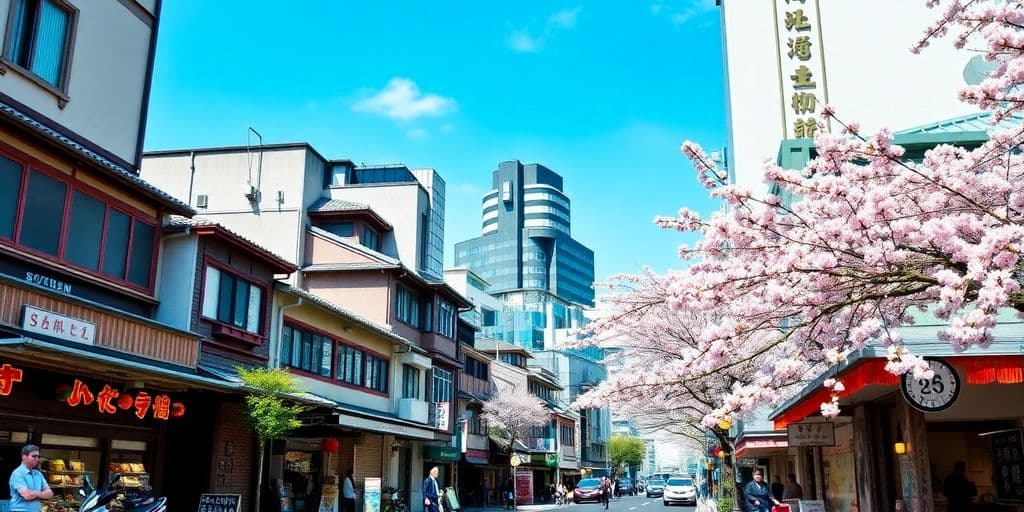
Tokyo is a sprawling metropolis with a unique neighbourhood for every taste. From the bright lights of Shibuya to the serene parks of Ebisu, each area has its own character and charm. Whether you're after shopping, culture, or simply a great meal, the best neighbourhoods in Tokyo offer something for everyone. Let's explore some of these vibrant districts to help you decide where to spend your time in this incredible city.
Key Takeaways
- Shibuya is known for its energetic nightlife and shopping options.
- Shinjuku boasts the busiest train station globally and a lively entertainment scene.
- Asakusa offers a glimpse of traditional Tokyo with its historic temples and markets.
- Ebisu is perfect for those who enjoy a quieter atmosphere with great cafés and green spaces.
- Harajuku is the hub for youth culture and fashion, while Ginza is all about luxury shopping.
Shibuya: The Heartbeat of Tokyo
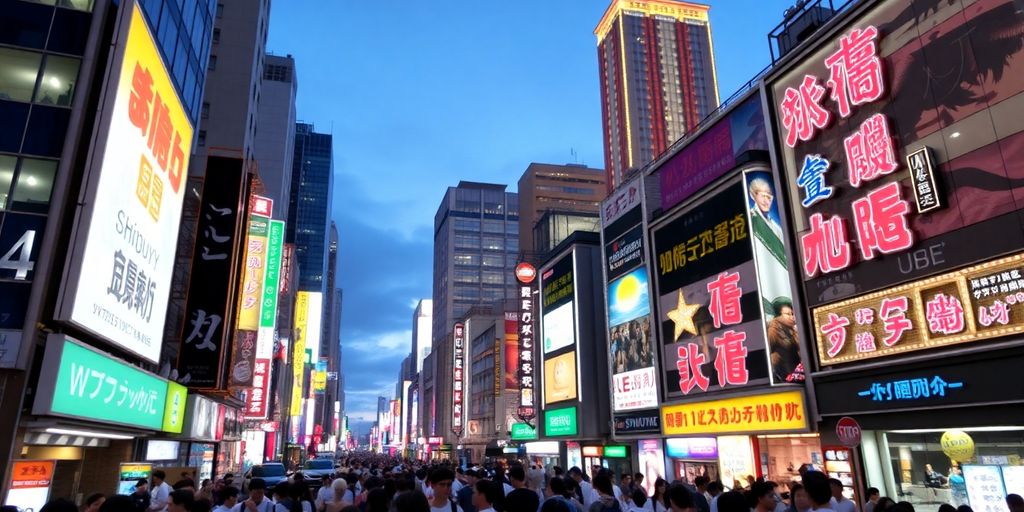
Shibuya! It's more than just a place; it's an experience. Think of it as Tokyo's energetic pulse, a spot where trends are born and the city's youthful spirit is always on full display. It's chaotic, colourful, and completely captivating. You can easily spend a day just wandering around, soaking it all in. If you're a first-time visitor, Shibuya is a must-see.
Vibrant Nightlife
Shibuya truly comes alive after dark. The neon lights blaze, and the streets fill with people heading out for the evening. From tiny, hole-in-the-wall bars to massive nightclubs, there's something for everyone. The energy is infectious, and it's easy to get swept up in the excitement.
- Karaoke is a must-do. Belt out your favourite tunes in a private room with friends.
- Explore the backstreets. You'll find hidden gems and unique drinking spots.
- People-watch at the Shibuya Crossing. It's a spectacle in itself.
I remember one night in Shibuya, I stumbled upon a tiny bar tucked away down an alley. The owner didn't speak much English, but he made the best highball I've ever had. The atmosphere was incredible, everyone was laughing and chatting. It was a truly authentic Tokyo experience.
Shopping Hotspots
Shibuya is a shopper's paradise, especially if you're into fashion. From the iconic Shibuya 109 to trendy boutiques and department stores, you'll find everything from high-end designer goods to quirky, one-of-a-kind pieces. It's the perfect place to snap up a bargain camera or update your wardrobe with the latest Japanese styles.
- Shibuya 109: A fashion mecca for young women.
- Shibuya PARCO: A department store with a focus on art and culture.
- Centre Gai: A pedestrian street packed with shops and restaurants.
Cultural Landmarks
Beyond the shopping and nightlife, Shibuya also has some important cultural landmarks. The most famous is probably the Hachiko statue, a tribute to a loyal dog who waited for his owner at the station every day for years after his death. It's a popular meeting spot and a symbol of loyalty and devotion.
- Hachiko Statue: A symbol of loyalty and a popular meeting spot.
- Shibuya Crossing: The world's busiest intersection, a must-see spectacle.
- Meiji Jingu Shrine: A peaceful oasis dedicated to Emperor Meiji and Empress Shoken.
Shinjuku: A Neon Wonderland
Shinjuku! It's not just a place; it's an experience. Think towering skyscrapers, flashing neon lights, and a constant buzz of activity. It's a sensory overload in the best possible way. You can find anything and everything here, from the latest gadgets to hidden bars serving up the perfect highball. Shinjuku really comes alive at night, transforming into a dazzling spectacle that's hard to forget.
Busiest Station in the World
Shinjuku Station is famous for being the busiest train station on the planet. Seriously, the numbers are mind-boggling. We're talking millions of people passing through every single day. It sounds chaotic, but the Japanese have mastered the art of organisation. It's surprisingly easy to navigate, even during peak hours. It's a testament to Japanese efficiency, really. You can find ATOM SHINJUKU nearby, if you want to experience the nightlife.
- Average daily passengers: Over 3.5 million
- Number of platforms: More than 36
- Connecting lines: Multiple JR lines, private railways, and subway lines
Entertainment Districts
Shinjuku is packed with entertainment options. Kabukicho is probably the most well-known, with its vibrant nightlife, restaurants, and quirky attractions. Golden Gai is another must-see, a network of tiny, atmospheric bars that offer a glimpse into old Tokyo. For something a bit different, head to Shinjuku Ni-chome, the heart of Tokyo's LGBTQ+ scene. There's always something happening, no matter what you're into.
Culinary Delights
Foodies, get ready! Shinjuku is a culinary paradise. You can find everything from Michelin-starred restaurants to cheap and cheerful ramen shops. Omoide Yokocho (Memory Lane) is a great spot for yakitori and beer, while the department store food halls offer an incredible selection of Japanese and international delicacies. Don't be afraid to try new things – you might just discover your new favourite dish. If you want to buy electronic gadgets, Shinjuku is the place to be.
Shinjuku Gyoen National Garden is a great place to escape the hustle and bustle of the city. It's a beautiful park with different garden styles, including English landscape, French formal, and Japanese traditional. It's the perfect spot for a relaxing stroll or a picnic lunch. Plus, it's a welcome break from all the neon and noise.
Asakusa: Traditional Tokyo
Asakusa offers a glimpse into Tokyo's past. It's a place where you can still find that old-school Tokyo vibe, a bit rough around the edges but full of character. Think narrow streets, little houses, and maybe a stray cat or two. It's got that shitamachi feel – the 'low city' – and Asakusa is right in the middle of it all.
Historic Temples
At the heart of Asakusa is Sensoji Temple, Tokyo's oldest. Founded way back in 628, it's been rebuilt after the war and remains a symbol of peace. You can wander around, soak up the atmosphere, and maybe even try some traditional worship methods. It's a proper step back in time.
Local Markets
Nakamise-dori is the street leading up to Sensoji Temple, and it's packed with shops. It used to be where people bought offerings for the temple, but now it's more about souvenirs, street food, and little trinkets. You can find all sorts of things, from traditional crafts to tasty snacks. Kappabashi Street is the place to go for restaurant supplies. You can find some amazing kitchen knives, beautiful Japanese porcelain, and those realistic plastic food samples that restaurants use to show off their menus.
Cultural Experiences
Asakusa is a great place to experience traditional Japanese culture. You can:
- Try on a kimono and wander around the temple.
- Take a rickshaw ride through the streets.
- Watch a traditional dance performance.
Asakusa is a reminder that Tokyo isn't all neon lights and skyscrapers. It's a place where you can slow down, appreciate the history, and experience a different side of the city. It's a bit rough around the edges, but that's part of its charm.
Ebisu: Beer and Greenery
Ebisu is often called one of Tokyo's most liveable neighbourhoods, and it's easy to see why. It's got a relaxed vibe, a good mix of residential and commercial areas, and plenty of green spaces to escape the city bustle. Plus, it's got a pretty good beer connection, thanks to Yebisu Beer originating here. It's within Shibuya Ward but very different from the buzzing Shibuya neighbourhood itself.
Charming Cafés
Ebisu is packed with charming cafés, perfect for a relaxed brunch or an afternoon coffee. You'll find everything from traditional Japanese coffee shops to trendy, modern cafes serving up artisanal brews. Many of these cafés have outdoor seating, so you can soak up the atmosphere while you sip your latte. It's a great place to people-watch and enjoy the slower pace of life.
Parks and Outdoor Spaces
For a bit of greenery, head to Yebisu Garden Place. It's built on the site of the former Yebisu brewery and features a lovely park, a few restaurants, and even a beer museum. It's a great spot for a picnic or just a stroll. You can explore top attractions in the area, including the Yebisu Garden Place Tower, which offers panoramic views of the city.
Artisan Shops
Ebisu has a good selection of artisan shops, selling everything from handmade crafts to local produce. It's a great place to find unique souvenirs or gifts. You can find pottery and textiles from all across Japan, handmade articles you might find nowhere else in Tokyo. The area has a special atmosphere.
Ebisu offers a welcome change of pace from the more frenetic areas of Tokyo. It's a place where you can slow down, enjoy a good meal, and appreciate the smaller things in life. It's a great neighbourhood to explore if you're looking for a more relaxed and authentic Tokyo experience.
Harajuku: Youthful Energy
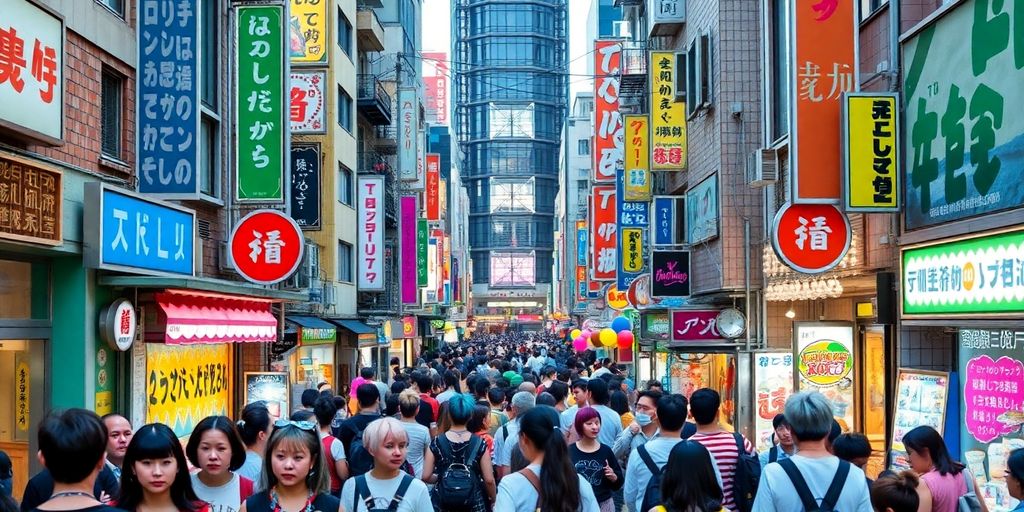
Harajuku is where Tokyo's youth culture explodes onto the streets. It's a place of constant reinvention, where trends are born and then quickly discarded. If you want to see what the next big thing is going to be, this is the place to be. It's not just about fashion; it's a whole attitude. Harajuku is a sensory overload in the best possible way.
Fashion Trends
Takeshita Street is the epicentre of Harajuku fashion. It's a narrow, pedestrianised street packed with boutiques, crepe stands, and a whole lot of people. You'll find everything from Lolita fashion to punk rock gear, and everything in between. It's a great place to people-watch, even if you're not planning on buying anything. Omotesando Avenue, on the other hand, is a wider, more sophisticated street lined with high-end brands. It's like Tokyo's answer to the Champs-Élysées, but with a distinctly Japanese twist. The fashion scene is constantly evolving, so what's popular today might be old news tomorrow. Keep an eye out for unique styles and emerging designers.
Unique Cafés
Harajuku's café scene is as quirky and colourful as its fashion. You can find themed cafés dedicated to everything from hedgehogs to kawaii culture. These aren't just places to grab a coffee; they're immersive experiences. Expect elaborate decorations, themed menus, and plenty of photo opportunities. Some popular options include:
- Animal Cafés: Cat, owl, and even reptile cafés are common.
- Kawaii Monster Café: A sensory overload of colour and cuteness.
- Robot Restaurant (nearby Shinjuku): A wild, over-the-top show with robots and performers.
It's easy to get caught up in the craziness of Harajuku, but it's important to remember to be respectful of the local culture. While street style photography is common, always ask for permission before taking someone's picture. And remember that while Harajuku is a place of self-expression, it's also a community. Be mindful of your surroundings and treat others with respect.
Pop Culture
Harajuku is a hub for all things pop culture. You'll find stores selling anime merchandise, K-pop albums, and all sorts of other collectibles. It's also a popular spot for cosplayers, who often gather in Yoyogi Park on weekends. The area is a great place to discover Harajuku's vibrant fashion scene and see the latest trends in Japanese entertainment. It's a place where imagination runs wild and anything is possible. The influence of pop culture extends beyond just merchandise; it shapes the fashion, the music, and the overall vibe of the neighbourhood.
Ginza: Luxury and Elegance
Ginza. The name itself conjures images of sophistication and high-end shopping. It's a district where you can easily drop a small fortune, but even window shopping is an experience in itself. Ginza's history is rooted in a former silver mint from the Edo period, and while the mint is long gone, the area remains a hub for commerce and luxury.
High-End Shopping
Ginza is synonymous with luxury brands. You'll find flagship stores of pretty much every major designer label here. But it's not just about international brands; Ginza is also home to some amazing Japanese department stores like Mitsukoshi and Matsuya, which offer a more traditional shopping experience. For something a bit different, check out Itoya, a stationery shop with exquisite Japanese items. Ginza Six, designed by Yoshio Taniguchi, is a must-visit. Its design is inspired by Kyoto alleys, and it houses over 200 shops. You can find some avant-garde fashion designers there. Don't forget to check out the food hall in the basement!
Fine Dining
Ginza is a foodie's paradise, especially if you're into fine dining. You can find Michelin-starred restaurants serving everything from sushi to French cuisine. Be prepared to pay a premium, but the quality is usually worth it. Even if you're not looking for a full-blown meal, there are plenty of high-end cafes and tea rooms where you can relax and people-watch. If you are looking for unique dining experiences, Ginza is the place to be.
Art Galleries
Ginza isn't just about shopping and eating; it's also a cultural hub. The area is dotted with art galleries, showcasing both traditional and contemporary Japanese art. Many of these galleries are small and intimate, offering a more personal experience than you might find in a larger museum. Keep an eye out for special exhibitions and events, as there's always something new to discover.
Here's a quick look at some popular galleries:
- Shiseido Gallery: One of the oldest art galleries in Japan.
- Pola Museum Annexe: Showcasing a range of contemporary art.
- Ginza Graphic Gallery: Dedicated to graphic design and typography.
Akihabara: The Otaku Paradise
Akihabara, often dubbed "Electric Town", is a sensory overload in the best way possible. It's a place where manga, anime, video games, and electronics collide, creating a unique subculture that's both fascinating and a little bit bonkers. If you're into any of that, Akihabara is your spiritual home. It's not just about shopping; it's about experiencing a different side of Tokyo, one that's unapologetically geeky and proud.
Anime and Manga Culture
Akihabara is the place to immerse yourself in anime and manga culture. You'll find shops dedicated to specific series, offering everything from figurines and posters to clothing and rare collectibles. Cosplay is a big deal here, and you'll often see people dressed as their favourite characters, adding to the vibrant atmosphere. It's a great spot to find unique attractions and experiences.
- Animate Akihabara
- Mandarake Complex
- Gamers Main Store
Electronics Shopping
While Akihabara is known for its otaku culture, it's also a prime spot for electronics shopping. You can find everything from the latest gadgets to vintage audio equipment. Many shops offer duty-free shopping for tourists, making it a great place to snap up a bargain on cameras, headphones, and other tech goodies. Just be prepared to navigate a maze of cables and components!
Themed Cafés
Akihabara is famous for its themed cafés, which offer a unique and often surreal dining experience. From maid cafés to Gundam cafés, these establishments are designed to transport you to another world. The staff are often dressed in character, and the menus feature themed dishes and drinks. It's a fun and quirky way to experience Akihabara and its unique culture.
Walking through Akihabara is like stepping into a video game. The bright lights, the constant buzz of activity, and the sheer volume of merchandise can be overwhelming, but it's all part of the charm. It's a place where you can embrace your inner geek and find something truly unique.
Final Thoughts on Tokyo's Neighbourhoods
So there you have it, a rundown of some of the best neighbourhoods in Tokyo. Each area has its own vibe and charm, whether you're after the hustle and bustle of Shibuya or the laid-back atmosphere of Ebisu. It really depends on what you're looking for. If you're visiting for the first time, I'd say Shibuya or Asakusa are solid choices. But if you're a repeat visitor, maybe try somewhere new like Nakameguro or Shimokitazawa. No matter where you end up, Tokyo's got something for everyone. Just remember to take your time and soak it all in. Happy exploring!
Frequently Asked Questions
How many neighbourhoods are there in Tokyo?
Tokyo is a huge city with many areas, all divided into 23 wards. Each ward has its own neighbourhoods, making it a diverse place to explore.
What are the main neighbourhoods in Tokyo?
Some of the most popular neighbourhoods include Shibuya, Shinjuku, Asakusa, and Harajuku. Each offers something unique, from shopping to history.
Is Tokyo easy to get around?
Yes, Tokyo has an excellent public transport system, including trains and buses, which makes it easy to travel between different areas.
What is the best time to visit Tokyo?
The best times to visit Tokyo are spring (March to May) for cherry blossoms and autumn (September to November) for beautiful fall colours.
Are there good places to eat in Tokyo?
Absolutely! Tokyo is famous for its food, offering everything from sushi and ramen to street food and fine dining.
What activities can I do in Tokyo?
You can enjoy shopping, visiting temples, exploring parks, and experiencing the vibrant nightlife. There’s always something exciting happening!
Planning a serviced apartment in Tokyo? Read our complete guide: Serviced Apartments in Tokyo — areas, brands & monthly prices.
Filed under
The Moveandstay editorial team writes about serviced living, workspaces, and city guides across Asia-Pacific.
Read next
Serviced Offices Surge in Popularity as Businesses Embrace Flexible Leasing
May 3, 2026
Hong Kong Serviced Apartment Market Buzzes with Sales and Investment Activity Amidst Shifting Valuations
May 3, 2026
ONYX Hospitality Group Elevates Shama Serviced Apartments with New Lifestyle Concept and Ambitious Expansion
Apr 26, 2026