

So, you're thinking about Tokyo? It's a city that grabs you, for sure. But if you're new to expat life there, it can feel like a real punch to the gut. Forget the shiny brochures; behind the bright lights and efficient trains, there are some serious hurdles. From finding a place to live that doesn't feel like a cardboard box to understanding why your boss stays way past sunset, Tokyo throws some curveballs. Let's break down why this amazing city can be surprisingly tough for first-timers.
Key Takeaways
- Tokyo's housing market is notoriously expensive, with rentals demanding a high price. Understanding local standards and considering options like serviced apartments Tokyo can help ease the transition.
- Japanese work culture often prioritizes showing up over getting things done quickly, with long meetings and a focus on group harmony that can be a shock to newcomers.
- Daily life involves adjustments, from the high cost of fresh produce to dealing with intense summer heat and the challenge of finding familiar imported goods.
- Building a social circle can be difficult, especially for trailing spouses, as deep connections with the local community are hard to form, and the expat bubble can sometimes feel superficial.
- Cultural integration is a slow process, and fully becoming 'Japanese' is unlikely. Navigating social norms and the city's relative lack of diversity requires patience and awareness.
Navigating The Housing Market
The Steep Cost of Tokyo Rentals
Okay, so let's talk about finding a place to live in Tokyo. It's not exactly a walk in the park, and the first thing that hits you is the price tag. Rent in Tokyo is, well, high. Like, really high, especially if you're looking in the more central or popular neighborhoods. You'll find that your money doesn't stretch as far as you might expect, and what you'd consider a decent place in other major cities might be a tiny studio here. It's a shocker, honestly. Many expats find themselves needing a significant portion of their salary just to cover rent, which can be a tough pill to swallow when you're trying to save or enjoy other aspects of life.
Understanding Japanese Housing Standards
Beyond the cost, the actual living spaces can be quite different from what you might be used to. Think smaller rooms, often with less natural light than you'd prefer. Kitchens can be compact, and bathrooms might be a bit of a surprise – sometimes the shower and toilet are in separate, tiny rooms. Also, many older buildings don't have central heating or air conditioning, meaning you're often relying on portable units, which can be noisy and not always super effective. It's a different way of living, and it takes some getting used to. You might also notice a lack of built-in closets or extensive storage, so decluttering becomes a necessity, not just a suggestion.
Finding Suitable Serviced Apartments in Tokyo
Given the challenges with traditional rentals, many newcomers look into serviced apartments. These are basically furnished apartments that come with hotel-like services, like cleaning and sometimes even utilities included. They're a great option for the initial period when you're still figuring things out. They offer a comfortable landing spot without the hassle of setting up utilities or buying furniture right away. However, they also come with a premium price tag. While they solve immediate problems, they aren't usually a long-term, budget-friendly solution. It's a trade-off: convenience and ease versus cost. You'll need to weigh if that initial comfort is worth the extra expense before you commit to a longer lease elsewhere.
The rental process itself can be a maze of paperwork, key money (a non-refundable gift to the landlord), and guarantor requirements that can be difficult for foreigners to meet. It's not uncommon to need a Japanese guarantor, which adds another layer of complexity.
The Unseen Challenges Of Japanese Work Culture
Prioritizing Presence Over Productivity
So, you've landed that dream job in Tokyo. You're ready to hit the ground running, right? Well, hold on a second. While back home, we often focus on getting the job done efficiently, Japanese offices tend to value something a bit different: simply being there. It's not uncommon for people to stay long after their official hours are over, not necessarily because there's a mountain of urgent work, but to show dedication and solidarity. This can feel really strange at first. You might finish your tasks and be ready to head out, only to find everyone else still at their desks. Your team lead might gently suggest you stay a bit longer, especially if a senior person is still around. It’s less about what you’re actively doing and more about demonstrating your commitment by your physical presence. It’s a subtle but significant shift from the 'work hard, play hard' mentality many of us are used to.
Marathon Meetings And Consensus Building
Forget those quick 15-minute stand-ups you might be used to. Meetings in Japan can often feel like they stretch on forever. The goal isn't just to make a quick decision; it's about making sure everyone involved feels heard and agrees. This process, known as consensus building, means that every single person, no matter how junior, gets a chance to voice their opinion. While this ensures everyone is on board, it can make decision-making a much slower affair.
Here's a typical flow you might encounter:
- Initial Discussion: A topic is introduced, and everyone offers their initial thoughts.
- Elaboration: Each point is discussed in detail, with opportunities for questions and clarifications.
- Harmony Check: The leader or facilitator will often check in to ensure everyone is comfortable with the direction.
- Formalization: A decision is made, and often documented, requiring multiple approvals.
This emphasis on harmony, or 'wa', means direct conflict is usually avoided. Instead of outright disagreement, you'll often hear phrases like "that's an interesting idea" which, depending on the tone and context, might actually mean "that's not going to work." Learning to read between the lines is a skill that takes time to develop.
The Long Road To Professional Integration
Integrating into the Japanese professional world can feel like a marathon, not a sprint. Beyond the language barrier, there are deeply ingrained social norms and expectations that can be hard for outsiders to grasp. For instance, feedback is rarely given directly. Instead, you might notice subtle changes – your work might be quietly adjusted, or a colleague might demonstrate the correct way to do something without explicitly pointing out your mistake. This indirect communication style is meant to preserve harmony and avoid causing anyone to lose face.
Building trust and becoming a true part of the team often requires patience and a willingness to adapt to these nuanced ways of interacting. It's not about changing who you are, but about understanding and respecting the established social dynamics within the workplace.
Furthermore, the concept of 'honne' (true feelings) and 'tatemae' (public facade) plays a significant role. What someone says in a meeting might not always reflect their genuine thoughts, making it challenging to gauge true opinions. This can make it difficult to know where you stand or how your ideas are truly being received. It takes time and consistent effort to build genuine relationships and gain the trust that allows for more open communication. Don't expect to feel fully integrated overnight; it's a gradual process of learning, observing, and adapting.
Daily Life Adjustments And Discomforts
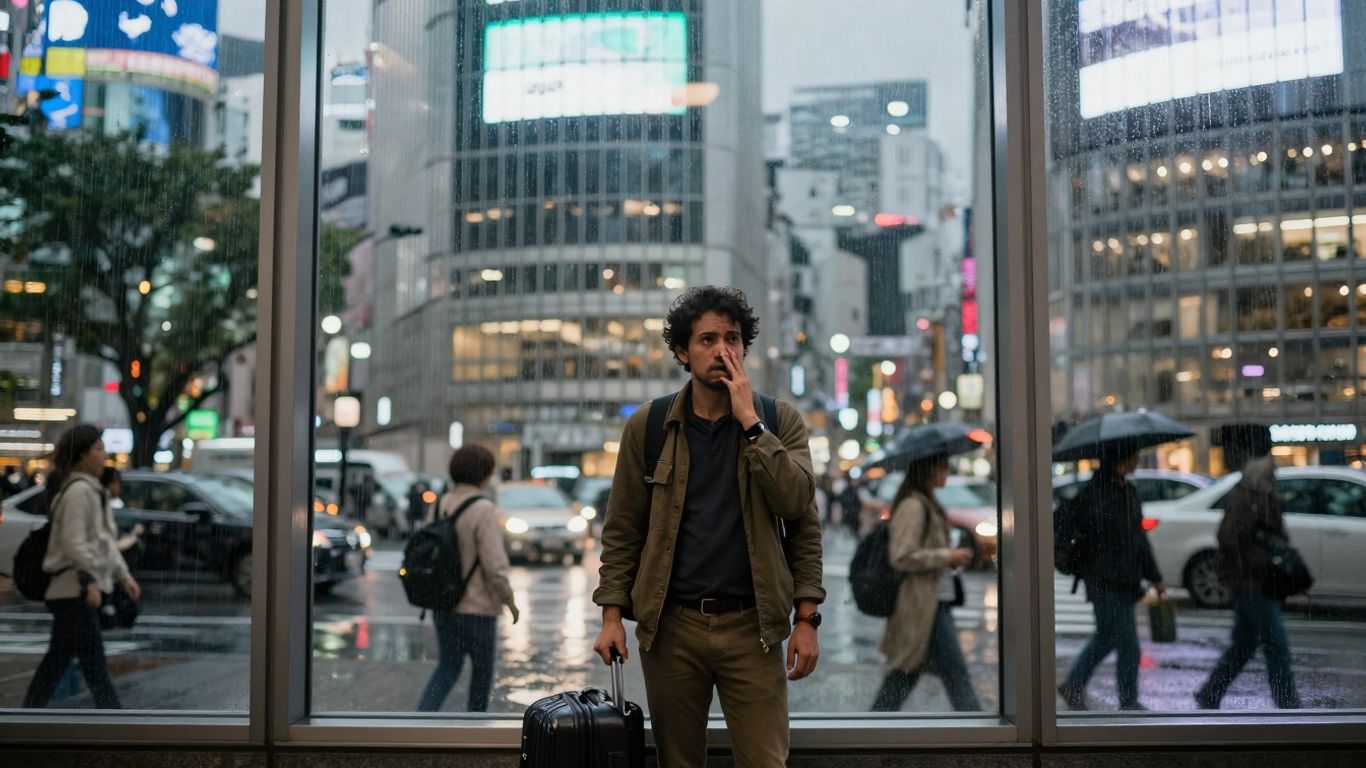
Moving to Tokyo throws up a whole host of everyday challenges that can catch you off guard. It's not just about the big things; it's the little, persistent annoyances that can really wear you down.
The High Price Of Fresh Produce
One of the first things many expats notice is the cost of fresh food. While Japanese cuisine is amazing, stocking your fridge with familiar fruits and vegetables can hit your wallet hard. You might find yourself making fewer trips to the grocery store or having to get creative with your meal planning. It's a stark contrast to what many are used to back home, where fresh produce is often more affordable and readily available.
- Seasonal Availability: Certain items are only available at specific times of the year, meaning your favorites might not always be on the shelf.
- Import Costs: If you're craving something specific from your home country, expect to pay a premium for imported goods.
- Smaller Portions: Even common items can sometimes come in smaller packaging, making it feel like you're paying more for less.
Battling Extreme Summer Climates
Tokyo's summers are no joke. The humidity can be intense, making even short walks feel like a workout. Air conditioning is a lifesaver, of course, but the sheer heat and stickiness can be draining. You'll quickly learn to appreciate indoor spaces and plan your outdoor activities for cooler parts of the day. It's a far cry from milder climates, and adapting to this can take a while.
The oppressive heat and humidity during Tokyo's summer months can be a significant shock to the system for newcomers, impacting everything from daily commutes to simply enjoying an evening stroll.
Importing Familiar Necessities
Sometimes, it's the small comforts from home that you miss the most. Finding specific brands of toiletries, certain types of snacks, or even particular clothing styles can be surprisingly difficult. While Tokyo has a vast array of products, the sheer variety of international goods you might be accustomed to isn't always there. This often means either going without, settling for local alternatives, or making special trips to import stores, which can be both time-consuming and expensive. It's a constant reminder that you're far from home, and sometimes, you just want that specific shampoo you've always used. Finding a good local community group can help you discover where to source these items.
Building A Social Network
The Difficulty Of Deep Community Ties
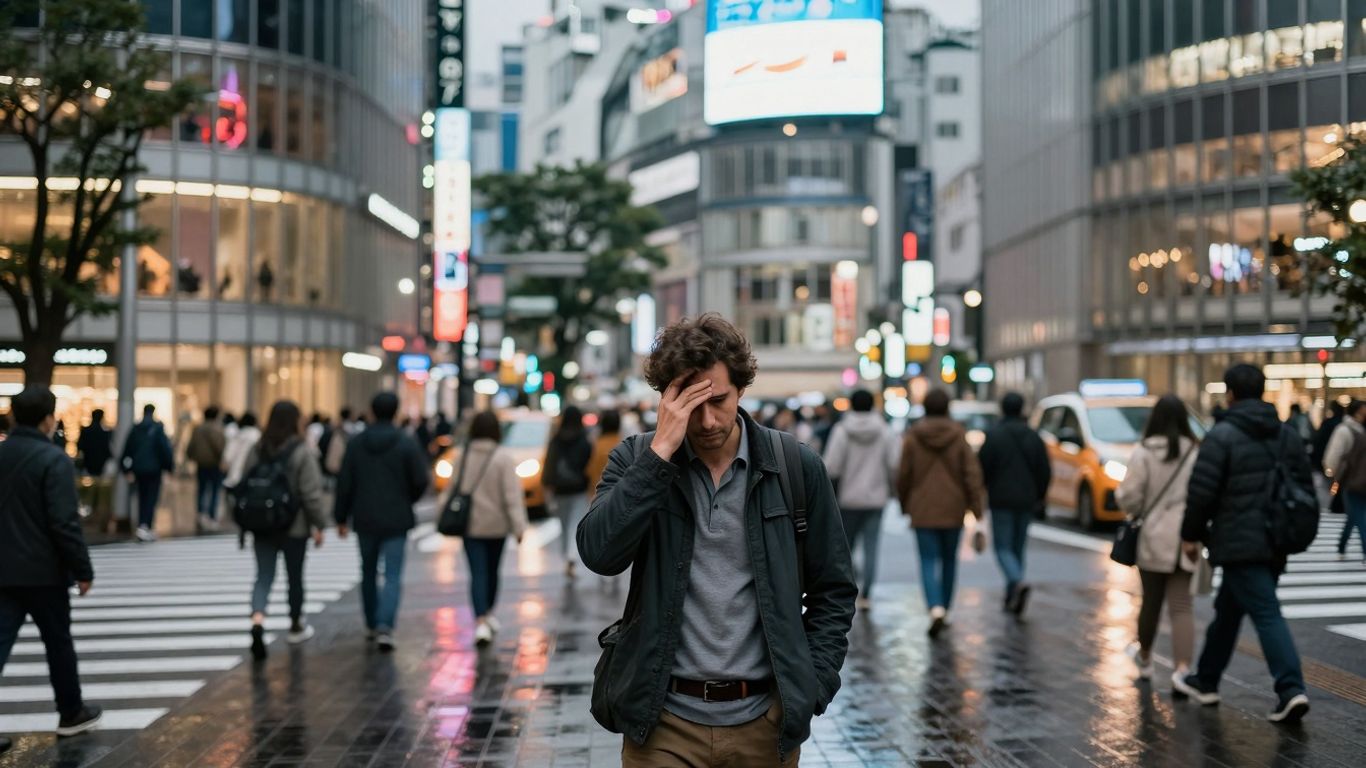
Making friends in Tokyo can feel like trying to solve a puzzle with missing pieces. It's not that people aren't friendly, but the way relationships form here is different. There's a certain reserve, a politeness that can sometimes be mistaken for distance. Building those really close, 'tell-you-anything' kind of friendships takes time, and a lot of effort. You might find yourself having pleasant chats with colleagues or neighbors, but getting invited to someone's home for a casual dinner might not happen for a while, if at all. It's a cultural thing, this emphasis on privacy and not imposing.
Challenges For Trailing Spouses
If you've moved to Tokyo because your partner got a job here, you might find yourself in a bit of a social vacuum, especially at first. Your partner is likely busy with work, and while that's great for the family finances, it can leave you with a lot of free time and fewer built-in social connections. Many trailing spouses struggle with this. You're not working, so you don't have the built-in colleague network. Finding your own footing and making friends can be tough when your primary reason for being in Tokyo isn't tied to a professional role. It requires actively seeking out groups, hobbies, or volunteer work to build your own social circle.
Navigating The Expat Bubble
It's easy to fall into the 'expat bubble' in Tokyo. You find other foreigners, often through work or expat groups, and you stick together. On one hand, this is totally understandable. You can speak your own language, share similar experiences, and complain about the same things. It provides comfort and a sense of belonging.
However, staying exclusively within this bubble can actually make it harder to connect with the local culture and people. It can create an echo chamber where frustrations get amplified, and you miss out on the richness of experiencing Japan through the eyes of locals. Sometimes, the best way to feel more at home is to step outside that familiar group and try to connect with Japanese people, even if it's just a little.
Here are a few ways people try to build connections:
- Join a hobby group: Whether it's a sports club, a cooking class, or a book club, shared interests are a great way to meet people. Look for groups that might have a mix of locals and expats.
- Language exchange: Participating in language exchange events or finding a language partner can be a fantastic way to meet Japanese people who are also interested in learning about other cultures.
- Volunteer work: Contributing to the local community through volunteering is a meaningful way to meet people and feel more connected to your surroundings.
- Explore local events: Keep an eye out for festivals, markets, and community gatherings. These are often relaxed environments where striking up a conversation is easier.
Cultural Nuances And Social Integration
The Limits Of Becoming 'Japanese'
It's a common dream for many moving abroad: to truly become part of the new culture, to be seen as 'local'. In Japan, though, this can be a really tough goal to reach, even after years of living there. People often talk about how Japan values harmony and group belonging, but this can also mean there's a strong sense of 'us' and 'them'. Even if you speak the language perfectly and follow all the customs, you might still be seen as an outsider. It's not usually malicious, but it's a subtle feeling that can be hard to shake.
Understanding Social Norms And Etiquette
Japanese society has a complex web of unwritten rules. Things like gift-giving, visiting someone's home, or even just how you interact in public spaces have specific expectations. Forgetting to bring a small gift when visiting a friend's house, for example, can be seen as a bit impolite. Or maybe you're not sure about the right way to use chopsticks at a formal dinner. It's a lot to take in, and mistakes are easy to make.
Here are a few common social situations and what to keep in mind:
- Gift Giving: Always wrap gifts nicely. The act of giving and receiving is often more important than the gift itself. Present and receive items with both hands.
- Visiting Homes: It's polite to bring a small gift (like sweets or a local specialty from your home country). Always remove your shoes at the entrance.
- Public Transport: Keep phone calls brief or silent, and avoid eating or drinking.
- Business Cards (Meishi): Exchanging business cards is a formal ritual. Receive cards with both hands and treat them with respect.
The constant effort to get social cues right can be exhausting. You're always thinking, 'Am I doing this correctly?' It's like walking a tightrope, and the fear of making a faux pas is always there. This can make casual interactions feel more like a performance than a genuine connection.
The Impact Of Limited Diversity
Japan is a very homogeneous society. While this can contribute to its unique cultural identity, it also means that there's less exposure to different ways of life and thinking compared to more multicultural countries. For expats, this can sometimes feel isolating. You might find fewer people who share your background or understand your experiences. This lack of diversity can make it harder to find your footing and build a social network that truly gets you. It's not that people are unfriendly, but the shared cultural reference points might just not be there.
Financial Considerations For Expats
Understanding Salary Structures
So, you've landed a gig in Tokyo. Awesome! But before you start dreaming about all the ramen you'll eat, let's talk brass tacks: money. Japanese salary structures can be a bit different from what you might be used to. It's not just about the base pay; there are often bonuses, allowances, and sometimes even housing stipends thrown into the mix. It's really important to get a clear picture of your entire compensation package, not just the headline number. Sometimes, what looks like a lower base salary can be quite competitive when you factor in all the extras. Don't be afraid to ask your employer to break it all down for you. Understanding how you'll be paid and what's included is the first step to not being blindsided.
The Burden Of High Taxes
Japan has a progressive income tax system, meaning the more you earn, the higher your tax rate. On top of that, there are resident taxes and social insurance contributions. It can feel like a significant chunk of your paycheck disappears before it even hits your bank account. For expats, figuring out tax obligations can be extra tricky, especially if you have income or assets back home. It's often a good idea to get some professional advice to make sure you're compliant and not paying more than you need to. Many companies will offer tax support as part of the expat package, which is a huge relief.
The Importance Of A Comprehensive Expat Package
When you're moving your life across the globe, a solid expat package isn't just a nice-to-have; it's pretty much a necessity. Think of it as your financial safety net. A good package should cover more than just your salary. It often includes things like:
- Housing Allowance: Rent in Tokyo can be eye-watering, so a housing stipend is a lifesaver. Some packages might even cover utilities.
- Relocation Assistance: This usually covers moving your belongings, flights for you and your family, and temporary accommodation when you first arrive.
- School Fees: If you have kids, international school fees are a major expense. A good package will often cover these.
- Annual Flights Home: Being able to visit family and friends back home is important for morale, and this covers the cost.
- Health Insurance: Japan has a good healthcare system, but private international insurance can offer more options and cover things like dental.
Negotiating your expat package is one of the most critical steps before you accept a position. It directly impacts your quality of life and financial stability in a new country. Don't underestimate its significance.
Trying to manage all these costs out-of-pocket can quickly drain your savings. The average cost of living for an individual in Japan is significantly lower than in the USA, but Tokyo is a major global city with its own price tag. Having these expenses covered by your employer makes the transition so much smoother and allows you to actually enjoy your time in Japan rather than constantly worrying about bills. You can find general cost of living estimates for Japan here.
So, Is Tokyo Worth the Hassle?
Look, Tokyo is a city that definitely makes you work for it, especially when you first arrive. It’s not all bright lights and easy living like some might imagine. From the sticky summer heat to the long hours at work that feel more about showing up than getting stuff done, and the sheer cost of things like fresh fruit, it can feel like a constant uphill battle. Plus, trying to really connect with locals or even just finding a decent, affordable place to live can be a real challenge. It’s a place that demands a lot of patience and a willingness to adapt, and honestly, it’s not for everyone. If you’re thinking of making the move, be prepared for the tough stuff, not just the Instagram-worthy moments. It might just be the reality check you need before packing those bags.
Frequently Asked Questions
Is finding a place to live in Tokyo really that hard?
Finding a place can be tricky. Rent prices are high, and Japanese homes might be smaller and have different features than what you're used to, like less insulation. It might take some time to find a place that fits your needs and budget.
What's the biggest surprise about working in Japan?
Many expats find that Japanese work culture values being present at the office, sometimes more than just getting the job done quickly. Meetings can also be much longer than expected because everyone needs to agree. It takes time to get used to this style of working and to feel like a full part of the team.
Is everyday life in Tokyo expensive?
Some things can be surprisingly pricey, especially fresh fruits and vegetables. Also, Tokyo's summers can be extremely hot and humid, which is a big adjustment for many. You might also find it hard to buy certain everyday items you're used to from home.
Will I be able to make close friends in Tokyo?
Building deep friendships with Japanese people can take a long time and a lot of effort. While there are expat communities, some find them to be a bit surface-level. It can also be challenging for partners who aren't working, as they may find it harder to connect with people.
Can I truly become 'Japanese' if I live there?
While you can learn the language and follow the customs, fully integrating and being seen as 'Japanese' by everyone is very difficult. Society has its own rules and expectations, and sometimes people who don't look or act Japanese might feel excluded.
What should I know about money matters as an expat in Tokyo?
Salaries might be structured differently, and taxes can be quite high. It's important to have a good understanding of your salary, taxes, and any benefits your employer provides, like housing or cost-of-living allowances, to make sure you can afford to live comfortably.
The Moveandstay editorial team writes about serviced living, workspaces, and city guides across Asia-Pacific.
Read next

Serviced Offices Surge in Popularity as Businesses Embrace Flexible Leasing
May 3, 2026

Hong Kong Serviced Apartment Market Buzzes with Sales and Investment Activity Amidst Shifting Valuations
May 3, 2026

ONYX Hospitality Group Elevates Shama Serviced Apartments with New Lifestyle Concept and Ambitious Expansion
Apr 26, 2026