
For the full guide, see Short-Term Rentals in Singapore: What You Need to Know.
Lately, it feels like everyone's talking about how short-term rentals are popping up all over Singapore. It's not just for tourists anymore; locals are getting in on it too. Things like construction delays and changing how we want to live are making these places more popular than ever. Plus, with more people coming back to work and study here, the demand for places to stay for a little while is really taking off. Let's look at what's making the short term rental Singapore market so busy right now.
Key Takeaways
- The short term rental Singapore market is seeing a big jump in demand, partly because new homes are delayed and some locals want more space.
- More foreigners are returning to work and study in Singapore, which naturally increases the need for short-term housing options.
- Co-living spaces are becoming a popular choice, offering a sense of community that appeals to people, especially those new to the city.
- Investors are showing more confidence in short-term rentals, seeing them as a solid market rather than just a small niche.
- The government is also getting involved, looking at ways to use state properties for housing solutions that fit different needs.
The Resurgence Of The Short Term Rental Singapore Market
It feels like just yesterday we were all talking about how the pandemic had put a pause on pretty much everything, including travel and, well, life as we knew it. But here in Singapore, the short-term rental market is not just back; it's really bouncing back. It's kind of surprising, right? After all the lockdowns and travel restrictions, you'd think things would be slow to pick up.
Post-Pandemic Demand Drivers
So, what's fueling this comeback? A few things, really. For starters, people are eager to travel again, and that includes folks coming to Singapore for work or study. Plus, many local Singaporeans are looking for their own space, maybe moving out from their parents' homes or needing a temporary spot while their permanent homes are being sorted. It's a mix of returning expats, a growing student population, and locals wanting more flexibility.
- Increased desire for personal space: With more people working from home, having a dedicated area or a separate living space has become a bigger priority.
- Flexibility for movers: People who sold their homes and are waiting for new ones to be ready are renting in the interim.
- Return of international visitors: As borders reopen, more tourists and business travelers are arriving, needing places to stay.
Impact of Construction Delays
Another big factor is the ripple effect of construction delays. You know how new apartments, like Build-to-Order (BTO) flats and condos, sometimes take longer than expected to finish? The pandemic really messed with building schedules, pushing back completion dates for many projects. This means couples and individuals who planned to move into their new homes are now stuck waiting. What do they do? They turn to the rental market, often for short to medium-term stays, until their keys are finally in hand. It’s a bit of a domino effect, really.
Shifting Local Housing Preferences
It's not just about external factors, though. We're seeing a subtle shift in what locals want from their housing. The whole work-from-home setup has made people rethink their living situations. Some younger, single Singaporeans might not be ready to buy a place yet but want to live independently. They're looking for options that offer more privacy and freedom than living with family. This has opened up the rental market to a new segment of the local population, adding another layer to the demand.
The rental market is adapting to new lifestyles and unexpected delays, creating a dynamic environment for both renters and property owners.
Foreign Talent And Student Influx Fuels Demand
Post-Pandemic Demand Drivers
Things have really picked up since the pandemic, especially with more people coming back to Singapore for work and study. Remember how things slowed down for a bit? Well, that's definitely over. We're seeing a lot more foreigners arriving, and they need places to stay, often for shorter periods than traditional leases allow. This surge is a big reason why short-term rentals are getting so popular.
Impact of Construction Delays
It's not just about people coming in; it's also about the housing situation here. New homes, whether they're government Build-to-Order (BTO) flats or private condos, have faced some pretty significant delays. This means couples and individuals who were planning to move into their new places are now stuck waiting. What do they do? They often turn to the rental market, including short-term options, to tide them over until their permanent homes are ready. It's a bit of a domino effect, really.
Shifting Local Housing Preferences
Locals are changing their minds about housing too. With more companies embracing work-from-home or hybrid setups, having your own space has become a bigger deal. Young singles, for instance, might want to move out of their parents' place but aren't ready to buy. Short-term rentals offer that flexibility. Plus, some people who sold their homes at a good price are now renting while they wait for the market to settle before buying again. It's a mix of new arrivals and changing local needs that's really driving this trend.
Co-Living Spaces Redefine Urban Accommodation
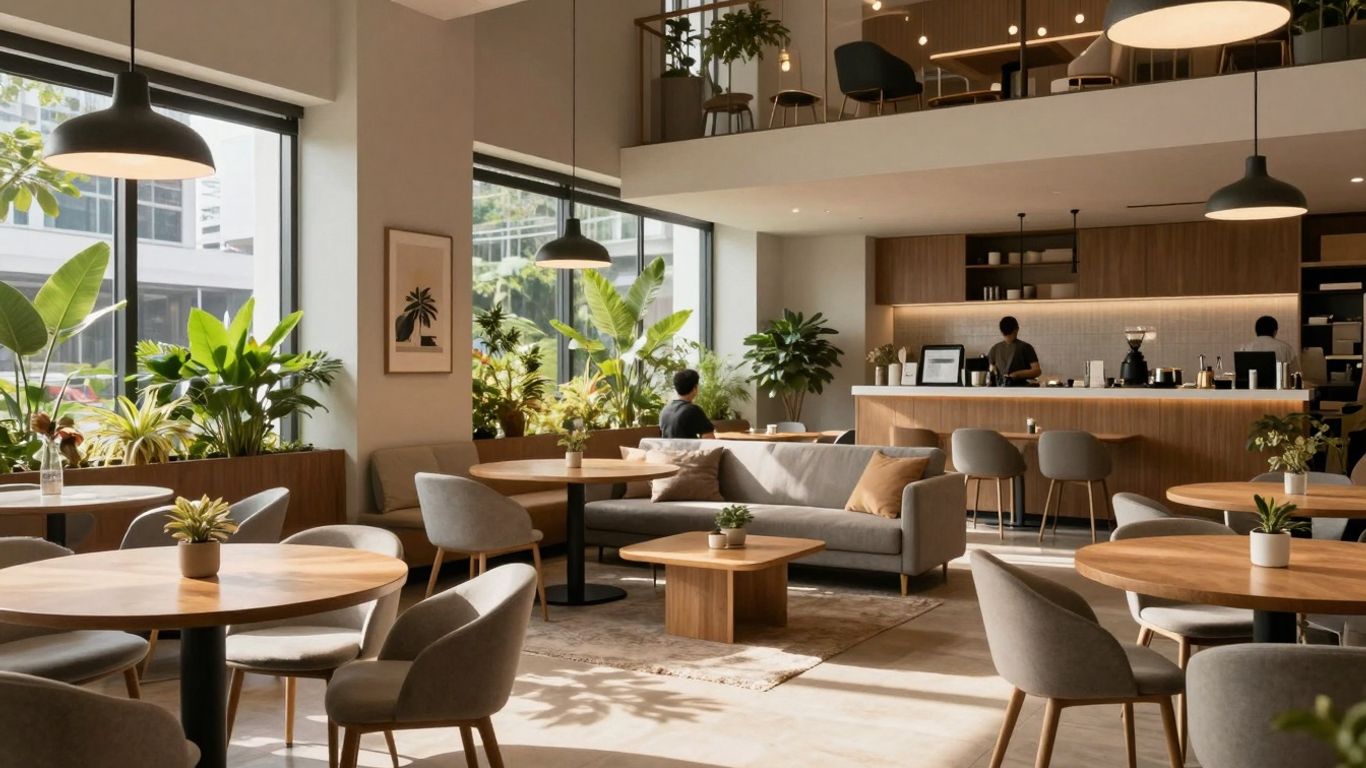
It feels like co-living spaces have popped up everywhere lately, right? They're not just for students or young professionals anymore. These places are really changing how people think about living in the city, especially for those who are new to Singapore or just looking for something different. It's more than just a room; it's about building a community from day one.
Community As A Key Differentiator
What makes co-living stand out is the built-in social aspect. When you're new in town, finding your footing can be tough. Co-living operators focus on creating connections, making it easier for residents to meet people and feel at home. This is a big deal for folks far from their families or friends.
- Instant social network: Meet people with similar interests right away.
- Organized events: Many spaces host regular activities, from dinners to workshops.
- Shared common areas: Lounges, kitchens, and workspaces encourage interaction.
The focus on community helps combat the isolation that can come with moving to a new city. It’s about creating a support system and a sense of belonging.
Extended Stay Appeal
Co-living is becoming a popular choice for longer stays, often longer than typical short-term rentals. People find they can settle in more comfortably, knowing that their living situation is stable and that they're part of a community. This
Investor Confidence In Short Term Rentals Grows
It’s pretty clear that people are starting to see short-term rentals, especially co-living spaces, as a solid bet. This isn't just some small, niche thing anymore; it's becoming a major part of the accommodation scene here. We're seeing a real shift, moving from a kind of 'let's see what happens' attitude to a more serious, strategic approach from investors. This growing confidence is definitely fueling more development and interest in the sector.
From Niche To Mainstream Market
What used to be a bit of an experimental idea is now being treated like a standard investment. Think about it: investors are less focused on chasing super-high, risky returns and more on steady, reliable income. This change shows the market is maturing. It’s not just about finding a quick buck; it’s about building something sustainable.
- Investors are targeting lower, more realistic Internal Rates of Return (IRR).
- The sector is now seen as less risky, attracting a broader range of capital.
- Occupancy rates are holding strong, typically between 85-95%.
- Profit margins are healthy, often hitting 55-70%.
Adaptive Reuse Of Underutilised Buildings
One of the really smart moves happening is taking buildings that aren't being used to their full potential and turning them into these short-term or co-living spaces. This could be old hotels, office blocks, or even hostels. It’s a great way to breathe new life into existing structures and make them profitable again. This flexibility is a big part of why investors are getting interested; it shows co-living can really help reposition struggling properties. We're seeing a significant surge in investment sales, which really points to growing optimism in the market's potential in Singapore's property market.
This trend highlights how adaptable the short-term rental model can be, turning older, less-used spaces into vibrant, in-demand accommodations. It's a win-win for property owners and renters alike.
Institutional Investment In Short Term Rental Singapore
Big players, like institutional investors, are now seriously looking at this space. They're not just dipping their toes in; they're making substantial investments. This kind of backing is a huge sign that the short-term rental market in Singapore is seen as stable and has good prospects for the future. It’s moving beyond individual landlords and becoming a significant part of the larger real estate investment landscape.
Government Support For Housing Solutions
Repurposing State Properties
The government is actively looking at ways to use existing state-owned buildings for housing. Think about old buildings that aren't being used much anymore; they're being looked at to be turned into places people can rent for shorter periods. This is a smart move because it uses what we already have instead of building everything new. It's a way to quickly add more housing options without a huge construction project. This approach helps fill gaps in the market, especially for groups that might have trouble finding suitable places to stay.
Addressing Specific Demographic Needs
It's not just about adding more rooms; it's about adding the right kind of rooms for specific people. The government is focusing on housing needs for different groups. For example, they're looking at places for:
- International students who need a place to stay while they study.
- Foreign workers, like healthcare professionals, who are here for a set time.
- Young professionals who might not want a long-term lease.
- People relocating who need temporary accommodation.
This targeted approach means that the housing solutions being developed are actually useful for the people who need them most.
Strategic Housing Initiatives
Beyond just repurposing buildings, there are bigger plans in motion. The government is working on initiatives that make it easier for short-term rentals and co-living spaces to operate. This includes looking at rules and regulations to make sure these housing types are safe and fair for everyone. They're also thinking about how these new housing options fit into the wider city plan. It's all about making sure Singapore has enough varied housing to meet the needs of its growing and changing population.
The focus is on practical solutions that can be implemented relatively quickly. By identifying underused state assets and tailoring them for specific groups, the government aims to provide flexible and accessible housing options. This proactive stance helps manage the demand created by Singapore's dynamic population and economic growth.
Understanding Rental Price Trends
Rise In Private Property Rents
It's no secret that rents for private properties in Singapore have been climbing. We saw a pretty consistent upward trend throughout 2021. For instance, rents went up by 2.2% in the first quarter and then another 2.9% in the second quarter. By the end of the year, condo rents were about 10% higher than they were a year prior. This surge isn't just a small blip; it reflects a broader shift in the market.
HDB Rental Market Performance
The Housing Development Board (HDB) rental market hasn't been left out either. HDB rents also saw a steady increase during 2021, with a notable jump of 9.2% year-on-year by November. A big part of this might be due to fewer HDB flats being available for rent. The number of HDB flats approved for rental dropped significantly, reaching levels not seen since before 2014. This tighter supply, coupled with strong demand from locals, has pushed prices up.
Factors Influencing Rental Costs
So, what's really driving these rental price changes? Several things are at play.
- Construction Delays: Many new Build-to-Order (BTO) flats and condominiums faced significant delays due to the pandemic, sometimes by over a year. This pushed couples and individuals to rent while waiting for their homes to be ready.
- Increased Local Demand: More Singaporeans are looking to rent. Some are singles wanting their own space while working from home, while others have sold their properties at good prices and are now renting temporarily, perhaps waiting for the market to cool before buying again.
- Reduced Supply: Beyond the HDB situation, fewer new private housing projects are expected in the near future due to land sales programs. This limited supply across the board naturally puts upward pressure on rents.
- Foreigner Influx: As Singapore reopens, more expatriates are returning, adding to the demand for rental properties.
The rental market is a dynamic space, influenced by everything from global events to local construction schedules. Understanding these interconnected factors is key to grasping why prices are moving the way they are.
For example, a 22 sqm unit might rent for S$3,100 monthly, while a larger 65 sqm unit could be around S$3,500. This shows how size and type of property play a big role in rental costs in Singapore.
The Future Looks Bright for Short-Term Stays
So, it's pretty clear that short-term housing isn't just a passing trend in Singapore. It's become a really solid part of the housing scene, thanks to a mix of things like construction delays, people wanting more space, and even students needing places to stay. Plus, with more foreigners likely to come back as things open up, demand is only set to grow. It seems like this market has found its footing and is here to stay, changing how people think about living in the city.
Frequently Asked Questions
Why are more people renting in Singapore now?
Lots of reasons! Some people are waiting for their new homes to be built because construction is taking longer than usual. Others want more personal space, especially since many people are working from home. Plus, some folks sold their homes for a good price and are renting while they wait for property prices to drop before buying again.
Are foreigners coming back to Singapore and renting?
Yes! As Singapore opens up more, more foreigners are returning to work and live here. This increases the demand for rental places, especially since many left during the pandemic.
What are co-living spaces?
Co-living spaces are like shared apartments or houses where you have your own private room but share common areas like the kitchen and living room. They focus on building a community, which is great for people new to the city who want to meet others easily.
Are students a big part of the rental market?
Definitely! Singapore has a growing number of international students. Many of them choose to live in rental places or co-living spaces because they offer a ready-made community and are convenient for studying.
Are investors putting money into short-term rentals?
Yes, they are! Short-term rentals, including co-living, are becoming a more popular and less risky investment. Investors see value in turning older or unused buildings into these modern living spaces.
Is the government helping with housing?
The government is involved by using state-owned properties for housing solutions, like turning them into co-living spaces for specific groups such as students or healthcare workers. This helps fill housing needs for different people.
Planning a serviced apartment in Singapore? Read our complete guide: Serviced Apartments in Singapore — areas, brands & monthly prices.
Filed under
The Moveandstay editorial team writes about serviced living, workspaces, and city guides across Asia-Pacific.
Read next
Serviced Offices Surge in Popularity as Businesses Embrace Flexible Leasing
May 3, 2026
Hong Kong Serviced Apartment Market Buzzes with Sales and Investment Activity Amidst Shifting Valuations
May 3, 2026

ONYX Hospitality Group Elevates Shama Serviced Apartments with New Lifestyle Concept and Ambitious Expansion
Apr 26, 2026