
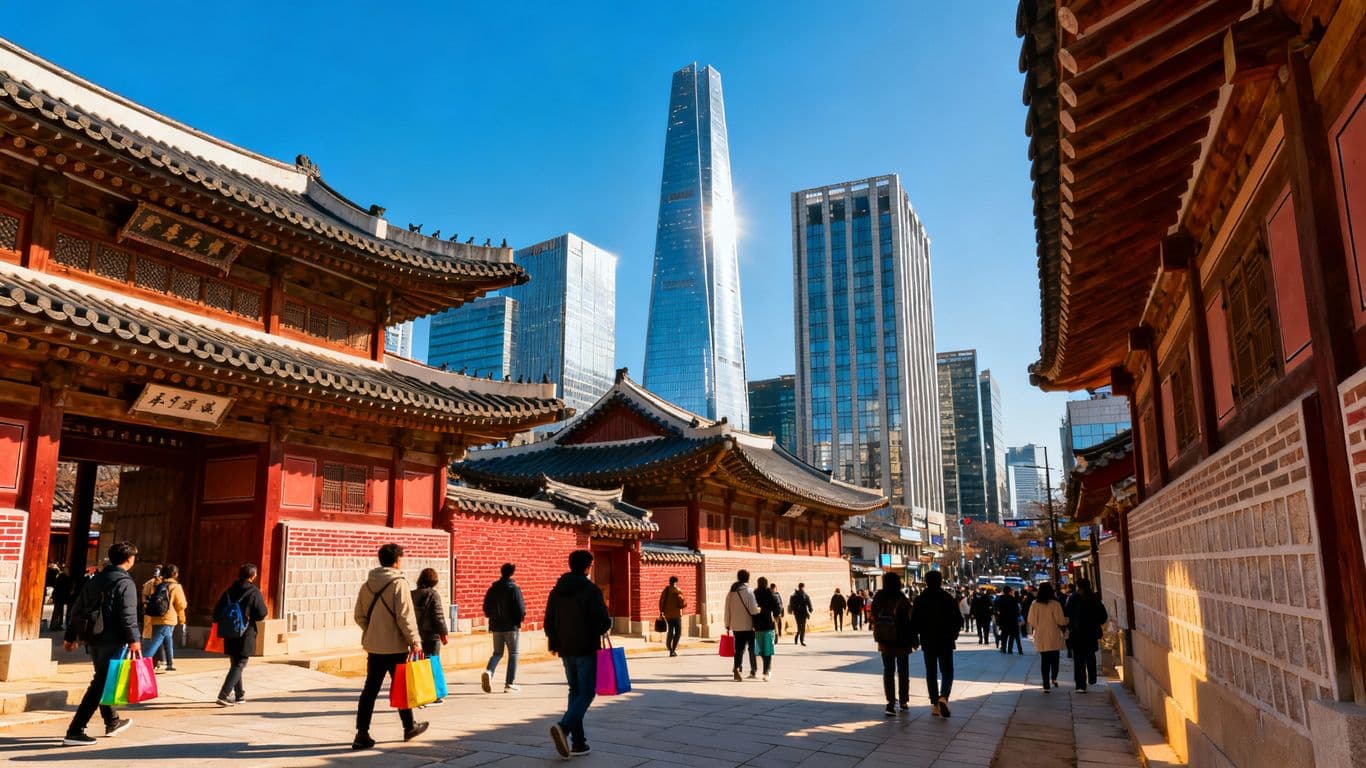
Thinking about a short stint in Seoul? It's a pretty cool idea. While a few years might sound like a good amount of time, sometimes just three months can give you a really solid taste of what South Korea has to offer. You get to experience the city, maybe even land a job, without getting bogged down in the long haul. This way, you can focus on the good stuff, like exploring and figuring out the local scene, and then head home with some great memories. It's all about making the most of your time.
Key Takeaways
- Applying for public school jobs in South Korea usually has specific windows, often tied to the start of semesters in March and September. Private schools, however, tend to hire throughout the year, offering more flexibility.
- Korean work culture can be different. Be aware of working hour expectations, which can be long, and understand that taking all your annual leave might be challenging due to workload or company culture.
- Getting a job often involves placement agencies, and sorting out visa paperwork is a big step. Preparing for your arrival, including any orientations, is also part of the process.
- Adjusting to life in South Korea includes getting used to things like their unique age counting system and the importance of showing respect in interactions.
- For a shorter stay, considering serviced apartments in Seoul can be a practical choice, offering convenience while you focus on job hunting or exploring the city efficiently.
Navigating South Korea's Hiring Seasons
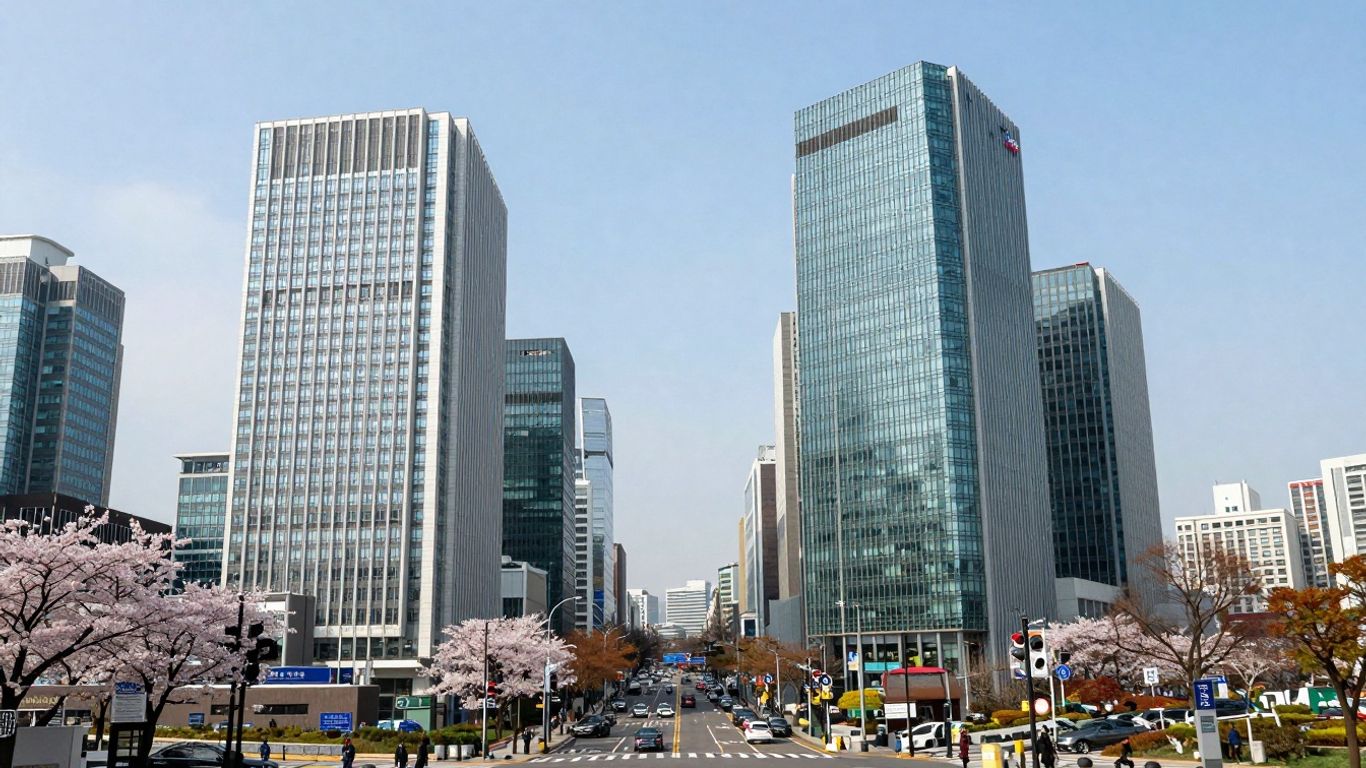
Thinking about teaching in South Korea? Timing your application can make a big difference, especially if you have specific schools or locations in mind. It's not just about sending your resume out whenever; there are definite windows when most schools are actively looking for new foreign staff. Understanding these periods can seriously boost your chances of landing a good position.
Understanding Public School Application Windows
Public school positions, often through programs like EPIK, tend to follow a pretty strict schedule. They usually want new teachers to start at the beginning of the main semesters, which are March 1st and September 1st. If you're aiming for a March start, you'll want to get your application in around June of the previous year. For a September start, January of the same year is the target. These jobs are often filled on a first-come, first-served basis, so applying early is key if you want to have a say in where you end up.
- Spring Hiring Session: Aim to apply between September 1st and December 20th for a March 1st start.
- Fall Hiring Session: Target your application between March 1st and June 20th for a September 1st start.
- Arrival: Remember, you'll need to arrive about a week or so before your contract starts for orientation and training.
Applying early for public school jobs gives you a better shot at getting placed in your preferred city or province. It's a competitive process, and those who are prepared well in advance often have the advantage.
Private School Hiring: Year-Round Opportunities
Private language academies, known as hagwons, are a bit more flexible. While they also have bigger hiring pushes at the start of their semesters (usually February and August), you can find openings pretty much any time of year. This is because many hagwons hire a larger number of foreign teachers annually and need to fill positions consistently. Mid-semester hiring also happens in May and November. This year-round availability means you might have more options, but it can also mean more competition for specific roles, especially during peak times.
Strategic Application for Preferred Locations
If you have a dream city or province in South Korea, timing your application around the main hiring sessions (spring and fall for public schools, February and August for private schools) is your best bet. Coordinating your application with these peak periods significantly increases your chances of securing a job in your desired location. During off-peak times, you might need to be more flexible with your preferences, like the age group you teach or the specific city, as fewer positions are typically available.
| Hiring Period | Target Start Date | Ideal Application Window | Notes |
|---|---|---|---|
| Spring | March 1st | Sep 1st - Dec 20th | Public & Private Schools |
| Summer | June 1st | Dec 1st - Mar 20th | Primarily Private Schools |
| Fall | September 1st | Mar 1st - Jun 20th | Public & Private Schools |
| Winter | December 1st | Jun 1st - Oct 5th | Primarily Private Schools |
The Nuances of Korean Work Culture
So, you're thinking about working in South Korea. That's awesome! But before you pack your bags, let's chat about the work culture. It's definitely got its own rhythm, and understanding it can make a big difference, especially if you're only there for a short stint like three months.
Understanding Working Hour Regulations
South Korea has rules about how long you can work each week, aiming for a 52-hour maximum, which includes overtime. This is a step in the right direction, as historically, working hours here have been pretty long compared to other developed countries. However, it's not always a simple picture. The actual hours people work can vary a lot depending on the size of the company and the industry.
- Smaller businesses (under 5 employees) often have fewer restrictions, meaning people might end up working much longer hours there.
- Some sectors, like arts, culture, and certain service jobs, can also see longer hours.
- While there are rules, enforcement and actual practice can differ, so it's good to be aware of this.
It's also worth noting that there have been discussions about changing these limits, sometimes even proposing longer weeks, which has caused quite a stir. So, while the 52-hour week is the general guideline, the reality on the ground can be a bit more complex.
The push for 'decent working time' is ongoing, but the reality for many workers, especially in smaller companies or specific fields, can still mean putting in a lot of hours. It's a balancing act that's still being figured out.
Annual Leave Utilization and Its Challenges
Everyone gets annual leave, which is great, right? In 2021, surveys showed that about 76% of workers used up their leave days. Regular employees took around 12.6 days on average. But here's where it gets interesting:
- Company Size Matters: If you're in a smaller company (5-9 employees), you might take fewer days off (around 9.7 on average) compared to those in larger corporations (13.4 days for 100+ employees).
- The Pressure to Work: Even with leave days available, there can be a subtle pressure not to take too much time off, especially if you're on a short-term contract or trying to make a good impression.
- Planning is Key: For a short-term stay, maximizing your time off for travel or personal pursuits requires careful planning around work commitments.
So, while the days are there on paper, actually taking them and how many you take can be influenced by your workplace and your own comfort level.
Cultural Etiquette in Professional Settings
Beyond the hours and holidays, how people interact at work is super important. Korean workplaces often have a strong sense of hierarchy and respect for seniority. This means:
- Respect for Elders/Seniors: It's common to show deference to those older than you or who have been with the company longer. This can influence how you communicate and who you approach with questions.
- Teamwork and Harmony: There's often a focus on group harmony. Decisions might be made more collectively, and direct confrontation is usually avoided.
- Communication Styles: Communication can sometimes be indirect. You might need to read between the lines a bit more than you're used to.
Understanding these social cues isn't just polite; it helps you build better relationships with colleagues and makes your day-to-day work life smoother. For a short-term visitor, picking up on these nuances quickly can really help you fit in and feel more comfortable.
Securing Your South Korean Employment
Finding a job in South Korea, especially from abroad, can feel like a puzzle. You've got to figure out the right timing, the best way to apply, and what paperwork you'll need. It's not always straightforward, but with a bit of planning, you can make it happen.
The Role of Placement Agencies
Lots of folks find their jobs in Korea through placement agencies. These groups often work with specific schools or programs they know and trust. They're not just about finding you a job, though. Many agencies will also help you sort out your work visa, plan your departure and arrival, and offer support while you're actually working there. It can take a lot of the stress out of the process, especially if you're new to international job hunting.
Visa Procedures and Documentation
Getting your visa is a big step. You'll need to gather a bunch of documents, and the exact list can change depending on your nationality and the type of job you're getting. Generally, you'll need things like your passport, photos, a degree or diploma, and sometimes a criminal background check. It's super important to get this right the first time to avoid delays.
Here's a general idea of what you might need:
- Passport (with at least six months validity)
- Passport-sized photos
- Completed visa application form
- Letter of Release from your current employer (if applicable)
- Employment Contract
- Criminal background check
- Sealed medical examination report
- Original diploma or degree certificate
Preparing for Arrival and Orientation
Once your visa is sorted and your job is confirmed, it's time to get ready for the big move. Your employer or agency will usually give you some information about what to expect when you arrive. This might include airport pickup, temporary housing, and an orientation session. These sessions are great for learning about the basics of living and working in Korea, like how to use public transport, where to buy essentials, and some basic cultural do's and don'ts. It's your first real introduction to life there, so pay attention!
The Korean job market, particularly for foreigners, often has specific hiring windows. Applying during these times can significantly increase your chances of securing a position, especially if you have a preferred location or type of school in mind. Missing these windows might mean fewer options or a need to be more flexible with your job search.
Adapting to South Korean Life
Moving to a new country is always a bit of a whirlwind, and South Korea is no exception. There are some pretty unique aspects to daily life here that can take a little getting used to. One of the first things you'll notice is the way age is calculated. It's different from what you're probably used to, and understanding it helps a lot with social interactions.
Unique Age Calculation System
So, here's the deal with Korean age: everyone gets a year older on New Year's Day, no matter when their birthday actually is. Plus, babies are considered one year old the moment they're born, because they count the time in the womb. This means a baby born on December 31st could technically be two years old by January 1st! It's a bit of a mind-bender at first, but it's just how things are done.
The Importance of Respectful Interactions
Respect is a big deal in South Korea, and it's often tied to age. You'll see this in how people interact, especially when it comes to elders. When you meet someone older, it's polite to use both hands when shaking their hand or to give a slight bow. This respect extends to meals and drinks too; if you're sharing a drink with someone older, it's customary to turn your head slightly away when you take a sip. Also, remember to take your shoes off when you enter someone's home or even some workplaces. It's a simple gesture, but it shows you understand and respect local customs. Learning a few basic Korean phrases can also go a long way in showing your willingness to connect and understand the culture.
Finding Suitable Accommodation
When it comes to finding a place to live, you've got options. For shorter stays, serviced apartments are quite popular. They offer a good balance of home comforts and hotel services, which can make settling in much easier. For longer-term arrangements, you'll want to research different neighborhoods to find what suits your lifestyle and budget. Keep in mind that the housing market can be competitive, so it's good to start looking early.
South Korea has a strong emphasis on community and harmony. Being mindful of noise levels, especially on public transport, and generally being considerate of those around you will help you fit in more smoothly. It's about being aware of the collective experience rather than just your own.
Maximizing Your Short-Term Seoul Experience
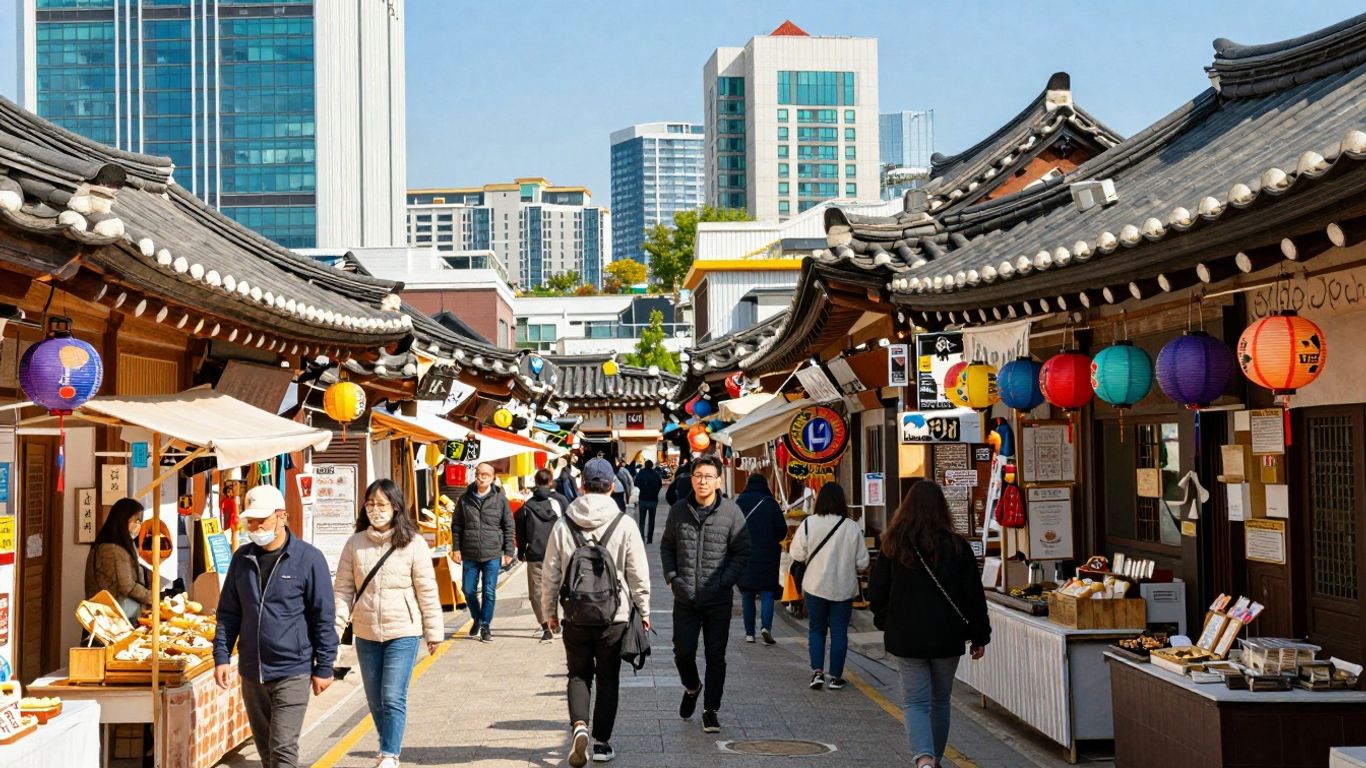
So, you've decided to give Seoul a try for a few months. Smart move! It's a city that really shines when you're not rushed. Making the most of a shorter stint means being a bit strategic, especially when it comes to finding work and settling in.
The Appeal of Serviced Apartments Seoul
When you're only in town for a limited time, the last thing you want is the hassle of setting up utilities or dealing with long-term leases. That's where serviced apartments come in. They're basically fully furnished places, often with kitchens and laundry facilities, and they usually include things like Wi-Fi and cleaning services. Think of it as a hotel but with more living space and a homey feel. For a short-term stay, this can save you a ton of time and energy.
- Convenience: Move in with just your suitcase.
- Flexibility: Shorter lease terms are common.
- Amenities: Often include housekeeping and utilities.
- Location: Many are in popular, central areas.
For a short-term stay, the ease of a serviced apartment can't be overstated. It lets you focus on your job search and exploring the city from day one, rather than getting bogged down in administrative tasks.
Efficiently Exploring Job Opportunities
Finding a job in Seoul, especially for a shorter contract, requires a bit of planning. Public school positions often have very specific application windows, usually months in advance. Private language academies, or hagwons, tend to hire more year-round, which can be a good option for those with less lead time.
- Public Schools (e.g., EPIK): Apply 6-9 months before your desired start date (March or September). These are competitive and fill up fast.
- Private Academies (Hagwons): Opportunities are more frequent, often with hiring peaks in February and August, but also throughout the year. This offers more flexibility for shorter timelines.
- Placement Agencies: These can be a lifesaver, matching you with schools based on your qualifications and desired start date. They often have a pulse on immediate openings.
Leveraging Early Application Advantages
If you're aiming for a specific start date, especially with public schools, applying early is key. This isn't just about getting your application in first; it's about having more choices. When you apply early, you're more likely to get a position in your preferred city or district. Waiting too long means you might have to be more flexible with location or even the type of school.
- Spring Hiring (March start): Apply between September and December.
- Fall Hiring (September start): Apply between March and June.
The earlier you apply, the better your chances of securing a role in your desired location. For hagwons, while year-round hiring is common, applying a few months in advance still gives you a better selection and smoother processing for your visa and arrival.
So, What's the Takeaway?
Look, spending three months in Seoul can feel like a whirlwind adventure, packed with new sights, sounds, and experiences. It's enough time to get a real taste of the city without getting bogged down in the daily grind. You get the highlights, the excitement, and a solid memory. But living there for years? That's a whole different ballgame. The initial rush fades, and you start dealing with the nitty-gritty, like the long work hours that many people face, or the complexities of navigating daily life that aren't always as glamorous. While three months lets you see the best of Seoul, a longer stay means confronting the realities that can make it feel less like a vacation and more like, well, life. It's a trade-off, for sure.
Frequently Asked Questions
When is the best time to apply for teaching jobs in South Korea?
For public schools, the main hiring times are for positions starting in March and September. It's best to apply about 8-9 months before these dates. For private schools (hagwons), jobs are available all year, but the biggest hiring pushes happen in February and August, with smaller ones in May and November. Applying early for these peak times helps you get your preferred location.
How long does the visa process take?
The visa process can take some time, which is why applying early is super important. It gives everyone involved – you, the hiring team, the school, and the immigration folks – enough time to get all the paperwork sorted without rushing. If you have all your documents ready, sometimes teachers can arrive in Korea in as little as three weeks, but it's safer to plan ahead.
What are the typical working hours in South Korea?
While rules are in place, many people in South Korea still work long hours. The standard work week is 40 hours, but overtime is common. Some jobs might let you work flexibly, but it's not always easy to keep a good balance between work and life, especially if you have a lot to do. Smaller companies might have fewer rules, meaning even longer hours.
How much paid vacation do people get in South Korea?
Most jobs offer around 17 days of paid vacation each year. However, many people don't use all their days off. Common reasons include wanting to get paid extra for unused vacation, not having enough people to cover their work, or simply having too much to do. So, while you get vacation days, actually taking them can be tough.
What's unique about the age system in South Korea?
It's a bit different! In Korea, everyone gets a year older on New Year's Day, no matter when their birthday is. Also, babies are considered one year old when they are born, counting the time they spent in the womb. This means a baby born on December 31st would be considered two years old the very next day!
Is it hard to find a place to live in Seoul?
Finding a place to live can take some effort. Many people choose to stay in serviced apartments when they first arrive because they are furnished and ready to go, making the move much easier. This also gives you time to explore different neighborhoods and find a more permanent spot that suits you best.
Filed under
The Moveandstay editorial team writes about serviced living, workspaces, and city guides across Asia-Pacific.
Read next
Serviced Offices Surge in Popularity as Businesses Embrace Flexible Leasing
May 3, 2026

Hong Kong Serviced Apartment Market Buzzes with Sales and Investment Activity Amidst Shifting Valuations
May 3, 2026

ONYX Hospitality Group Elevates Shama Serviced Apartments with New Lifestyle Concept and Ambitious Expansion
Apr 26, 2026