

Foreign companies looking to set up shop in China often run into some tricky situations, especially when it comes to long-term leases. It's not always as straightforward as it seems. There's a lot of back-and-forth with regulations, market ups and downs, and even worries about how land deals might play out. For businesses, especially those needing flexible office space shanghai, understanding these complexities is key to making smart decisions.
Key Takeaways
- Concerns about long-term land leases in China sometimes stem from fears of future territorial claims and worries about environmental impact.
- International investment in China faces scrutiny, particularly regarding national security and potential contract disputes.
- China's real estate market is dynamic, with government actions influencing developer behavior and market confidence.
- Local governments in China often rely heavily on land sales for their budgets, which can create financial pressures.
- Navigating China's property sector requires understanding strict regulations like the 'three red lines' and their impact on developers and investors, while options like flexible office space shanghai offer adaptability.
Concerns Over Long-Term Land Leases

When foreign companies look at setting up shop in China for the long haul, especially when it involves land, there are a few big worries that pop up. It's not just about signing a paper; it's about what that paper really means down the road.
Fear of Colonization and Annexation
Sometimes, the idea of a foreign company getting a massive chunk of land for a really long time, like decades, can make people nervous. It brings up old fears, you know? The thought is that if one country's companies start controlling large areas of land in another, it could eventually lead to more serious political issues. It sounds a bit like something out of a history book, but the worry is that it could be a slow way for one nation to gain influence or even control over another's territory. This anxiety isn't always about the specific deal but more about the precedent it sets.
Environmental Degradation and Land Depletion
Another big concern is what happens to the land itself. If a company is leasing land for a very long period, there's a worry they might just focus on getting the most out of it quickly, without much thought for the future. This could mean using up soil nutrients, polluting water sources, or generally damaging the environment. Think about it like someone renting a house and not caring if they trash it because they won't be the one living there in 50 years. This is especially worrying when you consider China's own past experiences with rapid development and its environmental impact.
Migration Law and Labor Influx
Long-term leases, particularly for large projects, can also bring up questions about people. If a big foreign company sets up operations, it might need a lot of workers. This can lead to a significant number of people moving into the area, which can strain local resources and change the community's makeup. There's often a fear that this influx of labor could put pressure on local laws, especially those related to immigration and work permits, and potentially lead to social tensions if not managed carefully.
Navigating International Investment Scrutiny
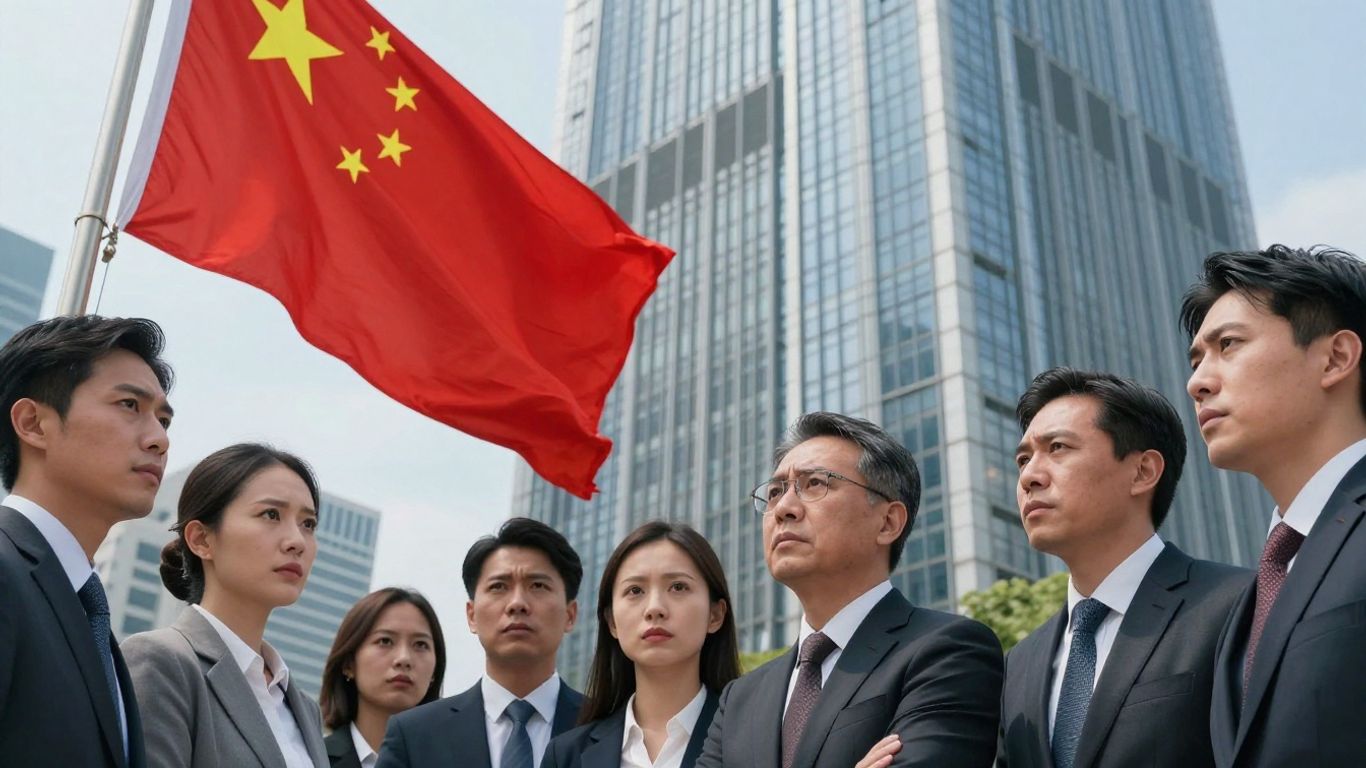
When foreign companies look at investing in China, especially for long-term projects like land leases, they often run into a few big hurdles. It's not just about the paperwork; it's about how these deals are viewed on a global stage.
National Security Reviews of Foreign Investments
Lots of countries, including major players like the US, Canada, and Australia, are taking a much closer look at foreign investments, particularly in sectors they deem important. This means Chinese companies looking to invest abroad, or foreign companies investing in China, might face extra checks. These reviews aren't just about military stuff anymore; they can include things like access to critical minerals, technology, or even just the location of a project near sensitive sites. It's a moving target, and what's considered a security risk can change pretty quickly.
- Increased Scrutiny: Governments are more watchful of investments that could impact national interests.
- Broadening Scope: Reviews now cover more than just defense, including critical resources and infrastructure.
- Geopolitical Influence: International relations can significantly affect the outcome of these reviews.
The process can be lengthy and unpredictable, adding a layer of uncertainty that makes long-term planning difficult for businesses.
Disputes Arising from Contractual Obligations
When these investments get complicated, disputes are almost inevitable. Sometimes, a deal might fall apart because of external factors, like a change in government policy or international relations. For example, a company might try to back out of an investment, claiming that new national security concerns count as a valid reason not to proceed. This can lead to arguments over contract terms, like what counts as a 'material adverse effect' that excuses performance. These disagreements can end up in arbitration or court, which is costly and time-consuming.
Impact on Cross-Border Agreements
These national security reviews and potential disputes have a ripple effect on all sorts of international deals. Companies have to think harder about how to structure their agreements to account for these risks. This might mean negotiating specific clauses about who is responsible if a deal gets blocked by a government review, or how to handle situations where performance becomes impossible due to new regulations. It adds a whole new level of complexity to cross-border business, making even seemingly straightforward deals a lot more challenging.
China's Evolving Real Estate Landscape
The property market in China has been going through some big changes lately. It's not just about building more towers; there's a whole shift happening in how things work, and it's making foreign companies think twice about long-term leases.
Government Intervention and Market Confidence
Things got a bit shaky, and the government stepped in. They started to ease up on some of the stricter rules, like the "three red lines" that were put in place for developers. The idea was to get people feeling more confident about the market again. It's like trying to get a car unstuck from the mud – sometimes you need to ease off the gas a bit.
Property Sales Slowdown and Developer Incentives
Sales haven't exactly been booming. By mid-2023, sales for the top developers were down quite a bit compared to the year before. To try and move apartments, some developers started offering pretty wild incentives. We're talking about things like cars, phones, and even gold – seriously, one developer in Hangzhou offered up to a kilogram of gold to sweeten the deal. It shows how much they're trying to get things moving.
The Role of Shadow Banks and Trust Companies
Adding to the mix are the "shadow banks" and trust companies. These groups have strong ties to the property sector, and when they start having problems, it puts even more pressure on the real estate market. It's like a domino effect; if one piece falls, it can knock over others.
The property sector's contribution to China's overall economy has also shrunk. It used to be a bigger chunk of the GDP, but now it's a smaller piece of the pie. This shift means less money is flowing through the market, affecting everything from local government budgets to developer strategies.
Here's a quick look at how the property sector's share of China's GDP has changed:
| Year | Sector's Share of GDP |
|---|---|
| 2018 | 24% |
| 2024 (estimated) | 19% |
And it's not just the big picture. Local governments have really felt the pinch too. They used to rely heavily on selling land for income, but with sales slowing down, that revenue stream has taken a hit. This has led to a noticeable drop in their overall income, forcing them to look for other ways to balance their books.
Land Value and Local Government Finances
Local governments in China have historically leaned heavily on selling land use rights to fund their operations. This reliance became even more pronounced after fiscal reforms in previous decades, pushing them to invest heavily in infrastructure projects as a primary revenue stream. As land values climbed, especially in the years leading up to and following the 2008 financial crisis, this became a cornerstone of their financial stability. The massive infrastructure spending to counter the 2008 downturn only deepened this dependence, even as it led to ballooning local government debts.
Reliance on Land Sales for Revenue
This model means that fluctuations in the property market directly impact a local government's ability to function and invest. When land prices are high, it's a boon for local coffers, allowing for more public works and services. However, a downturn can create significant financial strain. This has led to a delicate balancing act, where governments are incentivized to keep land values high, sometimes at the expense of broader economic stability.
Impact of Infrastructure Investment
Massive infrastructure projects, while vital for development, are often financed through land sales. This creates a cycle: invest in infrastructure, which increases land value, which allows for more land sales to fund more infrastructure. This has been a powerful engine for growth, but it also carries risks. The sheer scale of these investments means that local governments can accumulate substantial debt, making them vulnerable to market shifts. It's a bit like building a house of cards – impressive when it stands, but precarious if the foundation wavers.
Government Concerns Over Local Debt
By 2018, the central government started expressing serious concerns about the sheer size of local government debts accumulated through land development. They signaled that they wouldn't necessarily bail out creditors who couldn't get repaid, a move intended to curb excessive borrowing. More recently, regulations introduced in 2021 aimed to restrict how local government financing vehicles could get new funds, pushing them towards issuing bonds and facing greater oversight. This shift is an attempt to rein in the risks associated with this long-standing financial model, forcing a more transparent and accountable approach to local government finances. It's a tough transition, especially when so much depends on the property market, but it's a necessary step for long-term fiscal health. Finding the right city for your business, balancing costs with infrastructure, is key to navigating these dynamics, and you can read more about selecting the right city in China here.
The financial health of local governments is intrinsically tied to the property market. This creates a complex web of incentives and risks, where rising land values fuel development but also contribute to significant debt burdens. The central government's efforts to manage this are reshaping the landscape for both developers and local authorities.
Regulatory Shifts in China's Property Sector
The real estate market in China has seen some pretty big changes lately, and it's definitely making foreign companies think twice. It's not just about buying property anymore; it's about understanding the new rules of the game. The government has been trying to get a handle on things, and some of these moves have really shaken up how business is done.
Mortgage Lending Limits and Rent Caps
One of the big adjustments has been around how much people can borrow for mortgages and what landlords can charge for rent. These policies are designed to cool down a market that was getting pretty overheated, but they also create uncertainty for investors. When you can't predict rental income or how easily buyers can get loans, it makes long-term planning a lot harder. It's like trying to build a house on shifting sands, you know?
Impact of 'Three Red Lines' Regulations
Remember the 'Three Red Lines' policy? That was a major move by Beijing to rein in developer debt. Basically, it set strict limits on how much debt property companies could take on. If they crossed these lines, they faced serious restrictions on borrowing more money. This really put the brakes on a lot of projects and made developers scramble to get their finances in order. For foreign companies looking to invest, it meant a much closer look at the financial health of any potential partners. It's a good idea to check out China's property sector has been in a slump for five years to get a sense of the broader economic picture.
Challenges for Developers and Investors
These regulatory shifts mean that developers and investors have had to get creative. We've seen some pretty wild incentives to get people to buy apartments, like gold or even cars! It shows how much pressure is on to move inventory. For foreign companies, it's a signal that the market dynamics have changed. You can't just assume business as usual. It requires a more careful approach, understanding local market conditions, and being prepared for unexpected policy changes. It's a complex environment, and staying informed is key.
The government's efforts to stabilize the market, while necessary, have introduced new layers of complexity. Foreign entities must now factor in these evolving regulations when assessing the viability of long-term investments in China's property sector.
Chinese Outbound Investment in Mining
China's push for resources abroad, especially in the mining sector, has really picked up steam. It's not just about getting raw materials; it's a strategic move to secure the country's future supply chains. Think about it, China's demand for minerals like copper, cobalt, and rare earths keeps growing, fueled by everything from electric vehicles to clean energy tech. So, they're looking globally to meet that need.
Strategic Importance of Mineral Resources
Securing access to minerals is a big deal for China's economy and its industrial development. They've been investing heavily in mining projects all over the world, from Africa to South America. This isn't new, but the scale and ambition have definitely increased. The government even has policies in place to encourage these kinds of overseas investments, making it clear that resource acquisition is a priority. It's all part of a larger plan to diversify supply sources and reduce reliance on any single country. This is especially true as geopolitical relationships shift, making it important to have options.
Government Guidance on Overseas Investments
Back in 2017, China released some official guidelines to help steer outbound investments. These rules basically said that investing in things like oil, gas, and minerals overseas was a good thing, something to be encouraged. This guidance came after China started tightening up controls on money leaving the country, so it was a way to channel that investment into areas deemed strategically important. It shows a deliberate effort to direct capital towards securing vital resources. This has helped Chinese companies feel more confident about making international investments.
Incentives for International Mining Ventures
To further push these investments, the Chinese government offers various incentives. These can include things like tax breaks, making it more financially attractive for companies to explore and develop mining projects abroad. They're also looking at countries involved in initiatives like the Belt and Road, which often have rich mineral deposits. It's a multi-pronged approach: encouraging investment, providing financial support, and identifying resource-rich regions. This strategy aims to build a more robust and secure global resource base for China's continued growth.
Disputes in the Global Mining Sector
Sensitivity to Commodity Price Fluctuations
So, Chinese companies are investing a lot in mining projects all over the world, right? And just like any other business, they're really sensitive to how much the prices of things like gold, copper, or nickel are going up and down. When prices drop suddenly, it can really mess with their plans and lead to arguments. Imagine you've agreed to buy something for a certain price, and then, bam, the market crashes. You might start looking for any excuse to back out, or maybe the deal just doesn't make sense anymore. That's pretty much what happens in the mining world too. A big drop in mineral prices can make a deal that looked great on paper suddenly seem like a terrible idea, leading to disagreements over contracts and payments.
Contract Termination and Profit Guarantees
Sometimes, these price swings lead to companies trying to get out of deals they've already signed. They might claim the other side didn't hold up their end of the bargain, or maybe they'll point to something in the contract about profit guarantees. It gets complicated fast. For instance, a company might have agreed to buy mining assets, but if the market tanks right before the deal closes, they might suddenly say they can't go through with it, or that the seller didn't guarantee profits as expected. This often ends up in arbitration, where lawyers hash out who's right and who's wrong, and what the financial consequences should be.
Arbitration and Dispute Resolution
When things go south in these big international mining deals, especially involving Chinese companies, arbitration is often the go-to method for sorting things out. It's like a private court system for business disputes. But even winning an arbitration case isn't always the end of the story. Sometimes, the winning party has to fight hard in regular courts, even in China, to actually get the money or enforce the decision. It means that even after a dispute is settled on paper, there can be more legal battles ahead.
The global mining sector is complex, with investments often spanning multiple countries and involving significant capital. When prices for key minerals fluctuate wildly, it can put immense pressure on existing contracts. Companies might look for ways to renegotiate terms or even exit agreements, leading to disputes that require careful legal navigation. Environmental and social concerns also play a growing role, adding another layer of complexity to these international ventures.
Here's a look at some common issues:
- Price Volatility: Sudden drops in commodity prices can make deals unprofitable, prompting companies to seek termination or renegotiation.
- Contractual Disputes: Disagreements over contract terms, especially regarding profit guarantees or performance obligations, are frequent.
- Environmental and Social Concerns: Increasingly, local communities and governments raise objections based on environmental impact or social disruption, leading to project delays or cancellations.
- Regulatory Hurdles: Changes in national regulations or national security reviews in host countries can complicate or block investments, creating grounds for disputes.
Seeking Flexible Office Space in Shanghai
Understanding Lease Durations in China
When you're looking for office space in Shanghai, especially if you're a foreign company, the lease terms can feel a bit different from what you might be used to back home. Long-term leases are pretty standard here, often running for three, five, or even ten years. This can be a big commitment, and frankly, it scares off a lot of businesses that prefer to keep their options open. The idea of being locked into a space for that long, especially in a fast-moving market like Shanghai, just doesn't sit well with everyone. It makes sense if you're planning a major, long-term expansion, but for many, it's a bit too much of a gamble.
Adapting to Local Market Conditions
It's not just the lease length that's different. The whole market operates a bit differently. You've got to be aware of things like security deposits, which can be quite substantial, and the way rent increases are handled. Sometimes there are clauses about renovation periods or fit-out contributions that need careful review. It’s a good idea to have someone local, like a real estate agent or a legal advisor who really knows the Shanghai market, help you sort through the paperwork. They can spot things that might trip you up.
- Deposit requirements: Be prepared for higher security deposits than you might expect.
- Rent reviews: Understand how and when rent can be adjusted.
- Fit-out periods: Clarify the time allowed for setting up your office space.
- Break clauses: These are rare in long leases, so their absence is something to note.
Finding Agile Workspace Solutions
Because of these long lease commitments, many companies are now looking for more flexible options. Think about serviced offices or co-working spaces. These places often let you rent space on a monthly or yearly basis, which is way less commitment. You can scale up or down more easily if your business needs change, which is a big plus. Plus, they usually come with amenities like reception services, meeting rooms, and internet already set up, so you can get to work faster. It’s a good way to test the waters in Shanghai without signing a decade-long lease.
The traditional office lease in China, particularly in major hubs like Shanghai, often demands a significant long-term commitment. This structure, while familiar in some global markets, presents a considerable hurdle for international firms prioritizing agility and seeking to mitigate risks associated with market volatility and rapid business evolution. The emphasis on extended contract periods can create a perception of inflexibility, prompting a search for alternative workspace arrangements that better align with modern business operational models.
Here's a quick look at how lease terms can vary:
| Lease Type | Typical Duration | Flexibility | Initial Commitment |
|---|---|---|---|
| Traditional Lease | 3-10 years | Low | High |
| Serviced Office | Monthly/Yearly | High | Low |
| Co-working Space | Daily/Monthly | Very High | Very Low |
So, What's the Takeaway?
It's clear that when foreign companies, especially Chinese ones, look at long-term leases for land or resources, it can stir up a lot of worry. People get concerned about national security, environmental damage, and even bigger political shifts. While some of these fears might be overblown, like that general's comments in the Chinese paper, the underlying anxieties are real. It seems like transparency and clear communication are key. If deals are handled openly, with local input and solid agreements, maybe those fears can be calmed down. Otherwise, these long leases will likely keep being a source of friction and hesitation for businesses wanting to invest.
Frequently Asked Questions
Why do some foreign companies hesitate to sign long leases for land in China?
Some foreign companies worry that signing very long leases for land in China might lead to issues later on. There's a fear, though often exaggerated, that it could be seen as a step towards taking over the land. Also, they might be concerned about how the land will be used and if it could be harmed over time, or if new rules about workers coming into the country could cause problems.
What are 'national security reviews' and how do they affect foreign investments in mining?
National security reviews are like a check-up that some countries do on foreign investments to make sure they don't pose a risk to national safety. For mining projects, these reviews can be tricky because they look at things like where the mine is located, especially if it's near important military sites. This can make it harder for companies, especially Chinese ones, to invest in mining projects in countries like the U.S., Australia, or Canada.
How has the Chinese real estate market changed recently?
China's real estate market has seen some ups and downs. Sales have been a bit slow, and sometimes developers offer deals like cars or gold to encourage people to buy homes. There have also been new rules, like limits on how much money banks can lend for mortgages and rules for developers called the 'three red lines' that aim to control how much debt they can take on. Some companies that lend money to the property sector have also faced difficulties.
Why do local governments in China rely so much on selling land?
Local governments in China often get a lot of their money by selling the rights to use land. They use this money to build things like roads and schools. Because of this, the value of land is very important for their finances. When the economy slows down or they invest a lot in building projects, they can end up with a lot of debt, making them even more dependent on land sales.
What are the 'three red lines' regulations in China's property sector?
The 'three red lines' are a set of rules introduced to help manage the debt levels of property developers in China. They set limits on how much debt these companies can have compared to their assets and cash. If a developer crosses these lines, it can be harder for them to borrow more money, which has caused challenges for many companies in the real estate business.
Why are Chinese companies investing more in mining overseas?
The Chinese government has encouraged companies to invest in mining outside of China to secure important resources. Also, China has become stricter about protecting its environment, making it more expensive and difficult to mine within the country. This has led Chinese companies to look for opportunities to mine for minerals in other parts of the world.
The Moveandstay editorial team writes about serviced living, workspaces, and city guides across Asia-Pacific.
Read next

Serviced Offices Surge in Popularity as Businesses Embrace Flexible Leasing
May 3, 2026

Hong Kong Serviced Apartment Market Buzzes with Sales and Investment Activity Amidst Shifting Valuations
May 3, 2026

ONYX Hospitality Group Elevates Shama Serviced Apartments with New Lifestyle Concept and Ambitious Expansion
Apr 26, 2026