
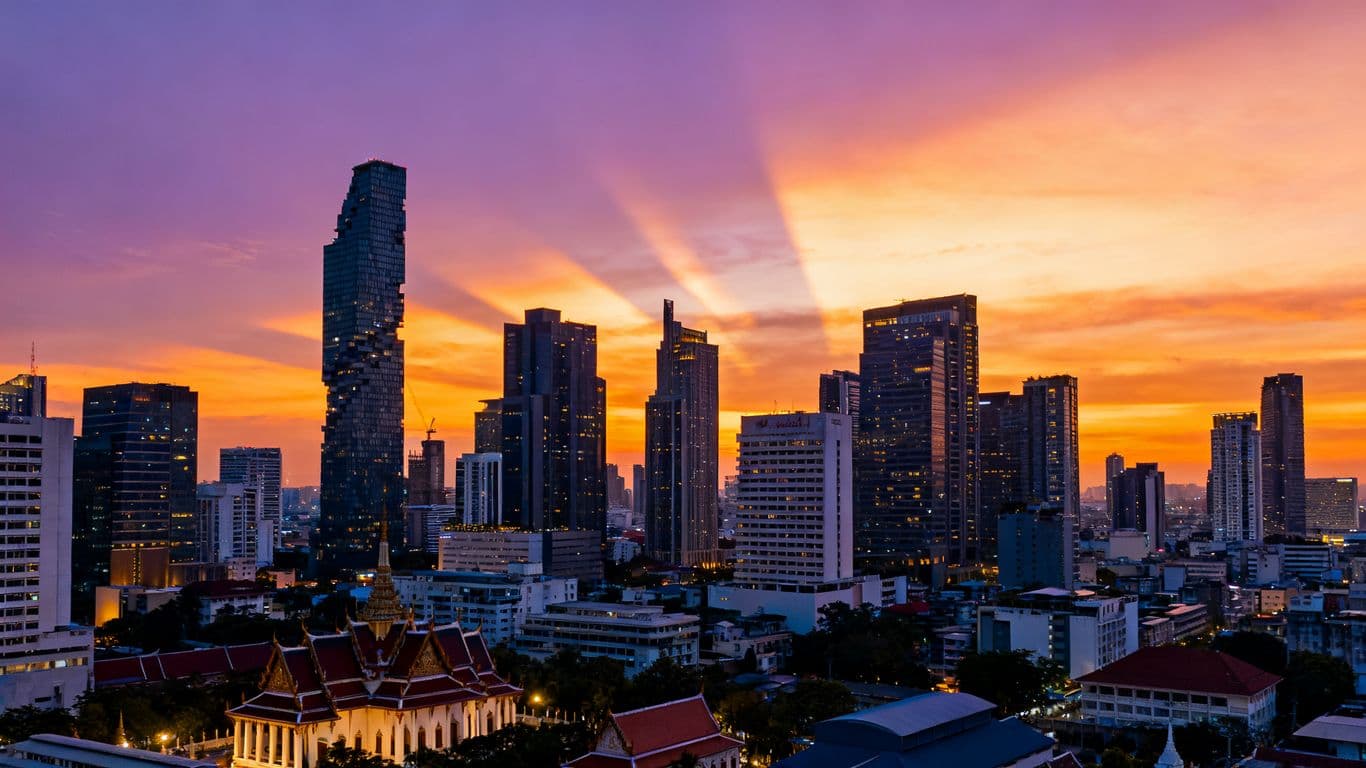
Bangkok's office market is changing, and the old ways of doing things just don't seem to fit anymore. Businesses are realizing that what employees need from a workspace has shifted. It's less about being tied to a desk for 40 hours a week and more about creating environments that work with people's lives. Plus, with an aging workforce and new tech constantly appearing, companies have to be smart. This article looks at how office spaces are evolving and what businesses are doing to keep up.
Key Takeaways
- The Bangkok office scene is changing, moving from older buildings to better spaces, and there's a growing demand for flexible office space Bangkok options.
- Thailand's workforce is getting older, so companies need to adjust by redesigning jobs for experienced workers and using automation to help out.
- Work setups are changing from basic hybrid models to designs that fit better into employees' daily lives.
- Companies are now focusing on employee wellbeing, including mental and financial health, to build trust and keep people loyal.
- Hiring is shifting towards looking at skills and how people can work with AI, which means HR needs new approaches.
The Illusion Of Long-Term Leases In Bangkok
Understanding The Thirty-Year Legal Ceiling
So, you're looking at property in Bangkok and someone's talking about a 90-year lease. Sounds great, right? Three lifetimes of security! Well, hold on a second. Thai law has a pretty firm limit on how long a lease can actually be enforced: thirty years. Anything longer, like those "30 plus 30 plus 30" deals you might hear about, is basically a handshake agreement for the extra years, not a legal guarantee. The Supreme Court has made it clear on multiple occasions that pre-signed extensions for decades down the line aren't binding. It's like agreeing to pay your friend back next year for a coffee you bought today – nice thought, but not legally enforceable if things change.
The Myth Of Automatic Ninety-Year Renewals
This is where things get a bit tricky. Many agents will tell you about a 90-year lease, often by having you sign the first 30-year lease and then two more
Rethinking Office Space For Modern Businesses
The traditional office setup, with rows of identical desks and a rigid 9-to-5 schedule, feels like a relic from a bygone era. The way we work has fundamentally changed, and our office spaces need to catch up. It's not just about having a place to sit anymore; it's about creating environments that actually support how people work best today.
The Rise Of Flexible Office Space Bangkok
Forget being locked into a decade-long lease for a space that might not fit your needs in a few years. The demand for flexibility is huge. Businesses, especially startups and smaller companies, need to be able to scale up or down without a massive headache. This is where flexible office solutions really shine. We're talking co-working spaces, serviced offices, and even companies designing adaptable zones within their own premises. It's a smart move for landlords too, allowing them to cater to a wider range of tenants and keep spaces occupied.
Adapting Workspaces To Evolving Employee Needs
Work isn't just a 9-to-5 thing anymore, is it? The pandemic really pushed hybrid and remote work into the mainstream, and it looks like it's here to stay. So, offices can't just be places for individual tasks. They need to be hubs for collaboration, for sparking new ideas, and for connecting with colleagues. We're seeing a real focus on creating spaces that can handle different types of work:
- Collaboration zones: Think areas designed for team meetings and project work.
- Focus pods: Small, quiet spots for when you really need to concentrate.
- Social hubs: Comfortable areas for those informal chats that build company culture.
Buildings that offer this kind of variety are the ones that will attract and keep good tenants.
Prioritizing Employee Wellbeing In Office Design
It's not just about having the latest tech or the trendiest furniture. Companies are increasingly realizing that the physical environment has a big impact on how employees feel and perform. This means looking beyond just aesthetics and considering things like natural light, air quality, and spaces that encourage movement. Employee wellbeing, covering both mental and physical health, is now a top priority for businesses aiming to build trust and long-term loyalty.
The shift towards flexible and employee-centric office spaces isn't just a trend; it's a necessary adaptation. Businesses that fail to recognize this risk falling behind in attracting and retaining talent, ultimately impacting their long-term success in a competitive market.
Here's a quick look at how older buildings often stack up against newer, more adaptable ones:
| Feature | Ageing Buildings (Pre-2002) | Premium Buildings (Newer) |
|---|---|---|
| Technology | Often outdated | State-of-the-art |
| Amenities | Limited | Extensive |
| Flexibility | Low | High |
| Employee Appeal | Lower | Higher |
Legal Realities And Safer Alternatives
Okay, so we've talked about how those super long leases might not be the golden ticket they seem in Bangkok. Now, let's get real about the legal side of things. It's not always as straightforward as it looks on paper, and sometimes, what seems like a solid deal can have some hidden snags.
The Supreme Court's Stance On Lease Extensions
When you're looking at property here, especially for business, you'll find that Thai law has its own way of doing things. The Civil Code lays out the rules for contracts, including leases. While a 30-year lease is common, the idea of automatically extending it for another 60 years, making it 90, isn't really a given. The courts have looked at this, and it's not a guaranteed right. You can't just assume that a 30-year lease automatically rolls over into another 60 years without the landowner's explicit agreement. It often comes down to the specific wording in your contract and how the courts interpret it. Sometimes, a new lease agreement needs to be drawn up and registered, which means the landowner has a lot of say in whether it happens at all.
Exploring Superficies And Usufruct Agreements
Because of these lease limitations, people have looked at other legal structures. Two that pop up are 'superficies' and 'usufruct'.
- Superficies: This is basically the right to own a building or structure on someone else's land. Think of it like owning the house, but not the ground it sits on. It's registered with the Land Department and can offer more security than a simple lease, especially for longer periods.
- Usufruct: This is a bit different. It gives you the right to use and enjoy the property, including its fruits (like rental income), but not to own it outright. It's more like a right to benefit from the property for a set time.
These aren't always simple, and they have their own rules and limitations. They can be useful in specific situations, but they aren't a one-size-fits-all solution. It's really about understanding what you need the property for and which legal tool best fits that purpose.
The Importance Of Succession Clauses And Wills
When you're dealing with property rights that aren't outright ownership, like long-term leases or usufructs, thinking about what happens after you're gone is super important. If your business or property rights are tied up in these agreements, you need to make sure they can be passed on smoothly to your heirs or successors. This means having clear succession clauses in your business agreements and, crucially, making sure your will is up-to-date and covers these specific assets. Without this, your family or business partners could face a real mess trying to sort out who gets what, or if they even get anything at all.
It's easy to get caught up in the excitement of securing a prime location or a long-term property deal in Bangkok. However, overlooking the finer points of Thai property law can lead to significant problems down the line. Structures like leases, superficies, and usufructs all have distinct legal implications that affect ownership, usage rights, and importantly, what happens when the original agreement holder is no longer around. Taking the time to understand these legal nuances and planning for succession is not just good practice; it's vital for protecting your investment and ensuring continuity.
Financial Considerations For Property Agreements
When you're looking at property deals in Bangkok, especially those involving long-term leases, the money side of things can get pretty complicated. It's not just about the rent you pay each month. There are a bunch of fees and taxes that pop up, and understanding them upfront can save you a lot of headaches, and cash, down the road.
Understanding Lease Registration Costs
So, you've found a place and agreed on the terms. Great! But before you can officially call it yours for the lease period, there are registration costs. For leasehold agreements, the government charges a fee based on the total value of the lease. Think of it as a one-time payment to make the deal official in the eyes of the law. It's usually a percentage, and while it might seem small compared to the overall lease value, it adds up. Plus, there's often a stamp duty involved too, which is another small percentage. These fees are paid at the Land Department when you register the lease. It’s a good idea to get a clear breakdown of these costs before you sign anything.
Company Ownership Versus Leasehold Agreements
This is a big one. Some people think setting up a Thai company is the best way to own property, especially land, because foreigners can't directly own land. But honestly, it's not always the best route. You've got yearly compliance costs for the company, and there's always the risk of those 'nominee' situations being looked at more closely by the authorities. On the flip side, a solid 30-year lease agreement, maybe one that includes rights like 'superficies' (where you own the building but lease the land), can often be a simpler, cheaper, and frankly, a better way to go for many businesses. It bypasses a lot of the corporate red tape.
The Value Of Due Diligence And Legal Fees
Look, I know nobody likes spending extra money on lawyers and checks, but seriously, it's worth it. Before you commit to any long-term property agreement, you absolutely need to do your homework. This means getting a professional to check the property's title, make sure there are no hidden debts or legal issues attached to it, and review all the paperwork. A good legal advisor who knows Thai property law can spot problems you'd never see. They'll also help you understand the fine print of the lease. Think of the legal fees and due diligence costs – which usually range from ten to twenty-five thousand baht for a package – as a small insurance policy against much bigger problems later on. It’s way cheaper to pay a bit now than to fight a legal battle later.
It's easy to get caught up in the excitement of a new property deal, but remember that the financial details are just as important as the location or the building itself. Understanding all the associated costs, taxes, and legal structures is key to making a sound investment in Bangkok's property market.
Adapting To Bangkok's Shifting Business Environment
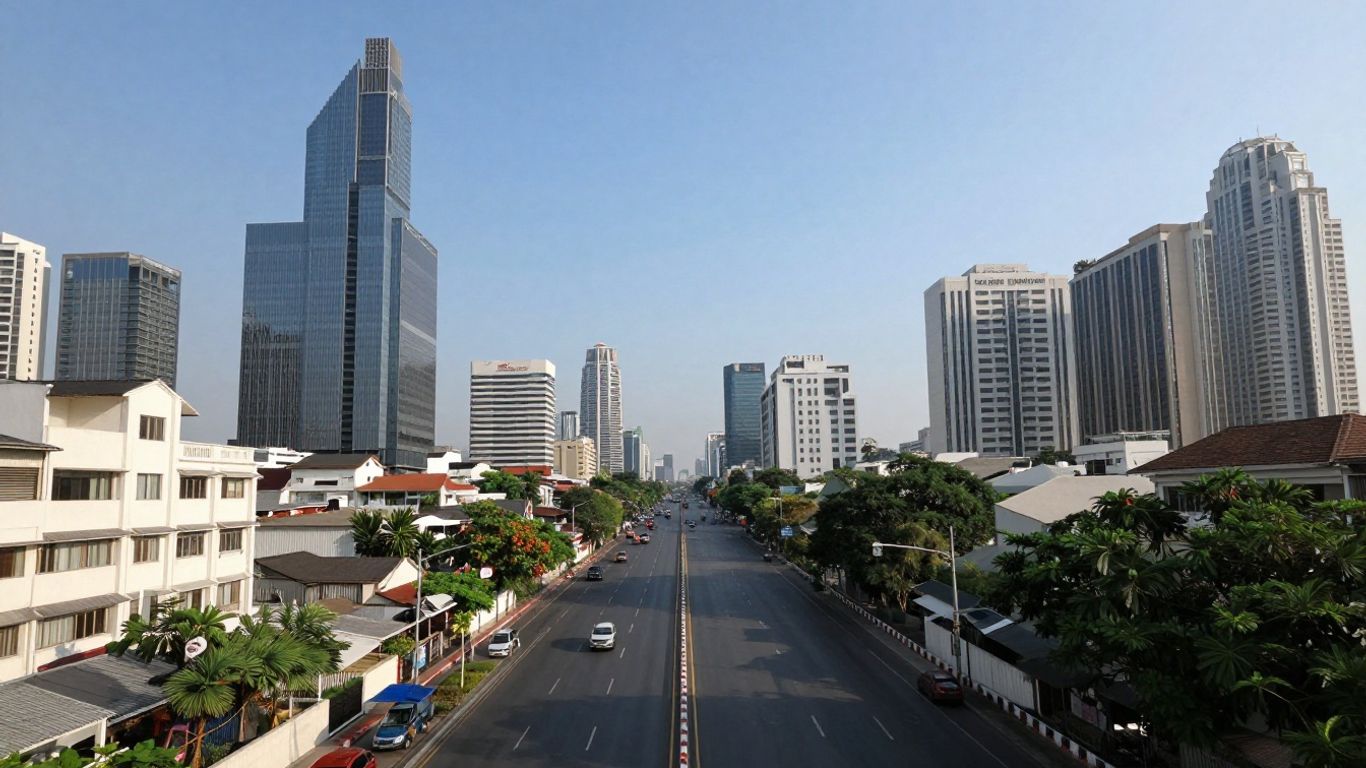
Serving The Needs Of An Ageing Population
Bangkok, like many major cities, is seeing its population age. This isn't just a demographic shift; it's a market opportunity. Businesses that used to focus on younger demographics might need to pivot. Think about services and products tailored for older adults – from accessible housing solutions and specialized healthcare to leisure activities and easier-to-use technology. It’s about recognizing that a significant portion of the population has different needs and preferences, and catering to them can open up new avenues for growth. This could mean rethinking product design, marketing strategies, and even customer service approaches.
Innovation And Tech-Based Optimisation
Staying competitive in Bangkok means embracing technology. With a changing workforce and evolving business demands, companies need to work smarter. This often involves looking at how processes can be improved. Automation can handle repetitive tasks, freeing up human workers for more complex jobs. Data analytics can offer deeper insights into customer behavior and market trends. Even simple software upgrades can streamline operations and boost efficiency. The goal is to optimize how work gets done, making the most of available resources.
The Growing Demand For Flexible Office Space Bangkok
The traditional office setup is no longer the only option, or even the preferred one, for many businesses in Bangkok. The rise of flexible office spaces, including co-working hubs and serviced offices, reflects a broader shift. Companies are looking for agility. They want spaces that can adapt to changing team sizes or project needs without long-term commitments. Employees, too, are seeking more adaptable work arrangements. This trend is reshaping the commercial real estate market, moving away from rigid, long-term leases towards more dynamic solutions that better suit modern work styles.
The way we work is changing, and the physical office space needs to keep up. It's not just about having a desk anymore; it's about creating an environment that supports productivity, wellbeing, and adaptability. Businesses that ignore these shifts risk falling behind.
So, What's the Takeaway?
Look, the whole 90-year lease thing in Bangkok? It's basically a myth. Thai law caps leases at 30 years, and those "automatic renewals" they try to sell you? They're not worth the paper they're printed on. The Supreme Court has made this pretty clear. If you're looking for long-term security, you need to focus on getting a solid 30-year lease right now. And don't forget about other options like superficies or usufruct agreements, especially if you want to protect your investment or make sure your heirs are covered. It might sound like a hassle, but spending a bit on legal advice and proper documentation now can save you a massive headache down the road. Don't get caught out by promises that just aren't legally sound.
Frequently Asked Questions
What's the longest lease I can actually get in Thailand?
In Thailand, the law says the longest lease you can sign is for 30 years. Even if a contract promises more time, like 90 years by adding up renewals, the courts won't accept it. Any extra time beyond 30 years is basically not real.
Can I really get a 90-year lease by signing renewal papers ahead of time?
No, you can't. While you can sign a 30-year lease and have the option to renew it later, you can't lock in a 90-year term from the start. The Supreme Court has made it clear that pre-signed renewals for longer than 30 years are not valid. You'll have to make a new deal when the time comes.
What happens if the owner sells the land or passes away during my lease?
If the owner sells the land or dies, the situation can get tricky. Without special clauses in your lease, the new owner might not have to honor your agreement, or your heirs might have trouble inheriting the rest of your lease term. It's important to have things like succession clauses to protect your rights.
Are there safer ways to have long-term use of property in Thailand besides a standard lease?
Yes, there are. A 'superficies' agreement lets you own the building on the land, even if the land lease ends. A 'usufruct' gives you the right to live in and use the property for your lifetime, which is great for long-term security. These, along with a strong will, can offer more protection.
How much does it cost to register a lease or other property agreements?
Registering a lease usually costs about 1.1% of the total rent you'll pay over the lease period. Getting a lawyer to draft and translate the documents, and doing a thorough check of the property's history, will add to the cost, but these fees are like insurance for your investment.
Is it better for a foreigner to own a company to hold property or just get a long lease?
Owning a company to hold property can seem like a good idea, but it comes with yearly costs and rules. A 30-year lease, especially one with extra rights like superficies, is often simpler, cheaper, and a better way for foreigners to secure property for their home or business.
Filed under
The Moveandstay editorial team writes about serviced living, workspaces, and city guides across Asia-Pacific.