
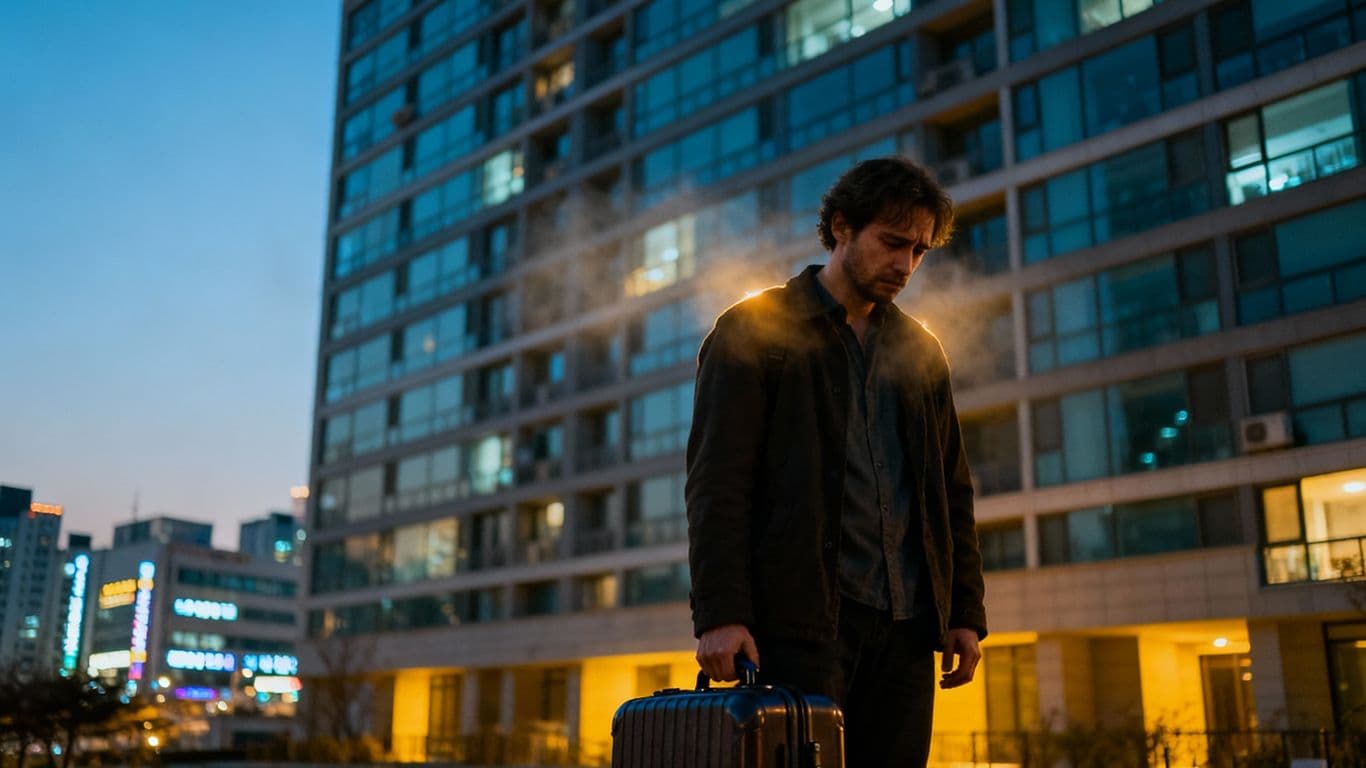
Moving to South Korea is exciting, but finding a place to live can be a real headache for foreigners. It's not always straightforward, and many expats run into the same issues. From language barriers to landlords who might be hesitant, the rental scene here has its own set of quirks. Let's break down why it can be tough and what options are out there.
Key Takeaways
- Many rental listings are only in Korean, making it hard to understand details or contact landlords directly.
- Some landlords might be hesitant to rent to foreigners due to perceived risks or misunderstandings.
- Apartments in Korea are often smaller than what expats are used to, and finding larger places can be costly.
- Short-term options like serviced apartments Seoul can be a good starting point while you look for something longer-term.
- Having specific documents like a work contract or an Alien Registration Card is often necessary for renting.
Navigating the Korean Rental Market as a Foreigner
So, you've decided to move to South Korea – awesome! But before you can start enjoying all the kimchi and K-pop, there's the small matter of finding a place to live. And let me tell you, it's not always as straightforward as you might think, especially if you don't speak Korean.
Language Barriers in Property Listings
This is probably the biggest hurdle. Most of the popular rental websites and apps are entirely in Korean. Even if you can find a listing, understanding the details can be a real challenge. You might see a place that looks perfect, but without knowing the language, you're essentially guessing what the rent includes or what the rules are. It's like trying to assemble IKEA furniture without the instructions – frustrating and potentially disastrous. You'll likely need a Korean-speaking friend or a real estate agent to help translate.
Misleading Advertisements and Fake Listings
This is a common issue. Sometimes, the pictures in the ad don't quite match the actual apartment. Other times, the listing might be completely fake, just there to get you to call so they can try to sell you something else. It’s a bit of a minefield out there. This is why it's often recommended to get help from a trusted Korean acquaintance when looking for a place. They can help confirm if maintenance fees are part of the monthly rent and verify the inclusion of utilities like water and electricity in the rental agreement.
The Role of Real Estate Agents
Real estate agents, or 'realtor-sa' (부동산), are a big part of the rental process here. They can be super helpful, especially if you're struggling with the language. They know the market, can show you places, and handle the paperwork. However, not all agents speak English, and some might even be hesitant to work with foreigners. It can sometimes feel like you're paying extra for a service that should be standard, especially if you need English assistance. Finding a good agent who understands your needs is key, and sometimes this means asking around or getting recommendations. You might find that some agencies are more foreigner-friendly than others, but it often takes some digging.
Understanding Korean Housing Norms and Expectations
Apartment Size Discrepancies
Okay, so one of the first things you'll probably notice is that apartments here tend to be a lot smaller than what many expats are used to. We're talking about spaces that might be around 300 square feet, sometimes even less. This unit of measurement, 'pyeong,' is used everywhere, and one pyeong is about 3.31 square meters. Keep in mind that this measurement often includes balconies and common areas like hallways, so the actual living space might feel even cozier. If you're dreaming of a sprawling place, be prepared for that to cost a pretty penny.
Furnished vs. Unfurnished Options
When you're looking at places, you'll run into both furnished and unfurnished options. Unfurnished is pretty common, meaning you'll likely get the basics like kitchen appliances and maybe a washing machine, but you'll need to bring your own furniture. Sometimes, you might get lucky and find a place with a bit more, but don't count on it. It's a good idea to factor in the cost and effort of buying furniture if you go the unfurnished route.
The Fast-Paced Rental Process
The rental market here moves super quickly. Like, really quickly. You might go to view an apartment and have to decide on the spot if it's the one for you. Your agent might give you just a few minutes to make up your mind. The upside to this speed is that you can often get everything sorted and signed within a week or two of finding a place. Because of this, it's usually best to start your apartment hunt about a month before you actually need to move in. Looking too early might mean the place you liked is no longer available, or you'll be paying rent for an empty apartment for too long.
The whole process can feel a bit like a whirlwind, especially if you're not used to making big decisions on the fly. It's definitely a different pace than what some might be accustomed to, so mentally preparing for quick turnarounds is key.
Here's a quick rundown of what to expect:
- Viewing: Be ready to see multiple places in a short period.
- Decision: You'll likely need to decide almost immediately after viewing.
- Contract: Once you decide, the paperwork can be completed very fast, often within a week or two.
- Timing: Start your search about a month before your desired move-in date.
Challenges Faced by Expats in Securing Accommodation
Finding a place to live in South Korea can be a real headache for foreigners, and it's not always straightforward. Even with the country's growing popularity, the housing system hasn't quite caught up to support the influx of international residents, especially students. It feels like you're often left with fewer options, and sometimes, those options come with a higher price tag.
Landlord Rejections Based on Nationality
This is probably the most frustrating part. You can find a place you like, maybe even have a friend help you translate, and still get turned away just because you're not Korean. Some landlords just seem to have a general distrust or perceive foreigners as a higher risk. They might worry about you leaving suddenly or not being able to pay rent consistently, even though Korean law actually protects tenants pretty well. It’s a shame because it makes the whole process feel really unwelcoming.
Limited English-Speaking Services
Let's be honest, not everyone in Korea speaks English, and that extends to the real estate world. Many popular housing apps and websites don't have an English version, which is a big hurdle. Even when you do find an agent who speaks some English, they might charge you extra for it. I've heard stories of people paying an extra 300,000 won or more just for that service. It feels unfair to have to pay more simply because you need communication support.
Perceived Risk by Landlords
Landlords often look at foreign renters differently. They might think students, especially exchange students, are more likely to leave early, causing them a financial loss. This is why they sometimes prefer Korean students who might have parents backing them up with larger security deposits. It's a tough spot to be in when you're trying to establish yourself in a new country and you're immediately seen as a potential problem rather than a reliable tenant.
- Landlords may worry about early departures.
- Students might be seen as less financially stable.
- Nationality can be a barrier, regardless of your ability to pay.
The housing market here is super fast-paced, and while that's good for finding a place quickly, it doesn't leave much room for misunderstandings or extra steps that foreigners often face. It's like everyone else has a cheat sheet, and you're just trying to figure out the rules as you go.
Alternative Housing Solutions for Expats
The Appeal of Serviced Apartments Seoul
When the usual rental route feels like a dead end, serviced apartments pop up as a pretty convenient option. Think of them as a hotel room that's actually livable for longer periods, usually with a small kitchen and laundry facilities. They're often fully furnished, so you don't have to worry about buying furniture right away. The biggest plus? They typically handle all the utilities and maintenance, which means fewer headaches for you. It's a bit pricier than a standard apartment, sure, but for short-term stays or when you're just getting settled and don't want the hassle of a long lease, they can be a lifesaver. Plus, many are located in prime areas, making it easy to get around.
Relying on Short-Term Rentals
Short-term rentals, like those found on platforms such as Airbnb, are a go-to for many expats when they first arrive. It's a way to secure a place to stay quickly without the commitment of a long lease. This gives you breathing room to explore different neighborhoods and figure out what you really want in a long-term place. You can find anything from a private room to an entire apartment.
Here's a quick look at what you might expect:
- Convenience: Bookable online, often with instant confirmation.
- Flexibility: Stay for a few nights, weeks, or even a couple of months.
- Variety: Options range from budget-friendly rooms to more upscale apartments.
However, it's worth noting that the daily or weekly rates can add up quickly, making it less economical for extended stays. Also, the availability can fluctuate, especially during peak tourist seasons.
Community-Focused Housing Options
Some places are set up specifically to help foreigners connect. These are often shared housing situations, sometimes called "community housing" or "share houses." The idea is that you get your own private room, but you share common areas like the kitchen and living room with other residents. What makes these appealing is the built-in social aspect. They often organize events or activities, which can be a great way to meet people and make friends, especially if you're new to the country and don't know many folks yet.
These community setups can be a good middle ground. You get some privacy but also a ready-made social circle. It's a way to combat the isolation that can sometimes come with moving abroad, offering a structured environment for making connections.
While these options can be more expensive than a standard rental, they offer a unique benefit for those looking to integrate socially. It's a trade-off between cost and the ease of building a social network.
Documentation and Contractual Requirements
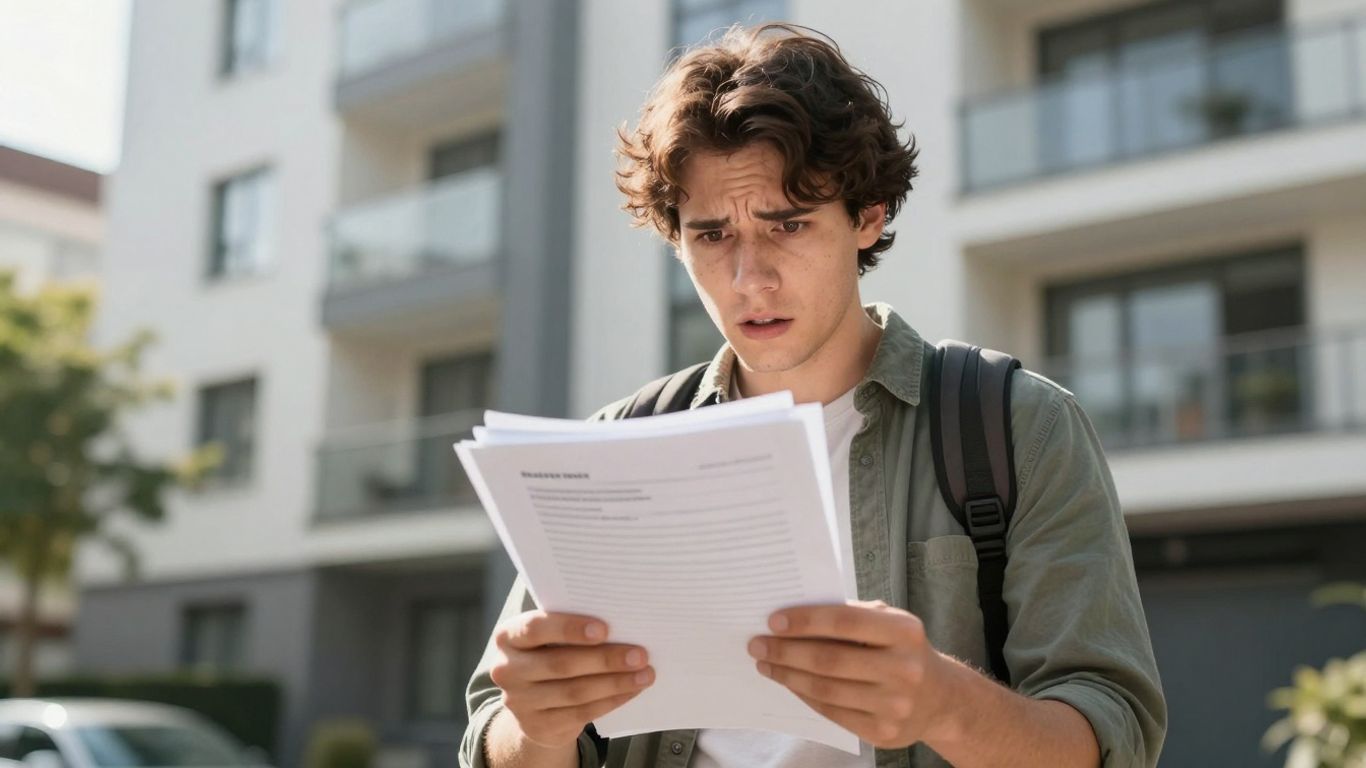
Getting your paperwork in order is a big part of renting an apartment in South Korea. It can feel a bit overwhelming at first, especially if you're not fluent in Korean, but understanding the basics will make things much smoother. Most landlords will want to see a few key documents to feel secure about renting to you.
Essential Documents for Renting
When you're looking for a place, you'll generally need a few things ready. The exact requirements can shift a bit depending on the landlord and the type of lease, but here's a common list:
- Passport: Your primary identification.
- Visa: Proof of your legal status in South Korea.
- Alien Registration Card (ARC): This is super important for most official transactions, including renting.
- Proof of Employment/Income: This could be a letter from your employer or a copy of your work contract, especially for wolse leases.
Sometimes, landlords might ask for additional documents, like a letter of recommendation or even references from previous landlords if you've rented in Korea before. It's always a good idea to ask your real estate agent what's needed upfront.
Understanding Lease Types: Wolse and Jeonse
South Korea has a couple of main ways people rent apartments, and they have different document needs. The two most common are wolse and jeonse.
- Wolse: This is the more typical rental agreement that expats are familiar with. You pay a security deposit, often called "key money," and then a monthly rent. The amount of key money can be negotiated; a larger deposit usually means lower monthly rent. When you move out, you get your deposit back, assuming the place is in good condition. This is where proof of employment is often requested.
- Jeonse: This is a unique Korean system. Instead of monthly rent, you pay a very large lump sum deposit, which can be a significant percentage of the property's value. The landlord then uses this money to earn interest. At the end of the lease, you get your entire deposit back. Because of the large sum involved, jeonse is less common for expats, and it typically doesn't require proof of monthly income.
There's also banjeonse, which is a mix of both, involving a substantial deposit and some monthly rent.
The lease agreement itself is a legally binding document. It's highly recommended to use the official standard lease form, which is available from community centers or through real estate agents. This form helps protect both you and the landlord by clearly outlining the terms and conditions of the rental. Make sure you understand every clause before signing.
Proof of Employment for Wolse Leases
For wolse contracts, landlords want to know you have a stable income to cover the monthly rent. This is where your employment details come into play. They'll likely ask for:
- A copy of your employment contract.
- A letter from your employer confirming your position and salary.
- Sometimes, recent pay stubs might be requested.
This documentation helps assure the landlord that you're a reliable tenant. If you're self-employed or your employment situation is a bit different, you might need to discuss alternative ways to show financial stability with your agent and the landlord. Having your Alien Registration Card is always a must, regardless of your employment status.
The Cost of Renting in South Korea
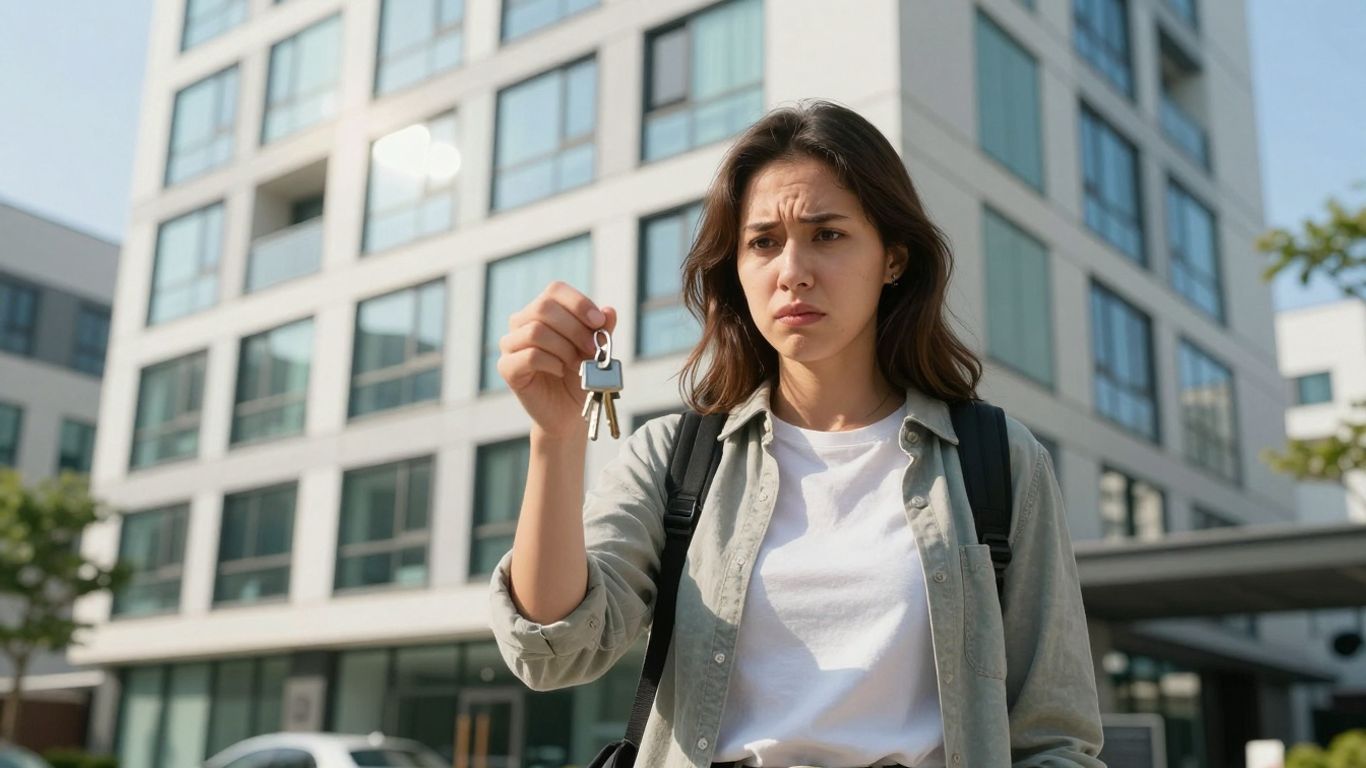
So, let's talk about the money side of things when you're looking to rent a place here. It's definitely a big factor, and honestly, it can be a bit of a surprise for some folks coming from abroad.
The biggest thing to wrap your head around is the 'key money' system, known as 'key money' or a large deposit. This isn't like a typical security deposit you might be used to. It's a substantial upfront payment that can significantly lower your monthly rent. The more key money you put down, the less you'll pay each month. For a small studio, you might be looking at a minimum of 3 to 5 million KRW (around $2,500-$4,300 USD), but it's common to see deposits of 10 million KRW ($8,500 USD) or even much higher, especially in popular areas like Seoul. Fancy apartments? The key money is where the price really jumps, not necessarily the monthly rent.
Here's a general idea of what you might expect for monthly rent, not including that big key money deposit:
| Accommodation Type | Average Monthly Rent (KRW) | Approximate USD | Notes |
|---|---|---|---|
| Small Studio (Officetel) | 500,000 | $425 | Common in big cities |
| Larger Apartment (Seoul) | 1,000,000 | $850 | Can go much higher |
| High-End/Larger Units | 5,000,000+ | $4,300+ | Key money is the main driver here |
Don't forget about the 'Gwanlibi' (관리비), which are service fees. These are usually separate and cover things like building maintenance, security, and cleaning. Expect to add about 100,000 KRW ($85 USD) per month for this, though it varies a lot depending on what's included. Utility bills like electricity and water are almost always extra on top of everything else.
Renting in major cities, especially Seoul, will naturally cost more. If you're on a tighter budget, looking at smaller cities or suburban areas could make a big difference in your monthly expenses. It's all about balancing location with your wallet.
So, when you're budgeting, remember to factor in:
- The large key money deposit.
- The monthly rent.
- The monthly Gwanlibi (service fees).
- Your personal utility bills (electricity, water, gas, internet).
- Potential extra fees if you're using services that cater specifically to English speakers.
Seeking Support and Assistance
University Support for Students
So, you're a student heading to South Korea? That's exciting! But let's be real, finding a place to live can feel like a whole other challenge. Some universities actually try to help out, offering guidance or at least pointing you towards reliable places. It's not always a guarantee, though. I've heard stories from students who felt pretty lost, dealing with landlords who weren't keen on renting to foreigners and a general lack of support from the school itself. It can be a chaotic experience, especially when you're trying to settle into a new country and focus on your studies. Some universities just don't have a system in place for off-campus housing help, leaving students to figure it out on their own.
Employer Assistance for Employees
If you're coming to Korea for work, the situation is often a bit different. Companies that hire international staff usually understand that housing is a big deal. They often step in to help sort out accommodation issues for their employees. This can range from providing temporary housing to actively helping you find a long-term rental. It's a pretty common practice, and it definitely takes a load off your mind when you know your employer has your back on the housing front. This kind of support makes the transition much smoother, letting you focus on your new job instead of stressing about where you're going to sleep.
Leveraging Local Connections
Sometimes, the best way to find a place is through people you know. This could be friends, colleagues, or even acquaintances who have lived in Korea for a while. They might know of apartments that aren't advertised widely or have insights into which real estate agents are foreigner-friendly. Word-of-mouth can be incredibly powerful. You might even find yourself looking at shared housing options or community-focused places, which can be a great way to meet people and feel more at home. These connections can help you avoid scams and find a place that actually fits your needs, sometimes even with no-deposit options like those offered by Enkostay.
Finding a place to live in a new country can be tough. Don't be afraid to ask for help from your university, your employer, or people who already live there. They've likely been through it and can offer advice or direct you to resources that make the process less stressful.
So, What's the Takeaway?
Finding a place to live in South Korea as a foreigner definitely comes with its own set of hurdles. From language barriers and confusing rental ads to landlords who might be hesitant to rent to non-Koreans, it's not always a walk in the park. While the market moves fast and prices can be reasonable, the small apartment sizes and the need for a local contact or a good real estate agent who speaks English can add to the stress. It seems like a bit of a puzzle, but with the right approach, maybe a bit of patience, and perhaps a Korean-speaking friend in your corner, it's not impossible to find a spot to call home.
Frequently Asked Questions
Why is it hard for foreigners to rent in South Korea?
It can be tough because many rental ads are only in Korean, and not all landlords or real estate agents speak English. Some landlords might also be hesitant to rent to foreigners because they worry about communication or potential issues, even though laws protect tenants.
Are Korean apartments usually small?
Yes, apartments in South Korea are often smaller than what many foreigners are used to. If you need a larger space, especially for a family, you might find it's considered a luxury and costs more, or you might need to look in areas outside the main city centers.
What documents do I need to rent an apartment?
You'll usually need your passport, visa, and an Alien Registration Card (ARC). If you're signing a 'wolse' lease (monthly rent), your landlord might also ask for proof of employment, like a work contract.
What are 'Wolse' and 'Jeonse' leases?
'Wolse' is the common monthly rent system, similar to what many people know. 'Jeonse' is a unique Korean system where you pay a large lump sum deposit instead of monthly rent, and you get it back when you move out. It requires a lot of money upfront but saves you on monthly payments.
What if I can't find a place easily?
If you're struggling, consider serviced apartments or short-term rentals like Airbnb when you first arrive. Some universities and employers might also offer help or assistance with finding housing for students and employees.
Can real estate agents charge extra for speaking English?
While some agents might try to charge more for English services, official rules say that the commission fees are capped. It's good to be aware of this and know that you shouldn't necessarily have to pay a lot extra just because an agent speaks English.
Filed under
The Moveandstay editorial team writes about serviced living, workspaces, and city guides across Asia-Pacific.
Read next
Serviced Offices Surge in Popularity as Businesses Embrace Flexible Leasing
May 3, 2026

Hong Kong Serviced Apartment Market Buzzes with Sales and Investment Activity Amidst Shifting Valuations
May 3, 2026

ONYX Hospitality Group Elevates Shama Serviced Apartments with New Lifestyle Concept and Ambitious Expansion
Apr 26, 2026