

So, why are so many people choosing to live in cities temporarily these days? It's not quite the same as the old-school expat life. Things have changed, and a lot of it has to do with how we work, where we can afford to live, and what technology lets us do. Instead of packing it all in and settling down forever, people are finding a new way to experience different places, often using flexible housing options like serviced apartments Asia offers, to make their temporary stays work.
Key Takeaways
- The idea of being an expat is changing. It used to be more about long-term moves, but now many people live in different countries for shorter, defined periods.
- Technology makes it easier than ever to live and work from anywhere. Things like video calls and online banking mean you can stay connected and manage your life even when you're far from home.
- Money really matters. Big cities are expensive, especially for housing. This pushes people to look for places where their income goes further, and remote work lets them earn in one currency while living in another.
- People are finding that smaller cities or towns offer a better balance. They might not have the same buzz as a capital, but they're often more affordable and have a more relaxed pace of life.
- Living temporarily is becoming a lifestyle choice. Instead of owning things, people are renting, and they're optimizing their lives to be flexible, often using places like serviced apartments Asia provides for convenient, short-term stays.
The Shifting Landscape Of Expatriate Living
Defining The Modern Expatriate
The term 'expat' used to conjure images of career diplomats or corporate executives on long-term assignments. But that picture is changing, fast. Today, an expatriate is anyone living outside their native country, and the reasons for this move are more varied than ever. It's not just about climbing the corporate ladder anymore. People are moving for personal growth, to experience new cultures, or simply to find a better rhythm of life. The traditional idea of an expat as someone with a clear return date is becoming less common. Many now see their time abroad as a flexible chapter, not a permanent detour.
Beyond Traditional Migration Models
We're seeing a move away from the old 'immigrant vs. expat' labels. The lines are blurring. Unlike immigrants who often aim for permanent integration, expats typically maintain stronger ties to their home country, even if their stay is extended. Think of it less as a one-way ticket and more as a long-term lease on a new experience. This shift means people are less defined by where they permanently settle and more by where they choose to live and work now.
- Career Assignments: Still a major driver, but often with more flexibility on duration.
- Lifestyle Choices: Seeking better work-life balance, climate, or cultural experiences.
- Educational Pursuits: Short-term study or research opportunities.
- Personal Relationships: Moving to be with a partner or family.
The old model of migration was often about necessity or a singular, life-altering decision. Today, it's increasingly about intentional choices that align with personal and professional goals, allowing for more fluidity.
The Rise Of Temporary Urban Dwellings
This new wave of mobile professionals and digital nomads needs places to stay that aren't necessarily permanent homes. This is where temporary urban dwellings come in. We're talking about serviced apartments, co-living spaces, and flexible rental agreements. These options offer convenience and comfort without the long-term commitment of buying property or signing lengthy leases. It’s about having a comfortable base that can be easily packed up when the next opportunity or desire calls. This trend is reshaping how cities cater to a transient population, moving beyond traditional hotels and long-term rentals.
Technological Advancements Enabling Mobility

It’s pretty wild how much technology has changed the game for people wanting to live somewhere new, even if just for a little while. Gone are the days when moving meant a huge, complicated process. Now, things feel way more manageable, almost like you can just pick up and go without everything falling apart.
Bridging Distances With Digital Tools
Think about it: video calls, instant messaging, cloud storage – these aren't just for work anymore. They let you stay connected with friends, family, and even your old life back home. You can have a coffee chat with your best friend across the ocean or get quick advice from a specialist who isn't nearby. It makes the world feel a lot smaller and less isolating when you're in a new place.
- Instant communication: Keep up with loved ones without waiting for letters.
- Cloud-based services: Access documents and files from anywhere.
- Virtual collaboration: Work with teams or get help on projects remotely.
Streamlined Access To Essential Services
Finding a doctor, opening a bank account, or even signing up for local services used to be a huge hurdle. Now, a lot of that can be done online before you even arrive or shortly after. Many countries have digital portals for visa applications, and banks often have apps that let you manage your money internationally. Even finding housing or setting up utilities is often just a few clicks away.
The ability to handle many administrative tasks digitally reduces the friction of relocating, making temporary stays feel less like a logistical nightmare and more like a planned adventure.
Phased Relocation And Gradual Integration
Technology also allows for a more gradual approach to moving. Instead of one big, stressful move, you can sort of "test drive" a city. You might start with a short visit, then a longer stay, using digital tools to manage your work and life remotely. This lets you get a feel for a place, build a routine, and decide if it’s a good fit before committing to anything long-term. It’s like dipping your toes in the water instead of jumping in headfirst. This phased approach makes the whole experience less daunting and more about discovery.
Economic Realities Driving Location Choices
Housing Affordability In Global Cities
Let's be real, the cost of just having a roof over your head is a massive factor these days. In many of the world's biggest cities, rent has shot up way faster than most people's paychecks. It's gotten to the point where a huge chunk of your monthly earnings just vanishes into rent. What starts as a budgeting headache can quickly turn into a bigger question: is it even worth staying here? It often feels like you're constantly making compromises just to get by, and that's when looking elsewhere starts to seem like the only sensible option.
Rebalancing Daily Living Expenses
It's not just rent, though. The whole package of daily costs really adds up. Think about getting around town, buying groceries, doctor visits, and keeping the lights on. When all these expenses climb together, even folks earning a decent salary can feel squeezed. But then you look at places where these basic costs are lower, and suddenly, life feels a lot more stable. It's like you can finally breathe a little easier.
- Transportation: Public transit passes, gas prices, car maintenance – it all adds up.
- Food: Groceries and eating out can vary wildly from one city to another.
- Utilities: Heating, cooling, internet, and water bills can be surprisingly different.
- Healthcare: Access and cost can be a major consideration, especially for families.
When your finances aren't dictating every single move, other parts of life start to come into clearer focus. Time feels less like a luxury and more like something you actually have. The choices you make feel more deliberate, less like a reaction to financial pressure. It's like adjusting the focus on a camera; work stays sharp, but the background details become clearer when the constant worry about money fades away.
The Impact Of Remote Work On Income Mobility
This whole remote work thing has really changed the game. Since the pandemic, more and more jobs don't tie you to a specific office anymore. This means you can earn money in a strong currency, like dollars or euros, but live somewhere where the cost of living is much lower. Your income doesn't have to match the local prices anymore. This flexibility has totally reshaped how people think about moving. It's especially true for freelancers, entrepreneurs, and professionals who can take their work with them wherever they go. Suddenly, your earning potential isn't strictly limited by your physical location.
The Allure Of Secondary Cities And Coastal Towns
Balancing Opportunity With Livability
While the big capitals still pull people in with the promise of jobs and excitement, there's a growing trend of folks looking beyond the major hubs. It turns out, the constant hustle of a global city isn't for everyone, especially when you're trying to build a life, not just a career. Secondary cities and coastal towns are starting to look pretty good. They often offer a more manageable pace, where daily life doesn't feel like a constant battle. Think shorter commutes, easier access to services that aren't stretched thin, and a general sense that things just work a bit better. It’s less about the prestige and more about the practicalities of day-to-day living.
Familiarity And Community In Smaller Centers
There's something about smaller cities that makes it easier to put down roots. Community doesn't feel like something you have to force; it just sort of happens. You bump into the same people at the local market, your kids might go to school with their kids, and there's a shared sense of place that builds over time. This familiarity is a big draw for people who might have felt a bit lost or overwhelmed in a massive metropolis. It’s about finding a rhythm that feels comfortable and sustainable, a place where you can actually get to know your neighbors and feel like you belong.
- Walkable streets: Many smaller cities are designed for people, not just cars, making errands and casual strolls more enjoyable.
- Local markets and cafes: These become natural gathering spots, fostering casual interactions and a sense of local flavor.
- Shorter distances: Getting around town is quicker, freeing up time for leisure or connecting with others.
- Established expat networks: Often, smaller towns with a growing expat presence have resources and social groups that help newcomers settle in faster.
The appeal isn't just about escaping the crowds; it's about finding a place where the environment supports a more balanced and predictable daily existence. When the novelty of a new place wears off, it's these everyday qualities that make a location feel like home.
Coastal Living And Mediterranean Rhythms
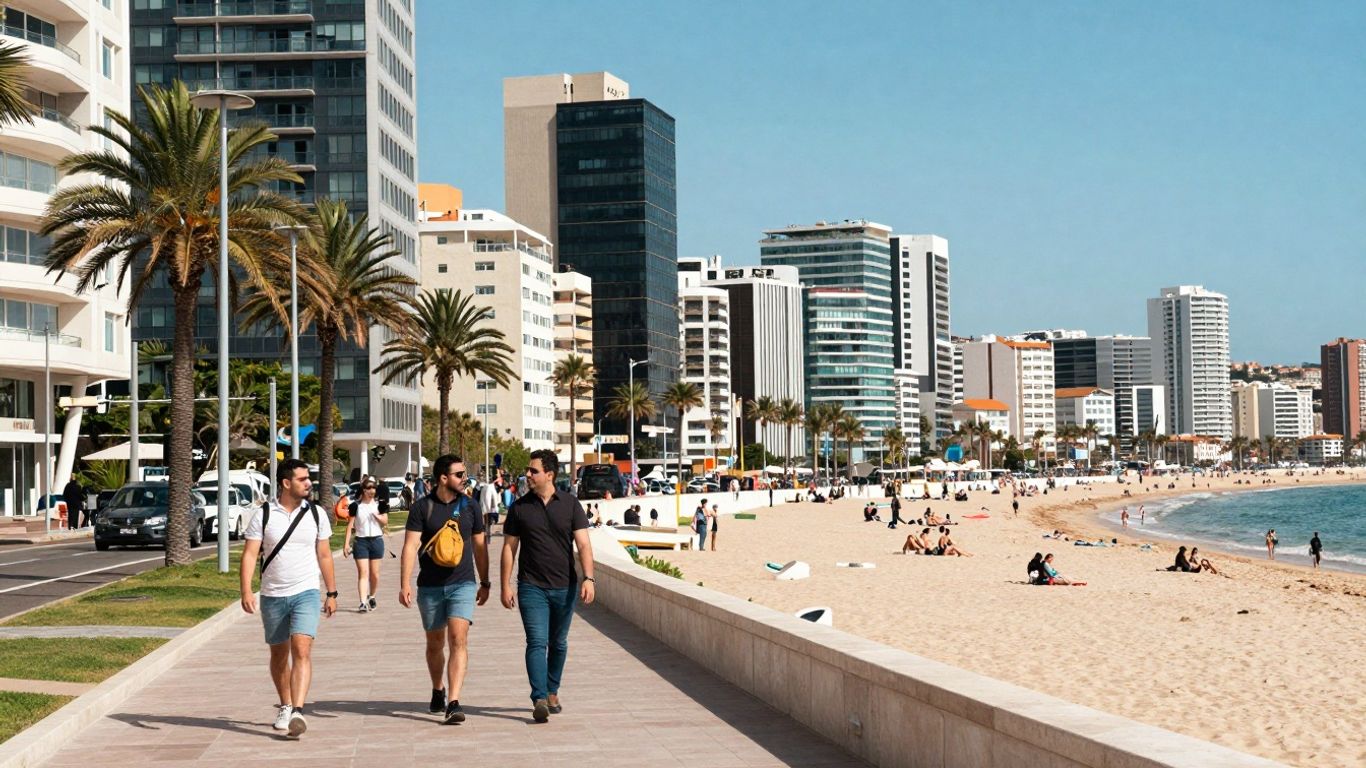
Coastal towns, especially those with a Mediterranean vibe, have a special kind of pull. Life there often moves at a different speed. It’s less about rushing and more about savoring. Think about the simple pleasure of a morning walk along the sea, enjoying fresh food, and spending quality time with friends and family. These places tend to reward consistency over constant change. The climate often plays a role too, making outdoor activities a regular part of life throughout much of the year, rather than a special occasion. This kind of lifestyle, built around routine and a connection to nature, is what many expats are seeking when they look for a place to truly settle, even if it's just for a few years.
| City Type | Key Drawbacks | Key Benefits |
|---|---|---|
| Major Capitals | High cost of living, crowded, fast-paced | Job opportunities, diverse culture, extensive services |
| Secondary Cities | Fewer high-profile job openings, less variety | Lower cost of living, stronger community, slower pace |
| Coastal Towns | Can be seasonal, potentially isolated | Relaxed lifestyle, natural beauty, good climate |
The Permanent Temporary Lifestyle
It’s funny how life can just… shift. One minute you’re thinking about settling down, the next you’re packing a suitcase for an indefinite stay somewhere new. This whole idea of living permanently temporarily isn't about running away, not really. It's more about designing a life that can handle whatever comes next, without getting too tied down.
Optimized Living In Transient Spaces
Think about it: your living space becomes less about putting down roots and more about creating a comfortable, functional base for a limited time. It’s about having what you need, but not so much that moving becomes a huge ordeal. This means apartments are often furnished, leases are flexible, and you get really good at packing light. It’s a practical approach to living, focusing on what actually matters day-to-day.
Renting Time Instead Of Owning Land
This lifestyle is built on the idea of renting, not buying. Instead of a mortgage that ties you to one spot for decades, you’re looking at monthly leases or even shorter-term rentals. It gives you freedom. If a city or a job situation isn't working out, you can just… leave. No selling houses, no long-term commitments that feel like anchors. It’s about having options.
Here’s a quick look at how this plays out:
- Lease Flexibility: Month-to-month or short-term leases are common.
- Furnished Options: Apartments often come ready to live in.
- Minimal Belongings: You learn to live with less, making moves easier.
- Focus on Experience: The emphasis is on enjoying the present location.
The Pragmatism Of Modern Nomadism
Forget the old romantic notions of just wandering the globe. Today's version of this lifestyle is all about being smart and practical. People are looking at things like visa requirements, healthcare access, and how easy it is to get around. It’s less about chasing a feeling and more about building a life that’s resilient.
The core idea is that stability isn't about staying in one place anymore. It's about having the ability to adapt and move when you need to, without everything falling apart. It's a way to protect yourself in a world that feels a bit unpredictable.
This approach means that success isn't measured by how much stuff you own, but by how many choices you have. Can you leave when you want to? Can you start fresh somewhere new? It’s about keeping your options open, for as long as you need them to be.
Serviced Apartments Asia: A Key Enabler
When you're moving around, especially to a new continent like Asia, figuring out where to stay can be a real headache. Forget the endless hotel bookings or trying to sign a year-long lease on day one. That's where serviced apartments really shine, particularly in bustling Asian cities. They're like a middle ground, offering more than a hotel but less commitment than a traditional rental.
Flexible Housing Solutions For Mobile Professionals
For folks who are on the move for work, or just exploring different career opportunities across the continent, flexibility is everything. Serviced apartments offer just that. You can rent them for a few weeks, a few months, or even longer, without getting bogged down in complicated contracts. It means you can test out a city like Bangkok, for example, and see if it's the right fit before committing to anything long-term. Prices can vary a lot, but you can find options that fit different budgets, from basic studios to more spacious places.
- Monthly rental costs in Bangkok:
- Budget studios: Under 15,000 THB
- Mid-range one-bedroom: 20,000 - 40,000 THB
- Luxury two-bedroom: Over 80,000 THB
The Convenience Of Turnkey Living
What's really great about these places is that they come ready to go. Think of it as "turnkey living." You walk in, and everything you need is already there: furniture, kitchenware, Wi-Fi, sometimes even cleaning services. It cuts down on so much hassle. No need to buy furniture or worry about setting up utilities. This makes settling into a new environment much smoother, letting you focus on your work or exploring the city instead of dealing with logistical nightmares. It’s a practical way to live when you’re not sure how long you’ll be staying.
The ability to move in and immediately feel settled, without the usual stresses of setting up a new home, is a significant draw for professionals on temporary assignments or those exploring new markets.
Integrating Into Asian Urban Environments
Serviced apartments are often located in prime areas of major Asian cities, putting you right in the middle of the action. This proximity to business districts, transport links, and local amenities makes it easier to get a feel for the city and integrate into the local rhythm. You're not isolated in a tourist hotel; you're living amongst the buzz. This kind of setup supports a more authentic experience of urban life, allowing you to build routines and connections more easily, even if your stay is temporary. It’s about making a temporary place feel like home, quickly and efficiently.
Redefining Stability In An Uncertain World
Flexibility As A Form Of Self-Defense
It feels like the ground beneath our feet isn't quite as solid as it used to be, right? Between economic ups and downs, and just general global unpredictability, putting all your eggs in one permanent basket can feel a bit… risky. So, for a lot of people, especially those living abroad, flexibility isn't just a preference anymore; it's become a way to protect themselves. Think of it like having a really good insurance policy for your life. If things get shaky in one place, you can adjust, move, or change your setup without a massive upheaval. It’s about building a life that can roll with the punches instead of breaking under pressure.
Emotional Efficiency In Temporary Stays
There's a certain kind of mental energy saved when you're not overly committed to a place. You can be present, enjoy where you are, and build connections, but without that deep, binding attachment that makes leaving feel like a huge loss. It’s like investing just enough to make your current experience great, but not so much that a future departure feels like a disaster. This approach allows for a more focused experience in each location, making the most of the time spent there without the baggage of long-term expectations. It’s about being fully there, but with an open exit strategy. This mindset helps in establishing a sense of home even when that home is temporary.
Optionality Over Accumulation
What does success even look like these days? For many, it's less about owning a lot of stuff or having a permanent address, and more about having choices. The ability to pack up and go, to try a new city, or to simply change your routine without a huge fuss – that's the real win. It’s about keeping your options open, rather than collecting possessions or commitments that might tie you down when you need to be nimble. This focus on optionality means that even temporary living spaces are often set up to be functional and comfortable, but not overly personalized, acknowledging that the next chapter might be just around the corner.
Here's a quick look at how priorities have shifted:
| Old Priority | New Priority |
|---|---|
| Permanent Home | Flexible Housing |
| Long-Term Career | Adaptable Work |
| Material Accumulation | Experiential Growth |
| Fixed Location | Mobility |
The idea isn't to avoid commitment entirely, but to choose commitments that are adaptable. It's about designing a life that can absorb unexpected changes without collapsing, prioritizing the ability to move and adapt over the perceived security of permanence.
So, What's Next?
It's pretty clear that the way people move and settle is changing, and it's not just a passing trend. With remote work becoming more common and the cost of living in big cities going up, more folks are looking for flexibility. They're not necessarily looking to put down roots forever, but rather to experience different places for a while, finding a balance that works for them. This "permanent temporary" lifestyle, as some call it, is all about adapting to a world that feels a bit uncertain. It's less about grand adventures and more about smart choices, designing a life that can handle whatever comes next. Whether it's for a few months or a few years, living in cities temporarily seems to be the new normal for a lot of people.
Frequently Asked Questions
What exactly is an expat?
An expat is someone who lives in a country that isn't their home country. Think of it like visiting a foreign place for a while, but instead of just vacationing, you're actually living there. Many expats plan to go back home eventually, maybe after finishing a job or school.
Why are people choosing to live in cities temporarily now?
Several things are making temporary city living popular. High rent in big cities makes it hard to stay long-term. Also, with remote work, people can earn money from anywhere, so they can choose to live in places that are more affordable or have a better lifestyle, even if it's just for a short time.
How does technology help people live in different places temporarily?
Technology makes moving easier. Things like video calls, online banking, and cloud storage mean you can keep up with work and life without being in one spot. It also helps you find housing, connect with people, and access services more smoothly when you arrive somewhere new.
Are these temporary living trends here to stay?
Most signs point to yes. The way we work has changed a lot, with more remote jobs. People are also thinking more about their lifestyle and finding places that offer a good balance of cost and living quality. These aren't just quick changes; they seem to be lasting shifts in how people approach living in new places.
What's the difference between an expat and an immigrant?
An immigrant usually plans to settle in a new country permanently, becoming part of the local community for good. An expat, on the other hand, often sees their time abroad as temporary, maintaining strong ties to their home country and usually planning to return.
What are 'serviced apartments' and why are they important for expats?
Serviced apartments are like furnished apartments you can rent for short or medium periods. They come with services like cleaning and utilities already set up. For expats who are moving temporarily, these are super convenient because they offer a comfortable place to live right away without a lot of hassle.
Filed under
The Moveandstay editorial team writes about serviced living, workspaces, and city guides across Asia-Pacific.
Read next
Serviced Offices Surge in Popularity as Businesses Embrace Flexible Leasing
May 3, 2026
Hong Kong Serviced Apartment Market Buzzes with Sales and Investment Activity Amidst Shifting Valuations
May 3, 2026

ONYX Hospitality Group Elevates Shama Serviced Apartments with New Lifestyle Concept and Ambitious Expansion
Apr 26, 2026