
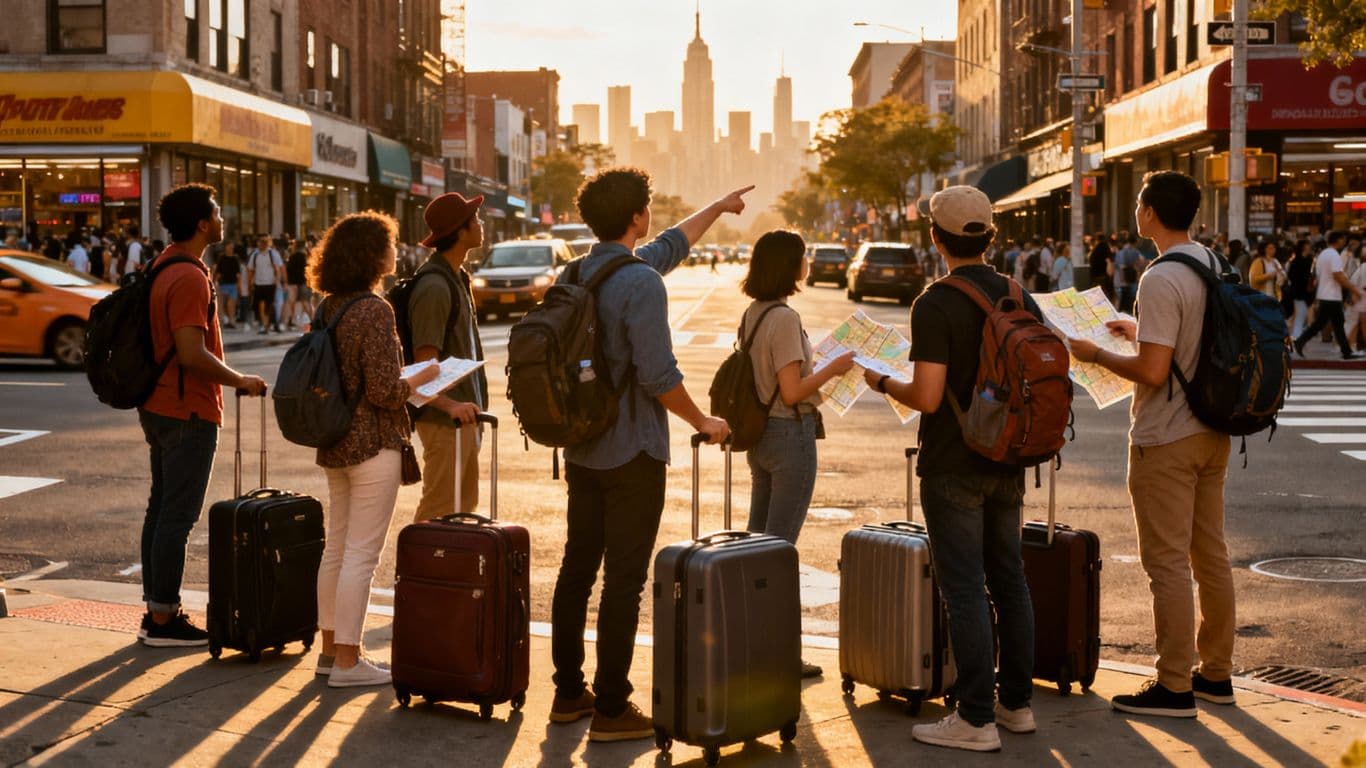
It feels like everyone is talking about moving these days, right? Gone are the days when packing up your life was a huge, scary deal reserved for major job offers or fleeing tough times. Now, people are picking up and relocating more than ever, and it's not just for the usual reasons. Things like housing costs, the chance to work from anywhere, and just wanting a better everyday life are big players. It's like the whole idea of where we call home is changing, and it's pretty interesting to see where it's all headed.
Key Takeaways
- Everyday costs, especially housing, are pushing people to look for more affordable places to live, shifting migration patterns towards areas with lower financial pressure.
- Remote work has become a major driver, giving people the freedom to choose where they live based on lifestyle rather than just job location, leading to more global mobility.
- Secondary cities and lifestyle hubs are gaining popularity over big capital cities because they offer a better balance of daily life, community, and lower stress.
- People are moving more intentionally, choosing locations based on quality of life and personal agency, often using trial periods before settling down.
- Practicalities like accessing services and understanding the investment migration industry are becoming more important, with options like serviced apartments Asia becoming relevant for longer stays.
The Shifting Economics of Relocation
It feels like just yesterday, moving to a new city, especially internationally, was a huge, life-altering decision. You packed your bags, said goodbye for what felt like forever, and hoped for the best. But things are different now. The financial side of things has really changed how often people pick up and move.
Rebalancing Everyday Expenses
Think about it: the cost of just living day-to-day adds up. It's not just rent or a mortgage. We're talking about groceries, getting around town, paying bills, and even just grabbing a coffee. In many big cities, these costs have shot up so much that even with a decent job, you're constantly watching every dollar. It makes you wonder if there's a place where your money can stretch a bit further, where you're not always feeling the pinch.
- Food costs: Prices for basic groceries have seen big jumps in many urban areas.
- Transportation: Whether it's gas prices or public transit fares, getting around is getting pricier.
- Utilities: Heating, cooling, and electricity bills are a significant part of monthly expenses.
When these everyday costs are more manageable, it frees up your mind. You're not just trying to survive paycheck to paycheck. You can actually plan for the future, maybe save for a vacation, or just enjoy a weekend without worrying about overspending.
The simple math of where your money goes each month is a massive driver for relocation today. It's less about chasing a dream job and more about finding a place where life feels financially stable.
Housing Affordability Pressures
This is a big one, right? Housing prices and rents have gone wild in so many places. It's gotten to the point where a huge chunk of your income just disappears into your living space. This isn't just an inconvenience; for many, it's the main reason they start looking elsewhere. The dream of homeownership or even just having a comfortable rental feels out of reach for too many people in major cities.
| City Type | Median Rent Increase (Last 5 Years) | Median Home Price Increase (Last 5 Years) |
|---|---|---|
| Major Capitals | 35% | 50% |
| Secondary Cities | 20% | 30% |
When you see numbers like these, it's easy to understand why people are looking at smaller towns or even different countries where their money might go a lot further. It's not about luxury; it's about basic affordability.
Wage Arbitrage and Global Income Mobility
This is where remote work really changes the game. Because so many jobs can now be done from anywhere, people earning a good salary in a strong currency can move to a place where the cost of living is much lower. Your income stays the same, but what it can buy locally skyrockets. It's like getting a raise just by changing your address.
- Remote Work Growth: The ability to work from home or remotely has exploded, making location less of a barrier.
- Currency Advantage: Earning in USD or EUR while living in a country with a lower cost of living offers significant financial benefits.
- Freelancer Freedom: Independent contractors and freelancers have always had this flexibility, but it's now more common across many professions.
This ability to earn in one market and spend in another has opened up a whole new world of possibilities for where people can live. It's a powerful economic incentive that wasn't really there on a large scale before.
Remote Work Fuels Location Independence
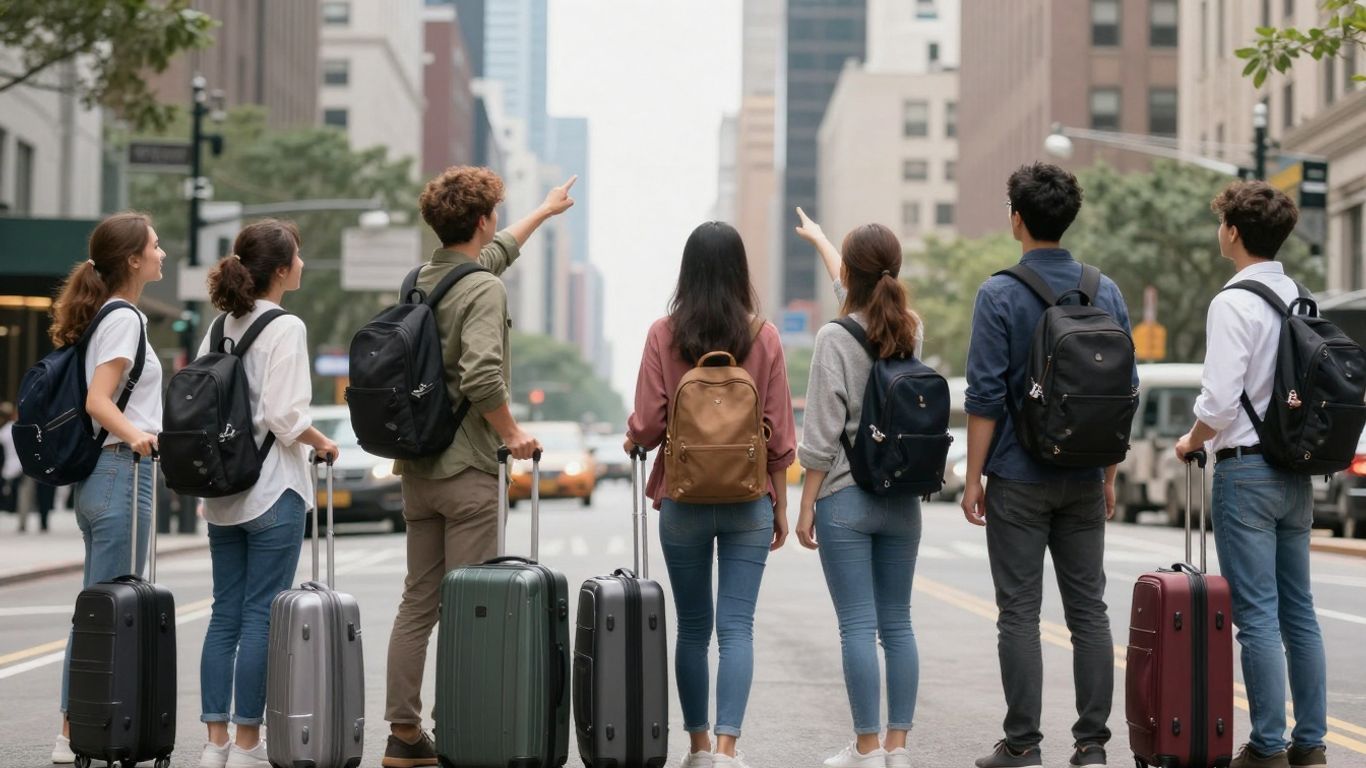
It’s funny how things change, right? Remember when working from home felt like a weird experiment? Now, it’s just… normal for a lot of people. And this shift didn't just mean ditching the commute. It totally changed how we think about where we live. Suddenly, your job wasn't tied to a specific building or even a city. Your income could travel with you, and that opened up a whole new world of possibilities.
From Movement to Something More Settled
At first, the idea of a "digital nomad" sounded like someone constantly on the move, hopping from one hostel to another. And sure, that lifestyle still exists. But for most folks who can work remotely, the goal isn't just constant travel anymore. It's more about finding a place that actually fits their life. People started thinking about things like community, access to good healthcare, and just having a stable routine. The focus shifted from just being able to move anywhere to choosing a place where life feels better and more manageable.
Why Remote Work Accelerated Global Mobility
When companies realized that people could be productive working from anywhere, it was a game-changer. It wasn't just tech workers anymore; people in all sorts of fields found they could do their jobs just as well, if not better, from a different city or even a different country. This flexibility meant that people could chase better weather, lower living costs, or simply a change of scenery without giving up their career. It made moving less of a huge, scary decision and more of a practical choice.
Here’s a look at how some countries are adapting:
| Country | Visa Type |
|---|---|
| Portugal | Digital Nomad Visa |
| Spain | Digital Nomad Visa |
| Costa Rica | Digital Nomad Visa |
| Estonia | Digital Nomad Visa |
The Role of Technology in Facilitating Moves
Honestly, we take a lot of this for granted now. Video calls, cloud storage, instant messaging – these tools are the backbone of remote work. They let teams collaborate across different time zones and continents. Plus, online banking, international money transfer services, and even apps for finding housing make the practical side of moving much smoother than it used to be. It’s like the world got a lot smaller and more accessible, all thanks to the tech we use every day.
The ability to earn a living without being physically present in an office has fundamentally altered the relationship between work and place. This newfound freedom allows individuals to prioritize lifestyle, cost of living, and personal well-being when choosing where to settle, leading to more intentional and often more sustainable relocation decisions.
It’s not just about packing a suitcase and heading off. It’s about building a life somewhere new, and technology has made that a real possibility for more people than ever before. It’s pretty wild when you think about it. We’re seeing people move not because they have to, but because they want to, and they can actually make it work financially and professionally.
The Appeal of Secondary Cities and Lifestyle Hubs
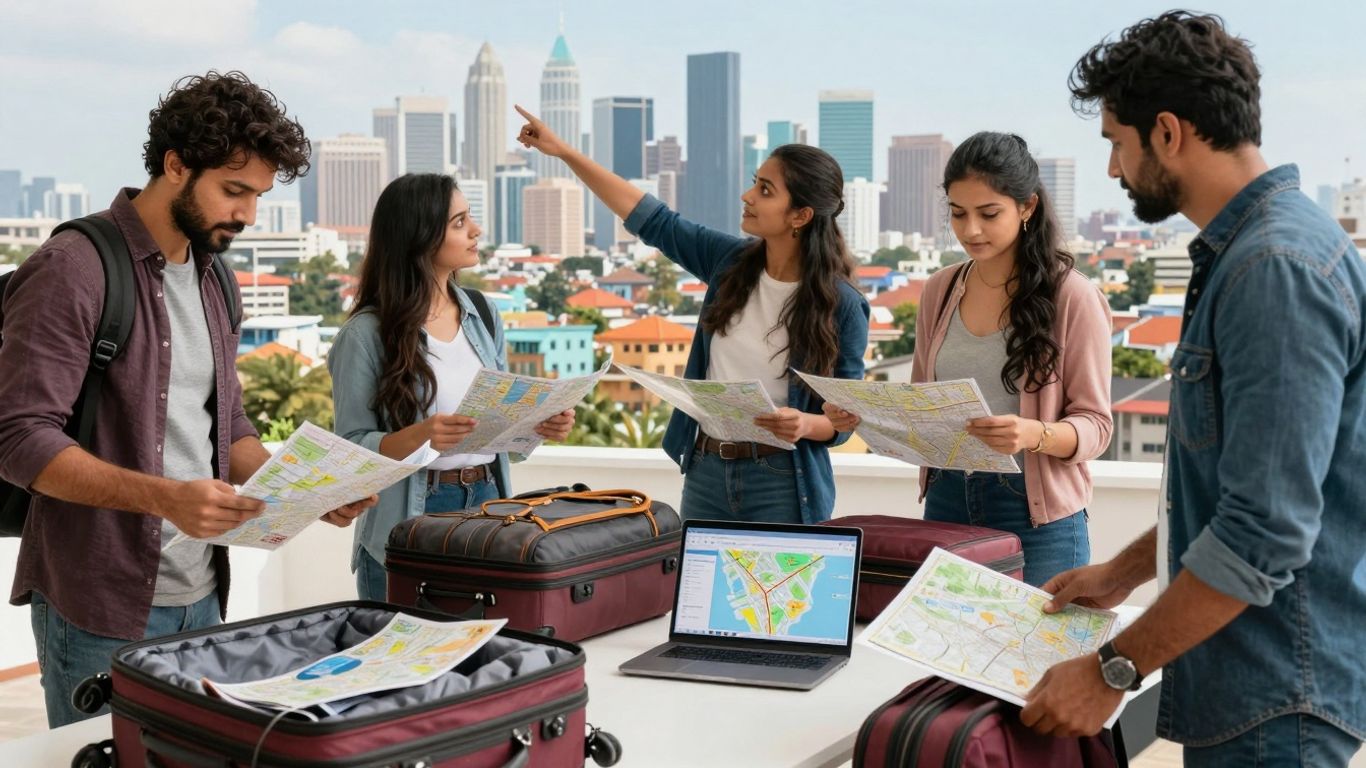
Capital cities have always drawn people with promises of opportunity and excitement. But lately, a lot of folks are finding that the constant buzz and high costs just aren't worth it in the long run. Instead, many are looking at smaller cities and what we're calling 'lifestyle hubs' – places that offer a more balanced way of living. These spots often provide a better quality of daily life without the intense pressure cooker environment of a major metropolis.
Secondary Cities Over Capital Hubs
Think about it: in a smaller city, getting around is usually easier. You can walk to the store, public transport feels less crowded, and you're not spending half your day stuck in traffic. Services tend to be more accessible, and it feels like you can actually get things done without a huge hassle. Plus, building a community often happens more naturally. You bump into the same people at the local market or park, and friendships start to form without you having to force it. It's less about the prestige of a big name and more about a rhythm that just works for everyday life.
- Smoother Daily Routines: Less time commuting, more time for yourself.
- Accessible Services: Healthcare, shops, and local government feel closer.
- Natural Community Building: Familiarity grows through everyday interactions.
The shift towards secondary cities isn't about settling for less; it's about choosing more deliberately where life feels most manageable and fulfilling on a day-to-day basis.
Coastal Towns and Latin American Destinations
We're seeing a big draw to coastal areas, especially places with a Mediterranean climate. It's not just about the nice weather, though that helps. It's about how the climate supports a more consistent lifestyle. You can plan outdoor activities without constantly checking the forecast for extremes. Life tends to flow more predictably, making it easier to establish routines. Similarly, parts of Latin America, like Costa Rica or Colombia, are attracting people not just for affordability but for a comfortable climate and a generally more relaxed social atmosphere. These places often have established expat communities that offer a sense of familiarity, making the transition smoother.
Community and Familiarity Beyond the Metropolis
What's really striking is how people are prioritizing a sense of belonging. When you're not constantly battling the demands of a huge city, you have more mental space and time to connect with others. This can mean joining local clubs, volunteering, or simply having the energy to socialize after work. Places that encourage this kind of interaction, whether through well-used public spaces or a strong local culture, tend to hold onto people longer. It’s about finding a place where you can not only live but truly feel part of something.
- Climate Comfort: Predictable weather supports consistent outdoor activities and routines.
- Social Ease: A relaxed pace and welcoming culture make integration simpler.
- Established Networks: Existing expat groups can ease the initial adjustment period.
Intentional Migration Driven by Quality of Life
From Necessity to Choice-Driven Movement
For a long time, moving to a new place was mostly about survival. People packed up when things got really tough – think war, no jobs, or natural disasters. It was a last resort, a way to escape a bad situation. But that's changing, and changing fast. Now, a lot more people are moving not because they have to, but because they want to. They're looking for places that actually make their everyday lives better, not just places that are less bad.
This shift means people are planning their moves more carefully. Instead of just reacting to problems, they're proactively seeking out environments that offer a better balance. It's less about fleeing hardship and more about building a good life. This isn't just about finding a cheaper place; it's about finding a place where daily routines feel smoother, where you have access to what you need, and where you can actually relax.
The decision to relocate is increasingly influenced by the desire for a more sustainable and fulfilling daily existence, moving beyond mere economic survival to a deliberate pursuit of well-being.
The Growing Importance of Timing and Agency
Another big part of this is when people decide to move. It used to be that you waited until a problem was unavoidable. Now, folks are thinking ahead. They're considering moves as part of a bigger life plan, maybe before kids start school, or when they want to change careers, or even just to get a better handle on their finances. This feeling of control, of making the move on your own terms, makes a huge difference.
When you move because you've chosen to, you arrive with different expectations. You're more likely to feel settled faster and less like you're just trying to get by. It's about adjusting to a new life you picked, not escaping one you didn't.
Trial Living and Gradual Settlement
Because people are moving more intentionally, they're also testing the waters. Short stays aren't just quick visits anymore; they're chances to get a feel for a place. And longer commitments don't feel like forever anymore. People are spending time in a new city or town, getting into a rhythm, before deciding if it's the right long-term fit. This approach makes the whole process feel less daunting.
It's like migration is happening in stages now. You might start with a few months, then maybe stay for a season, and before you know it, you're thinking about putting down roots. This flexibility has totally changed how people approach moving. It’s become more of an experiment, guided by experience, rather than a single, high-pressure decision.
Navigating the Practicalities of International Moves
Okay, so you've decided to pack your bags and head off to a new country. That's a huge step, and honestly, it can feel pretty overwhelming when you start thinking about all the little things. It's not just about booking a flight and showing up, you know? There's a whole list of practical stuff that needs sorting out before you can really settle in.
Access to Essential Services Abroad
When you're thinking about moving, it's easy to get caught up in the excitement of a new place. But you've got to be realistic about what you'll need day-to-day. This means looking into things like healthcare, schools for the kids, and even just basic utilities. Finding a place with good access to these services can make a world of difference in how smoothly you adjust.
Here’s a quick rundown of what to consider:
- Healthcare: Are there good hospitals or clinics nearby? What's the general quality of medical care like? Do you need special insurance?
- Education: If you have children, what are the local schools like? Are there international options? What's the curriculum?
- Banking and Utilities: How easy is it to open a bank account? What are the typical costs for things like electricity, internet, and water?
- Transportation: How will you get around? Is public transport reliable, or will you need a car? What are the driving laws like?
Thinking about these everyday needs upfront can save you a lot of headaches later on. It's about making sure your new life is not just exciting, but also functional.
Understanding the Investment Migration Industry
This might sound a bit fancy, but it's really about how people are using investment to gain residency or citizenship in other countries. It's become a whole industry, with people and companies helping others through this process. It's not for everyone, of course, but it's a growing trend for those looking for more options.
Basically, you might invest in property or a business in a country, and in return, you get the right to live there. It can offer benefits like:
- Tax advantages: Some countries have lower tax rates.
- Travel freedom: Easier access to more countries without needing visas.
- Asset protection: Spreading your wealth across different legal systems.
- Second home base: A place to live or work that isn't your home country.
It's a complex area, and you definitely need to talk to experts who know the ins and outs of immigration law and international finance. They can help you figure out if it's the right path for you and make sure you're doing everything legally.
The Evolving Landscape of Serviced Apartments Asia
When you first arrive in a new city, especially in a place like Asia, finding a place to stay can be tricky. Hotels are often too temporary, and long-term rentals can be a hassle to set up right away. That's where serviced apartments come in. They're like a middle ground – fully furnished apartments with hotel-like services, such as cleaning and sometimes even a front desk.
This sector has really changed a lot. It used to be mostly for short business trips, but now they're a popular option for expats who are just arriving and need a comfortable base while they look for something more permanent. They offer more space and privacy than a hotel room, and you don't have to worry about buying furniture or setting up utilities immediately. It makes that initial settling-in period a lot less stressful. You can find them in major cities across Asia, and they're becoming a go-to for people testing out a new location before committing.
Long-Term Implications of New Migration Trends
What These New Migration Trends Mean Long Term
So, what does all this moving around actually mean for the future? It's not just a fad, you know. We're seeing a real shift in how people think about where they want to put down roots, or at least, where they want to spend their time. It’s less about chasing the next big thing and more about finding places that just… work. Places that offer a good balance, where you can actually live your life without constantly feeling like you're fighting against the current. This means cities and towns that focus on everyday livability are going to do better over time. Think good public transport, accessible healthcare, and a decent local vibe. It’s not about being the flashiest place on the map anymore.
Shaping Neighborhoods and Regions Over Years
This intentional migration is slowly but surely reshaping places. It’s not happening overnight, but over years, we'll see neighborhoods change. Areas that were once overlooked might become more popular because they offer that blend of affordability and quality of life. We're already seeing this happen in smaller cities and even some towns that are outside the usual big-city rush. They’re attracting people who want to build a life, not just visit. This can lead to:
- Economic diversification: New residents often bring new skills and ideas, helping local economies grow beyond their traditional industries.
- Infrastructure development: As more people settle in, there's a greater need for better roads, public services, and digital connectivity, which can improve life for everyone.
- Cultural enrichment: Newcomers introduce different perspectives and traditions, making communities more vibrant and interesting.
The focus is shifting from places that offer status or excitement to those that provide a stable foundation for everyday living. This means the places that truly support routines and long-term planning are the ones that will thrive.
Aligning Decisions with How Life Is Truly Lived
Ultimately, these trends are about people making choices that fit their actual lives, not just some idealized version. It’s about recognizing that work flexibility means you can live where you want, and that quality of life isn't just a buzzword – it's about being able to access what you need, when you need it, without breaking the bank or your spirit. This leads to more thoughtful decisions, both for the individuals moving and for the places trying to attract them. It’s a move towards a more grounded way of living and settling.
So, What's Next?
It’s pretty clear that moving cities isn't the big, scary, once-in-a-lifetime event it used to be for many. With remote work making our jobs more flexible and the cost of living in big cities just getting out of hand, people are looking for places that just make more sense for everyday life. It’s not just about chasing a dream anymore; it’s about finding a spot where you can actually breathe, manage your money, and build a life without constant stress. This shift means smaller cities and even some overlooked towns are becoming real contenders, offering that balance of opportunity and livability that so many are searching for. The way we think about where home is has definitely changed, and it looks like this trend of moving more often is here to stay.
Frequently Asked Questions
Why are more people moving to new cities these days?
People are moving more often because life is getting expensive in many big cities, especially for housing. Also, with jobs that let you work from anywhere, people can choose to live where they like, not just where the job is. They are looking for a better balance between work and life, and places that are more affordable and offer a good lifestyle.
How has remote work changed where people live?
Remote work has been a huge game-changer. It means your job isn't tied to a specific office or city anymore. This gives people the freedom to move to places that might be cheaper, more beautiful, or just a better fit for their lifestyle, even if it's far from their company's main office.
Are smaller cities becoming more popular than big ones?
Yes, many people are finding that smaller cities or 'secondary cities' are more appealing than huge, busy capitals. These places often have a lower cost of living, less stress, and a stronger sense of community, making daily life feel more manageable and enjoyable.
Is moving to a new city now more about choice than necessity?
For many people, yes. While some still move because they have to, a growing number are choosing to move to improve their quality of life. They are planning ahead and picking places that offer better daily living, good environments, and opportunities for a balanced life, rather than just escaping a bad situation.
How do people decide where to move now?
People are looking closely at the cost of everyday things like rent, food, and transportation. They also think about lifestyle factors like access to nature, community feel, and good public services. The ability to work remotely also means they can consider a wider range of options based on what truly matters to them.
What does this mean for cities and regions in the long run?
These trends mean that cities and regions that offer a good quality of life, affordability, and strong communities will likely attract more people. It's causing a shift in where people choose to settle, and over time, this can change the character and growth of neighborhoods and entire areas as more people make intentional choices about where they want to build their lives.
Filed under
The Moveandstay editorial team writes about serviced living, workspaces, and city guides across Asia-Pacific.
Read next
Serviced Offices Surge in Popularity as Businesses Embrace Flexible Leasing
May 3, 2026
Hong Kong Serviced Apartment Market Buzzes with Sales and Investment Activity Amidst Shifting Valuations
May 3, 2026

ONYX Hospitality Group Elevates Shama Serviced Apartments with New Lifestyle Concept and Ambitious Expansion
Apr 26, 2026