

It seems like more and more people are talking about expats leaving Singapore these days. While Singapore has long been a top spot for folks looking to work abroad, a lot of factors are making people rethink their stay. From the increasing costs to subtle shifts in daily life, there are several reasons why the expat exodus might be happening. Let's take a look at what's behind this trend of expats leaving Singapore.
Key Takeaways
- The cost of living in Singapore is climbing, making it harder for expats to manage their finances, especially with currency fluctuations and overlooked fees.
- Building lasting social connections can be tough due to the transient nature of the expat community and the unique blend of languages like Singlish.
- Career prospects and adapting to Singapore's business environment, including geopolitical influences, are important considerations for long-term stays.
- Personal well-being is affected by Singapore's intense climate and the constant drive for efficiency, impacting lifestyle choices and privacy.
- As other Asian countries offer lower living costs and new visa options, the overall appeal of Singapore for expats is being re-evaluated.
The Rising Cost Of Living For Expats
It’s no secret that Singapore is a pricey place to live. But for expats, the sticker shock can be particularly jarring, especially when you start to factor in the less obvious expenses. It feels like every month, something new pops up that eats into your budget, and before you know it, your hard-earned cash seems to be evaporating.
Understanding Hidden Financial Leaks
Beyond the obvious rent and grocery bills, there are a bunch of smaller costs that add up. Think about the daily coffee runs, the occasional splurge on a nice meal out, or even the subscription services you signed up for and forgot about. These little leaks don't seem like much individually, but over time, they can really drain your savings. It’s like having tiny holes in a bucket; you might not notice the water level dropping quickly at first, but eventually, it makes a big difference. Many expats also overlook the fees associated with international banking and money transfers, which can really add up when you're sending money home or paying bills in different currencies. It's worth doing a thorough check of your spending habits to see where these hidden costs might be lurking. You might be surprised at what you find.
The Impact Of Currency Erosion On Wealth
This is a big one that many people don't think about until much later. If you're earning in Singapore Dollars (SGD) but your long-term savings or investments are in another currency, like the British Pound or the Euro, currency fluctuations can seriously impact your wealth. When the SGD strengthens against your home currency, your money is worth less when you convert it back. It’s a silent killer of wealth that can chip away at your savings over the years. A smart strategy for managing currency exposure is key to protecting your long-term financial health. It’s not just about earning a good salary; it’s about making sure that salary and your savings retain their value over time. For a detailed look at how Singapore's costs stack up, you can check out Singapore's cost of living.
The Pitfalls Of Leaving Retirement Funds In Cash
Another common mistake expats make is keeping their retirement funds, especially those in schemes like the Supplementary Retirement Scheme (SRS), sitting in cash. Cash in a savings account earns next to nothing, especially after accounting for inflation. This means the purchasing power of your money is actually decreasing year after year. The whole point of these schemes is to grow your money over the long term, and that usually means investing it. Leaving it in cash is like missing out on potential growth entirely. It’s a missed opportunity that can have a significant impact on your retirement nest egg. You need to make sure your money is working for you, not just sitting there losing value.
Navigating Social And Cultural Nuances
Singapore is a place that runs on a different kind of clock, and fitting in socially can feel like trying to solve a puzzle with missing pieces. On the surface, it's a melting pot, a place where you can grab Indian roti for breakfast, Chinese dim sum for lunch, and Malay nasi lemak for dinner. It's impressive, really. But beneath that easy diversity, there are layers of unspoken rules and social cues that can leave you feeling a bit lost.
The Transient Nature Of The Expat Social Scene
One of the first things you might notice is how quickly people come and go. Many expats are here on two or three-year contracts, and before you know it, they're off to their next assignment in another country. Students finish their programs and head home. Even locals are often juggling demanding careers and family commitments. This constant churn can make building deep, lasting friendships feel like a bit of a race against time. You might meet someone at a networking event, grab a quick meal, and then find out they're already planning their move to another city. It's easy to feel like you're just skimming the surface of connections.
- Speed-dating friendships: Many social interactions feel like brief encounters rather than the start of something more.
- Contract-driven departures: The common two-year expat contract means people are always on the move.
- Finding your anchor: It's wise to quickly find groups or activities that align with your interests to build a more stable social circle.
Bridging The Language Gap With Singlish
Everyone speaks English here, right? Well, yes and no. While official business is conducted in standard English, the everyday language is Singlish. It's a unique blend of English, Malay, Chinese dialects like Hokkien, and Tamil, all mixed with local slang and particles like 'lah', 'leh', and 'lor'. At first, it can be baffling. Someone might ask if you've 'makan' (eaten), or respond to a detailed explanation with a simple 'can', leaving you wondering if that means 'yes', 'maybe', or 'I'm not listening'.
Learning to understand and even use Singlish is a big step. It's not just about communication; it's about showing you're engaging with the local culture beyond the tourist trail. It's a sign you're starting to get it.
Finding Community Beyond Surface-Level Interactions
So, how do you actually connect with people in a city where everyone seems to be in a hurry or on their way out? The key is to look for shared activities. Joining a sports club, a hobby group, or even a volunteer organization can make a huge difference. These shared experiences create a natural bond that goes beyond just polite conversation. Think about joining a hiking group to explore the island's green spaces, a book club, or perhaps a cooking class focused on local cuisine. These shared passions are often the glue that holds friendships together in a transient environment.
| Activity Type | Potential Connection Points |
|---|---|
| Sports & Fitness | Shared goals, team spirit, post-activity socialising |
| Hobbies & Interests | Common ground, learning together, creative collaboration |
| Volunteering | Shared values, working towards a common cause, mutual support |
| Cultural Exploration | Discovering new things, shared curiosity, group experiences |
Career And Professional Considerations
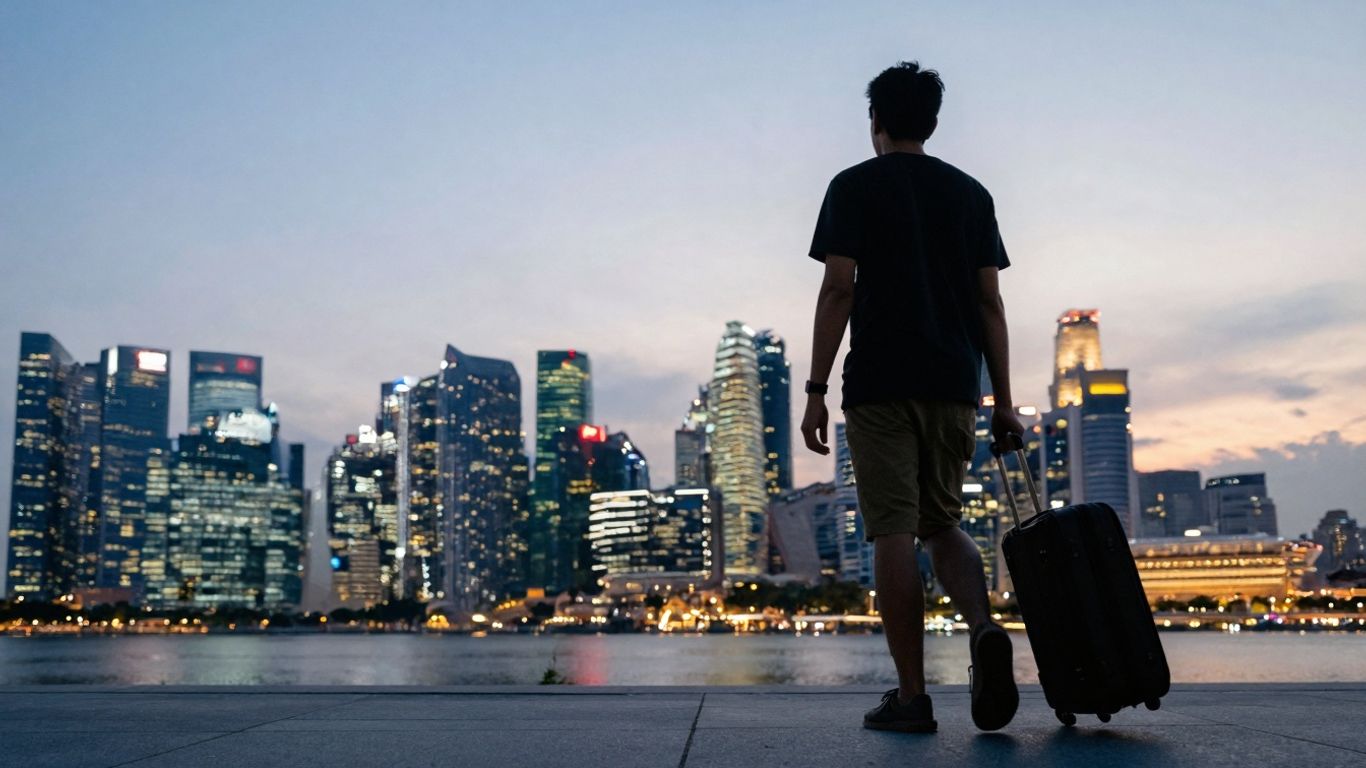
Singapore's job market is a bit of a mixed bag for expats these days. While it's still a major hub for finance and tech, things are getting tighter. The days of easily landing a high-paying role just because you're foreign are pretty much over. Companies are increasingly looking for local talent, and the competition is fierce. You really need to have specialized skills or a very specific niche to stand out.
Assessing Job Market Dynamics For Expats
It's not just about having a degree anymore. Employers are looking for proven experience and a track record that shows you can hit the ground running. For many, the traditional employment visa route is becoming harder to secure without a strong, in-demand skill set. Some sectors, like fintech and advanced manufacturing, are still actively seeking international professionals, but even there, the bar is high. You might find that your qualifications from back home don't always translate directly, and you'll need to demonstrate how your experience is relevant to the Singaporean context.
The Role Of Geopolitical Tensions On Business Relocation
Global events can really shake things up, and Singapore isn't immune. With all the talk about trade wars and shifting alliances, some multinational companies are rethinking their regional hubs. This can mean fewer opportunities for expats if a company decides to scale back its Singapore operations or move certain functions elsewhere. It’s a bit unsettling when you’re trying to build a career, as you never quite know when external factors might impact your job security or the availability of new roles.
Adapting To Singapore's Regulatory Environment
Singapore has a lot of rules, and they can be complex. Getting a work pass, for example, involves a lot of paperwork and meeting specific criteria that change. The government is keen on developing local talent, so policies are often geared towards that. You need to be really on top of the latest regulations regarding employment, visas, and even starting your own business. It’s not impossible, but it requires patience and a willingness to understand the local system.
The landscape for expat careers in Singapore is evolving. While opportunities exist, they demand a more strategic approach, specialized skills, and a keen awareness of the local economic and regulatory climate. Simply expecting a smooth transition based on past expat experiences might lead to disappointment.
Personal Well-being And Lifestyle Adjustments
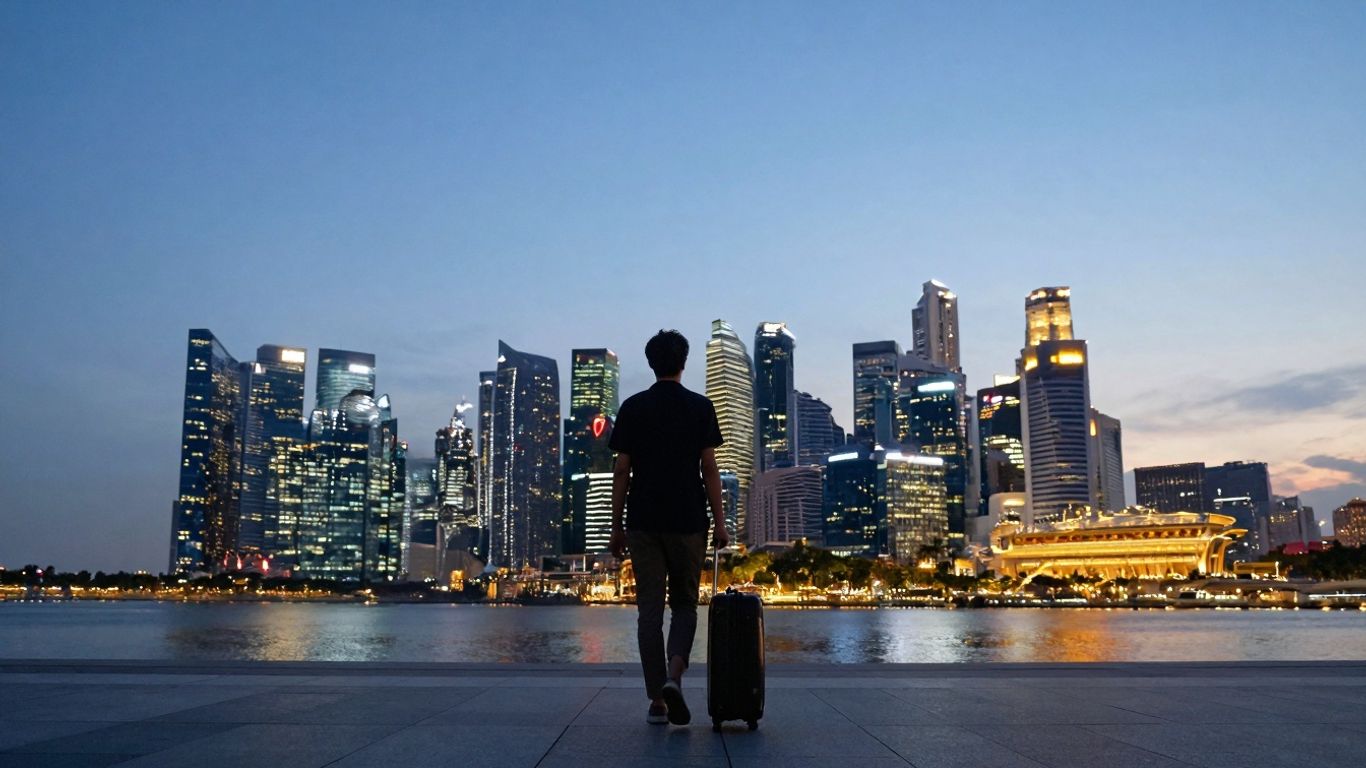
Coping With Singapore's Intense Climate
Singapore's heat and humidity can be a real shock, especially if you're coming from somewhere with four distinct seasons. It's not just about feeling sticky; the constant high temperatures can really wear you down. Staying hydrated is key, obviously, but also finding ways to cool off is important. Think about places with good air conditioning – malls, libraries, even some cafes can be a lifesaver on a really hot day. Planning outdoor activities for early mornings or late evenings can make a big difference too. Don't underestimate the impact of the climate on your energy levels and mood.
The Psychological Impact Of Constant Efficiency
Singapore is famous for its efficiency, which is great for getting things done. Public transport runs like clockwork, services are generally prompt, and there's a sense of order. But sometimes, this relentless efficiency can feel a bit… much. It can create an environment where there's little room for error or spontaneity, and that can be mentally taxing. You might find yourself feeling a pressure to always be productive, always on time, always optimized. It's a subtle thing, but it can lead to burnout if you're not careful. It's worth remembering that it's okay to slow down, to not be perfectly efficient all the time.
Balancing Convenience With Privacy Concerns
Living in a place like Singapore means you get a lot of convenience. Everything is accessible, from food delivery to banking to shopping. But this high level of connectivity and convenience can sometimes blur the lines of privacy. Your data is everywhere, and the sheer density of people means less personal space in public. It’s a trade-off many expats grapple with. You get the ease of modern living, but you might feel a bit more exposed or less anonymous than you're used to. Finding that balance between enjoying the convenience and maintaining your personal boundaries is something you'll likely have to figure out.
Here are a few things to consider:
- Schedule downtime: Actively block out time in your week where you don't have to be productive or efficient. Read a book, take a leisurely walk, or just do nothing.
- Seek out nature: Despite being a city, Singapore has some beautiful green spaces. Spending time in parks or nature reserves can be a great way to decompress.
- Connect with others: Talk to other expats about their experiences. Sharing challenges and coping strategies can be really helpful.
- Set digital boundaries: Be mindful of what you share online and consider adjusting privacy settings on apps and social media.
The constant hum of activity and the drive for optimization can be exhilarating, but it's easy to get caught up in the pace and forget to check in with yourself. Recognizing when you need a break and actively creating space for rest and personal reflection is vital for long-term well-being.
Financial Planning For Expats Abroad
Moving abroad is exciting, but it can also mess with your money if you're not careful. It's not just about the big stuff like buying a house; it's the little things that can add up and really hurt your savings over time. You need a solid plan to keep your finances in check.
Avoiding Unnecessary Overseas Fees
Lots of expats don't realize they're paying extra just because they live outside their home country. This can happen with old bank accounts, investment plans, or even things like pension funds. Sometimes, these fees are hidden in the fine print. It's worth getting a check-up on all your accounts to see if there are ways to cut down on these charges. Think about it like this: if you're paying extra every month for something you don't really need, that money could be working for you elsewhere.
Addressing Gaps In Insurance Coverage
Your employer might offer some insurance, which is great, but it's often not enough. What happens if you leave that job, or if the company downsizes? That coverage can disappear pretty fast. You might find yourself without health insurance, or worse, without income protection if you get sick. It's a good idea to look into what your employer provides and then see what else you might need. Getting new insurance after you've had a health issue can be really expensive, or sometimes impossible.
Here are some common areas where expats find gaps:
- Hospitalization coverage
- Critical illness insurance
- Income protection
- Life insurance
Mitigating Cross-Border Tax Inefficiencies
Dealing with taxes in more than one country can get complicated. You might end up paying taxes twice on the same income, or your investments might not be set up in the best way for your situation. This is where having a plan that looks at all your money, no matter where it is, can save you a lot of headaches and money. It's about making sure your assets are working together, not against each other, and that you're not giving the taxman more than you have to. For Americans, understanding things like the Foreign Earned Income Exclusion is key to managing your tax obligations.
It's easy to think that because you're earning well abroad, your finances are automatically in good shape. But without paying attention to these details – the fees, the insurance, the taxes – you could be losing out on a lot of potential wealth. A little bit of planning now can make a big difference down the road.
The Evolving Expat Landscape In Asia
Shifting Trends In Expat Destinations
Asia isn't the one-size-fits-all destination it once was for expats. While places like Singapore remain popular for their stability and business opportunities, there's a noticeable shift towards countries offering a better balance of cost of living and lifestyle. Southeast Asia, in particular, is seeing a surge in interest. Think Thailand with its new Long-Term Resident visa, or Vietnam where you can live quite comfortably for around $1,500 a month. It’s not just about finding a job anymore; it’s about finding a place that fits your budget and your life.
Understanding New Visa Opportunities
Governments across Asia are getting smarter about attracting talent. We're seeing a lot more specialized visas popping up. South Korea, for instance, now has a digital nomad visa, and Japan offers a fast-track for highly skilled professionals. These aren't just generic work permits; they're designed for specific types of people, like remote workers or those with advanced degrees. This means planning your move requires a closer look at the specific immigration policies of your target country. It’s a good idea to check out resources that track these changes, like those detailing moving to Asia guide 2025.
The Allure Of Lower Living Costs In Asia
Let's be real, a big part of the expat dream is stretching your money further. Countries like Cambodia and the Philippines are becoming increasingly attractive because your salary can go so much further there compared to Western countries or even Singapore. You can often cut your monthly expenses by half or more, depending on your lifestyle. This doesn't mean sacrificing quality, either. Many of these places offer excellent healthcare and a vibrant social scene, just at a much lower price point.
Here's a quick look at estimated monthly living costs for a single person (excluding rent):
| City | Estimated Monthly Cost (USD) |
|---|---|
| Bangkok, Thailand | $1,000 - $1,500 |
| Da Nang, Vietnam | $1,200 - $1,800 |
| Manila, Philippines | $900 - $1,400 |
| Chiang Mai, Thailand | $1,100 - $1,600 |
The trend is clear: Asia is diversifying its appeal. It's no longer just about the established hubs. New opportunities are opening up in places that offer a more affordable and perhaps more authentic experience, catering to a wider range of expat needs and desires.
So, Are Expats Really Leaving Singapore?
It's clear that Singapore, while still a major hub, isn't the automatic expat paradise it once seemed for everyone. The shine might be wearing off for some, as the high costs, the subtle social dynamics, and the sheer pace of life start to outweigh the benefits. While the city-state continues to attract businesses and offers a unique lifestyle, the dream of effortless living is being replaced by a more realistic view. For many, the decision to leave isn't a dramatic exit, but a quiet realization that Singapore's chapter in their lives might be closing, making way for new adventures elsewhere. It’s a complex picture, and the trend suggests that while Singapore remains a global player, its expat appeal is definitely evolving.
Frequently Asked Questions
Why are expats thinking about leaving Singapore?
Some expats are considering leaving Singapore because the cost of living has gone up, making it harder to save money. Also, making deep friendships can be tough because many expats move around a lot. Sometimes, career chances might be better elsewhere, or people miss certain things from home.
How does the cost of living affect expats?
Things like rent, food, and daily expenses can add up quickly in Singapore. Even small, unnoticed costs can make a big difference over time. If the value of money you send home or save decreases, it feels like your savings are shrinking, even if you're earning the same amount.
Is it hard to make friends in Singapore as an expat?
It can be challenging because the expat community is always changing. People often come for a few years and then move on. While it's easy to meet people, building lasting friendships takes effort, especially when you try to connect beyond just surface-level chats or shared work.
What are some career challenges for expats in Singapore?
The job market can be competitive, and sometimes it's hard for expats to find jobs that match their skills or career goals. Global events and changing business rules can also affect job availability and the types of companies that choose to set up shop there.
How does Singapore's climate affect expats?
Singapore is very hot and humid all year round. This can be tough to get used to and might make outdoor activities uncomfortable. Many people end up spending more time indoors in air-conditioned places, which can change how they experience the city.
Are there financial mistakes expats make in Singapore?
Yes, some common mistakes include not managing money exchange rates well, which can lower the value of savings. Others are leaving retirement funds in cash where they don't grow, paying too much in bank fees, or not having the right insurance coverage for unexpected health issues or job loss.
The Moveandstay editorial team writes about serviced living, workspaces, and city guides across Asia-Pacific.
Read next

Serviced Offices Surge in Popularity as Businesses Embrace Flexible Leasing
May 3, 2026

Hong Kong Serviced Apartment Market Buzzes with Sales and Investment Activity Amidst Shifting Valuations
May 3, 2026

ONYX Hospitality Group Elevates Shama Serviced Apartments with New Lifestyle Concept and Ambitious Expansion
Apr 26, 2026