
Remember when China felt like a revolving door for international talent? Well, things have definitely changed. The days of a constant stream of expats arriving and departing seem to be over, at least for now. A lot has shifted, from the sheer number of foreigners living and working there to how they experience daily life and career paths. It's a whole new ballgame, and understanding these changes is key for anyone involved with China.
Key Takeaways
- The number of expatriates in China has significantly decreased, with a noticeable shift in the demographics of those who remain, seeing fewer Westerners and more from the Global South.
- The COVID-19 pandemic and China's strict travel policies created a sense of isolation for expats, making international business connections harder and increasing the reliance on Mandarin skills.
- Multinational corporations face challenges in recruiting foreign talent as the job market tightens and traditional expat roles are increasingly localized.
- China's slowing economy and global trends like decoupling are reshaping the business environment, impacting everything from job availability to the practicalities of expat living, like finding serviced apartments in Shanghai.
- While challenges exist, remaining expats may find new opportunities for career advancement due to talent shortages, and new arrivals often enter with a different perspective, unaware of the pre-pandemic era.
The Shifting Expatriate Landscape
Declining Numbers and Changing Demographics
It’s pretty clear that the number of expats living and working in China has taken a nosedive. We're not just talking about a small dip; some cities have seen really significant drops. For instance, reports from Beijing indicated a 40% decrease in long-term foreign residents over a decade. Shanghai's situation is even more striking, with some estimates showing a massive 64% fall in its foreign population in just five years, from over 200,000 down to around 72,000. This isn't just a random fluctuation; it's a fundamental change in who is coming to China. While Western expats are leaving in larger numbers, there's a noticeable increase in people arriving from countries in the Global South. This shift in demographics means the expat community looks and feels quite different now than it did even a few years ago.
Impact on International Trade and Investment
The presence of expatriates has always been linked to how much international trade and investment a country sees. When more foreigners are living and working in a place, it tends to lower the costs and difficulties associated with doing business across borders. They help share information, build connections, and generally make it easier for companies to operate. This means that as the expat numbers shrink, we might see a corresponding effect on how much trade and investment flows into China. It's a bit like a ripple effect; fewer people on the ground can mean fewer deals being made and less money being invested.
The Shanghai Expat Population Collapse
Shanghai, once a major hub for international professionals, has experienced a particularly dramatic decline in its expat population. The numbers have fallen off a cliff, with estimates suggesting a drop of over 60% in just five years. This isn't just a statistic; it represents a significant change for the city's international character and its business environment. The reasons are complex, but the pandemic and its aftermath, coupled with broader geopolitical shifts, have clearly made Shanghai a less appealing destination for many foreign workers. This "collapse" has real consequences for businesses that relied on this talent pool and for the city's global image.
Navigating the New Realities of Expat Life
The world feels a lot smaller these days, or at least it used to. But lately, especially with China, it feels like the opposite is happening. The pandemic really threw a wrench in things, didn't it? Suddenly, hopping on a plane for a business trip or even a family visit became a major operation, if it was possible at all. For many expats, being stuck on one side of the world while their families or businesses were on the other was just too much.
The Pandemic's Profound Impact on Connectivity
Remember when international travel was just... a thing you did? For a while there, it felt like China went into its own little bubble. Visa rules, sky-high flight prices, and just a general feeling of uncertainty made visiting or leaving a huge hassle. This isolation really changed the expat experience. It wasn't just about being far from home; it was about feeling cut off.
- Forced separations from family and friends became common.
- Business travel turned into a complex logistical puzzle.
- Remote work became the norm, but it couldn't replace face-to-face interactions.
The shift to online work during the pandemic, while necessary, severed many of the personal connections that are so important in Chinese business culture. This has made building and maintaining relationships much more difficult.
Increased Isolation and the Importance of Mandarin
Being an expat in China used to mean being part of a bustling international community. But with fewer people coming and going, and many long-term residents leaving, that community has shrunk. For those who don't speak Mandarin fluently, this isolation can be even more pronounced. Suddenly, being able to chat with locals, understand daily announcements, or even just order food without a struggle became a much bigger deal.
Challenges for Multinational Corporations
Companies that have operated in China for years are facing a new landscape. The old ways of doing business, which often relied on a steady stream of expat talent and easy international connections, are no longer a given. Finding skilled foreign workers is harder, and the global push for 'decoupling' adds another layer of complexity. It's a tough balancing act trying to keep operations running smoothly while adapting to these significant shifts.
| Challenge Area | Pre-Pandemic Reality |
|---|---|
| Talent Acquisition | Easier access to international talent |
| Business Travel | Frequent and relatively simple |
| Networking | Relied heavily on in-person meetings and events |
| Supply Chain Connectivity | Robust and less prone to disruption |
| Overall Expat Experience | More connected, less isolated |
The Evolving Role of Foreign Talent
From 'Dragon Suits' to Localized Leadership
Remember the days when foreign managers, often called 'dragon suits,' were the default choice for top positions in multinational companies here? It was a different era. Back then, the idea was that these expats brought a certain global perspective, a connection to headquarters, and maybe even a bit of prestige. But things have really shifted. Companies are increasingly looking to local talent to fill these roles. It makes sense, really. Chinese managers often have a better grasp of the local market, understand the cultural nuances, and have built up those essential networks over years. Plus, let's be honest, it can cut down on costs and simplify things for the company.
This move towards localization isn't just about saving money, though. It's also about integrating better. Local leaders can often connect more effectively with domestic clients and navigate the complexities of the Chinese business environment in ways that an outsider might struggle with. It's a natural progression as China's own talent pool has grown so much stronger and more capable.
Opportunities in Niche Industries
While the overall landscape for expats might be changing, there are still specific areas where foreign expertise remains highly sought after. Think about cutting-edge technology, specialized research and development, or certain high-finance sectors. These fields often require skills and knowledge that are still developing within China, creating openings for skilled foreigners.
- Advanced Manufacturing: Expertise in areas like robotics, automation, and specialized materials.
- Biotechnology and Pharmaceuticals: Research, development, and clinical trial management.
- Green Technology: Innovations in renewable energy, sustainable development, and environmental protection.
- FinTech and Digital Innovation: Developing new financial technologies and digital platforms.
These aren't just jobs; they're often roles where international collaboration and knowledge transfer are key. Companies are actively looking for individuals who can bring a global perspective to these specialized fields, helping China stay at the forefront of innovation.
The 'Immigration Without Integration' Phenomenon
There's an interesting trend emerging, sometimes described as 'immigration without integration.' This refers to a situation where highly skilled foreigners might come to China for specific projects or roles, but they don't necessarily put down deep roots or become fully immersed in the local culture. They might live in expat enclaves, work in international teams, and maintain strong ties to their home countries.
This dynamic can create a unique challenge. While these individuals bring valuable skills, their limited integration might mean less knowledge transfer to the local workforce and a weaker connection to the broader Chinese society. It's a different kind of expat experience than we saw in the past, where many aimed for a more permanent life and deeper cultural engagement.
This situation is often driven by a mix of factors. Sometimes it's the nature of the job itself – short-term assignments or highly specialized roles. Other times, it's the practicalities of life in China, like the cost of living, educational options for children, or even just the desire to maintain connections with family back home. It's a complex picture, and it means the definition of what it means to be an expat in China is constantly being redefined.
Adapting to a New Economic Environment
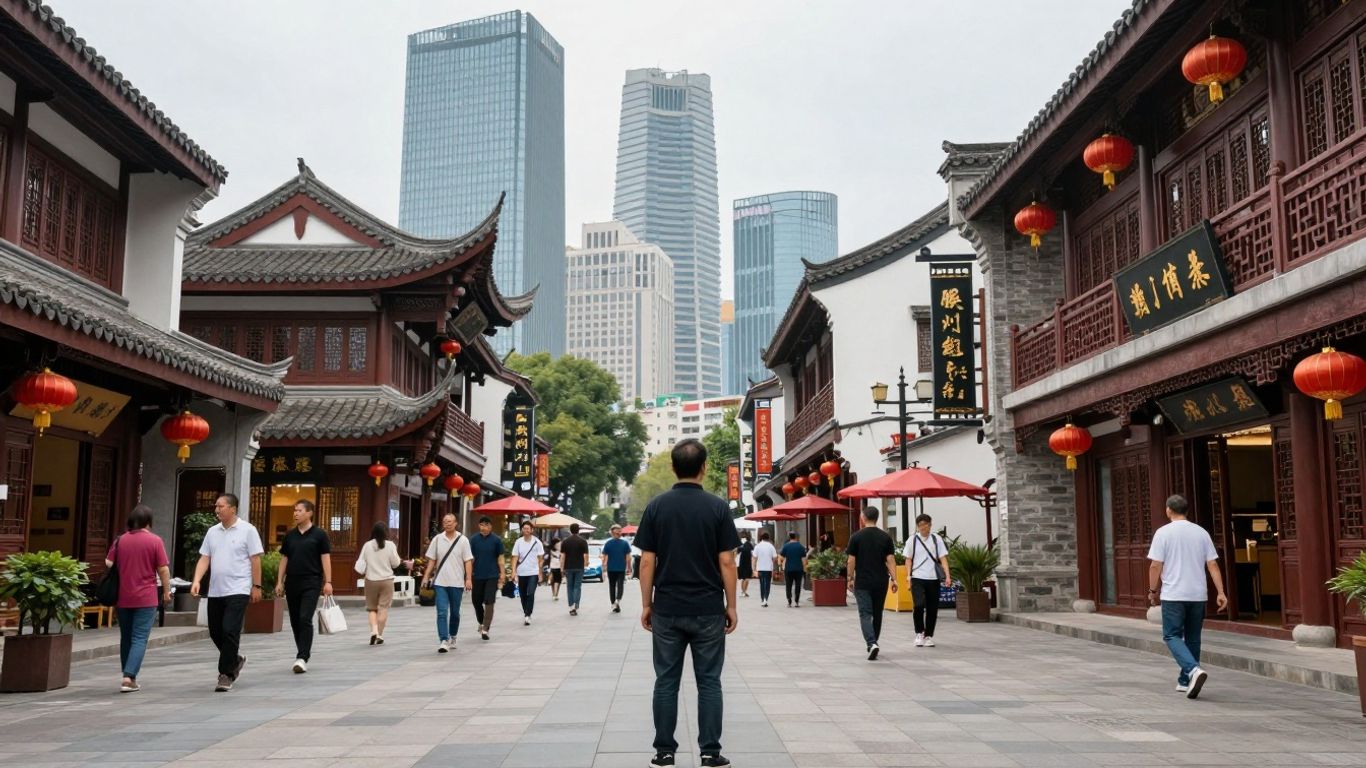
Things have definitely shifted economically, and it's not just a minor blip. The days of China's economy growing at breakneck speed seem to be behind us for now. This slowdown means the job market for everyone, including expats, has gotten a lot tighter. Companies are rethinking their strategies, and the once-abundant opportunities aren't quite as plentiful.
Slowing Economy and Tightened Job Market
The overall economic growth rate has moderated, which naturally impacts hiring. Many sectors are feeling the pinch, leading to fewer openings for foreign professionals. This isn't to say there are no jobs, but the competition is fiercer, and companies are more selective. It's a different landscape than even a few years ago.
The Rise of Decoupling and Its Implications
We're hearing a lot about 'decoupling' these days. This refers to countries trying to reduce their reliance on China for goods and services, and vice versa. For expats, this can mean a few things:
- Shifting Business Focus: Some multinational corporations are reassessing their China operations, potentially leading to fewer roles for international staff.
- Increased Local Sourcing: Companies might prioritize local suppliers and talent, further impacting the demand for foreign expertise.
- Navigating New Regulations: As geopolitical tensions rise, businesses and their employees might face more complex rules and restrictions.
The push for greater self-reliance within China, particularly in technology and key industries, means that some roles previously filled by expats might be earmarked for local talent development. This is a long-term strategy that reshapes the talent pool.
Finding Serviced Apartments Shanghai Amidst Change
Even finding a place to live has changed. The demand for serviced apartments in places like Shanghai, once a steady market, now reflects the broader economic shifts. While still a popular choice for short-to-medium term stays, the availability and pricing might fluctuate more than before. It's worth doing your homework to find the best options that fit your budget and needs in this evolving market. The days of easily securing prime locations might be over, requiring more flexibility. This is part of the broader trend of China's increasing influence on global markets, which has ripple effects everywhere.
Challenges and Opportunities for Remaining Expats
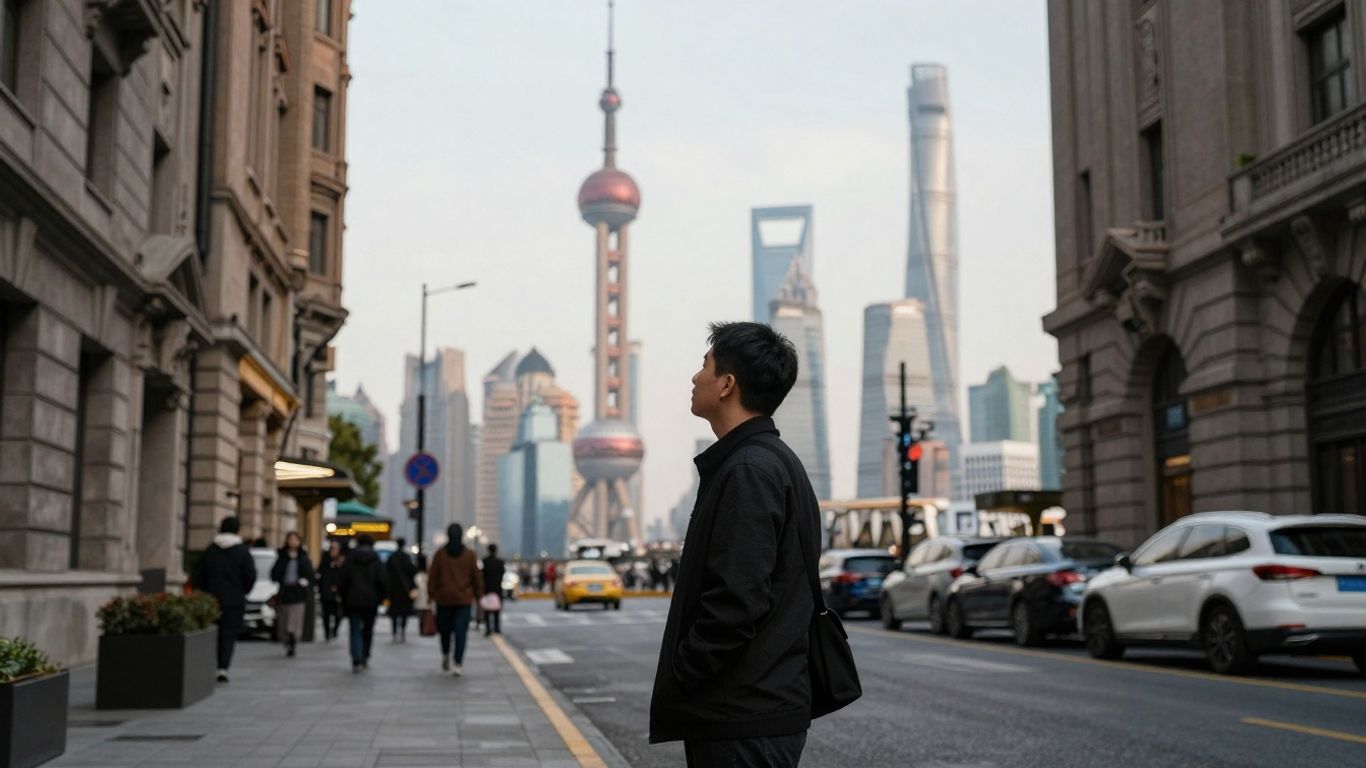
So, you're still here in China. That's saying something, right? After all the changes, the pandemic, and the general shift in how things work, sticking around means you've probably got a pretty solid reason for it. For many who've stayed, there's a definite sense of commitment that's built up over time. You've weathered the storms, learned to adapt, and maybe even found yourself in a better career spot because of it.
Forming Stronger Commitments to China
When you've been through the ups and downs, especially the isolation of the pandemic years, you tend to dig in. It's not just about the job anymore; it's about building a life here. This often means really committing to learning the language and understanding the local culture on a deeper level. It's a different ballgame than just passing through.
Career Upgrades Due to Talent Shortages
Funny thing about people leaving – it creates openings. For those expats who remained, especially in multinational companies, there's been a real chance to step up. With fewer foreign specialists around, companies have had to look internally, promoting existing talent or hiring expats who are already on the ground. This has led to some unexpected career advancements for people who might have otherwise been stuck.
Here's a look at how the expat landscape has changed:
| Year | Estimated Expat Population (Shanghai) | Percentage Change |
|---|---|---|
| 2018 | 200,000+ | - |
| 2023 | 72,000 | -64% |
The Experience of New Arrivals
For the expats arriving now, it's a completely different China than the one many of us knew before. They didn't experience the pre-pandemic era or the strict Covid controls. They're starting fresh, which can be both a challenge and an opportunity. They have to figure out this new version of China without the baggage of past expectations. It's a unique position to be in, and finding your footing can be tricky. Getting a handle on the basics, like finding suitable housing, is just the start.
The shift means that being an expat today requires a different mindset. It's less about being a temporary resident and more about integrating into a China that's evolving rapidly. Those who can adapt and see the opportunities in this new environment are the ones who will likely thrive.
It's not all smooth sailing, of course. The economic slowdown and the general tightening of the job market mean that opportunities aren't as plentiful as they once were. Plus, the ongoing geopolitical conversations can add a layer of complexity that wasn't there before. But for those who are committed, there are still paths forward, often in specialized fields or through taking on greater responsibilities within their companies.
The China Chapter Closes, But the Story Continues
So, what does it all mean? The days of the classic expat, the 'dragon suit' with a contract from HQ, are pretty much over. China's doors, once wide open, have become much trickier to navigate, especially after the pandemic really shook things up. Travel is harder, connections are tougher to build, and honestly, it's just a lonelier gig now for many. While some new faces are still arriving, often from different parts of the world, and certain industries still need foreign talent, the overall picture has definitely shifted. The massive drop in expat numbers, particularly from Western countries, isn't just a statistic; it's changing how business gets done and how people experience life there. It feels like a whole era has passed, and while China will always draw talent, the expat experience itself has been permanently altered.
Frequently Asked Questions
Why are there fewer foreigners living and working in China now?
Several things have caused fewer foreigners to live and work in China. The biggest reason is the strict travel rules put in place because of the COVID-19 pandemic. These rules made it very hard to travel in and out of the country. Also, some people have found it harder to connect with others and feel more alone, especially if they don't speak Chinese. Some companies are also hiring local people for jobs instead of foreigners.
How has the pandemic changed life for people living in China?
The pandemic made it much harder for people to travel, both for work and to see family. Many had to work from home or through online meetings. For those living in China, it meant being separated from loved ones outside the country for long periods. It also made it tougher to build business connections in person, which is important in Chinese business culture.
What does 'expat exodus' mean?
The term 'expat exodus' means that a large number of foreign workers, also called expatriates, have left China. This happened especially during and after the COVID-19 pandemic because of the difficulties in travel and living there. Many foreigners who planned to stay ended up leaving.
Are there still job opportunities for foreigners in China?
Yes, there are still job opportunities, but the situation has changed. While the overall number of expats has gone down, some industries like medicine, luxury goods, and certain types of services still need foreign experts. Sometimes, when foreigners leave, companies look to hire other foreigners already in China to fill those roles, which can lead to career growth for those who stay.
What is 'localization' in the context of jobs in China?
Localization means that companies are hiring more local Chinese people for jobs, including management positions, instead of hiring foreigners. This was done to save money, better understand the local market, and give local talent more opportunities. While it has been successful in many ways, it has also made it harder for some foreign companies to find the foreign staff they need.
What challenges might a new foreigner face when moving to China today?
Newcomers might face culture shock and have expectations that are hard to meet at first. The pace of work can be very fast in big cities. They might also find that politics plays a role in business more than they expect. The feeling of being a 'foreigner' can also be strong, sometimes described as 'immigration without integration,' meaning people live and work there but might not feel fully part of the society.
Filed under
The Moveandstay editorial team writes about serviced living, workspaces, and city guides across Asia-Pacific.