Why companies stopped signing long office leases in Singapore
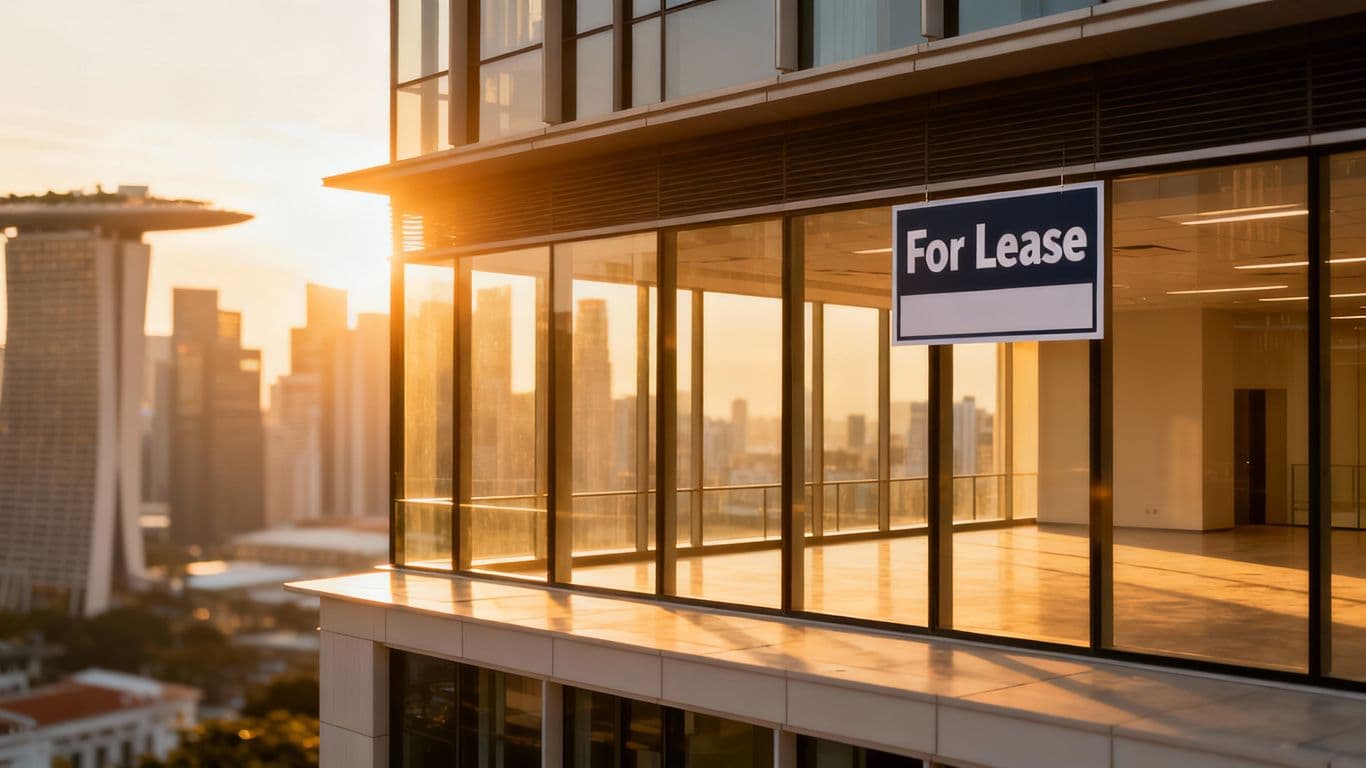
Remember when companies used to sign those super long office leases in Singapore? Like, 10 or 15 years? Yeah, those days seem to be fading fast. Things have changed a lot. It feels like everyone's rethinking how much space they really need and for how long. Economic ups and downs, plus the whole hybrid work thing, have really shaken things up. So, why are businesses suddenly getting shy about those big, long-term commitments? Let's break it down.
Key Takeaways
- Companies are opting for shorter office leases in Singapore due to economic uncertainty and the rise of hybrid work models, which have changed how much space is actually needed.
- The demand for flexible office space Singapore is growing as businesses prioritize agility and the ability to adapt quickly to changing needs over long-term commitments.
- Smaller tenants are becoming more active in the market, driving demand for adaptable office solutions as larger companies reassess their footprints.
- Renewing existing leases, even for smaller spaces and shorter terms, is often preferred over relocating due to the high costs and difficulties associated with finding and fitting out new Grade A office spaces.
- The tech sector, once a major driver of office expansion, is now consolidating and downsizing, with a focus on how AI might impact future space requirements, further influencing leasing decisions.
The Shifting Landscape of Office Leases in Singapore
Things are definitely changing when it comes to how companies in Singapore are signing office leases. Gone are the days when everyone just automatically signed on for five or ten years without a second thought. It feels like the whole market is taking a deep breath and rethinking its approach.
Economic Uncertainty Drives Shorter Commitments
Let's be real, the global economy has been a bit of a rollercoaster lately. This uncertainty makes businesses hesitant to lock themselves into long-term commitments. It's like trying to plan a picnic during monsoon season – you're just not sure what the weather will bring. So, when leases expire, many companies are opting for shorter renewals, even if it means paying a bit more per square foot. It's a trade-off for flexibility. This trend was a big reason why rents saw a slight bump in early 2024, not because of a flood of new leases, but because existing tenants were renewing for less space and shorter periods.
Hybrid Work Models Redefine Space Needs
Remember when everyone rushed back to the office full-time? Well, that didn't quite stick for everyone. Hybrid work, where people split their time between home and the office, is still very much a thing. This setup means companies don't necessarily need as much space as they used to. They're looking at how to make their existing space work better, maybe by adding more quiet zones or collaborative areas, rather than just taking on more square footage. It's a big shift from the pre-pandemic mindset of needing a desk for every single employee, every single day. This reevaluation of space needs is a key factor influencing office leasing strategies.
Cost Considerations Influence Leasing Decisions
Beyond the economic jitters and hybrid work, plain old cost is a huge driver. Finding a new Grade A office space in prime areas can be tough and expensive. Then there's the cost of fitting out a new place – new furniture, IT infrastructure, the whole nine yards. It adds up fast. So, even with shorter leases potentially costing more per square foot, renewing a current lease for a smaller, shorter term often makes more financial sense than moving. It's about balancing the immediate costs with the long-term benefits and risks. This careful consideration is reshaping how businesses approach their office footprint.
The days of automatically signing long leases are fading. Companies are now prioritizing agility and cost-effectiveness, driven by economic uncertainty and evolving work styles. This means shorter lease terms and a more strategic approach to office space are becoming the norm in Singapore.
The Rise of Flexible Office Space Singapore
It feels like just yesterday everyone was talking about needing massive office spaces, but things have really changed. Now, a lot more companies are looking at flexible office solutions instead of signing those long, drawn-out leases. It just makes more sense for a lot of businesses right now.
Demand for Agility Over Long-Term Leases
Companies are realizing that locking themselves into a 5- or 10-year lease isn't always the smartest move. The business world moves fast, and being able to adjust your office space quickly is a big plus. Flexible spaces offer just that. You can often scale up or down more easily depending on your needs, which is a huge relief when you're not sure what the next year will bring. This agility is becoming a top priority, especially with economic forecasts being a bit all over the place. It's about having options, not being tied down.
Smaller Tenants Driving Market Activity
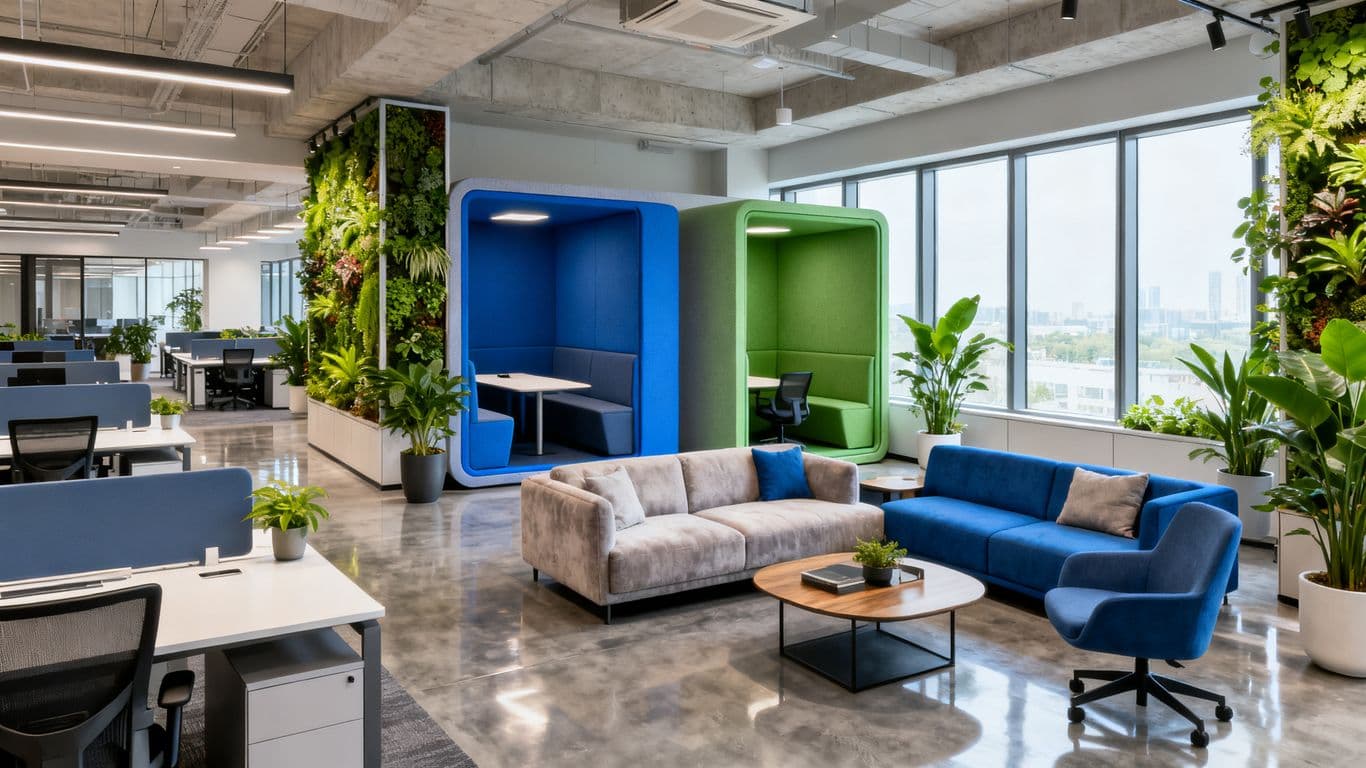
We're seeing a lot of smaller businesses and startups really embracing flexible workspaces. They might not have the budget or the need for a huge, dedicated office right away. Flexible options allow them to get a professional setup without a massive upfront cost. Even larger companies are using these spaces for specific teams or projects. It's not just about coworking desks anymore; there are private offices and meeting rooms available too. This has really opened up the market, making it more accessible for a wider range of companies. In fact, Singapore has been identified as the most expensive flexible office market in the Asia-Pacific region, showing just how much demand there is.
Adapting to Evolving Business Requirements
Think about it: how many times has your company's needs changed in the last few years? Probably a lot. Hybrid work models, project-based teams, and fluctuating employee numbers all mean that a fixed office space can quickly become either too big or too small. Flexible office providers are built to handle this. They offer different types of spaces and terms, so you can find something that fits your current situation. It's a practical way to manage your real estate costs and ensure your workspace actually supports how your team works, rather than hindering it.
The shift towards flexible office solutions isn't just a trend; it's a response to a more dynamic business environment. Companies are prioritizing adaptability and cost-effectiveness, and flexible spaces are stepping up to meet that demand.
Here’s a quick look at why companies are leaning towards flexibility:
- Cost Control: Predictable monthly fees often include utilities and services, making budgeting easier.
- Scalability: Easily add or remove desks and offices as your team size changes.
- Location Options: Access to prime business districts without the long-term commitment.
- Amenities: Often come with built-in services like reception, IT support, and meeting rooms.
This approach allows businesses to focus more on their core operations and less on the headaches of traditional office management. It's a smarter way to handle office space in today's world.
Factors Influencing Lease Renewals and Relocations
When a company's lease is up for renewal in Singapore, a few big things tend to sway their decision on whether to stay put, move, or downsize. It's not just about finding a new place; it's a whole calculation.
Premium for Shorter Lease Terms
Landlords know that the market is a bit shaky, and companies are hesitant to commit for ages. So, if you want to renew your lease but only for a shorter period, say two or three years instead of the usual five, they'll likely charge you more per square foot. It's like paying extra for flexibility. Even with this higher per-square-foot cost, many businesses find it a sensible move. Why? Because finding a comparable Grade A office space in the central business district can be a real headache, and the costs to set up a new place from scratch are just going up.
Challenges in Finding New Grade A Spaces
Let's be real, snagging a prime Grade A office space in Singapore isn't easy. There's a lot of competition, and when leases expire, companies often find that the available options that match their needs and budget are scarce. This scarcity pushes up prices and makes the whole process of relocating a lot more complicated than it might seem at first glance. It often means companies have to compromise on location, size, or quality, which isn't ideal.
Costs Associated with Refurbishing New Offices
Moving isn't just about the rent. You've got to factor in the cost of fitting out a new space. This can include everything from new carpets and paint to building out meeting rooms, installing IT infrastructure, and furnishing the place. These refurbishment costs can add up quickly, sometimes to hundreds of thousands of dollars, depending on the size and complexity of the fit-out. For many businesses, especially those trying to cut costs, the expense of a full refurbishment makes renewing a shorter lease in their existing, or a similar, location a much more attractive proposition. It's often cheaper to pay a bit more per square foot for a shorter term than to fork out a massive sum for a brand-new setup.
The current economic climate, with its uncertainties and rising operational costs, is making businesses rethink long-term commitments. They're looking for ways to stay agile and manage expenses, which often means opting for shorter lease renewals even if it comes at a slightly higher per-square-foot rate. The cost and hassle of relocating and refurbishing a new space are significant deterrents.
Here's a quick look at what influences these decisions:
- Economic Outlook: Global and local economic stability plays a huge role. When things look uncertain, companies lean towards shorter commitments.
- Hybrid Work Policies: As companies figure out their long-term hybrid work strategies, they adjust their office space needs accordingly. Some might need less space overall, while others might need more flexible layouts.
- Fit-out Expenses: The price tag for designing and building out a new office can be a major deciding factor. Companies weigh this against the cost of renewing and potentially reconfiguring their current space.
- Availability of Suitable Spaces: Finding the right Grade A office space that meets size, location, and budget requirements can be tough, influencing the decision to renew rather than search for new premises.
Technology Sector's Evolving Office Footprint
From Expansion to Status Quo
The tech industry used to be all about rapid growth, gobbling up huge office spaces across Singapore. Think massive floors, sprawling campuses – the whole nine yards. But things have really shifted. We're not seeing those big expansion plays anymore. Instead, many tech companies are either staying put with what they have or even scaling back. It’s a noticeable change from just a couple of years ago when the TMT sector was a major driver of office demand.
Impact of AI on Future Space Needs
Artificial intelligence is a big question mark hanging over office space. Companies are asking themselves, "If AI can handle a lot of what our people do, do we really need all this space?" It’s not just about having fewer people; it’s about how people work. AI could change job roles so much that the traditional office setup just won't fit anymore. Many businesses are waiting for their global headquarters to figure this out before making any big moves or spending money on new leases.
Consolidation and Downsizing Trends
We're seeing some pretty clear signs of tech giants consolidating their operations. Meta, for instance, moved its Singapore team into a single location at Marina One, leaving behind a significant chunk of space at South Beach Tower. Tencent also relocated one of its offices to a new tower after its lease ended. Even banks like Citi are giving up floors. It seems like a lot of this comes down to managing costs in an uncertain economic climate. Plus, with hybrid work models becoming the norm, companies are rethinking if they need that much physical space day-to-day.
The tech sector's office needs are definitely in flux. It's less about aggressive expansion and more about figuring out how to use space efficiently, especially with AI potentially changing the game and hybrid work models sticking around. Companies are being cautious, looking at costs, and waiting for clearer direction on how AI will reshape their workforce before committing to long-term leases.
Here's a quick look at some of the moves we've seen:
- Meta: Consolidated from South Beach Tower to Marina One.
- Tencent Holdings: Relocated one office to CapitaSky after its lease expired.
- Citi: Giving up one of its six floors at Asia Square Tower 1, citing hybrid work.
- BNP Paribas: Reportedly considering a smaller space at Ocean Financial Centre.
The Future Outlook for Singapore's Office Market
Limited New Supply and Potential Tightening
So, what's next for Singapore's office scene? Well, it looks like things might get a bit tighter in the coming years. We're not seeing a huge wave of new office buildings popping up, at least not in the immediate future. After 2027, the amount of new office space hitting the market is expected to be less than what we've seen historically. This means that if demand picks up, we could see rents start to climb again. It's a bit of a waiting game, really. The market has had its ups and downs, with some big buildings finishing up recently, which added a lot of space all at once. But that's mostly absorbed now, and the pipeline for new construction is pretty lean.
Emerging Demand Drivers
Even with the current shifts, there are some interesting new things pushing demand. For starters, the whole artificial intelligence (AI) boom is a big deal. Companies are looking at how AI will change their work, and that's making them rethink their office needs. We're already seeing big names, like OpenAI, planning to set up shop here. That's a pretty clear signal that Singapore is still a magnet for global tech players. Plus, there's a steady interest from wealth management firms and other professional services companies looking for space. While they might not take up massive chunks like some tech giants used to, their consistent need for space adds up.
Attractiveness of Singapore for Global Businesses
Let's be honest, Singapore has a lot going for it. It's got a fantastic talent pool, top-notch infrastructure, and a government that's really business-friendly. These aren't new things, but they're still super important for attracting companies from all over the world. Even with all the talk about hybrid work and shorter leases, the core advantages of Singapore remain. It's a stable place to do business, a gateway to Asia, and a hub for innovation. So, while the way companies use office space is changing, Singapore's appeal as a place to set up and grow isn't going anywhere.
The market is adapting, and while there's a lot of focus on current trends like hybrid work, the long-term fundamentals that make Singapore a prime location for businesses are still very much in play. Expect a more dynamic, perhaps smaller, but still robust office market.
Navigating the New Normal of Office Space
Prioritizing Space Efficiency
So, what does all this mean for companies trying to figure out their office situation in Singapore? It's a bit of a puzzle, honestly. Many businesses are realizing they don't need as much space as they thought, especially with more people working from home some days. Instead of just having empty desks, companies are looking at how to make the space they do have work better. Think about turning a big, unused area into smaller meeting rooms or quiet spots for focused work. It's all about getting more bang for your buck from the square footage you're paying for.
Balancing Headcount and Office Requirements
This is where things get tricky. On one hand, some companies are calling everyone back to the office full-time, like Grab and Amazon. That could mean needing more desks again. But then you have the whole AI thing. If AI can handle some tasks, do you really need as many people? It's a question many are still wrestling with, and it makes planning office space a real headache. Plus, moving and setting up a new office costs a ton of money, so most companies are hesitant to make big changes until they're absolutely sure.
The trend seems to be towards smaller, more flexible spaces that can adapt quickly. Companies are less keen on being locked into long leases for massive offices that might become obsolete in a few years.
The Role of Flexible Office Space Singapore
This is why flexible office spaces are becoming so popular. Instead of signing a three- or five-year lease for a whole building, companies can rent desks or small offices for shorter periods. It gives them a lot more wiggle room. Smaller businesses, in particular, are finding this a lifesaver. They can get a professional setup without the huge commitment of a traditional lease. It's a smart way to manage costs and stay agile in a market that's constantly changing. It seems like the days of massive, long-term office leases are definitely behind us for many.
The Takeaway
So, what does all this mean for Singapore's office scene? It's clear that the days of companies blindly signing decade-long leases are pretty much over. The pandemic really shook things up, and now, with hybrid work here to stay and everyone watching their wallets, businesses are getting smarter. They're opting for shorter leases, smaller spaces, or just renewing where they are, even if it means paying a bit more per square foot. It’s all about flexibility and keeping options open in a world that feels a bit uncertain. While some big players are still making moves, the trend is definitely towards being more agile. We'll likely see this continue as companies figure out exactly what their future office needs will be, especially with new tech like AI on the horizon. It’s a balancing act, for sure, but one that’s reshaping how and where we work in Singapore.
Frequently Asked Questions
Why are companies signing shorter office leases in Singapore now?
Companies are choosing shorter leases because the future of work is a bit uncertain. They don't want to be stuck with a big office for many years if their needs change. Things like working from home more often or using new technology could mean they need less space later on. Signing a shorter lease gives them more flexibility.
What is a 'hybrid work model' and how does it affect office space?
A hybrid work model means employees can work from home some days and come into the office on other days. This changes how much office space a company needs. Instead of needing a desk for everyone every day, they might need more shared spaces or fewer individual desks, leading them to look for smaller or more adaptable office setups.
Is it more expensive to sign a short lease than a long one?
Sometimes, yes. Landlords might charge a bit more per square foot for shorter leases because they prefer the security of a long-term commitment. However, companies might still find it a better deal overall, especially if moving to a new, big office and fixing it up would cost even more.
Are tech companies still expanding their offices in Singapore?
Not as much as before. Tech companies, which used to grab large office spaces, are now often staying put or even shrinking their space. They are waiting to see how new technologies like AI will change how they work before deciding on future office needs.
What is 'flexible office space'?
Flexible office space, sometimes called co-working spaces, offers offices that companies can rent for shorter periods or adjust as needed. Instead of signing a long lease for a whole building, they can rent desks or small offices for just a few months or a year. This is great for businesses that need to change their size quickly.
What does the future look like for office spaces in Singapore?
It seems like there won't be many new large office buildings built soon, which could make available space tighter. However, companies are still interested in Singapore because it's a good place for business. We'll likely see more companies looking for smart, efficient office spaces and using flexible options to manage their needs as the economy and technology continue to change.
Filed under
The Moveandstay editorial team writes about serviced living, workspaces, and city guides across Asia-Pacific.