
Why companies now relocate staff *without* long leases in HK

Hong Kong's office market is changing, and companies are rethinking how they handle office space, especially when they need to move staff. Gone are the days when everyone just signed on for a long lease without a second thought. Now, businesses are looking for more wiggle room, and that's leading to some interesting shifts in how office space is used and rented out. We're seeing a move away from those super-long commitments, and a big part of that is the rise of flexible office space Hong Kong companies can tap into.
Key Takeaways
- Tenant power has grown in Hong Kong's office market due to more available Grade A space and shifting business needs.
- Covid-19 policies and geopolitical factors have pushed some companies and staff to consider alternatives like Singapore.
- Traditional long-term office leases are becoming less attractive, prompting a search for more adaptable solutions.
- The rise of remote work and hot-desking is influencing how companies decide on the size and type of office space they need.
- Flexible office space Hong Kong options are becoming more popular as businesses seek agility and shorter commitments.
Shifting Dynamics in Hong Kong's Office Market
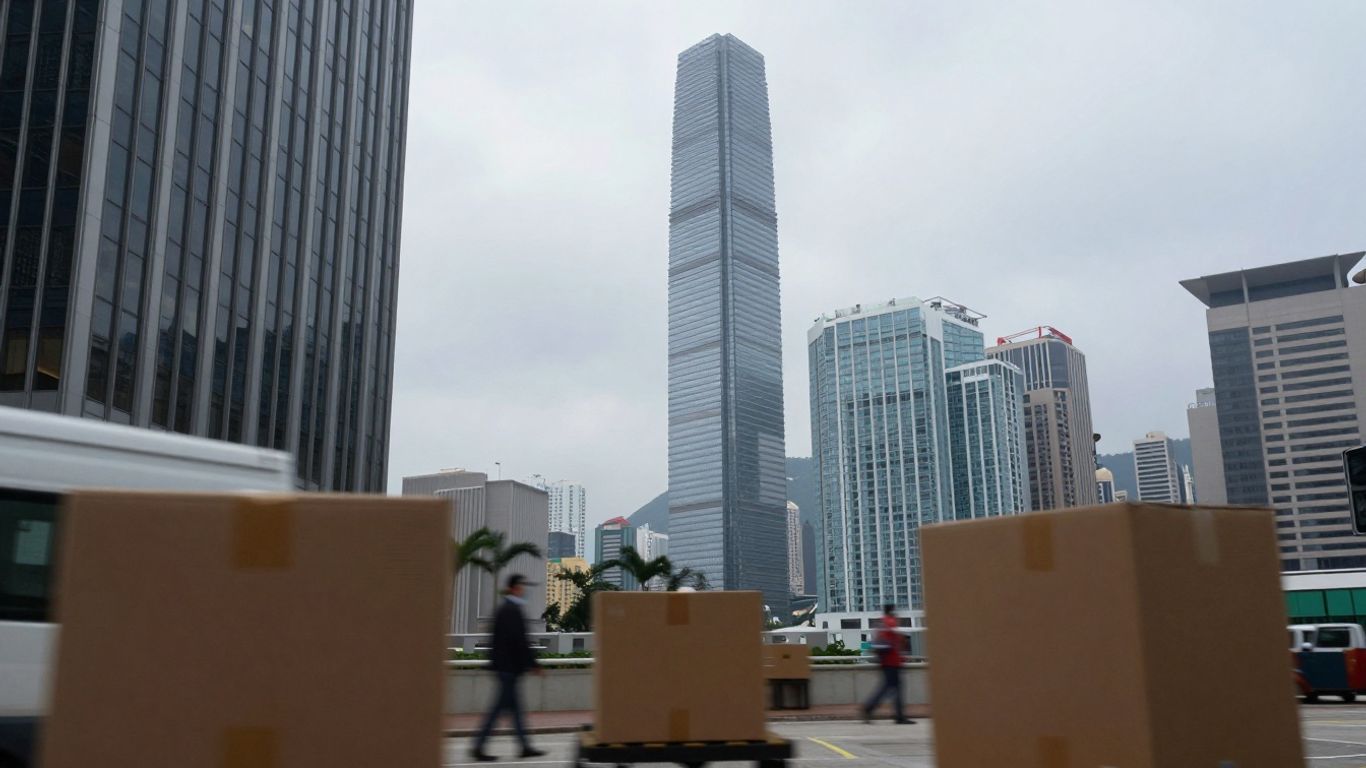
Things are definitely changing in Hong Kong's office scene. It feels like just yesterday landlords held all the cards, but now, tenants seem to have a bit more say. This shift isn't happening out of nowhere; there are a few big reasons why.
Tenant Bargaining Power Surges Amidst Market Changes
For a long time, if you wanted office space in Hong Kong, you pretty much took what you could get, on the landlord's terms. Leases were typically for two or three years, with not much room for negotiation. But lately, that's been flipping. Tenants are finding they can actually push for better terms. This is partly because the market has seen a lot more new, high-quality office buildings pop up. When there's more space available, landlords get a bit more eager to fill it, and that means they're more willing to listen to what tenants need.
The Impact of Increased Grade A Supply
Speaking of new buildings, the amount of Grade A office space hitting the market has been pretty significant. We've seen vacancy rates climb, especially since 2019. This isn't just about new construction, though; some demand has also softened from key sectors. With more options available, companies looking for space aren't forced to jump at the first thing they see. They can afford to be pickier, compare different locations, and negotiate things like lease length and break clauses more effectively. It's a real change from the past where you might have had to sign a long lease without much flexibility.
Evolving Landlord-Tenant Negotiations
Because of these market shifts, the way landlords and tenants talk about leases is changing. Landlords who used to be pretty rigid are now more open to discussing things like shorter lease terms or including clauses that allow tenants to adjust their space needs down the line. It's becoming more common to see negotiations around flexibility, which is a big deal for companies trying to plan for an uncertain future. This move towards a more balanced negotiation is a key part of how companies are rethinking their office strategies, perhaps looking at a core-and-flex model to manage their real estate footprint.
The 'Hong Kong Effect' and Talent Relocation
Covid-19 Policies Driving Relocation Decisions
It's no secret that Hong Kong's strict COVID-19 policies, which often mirrored mainland China's zero-COVID approach, really put a damper on things for a lot of people and businesses. Weeks of lockdowns, even in places like Shanghai, and all the stories that came with them, created a lot of unease. Many expats, frankly, got tired of the constant restrictions. They started telling their companies they'd had enough and wanted to move, especially if their jobs didn't involve dealing directly with China. The financial sector, in particular, felt the pinch. Some firms tried to keep their best people by offering moves to other cities, kind of like what happened before 1997. It wasn't something they talked about much publicly, but the message was clear: the inability to travel freely internationally was hurting Hong Kong's standing as a global financial hub.
Geopolitical Tensions and Business Sentiment
Beyond the pandemic rules, there were other big factors at play. The city had already seen a year of protests starting in 2019, and then the National Security Law was put in place. This combination of events, the protests and the strict COVID measures, made some companies and individuals rethink Hong Kong as their main base in Asia. It wasn't just about the virus anymore; it was about the broader business environment and stability. This uncertainty led many to look elsewhere.
Singapore as a Competitive Alternative
So, where did people and businesses look? Singapore really stepped up. It's been a popular spot for multinational companies for a long time, and it has many of the same advantages that drew businesses to Hong Kong initially. While it doesn't have China right next door for business potential, its political stability and neutral stance are big pluses, especially with all the geopolitical tensions in the region. It's seen a significant increase in temporary living bookings and has faced challenges finding long-term housing due to this surge. Many companies are now moving non-China related jobs there, and a good chunk of their staff are relocating to Singapore to have more freedom to travel for work. It's become a bit of a safe haven, and they've even made it easier for high-value talent to get visas.
While Hong Kong has faced significant challenges, it's important to remember its deep-rooted strengths. The city has decades of infrastructure built for finance and a strong common-law foundation. No other city in the APAC region can easily absorb the volume of business Hong Kong handles. The question for each company is their comfort level with the current government structure, but commercially, Hong Kong still holds a strong position.
Here's a quick look at how things shifted:
- Impact of COVID Policies: Strict measures led to talent dissatisfaction and relocation requests.
- Geopolitical Concerns: Protests and new laws added to business uncertainty.
- Singapore's Rise: Offered stability, travel freedom, and a pro-business environment, attracting companies and talent.
- Talent Drain: Over 113,000 residents left Hong Kong between mid-2021 and mid-2022, with many citing relocation to Singapore for easier travel.
| Factor | Hong Kong Impact | Singapore Advantage |
|---|---|---|
| COVID Restrictions | Strict, prolonged lockdowns, travel limitations | Gradual reopening, fewer travel restrictions |
| Business Sentiment | Uncertainty due to political and social changes | Political stability, neutral stance |
| Talent Mobility | Desire for easier international travel | Open borders, attractive visa policies |
Rethinking Traditional Office Leases
For ages, signing a long office lease in Hong Kong felt like the only way to do business. You'd commit for years, often three or even five, with very little wiggle room. It was just how things were done, and landlords held most of the cards. But honestly, that whole setup just doesn't make much sense anymore for a lot of companies.
The Limitations of Long-Term Commitments
Think about it: locking yourself into a massive office space for half a decade or more. What if your team shrinks? What if you pivot your business model? Or maybe you discover that a hybrid work setup means you don't need all that physical space after all. These long-term leases, which are pretty standard here, can become a real financial burden. They limit your ability to adapt when the business world is changing so fast. It's like buying a suit that fits perfectly today, but you know you'll gain or lose weight over the next five years. You're stuck with it, or you pay a hefty price to get out.
Exploring Alternatives to Fixed Leases
So, what's the alternative? Well, the market is slowly shifting. Landlords are starting to see that being a bit more flexible can actually attract and keep tenants. Instead of a rigid, multi-year contract, companies are looking for options that allow them to adjust their space as needed. This could mean shorter lease terms, or clauses that let you break the lease under certain conditions without facing huge penalties. It’s about finding a middle ground where both the tenant and the landlord have some security, but the tenant isn't completely tied down.
The Rise of Flexible Office Space Hong Kong
This is where flexible office spaces really shine. They've popped up all over Hong Kong, offering ready-to-go offices that you can rent by the month, or even by the day. You get all the amenities – meeting rooms, reception services, IT support – without the headache of a long lease. It’s a fantastic option for startups, smaller teams, or even larger companies testing the waters in Hong Kong. You can scale up or down easily, and often, these spaces are in prime locations, which is a big plus. It’s a much more agile way to manage your office needs in today's unpredictable business climate.
Adapting to New Work Models

Things are changing fast, and companies are having to get creative with how they manage their teams, especially when people are moving around. It's not just about finding a place to live anymore; it's about how people actually work.
The Influence of Remote Work and Hot-Desking
Remote work isn't just a trend anymore; it's a big part of how many businesses operate now. This means fewer people might need a dedicated desk every single day. Hot-desking, where employees use any available workstation, is becoming more common. This shift means companies don't need as much physical office space as they used to. It's a pretty big change from the old days of assigning everyone their own cubicle.
- Reduced need for fixed workstations.
- Increased collaboration through shared spaces.
- Potential for cost savings on office real estate.
The idea of everyone needing to be in the office from 9 to 5 is fading. Companies are realizing that productivity can happen in different ways and in different places. This flexibility is key to keeping employees happy and attracting new talent.
Right-Sizing Office Footprints
Because of remote work and hot-desking, companies are looking at their office space needs differently. Instead of massive headquarters, they're thinking about smaller, more flexible spaces. This is often called 'right-sizing'. It's about having enough room for collaboration and essential in-person meetings, but not so much that you're paying for empty desks. This approach helps manage costs and makes the office a more dynamic place when people do come in. It's about making sure the space serves its purpose without being a financial drain. For those looking to hire globally, understanding these shifts is important for supporting your teams.
Agility in Business Operations
Being agile means being able to change quickly. In today's world, that's super important. Companies that can adapt their office setup and work policies easily are the ones that will do well. This might mean signing shorter leases, using co-working spaces, or having a mix of office and remote work. It’s about not getting locked into old ways of doing things. This flexibility allows businesses to respond to market changes and employee needs without a lot of hassle. It's a smarter way to run things, really.
Navigating the Hong Kong Office Landscape
Understanding Lease Break Clauses
So, you're looking at office space in Hong Kong, and the idea of being locked into a long lease feels a bit much, right? Historically, landlords held most of the cards, and leases were pretty rigid. But things are changing. One of the key things to look out for now are "lease break clauses." These are basically your escape hatch. They let you end the lease before the official end date, usually by paying a penalty. It's not always easy to get them, and they often come with conditions, but they can offer a way out if your business needs change faster than you expected.
Negotiating Flexible Lease Terms
Because there's more office space available now and fewer companies are snapping it up like they used to, tenants have a bit more power at the negotiating table. This means you can push for terms that give you more wiggle room. Think about shorter lease durations, or options to expand or shrink your space as needed. It’s not about avoiding commitment entirely, but about making sure your office space can adapt with your business, rather than holding it back.
- Shorter initial lease periods: Instead of the standard 3 years, try for 1 or 2.
- Options to break: Negotiate for the right to terminate the lease early, even if it means a fee.
- Expansion/contraction rights: Can you take more space later, or give some back if you downsize?
- Rent review flexibility: Ensure rent increases are capped or tied to market rates.
The market has shifted. Landlords are more open to discussing terms that offer tenants flexibility, recognizing that a stable, happy tenant is better than a vacant office.
The Importance of Strategic Location Choices
Where you set up shop still matters, of course. While flexibility is key, don't forget the basics. A good location can still attract talent and keep your operations running smoothly. Consider how easy it is for your staff to get there, what amenities are nearby, and if the area fits your company's image. Even with flexible leases, you want a base that supports your business goals long-term. It's about finding that sweet spot between adaptability and a solid, well-placed foundation.
The Future of Corporate Real Estate in Asia
Hong Kong's Enduring Strengths
Even with some companies looking elsewhere, Hong Kong isn't just going to disappear as a major business hub. It's got a seriously long history as a financial center, and that kind of infrastructure doesn't just vanish overnight. Think about it: decades of building up financial markets, a legal system based on common law, and a business environment that many international firms are used to. It’s a big deal. While other cities might be getting attention now, they often can't match Hong Kong's sheer scale and established networks. Hong Kong's deep roots in finance mean it will likely remain a key player in the region's corporate landscape.
The Growing Demand for Flexible Office Space Hong Kong
We're seeing a big shift away from those old-school, super-long office leases. Companies are realizing they need to be more nimble. This means more interest in flexible office solutions – think co-working spaces, serviced offices, or even just shorter lease terms. It's all about adapting to how people work now, with more remote and hybrid models becoming the norm. Businesses want to right-size their space, meaning they only pay for what they actually use, which makes a lot of sense financially.
Balancing Stability and Adaptability
So, what's the takeaway for companies looking at Asia? It's about finding that sweet spot between having a stable base and being able to change things up quickly. Hong Kong still offers a lot of stability, especially for finance. But the trend towards flexibility in office space is undeniable across the region. Companies need to weigh the pros and cons of each city, considering things like talent availability, business environment, and, of course, the cost. It's not a one-size-fits-all situation anymore.
- Assess your company's specific needs: Are you a startup needing flexibility, or a large financial institution requiring a permanent, established presence?
- Consider hybrid work models: How will your office space support remote and in-office staff?
- Explore flexible lease options: Look into serviced offices, co-working, or shorter lease agreements to reduce long-term commitment.
- Factor in geopolitical and economic stability: Understand the risks and opportunities in different Asian markets.
The corporate real estate game in Asia is changing. It's less about locking into massive, long-term leases and more about finding spaces that allow businesses to pivot. This means flexible solutions are becoming the go-to, letting companies adjust their footprint as needed without being tied down.
Looking Ahead
So, it's clear things are changing fast in Hong Kong's office scene. Companies are getting smarter about how they handle their space, especially when it comes to bringing in new people or adjusting their teams. The old way of locking into long leases just doesn't make as much sense anymore. With more flexibility available and a market that's shifting, businesses can now set up shop or bring in staff without being tied down for years. This move away from long-term commitments is a big deal, showing how adaptable companies are becoming in today's world.
Frequently Asked Questions
Why are companies leaving Hong Kong for places like Singapore?
Some companies are moving because of strict COVID-19 rules in Hong Kong that make travel difficult. Also, some people find the city's political situation worrying. Singapore offers easier travel and is seen as a stable place to do business, especially for companies not focused on mainland China.
Are long office leases still common in Hong Kong?
Not as much as before. The office market has changed, with more empty spaces and new buildings. This means companies have more power to ask for shorter leases or deals that let them change their office space more easily, instead of being stuck with a long contract.
What does 'right-sizing' an office mean?
It means adjusting the size of your office space to fit your company's current needs. If you have fewer employees working in the office, or if people are working from home more, you might need a smaller office. 'Right-sizing' helps save money and resources.
What is 'flexible office space'?
Flexible office space is like renting an office that isn't tied down to a long contract. You can often rent it for shorter periods, and it might come with services like internet and cleaning already included. This gives companies more freedom to change their office setup as needed.
Are companies completely abandoning Hong Kong?
No, not entirely. Hong Kong is still a major business hub, especially for companies that work closely with mainland China. It has strong infrastructure and a good legal system. However, companies are being smarter about their office space and looking for more flexible options.
What is a 'lease break clause'?
A lease break clause is a part of an office rental agreement that allows a tenant to end the lease early, even if the contract hasn't finished. Usually, you have to give notice and sometimes pay a fee. It's a way to get out of a lease if your company's needs change.
The Moveandstay editorial team writes about serviced living, workspaces, and city guides across Asia-Pacific.
Read next
Serviced Offices Surge in Popularity as Businesses Embrace Flexible Leasing
May 3, 2026

Hong Kong Serviced Apartment Market Buzzes with Sales and Investment Activity Amidst Shifting Valuations
May 3, 2026

ONYX Hospitality Group Elevates Shama Serviced Apartments with New Lifestyle Concept and Ambitious Expansion
Apr 26, 2026