
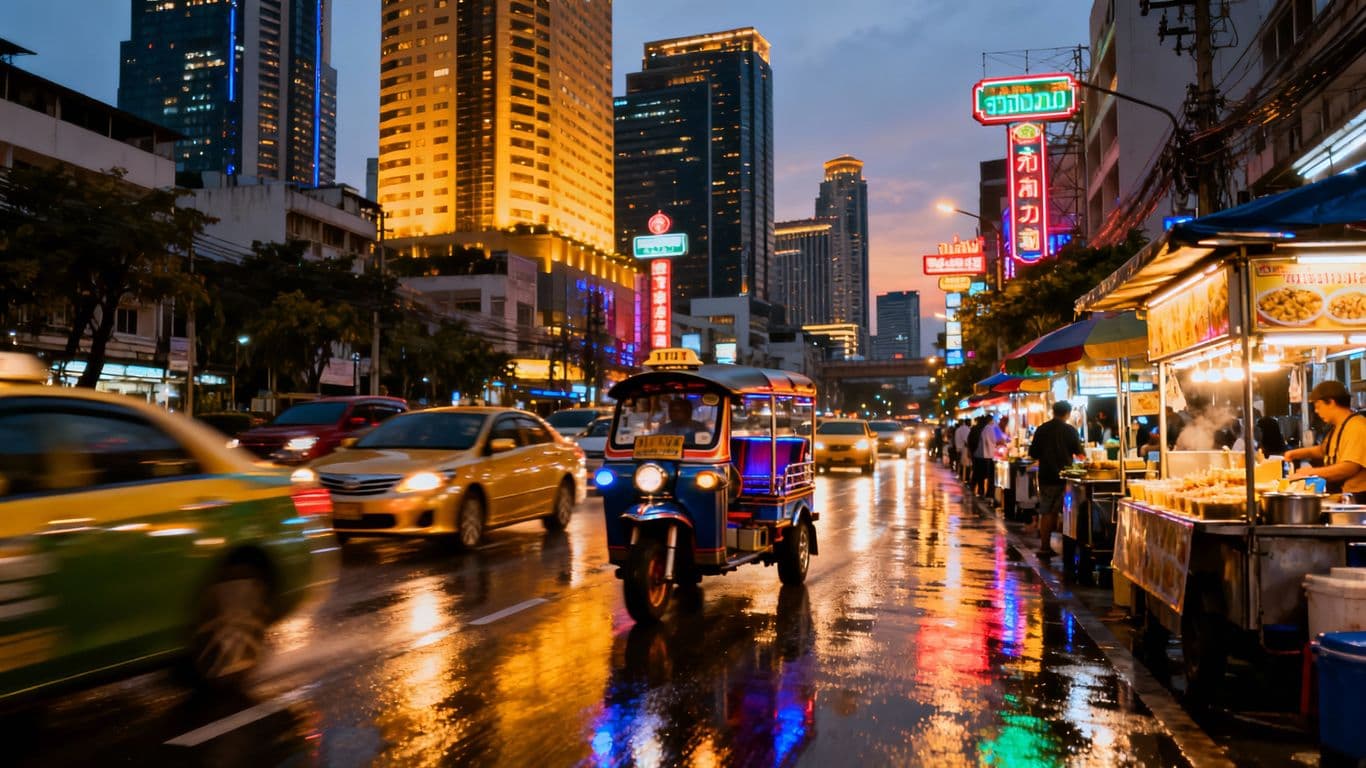
Thinking about a short work assignment in Bangkok? It makes sense why so many companies choose this city. It's a major player in Southeast Asia's economy, drawing in businesses and skilled people from all over. Plus, when you factor in the cost of living and the lifestyle, it's a pretty attractive package. But setting up for a short stay means sorting out where you'll live, and finding the right corporate relocation housing Bangkok has to offer is key to making it all work smoothly.
Key Takeaways
- Bangkok stands out as a regional economic hub, attracting both global talent and significant investment, with key industries fueling its growth.
- Finding suitable corporate relocation housing Bangkok offers is a major consideration for short assignments, with serviced apartments and condos being popular choices.
- The cost of living in Bangkok is notably lower than in many other major global cities, allowing expats more disposable income and a chance for a balanced lifestyle.
- Access to healthcare and understanding public transport are practical needs for short-term stays, alongside managing daily expenses like food and utilities.
- Securing work permits and visas, along with understanding local customs, are important practical steps for anyone on a short assignment in Bangkok.
Bangkok's Appeal as a Business Hub
Regional Economic Powerhouse
Bangkok isn't just a popular tourist spot; it's a major player in the Southeast Asian economy. Many big international companies choose it for their regional headquarters. Think of it as a central meeting point for business in this part of the world. This isn't new, either; Bangkok has been building this reputation for years. The city's economic output is pretty significant, much larger than the rest of Thailand combined. This is mostly thanks to strong sectors like wholesale, retail, manufacturing, and real estate. Plus, finance, tourism, and transportation all add to the mix.
Attracting Global Talent and Investment
It's not just companies that find Bangkok attractive; talented people from all over the globe do too. In fact, a report a few years back even ranked Bangkok pretty high on a list of cities that are good at drawing in both people and money. This ranking looked at things like how much business activity there is, how educated the population is, how easy it is to get information, the city's culture, and even its political scene. When companies are looking to set up shop or expand, they see Bangkok as a place with potential, and that often means bringing in skilled workers from other countries to fill key roles.
Key Industries Driving Growth
Several industries really stand out in Bangkok, making it a dynamic place for business. The city is a hub for manufacturing, which is a big part of Thailand's economy. It's also a major center for finance, with a growing banking and investment sector that attracts professionals. Tourism, of course, is huge, bringing in visitors and creating jobs. And let's not forget the retail and wholesale markets, which are massive. These industries create a lot of opportunities, especially for short-term assignments where companies need specific skills for projects or to manage regional operations.
Navigating Corporate Relocation Housing in Bangkok
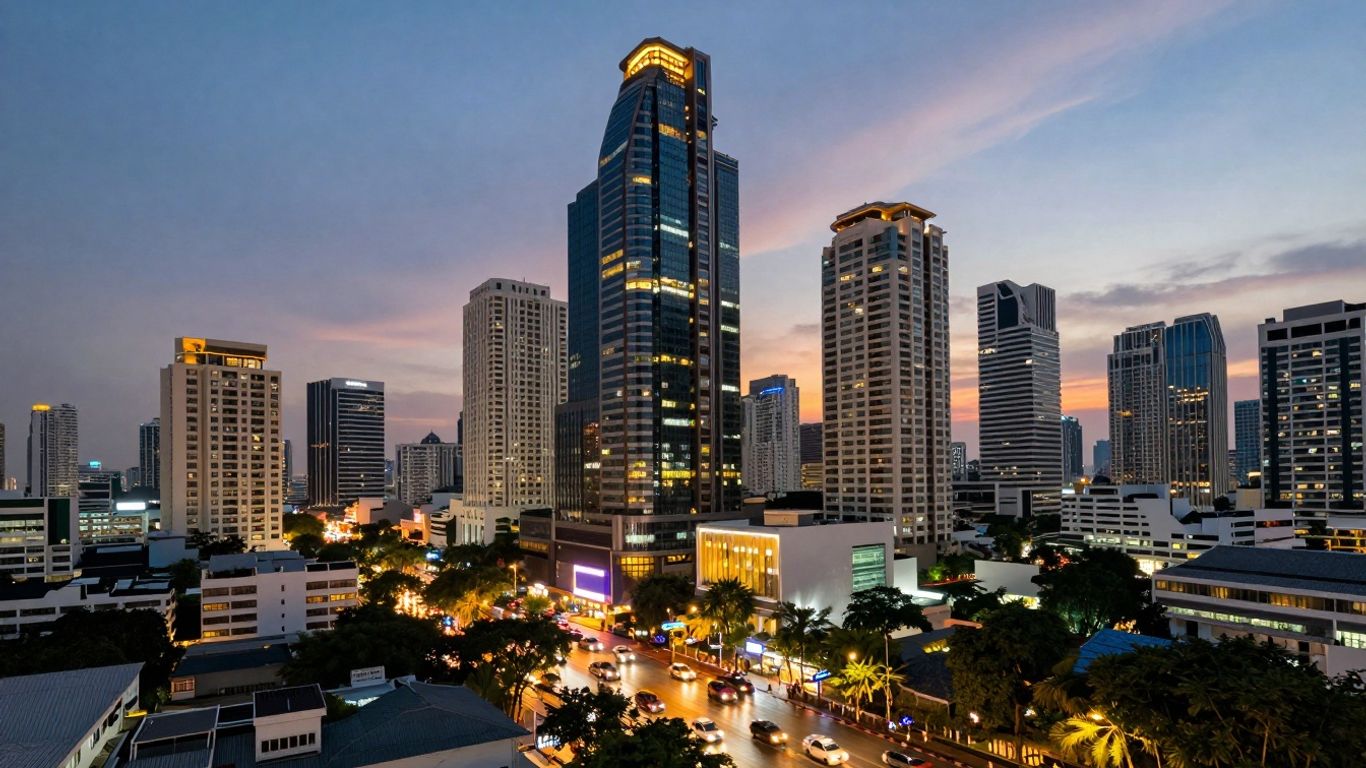
Finding a place to stay in Bangkok for a short assignment can feel like a puzzle, especially when you're not familiar with the city. It's not just about finding a roof over your head; it's about finding a spot that fits your needs, budget, and lifestyle while you're here for work. The key is to do a bit of homework before you even pack your bags.
Popular Expatriate Residential Areas
Bangkok has several neighborhoods that have become go-to spots for people from other countries. These areas often have good transport links and amenities that expats find convenient. Think about places like Sukhumvit, which is a long road with many smaller streets branching off it. It's popular because it's well-connected by the BTS Skytrain and has a ton of shops, restaurants, and services. Thong Lor and Ekkamai are also trendy parts of Sukhumvit, known for their cafes and nightlife, though they can be a bit pricier. For those looking for something a bit more central and perhaps a bit more upscale, areas like Sathorn and Silom are business districts but also have nice residential options and are close to the MRT subway. If you're moving with family, you might want to look at areas that are a bit quieter and closer to international schools, which are often found in the northern parts of the city or further out along the BTS lines.
Renting vs. Buying Property
For short assignments, renting is almost always the way to go. Buying property in Thailand can be complicated for foreigners, and it just doesn't make sense for a temporary stay. When you rent, you'll typically need to put down a security deposit, usually equivalent to two or three months' rent, plus the first month's rent upfront. Leases are commonly for a year, but for short assignments, you might be able to negotiate a shorter term, though this isn't always easy. You'll generally need your passport and a work permit to sign a lease.
Understanding Lease Agreements and Requirements
Lease agreements in Thailand are usually written in Thai, so it's a good idea to have someone who understands the language review it with you, or work with a reputable real estate agent who can explain everything. Standard leases are often for 12 months, but shorter terms can sometimes be arranged, especially for corporate clients. You'll need to provide documentation like your passport and work permit. Some landlords might also ask for proof of income. It's wise to clarify what's included in the rent – usually, it's just the space itself, and you'll pay separately for utilities like electricity, water, and internet. Always ask about the process for reporting and fixing any issues that come up within the property during your stay.
Cost of Living and Lifestyle Benefits
Affordable Living Compared to Other Megacities
When you're thinking about a short assignment in Bangkok, one of the big draws is how far your money can go. Compared to other major cities that often host international business, Bangkok is surprisingly easy on the wallet. Think about places like Hong Kong or Singapore – they're fantastic cities, but they can really drain your bank account. Bangkok, on the other hand, offers a much more budget-friendly experience.
This affordability means that even with a standard salary, you'll likely find yourself with more extra cash than you might expect. It's not just about saving money; it's about having more freedom to enjoy your time there. You can explore more, try new things, and generally live a bit more comfortably without constantly worrying about every baht.
Increased Disposable Income for Expats
Because the day-to-day costs are lower, many people on assignment in Bangkok report having a higher disposable income. This isn't just a small difference; it can be quite significant. It means you have more money available for things like travel, hobbies, or simply enjoying the local scene. Many expats find they can save more or even invest while they're there, which is a nice bonus.
Here's a rough idea of how some common expenses stack up:
| Category | Estimated Monthly Cost (USD) | Notes |
|---|---|---|
| Rent (1-bedroom apt) | $500 - $1,000 | Varies greatly by location and amenities |
| Groceries | $200 - $400 | Depends on diet and where you shop |
| Dining Out (moderate) | $150 - $300 | Eating local food is very inexpensive |
| Transportation (BTS/MRT) | $30 - $60 | For daily commuting |
| Utilities (electric, water) | $50 - $100 | Can be higher with heavy AC use |
The financial aspect of living in Bangkok is a major plus for short-term assignments. It allows individuals to experience a vibrant city without the financial strain often associated with other global hubs. This can lead to a more positive and less stressful assignment experience overall.
Balancing Work and a Relaxed Lifestyle
Beyond the money aspect, Bangkok offers a lifestyle that many find incredibly appealing. Despite being a bustling metropolis, there's a certain rhythm to life here that feels more relaxed than in many Western cities. You'll find that the lower cost of living often translates into more free time. This means you can actually enjoy your surroundings, explore the incredible food scene, visit temples, or even take weekend trips to nearby islands or historical sites.
People often talk about a better work-life balance here. It's not uncommon to finish work and still have plenty of daylight left to enjoy. This allows for a more well-rounded experience, where your assignment isn't just about work, but also about personal growth and enjoyment. It's a chance to really live in a place, not just work in it.
Essential Services for Short Assignments
When you're on a short assignment in Bangkok, getting the right support for everyday needs makes a big difference. It's not just about the work; it's about living comfortably and safely while you're here. Think about healthcare, getting around, and managing your bills – these are the things that keep life running smoothly.
Healthcare Access and Insurance Options
Accessing good healthcare is a top priority for anyone, especially when you're in a new country. Bangkok has a mix of public and private hospitals, and many medical staff speak English, which is a relief. For private care, you'll often need to pay upfront or make a down payment, so having a separate cash or credit card for these expenses is smart. It's also a good idea to keep your insurance documents, a copy of your passport, and your work permit with you at all times, just in case.
- Private Clinics: Many expats use private clinics for general health concerns. Asking fellow expats for recommendations can help you find a good general practitioner.
- Vaccinations: Before you even arrive, talk to your doctor about necessary vaccinations for tropical diseases like dengue fever or influenza. It's also wise to get a prescription for any regular medications you might need for the first few months.
- Emergency Numbers: Know the local emergency numbers. For medical emergencies in Thailand, it's 1154. The tourist police can be reached at 1155.
Many people find it helpful to make a list of nearby hospitals, especially those close to their home, workplace, or children's schools. Having these numbers handy can save precious time during an emergency.
Navigating Public Transportation
Getting around Bangkok doesn't have to be a headache, and using public transport can save you a good amount of money. The BTS Skytrain and MRT subway are efficient ways to beat the traffic. You can get a 'Rabbit card' for the BTS, which is a stored-value card that you can top up and even use at some shops.
- BTS and MRT: These are usually the quickest ways to travel longer distances, especially during peak hours.
- Buses: While more extensive, bus routes can be confusing for newcomers, and they are slower due to traffic.
- Taxis and Ride-Hailing: Taxis are plentiful, but make sure the meter is used. Grab is a popular ride-hailing app that works much like Uber and is often a convenient option.
- Tuk-Tuks: These iconic three-wheeled vehicles are fun for short trips but can be more expensive than taxis if you don't agree on a price beforehand.
Consider where you'll be living and working. If your commute involves multiple changes between different transport modes, living closer to your workplace might be a better use of your time.
Managing Food and Utility Expenses
Bangkok offers a wide range of food options, from street food stalls to high-end restaurants, and managing your food budget is quite flexible. Utility costs, like electricity and water, are generally reasonable, though they can increase during the hot season when air conditioning is used more frequently.
- Groceries: Local markets offer fresh produce at low prices. Supermarkets are also available for imported goods and familiar brands, though these can be pricier.
- Utilities: Expect to pay for electricity, water, and internet. Electricity bills can fluctuate significantly based on air conditioning use.
- Communication: SIM cards are easy to get, and mobile data plans are quite affordable, making it simple to stay connected.
Keeping track of your spending on food and utilities is straightforward. Many apartment buildings will provide a breakdown of utility costs, and you can easily monitor your grocery expenses by comparing prices at different markets and stores.
Practical Considerations for Expats

Securing Necessary Work Permits and Visas
Getting your paperwork sorted is the first hurdle. For short assignments in Bangkok, you'll likely need a Non-Immigrant B visa, which is for business or employment. This usually requires a work permit. Your sponsoring company in Thailand is typically responsible for initiating this process. They'll need to provide a letter of employment and other supporting documents. It can take a few weeks, sometimes longer, so start early. Don't assume your company has it all handled without checking in. It's good to know the basics yourself.
Understanding Local Culture and Customs
Bangkok is a city with a rich culture, and showing respect goes a long way. The 'wai' – a slight bow with hands pressed together – is a common greeting. It's polite to return a wai, especially from someone older or in a position of authority. Dress modestly when visiting temples, covering shoulders and knees. Public displays of affection are generally frowned upon. Remember, the King and the Royal Family are deeply revered; any disrespect is taken very seriously. Learning a few basic Thai phrases like 'Sawasdee' (hello) and 'Khop Khun' (thank you) will also be appreciated.
Leveraging Local Networks for Support
Don't try to figure everything out alone. Many companies offer some level of support, but building your own network is smart. Look for expat groups on social media or local forums. These can be great places to ask questions about anything from finding a good tailor to understanding the best way to get around. Sometimes, just talking to someone who's been through it can make a big difference. Many people find that connecting with others who are also on short assignments helps them settle in faster and feel more at home.
Accommodation Options for Short Stays
Finding the right place to stay in Bangkok for a short assignment is key to making your trip productive and enjoyable. It's not just about having a roof over your head; it's about finding a space that fits your needs, whether you're traveling solo or with family. The city offers a range of options, from fully serviced apartments to modern condominiums, each with its own set of benefits.
Serviced Apartments and Condominiums
For many professionals on short-term assignments, serviced apartments are a popular choice. These places often come furnished and include amenities like housekeeping, Wi-Fi, and sometimes even kitchenettes. They offer a good balance between the comforts of home and the convenience of hotel services. You can find these in various neighborhoods, often close to business districts or public transport links. Many offer suites designed for business and relaxation, blending work and comfort.
Condominiums are another common option, especially for longer short stays. They provide more of a residential feel, often with access to facilities like gyms and swimming pools. Renting a condo usually means a more independent living situation compared to a serviced apartment. You'll typically need to sign a lease, and the costs can vary significantly based on size, location, and amenities. Expect to pay anywhere from THB 35,000 for a one-bedroom unit up to THB 85,000 or more for larger spaces, excluding utilities.
Family-Friendly Housing Solutions
If you're relocating with your family, finding suitable housing becomes even more important. Two or three-bedroom apartments are often the best bet, providing enough space for everyone. These can be in high demand, so it's wise to start your search early. When looking for family accommodation, consider areas that are quieter and away from major nightlife hubs to ensure a peaceful environment for children. Proximity to international schools and parks can also be a major plus.
- Space: Look for at least two bedrooms to give everyone their own space.
- Location: Consider proximity to schools, parks, and safe recreational areas.
- Amenities: Access to a pool or play area can be a big hit with kids.
Finding Corporate Relocation Housing Bangkok
Many companies understand the complexities of finding accommodation in a new city. They often partner with relocation agencies or have in-house support to help employees secure suitable housing. This can range from finding apartments that meet specific company policies to negotiating lease terms on your behalf. These services can significantly ease the burden of settling in. When arranging corporate housing, be sure to clarify what is included in the rental cost, such as utilities, internet, and any cleaning services. Understanding the lease agreement is also vital; typically, you'll need a deposit (often two to three months' rent) plus the first month's rent upfront. Your passport, work permit, and proof of income will likely be required to finalize any rental agreement.
Securing the right accommodation is more than just finding a place to sleep; it's about establishing a comfortable base from which to operate. For short assignments, the flexibility and services offered by serviced apartments often make them a top choice, but well-located condominiums can also provide a great home away from home. Don't underestimate the value of local real estate agents or corporate relocation services to help streamline the process.
So, Why Bangkok?
All in all, it's pretty clear why companies keep sending folks to Bangkok for those shorter work stints. It's not just about the big business scene, though that's definitely a major part of it. The city offers a pretty sweet deal for expats – a cost of living that doesn't break the bank compared to other big Asian cities, a decent infrastructure for getting around, and a generally good quality of life. Plus, there's that whole vibrant culture thing and the chance to explore a really interesting part of the world. It just makes sense for businesses looking for a practical and appealing spot for temporary assignments.
Frequently Asked Questions
Why is Bangkok such a popular place for companies to send employees for short work trips?
Bangkok is a major business center in Southeast Asia. Many big international companies have their main offices here for the region. This means lots of jobs and opportunities, making it a go-to spot for short-term work assignments.
What are some good areas for expats to live in Bangkok?
Popular spots for people working in Bangkok include areas along Sukhumvit Road, like Asoke and Thonglor. Other favored neighborhoods are Lumpini and parts of Sathorn. These places offer a good mix of convenience and comfort for those new to the city.
Is it expensive to live in Bangkok compared to other big cities?
Generally, Bangkok is more affordable than many other major global cities like Singapore or Hong Kong. This means your money can go further, allowing for more savings or spending on leisure activities, which is a big plus for short assignments.
What should I know about getting healthcare in Bangkok?
Bangkok has many good hospitals and clinics, both public and private. While Thailand has a universal healthcare system, most expats choose to get private health insurance for extra coverage. Many doctors and medical staff can speak English, making communication easier.
How do I get around Bangkok?
Getting around Bangkok is quite manageable. You can use the BTS Skytrain and MRT subway, which are efficient ways to avoid traffic. Taxis and ride-sharing apps like Grab are also widely available. Using public transport can save you money and time.
What kind of housing is best for short stays in Bangkok?
For short assignments, serviced apartments are a great choice. They come furnished and often include services like cleaning. Condominiums are also popular and can offer amenities like gyms and pools. These options provide comfort and convenience for temporary stays.
Filed under
The Moveandstay editorial team writes about serviced living, workspaces, and city guides across Asia-Pacific.
Read next

Serviced Offices Surge in Popularity as Businesses Embrace Flexible Leasing
May 3, 2026

Hong Kong Serviced Apartment Market Buzzes with Sales and Investment Activity Amidst Shifting Valuations
May 3, 2026

ONYX Hospitality Group Elevates Shama Serviced Apartments with New Lifestyle Concept and Ambitious Expansion
Apr 26, 2026