

Thinking about a longer stint in China for work? It sounds appealing, but the reality can get complicated fast. Many companies find it easier to stick to shorter assignments, and it's not just about the job itself. There's a whole process involved with visas, permits, and registration that can make long-term stays a real headache. This often means that even if the work is there, the administrative side pushes people towards shorter trips, and finding a short term rental in Shanghai for an extended period might not be the main issue compared to the paperwork.
Key Takeaways
- China has different visa types, and getting the right one for work, especially a Z-visa or R-visa, involves a specific application process, often needing a Notification Letter of Foreigner’s Work Permit.
- Foreigners arriving in China must register their temporary accommodation with local police within 24 hours, and not doing so can lead to fines.
- Work permits typically last one year but can be extended for higher-tier talents, with renewal processes needing to be started before the current permit expires.
- China uses a three-tiered talent system (A, B, C) that affects how easy it is to get work permits, with Tier A talent receiving expedited service.
- For longer stays, a resident permit is needed after entering China with a work visa, and permanent residency offers significant benefits like visa-free entry and easier administrative processes.
Navigating China's Visa Landscape for Short Stays

Getting into China for a short visit can feel like a puzzle, and understanding the visa situation is the first piece. Most foreign nationals need a visa to enter China, unless they qualify for specific visa-free transit options. It's not just one type of visa; China has several categories, each tied to the reason for your visit. Figuring out the right one is key to a smooth entry.
Understanding Different Visa Categories
China categorizes visas based on the primary purpose of your trip. For instance, if you're heading over for business meetings or trade activities, you'll likely need an M visa. Those planning a vacation will apply for an L visa. For visits to family members who are Chinese citizens or foreigners with permanent residency, there are Q2 visas for stays up to 180 days. Similarly, S2 visas are for visiting family members who are foreigners working or studying in China, also for shorter stays.
Short-Term Study and Family Visit Visas
If your trip involves a brief period of study, perhaps a short course or a language program, the X2 visa is designed for stays of no more than 180 days. For family visits, as mentioned, the Q2 and S2 visas cover these scenarios for shorter durations. It's important to note that these are distinct from the longer-term versions (Q1 and S1) which are for extended family reunions or stays exceeding 180 days.
Business and Transit Visas for Brief Visits
For those involved in commercial and trade activities, the M visa is the standard. It allows you to engage in business dealings but not for employment. If you're just passing through China en route to another country, and you qualify, a G visa might be an option under the transit policy. China offers visa-free transit for up to 10 days in certain cities for citizens of many countries, provided you meet specific entry and exit requirements and stay within designated areas. This can be a great perk for travelers on a tight schedule, allowing them to explore select cities without the hassle of a full visa application.
Applying for the correct visa type upfront can save a lot of trouble down the line. Double-checking the requirements for your specific situation is always a good idea before you book your flights.
Here's a quick look at some common short-term visa types:
- M Visa: For commercial and trade activities.
- L Visa: For tourism purposes.
- Q2 Visa: For visiting relatives (Chinese citizens or permanent residents) for up to 180 days.
- S2 Visa: For visiting family members (foreigners working/studying in China) for up to 180 days.
- X2 Visa: For short-term study (up to 180 days).
- G Visa: For transit through China.
The Complexities of Obtaining Work Visas
Getting the right visa to actually work in China can be a bit of a maze. It's not as simple as just showing up with a job offer. There are specific types of visas you need, and the process involves a few key steps that companies have to manage for their foreign hires.
Z-Visas and R-Visas for Employment
When it comes to working legally in China, the two main visa types you'll encounter are the Z-visa and the R-visa. The Z-visa is the one most people get; it's for foreigners who have a job with a company set up in China, or if you're planning to do some kind of commercial performance. The R-visa is a bit newer and is generally for folks with really high-level skills or specialized talents that China is looking for. Think of it as a fast-track for top-tier professionals.
Requirements for Work Permit Applications
To even start the work permit application, there are a few things you and your employer need. You'll need the usual stuff like a passport that's good for at least another six months, a recent photo, and the application form itself. But the big one is the "Notification Letter of Foreigner's Work Permit in China." This letter basically tells the government that a company wants to hire you, and it's a necessary step before you can even apply for the Z or R visa.
The Role of Notification Letters
This "Notification Letter" is pretty important. It's what the employer applies for online first. They have to register on a government platform and submit all the company's details and information about the foreign worker. After the online review, which can take about 10 to 15 working days (sometimes faster for those "Tier A" talents), the letter is issued. Without this letter, you can't get the Z or R visa, and then you can't get your actual work permit once you're in China. It's the gatekeeper for the whole process.
The system used to be confusing with two different work permits, but now it's unified. This means one type of work permit for everyone, and your ID number stays the same even if you change jobs. They've also cut down on the paperwork quite a bit, which is a relief for everyone involved.
Temporary Residence Registration Requirements
Okay, so you've landed in China, maybe for a quick business trip or a longer stint. Before you even think about that first meeting or exploring the local sights, there's a pretty important administrative step you absolutely have to take. Every foreigner needs to register their temporary accommodation with the local police within 24 hours of arriving. Seriously, don't forget this. It doesn't matter if you're just passing through for a few days or planning to stay for months; this rule applies to everyone. It's a legal requirement, and skipping it can lead to some unpleasant consequences, like warnings or even fines if things get serious. Think of it like checking in with the local authorities to let them know you're around.
This registration process is pretty straightforward, though it can feel a bit like another hoop to jump through. Here's the general idea:
- Hotels: If you're staying in a hotel, they usually handle this for you automatically. It's part of their service, so just make sure you've provided all your details when you check in.
- Rented Apartments/Private Stays: If you're staying with friends, family, or in a rented apartment that isn't a hotel, you'll need to go to the local police station (often called the Public Security Bureau or PSB) yourself. You'll need to bring your passport and fill out a form.
- Company-Arranged Housing: Sometimes, your employer might arrange this for you, especially if you're on a longer assignment. They'll likely have a process in place, but it's always good to confirm they've got it covered.
The 24-hour window is strict. It's not 24 hours from when you think you should register, but 24 hours from when you actually arrive at your accommodation. Missing this deadline can cause issues later on, especially when you need to extend your visa or apply for other permits. It's better to get it done right away.
Failing to register can result in a warning, and in more serious cases, you could face a fine of up to RMB 2,000 (which is about US$274 as of late 2025). It's a small step that prevents bigger headaches down the road, so make it a priority right after you've settled in a bit.
Work Permit Validity and Renewal Processes
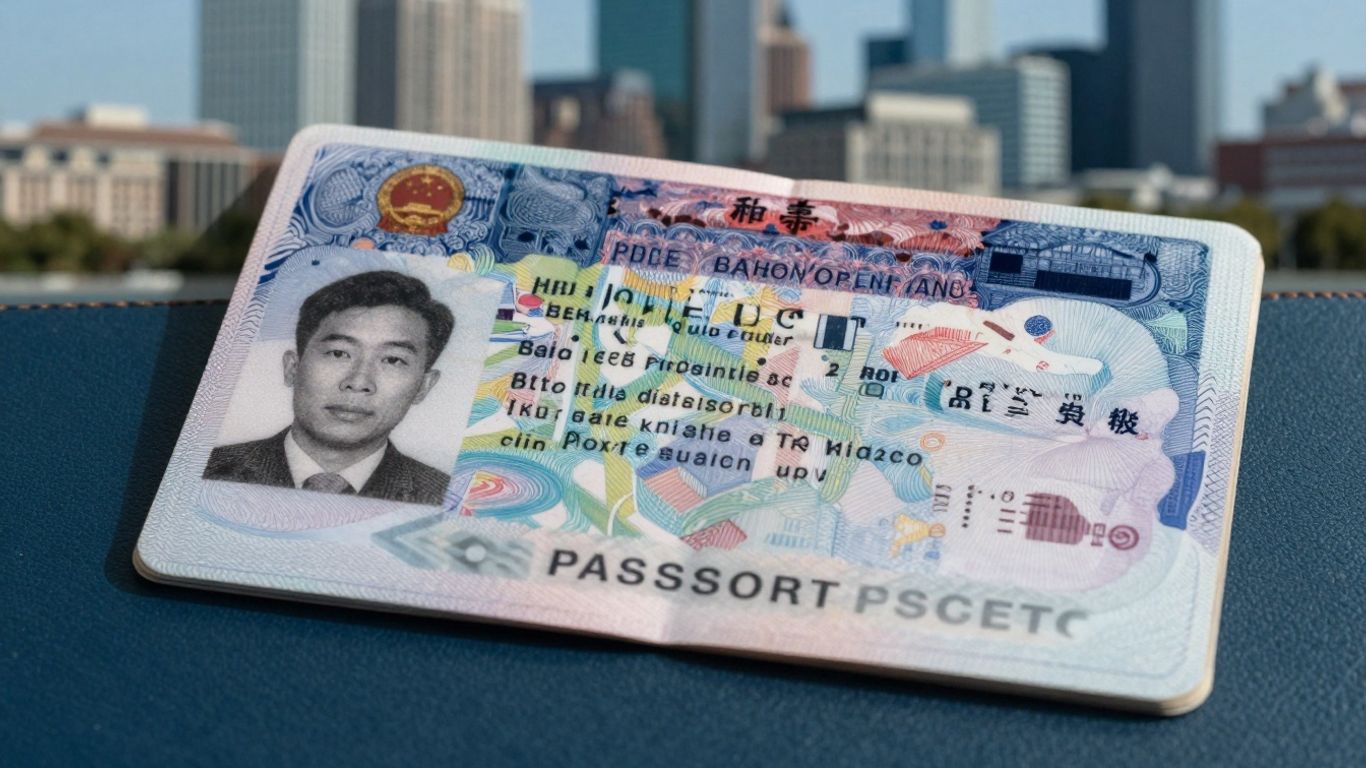
So, you've got your work permit for China, which is great. But it's not like you get it and you're set for life. These permits usually have a shelf life, typically one year. It’s kind of like a driver's license in that way – you gotta keep it current.
Standard Work Permit Duration
Most foreign workers get a permit that's good for a year. This is the standard deal. However, if you're considered a top-tier talent (think Tier A), you might get a permit that lasts up to three years. For those in Tier B, it could be two years. It really depends on your skills and what China's looking for at the moment.
Renewal Procedures and Timelines
When it's time to renew, it's generally not as much of a headache as the first application. Still, your company needs to be on the ball. They should start the renewal process about 30 days before your current permit runs out. You'll need a bunch of stuff, like the renewal application form, your employment contract, your visa, and the old work permit itself. The whole thing usually takes about a week or so, maybe ten working days if things get a bit busy.
- Submit renewal application form.
- Provide updated employment contract.
- Include current visa or residence permit.
- Present the existing Foreigner's Work Permit.
Consequences of Expired Permits
This is the part you really don't want to mess up. If your work permit expires and you haven't renewed it, it basically gets canceled automatically. This means you can't legally work anymore. It's a pretty big deal and can cause a lot of problems for both you and your employer. You might even have to leave the country if you don't sort it out quickly.
It's really important for companies to keep track of when each foreign employee's permit is due for renewal. Missing the deadline can lead to serious administrative issues and potential disruptions to the employee's ability to work legally in China.
Talent Tiers and Expedited Processes
Understanding the Three-Tiered Talent System
China has put in place a system to categorize foreign workers, sort of like a VIP list, to make things smoother for some and more controlled for others. It's all about attracting the right kind of talent. They break it down into three main tiers, and where you land can really affect how easy it is to get your work permit and related documents.
Benefits for Tier A Talent
If you're considered a top-tier talent, things get a lot easier. Think of it as a "green channel" for your application. This means less paperwork, faster approvals, and generally a much quicker process. These top talents aren't usually held back by age, education level, or how many years they've worked. It's about your overall qualifications and what you bring to the table. For these individuals, the application process can be significantly shortened, sometimes down to just a few working days for the initial notification letter.
Application Ease Based on Talent Level
The tier you fall into directly impacts the application process. Here's a general idea:
- Tier A: These are your highly qualified, top-level professionals. They're actively encouraged to apply, and the process is designed to be as smooth as possible. You generally need a high score, often 85 points or more, based on factors like education, salary, age, and experience.
- Tier B: This group includes professionals who fit the current labor market demands. The application process is generally controlled, meaning it's not as fast as Tier A but still manageable. The point requirement typically falls between 60 and 85.
- Tier C: This tier covers other foreign talents, often including those in less skilled roles. Applications here are strictly limited by quotas and other regulations, making it the most challenging tier to navigate.
The tiered system aims to streamline the process for highly sought-after individuals while maintaining control over the labor market for other categories. It's a way to balance attracting global talent with domestic workforce needs.
Resident Permits: The Final Step for Long-Term Stays
Applying for a Resident Permit Post-Entry
So, you've got your work visa, you've landed in China, and you've done the 24-hour registration thing. What's next for staying longer than a tourist? It's time to sort out a resident permit. This is basically your official ticket to live and work here for an extended period. Your employer is usually the one who needs to help you with this, and you've got about 30 days from when you arrived to get it done. It's a pretty important step, so don't let it slide.
In-Person Requirements in Shanghai
When you apply for this permit, especially for the first time, you might have to show up in person. In places like Shanghai, they'll want you to go to a government office. They'll take your picture right there, digitally, to make sure it matches your passport. It’s a way to confirm you are indeed the person on the documents. The whole process, from start to finish, usually takes about a week to two weeks, give or take.
Longer Validity for Qualified Individuals
Normally, a resident permit is good for about a year, and its length often matches your work permit. But here's where it gets interesting: if you're highly qualified or meet certain criteria, you might be able to get a permit that lasts much longer, sometimes up to five years. This is more common in big cities like Beijing and Shanghai. It's a nice perk if you plan on staying put for a while and have the right qualifications or background.
Permanent Residency: A Different Pathway
Benefits of Permanent Resident Status
Getting permanent residency in China is a whole different ballgame compared to those temporary work or resident permits. It's not just about staying longer; it's about having a more settled, integrated life. The biggest perk? You can stay in China indefinitely, no more visa renewals or worrying about expiration dates. It really changes things if you plan on making China a long-term home.
Streamlined Identification and Travel
Once you have your Permanent Resident ID card, a lot of daily hassles just disappear. You can use this card for pretty much everything a Chinese citizen would use their ID for. Think about booking flights or train tickets – no more digging out your passport every single time. Hotels are easier too. It's like having a local ID, which makes moving around and handling administrative tasks so much simpler.
Simplified Business and Education Access
This is where permanent residency really shines for those looking to invest or start a business. You can actually set up a company, even using intellectual property as your investment. The government procedures for setting up businesses or investing are also way less complicated. And for families, it means your children can access compulsory education without a hitch. It really opens up a lot of doors that are usually closed or heavily restricted for temporary residents.
So, What's the Takeaway?
Ultimately, while China is open to foreign talent, the path for long-term assignments isn't always straightforward. The visa and work permit processes, though designed to attract skilled individuals, come with a lot of paperwork and specific requirements. For many companies, the administrative load and the complexities involved make shorter assignments a more practical choice. It's a balancing act between tapping into global expertise and managing the intricate system of regulations. This often leads to a preference for temporary stays over permanent relocations, at least for now.
Frequently Asked Questions
Why do companies prefer short assignments in China?
Companies often choose shorter assignments for employees in China because the process for getting long-term work and residency permits can be complicated and time-consuming. It's easier and quicker to manage shorter stays, which helps businesses avoid potential delays and administrative headaches. This approach allows them to bring in talent without getting bogged down in lengthy paperwork.
What's the difference between a Z-visa and an R-visa?
A Z-visa is the standard visa for most jobs in China. It's for people hired by a Chinese company. An R-visa, on the other hand, is for highly skilled individuals or those with special talents that China really needs. Think of it as a special visa for top talent that often comes with an easier application process.
Do I need to register my address when I arrive in China?
Yes, absolutely. All foreigners in China, no matter how long they plan to stay, must register their living address with the local police within 24 hours of arriving. Not doing this can lead to warnings or even fines, so it's a really important step to take right away.
How long is a work permit usually valid for?
Typically, a work permit in China is good for one year. However, for really talented individuals, like those in the 'Tier A' category, it can be valid for up to three years. For 'Tier B' talents, it might extend to two years. But remember, the permit's validity can't go beyond the end date of your passport or contract.
What is the 'Talent Tier' system?
China has a system that sorts foreign workers into three tiers: A, B, and C. Tier A is for the most skilled and in-demand professionals, who get special benefits like faster approvals. Tier B is for skilled workers needed in the job market, and Tier C is for less skilled workers, which has stricter limits. This system helps manage who comes to work in China and makes it easier for top talent.
What are the benefits of getting permanent residency in China?
Permanent residency is a big deal! It means you can live in China without any time limits. You don't need a visa to enter or leave, and you don't need a work permit to work. It also makes things like buying property, setting up a business, and even enrolling your children in school much simpler. It's like having a resident ID card that makes life in China a lot smoother.
The Moveandstay editorial team writes about serviced living, workspaces, and city guides across Asia-Pacific.
Read next

Serviced Offices Surge in Popularity as Businesses Embrace Flexible Leasing
May 3, 2026

Hong Kong Serviced Apartment Market Buzzes with Sales and Investment Activity Amidst Shifting Valuations
May 3, 2026

ONYX Hospitality Group Elevates Shama Serviced Apartments with New Lifestyle Concept and Ambitious Expansion
Apr 26, 2026