
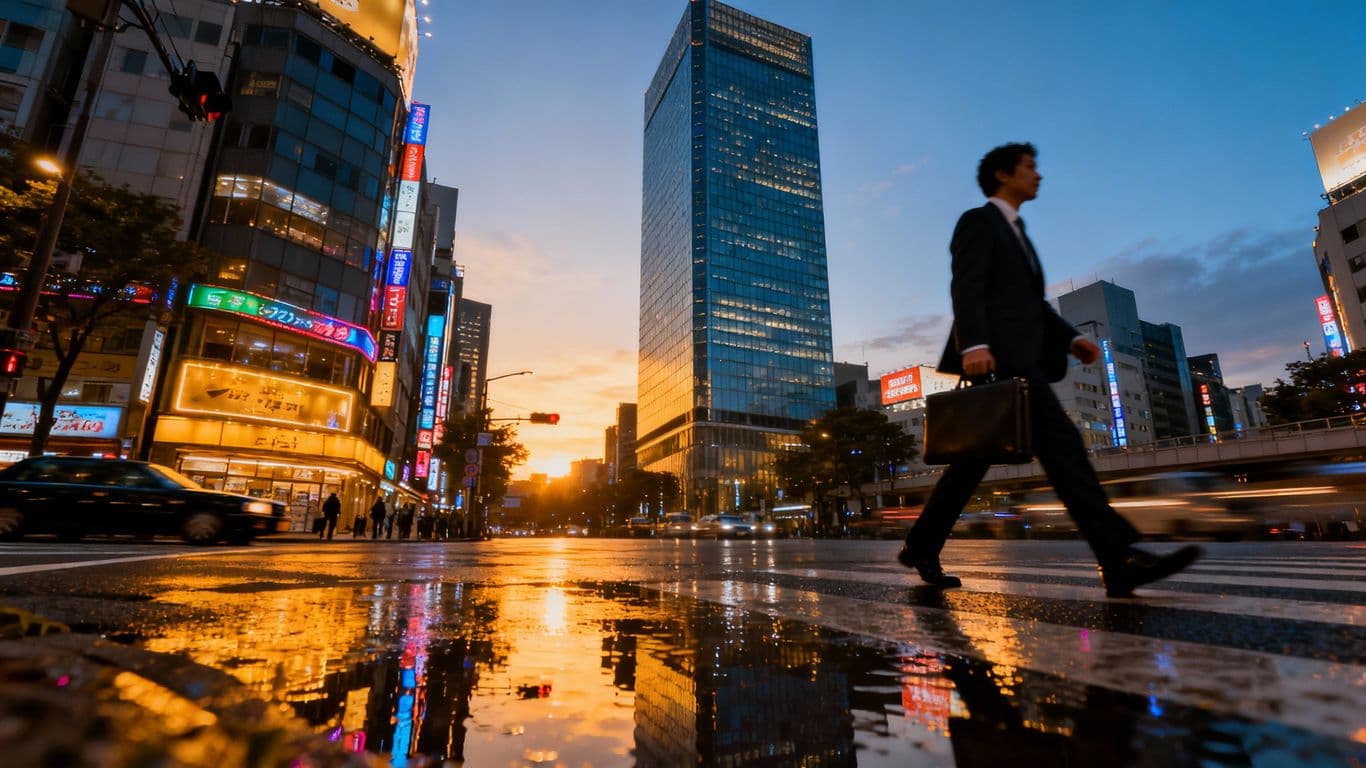
Tokyo is a city that many business travelers love, but lately, finding a place to stay has become a real challenge. Hotel prices are going up, and with the weak yen, it's even more attractive for tourists. This means that business travelers, who often have set budgets, are finding it harder and harder to book suitable business travel accommodation in Tokyo. They're having to look at options they might not have considered before, and it's making them rethink what they expect from their trips.
Key Takeaways
- Hotel prices in Tokyo are rising sharply, driven by increased tourism and the weak yen, making it tough for business travelers on fixed budgets.
- The surge in inbound tourism means hotels are often booked, forcing business travelers to consider less conventional lodging or stay further from city centers.
- Japanese companies are being pushed to reconsider fixed travel expense policies, with a growing call for real expense reimbursement to better cover accommodation costs.
- Domestic travel trends are also shifting, with Japanese travelers exploring more within their own country, which further strains accommodation availability.
- Business travelers are seeking more than just a place to sleep; they want value, convenience, and good location, which is becoming harder to find with current accommodation options.
The Rising Cost of Tokyo Accommodation
It’s getting seriously expensive to stay in Tokyo, and it’s not just the fancy hotels. Even places that used to be budget-friendly are seeing big price jumps. This is making things tough for business travelers who often have set amounts of money to spend on their trips.
Skyrocketing Hotel Rates
Hotels in Tokyo are getting pricier. We're talking about a significant increase in what they call RevPAR, which is basically how much money hotels are making per room. Back in early 2022, the average RevPAR was around 10,000 yen. Now, it's jumped up to over 18,000 yen. This means that a room that might have cost under 10,000 yen not too long ago is now regularly going for more, even for lower-end hotels and capsule accommodations. It used to be pretty easy to find a decent business hotel within a set budget, but those days are fading fast.
Impact on Business Travel Budgets
Most Japanese companies give their employees a fixed amount of money for travel expenses. When hotel prices go up like this, it puts a real squeeze on those budgets. Business travelers might find themselves having to choose between cheaper, less convenient options or stretching their company's policy. This can mean settling for a capsule hotel or looking at places further out from the city center, which adds travel time and hassle to their work trips. It's a tricky situation when the cost of basic necessities like a hotel room outpaces the allocated funds.
The Weak Yen's Influence
The value of the Japanese yen has dropped quite a bit, which is great for tourists coming from overseas. They get more bang for their buck. However, this also means that hotels, seeing a surge in foreign visitors who are willing to spend more, are less inclined to keep prices low for domestic travelers or business visitors. It's a bit of a double-edged sword. While it brings in tourism money, it makes it harder for local businesses and workers to afford accommodations within their own country. This situation is putting a strain on Japan's tourism industry and its capacity to handle both domestic and international visitors.
The current accommodation market in Tokyo is a complex mix of rising demand and a weaker yen. While this benefits inbound tourism, it creates significant challenges for domestic business travelers who are often bound by fixed travel budgets. The expectation is that these costs will continue to climb, forcing a re-evaluation of how business travel is managed.
Here's a look at how hotel rates have been climbing:
| Metric | January 2022 | November 2023 |
|---|---|---|
| Average RevPAR (Yen) | ~10,000 | ~18,308 |
This trend is pushing many Japanese travelers, including those on business, to look for lodging further away from central Tokyo. Areas that were once convenient are now seeing longer commutes for work, sometimes taking over an hour just to get to meetings.
Navigating the Accommodation Landscape
With Tokyo's hotel scene getting pricier, especially for business travelers on a set budget, finding a decent place to stay can feel like a real puzzle. It's not just about booking a room anymore; it's about figuring out where to even look.
Beyond Tourist-Focused Hotels
While many hotels are clearly set up for tourists, with all the bells and whistles that come with that, they aren't the only game in town. There are plenty of places that cater more to domestic travelers or business needs. The trick is knowing they exist and how to find them. These spots might not have the flashy lobbies or the multilingual staff geared towards international sightseers, but they often offer a more straightforward, functional experience that suits a work trip.
The Challenge of Fixed Travel Budgets
Many Japanese companies still operate with a fixed daily allowance for travel expenses. This used to be manageable, but with hotel rates climbing, that fixed amount often falls short. Suddenly, a standard business hotel room might be out of reach, forcing employees to consider less ideal options.
- Skyrocketing Rates: Hotel prices, even for less touristy places, have gone up significantly. What was once a reliable budget is now often insufficient.
- Budget Squeeze: The gap between the fixed allowance and actual hotel costs is widening, putting pressure on employees.
- Compromised Comfort: Travelers might end up in capsule hotels or further out from the city center just to stay within budget.
Exploring Alternative Lodging
Because of the rising costs and tight budgets, people are looking beyond traditional hotels. This means exploring options that might not have been considered before.
The push for more affordable lodging means looking at places that might not be in the prime tourist zones. This can add commute time to work meetings, turning a short trip into a longer one just to get from your room to your destination.
- Capsule Hotels: Once a last resort, these are becoming more common for budget-conscious business travelers.
- Serviced Apartments/Short-Term Rentals: These can offer more space and amenities, sometimes at a competitive price, especially for longer stays.
- Business Hotels on the Outskirts: While not in the city center, hotels in less central areas can be more affordable, though they require factoring in travel time.
Why Business Travelers Seek More
It's not just about finding a bed for the night anymore. Business travelers in Tokyo are looking for more than just a place to sleep; they want value that aligns with their work needs and company policies. The days of just accepting whatever's cheapest are fading, especially when fixed budgets clash with rising costs.
The Demand for Value Beyond Price
While cost is always a factor, business travelers are increasingly prioritizing what they get for their money. This means looking at amenities, location, and overall convenience that can actually help them do their jobs better. A slightly more expensive hotel that's closer to client meetings or has reliable Wi-Fi might be a better choice than a cheaper option miles away.
- Reliable Wi-Fi and workspace: Essential for staying connected and productive.
- Proximity to business districts or client sites: Saves valuable travel time.
- Comfortable and quiet environment: Aids in rest and preparation for meetings.
- On-site business services: Like meeting rooms or printing facilities.
Balancing Cost and Convenience
Finding that sweet spot between affordability and practicality is the real challenge. Companies often set travel budgets, but if the market price for a decent hotel room shoots up, travelers are stuck. This forces difficult choices, like staying further out and facing long commutes or settling for less suitable accommodations.
The pressure to stick to a fixed budget while facing unpredictable price hikes means business travelers often have to compromise on location or quality, impacting their efficiency and overall travel experience.
The Importance of Location for Work
Location isn't just about convenience; it's directly tied to productivity. Spending hours commuting from a budget hotel on the outskirts of the city eats into valuable work time and can be exhausting. Business travelers need to be where the action is, close to meetings, conferences, and client offices. This means that even if a hotel is a bit pricier, its strategic location can make it a more cost-effective choice in the long run when considering the total cost of doing business.
Shifting Domestic Travel Trends
Japanese Travelers Opting for Local Exploration
It seems like a lot of people in Japan are rethinking their travel plans. Instead of jetting off to far-flung places, many are finding plenty to explore right here at home. Planning international trips can feel like a lot of work, and honestly, sometimes the idea of dealing with different languages, customs, and all the logistics just isn't worth the hassle for a lot of folks. Plus, with the yen being a bit weak, traveling abroad can get pretty pricey pretty fast.
The Rise of Domestic Tourism
This shift means that places within Japan are seeing more visitors. Think about it: you can discover amazing spots without needing a passport or worrying about currency exchange rates. It's become more appealing to explore the diverse landscapes and cultural sites Japan has to offer. This trend is partly fueled by incentives and a growing appreciation for what's available locally.
Changing Perceptions of Overseas Travel
For some, the idea of traveling overseas just doesn't hold the same appeal it once did. Maybe it's the cost, the planning involved, or just a general feeling that domestic travel is easier and just as rewarding. It's not that people don't want to travel, but rather that their priorities and perceptions of what constitutes a good trip have changed. Many are realizing that exciting adventures and relaxing getaways can be found much closer to home.
The convenience and familiarity of domestic travel are becoming major draws. People are finding that they can have fulfilling travel experiences without the added stress and expense of international journeys. This reevaluation of travel priorities is reshaping how many Japanese choose to spend their leisure time.
Here's a look at why this is happening:
- Cost Factor: The weak yen makes international trips more expensive for Japanese travelers. Domestic travel, on the other hand, offers more predictable costs.
- Planning Fatigue: Organizing international travel involves more steps, like visa applications (though less common for many destinations), currency exchange, and language barriers, which can be off-putting.
- Local Discoveries: Japan itself boasts a vast array of attractions, from historical sites and natural beauty to unique cultural experiences, making it a compelling destination in its own right.
- Post-Pandemic Mindset: The pandemic made people more aware of domestic options and perhaps a bit more hesitant about the complexities and health risks associated with international travel.
The Inbound Traveler's Effect
Outsized Impact of Higher Spenders
Even though the number of domestic travelers in Japan far outnumbers international visitors, the inbound crowd is really shaking things up. Think about it: tourists coming from overseas often stay longer and spend more money. We're talking about average stays of three nights or more, which really adds up. This is different from many domestic trips, which tend to be shorter, maybe two nights at most. With the yen being so weak right now, it's even more attractive for people from countries like the US to extend their visits and really explore.
Extended Stays and Their Consequences
These longer stays by international visitors are putting a noticeable strain on hotel capacity. It's not just about having fewer rooms available; it's also about how it affects pricing. Hotels are seeing their Revenue Per Available Room (RevPAR) climb significantly. For instance, Tokyo's RevPAR went from around 10,000 yen in early 2022 to over 18,000 yen by late 2023. This means that even hotels not specifically targeting tourists are raising their rates to match the general market increase. For local business travelers, this is a big problem.
Strain on Hotel Capacity
So, what does this all mean for the average business traveler from Japan? It means the hotel landscape is changing, and not necessarily for the better. Rooms that used to be affordable, even for business-oriented hotels, are now often going for more than 10,000 yen. This forces many Japanese workers, who typically get a fixed travel budget from their companies, to look for cheaper options. We're seeing people having to consider capsule hotels or even Airbnb-style places just to stay within budget. It's a tough situation when the very people who keep the local economy running can't afford decent lodging in their own cities.
The push for higher room rates, driven by international demand and a weaker yen, is creating a ripple effect. Businesses that traditionally offer fixed travel allowances are finding them increasingly insufficient, pushing employees towards less conventional and often less comfortable accommodations. This shift impacts not just the traveler's comfort but also their productivity and overall business experience.
Here's a look at how hotel rates have been climbing:
| Year/Month | Tokyo RevPAR (JPY) | Approx. USD Equivalent |
|---|---|---|
| January 2022 | 10,000 | $63 |
| March 2023 | 15,000 | $95 |
| November 2023 | 18,308 | $116 |
This situation highlights a few key points:
- Increased Costs: Hotel prices are going up across the board, making it harder for business travelers to find affordable options.
- Budget Squeeze: Fixed travel budgets are becoming outdated, failing to keep pace with rising accommodation expenses.
- Compromised Choices: Travelers are being pushed towards less ideal lodging, like capsule hotels, impacting their comfort and convenience.
- Geographic Shifts: Some domestic travelers are being pushed to stay further out from city centers, adding commute time for work.
Adapting Business Travel Strategies
With hotel prices in Tokyo climbing faster than a bullet train, companies are having to rethink how they handle business trips. It’s not just about booking a room anymore; it’s about making sure your team can actually afford to stay somewhere decent without breaking the bank. The old way of doing things, with fixed budgets for travel, just isn't cutting it anymore.
Rethinking Fixed Expense Policies
Many Japanese companies have traditionally given employees a set amount of money for travel, like a daily allowance. This used to work fine when hotel rooms were more predictable in price. But now, with costs going up, that fixed amount often falls short. Employees might end up in less-than-ideal accommodations, like capsule hotels, just to stay within budget. This isn't great for productivity or employee morale, frankly.
- Problem: Fixed travel budgets are no longer sufficient due to rising accommodation costs.
- Impact: Employees may be forced into lower-quality lodging, affecting comfort and work.
- Solution: Companies need to review and adjust these fixed amounts or consider a different approach altogether.
The Move Towards Real Expense Reimbursement
Because of these issues, some experts are suggesting a shift. Instead of giving a flat rate, companies could start reimbursing employees for their actual, documented expenses. This means if a hotel room costs more than the old fixed budget, the company would cover the difference, provided it's a reasonable cost. This approach, sometimes called "real expense" or "out-of-pocket" reimbursement, puts the focus back on getting the job done without worrying about the exact dollar amount.
This change acknowledges the reality of the current market. It shows trust in employees to spend company money wisely while ensuring they have the necessary resources to perform their duties effectively. It’s about practicality in a changing economic landscape.
Finding Suitable Business Travel Accommodation in Tokyo
So, what does this mean for finding a place to stay? Companies might need to look beyond the usual tourist-focused hotels. This could involve:
- Exploring serviced apartments: These can sometimes offer better value for longer stays and provide more space and amenities than a standard hotel room.
- Partnering with specific hotels: Negotiating corporate rates with hotels that understand business needs, even if they aren't the cheapest options.
- Considering locations further out: While this might increase commute times, hotels in less central areas can sometimes be more affordable. Companies need to weigh the cost savings against the potential loss of productivity from longer travel to meetings.
It's a balancing act, for sure. The goal is to make sure business travelers are comfortable, productive, and not stressed about where they're sleeping at night, all while keeping an eye on the company's bottom line.
So, What's Next for Tokyo's Business Traveler?
Tokyo remains a top spot for business, no doubt about it. The city offers so much, from amazing food to efficient transport. But as costs go up and things get a bit more crowded, especially for hotels, it's getting tougher for local business folks. They're the ones feeling the pinch the most, having to make do with less. It’s a tricky balance, trying to keep Tokyo welcoming for everyone while dealing with these changes. For now, it seems like business travelers will keep coming, but they're definitely going to be looking for more value and maybe some creative ways to manage their trips.
Frequently Asked Questions
Why are hotels in Tokyo becoming more expensive for business travelers?
Tokyo hotels are getting pricier mainly because of a big increase in tourists. Even hotels that aren't usually for tourists are raising their prices to match the higher market rates. This means it's harder for business travelers to find affordable rooms within their usual budgets.
How does the weak Japanese yen affect hotel prices?
The weak yen makes Japan a more attractive and cheaper destination for foreign visitors. This rise in international travelers increases demand for hotel rooms, pushing prices up for everyone, including local business travelers.
What are business travelers doing when they can't find affordable hotels?
When hotel prices go up and budgets stay the same, business travelers might have to choose cheaper options like capsule hotels or places further away from the city center. Some companies are thinking about changing their travel policies to help with this.
Are Japanese people traveling less within Japan?
Actually, many Japanese people are choosing to explore more within Japan. Instead of expensive overseas trips, they are finding interesting places closer to home. This domestic travel trend also adds to the demand for hotels.
What is 'real expense reimbursement' for business travel?
Instead of giving employees a set amount of money for travel (fixed-rate), 'real expense reimbursement' means the company pays back the actual amount spent on travel. This helps employees cover the higher costs of hotels and other expenses without going over budget.
Why are foreign visitors having a big impact on hotel demand?
Even though there are more domestic travelers, foreign visitors often stay longer, sometimes for three nights or more, and tend to spend more money. This higher spending and longer stays by tourists significantly increase the demand for hotel rooms, especially when the yen is weak.
Filed under
The Moveandstay editorial team writes about serviced living, workspaces, and city guides across Asia-Pacific.
Read next
Serviced Offices Surge in Popularity as Businesses Embrace Flexible Leasing
May 3, 2026
Hong Kong Serviced Apartment Market Buzzes with Sales and Investment Activity Amidst Shifting Valuations
May 3, 2026

ONYX Hospitality Group Elevates Shama Serviced Apartments with New Lifestyle Concept and Ambitious Expansion
Apr 26, 2026