
Which city has better connectivity to serviced offices via public transport?
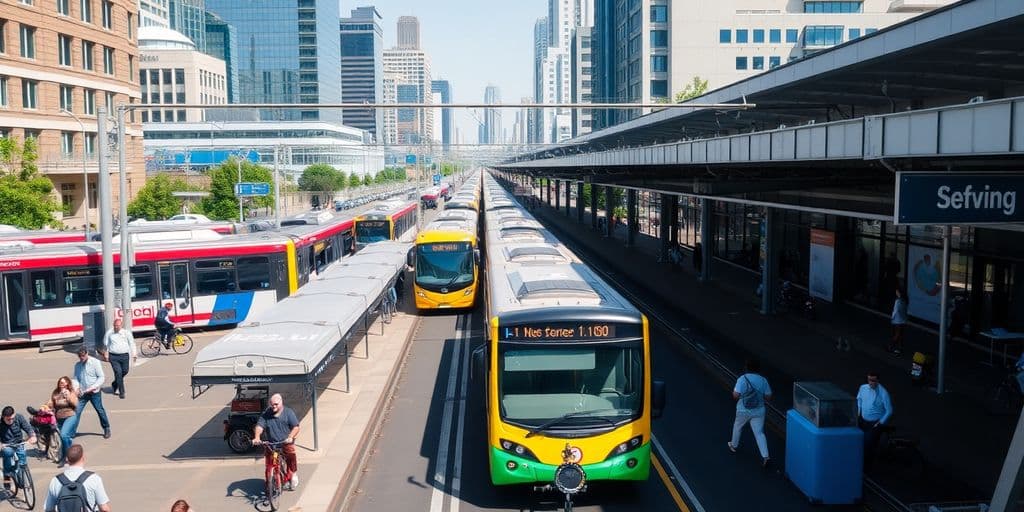
When it comes to finding the perfect spot for your office, especially in bustling Asian cities, public transport can make or break your decision. Imagine this: you're trying to get to work on a Monday morning. Would you rather be stuck in traffic or hop on a convenient train that drops you right at your office doorstep? That's why we're diving into which city in Asia offers the best connectivity to serviced offices via public transport. We'll explore the highs and lows of transport systems in places like Tokyo, Hong Kong, and Singapore to see which one comes out on top.
Key Takeaways
- Public transport is a major factor in choosing office locations, affecting pricing and demand.
- Tokyo, Hong Kong, and Singapore each have unique transport features that influence office connectivity.
- Good transport links boost business activity and economic growth around office areas.
- Proximity to public transport can enhance employee satisfaction and productivity.
- Cities with strong transport networks often see higher demand for nearby office spaces.
Public Transport's Role in Office Connectivity
Public transport plays a significant role in connecting people to serviced offices. It's not just about getting from point A to B; it's about how this connectivity shapes the way businesses operate and thrive in urban environments. Let's dive into some key aspects.
Impact on Office Pricing and Demand
Being close to public transport can drive up the demand and price for office spaces. When offices are near major transport hubs, they're more attractive to businesses. Why? Because employees find it easier to commute, and companies can draw talent from a broader area. This hike in demand often leads to higher rental prices, especially for serviced offices that offer all-inclusive amenities and are conveniently located.
Economic Effects on Business Activity
Public transport doesn't just move people; it fuels economic activity. Areas with strong transport links often see a surge in business activity. This is because easy access attracts more companies, especially those in tech and finance sectors, looking to tap into the local talent pool. The ripple effect? More jobs, more innovation, and a bustling business ecosystem.
Benefits of Proximity to Transport Links
Proximity to transport links offers several benefits:
- Improved Employee Satisfaction: Shorter, hassle-free commutes lead to happier employees who are less stressed and more productive.
- Attracting Talent: Offices near transport hubs are more appealing to job seekers, widening the talent pool.
- Reduced Carbon Footprint: Encouraging the use of public transport helps in cutting down emissions, aligning with sustainability goals.
Having an office near major public transport can be a game-changer. It’s not just about convenience; it’s about positioning your business for success by being accessible to both employees and clients.
Comparing Public Transport Networks in Major Asian Cities
Key Features of Tokyo's Transport System
Tokyo's transport system is a marvel of modern engineering and efficiency. The city's extensive network includes numerous subway lines, trains, and buses, all seamlessly integrated to provide comprehensive coverage. With over 13 million daily passengers, Tokyo's system is designed to handle massive volumes with precision. Key highlights include:
- The punctuality of trains, often arriving within seconds of their scheduled time.
- An extensive network that connects even the most remote areas of the city.
- Advanced technology, including automated ticketing and multilingual information displays.
Hong Kong's Efficient Connectivity
Hong Kong boasts a highly efficient public transport system, characterised by its reliability and coverage. The Mass Transit Railway (MTR) is the backbone, connecting major urban areas and extending into the New Territories. Key aspects include:
- High-frequency services, reducing wait times for commuters.
- Integration with other transport modes like buses and ferries.
- A focus on sustainability, with energy-efficient trains and eco-friendly stations.
Singapore's Integrated Transport Network
Singapore's transport network is known for its integration and ease of use. The Mass Rapid Transit (MRT) system, along with buses and taxis, forms a well-connected grid across the island. Noteworthy features include:
- A unified payment system that allows seamless travel across different modes.
- Regular upgrades and expansions to meet growing demand.
- Accessibility features that cater to all commuters, including the elderly and disabled.
The public transport systems in these major Asian cities not only facilitate daily commutes but also play a crucial role in shaping urban development and economic activity. Efficient connectivity ensures that businesses thrive and residents enjoy a high quality of life.
In comparison, Seoul's public transport system is also noteworthy, ranking 12th globally. It combines efficiency and accessibility that significantly enhance the commuting experience in the city.
The Influence of Transport Links on Office Location Decisions
Factors Driving Office Location Choices
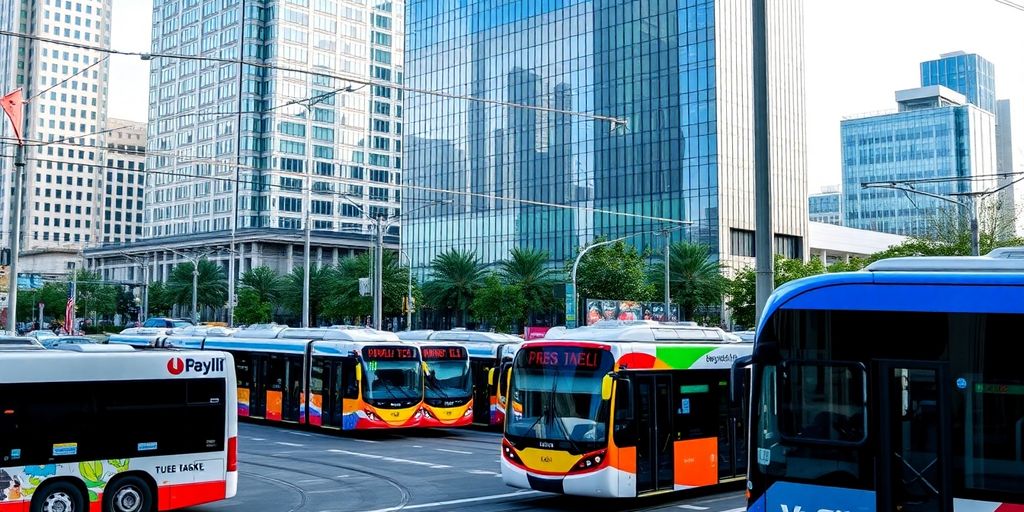
Choosing where to set up an office isn't just about finding a space with the right number of desks. Transport links play a massive role in these decisions. A location near major train stations or bus routes means your employees can get to work faster and with less hassle. This is especially true in big cities where driving can be a nightmare. Companies often weigh the benefits of being close to public transport against the cost of renting in those areas.
- Proximity to public transport can reduce commuting time.
- Offices near transport hubs often have higher rental costs.
- Easy access to transport can attract a larger talent pool.
The Role of Accessibility in Business Success
Being in a spot that's easy to reach isn't just good for employees; it's good for business. Clients and partners are more likely to visit if your office is easy to get to. Plus, being near public transport can mean less stress for your team, which can boost productivity. When people spend less time stuck in traffic or waiting for a train, they have more energy and focus for their work.
Easy access to public transport in office buildings reduces car reliance and traffic congestion, enhancing commutes and promoting sustainable workspaces.
Case Studies of Successful Office Locations
Let's look at some real-world examples. In London, areas like King's Cross and Liverpool Street have seen a boom in office spaces due to their excellent transport links. These areas aren't just about convenience; they're also buzzing with activity, from cafes to retail shops, making them attractive to businesses and employees alike. Similarly, in Tokyo, the proximity to major train lines is a key factor in the success of office locations, offering an easy commute for the workforce.
- King's Cross, London: Benefited from the Eurostar and multiple tube lines.
- Shibuya, Tokyo: Known for its connectivity via JR lines and metro.
- Central, Hong Kong: Offers easy access to ferries and the MTR, making it a prime business hub.
Environmental and Economic Benefits of Public Transport Accessibility
Reducing Carbon Footprint Through Public Transport
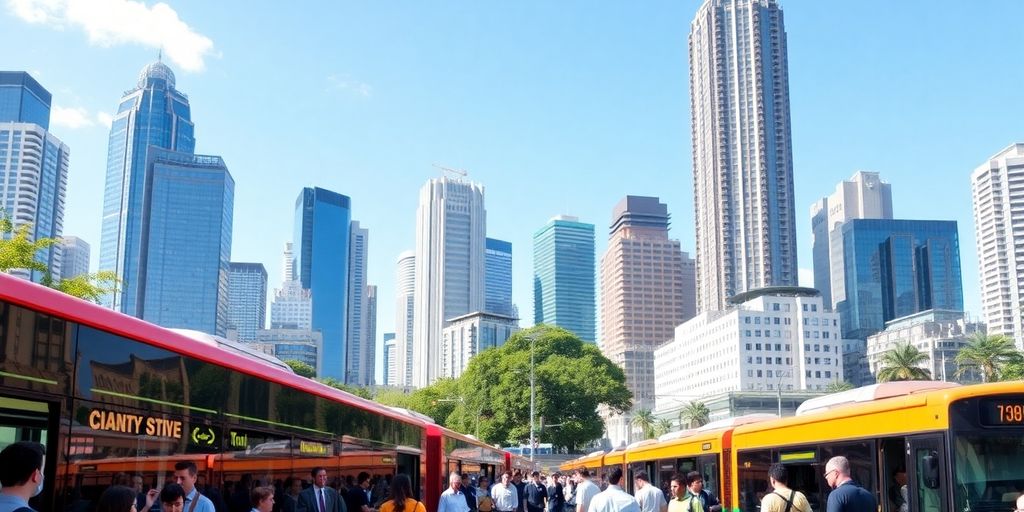
Public transport is a game-changer when it comes to cutting down on carbon emissions. Every bus or train ride means fewer cars on the road, which is a win for the environment. Switching from cars to public transport can significantly reduce the carbon footprint of a city. It's not just about cleaner air, but also about creating a healthier environment for everyone. In cities where public transport is the norm, like Tokyo or London, the impact is clear. The air is cleaner, and the streets are less congested, making life smoother for everyone.
Economic Growth Linked to Transport Accessibility
Public transport doesn't just help the environment; it also boosts the economy. When people can easily get to work or shopping areas, they spend more, and businesses thrive. Offices near major transport hubs are in high demand, which can drive up property prices but also attract more businesses to the area. This creates a cycle of economic activity that benefits everyone. Areas with good transport links often see new businesses popping up, from cafes to retail stores, making them vibrant and attractive places to live and work.
Sustainability and Urban Development
Cities are constantly growing, and public transport is a key part of sustainable urban development. It helps manage the growth by providing a reliable way for people to get around without relying on cars. This reduces the need for parking spaces and lowers the overall infrastructure costs. Public transport systems are also adaptable, meaning they can grow with the city, adding new routes and services as needed. This flexibility makes them a smart choice for any city looking to grow sustainably.
Public transport is more than just a way to get from A to B. It's a critical part of a city's infrastructure that supports environmental goals, economic growth, and sustainable development. As cities continue to expand, the role of public transport will only become more important in shaping the future of urban living.
Challenges and Opportunities in Enhancing Office Connectivity
Overcoming Infrastructure Limitations
Cities often face a web of challenges when it comes to improving public transport. Old infrastructure, space constraints, and budget issues can all slow down progress. For example, expanding metro lines in already crowded urban areas can be a logistical nightmare. But overcoming these hurdles is essential for better office connectivity. Cities must innovate to break through these barriers. Governments and local authorities need to work together, using creative solutions like underground tunnels or elevated tracks to expand networks without disrupting existing infrastructure.
Innovative Solutions for Better Connectivity
In the quest for better office connectivity, innovation is key. Integrating different modes of transport can make commuting smoother. For instance, linking buses, trains, and metros can create a seamless journey for workers. Some cities are even experimenting with autonomous shuttles and bike-sharing schemes. These innovations not only make commuting easier but also encourage people to leave their cars at home, reducing traffic and pollution.
Future Trends in Office Accessibility
Looking ahead, the future of office accessibility seems promising. As technology advances, so do the possibilities for improving connectivity. Smart city initiatives are on the rise, with cities investing in digital tools to manage traffic flow and provide real-time updates on public transport. Additionally, the rise of remote work has changed the landscape, with evaluating public transport services in developing countries becoming more critical as companies explore flexible office locations. This shift could lead to a more distributed pattern of office spaces, reducing the pressure on city centres and promoting work-life balance.
The road to better office connectivity is paved with both challenges and opportunities. By embracing innovative solutions and future trends, cities can create a more connected and efficient environment for businesses and employees alike.
The Impact of Public Transport on Employee Satisfaction and Productivity
Improving Commute Times and Work-Life Balance
A well-connected office location can dramatically improve employees' daily commutes, reducing the time spent travelling and thus enhancing their work-life balance. When public transport options like trains, buses, or metro lines are easily accessible, employees can spend more time at home and less time on the road. This reduction in travel time can lead to less stress and fatigue, resulting in a more productive workforce. Moreover, with rising living costs, a conveniently located office can also help cut down on commuting expenses, which employees greatly appreciate.
Attracting Talent with Better Connectivity
Offices situated near major transport links are more attractive to job seekers. Candidates often consider the ease of commute when applying for jobs, and a location with good connectivity can significantly enhance a company's appeal. This is especially true for roles based in central locations, where public transport can make long-distance commuting more feasible. As a result, businesses with well-connected offices are likely to attract a broader pool of talented candidates.
Boosting Productivity Through Reduced Travel Stress
Easy access to public transport not only improves commute times but also reduces the stress associated with travel. Employees who face fewer delays and disruptions are more likely to arrive at work ready to focus and perform their best. In addition, the availability of multiple commuting options can provide flexibility, allowing employees to choose the best route for their needs. This adaptability in commuting can lead to increased job satisfaction and higher productivity levels.
The role of public transport in shaping workplace dynamics cannot be overstated. By providing reliable and efficient commuting options, businesses can foster a more satisfied and productive workforce, ultimately driving success and growth.
Case Studies: Cities with Exemplary Office Connectivity
London is renowned for its sprawling and heavily utilised public transport system. A staggering 70% of workers in London rely on public transport for their daily commute. This reliance pushes the demand for office spaces near major stations, particularly in Zone 1 of the Underground, leading to higher office rental prices. The convenience of being close to transport links not only increases the desirability of these locations but also boosts economic activity in the area. Offices in locations like Liverpool Street and Euston are particularly sought after by tech and finance companies due to their vibrant surroundings.
Bangalore's Emerging Connectivity Solutions
Bangalore is making strides in improving its transport infrastructure to support its status as a tech hub. The Bangalore Development Authority is working on projects like the Peripheral Ring Road and the Suburban Train System to reduce congestion and improve connectivity. Managed offices near metro stations are becoming increasingly attractive to investors due to their high occupancy rates. The integration of different transport modes, such as buses and suburban trains with the metro, enhances the ease of commuting, making Bangalore a promising city for office connectivity.
Seoul's Advanced Public Transport System
Seoul boasts one of the most advanced public transport systems in the world, with a comprehensive network that includes subways, buses, and even high-speed trains. The city's commitment to maintaining and expanding this network ensures that offices throughout Seoul are easily accessible. This ease of access is a major factor in the city's economic growth, as businesses can attract talent from all over the region. The well-connected transport system also contributes to reduced travel stress and improved work-life balance for employees, making Seoul an exemplary model for office connectivity.
Conclusion
In the end, deciding which city boasts better connectivity to serviced offices via public transport boils down to a few key factors. London, with its extensive underground network and numerous train stations, offers a seamless commute for many. The accessibility of serviced offices here is top-notch, making it a prime choice for businesses that value convenience. On the other hand, cities like Bangalore are catching up fast, with their metro systems expanding and improving. While they may not yet match London's scale, the improvements are significant and promising. Ultimately, the best city for you will depend on your specific needs and priorities, but both cities offer compelling advantages for businesses looking to thrive in well-connected environments.
Frequently Asked Questions
Why is it important for offices to be near public transport?
Being close to public transport makes it easier for employees to commute, reducing travel time and stress. It also attracts more job seekers and can lower the carbon footprint by encouraging the use of greener transport options.
How does public transport affect office prices?
Offices near major transport hubs often have higher demand, which can drive up rental prices. The convenience of being close to transport links makes these locations more attractive to businesses.
What are the benefits of having an office near a train station?
Offices near train stations can attract employees from outside the city, offer easier access for clients visiting from afar, and generally improve the commuting experience for staff.
How does public transport contribute to employee satisfaction?
Public transport can improve commute times, allowing employees more time at home and less travel stress, which boosts overall satisfaction and productivity.
What role does public transport play in business success?
Easy access to public transport can make a business more appealing to potential employees and clients, and can improve operational efficiency by reducing travel-related delays.
How does transport connectivity influence office location decisions?
Businesses often choose office locations based on accessibility to transport links, as it affects employee commute times, client visits, and overall convenience.
Filed under
The Moveandstay editorial team writes about serviced living, workspaces, and city guides across Asia-Pacific.
Read next

Serviced Offices Surge in Popularity as Businesses Embrace Flexible Leasing
May 3, 2026

Hong Kong Serviced Apartment Market Buzzes with Sales and Investment Activity Amidst Shifting Valuations
May 3, 2026

ONYX Hospitality Group Elevates Shama Serviced Apartments with New Lifestyle Concept and Ambitious Expansion
Apr 26, 2026