What cultural differences affect family life in Manila?
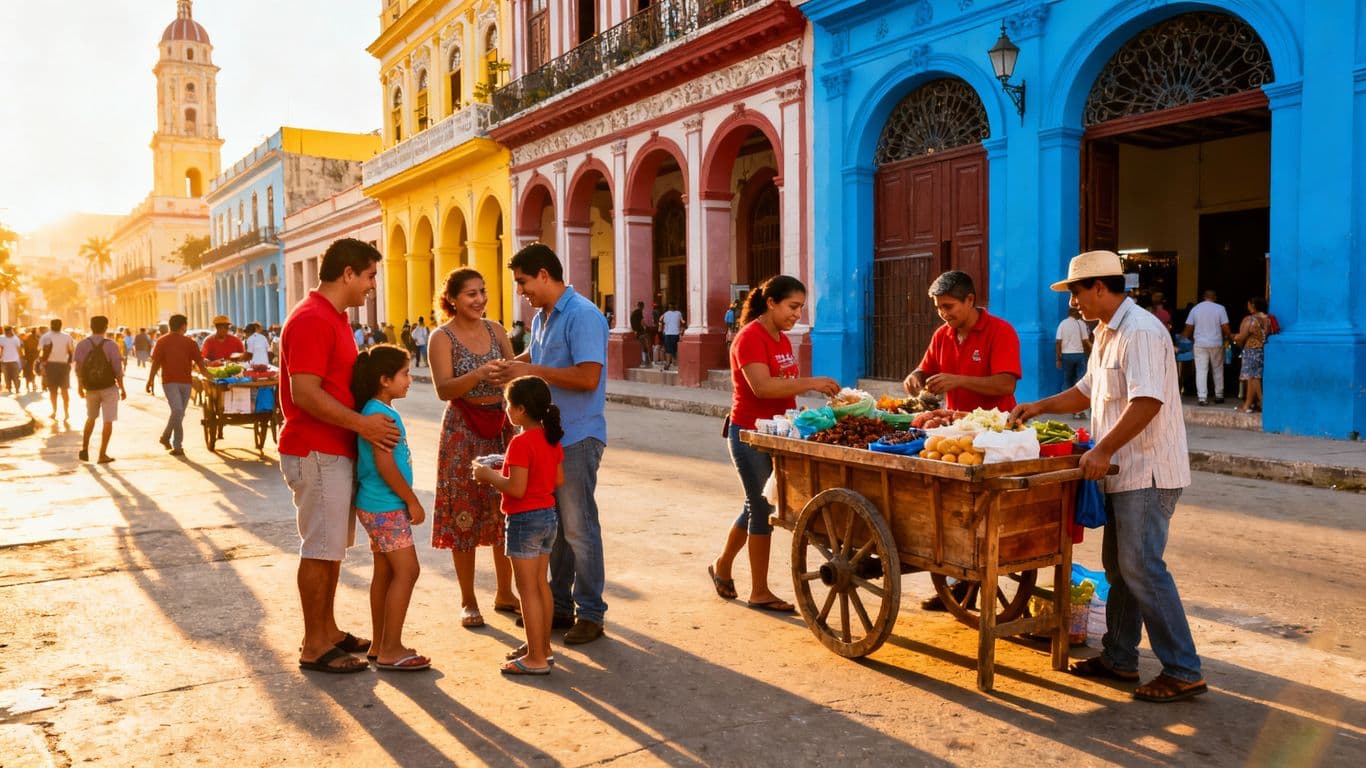
In Manila, family life is deeply influenced by a rich tapestry of cultural norms and traditions. Understanding these cultural differences family life in Manila is key to appreciating the unique dynamics that shape households and relationships. From the strong emphasis on collective well-being to the specific roles assigned within the home, Filipino culture provides a distinct framework for family interactions.
Key Takeaways
- The Filipino family unit is broadly defined, extending beyond immediate relatives to include a wide network of kin, neighbours, and even close friends, often referred to using familial terms.
- Filial piety is a cornerstone of Filipino culture, highlighting the importance of deep respect and obedience towards elders, which influences children's duties and the care of ageing family members.
- Traditional gender roles are often observed, with mothers typically managing household and child-rearing duties, while fathers are seen as the primary providers, though women also hold significant influence in family matters.
- Extended family living and close ties with aunts, uncles, and godparents are common, with grandparents often playing a significant role in raising grandchildren.
- Transnational families are a significant aspect of life in Manila due to labour migration, leading to reliance on remittances and emotional challenges associated with family separation.
The Centrality Of Family In Manila
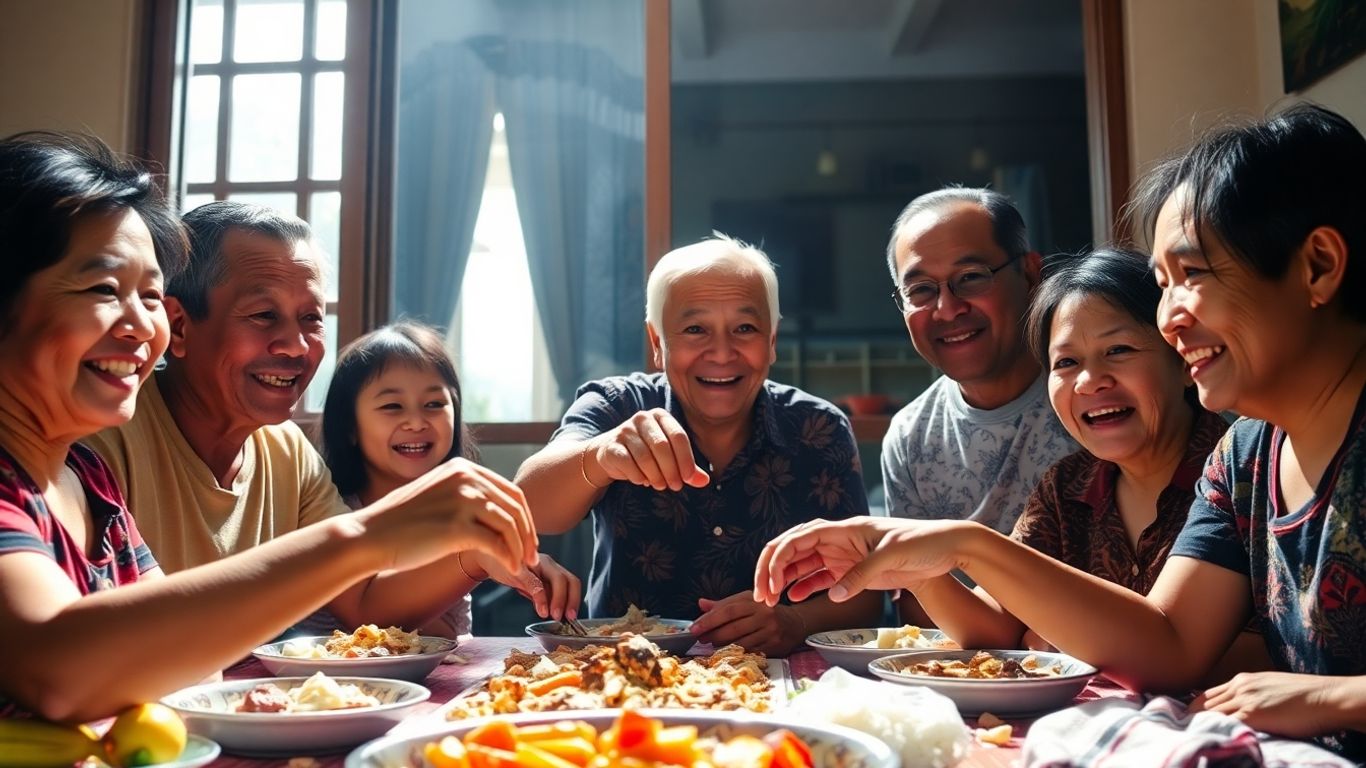
In Manila, like much of the Philippines, family isn't just a part of life; it's pretty much the whole show. It’s the bedrock of everything, really. When people talk about family here, they’re not just talking about mum, dad, and the kids. Oh no, it’s a much bigger picture.
Defining The Filipino Family Unit
The core is the nuclear family, of course, but the connections stretch out way beyond that. You’ve got your aunts, uncles, cousins, and even godparents who are all considered part of the inner circle. It’s not unusual for people to call their parents’ friends or distant relatives ‘Tito’ (uncle) or ‘Tita’ (aunt), and even grandparents’ friends might be affectionately referred to as ‘Lolo’ or ‘Lola’. This creates a really wide support network, a sort of extended family that’s always there.
The Concept Of Kapamilya
This idea of 'kapamilya' is key. It literally means 'family member', but it’s used so broadly. It signifies a deep bond, a sense of belonging that goes beyond just blood ties. If you’re part of someone’s kapamilya, you’re expected to be there for them, and they’ll be there for you. It’s a commitment, a shared identity that shapes how people interact and look out for each other.
Family As A Foundation Of Social Life
Because family is so central, it really dictates how society functions. Decisions, big or small, are often made with the family’s well-being in mind. It’s about maintaining harmony, upholding the family’s reputation, and ensuring everyone is looked after. This collective focus means that individual desires often take a back seat to what’s best for the group. It’s a different way of looking at things, where your personal success is often seen as the family’s success too.
Filial Piety And Respect For Elders
In Manila, the concept of filial piety is really quite central to how families operate. It’s not just about being polite; it’s a deep-seated belief that you owe your parents and elders a certain level of respect and care. This isn't a new idea, mind you, it's been around for ages and is a big part of what it means to be Filipino.
Upholding Family Face And Harmony
Maintaining the family's reputation, often referred to as 'family face', is a significant concern. This means that individual actions are often viewed through the lens of how they reflect on the entire family unit. Avoiding shame or 'hiya' is paramount, and this often translates into a strong emphasis on behaving in ways that bring honour to the family. It’s about ensuring that everyone in the family gets along and that there are no major disruptions to the peace.
The opinions of younger family members are often considered secondary to those of their elders. This hierarchy ensures that the wisdom and experience of older generations are given precedence in decision-making processes, contributing to the overall harmony and stability of the household.
Children's Duties And Responsibilities
Children in Manila are generally raised with a strong sense of duty towards their parents and the wider family. This goes beyond just helping out with chores; it includes things like achieving well in school or in their careers, as these successes are seen as contributions to the family’s welfare. It’s a way of repaying the 'utang na loob', a sort of unpayable debt of gratitude owed to parents for raising them.
- Respecting elders’ authority at all times.
- Assisting the family with household tasks.
- Prioritising family needs and goals.
Care For Ageing Family Members
Looking after elderly relatives is almost always the responsibility of the children or grandchildren. It’s very rare for older family members to be placed in care homes. Instead, they are typically integrated into the household, with younger generations taking on the role of caregivers. This commitment is seen not as a burden, but as a natural extension of the respect and gratitude owed to those who raised them. There have even been discussions about laws that would penalise adult children who neglect their elderly parents, highlighting how seriously this responsibility is taken [ac1f]. It’s a testament to the strong bonds and reciprocal obligations within Filipino families.
Gender Roles Within The Household
When you look at families in Manila, you'll notice that traditional gender roles still play a pretty big part, though things are definitely shifting. It's not quite as rigid as some places, but there are definitely expectations about who does what.
Traditional Parental Responsibilities
Historically, the father has been seen as the main breadwinner, the one responsible for bringing home the money to support the family. This is a big one, and it often means fathers are the primary financial providers. The mother, on the other hand, is usually expected to be the heart of the home. This means she's typically in charge of looking after the children, managing the household chores, and generally keeping things running smoothly on a day-to-day basis. It's a division of labour that's been around for a long time.
Mothers' Childrearing Attitudes
Interestingly, studies suggest that mothers in Manila often have slightly more modern views when it comes to raising kids compared to fathers. This can mean they're more likely to encourage their children to be a bit more independent and to express themselves. However, when it comes to respecting parental authority and following rules, both mothers and fathers tend to agree. They both generally believe that children should be obedient and listen to their parents' directives. This blend of encouraging independence while still valuing obedience is quite common.
Fathers' Role As Providers
The role of the father as the provider is deeply ingrained. It's not just about earning money; it's about being the main financial pillar for the family. This can sometimes mean that fathers are less involved in the day-to-day nitty-gritty of childcare and household management, as their focus is often on their work outside the home. However, this doesn't mean they aren't caring or involved; it's just that their contribution is often seen through the lens of financial security.
The expectation for fathers to provide financially is a significant aspect of their role, often shaping their daily activities and involvement within the home. This focus on provision is a key cultural marker.
It's worth noting that while these roles are traditional, they aren't always strictly followed. Many families have adapted, and you'll find plenty of households where mothers are also the primary earners, or where fathers are very hands-on with childcare. The influence of women in business and government is also growing, which naturally impacts household dynamics. So, while tradition is strong, flexibility and adaptation are also part of the picture in Manila's family life.
Extended Family And Intergenerational Living
In Manila, the concept of family stretches far beyond the immediate household. It's quite common to find multiple generations living under the same roof, creating a vibrant, often noisy, but always connected environment. This setup isn't just about convenience; it's deeply ingrained in the culture.
Three Generations Under One Roof
Living arrangements often include grandparents, parents, and children all sharing a home. This close proximity means that daily life is a shared experience, with responsibilities and joys spread across the generations. It’s not unusual for a household to have a mix of ages, all contributing to the family's well-being in their own way. This intergenerational living fosters a strong sense of unity and mutual reliance.
Grandparents' Role In Child Rearing
Grandparents frequently play a significant part in raising their grandchildren. They often step in to help with childcare, offering guidance, discipline, and a lot of love. This involvement means children grow up with a strong connection to their elders, learning traditions and values directly from them. It’s a partnership that benefits everyone, easing the burden on parents and providing children with a rich upbringing.
Close Ties With Aunts, Uncles, And Godparents
The network of family extends outwards to include aunts, uncles, and godparents, who are often considered just as important as immediate family members. These relationships are actively maintained, with regular contact and support. Godparents, in particular, take on a serious role, often acting as a second set of parents, offering guidance and support throughout a godchild's life. This wide web of familial connections provides a robust support system, offering help and advice whenever needed.
Transnational Families And Remittances
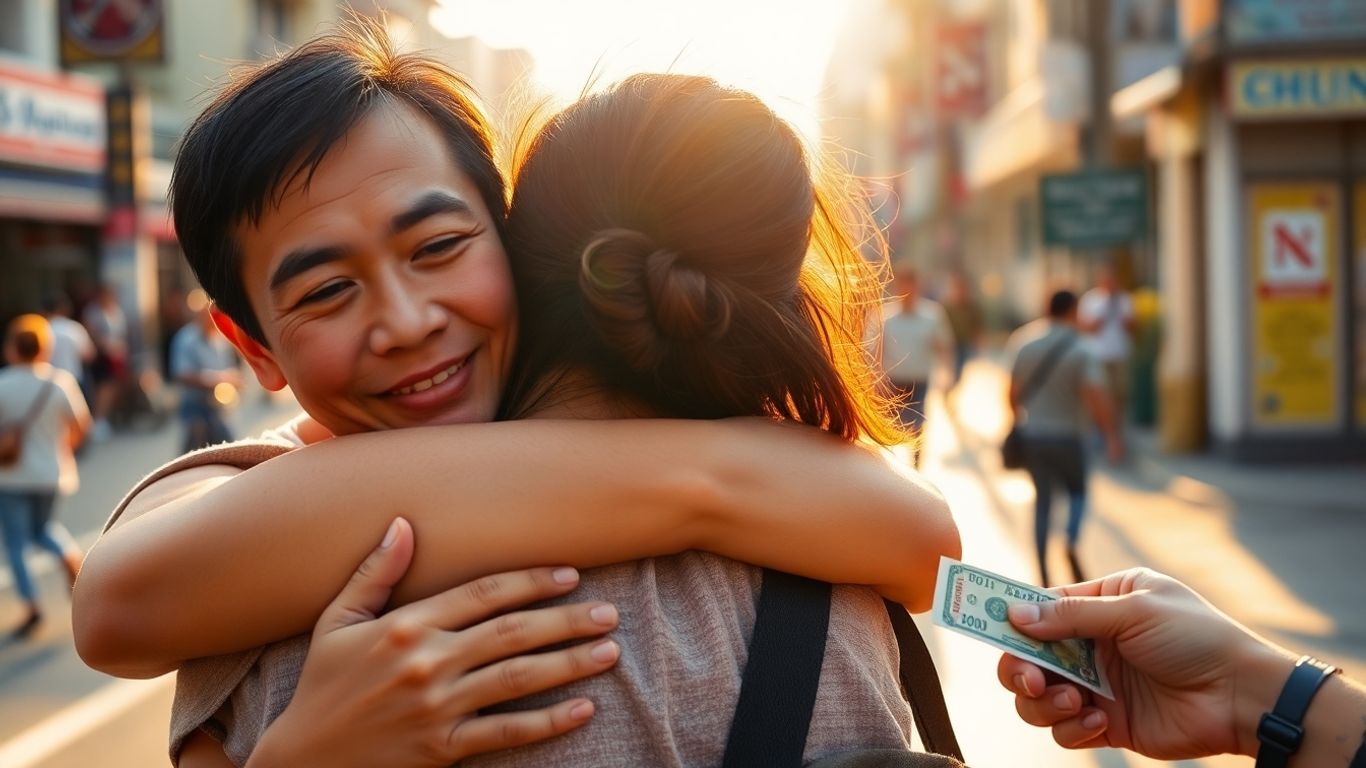
It's pretty common these days for families in Manila, and indeed across the Philippines, to have members working overseas. This isn't a new thing; it's been happening for decades. People leave to find work abroad to send money back home, which is a big deal for the families left behind. This means that family life often involves people living in different countries, which can be tough.
Filipino Labour Migration Abroad
Since the 1970s, the Philippines has seen a lot of its citizens go abroad for work. These workers, often called Overseas Filipino Workers (OFWs), are a major part of the economy. They leave their homes, sometimes leaving children or elderly parents in the care of other relatives. The goal is always to provide a better life for those back home. It's a sacrifice, for sure, but it's seen as a duty.
Balikbayan Boxes And Family Support
When people are working abroad, they often send 'balikbayan boxes' back to their families. These are big cardboard boxes filled with all sorts of things – clothes, toys, household items, and gifts. It's a tangible way for those abroad to show they're thinking of their loved ones and to contribute to the household. It’s more than just stuff; it’s a piece of their life and earnings sent home.
Emotional Impact Of Family Separation
Living apart from family for long periods takes a toll. Many OFWs try to visit home at least once a year, usually during holidays or work breaks. This can be really hard, especially for parents who miss out on their children's milestones or those who can't be there for elderly parents. There's a constant emotional connection, but the physical distance creates a unique kind of longing and sometimes guilt for not being present.
The practice of sending remittances and balikbayan boxes is deeply ingrained, acting as a lifeline for many families and a testament to the strong familial bonds that transcend geographical separation.
Here's a look at how common this is:
- Number of Filipinos working abroad: Millions of Filipinos are employed overseas at any given time.
- Remittance amounts: Billions of dollars are sent back to the Philippines annually, significantly boosting the national economy.
- Family impact: Studies show that remittances often go towards education, housing, and daily living expenses for the families receiving them.
Cultural Values Shaping Parenting
When we talk about raising kids in Manila, it's not just about what parents read in books or see on TV. The whole upbringing is really tied up with the cultural values that are passed down. It’s a bit of a mix, really, with some older ideas still holding strong alongside newer influences.
Individualism Versus Collectivism
This is a big one. In many Western cultures, there's a strong push for kids to be independent, to stand out, and to focus on their own goals. That's the individualism part. But here in Manila, and in the Philippines generally, there's a much stronger pull towards collectivism. This means the family unit, the group, comes first. Children are often encouraged to think about how their actions affect the family as a whole. It’s not about being a lone wolf; it’s about being a good member of the pack.
This can show up in different ways. For example, a parent might encourage their child to pursue a career that benefits the family, rather than just what the child personally loves, if the family career path offers more stability or prestige. It’s a balancing act, and sometimes it can be tricky for kids trying to figure out their own path versus what’s expected of them.
The Value Of Conformity
Following on from collectivism, there's a significant emphasis on conformity. This isn't about being boring or unoriginal; it's more about fitting in and maintaining harmony within the family and the wider community. Parents often want their children to follow rules and respect traditions. This can mean:
- Adhering to family expectations regarding behaviour.
- Respecting elders and their opinions without question.
- Avoiding actions that might bring shame or embarrassment to the family.
This focus on conformity can sometimes mean less room for individual expression, especially when it clashes with family norms. It’s a way of keeping things smooth and predictable, which many parents see as a positive thing for their children’s well-being.
Parental Warmth And Limit Setting
When it comes to how parents show affection and discipline, there’s a definite cultural flavour too. Filipino parents are generally known for being warm and affectionate. Hugs, kind words, and showing care are common. However, this warmth often goes hand-in-hand with setting clear rules and limits. It’s not an either/or situation.
Parents often see setting boundaries as a way of showing love and protecting their children. It’s about guiding them towards acceptable behaviour and keeping them safe from harm, all within the context of family expectations.
So, you might have very loving parents who are also quite strict about curfews, academic performance, or social interactions. This blend of warmth and firm guidance is a common approach, aiming to raise well-behaved children who are also emotionally secure and connected to their family.
Family Gatherings And Celebrations
Family get-togethers are a really big deal in Manila, and honestly, pretty much everywhere in the Philippines. It’s not just about having a meal together; it’s about reinforcing those family ties that are so important. Think of all the major events – fiestas, birthdays, religious holidays – they’re all prime opportunities for the family to come together.
These events are usually a lively affair. There’s plenty of food, often a lot of singing (sometimes off-key, but with great enthusiasm!), and just a general atmosphere of joy. It’s where a lot of those core memories are made, the kind that stick with you.
Fiestas, Birthdays, And Religious Events
In Manila, you can’t talk about family gatherings without mentioning the sheer number of celebrations. Every town and every neighbourhood has its own fiesta, usually honouring a patron saint. These are massive events, often involving parades, street parties, and of course, huge family meals. Birthdays are also celebrated with gusto, especially the milestone ones. And religious holidays, like Christmas and Easter, are deeply significant family occasions.
- Christmas: This is arguably the biggest family celebration, often starting in September and culminating on Christmas Eve (Noche Buena) with a grand feast.
- Fiestas: Each barangay (neighbourhood) has a patron saint, and their feast day is celebrated with religious services and community feasts.
- Birthdays: Especially for children and elders, birthdays are marked with parties and special meals.
The Spirit Of Bayanihan
This is where the concept of bayanihan really shines. It’s that sense of collective effort and community spirit. When a big family event is happening, everyone pitches in. Someone brings the lechon (roast pig), another family member handles the drinks, and others help with decorations or setting up. It’s a shared responsibility, and it makes the events feel truly communal.
It’s this shared effort that makes even the most elaborate celebrations feel manageable and deeply personal, as everyone contributes something to the collective joy.
Economic Support And Solidarity
Beyond the celebrations themselves, these gatherings are also often a time when families check in on each other’s financial situations. If someone is facing hardship, the family network is there to offer support, whether it’s a loan, help finding a job, or just a sympathetic ear. It’s a practical demonstration of solidarity, showing that no one in the family is truly alone when facing difficulties. This mutual support system is a bedrock of Filipino family life. This interconnectedness means that even distant relatives often feel a strong obligation to help one another out.
Wrapping Up: The Enduring Heart of the Filipino Family
So, as we've seen, family life in Manila is a really rich tapestry, woven with threads of tradition, respect, and a whole lot of connection. It's clear that family isn't just a part of life here; it's pretty much the centre of everything. Whether it's the strong bonds with grandparents, the way everyone pitches in, or even the challenges of loved ones working far away, the Filipino family unit shows incredible strength and adaptability. These cultural values, like looking out for each other and respecting elders, really shape how families interact and support one another, creating a unique and enduring sense of belonging that keeps families close, no matter what life throws their way.
Frequently Asked Questions
What does 'kapamilya' mean in the Philippines?
'Kapamilya' is a Filipino word that means 'family member.' It shows how close Filipinos are, not just to their blood relatives, but also to friends and neighbours, treating them like family.
Why is respecting elders so important in Manila?
Respecting elders, known as filial piety, is a big deal. It's about showing honour to parents and older family members. This helps keep the family looking good and avoid causing shame, making sure everyone gets along.
Are there strict gender roles in Filipino families?
Traditionally, yes. Mothers often handle childcare and the home, while fathers are seen as the main providers. However, studies show mothers might be more open to giving kids more freedom, even though both parents value obedience.
Do many generations live together in Manila?
It's quite common for three generations to live under one roof. Grandparents often help raise the children, and families stay close, often living near each other.
How does working abroad affect families in Manila?
Many Filipinos work overseas to support their families back home, sending money and 'balikbayan boxes' with gifts. This can be tough, as it means families are often separated, which can be emotionally difficult.
What are family gatherings like?
Filipino families love to celebrate! Events like fiestas, birthdays, and religious holidays are big deals. They involve lots of food, music, and togetherness, often showing the 'bayanihan' spirit where everyone helps out.
The Moveandstay editorial team writes about serviced living, workspaces, and city guides across Asia-Pacific.