What cultural differences affect family life in Hong Kong?
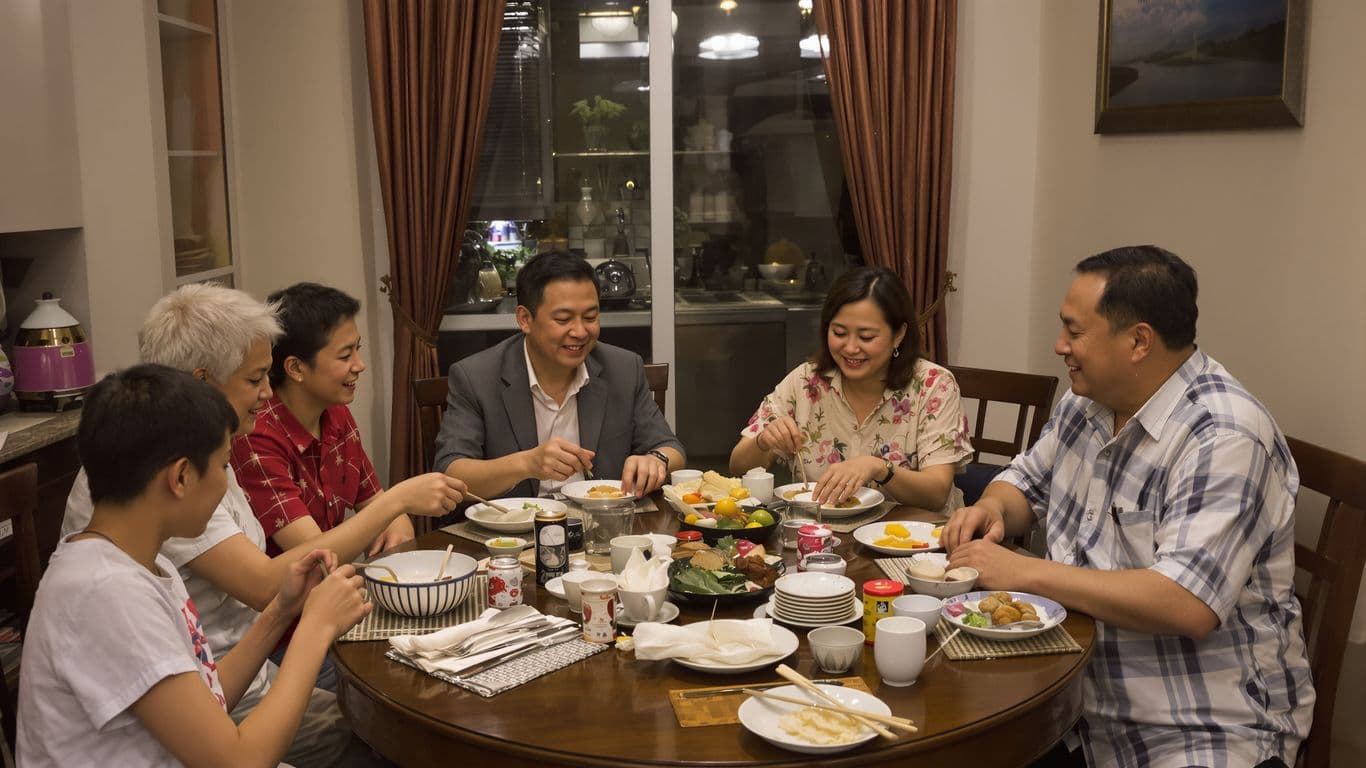
Hong Kong's unique blend of Eastern traditions and Western influences shapes family life in fascinating ways. It's a place where old customs meet modern living, and understanding these cultural differences family life in Hong Kong is key to appreciating how families function and interact. From how households are structured to the roles each member plays, there's a lot to unpack. Let's take a look at some of the main things that make family life in Hong Kong distinct.
Key Takeaways
- The typical Hong Kong family is a nuclear unit, often with just one child, largely due to small living spaces. Traditionally, roles were very defined, but now women working more often means they have a bigger say in family decisions.
- Respect for elders is a big deal, tied to filial piety, where children feel a debt to their parents. Ancestor worship is also practised, showing honour to previous generations.
- Family reputation, or 'collective face', is important. What one person does can reflect on the whole family, so people try to bring honour to their parents and family.
- While parental approval is still sought for marriages, modern life sees more delayed marriages as people focus on financial stability first. Divorce rates are quite low.
- Westernisation and globalisation have introduced more variety in family relationships and values. This can sometimes lead to differences in outlook between younger and older generations.
Shifting Family Structures And Roles
Hong Kong's families are definitely not what they used to be. We're seeing some pretty big changes in how families are set up and who does what.
The Nuclear Family Norm
For a long time, the idea of a nuclear family – mum, dad, and the kids – was the standard here, just like in many Western countries. It was seen as the ideal setup. But life in a busy city like Hong Kong means things are getting more complicated.
Evolving Gender Roles
Traditionally, men were the main breadwinners, and women looked after the home and kids. That's changing, though. More women are working and contributing financially, and men are getting more involved in childcare and household chores. It's not always a smooth transition, and there can be different expectations between generations.
The Influence of Domestic Helpers
The presence of foreign domestic helpers is a significant factor in many Hong Kong households, particularly for working parents. They often take on a substantial portion of childcare and household management, which can free up parents to focus on their careers or other pursuits. This arrangement, while practical, can also shape family dynamics and the way children are raised.
It's pretty common for families to have live-in domestic helpers. They really help out with looking after the children and managing the house. This means parents, especially mothers, might have more time for their careers or personal interests. It's a practical solution for many, but it does mean that the helper becomes a big part of the family's daily life and how the children are brought up.
Filial Piety And Intergenerational Bonds
Honouring Elders And Ancestors
In Hong Kong, the concept of filial piety, deeply rooted in Confucian traditions, remains a significant force shaping family life. It's more than just respect; it's a sense of duty and obligation that children feel towards their parents and elders. This often translates into practical support, whether it's financial assistance, help with daily tasks, or simply making time for regular visits. The idea is that parents have sacrificed a lot to raise their children, and now it's the children's turn to reciprocate that care and ensure their parents live comfortably and with dignity in their later years.
This tradition extends to honouring ancestors as well. While perhaps less visible in day-to-day life compared to caring for living parents, remembering and respecting those who came before is still important for many families. This might involve participating in ancestral worship ceremonies or maintaining family graves.
The Concept of Collective Face
'Face', or 'mianzi', is a really important idea in Chinese culture, and it definitely plays a role in Hong Kong families. It's about reputation, social standing, and how one is perceived by others. For families, maintaining collective face means presenting a united and successful front to the outside world. This can influence decisions about education, careers, and even marriage, as these are seen as reflections of the family's overall status and achievements.
Children are often expected to behave in ways that bring honour to the family, avoiding actions that could cause embarrassment or shame. This pressure can be quite strong, as a family's reputation is seen as a shared asset, and individual actions can impact everyone.
The weight of collective face means that family members often prioritise the group's reputation over individual desires, leading to a strong sense of interdependence and shared responsibility for upholding the family's honour.
Filial Duty And Family Honour
Filial duty is intrinsically linked to family honour. Fulfilling one's obligations to parents and elders is not just a personal virtue but a way to uphold the family's good name. This can create a complex dynamic, especially when individual aspirations might clash with perceived family expectations. For instance, a child might feel pressured to pursue a certain career path or marry a particular person because it's seen as more beneficial for the family's standing, rather than for their own personal happiness.
Here's a look at how these duties are often viewed:
- Respect and Obedience: Younger generations are expected to listen to and respect the opinions and wishes of their elders.
- Financial Support: Providing financial assistance to parents, especially if they are unable to support themselves.
- Caregiving: Being present and actively involved in the care of aging parents, both physically and emotionally.
- Upholding Reputation: Acting in a way that reflects positively on the family name and avoiding actions that could bring shame.
Marriage And Family Formation
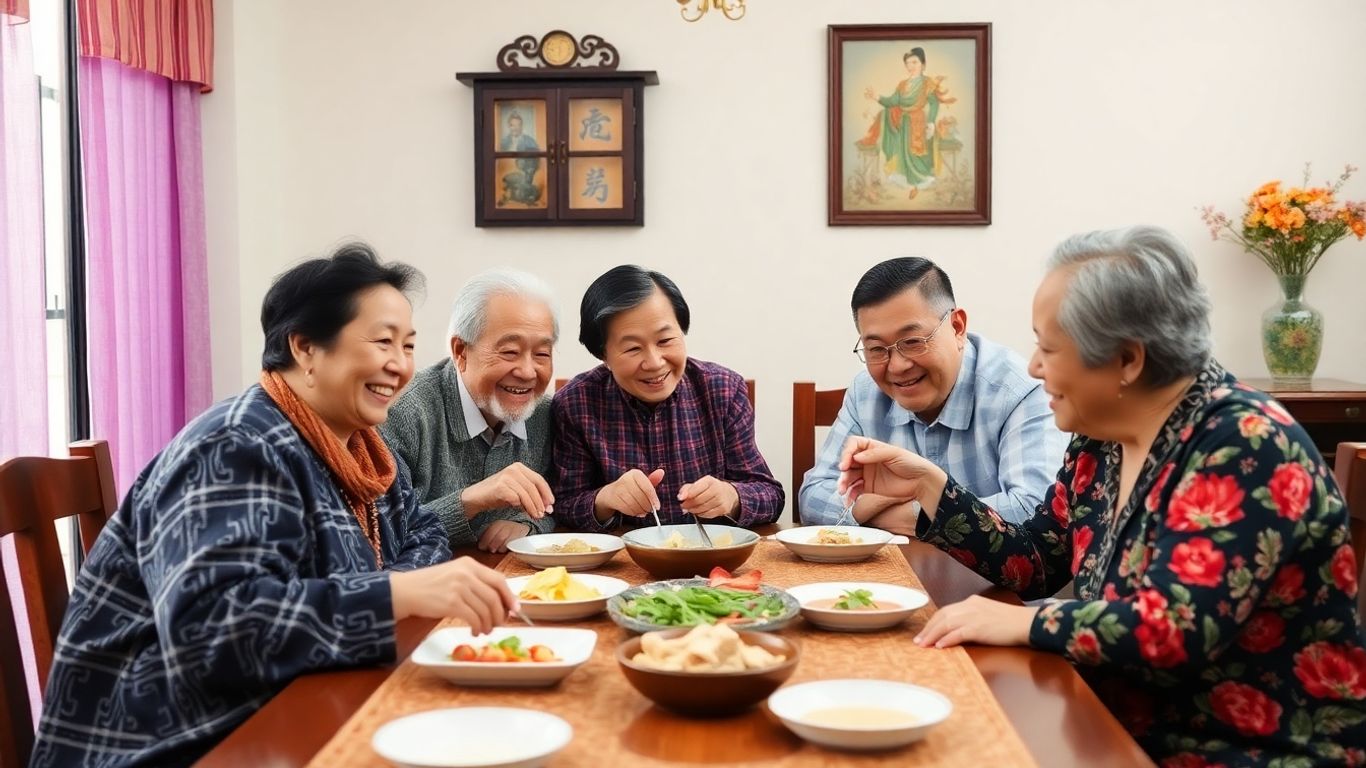
In Hong Kong, the path to marriage and forming a family is often shaped by a blend of traditional expectations and modern realities. While societal norms still hold sway, younger generations are increasingly making choices that reflect their personal aspirations and financial situations.
Parental Approval In Marriage
Traditionally, parental blessing for a marriage was almost a given, a sign of respect for elders and a way to ensure family harmony. While this isn't as rigid as it once was, many Hong Kongers still consider their parents' opinions important when choosing a life partner. It's not uncommon for parents to have a say, or at least express their views, on who their children marry. This can sometimes lead to interesting dynamics, especially if a couple's choice doesn't quite align with parental expectations.
Delayed Marriages And Financial Stability
There's a noticeable trend towards later marriages in Hong Kong. This is largely down to a few things. Firstly, education and career development often take precedence, meaning people are establishing themselves professionally before settling down. Secondly, the cost of living, particularly housing, is incredibly high. Couples often want to achieve a certain level of financial security, like owning a home, before tying the knot. This practical approach means that marriage is often seen as a significant financial undertaking, not just an emotional one.
Low Divorce Rates
Compared to many Western countries, Hong Kong generally has lower divorce rates. This can be attributed to several factors, including the strong emphasis on family honour and the desire to maintain social face. Divorce can be seen as a failure not just for the couple, but for their families too. Furthermore, the practicalities of separating households, especially when finances are tight, can also be a deterrent. However, it's worth noting that societal attitudes are evolving, and while divorce is still approached with caution, it's becoming more accepted as a personal choice when relationships are no longer viable.
The decision to marry and start a family is a significant one, influenced by a complex interplay of cultural values, economic pressures, and personal desires. While tradition plays a role, individual aspirations for stability and happiness are increasingly shaping these life choices.
Westernisation And Modernisation's Impact
Hong Kong's unique position as a global hub means it's constantly absorbing influences from all over. This isn't just about shiny new buildings or the latest tech; it's really changing how families work and relate to each other.
Heterogeneity In Intergenerational Relationships
It's not a one-size-fits-all situation anymore. While traditional values still hold sway for many, the younger generations, in particular, are often exposed to different ideas and lifestyles. This can lead to a wider range of views on family matters, sometimes creating a gap between parents and their adult children. This mix of old and new ways of thinking means family dynamics can be quite varied. For instance, attitudes towards marriage and career paths might differ significantly from one generation to the next.
Changing Marital And Reproductive Behaviours
We're seeing shifts in when people get married and if they have children. More people are choosing to marry later, or not at all, and birth rates are generally lower. This has knock-on effects on family structures and the support systems within them. For example, the proportion of young adults who are not married has gone up quite a bit in recent years. This can change expectations around family obligations and caregiving responsibilities as people age.
Generational Value Disparities
As society evolves, so do people's values. Younger Hong Kongers, having grown up in a more globalised and rapidly changing environment, might prioritise different things than their parents did at the same age. This can include career ambitions, personal independence, and even views on social issues.
The rapid pace of change means that what was considered normal or expected for families even a generation ago might be quite different today. This can sometimes lead to misunderstandings or differing expectations within families.
These shifts are part of a broader trend seen in many East Asian societies, where modernization doesn't necessarily mean abandoning cultural roots entirely, but rather a selective integration of global influences. Understanding these evolving family dynamics is key to appreciating contemporary Hong Kong life, and you can find more about how modernization affects societies like this in discussions about modernization in East Asia.
Here's a quick look at some trends:
- Later Marriages: A growing number of young adults are postponing marriage.
- Smaller Families: Birth rates have seen a general decline.
- Diverse Lifestyles: Increased acceptance of different life choices and family arrangements.
Factors Influencing Intergenerational Relationships
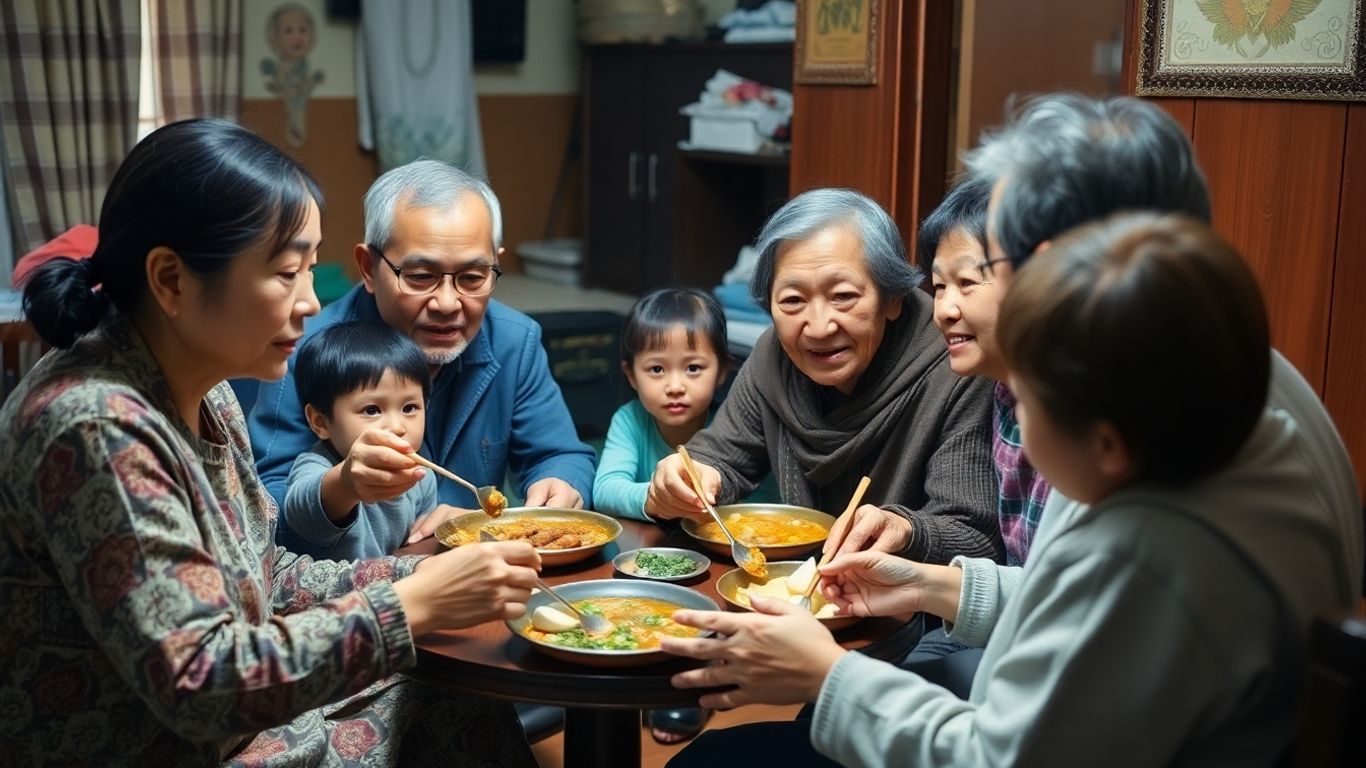
It's interesting how many things can shape how families get along, especially between parents and their grown-up kids. In Hong Kong, with its mix of old traditions and new ideas, these relationships can be quite complex.
Age and Maturation
Generally, as adult children get older, they tend to see things more like their parents do. This can smooth over disagreements and make everyone feel closer. It makes sense, right? You start to understand where they're coming from a bit better. However, Hong Kong's rapid changes mean younger generations often have very different views, which can sometimes create a gap, even as people age.
The Role of Gender in Family Dynamics
Gender can play a part too. Studies suggest that sometimes, relationships might be a bit different depending on whether you're talking about sons or daughters, and how parents view their roles. For instance, parents might feel closer to daughters in some ways, while sons might have different kinds of responsibilities or expectations placed on them.
Marital Status and Family Ties
Getting married often changes how adult children interact with their parents. Being married can sometimes lead to stronger family connections, perhaps because it signals a new stage of life and stability. It can also mean more people to consider when making family decisions or planning get-togethers.
It seems like a lot of factors are at play when it comes to how well different generations in a family connect. It's not just one thing, but a mix of personal growth, societal shifts, and individual life events that all contribute to the overall picture of family relationships.
Caregiving Responsibilities Across Generations
When it comes to looking after older family members in Hong Kong, it's a bit of a mixed bag, really. Traditionally, the expectation has always been that the family, and often the daughters-in-law or daughters, would step up. This comes from deep-rooted cultural values, like filial piety, which basically means respecting and looking after your parents and elders. It’s not just about money, either; it’s about being there, offering emotional support, and making sure they’re comfortable.
Workplace Demands and Care Provision
Life in Hong Kong is notoriously fast-paced, and many people are juggling demanding jobs with family commitments. This can make it really tough to provide the level of care that older relatives might need. You hear stories about people trying to manage full-time work, look after young children, and also be there for their aging parents. It’s a lot, and sometimes, the workplace just doesn't offer the flexibility needed. This can lead to a lot of stress and difficult decisions about who gets what kind of attention.
Cultural Emphasis on Sons for Elder Care
While daughters often provide a lot of the day-to-day emotional support, there's still a strong cultural thread that sees sons as the primary providers for elder care, especially financially. This is tied to the idea of continuing the family line and maintaining the family's reputation. It’s a bit of a balancing act, as sons might be expected to provide financial support, while daughters might be more involved in the hands-on care and emotional connection. It’s interesting how these roles can sometimes overlap or even conflict.
The Impact of Parental Divorce on Care
Divorce rates, while historically low, are changing, and this can have an impact on caregiving. When parents divorce, the responsibilities for elder care can become more complicated. Who takes the lead? How is the financial burden shared? It can sometimes create new dynamics within the extended family, and decisions about care might need to be renegotiated. It’s a modern challenge that families are having to figure out.
The pressure to balance work, personal life, and the needs of aging parents is a significant challenge for many in Hong Kong. This often means that caregiving duties fall disproportionately on certain family members, creating potential for strain.
Here's a look at some common caregiving arrangements:
- Primary Caregiver: Often a daughter or daughter-in-law, responsible for daily tasks.
- Financial Support: Traditionally expected from sons, but increasingly shared.
- Emotional Support: Frequently provided by daughters, valued highly by elders.
- Shared Responsibility: More common now, with siblings coordinating care.
It’s a complex picture, and families are constantly adapting to these changing expectations and realities. Understanding these different aspects helps paint a clearer picture of family life in Hong Kong, especially when it comes to looking after the older generation. It’s a topic that affects many people, and it’s worth exploring further to get a better grasp of family support systems.
Daughters' Role In Family Relationships
It's interesting how the role of daughters in Hong Kong families has evolved, especially when you look at it through the lens of tradition versus modern life. Historically, in many Confucian-influenced families, once a daughter married, her primary obligations shifted to her husband's family. She was seen as moving 'water' from her birth family to her new one. This meant her duty to her own parents lessened, and she didn't typically inherit from them.
Favourable Relationships With Parents
Despite the traditional shift, daughters often maintain strong emotional ties with their birth parents. Many married daughters continue to visit their parents regularly, and these visits are seen as a way to show respect and maintain filial piety. It's not just about duty; these interactions are often described as a source of joy and relaxation for the daughters. If a married daughter rarely visits her parents, she might even face criticism for not being filial enough. Interestingly, parents also visit their married daughters, sometimes bringing gifts, which shows the ongoing connection.
Affectual Closeness And Consensus
Research suggests that mothers, in particular, tend to report higher levels of closeness and better relationships with their adult children. This seems to hold true in Hong Kong too, with mothers often taking on a 'kin-keeping' role, maintaining family connections. This affectual closeness isn't limited to mothers; daughters often report a high degree of consensus and emotional connection with their parents, perhaps more so than sons in some cases. This closeness can be a significant factor in family harmony.
Exploring Sons' Relationship Dynamics
While the focus here is on daughters, it's worth noting that the dynamics with sons are also important. Traditionally, sons carried the primary responsibility for elder care and continuing the family line. However, as societal norms change, the lines blur. The expectation that sons are solely responsible for elderly parents is being challenged, and daughters are increasingly stepping up, sometimes even taking on similar levels of caregiving responsibility as their brothers. This shift is reshaping family support systems and intergenerational expectations.
The strength of the daughter-parent bond can be influenced by living arrangements. When daughters live with their parents after marriage, they are often still considered integral family members, strengthening the connection. Even if children take their father's surname, families might arrange for a daughter to carry the mother's surname to maintain a sense of lineage continuity, highlighting the enduring importance of daughters in the family's narrative.
Wrapping Up: Family Life in Hong Kong
So, as we've seen, family life in Hong Kong is a really interesting mix. Traditional ideas about respecting elders and looking after parents are still around, but things are changing. More women are working, which shifts how families make decisions. Plus, with people living longer and life getting busier, how families stay connected is evolving. It’s clear that while the core values of family remain important, the way these values play out in daily life is constantly being shaped by new social and economic realities. It’s a dynamic picture, and understanding these shifts helps paint a clearer view of Hong Kong families today.
Frequently Asked Questions
What is the typical family setup in Hong Kong?
Most families in Hong Kong are nuclear families, meaning they consist of parents and their children. This is partly because living spaces are often quite small, usually in tall apartment buildings. It's common for families to have just one child.
How have traditional family roles changed?
Traditionally, fathers were expected to be the main providers and heads of the household, while mothers focused on domestic chores and childcare. However, with more women working outside the home, often with the help of domestic helpers, mothers have gained more influence in family decisions.
What does 'filial piety' mean in Hong Kong families?
Filial piety is a core value that means respecting and looking after one's parents and elders. It involves honouring them for their wisdom and believing that children owe them a debt of gratitude. This respect often extends to ancestors as well.
How important is parental approval for marriage?
Parental approval is quite important when it comes to marriage. While financial stability also plays a role, parents' opinions on their child's future spouse can carry significant weight in the decision-making process.
Are divorce rates high in Hong Kong?
No, Hong Kong actually has some of the lowest divorce rates. This suggests a strong emphasis on maintaining marital bonds and family stability within the culture.
How does Western culture affect families in Hong Kong?
Western influences have led to some changes, like different views on marriage and having children. This can sometimes create differences in values between younger and older generations within families.
The Moveandstay editorial team writes about serviced living, workspaces, and city guides across Asia-Pacific.