
Vietnam's Rising Star: Why Expats Are Flocking to the Southeast Asian Gem in 2025
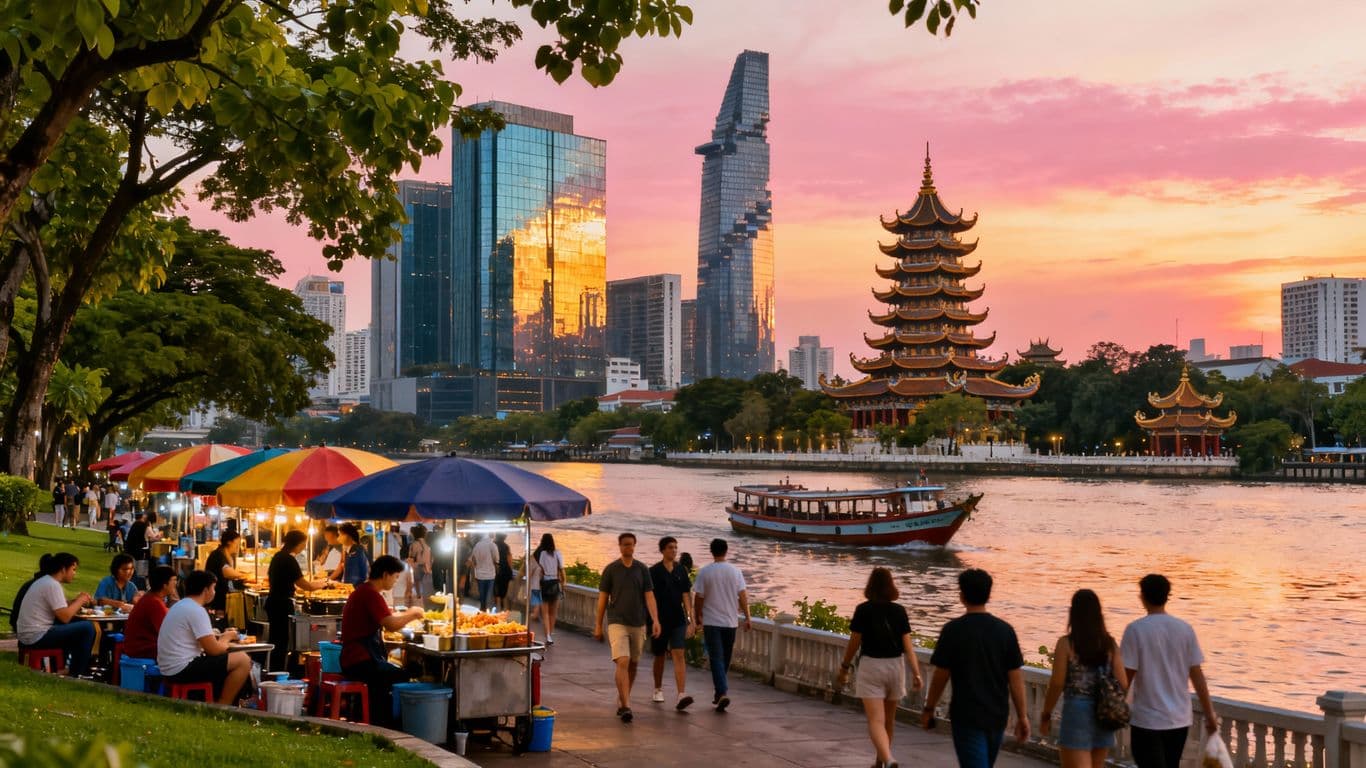
Vietnam is rapidly emerging as a premier destination for expatriates in 2025, drawing in individuals with its compelling blend of affordability, rich culture, and a burgeoning modern infrastructure. The nation offers a unique lifestyle proposition that appeals to a diverse range of individuals seeking new horizons.
Key Takeaways
- Vietnam offers a significantly lower cost of living compared to many other Asian countries.
- The country boasts a rich cultural heritage and friendly locals.
- Infrastructure is developing, particularly in major cities, to support a growing expat community.
- Visa options for retirees are limited, often requiring investment.
An Affordable Haven
One of Vietnam's most significant draws is its remarkably low cost of living. Even in major cities, expats can maintain a comfortable lifestyle on approximately $1,000 per month. This affordability extends to various aspects of daily life, making it an attractive option for those looking to stretch their retirement funds or simply seeking a more economical lifestyle.
Cultural Richness and Lifestyle
Beyond its economic advantages, Vietnam offers a vibrant cultural tapestry. From the bustling streets of Ho Chi Minh City, with its mix of modern amenities and historical sites, to the serene beaches and UNESCO World Heritage Sites near Da Nang, the country provides a diverse range of living experiences. The local population is often described as friendly and eager to interact, further enhancing the expat experience.
Infrastructure and Development
While some areas may still be developing, Vietnam's infrastructure is steadily improving, especially in its urban centers. This growth is geared towards supporting an increasing number of foreign residents and businesses. For those seeking specialized medical care, it's advisable to consider settling in larger cities where quality healthcare services are more readily available.
Navigating Visa Requirements
Securing long-term residency in Vietnam as a retiree can present challenges, as the country does not offer a specific retirement visa. Most expatriates opt for an Investor Visa (DT Visa), which requires a significant capital investment. Options range from the DT4 Visa, valid for 12 months with an investment under VND3 billion (approximately $120,000), to the DT1 Visa for investments of VND100 billion (nearly $4 million).
Considerations for Expats
While Vietnam presents a highly attractive proposition, potential expats should be aware of certain factors. The language barrier can be a consideration, though English is increasingly spoken in tourist areas and among younger generations. Furthermore, tax residents are subject to worldwide income tax. Despite these points, Vietnam's combination of affordability, culture, and developing opportunities positions it as a top contender for expatriates in 2025.
Vietnam's Growing Appeal as a Top Destination for Expats in 2025
- Retire in This Asian Country for a Warm Culture and Relaxed Lifestyle, Kiplinger.
- Best Places to Retire in Asia in 2025, Nomad Capitalist.
Filed under
The Moveandstay editorial team writes about serviced living, workspaces, and city guides across Asia-Pacific.
Read next

Serviced Offices Surge in Popularity as Businesses Embrace Flexible Leasing
May 3, 2026

Hong Kong Serviced Apartment Market Buzzes with Sales and Investment Activity Amidst Shifting Valuations
May 3, 2026

ONYX Hospitality Group Elevates Shama Serviced Apartments with New Lifestyle Concept and Ambitious Expansion
Apr 26, 2026