
Understanding the 2LDK Apartment Meaning: A Guide to Japanese Living Spaces
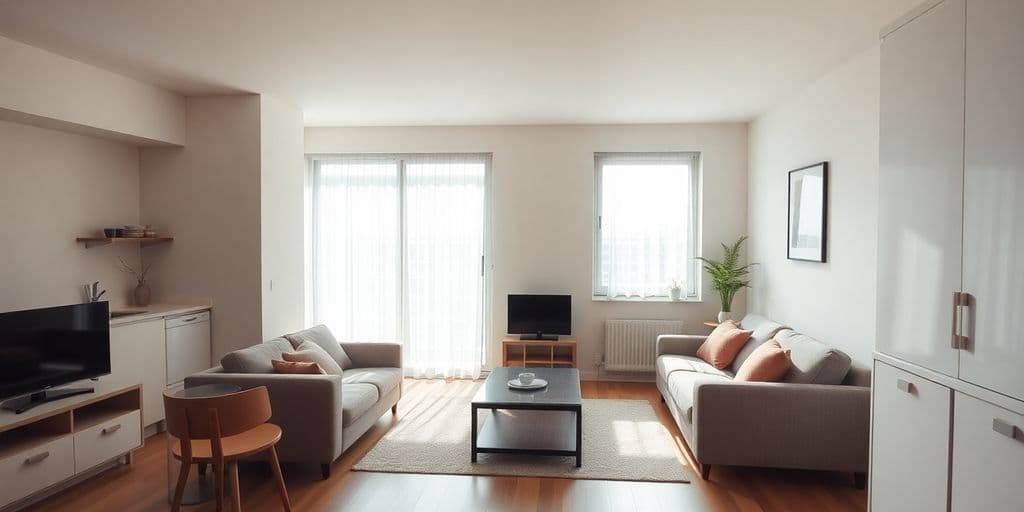
If you're curious about the term "2LDK apartment" and what it means, you're not alone. This layout is super common in Japan and is a favorite among couples, small families, and even singles looking for extra space. But what exactly does "2LDK" stand for? And how does it compare to other types of apartments? This guide will break it all down for you, from the layout basics to who it suits best.
Key Takeaways
- "2LDK" stands for 2 bedrooms, a Living room, Dining area, and Kitchen.
- It's a popular choice for couples, small families, and remote workers.
- The layout typically ranges from 50 to 80 square meters in size.
- Variations include half-living room, full-living room, and maisonette styles.
- Location, size, and building age heavily influence the cost.
What Does a 2LDK Apartment Mean?
Understanding the Abbreviation
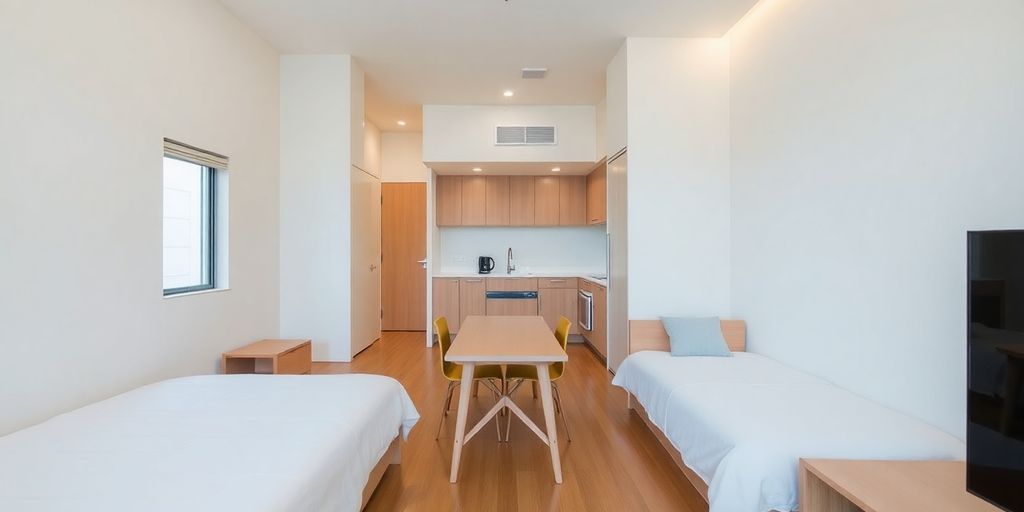
A 2LDK apartment in Japan is a specific type of layout that combines functionality with simplicity. The "2" refers to the number of additional rooms, while "LDK" stands for Living, Dining, and Kitchen. Together, it means the apartment has two separate rooms, along with a combined living, dining, and kitchen area. Unlike in some countries, the "rooms" in a 2LDK aren't always bedrooms—they could be used for other purposes like a study or hobby space.
Key Features of a 2LDK Layout
- Room Count: Two separate rooms, plus the LDK area.
- Flexibility: The rooms can serve as bedrooms, offices, or even storage spaces.
- Size Range: Typically between 40 sqm and 80 sqm, though larger options exist for high-end apartments.
- Storage: Unlike smaller layouts, 2LDK apartments often include closets or built-in storage units.
How It Differs From Other Apartment Types
- 1LDK: Only one room plus the LDK area, making it better suited for singles or couples.
- 2DK: Two rooms with a separate dining and kitchen area, but no distinct living space.
- 3LDK: Three rooms plus the LDK area, ideal for larger families but usually more expensive.
If you're looking for spacious 2LDK apartments in Shinjuku, these layouts are perfect for small families or individuals who want extra room.
Exploring the Layout of a 2LDK Apartment
Living, Dining, and Kitchen Areas Explained
The "LDK" in 2LDK stands for Living, Dining, and Kitchen, which are typically combined into a shared, open-concept space. This area serves as the heart of the apartment, often used for entertaining guests, enjoying meals, or simply relaxing. What sets this layout apart is its efficiency—combining three essential functions into one cohesive area. Depending on the size of the apartment, the LDK space can range from compact and cozy to spacious and airy, with some even including a small balcony or window to bring in natural light.
The Role of Bedrooms in a 2LDK
In a 2LDK, the "2" refers to two separate rooms in addition to the LDK area. These rooms are versatile and can be used as bedrooms, home offices, or even hobby spaces. Most apartments feature a mix of Western-style rooms (with wooden or carpeted floors) and traditional Japanese-style rooms with tatami mats. Sliding doors are common, adding flexibility to how the space is utilized—whether for privacy or creating a more open feel.
Common Variations in Floor Plans
Not all 2LDK apartments are created equal, and the layout can vary significantly. Here are three common variations:
- Half-Living Room Layout: The living room is smaller, with more space allocated to the bedrooms. This design suits those who prioritize private space over communal areas.
- Full-Living Room Layout: Offers a larger living area, ideal for families or those who enjoy hosting gatherings.
- Maisonette Style: A unique two-story design where the bedrooms are on one level and the LDK area on another, connected by an internal staircase.
A 2LDK layout offers a balance of communal and private spaces, making it adaptable to different lifestyles.
Who Should Consider a 2LDK Apartment?
Ideal for Couples and Small Families
A 2LDK apartment is a sweet spot for couples or small families who need more than just a single room but aren’t ready for a larger, pricier home. With two separate bedrooms and a combined living, dining, and kitchen area, it’s a practical choice for those who want a balance between private and shared spaces. The extra room can easily serve as a child’s bedroom or a guest room. For families with young kids, the layout offers flexibility without feeling cramped.
Perfect for Remote Workers
For those working from home, a 2LDK provides the much-needed extra space for a dedicated home office. Instead of setting up a desk in the corner of your living room, you can turn one of the bedrooms into a productive workspace. This setup minimizes distractions and helps maintain a clear separation between work and personal life. It’s especially ideal for freelancers or remote employees who spend a lot of time at home.
Benefits for Singles Seeking Extra Space
Singles who want more room to spread out will find a 2LDK to be a great option. While a smaller apartment could suffice, the additional bedroom allows for a variety of uses—think hobby room, workout space, or even a walk-in closet. Plus, for those who frequently host overnight guests, having a second room adds convenience and privacy.
If you’re looking for a spacious yet manageable apartment, a spacious 2LDK layout like the one on the 4th floor with modern design and pet-friendly policies might just fit the bill. It’s a great example of how versatile these apartments can be.
Popular 2LDK Layout Styles in Japan
Half-Living Room Layout
This design splits the apartment into four roughly equal sections. The living area is smaller here, making it a good fit for those who prioritize bedrooms over shared spaces. It’s a straightforward and balanced option that works well for families or roommates who value equal-sized rooms.
Full-Living Room Layout
In this style, the living area takes center stage, offering a spacious and open common area. This layout is perfect for entertaining guests or for families who spend a lot of time together in shared spaces. Bedrooms are typically smaller but functional.
Maisonette-Style 2LDK Apartments
This layout spans two floors, with living and dining spaces on one level and bedrooms on the other. It’s a unique option often found in terrace houses or designer apartments. The staircase adds a touch of elegance and separates private and communal areas effectively.
Maisonette-style apartments offer a house-like feel, making them a standout choice for those looking for something different in urban living.
Factors That Influence the Cost of a 2LDK Apartment
Impact of Location on Pricing
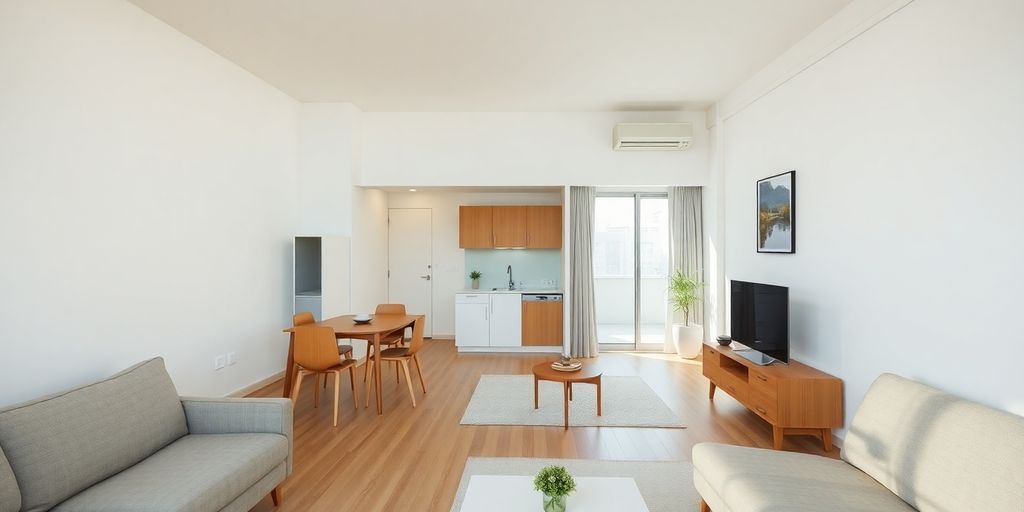
Location plays a huge role in determining how much you'll pay for a 2LDK apartment. Apartments in central Tokyo, for example, are significantly pricier than those in suburban or rural areas. For instance, a 2LDK in a prime area like Shinjuku can easily cost over ¥200,000 ($1,800) per month, while a similar unit in Fukuoka might be closer to ¥100,000 ($920). Proximity to train stations, schools, and shopping areas further increases the price.
Size and Amenities Considerations
The floor space and included amenities also impact the cost. Most 2LDK apartments range between 40 and 80 square meters, but larger units or those with modern features like built-in air conditioning, high-tech bathrooms, or spacious balconies will command higher rents. A 2LDK with premium amenities like a rooftop terrace or concierge services might cost double the average price.
Age and Condition of the Building
Older buildings tend to be cheaper than newer constructions. A 2LDK in a building constructed in the 1980s will likely cost less than a unit in a sleek, modern high-rise built within the last five years. Renovations and upkeep also affect pricing—newly refurbished apartments can be as expensive as newly built ones.
If you're planning to live in Japan for a year, understanding these factors can help you find affordable housing options. For example, exploring the cost of renting in Tokyo might give you a clearer idea of what fits your budget.
Tips for Choosing the Right 2LDK Apartment
Assessing Your Space Needs
Before you even start browsing listings, think about what you actually need. Are you living alone but want extra space for hobbies or guests? Or are you a small family needing separate bedrooms? Understanding your priorities will help you filter out apartments that don’t fit your lifestyle. For example, if you work remotely, you might prioritize an apartment with a room that can double as a home office. On the other hand, a family might look for larger bedrooms or a more open living area.
Understanding Japanese Apartment Listings
Japanese apartment listings can be a bit tricky to read if you’re not familiar with the terminology. Here’s what to keep in mind:
- “2LDK” means two rooms plus a combined living, dining, and kitchen area.
- Square meter measurements (e.g., 50 sqm) give you an idea of the total space.
- Look for details like separate bathrooms, balconies, or included appliances.
Here’s a quick table to clarify some common terms:
| Term | Meaning |
|---|---|
| LDK | Living, Dining, and Kitchen combined |
| Tatami Room | Traditional Japanese-style room |
| Western Room | Room with flooring, not tatami mats |
| Balcony | Outdoor space attached to the unit |
Making the Most of In-Person Visits
Once you’ve narrowed down your options, visiting the apartments is crucial. Pictures can be deceiving, so seeing the space in person gives you a better sense of the layout and condition. While you’re there:
- Check the natural lighting in each room.
- Test the water pressure in the kitchen and bathroom.
- Look for signs of wear and tear, like scratches on floors or stains on walls.
Visiting a property lets you experience the space firsthand, ensuring it meets your expectations beyond just photos and descriptions.
When you’re ready to decide, consider how the apartment’s features align with your daily routine. For instance, separate bathrooms and toilets or air conditioning can significantly improve your living experience.
Wrapping It Up
So, there you have it—a 2LDK apartment is more than just a bunch of letters and numbers. It’s a practical and versatile living space that works for couples, small families, or even individuals who just want a bit more room to breathe. Whether you’re moving to Japan for work, school, or just a change of scenery, understanding these layouts can make apartment hunting a whole lot easier. Take your time, think about your needs, and don’t be afraid to ask questions when you’re checking out places. After all, finding the right home is about more than just square footage—it’s about finding a space that fits your life.
Frequently Asked Questions
What does '2LDK' mean in Japanese apartments?
The term '2LDK' refers to an apartment with two bedrooms, a combined living room (L), dining area (D), and kitchen (K). It’s a common layout in Japan.
Who is a 2LDK apartment best suited for?
A 2LDK apartment is ideal for couples, small families, remote workers needing office space, or singles who want extra room.
What is the typical size of a 2LDK apartment?
The size of a 2LDK apartment usually ranges from 50 to 80 square meters (538 to 861 square feet), depending on the location and design.
How is a 2LDK different from a 1LDK?
A 2LDK has two bedrooms in addition to the living, dining, and kitchen areas, while a 1LDK only has one bedroom with the same shared spaces.
What factors affect the cost of a 2LDK apartment?
The cost depends on location, apartment size, available amenities, and the age or condition of the building.
Are there different styles of 2LDK apartments?
Yes, some popular styles include half-living room layouts, full-living room layouts, and maisonette-style apartments with two floors.
The Moveandstay editorial team writes about serviced living, workspaces, and city guides across Asia-Pacific.
Read next
Serviced Offices Surge in Popularity as Businesses Embrace Flexible Leasing
May 3, 2026
Hong Kong Serviced Apartment Market Buzzes with Sales and Investment Activity Amidst Shifting Valuations
May 3, 2026
ONYX Hospitality Group Elevates Shama Serviced Apartments with New Lifestyle Concept and Ambitious Expansion
Apr 26, 2026