
Transforming Offices: Innovative Solutions for Modern Workspaces in 2025
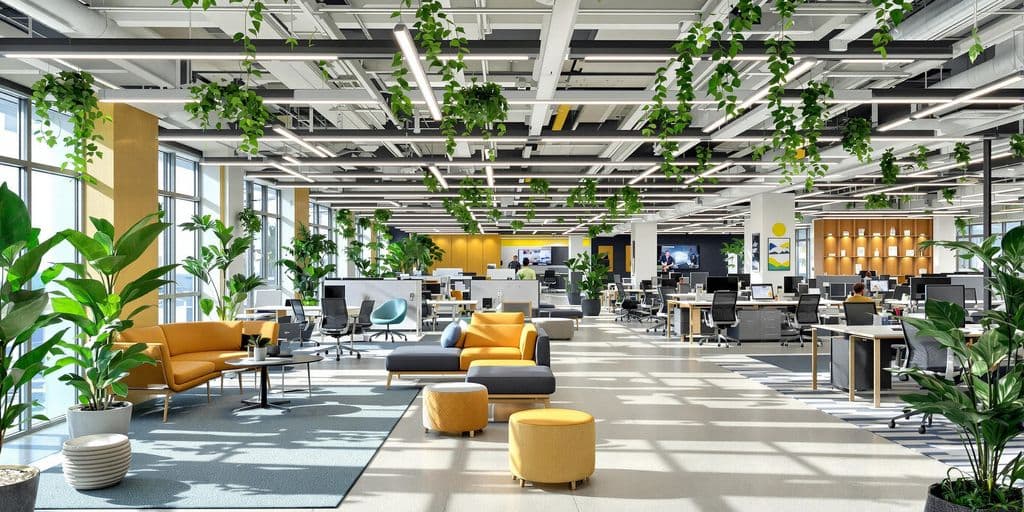
Office spaces are changing fast, and 2025 is shaping up to be a big year for how we work. Companies are rethinking everything from layouts to technology to make offices work better for everyone. Whether it’s blending remote and in-office work or focusing on sustainability, there’s a lot to look forward to.
Key Takeaways
- Hybrid workspaces are becoming the norm, with flexible options like hot desking and private areas.
- Smart offices are using AI and IoT to improve productivity and make spaces more efficient.
- Wellness-focused designs, including ergonomic furniture and quiet zones, are gaining popularity.
- Sustainability is a major focus, with eco-friendly materials and energy-saving systems in demand.
- Collaboration tools like virtual whiteboards and AR/VR are bridging the gap between remote and in-office teams.
Hybrid Workspaces: Redefining Flexibility
Hot Desking and Collaboration Zones
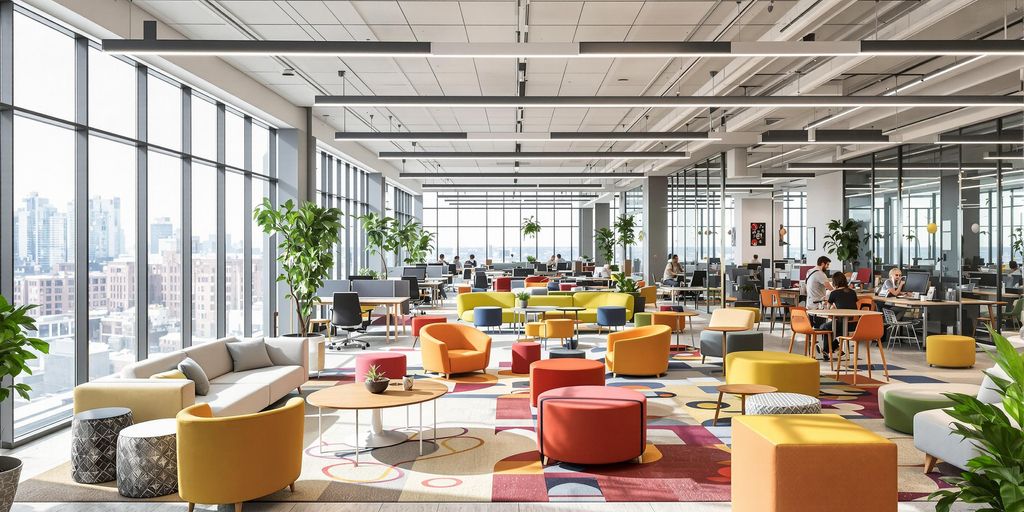
Hot desking isn’t just a trend anymore—it’s a way to make office life more flexible. Employees can pick a desk when they need one, which keeps things dynamic and avoids wasted space. Then there are collaboration zones, which are designed for brainstorming and teamwork. These areas often have comfy seating, whiteboards, and tech setups to make group work easier. The goal is to create a workspace that adapts to the moment.
Private Work Areas for Focused Tasks
Sometimes, you just need to buckle down and focus. That’s where private work areas come in. These are quiet, distraction-free spots where employees can handle tasks that need extra concentration. It’s like having the best of both worlds: a busy, energetic office when you want it, and a peaceful nook when you don’t.
Seamless Integration of Remote and In-Office Work
A hybrid office isn’t just about splitting time between home and work—it’s about making the two feel connected. Offices are now equipped with tools like high-quality video conferencing systems and shared digital platforms. This setup ensures that remote and in-office employees can collaborate without missing a beat. The result? Teams that feel unified, no matter where they’re working from.
Smart Office Innovations for Enhanced Productivity
IoT and AI-Driven Solutions
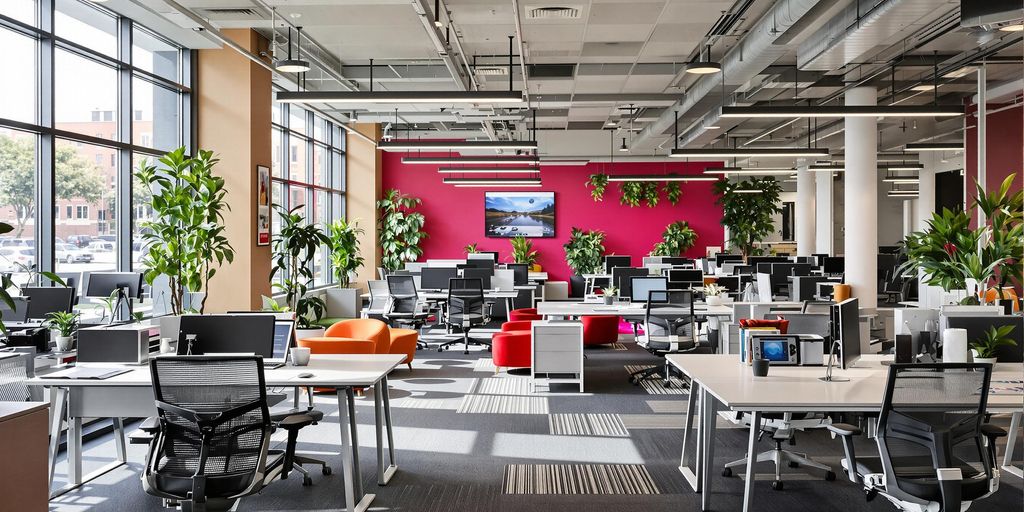
Smart offices are becoming the norm, and IoT (Internet of Things) devices are leading the charge. These gadgets can monitor everything from desk usage to energy consumption, giving companies data to streamline operations. AI steps in to handle repetitive tasks like scheduling meetings or managing inventories. This tech duo ensures that offices run smoother and employees can focus on meaningful work.
Real-Time Analytics for Space Optimization
Ever walked into an office and wondered why half the desks are empty? Real-time analytics solves this problem. Sensors and software analyze how spaces are used, letting businesses tweak layouts or repurpose areas to get the most out of their office. For example:
- Identify underused meeting rooms and convert them into coworking spaces.
- Track peak times for shared areas like kitchens or lounges.
- Adjust seating plans to fit hybrid work models.
Automated Climate and Lighting Controls
Gone are the days of freezing conference rooms and blinding fluorescent lights. Automated systems now adjust temperature and lighting based on occupancy and time of day. These systems not only save energy but also make the office environment more comfortable. Imagine walking into a room that "knows" you’re there and adjusts the settings to your liking—it’s like the office version of a warm hug.
Smart office tech is no longer a luxury; it’s becoming the backbone of modern workspaces. From boosting productivity to saving costs, the innovations are hard to ignore.
Wellness-Centric Office Designs
Biophilic Elements and Natural Light
Incorporating nature into the workplace can make a huge difference in how people feel at work. Adding green walls, planters, and water features creates a calming, natural vibe. Natural light is another big deal—offices are prioritizing layouts that maximize sunlight, reducing stress and boosting focus.
Ergonomic Furniture and Wellness Amenities
Comfort matters. Ergonomic desks and chairs are now standard, but many offices are going further with standing desks, adjustable monitors, and even anti-fatigue mats. Wellness amenities like meditation rooms, fitness centers, and even nap pods are popping up in modern designs. These features aren’t just trendy—they’re helping employees feel better and work smarter.
Quiet Zones and Meditation Spaces
Sometimes, you just need a break from the noise. Quiet zones are becoming essential in open-plan offices, giving employees a place to recharge or focus on deep work. Meditation spaces, often equipped with soft lighting and comfy seating, offer a quick escape to reset during a hectic day.
A workspace that prioritizes wellness isn’t just a perk—it’s a necessity for keeping employees happy and productive.
Sustainability in Modern Workspaces
Energy-Efficient Building Systems
Modern offices are prioritizing energy conservation like never before. Smart HVAC systems and LED lighting are becoming standard, drastically cutting down energy consumption. Some workplaces are even incorporating renewable energy sources, like solar panels, to power their operations. These features don’t just save money—they also reduce the carbon footprint of the entire building.
Use of Recycled and Eco-Friendly Materials
Building materials are evolving to meet sustainability goals. Offices are now using:
- Recycled metals and reclaimed wood for construction.
- Low-VOC (volatile organic compound) paints to improve indoor air quality.
- Renewable materials like bamboo and cork for flooring and furniture.
These choices align with corporate responsibility goals while creating healthier spaces for employees.
Green Certifications and Waste Reduction Initiatives
Certifications like LEED (Leadership in Energy and Environmental Design) are becoming benchmarks for eco-friendly workplaces. Companies are also stepping up their recycling programs and implementing waste reduction strategies, such as:
- Composting organic waste from breakrooms.
- Eliminating single-use plastics by providing reusable alternatives.
- Encouraging employees to participate in sustainability programs.
Sustainability isn't just a trend; it's becoming a defining feature of workplaces. Employees increasingly expect their companies to take meaningful steps toward reducing environmental impact, making it a competitive edge in hiring and retention.
The Rise of Connected Workspaces
Integrated Room and Desk Booking Systems
Managing office space has never been more streamlined. With integrated room and desk booking systems, employees can easily reserve workstations, meeting rooms, or collaborative spaces with just a few clicks. These systems often come with real-time availability updates, ensuring employees can plan their day without unnecessary disruptions. For businesses, this means better utilization of office resources and reduced downtime.
Digital Signage and Visitor Management
Digital signage is revolutionizing how offices communicate. These systems display everything from meeting schedules to company announcements, keeping everyone in the loop. On the other hand, visitor management tools ensure a smooth experience for guests, from digital check-ins to personalized badges. Together, they create a professional and efficient office environment that leaves a lasting impression.
Unified Platforms for Seamless Operations
Connected workspaces thrive on unified platforms that bring all office operations under one roof. Imagine a single system that handles everything—room bookings, employee directories, IT support tickets, and more. This integration not only simplifies processes but also boosts productivity by eliminating the need to toggle between multiple tools.
Flexible Space Designs for Dynamic Teams
Modular Furniture and Movable Walls
Modern office spaces are embracing modular furniture and movable walls to keep up with the ever-changing needs of dynamic teams. These features allow businesses to reconfigure layouts quickly, whether it's creating an open area for brainstorming sessions or sectioning off private spaces for focused work.
- Movable walls can transform a single room into multiple smaller areas or back into one large space within minutes.
- Modular desks and seating arrangements let teams adjust their setups based on current projects.
- Acoustic dividers help maintain privacy without sacrificing flexibility.
Adaptable Layouts for Hybrid Work Models
Hybrid work is no longer a trend; it’s the norm in 2025. Office layouts now reflect this shift by offering flexible designs that cater to both in-office and remote workers. Activity-based workspaces provide a variety of settings for different tasks:
- Collaboration hubs for team projects.
- Quiet zones for individual focus.
- Social spaces for casual interactions and networking.
This approach not only supports productivity but also helps employees feel more connected, regardless of where they’re working from.
Multipurpose Areas for Collaboration and Focus
Multipurpose spaces are a game-changer for modern offices. These areas seamlessly transition between uses, making them ideal for dynamic teams:
- A lounge area can double as a meeting room with the addition of portable screens and tables.
- Breakout zones can transform into training spaces with minimal adjustments.
- Open spaces can be optimized for events or workshops, then reverted back to everyday use.
Designing flexible spaces isn’t just about convenience—it’s about creating an environment where teams can thrive, adapt, and innovate without limitations.
Advanced Collaboration Tools for Modern Offices
Virtual Whiteboards and AR/VR Solutions
Gone are the days of traditional brainstorming sessions on physical whiteboards. Virtual whiteboards are now the go-to for teams, enabling real-time collaboration from anywhere. These tools let you brainstorm, plan, and share ideas without being in the same room. Add augmented reality (AR) and virtual reality (VR) into the mix, and you've got a game-changer. Imagine design teams walking through 3D models together or remote employees feeling like they're sitting at the same table during meetings. It's not just cool—it’s practical.
Enhanced Video Conferencing Platforms
Video conferencing has stepped up its game in 2025. The platforms today are smarter, faster, and way more interactive. Features like automatic transcription, real-time translation, and even AI-powered meeting summaries make communication smoother. Plus, the days of "Can you hear me now?" are over, thanks to improved audio and video quality. These upgrades are making hybrid work setups less stressful and more productive.
Tools for Bridging Remote and In-Person Teams
Hybrid teams are the new normal, and tools that bridge the gap between remote and in-office employees are essential. Think integrated platforms that combine chat, project management, and video calls into one seamless experience. These tools ensure no one feels left out, whether they’re working from home or at a desk in the office.
In 2025, collaboration isn't just about working together—it’s about feeling connected, no matter where you are.
For a deeper dive into the latest trends, check out our top 10 collaboration tools of 2025, featuring cutting-edge options like AI-driven mind mapping with Xmind and Slack's efficient communication solutions.
Data-Driven Decision Making in Office Design
Real-Time Usage Analytics
Understanding how employees use office spaces is no longer a guessing game. With real-time analytics, businesses can track foot traffic, meeting room usage, and even desk occupancy. This data helps companies identify underutilized areas and optimize layouts for better productivity. For instance, if a meeting room is rarely booked, it could be reconfigured into a collaboration zone or private work area.
Employee Feedback Integration
Numbers don’t tell the whole story, which is why employee feedback is equally important. Surveys, suggestion boxes, and even quick polls can provide insights into what’s working and what’s not. When combined with usage data, this feedback creates a fuller picture of how to improve the workspace. Employees feel more valued when their opinions shape the environment they work in, which can boost morale and retention.
Optimizing Resource Allocation
Data-driven tools also help in managing resources efficiently. From energy usage to office supplies, analytics can highlight areas of waste and suggest cost-saving opportunities. For example, if data shows that certain areas of the office are empty during specific hours, automated systems can adjust lighting and HVAC settings accordingly, reducing energy costs.
Conclusion
The way we work is changing, and so are the spaces we work in. By 2025, offices will be smarter, more flexible, and designed with people in mind. Whether it’s hybrid setups, smart tech, or wellness-focused features, these changes are all about making work better for everyone. Businesses that embrace these trends will not only keep up but thrive in this new era of work. The future of the office isn’t just about where we work—it’s about how we work together.
Frequently Asked Questions
What is a hybrid workspace?
A hybrid workspace combines in-office and remote work setups, offering flexibility for employees to work from different locations while staying connected.
How does smart office technology improve productivity?
Smart office technology uses tools like IoT devices and AI to automate tasks, optimize energy use, and provide real-time data for better decision-making.
Why is wellness important in office design?
Wellness-focused office designs improve employee satisfaction and productivity by including features like natural light, ergonomic furniture, and quiet spaces for relaxation.
What makes an office sustainable?
Sustainable offices use eco-friendly materials, energy-efficient systems, and implement waste reduction practices to minimize environmental impact.
How do connected workspaces benefit employees?
Connected workspaces integrate tools like room booking systems and digital signage, making it easier for employees to access resources and collaborate effectively.
What are flexible space designs?
Flexible space designs use modular furniture and adaptable layouts to meet the changing needs of teams, supporting collaboration and focused work.
The Moveandstay editorial team writes about serviced living, workspaces, and city guides across Asia-Pacific.
Read next
Serviced Offices Surge in Popularity as Businesses Embrace Flexible Leasing
May 3, 2026
Hong Kong Serviced Apartment Market Buzzes with Sales and Investment Activity Amidst Shifting Valuations
May 3, 2026
ONYX Hospitality Group Elevates Shama Serviced Apartments with New Lifestyle Concept and Ambitious Expansion
Apr 26, 2026