
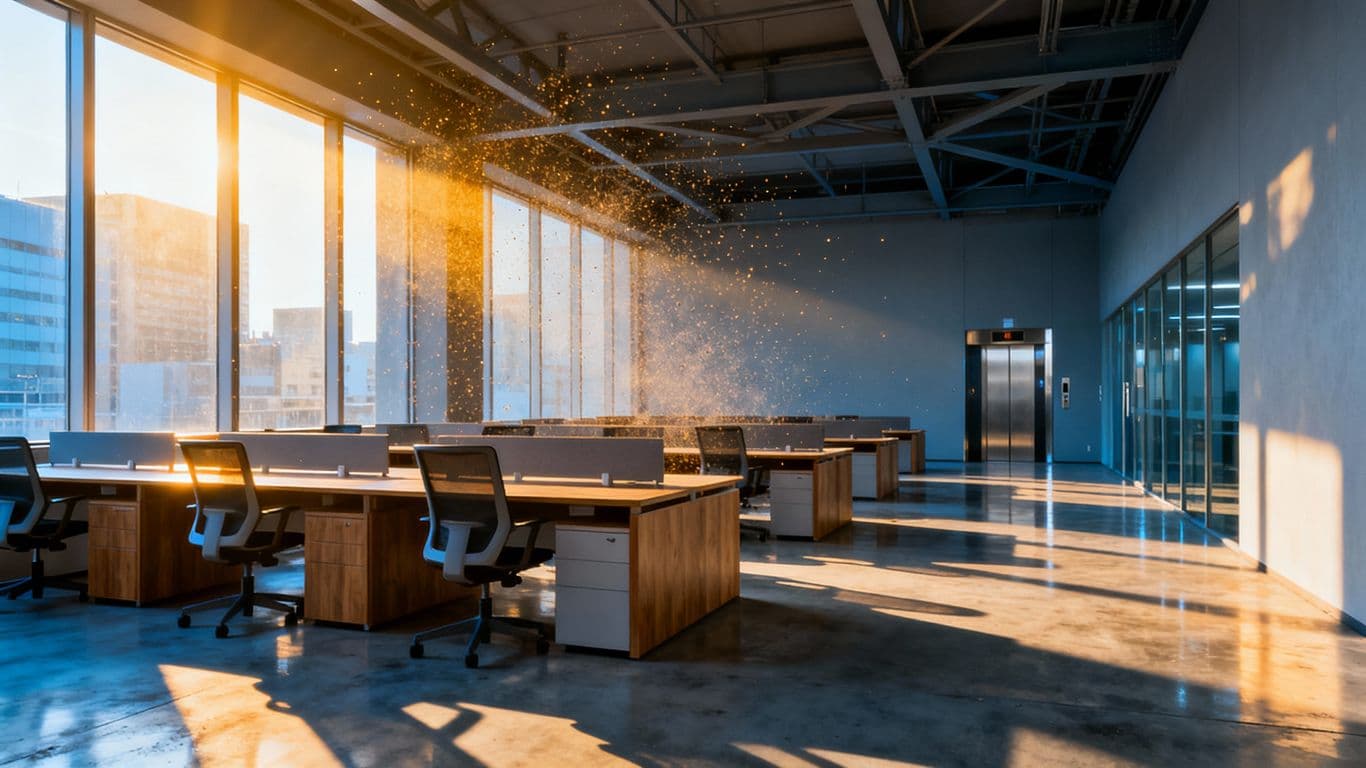
So, you've heard that offices in Tokyo are sitting empty, right? Well, it's not quite that simple. While some spaces are indeed vacant, the city is actually seeing a surprising comeback in its office market. At the same time, there's a whole other story happening with empty homes and how they're being used. It's a mix of old buildings finding new life and some serious challenges with housing. Let's break down what's really going on.
Key Takeaways
- Tokyo's office market is surprisingly strong, with vacancy rates hitting a three-year low and rents starting to climb, defying global trends.
- Developers are actively adding new office space, and foreign investors are showing interest, seeing value in the city's commercial properties.
- Many former shops and commercial spaces are being transformed into new businesses like restaurants, breathing life into vacant properties.
- Japan, and Tokyo specifically, faces a significant issue with a high number of empty homes, leading to urban decay in some areas.
- There's a growing trend of repurposing vacant homes for new purposes, including IT firms setting up offices and community-led initiatives to attract residents, with a focus on flexible office space Tokyo is adapting to new work models.
Tokyo's Office Market Resilience
It might seem like offices everywhere are struggling, with empty desks and quiet hallways becoming the norm. You hear about cities like Manhattan losing billions and London feeling the pinch. But Tokyo? It's a different story. The city's office market is showing some real grit, bucking the global trend in a pretty surprising way. Vacancy rates have actually dropped to a three-year low, which is a big deal when you consider what's happening elsewhere.
Vacancy Rates Hit Three-Year Low
Let's look at the numbers. In March, the vacancy rate in Tokyo's main business districts dipped to just 5.47%. That's the lowest we've seen since early 2021. This isn't just a small blip; it shows a consistent trend of people returning to the office and companies needing physical space. While some older buildings might still have empty spots, the overall picture is one of demand.
Rents See Upward Trend
Following that low vacancy rate, it's no shock that rents are also starting to climb. After a bit of a dip through most of last year, prices for office spaces have been inching up every month this year. This upward movement in rents is a clear indicator that the market is firming up. It suggests that companies are not only occupying space but are willing to pay more for it, signaling confidence in the city's economic activity.
Foreign Investment Influx
What's also interesting is the amount of foreign money flowing into Tokyo's real estate. While investors in other parts of the world might be selling off properties, here in Tokyo, they're actively buying. This influx of capital is helping to keep the market strong and is a testament to the perceived stability and potential of Tokyo's commercial sector. It's a sign that global investors see Tokyo as a safe and profitable place to put their money, especially when compared to other major global cities. The Japanese office real estate market is projected to keep growing, showing its long-term potential.
The city's ability to bounce back and even thrive in its office market, despite global headwinds, points to a unique resilience. It's a complex mix of factors, including a strong return-to-office push and strategic urban development, that's keeping Tokyo's commercial heart beating strong.
Repurposing Vacant Properties
It’s not just about offices sitting empty. Across Tokyo, and indeed much of Japan, there's a growing number of other buildings that have fallen out of use. Think old shops on quiet streets, or even entire apartment blocks that nobody wants anymore. But instead of letting these spaces just gather dust, people are getting creative. This shift is breathing new life into forgotten corners of the city.
From Shops to Restaurants
We've seen this happen in shopping streets that were once bustling but have since seen businesses close up. Instead of just leaving the storefronts empty, initiatives are popping up to fill them. For instance, a former greengrocer's shop might get a makeover and reopen as a cozy restaurant. The idea is to bring in new, interesting businesses that can draw people back to the area. It's about transforming these empty spots into places where people want to gather again.
Initiatives for New Businesses
There are some really smart projects happening. One approach involves bringing several new businesses together, opening them up close to each other. This creates a sort of mini-hub, making the area more attractive. It's a way to support new ventures by giving them a ready-made community of customers.
Another interesting idea is to offer these vacant properties to people who might normally be seen as a higher risk for renting. A housing support company owner, for example, bought an old apartment for a relatively low price. The plan? Keep renovations simple and rent it out affordably. This opens doors for people who might otherwise struggle to find a place.
Creative Use of Empty Spaces
Sometimes, the solutions are a bit more out there, but they work. In smaller towns, like Kamiyama, which has a population of around 5,000, empty properties have been used in unique ways to combat population decline. It started years ago with an artists-in-residence program, where art created was displayed in unused buildings. Later, stylish, locally-focused businesses began to open up in these spaces, attracting new residents.
It's fascinating how these empty buildings, which could be seen as a problem, are actually becoming opportunities. They're being used not just for commercial gain, but also for social good, like helping elderly people feel less isolated by having young students move in with them. It shows a real shift in thinking about what these spaces can be.
Here are a few ways vacant properties are being repurposed:
- Commercial Revival: Turning old shops into new restaurants, cafes, or small retail spaces.
- Community Hubs: Creating spaces for local artists, workshops, or community events.
- Affordable Housing: Renovating apartments or houses to offer lower-cost rental options.
- Social Projects: Utilizing buildings for initiatives that support vulnerable populations or encourage intergenerational living.
The Challenge of Empty Homes
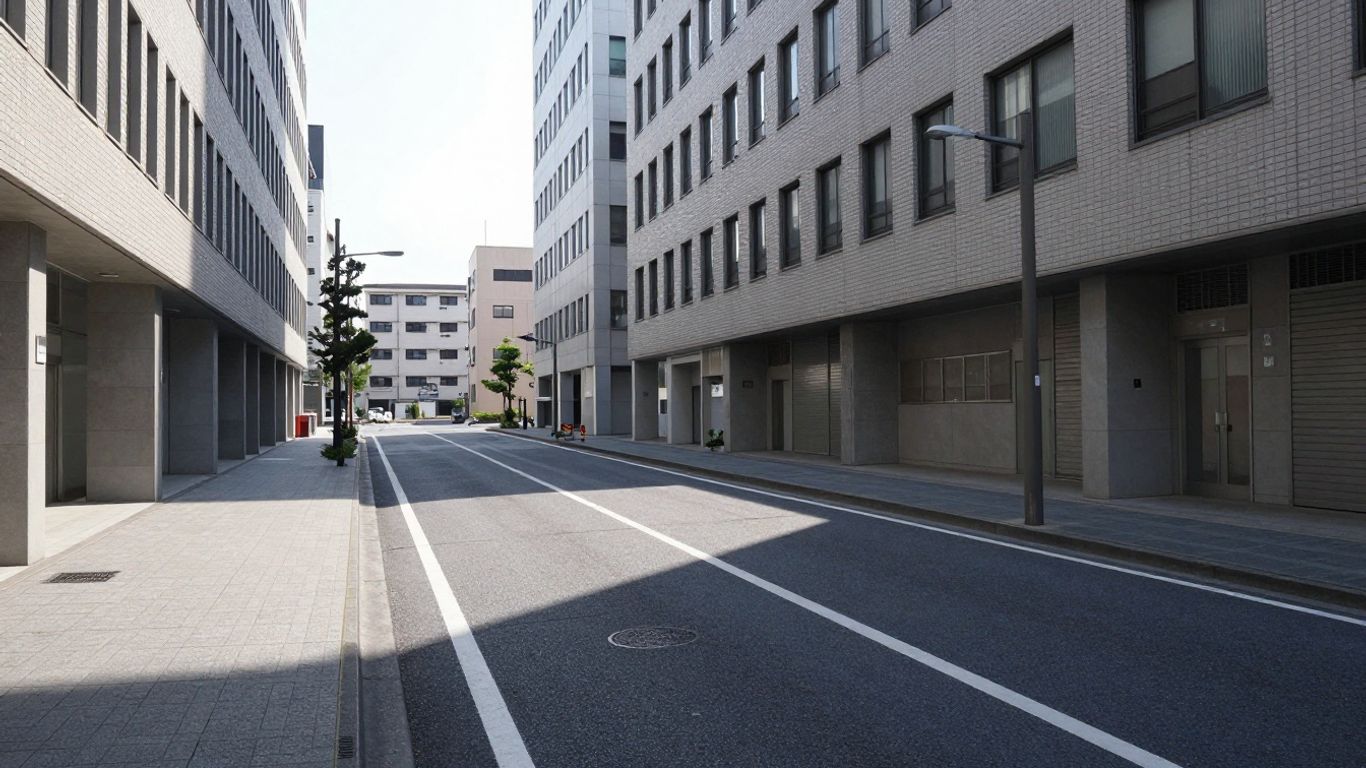
It might seem counterintuitive, given the buzz around Tokyo's office market, but the city, and Japan as a whole, is grappling with a significant number of empty houses. This isn't just about a few derelict buildings in the countryside anymore; the problem has reached urban centers, including popular residential areas in Tokyo.
High Percentage of Vacant Dwellings
Japan has millions of vacant homes, a number that's projected to keep climbing. As of 2023, there were about 8.9 million empty properties, making up over 10% of the total housing stock. Some of these have been empty for years, with owners essentially giving up on them. Experts predict that by 2033, nearly a third of all homes in Japan could be vacant.
Growing Number of Empty Properties in Tokyo
While you might picture empty houses in remote villages, the reality is that Tokyo actually has the highest number of vacant homes. This is a growing concern, even in desirable neighborhoods. It's a complex issue with several contributing factors:
- Inheritance Taxes: High taxes on inherited property can make it financially unappealing for heirs to take ownership.
- Demolition Costs: Tearing down an old house is expensive, and owners might not have the funds or the will to do it.
- Land Taxes: Owning land with no prospect of sale can still incur taxes, adding to the burden.
- Lack of Maintenance: Some owners simply don't maintain their properties for decades, leading to deterioration.
Abandoned Homes and Urban Decay
These empty properties aren't just sitting there idly. They can become eyesores, attract pests, and even pose safety risks, sometimes leading to fires. Local officials in Tokyo districts are actively looking for signs of neglect, like overgrown gardens or broken windows, trying to track down owners or heirs to encourage them to address the situation. It's a tough job, especially when owners are hard to find or unwilling to act.
The issue is deeply tied to Japan's aging population and declining birthrate. As people move to cities or pass away, their homes are often left behind, especially if they are in areas with fewer job opportunities or if the younger generation prefers modern housing.
It's a situation that requires creative solutions, not just for the sake of aesthetics, but for the health and vitality of communities.
Transforming Empty Houses
It's a strange situation, isn't it? Tokyo's office market is doing surprisingly well, but then you hear about all these empty houses. It feels like two different cities sometimes. But people are starting to get creative with these unused homes, and it's actually pretty interesting.
IT Firms Opt for Vacant Homes
Some tech companies are finding that empty houses are a surprisingly good fit for their needs. Instead of paying top dollar for a fancy downtown office, they're renovating older, vacant properties. This can be way cheaper, and honestly, it gives them a unique vibe that a standard office building just can't match. Plus, it often means they can set up shop in areas that might not have had commercial spaces before, which is good for local communities.
Community Initiatives for Population Growth
Beyond just businesses, there are some really neat community-led projects popping up. The idea is to bring life back into areas that are losing people. Think about places where younger folks have moved to the city for work, leaving older homes empty. These initiatives try to reverse that trend.
- Shared Living Projects: Some areas are pairing elderly residents who live alone with younger students. The students get affordable housing, and the seniors get companionship, helping to combat loneliness and keep homes occupied.
- Artist Residencies: In smaller towns, empty buildings have been turned into spaces for artists. They create work there, and sometimes display it in the unused buildings, drawing attention and visitors.
- Local Business Hubs: Once a property is revitalized, it can become a spot for new, locally-focused businesses to open, giving people a reason to stay or move back to the area.
Preparing Homes for New Residents
Getting these old houses ready for new occupants isn't always straightforward. Sometimes, the houses are in surprisingly good shape, only vacant for a few years. But others have been sitting empty for ages, and they need a lot of work. There are also legal hurdles, especially with older properties where building codes have changed.
The challenge isn't just about fixing leaky roofs or updating kitchens. It's about making these places desirable again, especially when new construction is often preferred. It requires a mix of renovation, creative thinking, and sometimes, a bit of community spirit to make it work.
It's a slow process, but seeing these old houses get a new lease on life is pretty cool. It shows that even with a lot of empty properties, there are ways to make them useful again, benefiting both the owners and the wider community.
The Rise of Flexible Office Space Tokyo
Adapting to New Work Models
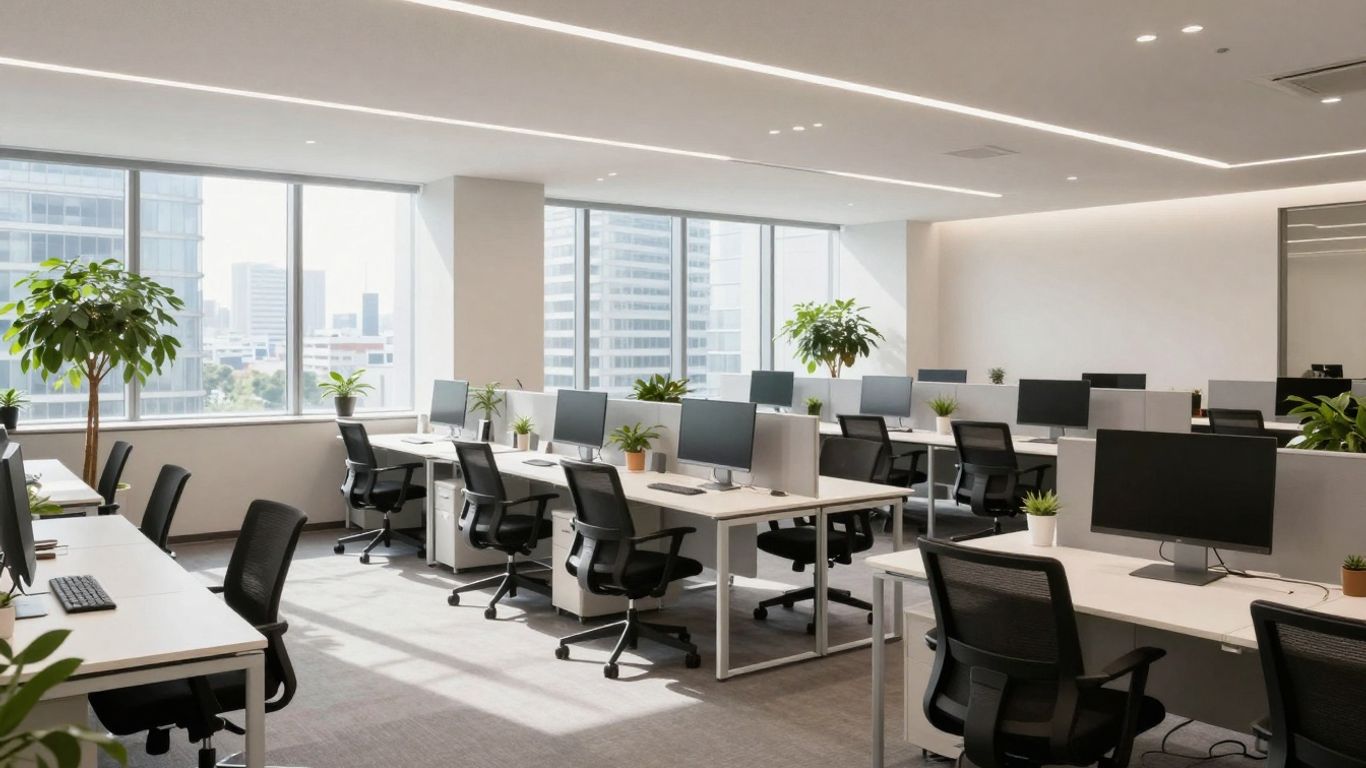
Tokyo's office scene is changing, and fast. While some cities are still figuring out what to do with empty buildings, Tokyo is seeing a shift towards more adaptable workspaces. The old idea of everyone crammed into a cubicle all day is fading. Companies are realizing that people work differently now, and they need spaces that can keep up. This means less focus on fixed desks and more on areas that can be used for different things throughout the day.
Demand for Agile Work Environments
This shift is really about giving people more choices. Think about it: some days you need quiet focus time, other days you need a place for a quick team huddle, and sometimes you just want a change of scenery. Flexible office spaces, often called co-working or serviced offices, are built for this. They offer a mix of private offices, shared desks, meeting rooms, and common areas. It's a way for businesses to get the office space they need without the long-term commitment and high costs of traditional leases. The Japanese co-working space market is growing, showing just how much companies are looking for these flexible solutions. It's estimated to grow significantly in the coming years, reaching over a billion dollars by 2030.
The Future of Workspaces in Tokyo
So, what does this mean for the future? We're likely to see more buildings designed with flexibility in mind from the start. Instead of just rows of desks, imagine spaces that can be easily reconfigured. This could include:
- Modular furniture that can be moved and rearranged.
- Technology integrated into common areas for easy collaboration.
- A variety of seating options, from comfortable lounge areas to focused work pods.
- On-demand access to meeting rooms and event spaces.
The demand for agile work environments isn't just a trend; it's a fundamental change in how we think about work. Businesses need to be able to scale up or down quickly, and their office space needs to support that agility. This means embracing a more dynamic approach to workplace design and management.
This evolution is about creating environments where people can do their best work, whatever that looks like on any given day. It's a smart move for companies wanting to attract and keep talent in a competitive city like Tokyo.
Urban Revitalization Efforts
New Development Projects
Tokyo isn't just about filling empty office buildings; it's also about thoughtful urban planning. New projects are popping up, aiming to create more livable and dynamic city spaces. Think of places like Azabudai Hills, which isn't just another skyscraper. It's designed to be a mini-city within the city, housing thousands of residents and workers, plus a museum and a school. This kind of integrated development is key to keeping urban areas vibrant.
Balancing Luxury with Affordability
There's a constant push and pull between creating high-end spaces and making sure regular folks can afford to live and work in the city. Developers are looking at ways to mix different types of housing and commercial spaces. The goal is to avoid creating exclusive enclaves and instead build communities where everyone feels welcome. It's a tricky balance, for sure.
Green Spaces and City Competitiveness
Making Tokyo more attractive isn't just about buildings. There's a growing recognition that parks and green areas play a huge role. Imagine tearing down some older structures to make way for more trees and open spaces. This not only makes the city look better but also contributes to the health and well-being of everyone living here. It's about creating a city that people want to be in, not just work in.
The focus is shifting from just building more to building better – creating spaces that serve the community and improve the quality of life for residents. This means integrating living, working, and leisure in a way that feels natural and sustainable.
Here's a look at some approaches:
- Adaptive Reuse: Taking older, underused buildings and giving them a new purpose, like turning old shops into apartments or community centers.
- Mixed-Use Developments: Creating areas that combine residential, commercial, and recreational spaces to reduce commutes and build stronger neighborhoods.
- Public Space Enhancement: Investing in parks, plazas, and pedestrian-friendly areas to make the city more enjoyable and accessible.
- Community-Led Initiatives: Supporting local projects that aim to bring people together and improve their immediate surroundings.
So, What's the Takeaway?
It's pretty clear Tokyo's office scene isn't following the same path as other big cities right now. While places like New York and London are seeing empty desks, Tokyo's developers are actually building more office space and filling it up. Vacancy rates are low, and rents are even going up a bit. It's a different story than what we're seeing elsewhere, and it seems like Tokyo is finding its own way to bounce back, even with all the changes happening globally. It makes you wonder what other cities could learn from this approach.
Frequently Asked Questions
Are offices in Tokyo really empty?
While some older office buildings might have empty spaces, Tokyo's main office market is doing surprisingly well. Many workers have returned, and new office buildings are being filled up. The vacancy rate is actually quite low, hitting a three-year low recently.
What's happening to the empty shops and buildings?
Instead of staying empty, many former shops and buildings are being turned into new things. Some have become cool restaurants or cafes. There are also projects helping new businesses start up in these spaces, making them useful again.
Are there many empty houses in Tokyo?
Yes, Japan, and Tokyo too, has a growing number of empty houses. This is partly because the population is getting older, and sometimes it's hard or expensive for families to keep up with older homes, especially if they inherit them.
How are empty houses being used?
Some towns are getting creative! They're encouraging companies, like IT firms, to move into these empty homes, especially if they have good internet. They also offer incentives, like free school lunches, to attract families to move into these areas.
Is remote work still a big thing in Tokyo?
While remote work became popular, many people in Tokyo have returned to their offices. However, the way people work is changing. There's a growing demand for flexible office spaces where workers can choose where and how they work, fitting different needs.
What is being done to make Tokyo better?
There are many efforts to improve the city. New building projects are happening, aiming to create a balance between fancy places and affordable options. There's also a focus on adding more green spaces, like parks, to make Tokyo a more attractive and competitive city.
Filed under
The Moveandstay editorial team writes about serviced living, workspaces, and city guides across Asia-Pacific.
Read next
Serviced Offices Surge in Popularity as Businesses Embrace Flexible Leasing
May 3, 2026
Hong Kong Serviced Apartment Market Buzzes with Sales and Investment Activity Amidst Shifting Valuations
May 3, 2026

ONYX Hospitality Group Elevates Shama Serviced Apartments with New Lifestyle Concept and Ambitious Expansion
Apr 26, 2026