
Thinking about moving to Tokyo? It's a fantastic city, full of energy and opportunities. Many people imagine it's super expensive, and while some things are, the actual rent can be surprisingly manageable, especially compared to other major global cities. But here's the catch: the initial costs and the paperwork involved can really add up. This guide will help you understand what to expect so you don't get caught off guard when you're trying to find your perfect Tokyo spot.
Key Takeaways
- The upfront costs for renting an apartment in Tokyo are significant, often equivalent to 4-6 months' rent, so start saving well in advance.
- Be prepared for a mountain of paperwork; having documents like your residence card, passport, and proof of income ready is crucial for your application.
- Consider less central but well-connected wards like Adachi or Nerima to find more affordable housing and potentially more space.
- Prioritize your needs carefully, as you'll likely face trade-offs between location, size, building age, and amenities.
- Explore foreigner-friendly agencies, share houses, or serviced apartments if you're struggling with the traditional rental process or documentation.
Understanding The Upfront Financial Commitments For Tokyo Living
So, you're thinking about moving to Tokyo? That's exciting! But before you start picturing yourself sipping matcha in your new apartment, let's talk about the money side of things. Renting in Tokyo isn't like just paying a deposit and first month's rent back home. The initial costs can really add up, often hitting you for about four to six months' worth of rent all at once. It's a bit of a shocker if you're not prepared.
The Substantial Initial Costs Of Securing A Tokyo Rental
When you finally find a place you like, you'll face a list of fees that can feel pretty daunting. It's not just rent; there's a whole system of payments that go to different people.
- Shikikin (Security Deposit): This is usually one to two months' rent. It's meant to cover any damages you might cause, and you usually get most of it back when you move out, minus cleaning fees and any repairs.
- Reikin (Key Money): This is a non-refundable payment, essentially a gift to the landlord. It can be anywhere from zero to two months' rent. Yeah, it's a bit strange, but it's a common practice.
- Agency Fee: The real estate agent who helped you find the place will charge a fee, typically one month's rent.
- First Month's Rent: You'll pay this upfront, and sometimes it's prorated if you move in partway through the month.
- Guarantor Company Fee: Most landlords want a guarantor. If you don't have one, you'll likely need to pay a fee to a guarantor company, which can be another half to a full month's rent.
- Insurance: You'll need to pay for fire and liability insurance, usually for a two-year period. This is typically around ¥15,000 to ¥25,000.
- Lock Exchange Fee: Some buildings charge a fee to change the locks for security reasons, usually around ¥10,000 to ¥20,000.
Breaking Down The Move-In Expenses
Let's look at a hypothetical example to see how this plays out. Imagine your rent is ¥130,000 per month.
| Fee Type | Typical Cost (Months' Rent) | Estimated Amount (¥) | Notes |
|---|---|---|---|
| First Month's Rent | 1 | 130,000 | Paid upfront |
| Shikikin (Deposit) | 1-2 | 130,000 - 260,000 | Refundable, minus deductions |
| Reikin (Key Money) | 0-2 | 0 - 260,000 | Non-refundable |
| Agency Fee | 1 | 130,000 | Paid to the real estate agent |
| Guarantor Fee | 0.5-1 | 65,000 - 130,000 | If using a guarantor company |
| Total Estimated | 3.5 - 6 | 555,000 - 910,000 | Excluding insurance and lock fees |
As you can see, even with a moderate rent, the upfront costs can easily reach close to a million yen. It's a significant chunk of change.
Saving For Your Tokyo Apartment: A Realistic Timeline
Given these costs, it's wise to start saving well in advance. Aim to have the funds ready at least three to six months before you plan to move. This gives you breathing room and reduces stress. If your target rent is ¥150,000 per month, and you anticipate needing around 5 months' worth of rent for initial payments, that's ¥750,000 you'll need to save. Breaking that down over six months means setting aside about ¥125,000 each month. It's a big commitment, but knowing the numbers upfront makes it achievable.
The financial hurdle at the beginning of renting in Tokyo is substantial. It's not just about affording the monthly rent; it's about gathering a large sum of cash for various fees before you even get the keys. Planning and saving diligently are key to avoiding surprises and making your move smoother.
Navigating The Documentation Maze For Expats
Okay, so you've found a place you like, maybe even one that doesn't require you to sell a kidney. But before you can even think about unpacking, there's the paperwork. And let me tell you, it's not always straightforward, especially if you're new to Japan.
Essential Documents For Your Apartment Application
Landlords and real estate agents in Tokyo often want to see a few things to feel comfortable renting to you. It's like a job application, but for a place to live. You'll likely need:
- Proof of Identity: This usually means your passport and your residence card (if you have one). They want to know who you are, plain and simple.
- Proof of Income/Employment: A letter from your employer stating your position and salary is common. If you're self-employed, things can get a bit trickier, and they might ask for tax documents or bank statements.
- Proof of Residence (if applicable): If you've been in Japan for a while, a certificate of residence from your current ward office might be needed.
- Bank Statements: Sometimes, they want to see a few months of bank statements to gauge your financial stability.
It's a good idea to have copies of these ready to go. The more prepared you are, the smoother the application process will be.
Alternatives For New Arrivals Lacking Standard Documentation
What if you just landed and don't have all those documents yet? It happens. For newcomers, the rental landscape can feel a bit like a locked door. But there are ways around it:
- Share Houses: These are often more flexible. The application process might be simpler, and they're used to dealing with people who are just arriving.
- Serviced Apartments: These are usually fully furnished and come with services. They're more like short-term rentals but can be a good bridge while you sort out permanent housing. The documentation is typically less intense.
- Gaijin-Friendly Agencies: Some real estate agencies specialize in helping foreigners. They know which landlords are more open to renters without a long Japanese credit history or extensive documentation and can guide you through the process.
The key is to find places or people who understand the challenges faced by new arrivals and are willing to work with you. Don't get discouraged if the first few places say no.
The Role Of Guarantors In The Rental Process
This is a big one. In Japan, it's very common, almost standard, for renters to have a guarantor. Think of them as someone who promises to pay your rent if you can't. For Japanese citizens, this is often a family member.
- Personal Guarantor: Finding a Japanese friend or colleague willing to be your guarantor can be tough. It's a big responsibility for them.
- Guarantor Companies: This is where most expats end up. You pay a fee (often a percentage of the rent) to a company, and they act as your guarantor. It adds to the upfront costs, but it's often the only practical option.
Without a guarantor, getting an apartment can be nearly impossible. So, factor in the cost and hassle of setting up a guarantor company into your budget and timeline.
Choosing The Right Tokyo Neighborhood For Your Budget
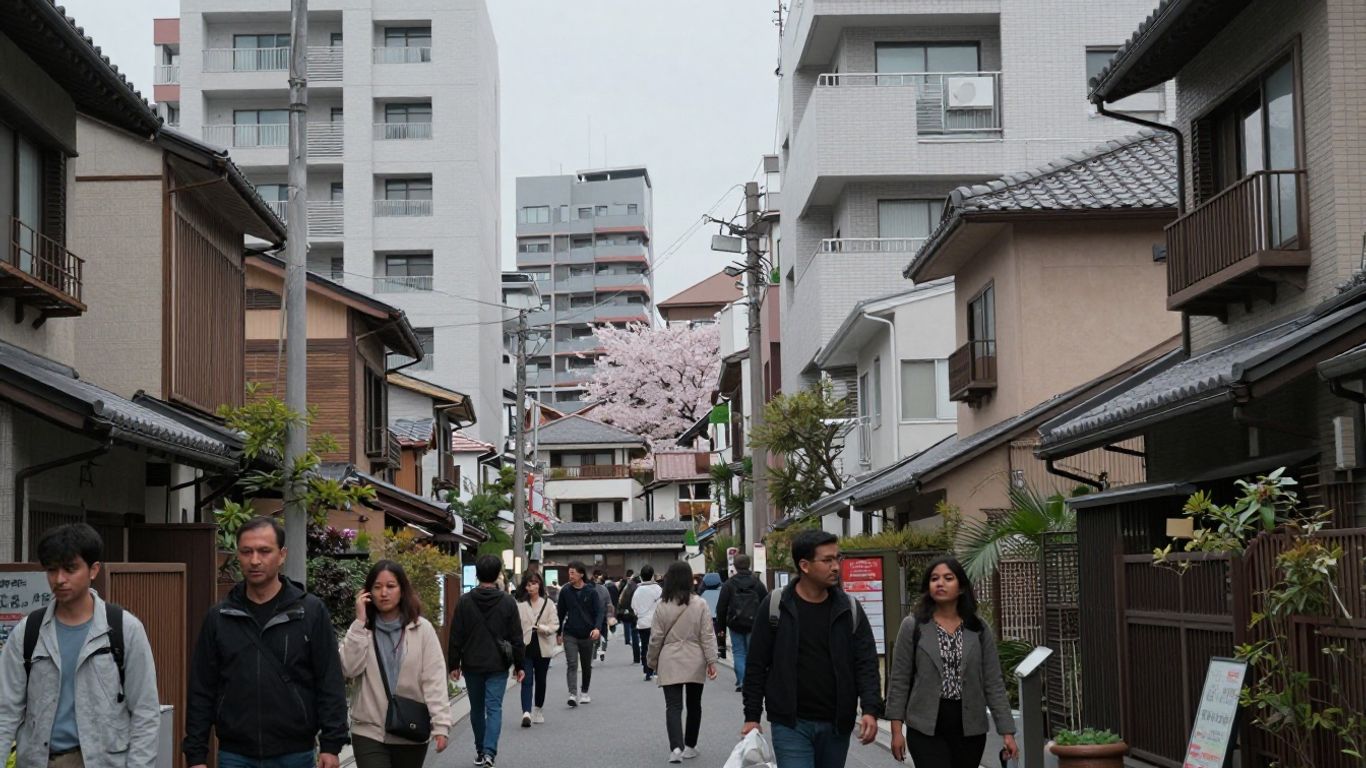
Okay, so you've got a handle on the initial costs, but where you actually live in Tokyo is going to make a huge difference to your wallet. Tokyo is massive, and rent can swing wildly depending on which part of the city you choose. It's not just about fancy addresses; it's about finding a spot that fits your life and your bank account.
Affordable Wards For Budget-Conscious Expats
If you're looking to stretch your yen, you'll want to look at wards a bit further out from the super-central hubs. Think areas like Adachi, Itabashi, Katsushika, and Edogawa. These places often don't make the glossy magazine covers, but they offer a more realistic price point for housing. You might find more space for your money here, and they often have a strong sense of local community. It's a trade-off, for sure – you're likely looking at a longer commute into the city center, and the nightlife might be more subdued. But for students, young professionals starting out, or families prioritizing space over being in the thick of it, these wards are a solid bet.
- Adachi and Katsushika: Generally offer the lowest rents, making them great for those on a tight budget.
- Itabashi: Provides a good balance with reasonable rents and decent transport links.
- Edogawa: Known for being family-friendly with more spacious options and green areas.
Remember, the 'cheapest' rent often comes with a longer travel time to work or popular spots. Always factor in your daily commute costs and time.
Balancing Cost And Convenience In Central Tokyo
Living right in the heart of Tokyo, like in wards such as Minato (think Roppongi, Azabu) or Shibuya, comes with a premium price tag. These areas are popular with international executives and those who want to be close to business districts, embassies, and a sophisticated urban vibe. You'll find excellent dining, shopping, and a generally foreigner-friendly atmosphere. However, expect to pay significantly more for apartments, often double or even triple what you might find further out. For a 1LDK (one bedroom, living, dining room), rents can easily range from ¥130,000 to ¥300,000 or more. It's a lifestyle choice that prioritizes convenience and access over affordability.
Exploring Suburbs For More Space And Lower Rents
Beyond the most affordable wards and the bustling central districts, Tokyo's suburbs offer another angle. Areas like Kichijoji, Nakano, and Shimokitazawa are often highlighted for their unique character and lifestyle appeal. Kichijoji, for instance, is frequently cited as one of Tokyo's most livable areas, offering a great mix of green spaces like Inokashira Park, cool shopping streets, and a relaxed feel. Rents here are moderate – studios might be around ¥80,000-¥120,000, with family apartments going for ¥150,000-¥250,000. Nakano offers a more subculture-focused vibe with affordable options close to Shinjuku, while Shimokitazawa is the go-to for a bohemian, creative scene. These suburbs often provide a better balance of cost, space, and a distinct local atmosphere compared to the hyper-central wards, making them attractive for a wide range of residents, from families to artists.
The Practicalities Of Setting Up Your New Tokyo Home
So, you've signed the lease, paid the mountain of upfront fees, and the keys are finally in your hand. Awesome! But the journey isn't quite over yet. Getting your new Tokyo place actually livable involves a few more steps, and honestly, they can be a bit of a hassle if you're not prepared. Think of it as the final boss level of moving.
Arranging Essential Utility Connections
First things first, you need power, water, and gas. You can't exactly live on convenience store snacks forever, right? Most of the time, the real estate agent will give you the contact numbers for the local utility companies. You'll need to call them up and schedule a connection. For electricity and water, it's usually pretty straightforward – they might just need to activate the service from their end. Gas is a bit different; someone usually has to come out and physically connect it, so book that appointment well in advance. Don't assume these services will just magically turn on when you move in.
Here’s a quick rundown of what you'll likely need to do:
- Electricity: Contact the power company for your area. They'll ask for your address and desired connection date.
- Water: Similar to electricity, reach out to the water bureau. They'll confirm your details and set up the service.
- Gas: This one requires a bit more coordination. You'll need to call the gas company and schedule an in-person visit for the connection.
Registering Your Address At The Ward Office
This is a big one, and you've got a limited window to get it done. Within 14 days of moving into your new place, you absolutely must register your address at your local ward office (or city hall). You'll need your residence card and passport. This process is how you officially become a resident in that area, and it's necessary for all sorts of things, like getting your alien registration card updated, setting up a bank account, or even getting a local library card. It sounds bureaucratic, and well, it is, but it's a necessary step to avoid future complications.
The Process Of Setting Up Internet Service
In today's world, reliable internet is practically a utility itself. Getting internet set up in Tokyo can take a surprising amount of time, often a couple of weeks from when you first apply. You'll need to choose an internet provider – there are many options, from major companies to smaller ones. Then, you'll fill out an application, which usually involves providing your address and personal details. After that, they'll schedule an installation appointment. Sometimes, especially in older buildings, the wiring might need to be checked or installed, which can add to the wait time. So, if you work from home or just really need to stay connected, start this process as soon as you get your apartment keys.
The initial setup for utilities and internet might feel like a chore, but getting these sorted early makes settling into your new Tokyo life so much smoother. It's all about ticking boxes so you can actually start enjoying your new home instead of dealing with administrative headaches.
Making Informed Trade-Offs In Your Apartment Search
Finding a place to live in Tokyo often feels like a balancing act. You've got your wish list, but the reality of the market means you'll probably have to make some choices. It’s rare to find that perfect apartment that ticks every single box, especially when you're on a budget. So, figuring out what's most important to you is key.
Location Versus Space: The Tokyo Dilemma
This is a big one for most people. Apartments closer to the super-busy central hubs and major train stations usually come with a higher price tag per square meter. You might get a smaller place, but you'll be right in the middle of the action, with tons of shops, restaurants, and easy access to transport. On the flip side, if you want more room to spread out, you'll likely need to look a bit further out from the city center. This means your rent might be lower, but you'll probably spend more time commuting.
Here’s a rough idea of what you might be looking at:
| Area Type | Typical Rent (per month) | Approximate Size (sqm) | Commute to Central Tokyo |
|---|---|---|---|
| Central Hub | ¥150,000 - ¥250,000+ | 20 - 35 | 0 - 15 minutes |
| Inner Suburb | ¥120,000 - ¥180,000 | 30 - 45 | 15 - 30 minutes |
| Outer Suburb | ¥80,000 - ¥130,000 | 40 - 60 | 30 - 60 minutes |
Note: These are general estimates and can vary wildly based on the specific ward, building, and amenities.
Balancing Building Age, Amenities, And Price
Newer buildings often come with modern conveniences like better insulation, updated kitchens and bathrooms, and sometimes even smart home features. They tend to be more expensive, though. Older buildings might be more affordable and offer more space for your money, but they could lack some of the modern comforts or have stricter rules. Think about what you really need. Do you absolutely need that fancy gym in the building, or is a quiet neighborhood more your style? Sometimes, older buildings have a certain charm, too.
Consider these points:
- Newer Buildings: Generally higher rent, better earthquake resistance, modern fixtures, potentially smaller rooms.
- Older Buildings: Often more affordable, potentially larger rooms, might require more maintenance, could have fewer amenities.
- Amenities: Things like elevators, auto-lock doors, built-in laundry, and balconies can add to the cost but also improve daily life.
Deciding between a shiny new apartment with all the bells and whistles or a more lived-in, spacious place for less cash is a classic Tokyo housing puzzle. Your daily routine and personal comfort levels will really guide this choice.
Commute Time As A Factor In Rental Costs
Your daily commute is a significant part of your life in Tokyo, and it directly impacts your housing budget. The closer you are to your workplace or major transit lines, the higher the rent is likely to be. If you're willing to spend more time on trains, you can often find more affordable apartments in areas further from the city center. It’s a trade-off between time and money. Think about how much you value your morning sleep or your evenings at home versus how much you're willing to spend on rent each month. Sometimes, a slightly longer commute can save you a substantial amount of money over the course of your lease.
Finding Foreigner-Friendly Housing Solutions
Specialized Agencies and Gaijin-Friendly Apartments
Okay, so finding a place in Tokyo can feel like a puzzle, especially when you're new and don't speak the language fluently. The good news is, the rental scene is getting more accommodating. You'll find real estate agents who specifically advertise themselves as "foreigner-friendly." These guys know the drill – they understand the documents you'll need, the potential hurdles, and they often have a list of landlords who are genuinely open to renting to non-Japanese residents. It's like having a translator and a guide rolled into one. They can help you skip over the places that might reject your application outright, saving you a lot of time and heartache.
The Rise Of Share Houses And Serviced Apartments
If you're looking for something a bit more flexible or perhaps a way to cut down on those hefty upfront costs, share houses and serviced apartments are worth a serious look. Share houses are super popular, especially with younger folks or those on a tighter budget. You get your own private room, but you share common areas like the kitchen and living room. It's a great way to meet people, and often, they don't require a guarantor, which is a big plus. Serviced apartments are a bit more of a splurge, but they come fully furnished with all the amenities you'd expect, plus services like cleaning. The contracts are usually more flexible, which is perfect if you're not sure how long you'll be staying.
Here's a quick look at what they typically offer:
- Share Houses:
- Private bedroom, shared common areas
- Often include utilities and Wi-Fi
- Lower upfront costs and no guarantor needed
- Good for social interaction
- Serviced Apartments:
- Fully furnished, self-contained units
- Includes utilities, cleaning, and sometimes reception services
- Flexible lease terms
- Higher rent compared to standard apartments
International Real Estate Agencies For Smoother Transitions
For those who want a more hands-off approach or are dealing with complex visa situations, international real estate agencies are a lifesaver. These agencies often operate in areas with a high expat population, like Roppongi or Azabu. They usually have English-speaking staff who can guide you through the entire process, from property viewings to signing the contract. They've seen it all and can anticipate problems before they arise. Their main goal is to make your move as stress-free as possible, bridging the gap between the Japanese rental market and international renters. While they might charge a fee, the peace of mind and the time saved can be well worth it, especially if this is your first time renting in Japan.
So, What's the Takeaway?
Look, Tokyo is amazing, and finding a place to live here can feel surprisingly doable at first. The rent might even seem reasonable compared to other big cities. But don't get too comfortable. Once you start digging into the actual process – the endless forms, the deposits, the guarantor requirements, and all those fees you never saw coming – the costs and headaches pile up fast. It’s a real wake-up call. So, while Tokyo might be affordable on paper, be ready for the paperwork marathon. Plan ahead, save more than you think you'll need, and maybe learn a few Japanese phrases. It’ll make the whole experience a lot less stressful, trust me.
Frequently Asked Questions
What are the biggest upfront costs when renting an apartment in Tokyo?
Get ready for a big hit to your wallet at the start! You'll likely need to pay for the first month's rent, a security deposit (which is like a down payment to cover any damage), and something called 'key money,' which is a non-refundable gift to the landlord. You'll also pay an agency fee to the real estate agent and possibly a fee for a guarantor company if you need one. All these costs together can add up to about 4 to 6 months of rent, so start saving early!
Do I need a guarantor to rent an apartment in Tokyo?
Often, yes. Landlords usually want a Japanese person or a company to guarantee your rent payments. If you don't have a friend or colleague willing to do this, you'll likely need to use a professional guarantor company. This usually costs extra, often around half a month's rent or more.
What documents do I need to apply for an apartment?
You'll need several documents to show you're a reliable renter. This typically includes proof of identity like your passport and residence card, proof of income (like a work contract or recent pay stubs), and sometimes a certificate showing you're registered in your local ward. If you've just arrived, your employer might be able to help with some of these.
How long does it take to find and move into an apartment in Tokyo?
The whole process can take some time, usually between 1 to 3 months from when you start looking to when you actually move in. The most intense part is the 3-4 weeks when you're actively searching, applying, and dealing with all the paperwork and payments.
Are there areas in Tokyo that are more affordable for foreigners?
Yes, definitely! While popular central areas can be pricey, wards like Adachi, Nerima, Kita, and Edogawa often have lower rents. These areas might mean a slightly longer commute, but you can get more space for your money and still be connected to the city.
What are some easier housing options for foreigners who are new to Tokyo?
If the traditional rental process seems daunting, consider share houses or serviced apartments. Share houses are great for meeting people and are usually cheaper and simpler to get into. Serviced apartments are fully furnished and often come with English support, though they can be more expensive. Some real estate agencies also specialize in helping foreigners find apartments, making the process smoother.
Filed under
The Moveandstay editorial team writes about serviced living, workspaces, and city guides across Asia-Pacific.
Read next
Serviced Offices Surge in Popularity as Businesses Embrace Flexible Leasing
May 3, 2026

Hong Kong Serviced Apartment Market Buzzes with Sales and Investment Activity Amidst Shifting Valuations
May 3, 2026

ONYX Hospitality Group Elevates Shama Serviced Apartments with New Lifestyle Concept and Ambitious Expansion
Apr 26, 2026