
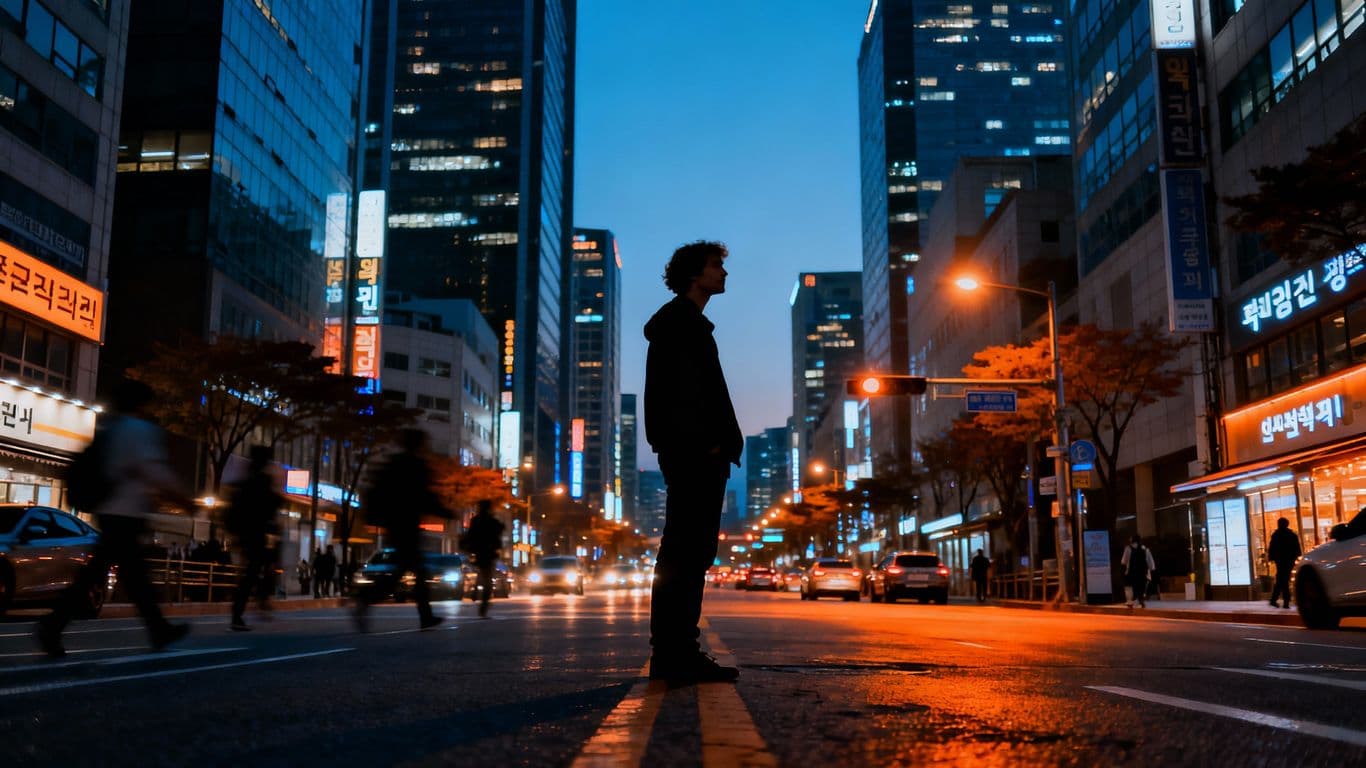
Moving to Seoul sounds like a dream, right? All those K-dramas and Instagram posts paint a picture of neon lights, delicious food, and vibrant culture. But let's be real, behind the glossy filter, living as a foreigner in this dynamic city comes with its own set of challenges. From wrestling with visas to figuring out the recycling system, it's not always easy. This article pulls back the curtain on some of the less-talked-about aspects of expat life in Seoul, offering a more grounded view of what to expect.
Key Takeaways
- Visa processes can be a bureaucratic maze, often requiring extended stays through language school or other means, which adds unexpected costs and time.
- Finding affordable and suitable housing is tough, with options like tiny goshiwons or more expensive office-tels being common, making serviced apartments Seoul a potentially more comfortable alternative for some.
- While signage is often bilingual, true communication requires understanding local nuances, as translation apps can miss slang and cultural context, leading to misunderstandings.
- The intense focus on beauty standards and the fast-paced 'ppalli-ppalli' (fast-fast) culture can create significant pressure and stress for foreigners.
- Social circles can be transient due to the expat churn, and integrating into local groups requires persistent effort and language skills, while mental health support in English can be scarce.
Navigating The Visa Labyrinth
The 90-Day Tourist Stamp Challenge
Arriving in Seoul on a tourist visa, often a 90-day stamp, feels like the easy part. You've made it! The city buzzes with excitement, and the initial days are a whirlwind of exploration. But this short-term visa is just a temporary pass, a ticking clock that reminds you that your adventure has a deadline. This initial period is crucial for getting your bearings, but it's also when the reality of long-term stays starts to set in. You can't really settle down, find a stable job, or even open a proper bank account without sorting out your legal status. It's a constant, low-level hum of anxiety beneath the surface of all the fun.
Enrollment For Extended Stays
If you plan to stay longer than 90 days, you'll quickly learn that extending your visit involves more than just a quick trip to an immigration office. For many, the most common route is enrolling in a language program. This often means signing up for a Korean language course, which can be a significant financial commitment. Tuition fees can add up, and you'll also need to factor in costs for mandatory health checks and other administrative fees. It's a way to buy time and get a visa that allows for a longer stay, but it requires planning and a substantial budget.
Here's a general idea of what to expect when enrolling for an extended stay visa:
- Language School Enrollment: This is a popular path, requiring proof of enrollment and tuition payment.
- Visa Application Fees: There are always fees associated with applying for and processing visa applications.
- Health Examination: A medical check-up is usually mandatory to ensure you don't pose a health risk.
- Proof of Financial Support: You'll likely need to show you have enough funds to support yourself during your stay.
The Paperwork Purgatory
Once you're past the initial tourist stamp and enrolled in a program or have another basis for an extended stay, you enter what can only be described as paperwork purgatory. The sheer volume of documents required can be overwhelming. You'll find yourself collecting certificates, making copies, getting official stamps, and filling out endless forms. The process is often slow, and waiting times at immigration offices can be hours long. It's a test of patience and persistence. You might need documents translated, notarized, and submitted in a very specific order. It feels like a constant hurdle, a bureaucratic maze designed to test your resolve.
The system demands meticulous attention to detail. Missing one form, one signature, or one date can send you back to the beginning of the line, forcing you to reschedule appointments and re-gather documents. It's a cycle that can be incredibly draining, both mentally and financially, especially when you're trying to build a life in a new country.
The Housing Hustle: Finding Your Seoul Nest
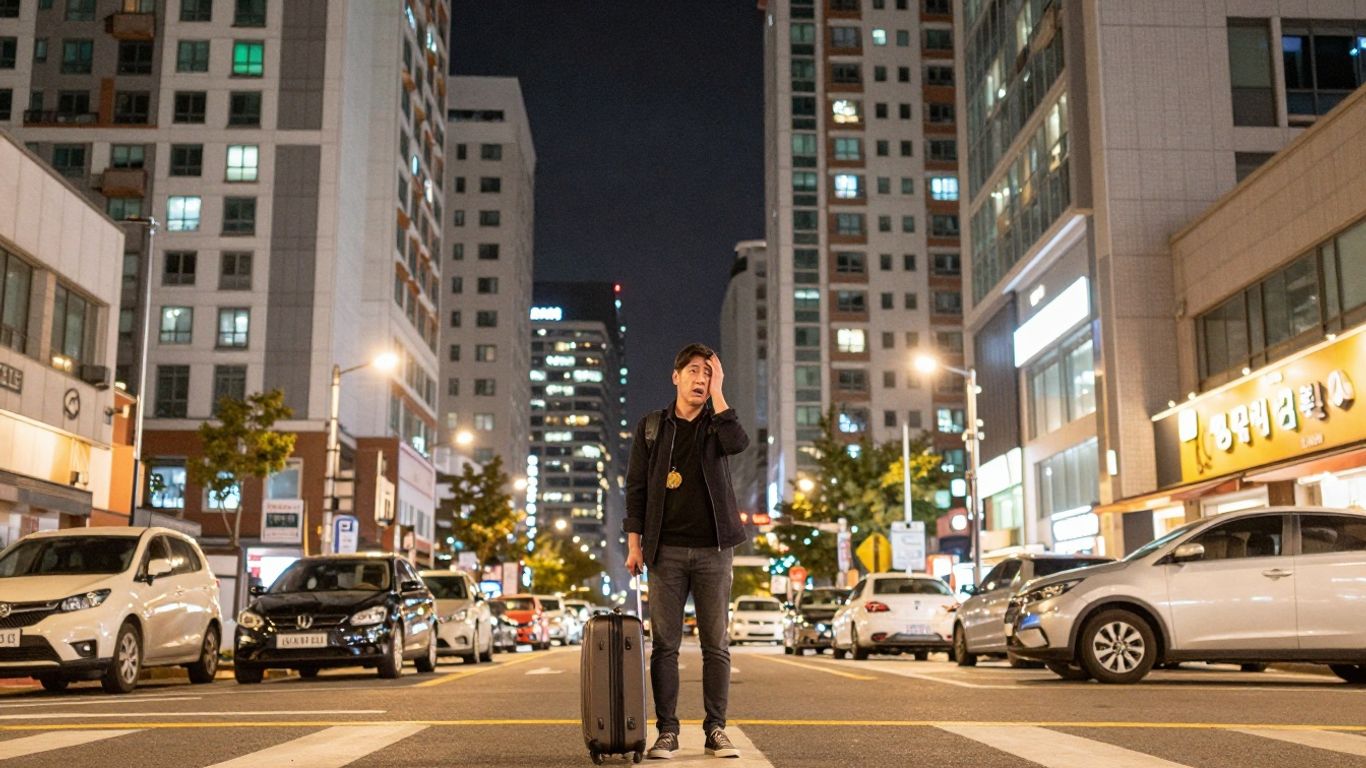
Finding a place to live in Seoul can feel like a whole other job, especially when you're new and don't speak the language fluently. It's not like just browsing Zillow back home. The whole system is pretty different, and honestly, a bit of a shocker if you're not prepared.
Jeonse Versus Wolse Deposits
This is probably the first big hurdle. Most Korean apartments operate on either a jeonse or wolse system. Jeonse is where you pay a massive lump sum deposit, often 50-80% of the property's value, and then you don't pay monthly rent. The landlord holds onto that deposit and uses it for investments. When you leave, you get it all back. It sounds great, but that initial deposit is huge, usually way more than most foreigners can afford upfront. The other option is wolse, which is a smaller deposit (still significant) combined with monthly rent. The catch here is that the monthly rent can be surprisingly high, often more than you'd expect for the space you get, especially compared to Western cities. As a foreigner without a local credit history or a stable job here, securing either can be tough.
Goshiwon: Compact Living
If your budget is super tight, or you're just starting out and need something temporary, you might look into a goshiwon. These are tiny, single rooms, often no bigger than a walk-in closet. Seriously, some are barely big enough to do a yoga pose. They usually come with a bed, a small desk, and sometimes a private bathroom, but kitchens and laundry facilities are often shared. The walls are thin, so you hear everything. They're cheap, though, usually ranging from $400 to $600 a month, and they're everywhere. It's a very basic way to live, but it gets you into the city without breaking the bank.
Office-Tel Realities
Then there are officetels. These are a bit more modern and common, especially for single people or couples. They're basically studio apartments in buildings that are zoned for both commercial and residential use. They're usually quite compact, maybe around 20 square meters (about 215 sq ft). You'll often find the washing machine tucked under the kitchen counter, and sometimes the shower is literally right over the toilet. It's efficient, I guess? Rent can be anywhere from $800 to $1200 a month, plus utilities, which can add up. It's a trade-off between convenience and personal space.
Considering Serviced Apartments Seoul For Ease
If all of this sounds like too much hassle, serviced apartments are an option, though they come at a higher price point. Think of them like short-term furnished apartments that include utilities, cleaning services, and sometimes even amenities like gyms. They're great if you want to avoid the deposit drama and just move in without worrying about setting up utilities or buying furniture. They offer a much more comfortable and hassle-free experience, especially for shorter stays or if your company is covering the costs. It's definitely the easiest route, but your wallet will feel it.
The sheer volume of paperwork and the unique deposit systems can be overwhelming. It's easy to feel like you're constantly jumping through hoops just to have a roof over your head. Many foreigners end up in smaller, less ideal spaces initially because the traditional housing market feels inaccessible.
Bridging The Communication Gap
Beyond Bilingual Signage
Sure, you'll see English on many signs, especially in tourist areas and on the subway. It's a nice gesture, and it helps a lot when you're just trying to find your way around. But don't think that means you're in the clear. The real communication happens in the spaces between the words, in the tone, and in the cultural context that English often misses. I remember trying to order some snacks at a bar, and I mixed up two similar-sounding words. Instead of asking for 'anju' (food to go with drinks), I accidentally asked for 'an-ju' (which can refer to dog meat). The waiter just stared for a second, then patiently handed me a picture menu like I was a little kid. It was a bit embarrassing, but also a good lesson. You have to pay attention to more than just the letters on the page.
Google Translate's Limitations
Okay, Google Translate is a lifesaver sometimes. It can help you figure out a menu or get the gist of a quick message. But when it comes to anything more complex, especially slang or nuanced requests, it can really fall apart. Trying to understand a text from your landlord about utility bills? If you miss a subtle honorific or use the wrong level of politeness, you can come across as rude or just plain clueless. It’s a constant learning curve, and honestly, sometimes it’s pretty funny to look back on, but it’s definitely not a simple fix for everyday conversations.
Mastering Local Nuances
So, what's the solution? Well, it's not exactly a quick one. If you're planning to stay for a while, signing up for Korean language classes as soon as possible is a really good idea. Even just a few basic phrases can make a huge difference in your daily interactions. Beyond formal learning, though, it's about being observant and willing to try.
- Listen actively: Pay attention to how Koreans interact with each other, the common phrases they use, and their tone of voice.
- Don't be afraid to ask: If you don't understand something, it's better to politely ask for clarification than to pretend you do.
- Embrace the charades: Sometimes, a bit of pointing, gesturing, and drawing can go a long way when words fail.
- Learn basic etiquette: Understanding things like bowing, appropriate levels of formality, and common greetings can prevent misunderstandings.
Living in Seoul as a foreigner means constantly being in a state of learning. You'll find yourself relying on translation apps, pointing at things, and sometimes just smiling and nodding. It's a humbling experience that requires patience and a good sense of humor. The effort you put into understanding the language and culture, however, will open up so many more doors and make your experience so much richer.
The Pressure Cooker Of Beauty Standards

It’s hard to talk about living in Seoul without mentioning the intense focus on appearance. You see it everywhere, from the ads plastered on the subway to the way people present themselves. The pressure to look a certain way can feel overwhelming, especially when you're trying to figure out your place as a foreigner.
K-beauty is famous worldwide, and for good reason. There are amazing products and treatments available. But beneath the surface of "glass skin" and flawless complexions, there's a strong message that if you don't meet these ideals, something is wrong with you. It's not just about skincare, either. Things like jawline surgery, eyelid lifts, and even body contouring are advertised openly, almost like everyday services. It's common for people to casually discuss getting fillers or other procedures, much like someone might talk about picking up groceries.
This isn't limited to women. Men also feel the pressure to have a "small face" or achieve a certain physique. It creates an environment where self-improvement can sometimes feel more like trying to fit into a mold that's been set by society.
Here's a look at some of the common beauty ideals and practices:
- Skin: The pursuit of perfectly clear, poreless, and often pale skin is a major focus. Many skincare routines are elaborate and involve multiple steps.
- Facial Features: A small face, a V-shaped jawline, and large eyes are often considered desirable.
- Body Type: A slim and slender figure is generally preferred.
- Cosmetic Procedures: Non-surgical treatments like Botox and fillers are very common, and surgical procedures are also widely accessible and discussed.
It's easy to get caught up in trying to achieve these standards, especially when you're new and want to fit in. You might find yourself buying products or considering changes you wouldn't have thought about before. It's important to remember that these are societal ideals, and your own comfort and self-acceptance are what truly matter.
It can be a lot to process. You might start questioning your own appearance and feel a pull to conform. It's a constant balancing act between appreciating the culture and maintaining your own sense of self.
Mental Wellness In A Fast-Paced Culture
Living in Seoul can feel like you're constantly running on a treadmill that's set to high speed. Everything moves at a breakneck pace, from getting your food at a restaurant to processing paperwork. While this efficiency is amazing in many ways, it can also wear you down. The constant pressure to keep up, coupled with the general stress of being in a new country, can really take a toll on your mental state. It's easy to feel overwhelmed when you're trying to balance work, social life, and just the everyday task of existing in a place that operates so differently from what you're used to.
Struggles With Culture Shock
Culture shock isn't just about missing familiar foods or getting lost. It's a deeper feeling of disorientation that can creep up on you. You might find yourself feeling irritable, homesick, or just generally out of sorts without a clear reason. This is totally normal when you're adjusting to a new environment, especially one as dynamic as Seoul. It's like your brain is working overtime trying to process all the new information and social cues. This constant mental exertion is a silent stressor that many foreigners grapple with.
Scarcity Of English-Speaking Therapists
Finding support when you're struggling can be tough. While Seoul is a huge city, locating mental health professionals who speak English and understand the unique challenges faced by expats isn't always straightforward. Many local services are geared towards Korean speakers, and even when you find an English-speaking therapist, the cost can be quite high, making regular sessions difficult to afford. This lack of accessible support can leave people feeling isolated with their problems.
Here's a look at some common challenges and potential coping strategies:
- Culture Shock Symptoms: Feelings of anxiety, confusion, irritability, homesickness, and fatigue.
- Communication Barriers: Misunderstandings due to language differences, even with translation apps.
- Social Isolation: Difficulty forming deep connections or feeling like an outsider.
- Workplace Pressure: Adapting to demanding work hours and expectations.
The 'Fight Through It' Mentality
There's a strong cultural emphasis here on resilience and pushing forward, often referred to as the 'ppalli-ppalli' (fast-fast) culture. While this can be motivating, it can also discourage people from admitting they're struggling or seeking help. The idea of 'fighting through it' is deeply ingrained, and admitting vulnerability isn't always seen as a strength. This can make it harder for foreigners to open up about their mental health concerns, leading them to bottle things up instead of addressing them.
The pressure to appear strong and capable in a fast-paced environment can lead many to internalize their struggles, making it harder to reach out for the support they need. It's a delicate balance between embracing the city's energy and protecting your own well-being.
If you're finding things tough, remember that seeking help is a sign of strength, not weakness. Exploring resources like expat support groups can provide a sense of community and shared experience, which is often the first step towards feeling better.
The Transient Nature Of Social Circles
Making friends in Seoul as a foreigner can feel like trying to catch lightning in a bottle. It's not impossible, but it definitely requires a different approach than what you might be used to. The city has a constant flow of people coming and going, especially in the expat community. You'll meet amazing people, bond over late-night soju and shared experiences, and then, just like that, they might be gone. Their work contract ends, they get a new opportunity elsewhere, or their visa runs out. It's a cycle that can leave you feeling a bit adrift if you're not prepared.
The Expat Churn Effect
This constant movement means that friendships, while often intense and fast-forming, can also be short-lived. It's common to find yourself saying goodbye to people you've just started to get close to. This "expat churn," as it's sometimes called, can be emotionally taxing. You learn to cherish the moments you have, but also to brace yourself for the inevitable departures. It's a reality that many foreigners face, and it can make building a stable social network feel like a challenge.
Integrating Into Local Groups
While the expat scene offers a built-in community, truly settling in often means connecting with locals. This isn't always straightforward. Social circles here can sometimes feel established, built around school, military service, or long-standing work relationships. Breaking into these groups takes time, effort, and a good grasp of the Korean language. It's about more than just polite conversation; it's about understanding cultural cues and showing genuine interest. Small gestures, like remembering a local shop owner's favorite snack or sharing a laugh over a cultural misunderstanding, can go a long way in building these connections.
The Importance Of Persistence
Building meaningful relationships, whether with other foreigners or locals, requires patience and a willingness to put yourself out there repeatedly. Don't get discouraged if initial attempts don't lead to deep friendships. Keep showing up, keep practicing your Korean, and keep being open to new experiences. Sometimes, the most unexpected connections form in the most ordinary places – a shared interest in a hobby, a regular visit to the same café, or even just a friendly nod to your neighbor. It's about consistent effort and a positive outlook.
Building a social life in Seoul is a marathon, not a sprint. It involves embracing the temporary nature of some connections while actively seeking out deeper, more lasting ones. Be prepared for goodbyes, but don't let that stop you from forming new bonds. The effort is often rewarded with unique friendships and a richer experience of the city.
Here's a look at how social circles can form and shift:
- Expat Groups: Often form quickly around shared experiences (language exchange, hobbies, work). High turnover rate.
- Local Friendships: Can take longer to develop. Requires language skills and cultural understanding. Often built around shared activities or long-term connections (e.g., university alumni).
- Work Colleagues: Socializing through mandatory company dinners (hoesik) is common, but these relationships may not always extend beyond the workplace.
- Hobby-Based Clubs: A great way to meet people with similar interests, offering a more organic way to connect.
Daily Life Adjustments And Quirks
The Overwhelming Recycling System
Getting your head around Seoul's recycling rules can feel like a full-time job. It's not just tossing things in a blue bin; it's a whole production. Depending on where you live, you might have separate bins for paper, cardboard, Styrofoam, glass, plastic, vinyl, cans, food waste, and even specific bins for plastic bottles. Seriously, it's a lot to keep track of. Food waste is a big one, often requiring special bags you have to buy. Mess up the sorting, and you could be looking at fines. Some apartment buildings even have cameras watching the trash areas, so they're pretty serious about it. It takes some getting used to, but once you figure it out, it becomes second nature... mostly.
Expensive Fruit And Seasonal Choices
If you're used to grabbing a banana or a bag of berries without thinking, get ready for a shock. Fruit in Seoul can be surprisingly pricey. A lot of it has to be imported, which adds to the cost. You'll find that things like watermelons can set you back a good chunk of change, and even smaller packages of berries aren't cheap. Your best bet is to look for seasonal fruits like persimmons in the fall and winter, or Korean melons in the summer. Local markets can sometimes offer better deals, but generally, think of fruit as more of a treat than an everyday snack.
The 'Did You Eat?' Greeting
Forget a simple 'hello' or 'how are you?' In Korea, a common greeting, especially among people who know each other, is "밥 먹었어?" which translates to "Did you eat?" It's not just about food; it's a genuine expression of care and concern. It shows they're thinking about your well-being. At first, it might feel a bit odd, like everyone's just checking if you've fed yourself, but you'll start to see it as a warm gesture. It's a little peek into how relationships are built here, centered around shared meals and looking out for one another.
Intense Korean Drinking Culture
Socializing often revolves around food and drinks, and Korean drinking culture is definitely something to be aware of. After-work gatherings, known as 'hoesik,' are common and can involve multiple rounds of soju or other alcoholic beverages. It's seen as a way to bond with colleagues and friends. If you're not a big drinker, it can be a bit of a challenge. You're expected to participate, and there are certain etiquette rules, like pouring drinks for elders or superiors first, and never pouring your own drink. It's a big part of the social fabric, and while it can be fun, it can also be pretty intense and go late into the night.
Environmental And Urban Challenges
Seoul is a city that moves at lightning speed, and sometimes, the environment and the sheer urban density can feel like a constant challenge. It’s not all cherry blossoms and K-pop dreams, you know?
The Impact Of Yellow Dust Season
Spring in Seoul is beautiful, with the flowers and all, but it also brings something less pleasant: yellow dust. This fine particulate matter, often blowing in from desert regions, can really mess with the air quality. You'll see people wearing masks everywhere, and air quality apps become your new best friend. Trying to do outdoor activities, like a jog along the Han River, can feel like you're breathing in sandpaper. It makes you appreciate indoor spaces a lot more, and maybe rethink that outdoor workout plan.
Navigating Seoul's Subway System
Okay, the subway system here is seriously impressive. It's extensive, efficient, and gets you pretty much anywhere you need to go. But, it can also be a bit of an adventure, especially during rush hour. Imagine being packed in like sardines, with everyone trying to get to work or home. It's a whole experience. Learning the lines and transfers takes a bit of time, but once you get the hang of it, it's a lifesaver for getting around the sprawling city. It’s a key part of urban life.
Productivity Traps In Aesthetic Cafes
Seoul has an insane number of cafes. Seriously, they're everywhere, and they're often super stylish. While it's great to have so many options for a coffee break or a place to meet up, they can also be a bit of a trap if you're trying to get work done. Finding a cafe with enough outlets can be tough, and the constant buzz of people and the pressure to take perfect photos for social media can really break your focus. Sometimes, you just need a quiet spot with reliable Wi-Fi and plenty of plugs, which isn't always the vibe in the trendiest places.
The sheer density of the city means that even simple tasks can feel amplified. From managing the complex recycling system to dealing with the seasonal air quality issues, there's a constant undercurrent of adjustment required for foreigners.
So, Was It Worth It?
Looking back, Seoul was a whirlwind. It’s a city that pulls you in with its energy and then tests you with its demands. The glossy photos online don't show the late nights spent deciphering paperwork, the constant hum of anxiety about visas, or the quiet loneliness that can creep in. It’s a place where you can feel both incredibly connected and completely adrift. But even with all the challenges, there’s a strange pull, a memory of those electric moments and the sheer efficiency of it all. If you’re thinking of making the move, just remember to pack your patience, a good sense of humor, and maybe an extra charger. Because Seoul is a beautiful, complicated beast, and it’s not for the faint of heart.
Frequently Asked Questions
Is it hard to get a visa to live in Seoul?
Getting a visa for a long stay can be tricky. If you're not a student or on a work visa, you might have to leave the country every 90 days, or enroll in language classes just to get more time. It involves a lot of paperwork and waiting in line.
What's housing like for foreigners in Seoul?
Finding a place to live can be tough and expensive. You might need a huge deposit for a regular apartment. Smaller, cheaper options like 'Goshiwon' rooms are tiny, and 'Office-tels' can be small too, sometimes with the shower right over the toilet. It's definitely different from what you might be used to.
Can I get by in Seoul without speaking Korean?
While many signs have English, daily life can be challenging without Korean. Translation apps help, but they often miss slang or polite ways of speaking. Understanding local customs and language is key to avoiding misunderstandings, especially with things like rent or official matters.
Are beauty standards in Seoul really that intense?
Yes, there's a lot of pressure to look a certain way. K-beauty is famous, but it often means aiming for perfect skin and appearance. Things like plastic surgery or cosmetic procedures are quite common, and people talk about them openly.
Is it easy to find mental health support in Seoul?
Finding English-speaking therapists can be difficult and costly. While things are slowly changing, many people still feel pressure to 'just deal with it' rather than seek help. Culture shock and loneliness are common struggles for foreigners.
Will I make friends easily in Seoul?
Making friends can happen quickly, especially in the expat community, but people often move away, so friendships can be short-lived. Connecting with locals might take more effort and time, as social groups can be quite established. It requires persistence.
Filed under
The Moveandstay editorial team writes about serviced living, workspaces, and city guides across Asia-Pacific.
Read next

Serviced Offices Surge in Popularity as Businesses Embrace Flexible Leasing
May 3, 2026

Hong Kong Serviced Apartment Market Buzzes with Sales and Investment Activity Amidst Shifting Valuations
May 3, 2026

ONYX Hospitality Group Elevates Shama Serviced Apartments with New Lifestyle Concept and Ambitious Expansion
Apr 26, 2026