

Buying a home can feel like a big deal, and it is. But sometimes, the real costs aren't obvious right away. We often focus on the price tag, but there's more to it. Things like how long it takes to get permits, or if the market goes up and down unexpectedly, can really change the picture. Even the cost of living in places like Asia for expats, or just dealing with a lot of paperwork, adds layers to the financial side of housing. This article looks at those less obvious costs and what they mean for our wallets and the housing market overall.
Key Takeaways
- The actual cost of buying a home goes beyond the sticker price, including fees and the impact of market changes.
- Market ups and downs can significantly affect a homeowner's financial situation, sometimes unexpectedly.
- Long-term financial success depends on making smart housing choices, not just quick investments.
- Factors like bureaucracy and slow approval processes add extra costs to building new homes, driving up prices.
- Understanding the cost of living, such as for a cost of living asia expat, is part of the bigger housing picture, especially when moving or investing internationally.
The Hidden Financial Toll Of Poor Housing Choices
Understanding The True Cost Of A Home Purchase
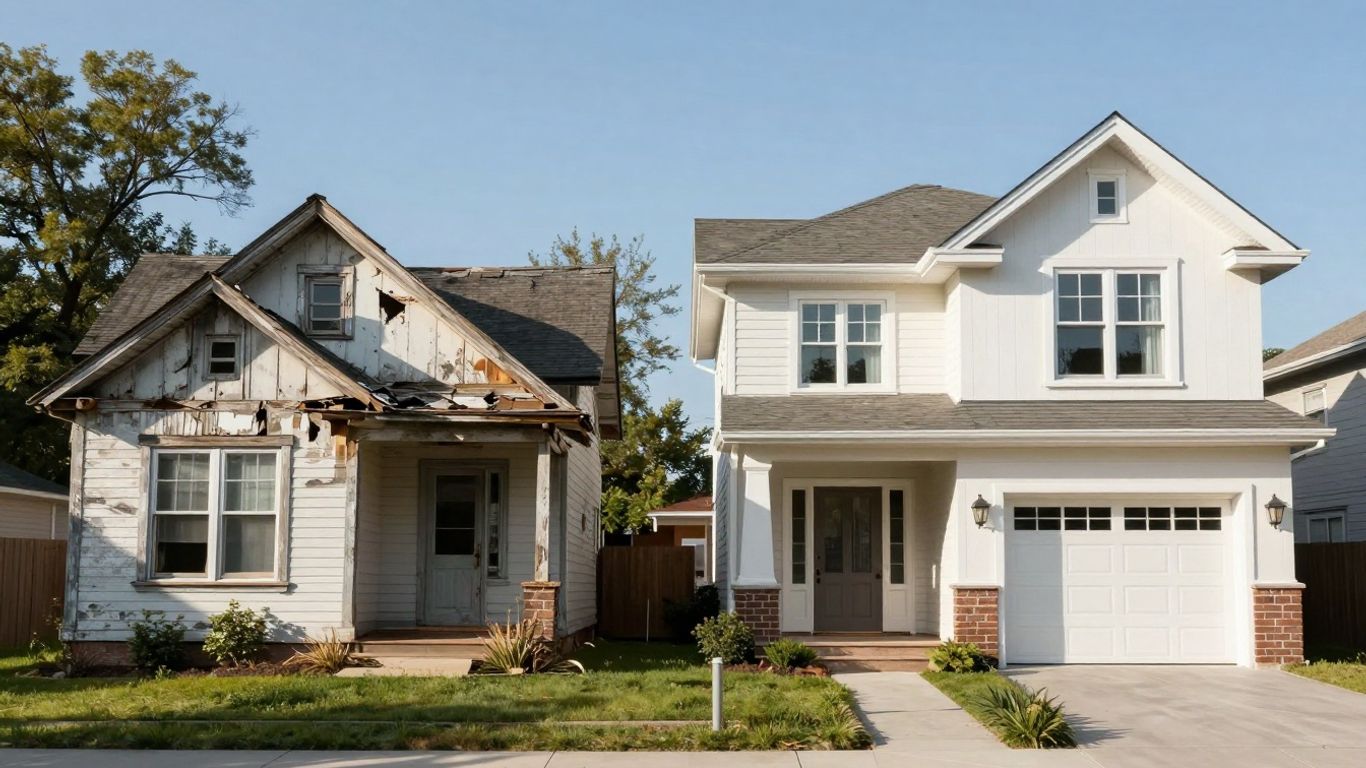
Buying a home feels like a big step, right? It's supposed to be an investment, a place to build equity. But sometimes, the initial excitement can blind us to the real, long-term costs. It's not just the sticker price or the mortgage payment. There are all sorts of hidden expenses that can sneak up on you, turning that dream home into a financial headache. Think about property taxes that go up, unexpected repairs that pop up out of nowhere, and even the cost of just maintaining the place. These ongoing expenses can add up significantly over the years, often more than people budget for.
The Impact Of Market Volatility On Homeowners
We've all seen the news about housing prices going up and down. It's like a rollercoaster sometimes. When the market is booming, it feels great. Your home's value increases, and you might feel like you've made a smart move. But what happens when the market takes a dip? Suddenly, your home might be worth less than you paid for it. This can be really stressful, especially if you need to sell or if you're underwater on your mortgage. It makes planning for the future a lot harder when you're not sure what your biggest asset is actually worth.
Long-Term Financial Repercussions Of Unwise Investments
Making a bad housing decision isn't just about the immediate financial hit. It can have effects that last for decades. If you buy a home that's too expensive for your income, you might be stuck paying more than you can comfortably afford for years, limiting your ability to save for retirement or other goals. Or, if you invest in a property that doesn't hold its value or requires constant, costly upkeep, you could end up losing money over the long haul. It's a bit like buying a car that constantly breaks down – the initial purchase price is just the start of the expenses.
The initial purchase price is only one piece of the puzzle. Ongoing costs, market fluctuations, and the property's long-term performance all play a significant role in the true financial outcome of a housing decision.
Navigating The Complexities Of Housing Affordability
Understanding The True Cost Of A Home Purchase
Buying a place to live is a huge decision, and it's easy to get caught up in just the sticker price. But there's a lot more to consider than what the listing says. Think about all the little fees that pop up, like closing costs, property taxes that keep going up, and the insurance you absolutely need. Then there's the ongoing cost of just living there – utilities, maintenance, and maybe even HOA fees if it's a condo or townhouse. It's not just about the mortgage payment; it's the whole package.
Here's a quick look at some extra costs that can add up:
- Closing Costs: These can include things like appraisal fees, title insurance, and legal fees. They often add up to a few percent of the loan amount.
- Property Taxes: These vary wildly by location and can increase over time.
- Homeowners Insurance: Required by lenders, this protects your home but adds to your monthly outlay.
- Utilities: Don't forget electricity, gas, water, and internet. These can be surprisingly high.
- Maintenance & Repairs: Things break. Budgeting for unexpected fixes is smart.
The Impact Of Market Volatility On Homeowners
When the housing market goes wild, it can feel like a rollercoaster. One minute your home's value is soaring, and the next, it seems to be dropping. This kind of ups and downs can make people feel uneasy, especially if they're thinking about selling or refinancing. It's hard to plan for the future when the value of your biggest asset is constantly shifting. For people who bought recently, especially at the peak, rising interest rates can really squeeze their finances, making those monthly payments feel much heavier.
The constant flux in property values can create a sense of financial instability, even for those who aren't actively looking to move. It affects confidence and long-term financial planning.
Long-Term Financial Repercussions Of Unwise Investments
Sometimes, people buy homes for reasons other than just having a place to live. They might see it as a quick way to make money. But if the market doesn't cooperate, or if the property itself has issues, that "investment" can turn into a real headache. You could end up owing more than the house is worth, or stuck with a property that's hard to sell. This can tie up your money for years, preventing you from making other, more sensible financial moves. It's a tough lesson when a dream home becomes a financial burden because the initial decision wasn't based on solid ground.
Bureaucratic Hurdles And Their Effect On Housing
It’s easy to blame rising housing prices solely on supply and demand, but there's a whole other layer of complexity that often gets overlooked: the sheer weight of bureaucracy. Getting a new housing project off the ground involves a maze of permits, zoning laws, environmental reviews, and endless consultations. This isn't just a minor inconvenience; it's a significant factor that drives up costs and slows down construction.
The Impact Of Red Tape On Housing Development
Think about it like this: every extra step, every required sign-off, adds time and money. Developers have to pay staff to manage these processes, hire consultants, and often wait months, if not years, for approvals. These aren't small sums. Some estimates suggest that the indirect costs from these delays can add up to thousands of dollars per unit, per month. This adds up fast, especially for projects with tight profit margins, like affordable housing.
Streamlining Approval Processes For Faster Construction
So, what can be done? Well, simplifying the approval process is a big one. Imagine if cities could cut down the time it takes to get permits or rezone areas. This could mean:
- Faster project starts: Developers could break ground sooner, getting homes built quicker.
- Reduced carrying costs: Less time spent waiting means lower expenses for land, financing, and labor.
- Increased housing supply: More projects moving forward means more homes available on the market.
It's not about cutting corners on safety or environmental standards, but about making the existing processes more efficient and predictable. When the system works smoothly, more housing gets built, and that's good for everyone.
How Delays Inflate Housing Prices
These delays don't just frustrate builders; they directly impact the final price tag of a home. When a project takes longer to complete, the developer's costs go up. They have to pay interest on loans for longer, cover ongoing site maintenance, and deal with inflation that can increase material and labor costs over time. All these extra expenses get passed on to the buyer. It's a simple equation: the longer it takes to build, the more expensive the home becomes. This can make new housing completely out of reach for many families, even those with decent incomes.
The sheer volume of paperwork and the unpredictable nature of regulatory approvals can be a major deterrent for developers. This uncertainty makes it harder to secure financing and plan for the long term, ultimately stifling the creation of much-needed housing.
The Economic Consequences Of Housing Market Dysfunction
When Housing Becomes An Unattainable Asset
When the housing market gets out of whack, it's not just about people not being able to buy a place. It has a much wider reach. Think about it: if buying a home is out of reach for most folks, especially younger generations or those just starting out, what happens? They might end up renting for much longer, which can eat up a huge chunk of their income. This leaves less money for other things, like saving for retirement, starting a business, or even just enjoying life. It can feel like you're stuck, always paying someone else's mortgage instead of building your own equity.
The Ripple Effect On Middle-Income Households
It's not just first-time buyers feeling the pinch. Middle-income families, who might have expected to move up the property ladder or at least maintain their current housing situation, can also get caught. If home prices skyrocket way beyond what people earn, or if the market suddenly drops and erodes their savings, it creates a lot of stress. This instability can make people hesitant to make big life decisions, like having kids or changing jobs, because they're worried about their financial footing. It can also mean that essential workers – teachers, nurses, police officers – can't afford to live in the communities they serve, which causes its own set of problems.
Maintaining Economic Competitiveness Through Housing Solutions
So, how does a country or a city stay attractive for businesses and workers when housing is a mess? It's tough. Companies look at places where their employees can actually afford to live. If housing costs are through the roof, businesses might look elsewhere, taking jobs with them. This can slow down economic growth overall. It's like a domino effect: bad housing leads to fewer workers, fewer workers means fewer businesses, and fewer businesses means a weaker economy. Getting the housing market back on a more even keel isn't just about helping individuals; it's about keeping the whole economic engine running smoothly.
Here's a look at how sales have changed:
| Year | National Home Sales (Year-over-Year Change) |
|---|---|---|
| 2023 | -11.1% |
| April 2025 | -10% |
When housing costs become a major barrier, it doesn't just affect individuals; it can slow down entire economies by making areas less attractive for businesses and workers. This creates a cycle that's hard to break without thoughtful policy changes.
Addressing The Root Causes Of Housing Shortages
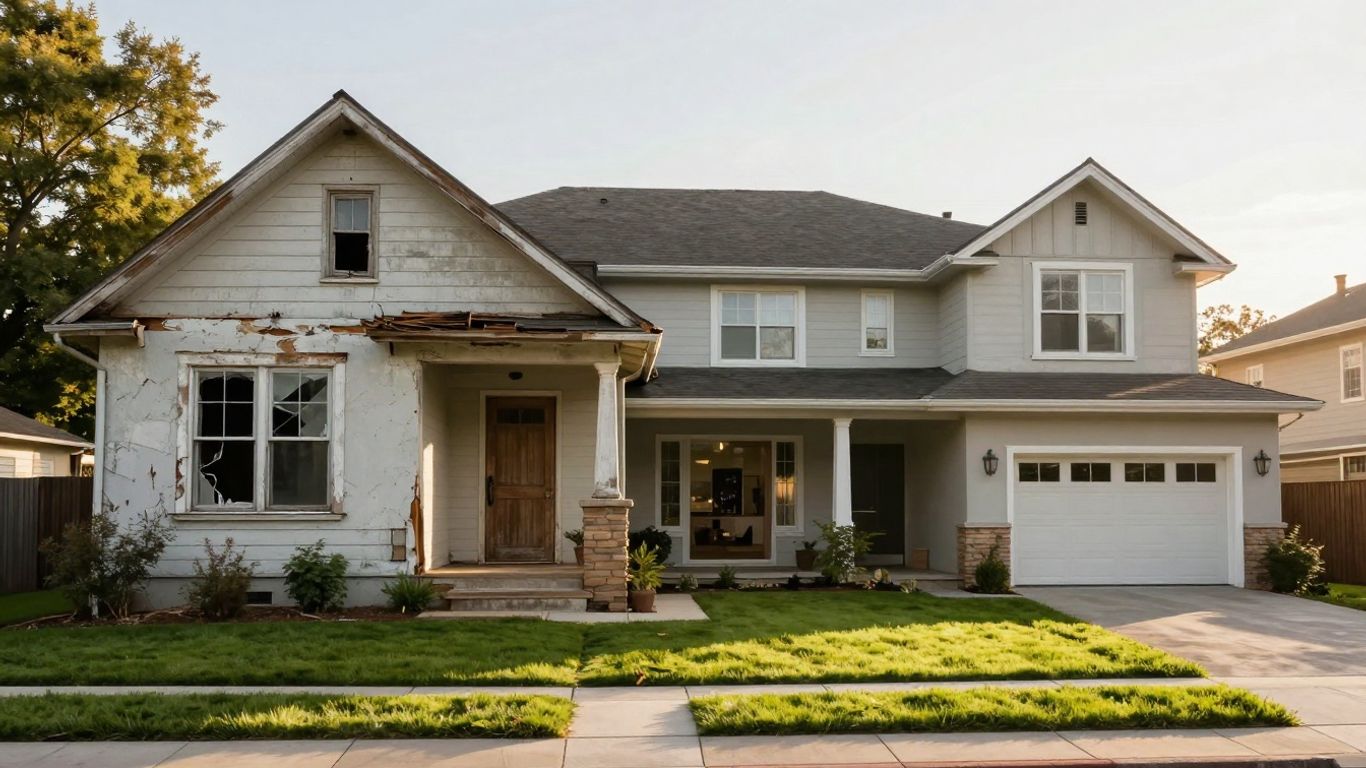
It's easy to point fingers at demand when housing prices go through the roof, but often, the real culprits are buried much deeper. We keep throwing money at the problem with subsidies, hoping it'll just go away, but that's like putting a band-aid on a broken bone. The actual issue lies in the systems that make building new homes so slow and expensive in the first place.
Beyond Subsidies: Tackling Fundamental Issues
Subsidies can help, sure, especially for those who truly can't afford market rates. But they don't fix the core problem: a housing market that's struggling to keep up. Think about it – if building a new apartment takes years and costs a fortune due to red tape, you're not going to magically create more affordable places to live. We need to look at what's actually stopping homes from being built where people need them.
- Streamlining Approval Processes: Getting permits, zoning changes, and environmental reviews can take ages. Cutting down these timelines is key.
- Reducing Regulatory Burdens: Complex rules add significant costs and delays. Simplifying them can make a big difference.
- Encouraging Diverse Housing Types: The market often churns out the same kind of units. Allowing for more variety, like smaller starter homes, can meet different needs. Reducing minimum lot sizes is a key strategy to increase the availability of starter homes. This policy change allows for smaller plots of land per new house, potentially making homeownership more accessible. starter homes
The Challenge Of High Construction Costs
Even when builders want to build, the price of materials, labor, and navigating all the necessary steps adds up fast. This isn't just about the cost of lumber; it's about the indirect costs that pile up during lengthy approval processes. Some estimates suggest these delays can cost thousands of dollars per unit, per month. That's a huge chunk of change that gets passed on to the buyer or renter.
Balancing Supply And Demand In Urban Centers
Cities are growing, but the number of new homes isn't keeping pace. This imbalance is a major driver of high prices. When more people want to live somewhere than there are places to live, prices inevitably climb. We need policies that encourage more housing to be built, not just more of the same.
The system often produces what no one really wants, while buyers search for livable spaces they can't find or afford. This disconnect highlights a deeper dysfunction that needs fixing.
It's a complex puzzle, but focusing on these root causes, rather than just applying financial patches, is the only way to build a housing market that actually works for everyone.
Litigation's Role In Housing Development Costs
Legal battles are not something most folks think about when looking at housing prices, but they can really mess things up. Delays caused by lawsuits push costs higher for developers and, eventually, buyers. Let’s break down how this plays out in real time.
Procedural Challenges And Project Delays
It’s not unusual for major housing projects to get stuck because of legal technicalities. Even once a developer clears big hurdles, people can (and often do) keep filing lawsuits based on the process—not on what’s actually being built. These lawsuits are often designed just to slow things down. That delay means the developer has to pay more money just to keep the project alive. In the end, these extra expenses sneak their way into home prices.
- Legal suits often target procedural issues instead of the overall impact.
- Developers may need to make costly compromises to move forward, like adding amenities they can’t really afford.
- Projects facing continued delays may never get built, shrinking the supply of available homes.
Every month a project is delayed, the bills stack up for everyone involved, from interest payments to lost momentum, and sometimes developers just walk away.
The Uncertainty Created By Legal Battles
If you've ever waited for approval on something important only to hit a last-minute snag, you know how frustrating legal uncertainty can be. With housing, this unpredictability turns into higher costs.
| Issue | Immediate Impact | Long-Term Impact |
|---|---|---|
| Legal delays | Higher financing costs | Fewer completed homes |
| Ongoing litigation | Project design changes | Discouraged investment |
| Regulatory challenges | More required paperwork | Rising project risk |
For developers, it’s not just about money—it’s about time. Not knowing how long a project will get stuck in court makes it tough to plan. Sometimes, as we saw when a high-profile Ontario lawsuit collapsed despite big accusations, developers are left in limbo, their plans set back for years.
Impact On Developer Confidence And Project Viability
Here’s the bottom line. If every new building comes with the risk of endless court battles, developers think twice about even starting. Some stop planning homes in tricky areas. Others build smaller or look for loopholes.
Consider these real issues:
- Prolonged litigation ties up resources that could be used to create more housing.
- Banks often refuse loans for projects tangled in lawsuits, so funding dries up.
- Neighborhood opposition can exploit the system, forcing changes or even cancellation of much-needed projects.
Sometimes, after a long, costly fight, projects just get shelved altogether—and the community gets nothing.
Legal wrangling doesn’t just slow things down; it makes everyone more cautious. If we want more homes built, we have to figure out how to make the process less of a gamble for both builders and buyers.
Creating A More Sustainable Housing Market
The idea of a more sustainable housing market is about shifting focus from treating homes like lottery tickets to seeing them as places to actually live, grow, and build connections. Over the last few years, wild price swings and speculation made housing feel more like a game than a basic need. Now, with the market slowing down, there’s finally a chance to rethink how we buy, sell, and live in our homes.
The Shift From Speculative Assets To Livable Spaces
Instead of chasing quick flips and overnight fortune, we're slowly moving back to a world where homes exist first as shelters, not just investments. This adjustment can feel rough if you bought at the height of the boom, but it gives buyers, renters, and communities actual breathing room. Here’s what helps tip the market in this direction:
- Less blind bidding and fewer bidding wars
- Pricing based on the property’s real value and its use, not hype
- Policies encouraging new construction of homes people really want (not just tiny boxes)
When housing is seen as a foundation for life, not profit, communities become rooted and future-proof.
Opportunities For Meaningful Policy Reform
This moment—where prices aren’t ballooning out of control—offers policymakers a window to try new things. Some of the best steps they can take right now include:
- Update zoning laws to allow for different types of housing, including rentals and family-sized homes.
- Make the approval process for new builds faster, cutting all the red tape that keeps projects stuck for years.
- Invest in affordable housing where it’s actually needed, based on local demand instead of guessing.
Here’s a quick table outlining common policy actions and their direct effects:
| Policy Action | Effect |
|---|---|
| Zoning reform | More diverse housing options |
| Streamlined permitting | Quicker construction starts |
| Targeted investment | Affordable homes in demand |
Building Resilient Communities Through Stable Housing
Stable housing is about predictability for everyone—not just homeowners. Renters, families starting out, and retirees all need to know they won’t be priced out suddenly if the wind shifts. These things help create the base for a community that lasts:
- Homes people can afford, so neighborhoods aren’t emptied out by prices spikes.
- Room for families and older adults, not just single renters or investors.
- Local stores and services that stay open because people aren’t constantly moving away.
You end up with something greater than just rooftops and sold signs—a real place where people stick around, make friends, and support each other. Stable, sensible housing isn’t glamorous, but it’s key to making society work for everyone.
The Real Price of Home
So, what's the takeaway from all this? It's pretty clear that when we make housing decisions without looking at the whole picture, the costs can really pile up. It's not just about the sticker price of a house or condo. We're talking about the endless delays from red tape, the extra money spent on permits and approvals, and even the stress of dealing with a market that doesn't seem to make sense. These hidden costs affect everyone, from the people trying to build homes to the families hoping to buy one. If we want a housing market that actually works for people, we need to simplify things and get rid of the roadblocks that make building and buying so difficult and expensive. Otherwise, we'll keep paying a silent price for decisions that just don't add up.
Frequently Asked Questions
Why are houses so expensive right now?
It's not just about how many people want houses. A big part of the problem is how long it takes to get new homes built. All the paperwork, approvals, and planning can take years, which adds a lot of extra costs. These delays make building harder and more expensive, which then makes the final price of homes go up.
What are 'red tape' and 'bureaucracy' in housing?
Think of 'red tape' as all the rules, paperwork, and steps you have to follow to get something done, like building a house. Bureaucracy is the system of people and offices that manage these rules. When there's too much red tape, it slows everything down, makes things confusing, and costs more money, just like a traffic jam for building homes.
Can fixing the system make houses cheaper?
Yes, it can help a lot! If the government makes the approval process faster and simpler, builders can construct homes more quickly and at a lower cost. This means they don't have to charge as much for the finished houses. It also means more homes can be built to meet what people actually need and can afford.
What's the difference between a house as a home and a house as an investment?
When you buy a house as a home, you plan to live in it. When you buy it as an investment, you're hoping its value will go up so you can sell it for a profit later. Sometimes, people focus too much on houses being investments, which can drive prices up and make it harder for people who just need a place to live.
What happens when housing prices drop after a period of rapid increases?
When prices go up really fast and then stop or drop, it can be tough for people who bought recently, especially investors. But for people wanting to buy, it can be a good thing because prices might become more reasonable. It also means the market is becoming more stable, which is better for long-term planning.
Why do some new condos sit empty even when people need housing?
This can happen when builders keep making the same type of housing that was popular before, but people's needs have changed. Maybe they want bigger places or homes in different areas. If the system makes it hard to build what people actually want or can afford, developers might end up with unsold units while buyers are still searching.
The Moveandstay editorial team writes about serviced living, workspaces, and city guides across Asia-Pacific.
Read next

Serviced Offices Surge in Popularity as Businesses Embrace Flexible Leasing
May 3, 2026

Hong Kong Serviced Apartment Market Buzzes with Sales and Investment Activity Amidst Shifting Valuations
May 3, 2026

ONYX Hospitality Group Elevates Shama Serviced Apartments with New Lifestyle Concept and Ambitious Expansion
Apr 26, 2026