
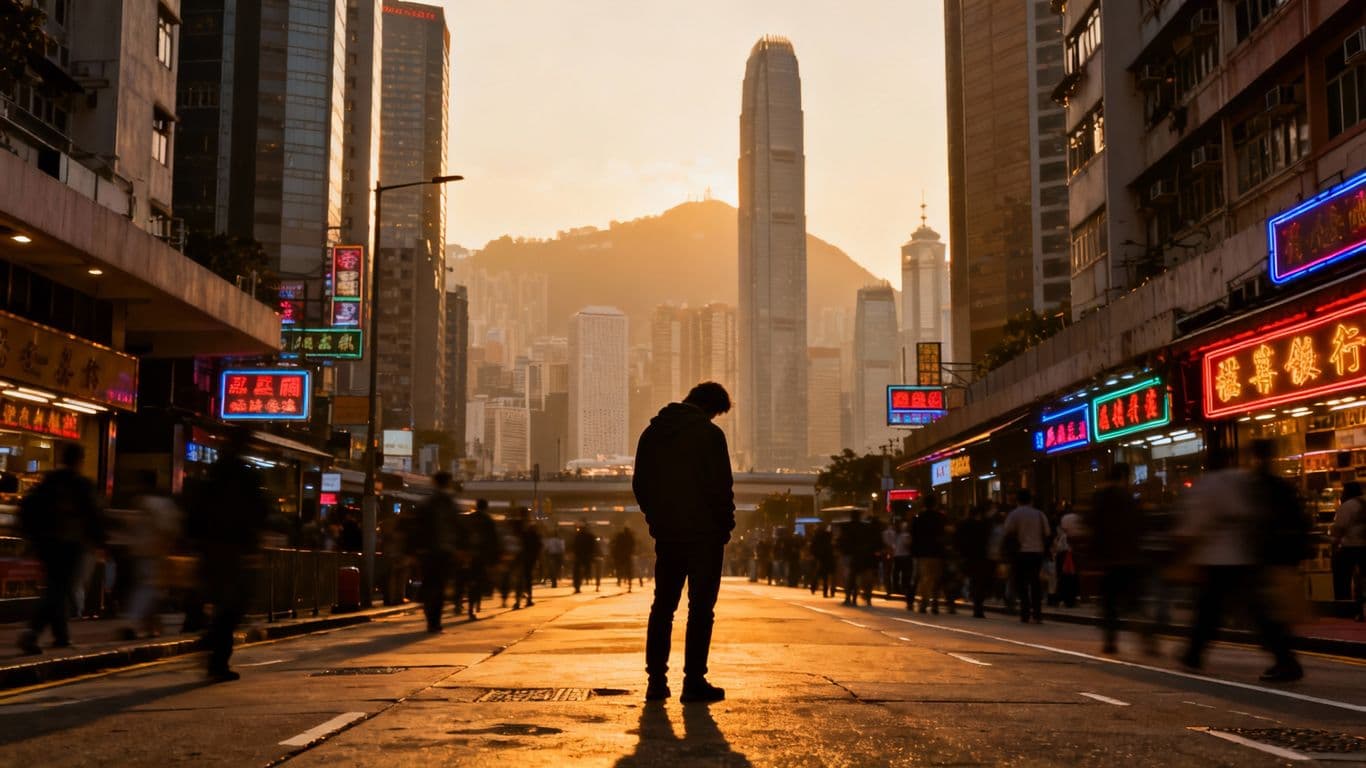
For the full guide, see Moving to Hong Kong? Don’t Miss These 10 Essential Tips.
Thinking about packing your bags for Hong Kong? It's a city that buzzes with energy, and there's so much to love about it. But like any big move, there are definitely things you don't always hear about until you're living it. Beyond the amazing skyline and delicious food, there are some practical bits and cultural quirks that can catch you off guard. Let's talk about some of those less-discussed aspects of making Hong Kong your new home.
Key Takeaways
- The cost of housing in Hong Kong can be surprisingly high, often much more than people expect. Many expats find that a housing allowance is pretty much a must-have to live comfortably.
- While the city is super convenient for getting around, public transport can be more expensive than in some other places. Also, remember that some buses and trams have a fixed price, no matter how short your trip is.
- Don't be surprised by the directness you might experience in service interactions, like in restaurants. It's just part of the fast-paced culture there and not meant to be rude.
- Cash is still used a lot in Hong Kong, even though cards are becoming more common. You'll want to make sure you have some cash on hand or an Octopus card for daily use.
- The city offers incredible access to mainland China, with Shenzhen just a quick trip away for shopping and food. Plus, Hong Kong itself has beautiful natural spots like beaches and hiking trails that many people overlook.
Navigating The Unseen Costs Of Hong Kong Living
So, you're thinking about packing your bags for Hong Kong? Awesome! It's a city that buzzes with energy, but before you get swept up in the neon lights and amazing food scene, let's talk about the money stuff that might catch you off guard. It's not just about the rent, though that's a big one. Figuring out the real cost of settling in is key to a smooth transition.
The Housing Allowance Imperative
Okay, let's get real about housing. Rent in Hong Kong is famously high, and if your employer isn't offering a housing allowance, you need to budget very carefully. We're talking potentially thousands of dollars a month, depending on where you want to live and what kind of space you're used to. It's not uncommon for people to spend a huge chunk of their income just on their apartment. If you can swing it, a job with a housing allowance is a game-changer. It takes a massive weight off your shoulders and lets you focus on enjoying the city rather than stressing about your monthly bills.
Beyond Rent: Schooling Expenses
If you're moving with kids, school fees are another major expense to consider. International schools, while offering excellent education and familiar curricula, come with a hefty price tag. These costs can add up quickly, often rivaling or even exceeding housing expenses. It's worth researching school options and their fees well in advance to get a clear picture of your total outgoings. Some companies might include schooling in their relocation package, so definitely check if that's an option for you.
The True Cost of Serviced Apartments Hong Kong
Serviced apartments can seem like a convenient option, especially when you first arrive. They offer flexibility and often include utilities and cleaning. However, this convenience comes at a premium. While they might be cheaper than a hotel, they are generally more expensive than a long-term rental. Think of them as a temporary solution while you find a more permanent place. The daily or weekly rates can add up surprisingly fast, so it's wise to set a time limit for staying in one and get yourself settled into a regular lease as soon as possible to save money.
The financial landscape here can be a bit different from what you might be used to. While some things might seem cheaper, like certain goods due to a lack of sales tax, others, particularly housing and education, can be significantly more expensive. It's all about balancing expectations and doing your homework.
Cultural Nuances That May Surprise You
Moving to Hong Kong means stepping into a vibrant culture that's a fascinating blend of East and West. While many expats are drawn to the city's economic opportunities, the day-to-day cultural differences can be quite the adjustment. It's not just about learning new phrases; it's about understanding different ways of interacting and going about daily life.
Directness in Service Interactions
One of the first things you might notice is how direct people can be, especially in service settings. Don't mistake this for rudeness; it's often just a more efficient way of communicating. You might find that staff get straight to the point, which can feel abrupt if you're used to more elaborate pleasantries. It's a cultural norm that prioritizes clarity and speed.
- Expect concise communication: Service staff often focus on the task at hand.
- Avoid taking it personally: What might seem blunt in your home country is standard here.
- Reciprocate with clarity: Be clear and direct in your own requests to facilitate smoother interactions.
The Pervasiveness of Cash Transactions
While Hong Kong is a modern metropolis, you'll quickly discover that cash is still king in many places. Unlike in some Western countries where credit cards are accepted almost everywhere, here you'll encounter many smaller shops, market stalls, and even some restaurants that prefer or only accept cash. It's a good idea to always have some Hong Kong dollars on hand.
Here's a quick look at where cash is often preferred:
| Establishment Type | Cash Preference | Notes |
|---|---|---|
| Local Markets | High | Essential for most vendors |
| Small Eateries/Diners | High | Many don't have card machines |
| Public Transport (some) | Medium | Octopus card is more common, but cash works |
| Convenience Stores | Low | Generally accept cards |
| High-End Retail/Malls | Low | Card-friendly |
Understanding Local Social Dynamics
Social interactions in Hong Kong can also have their own unique rhythm. There's a strong sense of community and a tendency for people to look out for one another, even strangers. You might observe behaviors in public that seem unusual, like loud conversations or eating noisily, which are simply part of the local way of life and not intended as disrespect. It's about adapting your perspective and recognizing that different doesn't mean wrong.
Adjusting to these cultural differences takes time and an open mind. What might initially feel like a challenge can become a source of fascination and personal growth as you learn to appreciate the unique social fabric of Hong Kong.
Remember, patience and a willingness to learn are your best tools when encountering these cultural nuances. It's all part of the adventure of living in such a dynamic city.
The Pace Of Life And Personal Space
The Fast-Paced Urban Environment
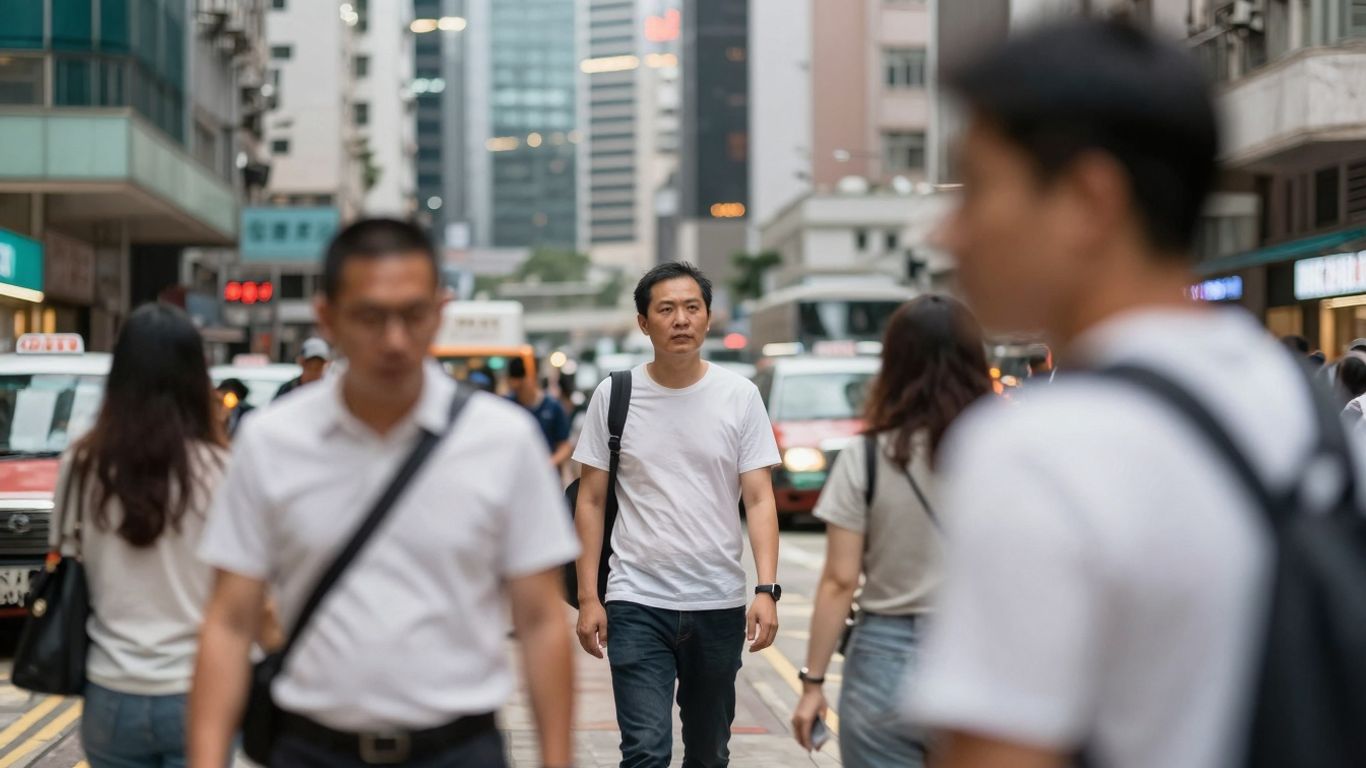
Hong Kong is famous for its relentless energy. It's a city that truly never sleeps, and this constant buzz can be both exhilarating and exhausting. Everything moves at lightning speed here, from the way people walk down the street to how quickly services are expected. You'll find yourself adjusting to a much quicker rhythm than you might be used to. It's not uncommon to see people power-walking through crowded areas, weaving through pedestrians with practiced ease. This intensity is part of what makes Hong Kong so dynamic, but it can also feel overwhelming if you're not prepared for it.
Navigating Crowded Public Spaces
Personal space is a concept that gets redefined in Hong Kong. With one of the highest population densities in the world, you're going to be around a lot of people, a lot of the time. Think packed MTR trains during rush hour, bustling markets, and sidewalks that can feel more like obstacle courses than pathways. It's not unusual for people to stand closer than you might expect, or for queues to form in a less-than-orderly fashion. Learning to adapt is key. Sometimes a polite but firm "excuse me" or simply holding your ground can help you move through these spaces more comfortably. It's less about rudeness and more about the sheer volume of people sharing limited areas.
The Stressed Atmosphere of Daily Commutes
Getting around Hong Kong, especially during peak hours, can be a real test of patience. The sheer number of people trying to get from point A to point B creates a palpable sense of urgency. Whether you're on the MTR, a bus, or even a ferry, expect crowds. This daily grind can contribute to a general feeling of stress for many residents. It's a constant negotiation of space and time.
The sheer density of people means that even simple tasks like commuting can feel like a competitive sport. It's a reality that impacts daily life significantly and requires a certain mental fortitude to manage.
Here's a quick look at typical commute times during peak hours:
| Mode of Transport | Average Commute Time (Peak) |
|---|---|
| MTR (Subway) | 30-60 minutes |
| Bus | 45-90 minutes |
| Taxi | 30-75 minutes (traffic dependent) |
It's a good idea to factor in extra time for your journeys, especially if you have important appointments. Building buffer time into your schedule can make a big difference in reducing commute-related stress.
Connectivity And Convenience Beyond The City
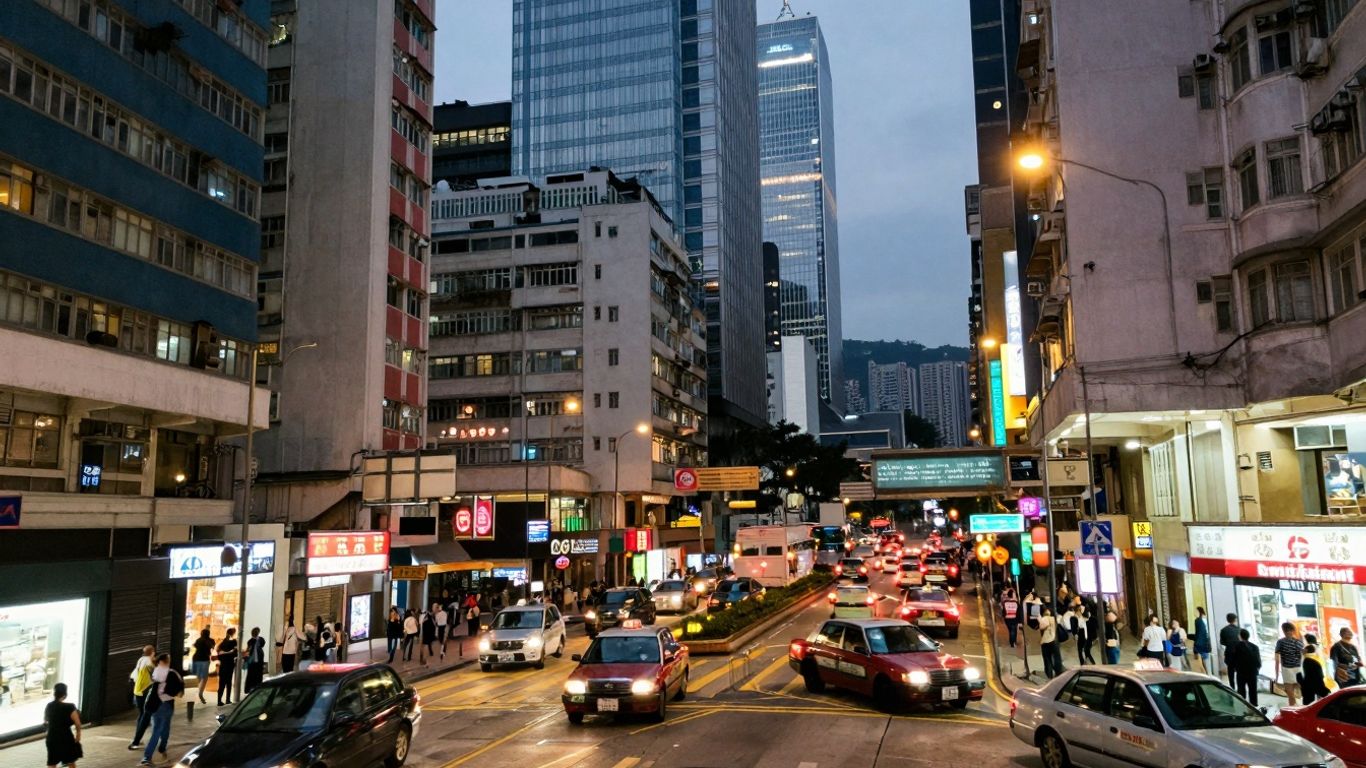
Moving to Hong Kong often brings to mind the city itself – the skyscrapers, the markets, the sheer density of it all. But one of the biggest perks, and something that often gets overlooked in the initial excitement, is how incredibly easy it is to get out of the city and explore. Hong Kong isn't just a destination; it's a launchpad.
Effortless Access to Mainland China
Seriously, the border crossing is practically a non-event. You can hop on the MTR and be in Shenzhen in what feels like no time at all. This opens up a whole new world for weekend trips, shopping sprees, or just trying out different food. Think about it: one day you're in the heart of Hong Kong, and the next you're experiencing a completely different vibe just a short train ride away. It’s a fantastic way to get a broader sense of the region without the hassle of long-haul travel. Plus, the cost of living and shopping in Shenzhen is often significantly lower, making it a popular spot for expats looking to stretch their budget.
The MTR System's Reach
Speaking of the MTR, this public transport system is a lifesaver. It's not just about getting around Hong Kong; its extensive network is the key to unlocking so much more. It’s clean, it’s efficient, and it connects you to almost everywhere you'd want to go within the territory. You can get from one end of Hong Kong Island to the New Territories without breaking a sweat, and it’s surprisingly affordable, especially if you get a monthly pass. It makes exploring places like the beaches or hiking trails much more accessible than you might think.
Exploring Shenzhen's Offerings
Shenzhen itself is a massive city with a lot to offer. It's known for its electronics markets, but there's much more. You can find incredible food, from street snacks to fancy restaurants, often at prices that will make your jaw drop compared to Hong Kong. It's also a hub for innovation and has some surprisingly green spaces. It’s a different pace from Hong Kong, more spread out, and offers a glimpse into the rapid development happening across the border. It’s a great place to go if you’re looking for a change of scenery or some serious bargain hunting.
The ease of hopping between Hong Kong and mainland China is a significant advantage that many people don't fully appreciate until they're living here. It adds a whole dimension to your life, turning a simple weekend into an opportunity for a mini-adventure.
The Natural Beauty Often Overlooked
When most people think of Hong Kong, they picture towering skyscrapers and bustling streets. It's easy to get caught up in the urban energy and forget that this city is actually a treasure trove of natural wonders. Beyond the concrete jungle lies a surprisingly diverse landscape waiting to be explored.
Discovering Hong Kong's Beaches
Forget what you might have heard; Hong Kong has beaches, and some are genuinely lovely. While they might not be the white-sand, palm-fringed kind you see in brochures, they offer a refreshing escape from the city heat. Think golden sands, clear waters (depending on the day!), and a laid-back vibe. Popular spots like Repulse Bay offer amenities and a lively atmosphere, while Shek O provides a more rustic, charming feel with its fishing village backdrop. For those seeking a bit more adventure, head to the outlying islands like Cheung Chau or Lamma Island, where you can find quieter coves.
Here are a few to check out:
- Repulse Bay: Easily accessible, family-friendly, with cafes and shops nearby.
- Shek O: Known for its picturesque village and surf-friendly waves.
- Big Wave Bay: Adjacent to Shek O, a popular spot for surfers.
- Middle Bay: A more relaxed option on the south side of Hong Kong Island.
Embarking on Mountain Hikes
Hong Kong's hilly terrain means hiking is practically a national pastime. The trails here are surprisingly well-maintained and offer incredible views. You can find routes for every fitness level, from gentle strolls to challenging climbs. The Dragon's Back trail is famous for a reason, offering panoramic vistas of the coastline and islands. For a more strenuous workout, tackle sections of the MacLehose Trail, which spans over 100 kilometers and showcases diverse landscapes. Even a short hike can provide a much-needed dose of fresh air and a different perspective on the city.
Some popular hiking areas include:
- Dragon's Back: Award-winning trail with stunning coastal views.
- Lion Rock: Offers iconic views of the Kowloon and Hong Kong Island skylines.
- MacLehose Trail: A long-distance trail with multiple sections, showcasing varied scenery.
- Sunset Peak: Especially beautiful during sunset, offering expansive views.
Opportunities for Outdoor Activities
Beyond beaches and mountains, Hong Kong offers a surprising array of outdoor pursuits. Kayaking, paddleboarding, and sailing are popular ways to enjoy the coastline and islands. You can rent equipment or join guided tours. For birdwatchers, Mai Po Nature Reserve is a must-visit, especially during migration seasons. Cycling paths are also becoming more prevalent, offering a great way to explore different districts and parks. Even simple picnics in one of the many green spaces can be a delightful way to spend an afternoon.
While the city's density and fast pace are undeniable, it's easy to overlook the vast green lungs and coastal beauty that Hong Kong possesses. Making time to explore these natural escapes can significantly enrich your experience and provide a welcome balance to urban living.
Transportation Quirks And Considerations
Getting around Hong Kong is an adventure, and while it's generally efficient, there are a few things that might catch you off guard.
The Fixed Price Tram System
Those iconic double-decker trams are a classic Hong Kong experience, but their pricing structure is a bit unique. No matter if you're going just a few stops or riding it all the way across town, the fare is the same. It's a flat rate for everyone, which can feel like a great deal if you're traveling a longer distance, but maybe a little less so for short hops.
- Flat fare for all journeys.
- Convenient for longer trips.
- Can feel pricey for very short rides.
Navigating Complex Road Networks
If you're thinking about driving, be prepared for a road system that can feel a bit like a maze. There are many forks, turns, and sometimes confusing junctions. Drivers here tend to be assertive, and you'll need to keep your wits about you. Motorbikes weave through traffic, and buses and trucks can be quite large. Situational awareness is key to staying safe on Hong Kong's roads. It's not uncommon for drivers to be impatient, and horns can be used frequently.
The sheer density of the city means roads are often packed, and traffic can move slowly. Expect to share the road with a variety of vehicles, from tiny scooters to large delivery trucks, all navigating the same tight spaces.
Understanding Taxi Variations
Most people picture red taxis when they think of Hong Kong, and those are indeed the most common, operating throughout the city. However, there are other colors you might see. Green taxis serve the New Territories, and blue taxis are specific to Lantau Island. While the red ones are generally your go-to, knowing about the others can be helpful if you find yourself in those specific regions. They all operate on meters, but the driving style can vary, and sometimes they can be a bit direct in their approach to getting you to your destination.
So, What's the Takeaway?
Moving to Hong Kong is definitely a big step, and while the shiny skyscrapers and bustling markets get all the attention, it's the little things that can really catch you off guard. From the way people interact in shops to the surprising prevalence of cash, these everyday differences add up. It's not necessarily bad, just different. Thinking about a move? Go in with your eyes open, maybe visit first, and be ready to adjust. It might just be the adventure you're looking for, but knowing these less-talked-about quirks can make the transition a whole lot smoother.
Frequently Asked Questions
What are the biggest money worries when moving to Hong Kong?
The biggest money worries are usually housing and schooling. Rent can be super expensive, sometimes costing thousands of pounds a month. If your job doesn't help pay for a place to live or your kids' school, it can be a huge expense.
Is it hard to get used to the way people act in Hong Kong?
Sometimes. In shops and restaurants, people can be very direct and seem rushed, which might feel a bit rude at first. It's just their way because life moves fast there. You might also notice that many places still prefer you to pay with cash, not cards.
Is Hong Kong always crowded and busy?
Yes, Hong Kong is known for being a very fast-paced city. Public transport can get really crowded, especially during busy times like morning and evening commutes. It can feel a bit stressful, and people often seem to be in a hurry.
Can I easily travel to mainland China from Hong Kong?
Absolutely! It's super easy and quick to get to Shenzhen by train, which is great for affordable shopping and food. You can also use the high-speed rail to visit other big cities in mainland China.
Is there nature and outdoor stuff to do in Hong Kong?
Surprisingly, yes! Hong Kong has tons of beautiful beaches and amazing hiking trails in its mountains and forests. It's a great place to escape the busy city and enjoy the outdoors, offering a mix of city life and natural beauty.
What's tricky about getting around Hong Kong?
While public transport is great, some things are a bit different. For example, the famous trams have a fixed price no matter how far you go. Also, the roads can be confusing with lots of turns, and taxis can vary – red ones are everywhere, but green and blue ones are used in different areas.
Filed under
The Moveandstay editorial team writes about serviced living, workspaces, and city guides across Asia-Pacific.
Read next
Serviced Offices Surge in Popularity as Businesses Embrace Flexible Leasing
May 3, 2026
Hong Kong Serviced Apartment Market Buzzes with Sales and Investment Activity Amidst Shifting Valuations
May 3, 2026

ONYX Hospitality Group Elevates Shama Serviced Apartments with New Lifestyle Concept and Ambitious Expansion
Apr 26, 2026