
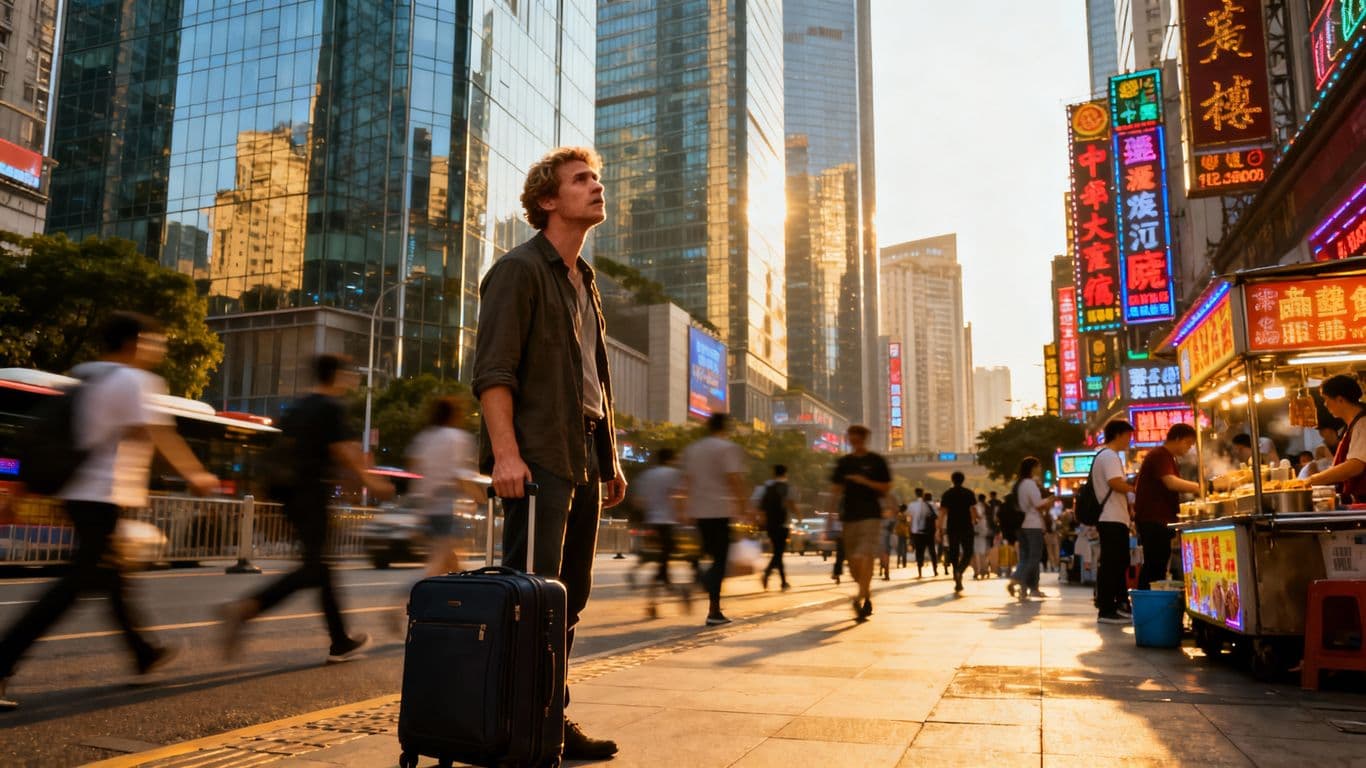
Thinking about moving to China? It's a big step, and while many people focus on the exciting cultural experiences and career opportunities, there are some less obvious things to consider. It's not just about packing your bags and finding a place to live, like maybe some serviced apartments in Shanghai. There are layers to how things work there, especially for foreigners, that can catch you off guard. Let's break down some of the potential surprises.
Key Takeaways
- China's policies can change, and understanding these shifts is important for anyone living there long-term. It's not always straightforward.
- Being a foreigner in China often means being seen as a temporary visitor, not someone looking for permanent roots. Getting permanent residency is quite rare.
- The relationship between China and other countries, particularly the US, can create personal risks. It's something to be aware of, even if you think it doesn't apply to you.
- The number of foreign nationals in China has grown a lot, but they are mostly in big cities. Compared to its huge population, China has fewer foreigners than many other countries.
- While China has set up a national immigration agency, the laws and how they are applied can still be complex. It's a balancing act between national interests and welcoming people.
Navigating the Shifting Sands of Chinese Policy
Understanding the Evolving Legal Landscape
China's approach to managing foreigners has been changing, and it's not always easy to keep up. The government is trying to balance welcoming skilled people with keeping the country secure. This means laws and rules can shift, sometimes without much warning. It's a bit like trying to build a house on ground that's constantly moving. Staying informed about these changes is really important for anyone living or planning to live in China.
Here are a few things to keep in mind:
- New Agencies, New Rules: The National Immigration Administration (NIA) was set up a few years back. They're in charge of a lot of the immigration stuff now, and they're trying to make things more organized. They talk about needing better border security and bringing in the 'right' kind of talent while managing who comes and goes.
- Lots of Laws to Sort Out: The NIA has mentioned that they need to update and combine over 130 different laws and regulations related to foreigners. This is a huge task, and it means the legal framework is still being put together.
- Official Messaging: You can see how they're trying to communicate these changes online. They post on social media, sometimes with cartoons explaining rules, other times with patriotic messages about protecting the border. It's a mix of serious policy and trying to connect with people.
The government is trying to create a more modern immigration system. They want it to be more like other countries, with a focus on security and picking who they want. But it's a big job, and they're still figuring out how to make it all work smoothly.
The Role of Government in Foreigner Management
For a long time, China was pretty strict about who came in and out, mostly worried about outside influences. Now, things are different. Some parts of the government see immigration not just as a security issue, but as something that can help China grow. They're trying to use immigration as a tool to achieve bigger national goals.
It's a complex balancing act. On one hand, they want to appear open and attract talent. On the other, there's still a strong focus on national security and maintaining control. This can lead to situations where policies seem to contradict each other, or where the implementation isn't always clear.
Implications of Policy Changes for Residents
So, what does all this mean for you if you're living in China? Well, it can mean uncertainty. Rules about visas, work permits, and even just staying in the country can change. What was allowed last year might be different this year.
- Visa Renewals: Keep a close eye on your visa expiry dates and the requirements for renewal. The process can sometimes be more complicated than you expect.
- Work Permits: If you're working in China, your employer will be navigating these changes too. Make sure you understand your work permit status and any new regulations that might affect your employment.
- Local vs. National Rules: Sometimes, local authorities might have their own interpretations or additional requirements on top of national policies. It’s good to be aware of both.
It's a good idea to have a reliable source of information, whether that's your company's HR department, a trusted legal advisor, or official government channels. Being prepared and adaptable is key when living in a place where policies are still evolving.
The Nuances of Foreigner Status in China

When you decide to move to China, it's easy to focus on the big stuff – the job, the apartment, learning a few basic phrases. But there's a whole layer of how you're seen and treated as a foreigner that can catch you off guard. It's not always about the laws on paper; it's also about the underlying attitudes and how things actually work on the ground.
Perceptions of Foreigners as Transient Sojourners
For a long time, and still to a degree, China has viewed people from other countries as temporary visitors. Think of it like this: you're here for work, for study, maybe for a short stint, but not really to put down roots. This perspective shapes a lot of interactions. It means that policies and social attitudes often treat foreigners as people who will eventually leave, rather than as permanent members of society. This can make things like long-term planning or feeling fully integrated a bit more complicated.
The Limited Scope of Permanent Residency
China does have a permanent residency program, but it's not exactly easy to get. Since it started in 2004, only a relatively small number of people have actually obtained it. It's often seen more as a special privilege than a standard pathway for long-term residents. This limited availability means that most foreigners living in China are on temporary visas, which can affect everything from job mobility to long-term financial planning. It reinforces that idea of being a visitor, even if you've lived there for years.
Cultural Integration Challenges
Beyond the legal and policy aspects, there's the cultural side of things. Integrating into Chinese society can be tough. While many Chinese people are curious and welcoming, there's often a subtle distinction made between 'us' and 'them'. This isn't necessarily hostile, but it means that truly feeling like you belong can take a lot of effort. Building deep connections and understanding the local way of life goes beyond just speaking the language; it involves grasping social cues and cultural norms that aren't always obvious to outsiders. It's a process that requires patience and a willingness to adapt.
The way foreigners are perceived and treated in China is a complex mix of official policy, historical attitudes, and evolving social dynamics. It's a landscape that requires more than just a visa; it demands an awareness of these subtle but significant factors.
Geopolitical Tensions and Personal Risk
Okay, so let's talk about something that might not be on everyone's radar when they're packing their bags for China: the whole geopolitical situation. It's easy to think of international relations as something happening way up there, between governments, but honestly, it can trickle down and affect regular folks like us.
The Impact of US-China Relations
Things between the US and China have been pretty tense lately, right? You hear about it in the news all the time – trade disputes, disagreements over Taiwan, and all sorts of other stuff. This isn't just abstract stuff; it can actually make things trickier for foreigners living or traveling in China. Think about it: if the governments aren't getting along, there's a higher chance of misunderstandings or even deliberate actions that could impact foreign nationals. It's like when your parents are fighting, and suddenly you have to be extra careful about what you say or do.
Potential for Retaliatory Detentions
This is probably the scariest part. There have been instances where individuals, sometimes foreigners, have been detained in China. Sometimes this seems to be linked to broader political issues or disputes between countries. It's not common for the average tourist or expat, but the possibility exists. The risk, while statistically low for most, is that you could become entangled in a situation that's beyond your control, simply because of your nationality. It's a bit like walking through a minefield – most of the time, you're fine, but you're always aware that there's a potential danger.
Assessing Individual Risk Factors
So, how do you figure out if you're in a higher-risk category? It's not just about your passport, though that's a big part of it. Your job, your online activity, even your personal connections can play a role. For example, if you work in a sensitive industry or have been vocal about certain political issues online, that could potentially put you on a list, so to speak. It’s worth thinking about what you post on social media or any public statements you might make. It’s not about being paranoid, but just being aware that in certain geopolitical climates, actions can have unforeseen consequences.
Here are a few things to consider:
- Your Profession: Are you in tech, academia, or journalism? Some fields are viewed more closely than others.
- Your Online Presence: What do you share? Are you commenting on sensitive topics?
- Your Personal Circumstances: Are you involved in any ongoing legal or business disputes?
It's a new kind of uncertainty that wasn't as prominent a decade ago. While China has opened up economically, personal freedoms for foreigners can feel more precarious when international relations sour. It’s a delicate balance, and one that individuals should consider before making a long-term commitment.
The Growing Presence of Foreign Nationals
Historical Growth of the Foreign Population
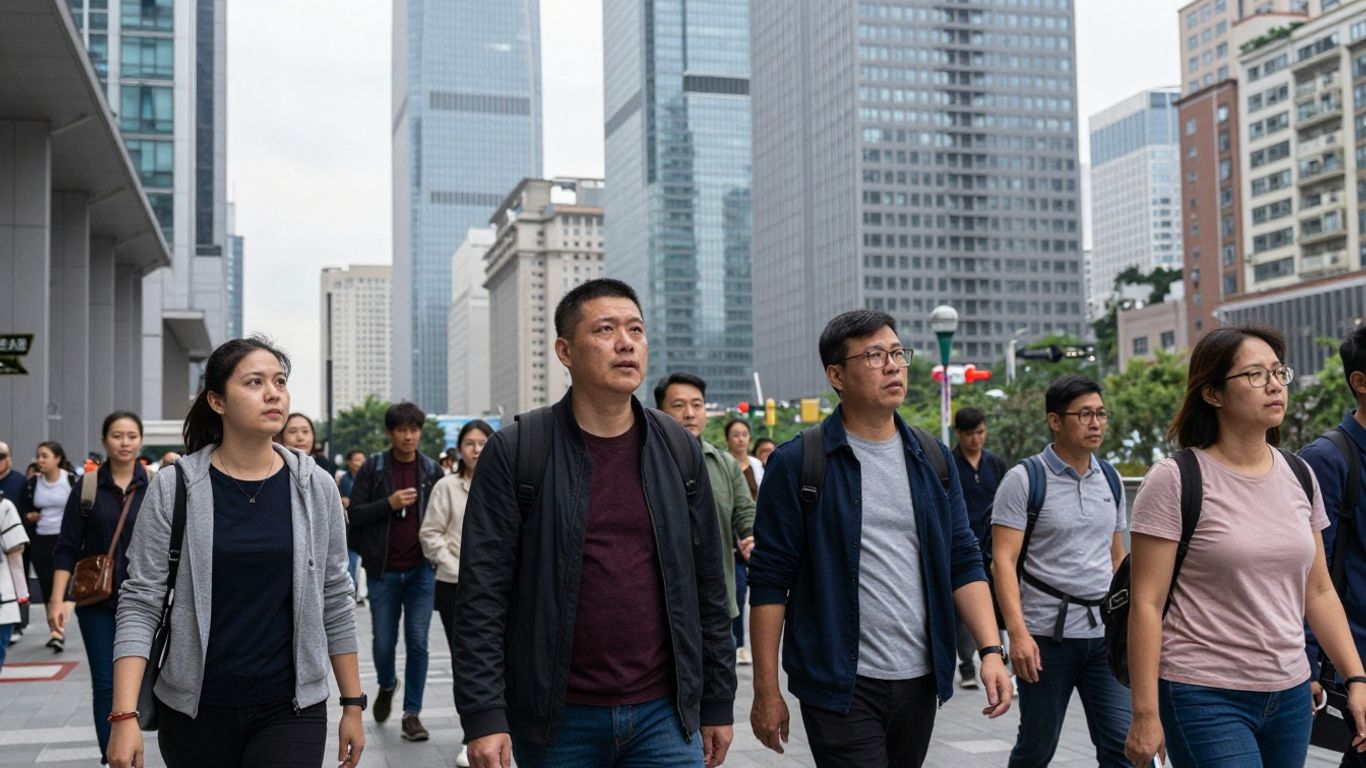
It might surprise some people, but China has seen a pretty big jump in the number of foreigners living there over the last few decades. Back in the early days of reform, you'd be looking at maybe 20,000 foreign nationals. Fast forward to the turn of the millennium, and that number had grown to around 150,000. After China joined the World Trade Organization in 2001, the foreign population really started to climb, with growth rates often hitting over 10% annually. It's a far cry from the 2010 census, which counted just under 600,000 foreigners residing in the country for at least three months. While that figure was likely an underestimate, it still shows a massive shift. This increase reflects China's opening up and its role in the global economy.
Concentration in Major Urban Centers
While the overall number of foreigners has grown, they aren't spread out evenly. Most expats tend to cluster in the big, well-known cities. Think Shanghai, Beijing, Guangzhou, and Shenzhen. These places offer more job opportunities, better infrastructure, and a more international vibe that many find appealing. It's in these hubs that you'll find the most visible foreign communities. This concentration means that while China hosts a number of immigrants comparable to many mid-sized nations, its foreign population as a percentage of the total population remains quite low, especially when compared to other countries.
Comparing China's Foreign Population to Global Averages
When you look at China's foreign population in relation to its own massive population, it's actually quite small. We're talking about a tiny fraction, even though the absolute numbers have increased. For instance, in 2019, there were over 97 million border crossings by foreign nationals. More recently, there were 20.13 million entries by foreign visitors, with a significant chunk, 7.246 million, entering visa-free. This shows a lot of movement, but the long-term resident population, as a percentage of China's total, is still among the lowest globally. It's a bit of a paradox: a growing number of foreigners, but still a small presence relative to the local population. This situation is managed by agencies like the National Immigration Administration, which is working to balance national security with attracting talent.
The perception of foreigners in China often leans towards them being temporary visitors rather than permanent residents. This view, coupled with a limited scope for permanent residency and the complexities of cultural integration, shapes the experience of living in the country for non-Chinese nationals.
Settling In: Practical Considerations for Expats
Moving to a new country is always a big deal, and China is no exception. Beyond the excitement of a new culture and job, there are some really important practical things to sort out. It’s not just about finding a place to live; it’s about understanding the rules and making sure you have the support you need to actually feel settled.
Finding Suitable Accommodation, Including Serviced Apartments in Shanghai
When you first arrive, finding a place to stay can feel overwhelming. Many expats start with serviced apartments, especially in big cities like Shanghai. These places often come furnished and include services like cleaning and sometimes even basic utilities, which makes the initial transition much smoother. They're a good way to get your bearings before committing to a longer lease. You'll find a range of options, from basic studios to larger family-sized units. The key is to research neighborhoods that fit your lifestyle and commute needs.
Here are a few things to think about when looking for a place:
- Location: Is it close to your work? Are there shops and public transport nearby?
- Lease Terms: Understand the contract duration, deposit requirements, and any penalties for breaking the lease early.
- Utilities: Clarify what's included in the rent and what you'll need to set up and pay for yourself.
- Furnishings: Check if the apartment comes with the furniture and appliances you need.
Understanding Local Regulations and Compliance
China has its own set of rules for foreigners, and staying on the right side of them is pretty important. This includes things like registering your address with the local police within 24 hours of arriving at a new place, whether it's a hotel or a rented apartment. Not doing this can lead to fines or other issues. It’s also vital to keep your visa and residence permits up-to-date. Missing deadlines or letting documents expire can cause serious problems, so mark those dates on your calendar.
Staying compliant isn't just about avoiding trouble; it's about being a responsible resident. It shows respect for the local system and helps you avoid unnecessary stress.
Accessing Essential Services and Support Networks
Getting set up with daily necessities is another big piece of the puzzle. This means figuring out how to open a bank account, get a local phone number, and understand the healthcare system. For banking, you'll usually need your passport and visa. Healthcare can be a bit tricky; many expats opt for private international clinics, which can be expensive but offer services in English. Building a support network is also really helpful. This could be through expat groups, colleagues, or even online forums where you can ask questions and get advice from people who have been through it before. Don't hesitate to reach out to resources like local immigration offices for guidance on official procedures.
The Evolving Immigration Framework
The Establishment of the National Immigration Administration
China's approach to managing who comes into and stays in the country has seen some big shifts, especially with the creation of the National Immigration Administration (NIA) a few years back. Before this, things were a bit scattered, with different departments handling bits and pieces of immigration policy. The NIA was set up to centralize these efforts, aiming for a more organized and professional system. It's part of a broader move to make China's governance more streamlined, especially as the country plays a bigger role on the world stage. This new agency is supposed to bring more focus and resources to immigration issues that have been tricky to sort out for a while.
Debates on Immigration Law and Rights Protection
When China updated its Exit-Entry Management Law back in 2012, there was a lot of talk among experts. Some pushed for a more complete immigration law that would offer more protections for people living in China long-term and address things like settlement. However, others felt that China's specific situation, like its huge population and job market challenges, meant that extensive permanent immigration wasn't really needed. They thought that focusing on attracting skilled workers through talent policies and the existing exit-entry law was enough. The 2012 law did add sections on national security and illegal work, which was seen as an improvement for protecting the country's interests. Still, those who wanted a broader law were a bit disappointed, feeling it was limited in what it covered.
Balancing National Security with Openness
There's a constant push and pull when it comes to China's immigration policies. On one hand, the government sees controlled immigration, especially of skilled individuals, as a positive for economic growth. On the other hand, there's a strong emphasis on national security and maintaining clear distinctions between 'foreign' and 'Chinese' spheres. This can make things complicated. Some experts point to international examples and argue that China might be missing out on global opportunities by being too cautious. Others, looking at immigration issues in places like Europe and the US, urge caution. It's a delicate balance, trying to open up while also keeping a close eye on security concerns.
- Centralization: The NIA aims to consolidate immigration management under one roof.
- Policy Debates: Ongoing discussions about the scope of immigration law and migrant rights.
- Security Focus: A persistent emphasis on national security influences policy decisions.
- Economic Drivers: Recognition of the benefits of skilled foreign talent for development.
The establishment of the NIA represents a significant step towards a more structured immigration system in China. However, the path forward involves navigating complex internal debates and balancing the country's international ambitions with its security priorities.
So, What's the Takeaway?
Moving to China can be an amazing adventure, no doubt about it. But it's not just about packing your bags and learning a few Mandarin phrases. There are layers to this experience that many folks don't really think about until they're already there. From understanding how the government sees foreigners to just the day-to-day cultural differences, it's a lot. It’s easy to get caught up in the excitement of a new place, but taking a moment to consider these less obvious challenges could save you a lot of headaches down the road. It’s about being prepared, not just for the fun stuff, but for the real, sometimes tricky, parts too.
Frequently Asked Questions
Are there special rules for foreigners living in China?
Yes, China has specific laws and rules for foreigners entering, staying, and leaving the country. These rules can change, so it's important to stay updated. The government manages who comes and goes, and sometimes these rules are tied to national security or economic goals. It's not always straightforward, and what might be allowed one day could change.
Is it easy for foreigners to become permanent residents in China?
Getting permanent residency in China is quite difficult. Since 2004, there's been a program, but only a small number of people have actually gotten it. It's often seen more as a special favor than a standard process. Most foreigners are viewed as temporary visitors rather than people planning to stay forever.
Could political issues between countries affect foreigners in China?
Yes, tensions between countries like the U.S. and China can create risks. Sometimes, if one country takes action against another, the other might retaliate. This could involve detaining citizens from the other country. While the risk might be low for most people, it's something to be aware of, especially if you've been critical of the government or involved in sensitive situations.
How has the number of foreigners in China changed over time?
The number of foreigners living in China has grown a lot, especially since the country started opening up its economy. While China has a huge population, the percentage of foreigners is still quite low compared to many other countries. Most foreigners tend to live in big cities.
What are some practical things foreigners need to consider when moving to China?
When moving to China, you'll need to figure out housing, like finding an apartment or a serviced apartment in cities like Shanghai. You also need to understand and follow local rules and laws, which can be different from what you're used to. Building a support network and knowing where to get help is also really important for settling in.
Is China's immigration system changing?
Yes, China has created a National Immigration Administration to manage immigration matters. There are ongoing discussions about immigration laws and how to protect the rights of people living in China. The government is trying to balance letting people in for economic reasons with maintaining national security and control.
The Moveandstay editorial team writes about serviced living, workspaces, and city guides across Asia-Pacific.
Read next

Serviced Offices Surge in Popularity as Businesses Embrace Flexible Leasing
May 3, 2026

Hong Kong Serviced Apartment Market Buzzes with Sales and Investment Activity Amidst Shifting Valuations
May 3, 2026

ONYX Hospitality Group Elevates Shama Serviced Apartments with New Lifestyle Concept and Ambitious Expansion
Apr 26, 2026