

Thinking about a shorter stay in Seoul? It's a great city, but living there for a bit, rather than forever, comes with its own set of costs. We're not just talking about the rent itself, but all the little things that add up. Traditional housing often demands a huge chunk of cash upfront with deposits. But there are newer ways to live that might make more sense if you're not planning to put down roots. Let's break down what you really need to consider for short-term rental Seoul living.
Key Takeaways
- Short-term rentals in Seoul often skip the large, traditional deposits, making them easier to get into.
- All-inclusive pricing in co-living spaces or some short-term rentals can make budgeting simpler by covering utilities and internet.
- While rent might seem higher per month for short-term options, the lack of a massive deposit can save you a lot of money upfront.
- Eating local food and using public transport are still the best ways to keep daily costs down, even when you're not renting long-term.
- Weighing the flexibility of short-term options against the potential long-term savings of traditional housing is key to making the right choice for your budget.
Understanding Short-Term Rental Seoul Costs
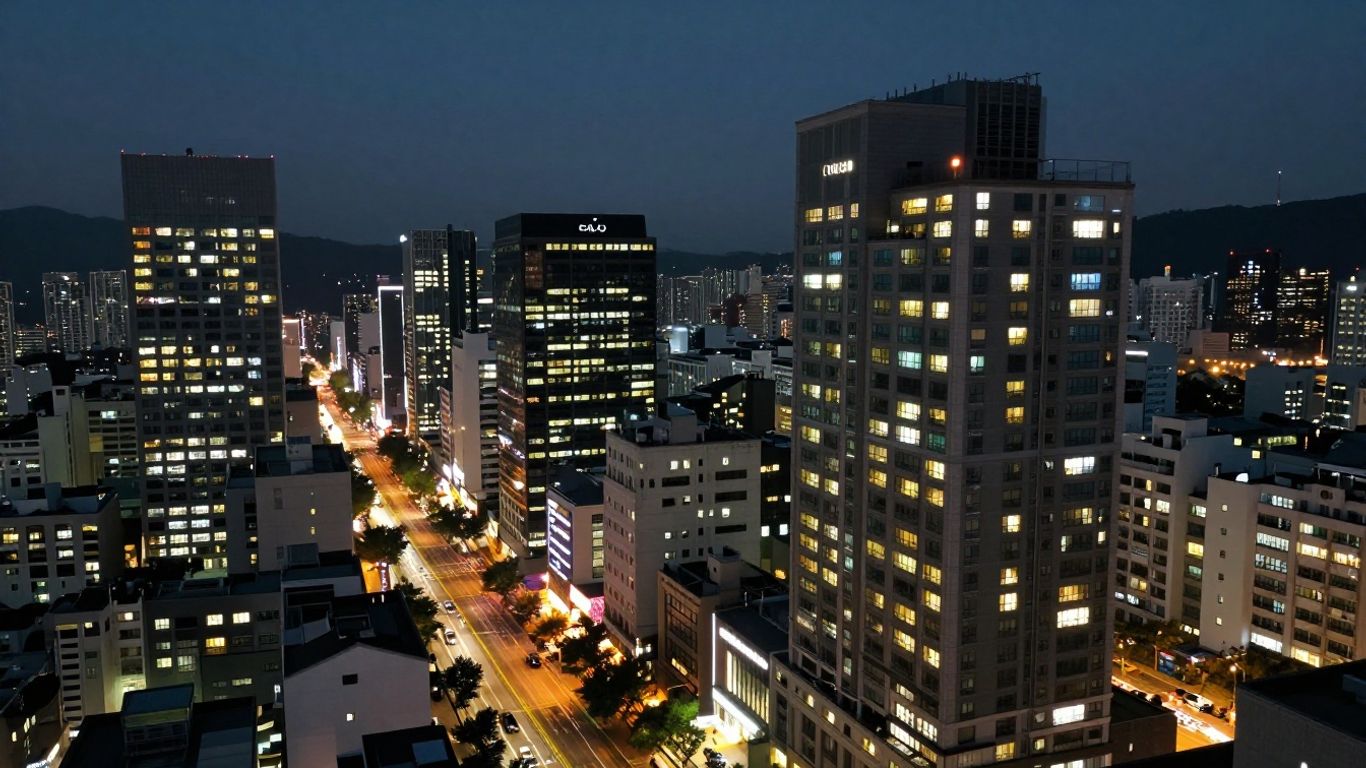
So, you're thinking about a shorter stay in Seoul? It's a fantastic city, and the idea of flexible housing is super appealing, right? No long-term commitments, just the freedom to pack up and go. But what does that really mean for your wallet?
The Appeal of Flexible Housing
One of the biggest draws of short-term rentals is exactly that – flexibility. You're not tied down to a year-long lease, which is great if you're just visiting for a few months or aren't sure how long you'll be staying. It feels less like a huge commitment and more like a temporary home. Plus, many places come furnished, saving you the hassle of buying furniture for a short stint. The average annual revenue for short-term rentals in Seoul is around ₩26 million, showing just how popular this option is [00e1].
Navigating Deposit Requirements
This is where things can get a bit tricky. Traditional Korean housing often requires a massive security deposit, sometimes tens of thousands of dollars. It's called 'Jeonse' or 'Wolse,' and that deposit can be a huge barrier. Short-term rentals, however, often bypass this entirely. You might find places with zero deposit, or at least a much smaller, more manageable one. This makes getting settled much quicker and easier, especially if you're just arriving.
Here's a quick look at typical deposit differences:
| Rental Type | Typical Deposit Range (USD) | Notes |
|---|---|---|
| Traditional Apartment | $3,750 - $37,500+ | Can be a significant upfront cost |
| Co-living Spaces | $750 - $3,750 | Lower, often includes amenities |
| Short-Term Rentals | $0 - $500 | Often zero deposit or minimal |
All-Inclusive Pricing Models
Many short-term rentals, especially co-living spaces, come with all-inclusive pricing. This means your monthly rent covers not just the room but also utilities like electricity, water, gas, and internet. Sometimes, cleaning services are even thrown in. This makes budgeting a breeze because you know exactly what you'll pay each month, with no surprise bills popping up. It simplifies things immensely, letting you focus more on enjoying Seoul and less on managing household expenses.
The convenience of an all-inclusive package can't be overstated for newcomers. It removes a layer of complexity when you're already dealing with a new city, language, and culture. You get a predictable monthly cost, which is a huge relief when you're trying to get your bearings.
Beyond Rent: Additional Living Expenses
Okay, so you've figured out the rent for your short-term place in Seoul. That's a big step! But hold on, there's more to the monthly cost than just the sticker price on your apartment listing. We need to talk about the other stuff that adds up, the things that can sneak up on you if you're not careful.
Utility Costs and Seasonal Fluctuations
Unless your short-term rental is one of those super-inclusive co-living spots (which we'll get to later), you'll likely be on the hook for utilities. This means electricity, gas, water, and internet. The big kicker here is the seasons. Summer means air conditioning running non-stop, and winter means cranking up the heat. These can really bump up your bills. Expect to pay anywhere from ₩100,000 to ₩200,000 per month, sometimes more if you're not mindful of your usage.
Here's a rough idea of what you might see:
| Utility | Estimated Monthly Cost (₩) |
|---|---|
| Electricity | 30,000 - 100,000+ |
| Gas/Heating | 20,000 - 150,000+ |
| Water | 15,000 - 30,000 |
| Internet/TV | 30,000 - 50,000 |
Note: Costs vary greatly based on usage, apartment size, and season.
Daily Food and Dining Choices
Seoul is a foodie paradise, and thankfully, eating well doesn't have to break the bank. You can grab a delicious kimbap (rice roll) for just a few thousand won, or a hearty bibimbap for around ₩6,000 to ₩10,000. Eating out at local spots is generally quite affordable. However, if you're craving imported goods or dining at more upscale international restaurants, your food budget can skyrocket pretty quickly. Cooking at home is always an option, and hitting up local markets can save you money compared to big supermarkets.
Think about your eating habits:
- Local Eateries: Best for budget-friendly and authentic meals.
- Home Cooking: Requires time and access to a kitchen, but offers the most control over costs.
- International/Upscale Dining: Can be a treat, but budget accordingly as prices are significantly higher.
The cost of daily meals can swing wildly. A simple street food snack might cost ₩3,000, while a sit-down meal at a popular local restaurant could be ₩15,000. If you're looking at Western-style cafes or restaurants, expect to pay ₩20,000 to ₩40,000 or more for a single meal.
Transportation and Connectivity
Getting around Seoul is surprisingly easy and affordable, thanks to its fantastic public transportation system. A single subway or bus ride usually costs between ₩1,450 and ₩2,000. If you plan on using public transport regularly, getting a T-Money card is a must – it's reloadable and often gives you small discounts on transfers. For frequent travelers, a monthly pass might be worth considering. Taxis are also available but will add up quickly if used daily. For your phone, you'll need to factor in a monthly plan for calls, texts, and data, which can range from ₩30,000 to ₩70,000 depending on your needs.
Comparing Short-Term Rentals to Traditional Housing
When you're thinking about where to live in Seoul, especially for a shorter time, the housing options can seem pretty different from what you might be used to. Traditional apartments often come with a big catch: a hefty deposit. We're talking about amounts that can be tens of thousands of dollars, which is a huge chunk of money to have tied up. This is a pretty standard part of renting in Korea, and it can be a real barrier if you don't have that kind of cash readily available.
Short-term rentals, on the other hand, often skip this deposit requirement altogether. This is a massive plus for people who are just trying things out, maybe for a few months, or who don't want to commit a large sum upfront. It makes moving into a place much simpler and less stressful financially.
The High Cost of Traditional Deposits
Let's be real, the deposit system in traditional Korean housing is a whole other ballgame. You'll often see terms like 'jeonse' (a lump-sum deposit system) or 'wolse' (monthly rent with a smaller deposit). For wolse, the deposit can still be anywhere from ₩5 million to ₩20 million (roughly $3,750 to $15,000 USD) or even more, depending on the size and location of the place. This money sits with the landlord for the entire duration of your lease, and you only get it back when you move out. It's a lot of capital that could be used for other things, like investing, traveling, or just living your life.
Benefits of Zero-Deposit Options
This is where short-term rentals really shine for many people. The absence of a large deposit means you can move in with significantly less upfront cost. Think about it: instead of needing thousands of dollars just to get the keys, you might only need to cover the first month's rent and maybe a small administrative fee. This flexibility is a game-changer, especially for:
- Digital Nomads: People who move around frequently for work.
- Students on Exchange: Those here for a semester or two.
- Temporary Workers: Individuals on short-term contracts.
- Explorers: Anyone wanting to test out different neighborhoods before settling.
Evaluating Long-Term vs. Short-Term Commitments
Choosing between a traditional lease and a short-term rental really comes down to your personal situation and how long you plan to stay. Traditional leases, while requiring a big deposit, can sometimes offer a lower monthly rent over a longer period. They offer stability if you know you're staying put for a year or more.
Short-term rentals, however, offer unparalleled flexibility. The monthly cost might be a bit higher on average compared to a long-term lease (when you factor out the deposit), but you gain the freedom to move easily without losing a huge sum of money. It’s about weighing that upfront financial burden against monthly costs and your need for flexibility.
The decision often boils down to your financial readiness and your commitment level. If you have the capital and plan to stay put for a while, a traditional place might work. But if you value flexibility and want to avoid tying up a large amount of cash, zero-deposit short-term options are definitely worth a closer look in Seoul.
Budgeting for Your Seoul Stay
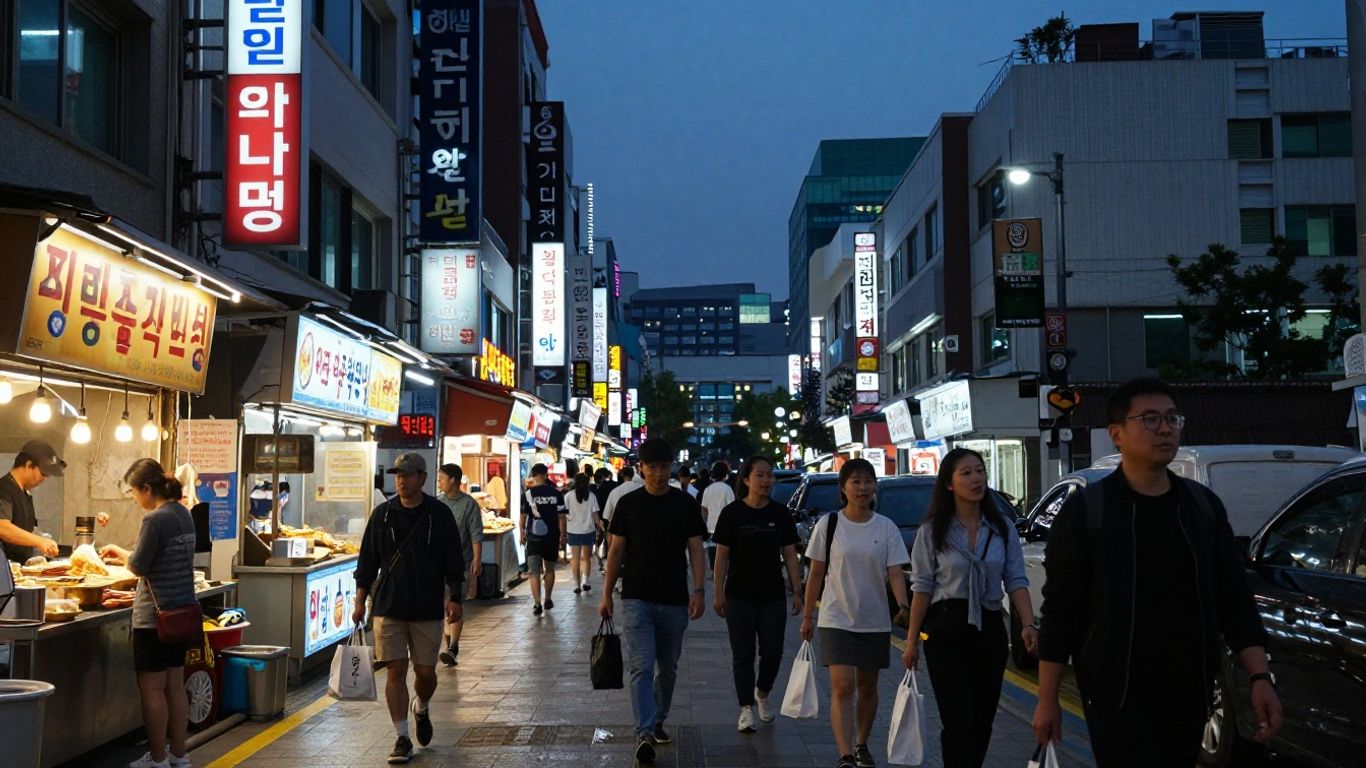
Alright, let's talk about actually making this Seoul adventure work financially. It’s easy to get caught up in the excitement, but having a solid budget plan is key to enjoying your time without constant money worries. Think of it as mapping out your trip before you hit the road – you wouldn't want to run out of gas halfway there, right?
Monthly Budget Breakdowns by Lifestyle
Figuring out your monthly expenses really depends on how you plan to live. Are you a student on a tight budget, a young professional looking for a bit more comfort, or someone who wants to live pretty well? Here’s a rough idea to get you started. These numbers are just guides, of course, and your actual spending might be a bit different.
| Lifestyle | Housing (KRW) | Food (KRW) | Transport (KRW) | Utilities/Phone (KRW) | Entertainment (KRW) | Total Monthly (KRW) |
|---|---|---|---|---|---|---|
| Student | 400,000-800,000 | 300,000-400,000 | ~62,000 | 100,000-150,000 | 100,000-200,000 | 962,000-1,612,000 |
| Young Professional | 800,000-1,200,000 | 400,000-600,000 | 100,000-150,000 | 150,000-200,000 | 200,000-350,000 | 1,650,000-2,500,000 |
| Comfortable Living | 1,200,000-2,000,000 | 600,000-800,000 | 150,000-300,000 | 200,000-250,000 | 350,000-650,000 | 2,500,000-3,900,000 |
Cost-Saving Strategies for Expats
Living in Seoul doesn't have to break the bank, even with short-term rentals. A lot of it comes down to smart choices. Embracing local habits can significantly cut down your expenses.
- Eat like a local: Seriously, Korean food is not only delicious but also super affordable, especially if you stick to smaller restaurants and street food stalls. A hearty bibimbap might only set you back ₩7,000-10,000.
- Master public transport: Seoul’s subway and bus system is fantastic and way cheaper than taxis. Get a T-money card; it makes hopping on and off easy and even gives you small discounts.
- Shop smart: Traditional markets are your best friend for fresh produce and snacks. Convenience stores are great for quick buys, but prices add up.
- Take advantage of freebies: Parks like Olympic Park or Seoul Forest are free to enter, and hiking in places like Bukhansan National Park costs nothing but your energy.
When you're looking at short-term living, especially in a big city like Seoul, it's easy to overlook the small costs that pile up. Things like daily coffee runs, occasional impulse buys, or even just the convenience of delivery can add up faster than you think. Keeping a close eye on these little expenses is just as important as tracking your rent.
The Value of Local vs. Imported Goods
This is a big one. If you’re used to specific Western brands or foods, be prepared for a price jump. Imported snacks, certain dairy products, or even specific toiletries can cost a good chunk more than you might be used to. On the flip side, Korean products are generally very reasonably priced. Think about trying local skincare brands or enjoying Korean snacks – you'll save money and get to experience more of what Seoul has to offer. For a general idea of living costs, you can check out average rent in Seoul.
Planning your budget is an ongoing thing. What works one month might need tweaking the next. But by understanding these breakdowns and keeping an eye on where your money goes, you can definitely make your Seoul experience a financially comfortable one.
The True Cost of Short-Term Living in Seoul
Hidden Costs of Convenience
So, you've picked a short-term rental in Seoul. Awesome! It feels great to have that flexibility, right? No massive deposit, just pack your bags and go. But sometimes, that convenience comes with a few extra price tags you might not have thought about. Think about it: those all-inclusive places often bundle utilities, but are you really using that much electricity or internet? You might be paying for more than you actually consume. Plus, the initial rent might be higher per day or week compared to what you'd pay if you signed a longer lease, even with a deposit. It's like buying in bulk versus single items – sometimes the single item feels cheaper upfront but costs more over time.
Maximizing Value in Short-Term Rental Seoul
To really get your money's worth when you're living short-term in Seoul, you gotta be smart. It's not just about the rent itself. Think about where you're staying. Is it close to public transport? Because relying on taxis every day adds up fast. Also, consider the neighborhood. Are there affordable local eateries and grocery stores nearby, or are you stuck paying tourist prices for everything?
Here are a few ways to stretch your won:
- Food: Hit up local markets or convenience stores for snacks and meals instead of always eating out at trendy cafes.
- Transport: Get a T-Money card. Seriously, it makes using the buses and subways way cheaper than single tickets, and you can use it for taxis and even some shops.
- Activities: Seoul has tons of free stuff to do! Parks, hiking trails, exploring different neighborhoods – these cost nothing but your time.
- Shopping: If you need anything, check out local markets or smaller shops before heading to big department stores. You'll often find better deals.
Making Informed Housing Decisions
Choosing where to stay short-term is a big deal, and it's more than just picking a pretty picture online. You need to look at the whole package. What exactly is included in that rent? Does it cover Wi-Fi, water, electricity, and gas? Sometimes, what looks like a good deal upfront can end up costing more if you have to pay for utilities separately, especially during those hot summers with the AC blasting or cold winters with the heating on full.
Here's a quick way to compare:
| Feature | Option A (All-Inclusive) | Option B (Separate Utilities) | Notes |
|---|---|---|---|
| Monthly Rent | ₩1,000,000 | ₩850,000 | Option B is cheaper monthly base rent |
| Estimated Utilities | Included | ₩150,000 | Option B adds utility costs |
| Total Monthly | ₩1,000,000 | ₩1,000,000 | Costs are equal in this example |
| Deposit | ₩1,000,000 | ₩5,000,000 | Option A has a much lower upfront cost |
When you're looking at short-term rentals, always ask for a detailed breakdown of what's included. Don't just assume. It's better to know upfront than to get a surprise bill later that blows your budget. Think about your own usage habits too – if you're barely home, maybe paying for utilities separately makes more sense.
So, What's the Real Story?
Look, living in Seoul for a short while can seem a bit daunting at first, especially when you think about those big housing deposits. But honestly, it's not as scary as it sounds. With options like co-living spaces or short-term rentals, you can actually get a pretty good handle on your actual monthly costs without emptying your bank account upfront. Plus, Seoul itself is pretty reasonable when it comes to food and getting around. So, if you're thinking about a shorter stay, start by looking into these flexible housing choices. It’s a smart way to figure out your budget before you commit to anything long-term. You might be surprised at how manageable it all is.
Frequently Asked Questions
What's the biggest cost when living in Seoul for a short time?
The biggest cost is usually your housing. Short-term rentals can seem convenient, but sometimes the daily or weekly rates add up quickly. It's important to compare different options and see if a monthly rate makes more sense for your stay.
Are there hidden costs in short-term rentals in Seoul?
Sometimes, yes. While many places offer all-inclusive pricing, double-check if utilities like electricity, water, or internet are really included. Some places might also charge extra for cleaning or if you use more than a certain amount of electricity, especially during hot summers with air conditioning.
How can I save money on food in Seoul?
Eating local is key! Street food and small Korean restaurants are super affordable and delicious. Convenience stores also offer cheap snacks and meals. If you try to eat a lot of imported foods or dine at fancy international restaurants, your food budget will grow fast.
Is public transportation in Seoul expensive?
Not at all! Seoul has a fantastic public transportation system, including subways and buses. Using a T-money card makes it even cheaper. It's a great way to get around the city without spending a lot of money.
What's better: a short-term rental or a traditional apartment deposit?
Short-term rentals often have zero or very low deposits, which is great if you don't have a lot of money upfront. Traditional apartments in Korea usually require a huge security deposit, sometimes tens of thousands of dollars, which you get back when you move out. For short stays, zero deposit is usually the winner.
When is the best time to find cheaper short-term housing in Seoul?
Try to avoid peak times like major holidays or the start of university terms (usually March and September). During these busy periods, demand for housing goes up, and so do the prices for short-term stays.
Filed under
The Moveandstay editorial team writes about serviced living, workspaces, and city guides across Asia-Pacific.