

For the full guide, see Cost Of Living in Singapore: What You Need to Know.
Singapore is known for being a pricey place to live, and for expats, the cost of living singapore expat can really sneak up on you. It's easy to get caught up in the shiny image of luxury, but there are so many hidden costs that don't make it into the typical budget. This article is going to break down those unexpected expenses and give you a clearer picture of what your money is actually doing here, so you can enjoy Singapore without overspending.
Key Takeaways
- Housing is usually the biggest expense, with rents for decent places often running into thousands of dollars a month. Don't forget agent fees, deposits, and furnishing costs.
- International schooling for children can be as expensive as rent, so factor this in early if you have a family.
- Hidden costs like domestic helper salaries, the social pressure to spend in the 'expat bubble,' and even the emotional toll of keeping up can add up significantly.
- While public transport is cheap and efficient, owning a car in Singapore is incredibly expensive due to taxes and fees. Factor in your actual needs.
- Planning for travel within Asia and eventual repatriation costs is important, as these can be substantial but are often overlooked in initial budgets.
Navigating Singapore's Housing Market
Understanding Rental Realities
When you first look at renting in Singapore, it's easy to get a bit overwhelmed. The city is known for its high cost of living, and housing is usually the biggest chunk of that. You'll find a range of options, from public housing (HDB flats) that locals own but foreigners can rent, to private condominiums and even landed houses.
The rental market has seen some big shifts recently, with prices cooling down from their peak. This means renters might have a bit more room to negotiate than they did a year or two ago. Still, don't expect pre-pandemic prices. Location is a huge factor, of course. Living closer to the city center or popular areas means higher rents. But Singapore is small, and its public transport is excellent. You can often find places in slightly less central neighborhoods that are still a quick MRT ride away from the business district or downtown.
Here's a rough idea of what you might expect for monthly rent (as of early 2026):
| Property Type | Location | Monthly Rent (SGD) |
|---|---|---|
| 1-Bedroom Condo | City Center | 4,000 - 6,000 |
| 1-Bedroom Condo | City Fringe | 3,500 - 5,000 |
| 3-Bedroom Condo | City Center | 7,000 - 10,000 |
| 3-Bedroom Condo | City Fringe | 5,000 - 7,000 |
| HDB Flat (Room/Studio) | Various | 1,500 - 2,500 |
Remember, these are just estimates. Prices can change based on the specific building, amenities, and how long you plan to stay.
Unforeseen Housing Expenses
Beyond the monthly rent, there are other costs that can catch you off guard. When you sign a lease, you'll typically need to pay a security deposit, usually equivalent to two months' rent. There's also often an agent's commission, which can be a significant one-time fee. Don't forget stamp duty, a government tax on rental agreements. And then there are the utilities – electricity, water, and internet – which add up each month. If you're moving into an unfurnished place, you'll also need to budget for furniture and household items.
- Security Deposit: Usually 2 months' rent.
- Agent Fees: Can range from half a month's rent to a full month's rent.
- Stamp Duty: A government tax based on the rental amount and lease term.
- Utilities: Electricity, water, gas, and internet bills.
- Furnishing: If the unit isn't furnished.
It's wise to set aside a buffer for these initial costs. They can easily add up to several thousand dollars before you even settle in.
The Allure of Lifestyle Creep
Singapore offers a very attractive lifestyle, and it's easy to get caught up in it. Many condos come with amazing facilities like swimming pools, gyms, and even concierge services. When you see other expats enjoying these perks, it's tempting to want the same. This is what we call 'lifestyle creep' – your spending gradually increases as you get used to a certain standard of living. You might find yourself choosing a more expensive apartment just because it has a nicer view or is in a trendier neighborhood, even if a more practical option would suffice. It's a slippery slope that can quickly inflate your budget without you even realizing it until your bank statement arrives.
The True Cost of Education for Expats
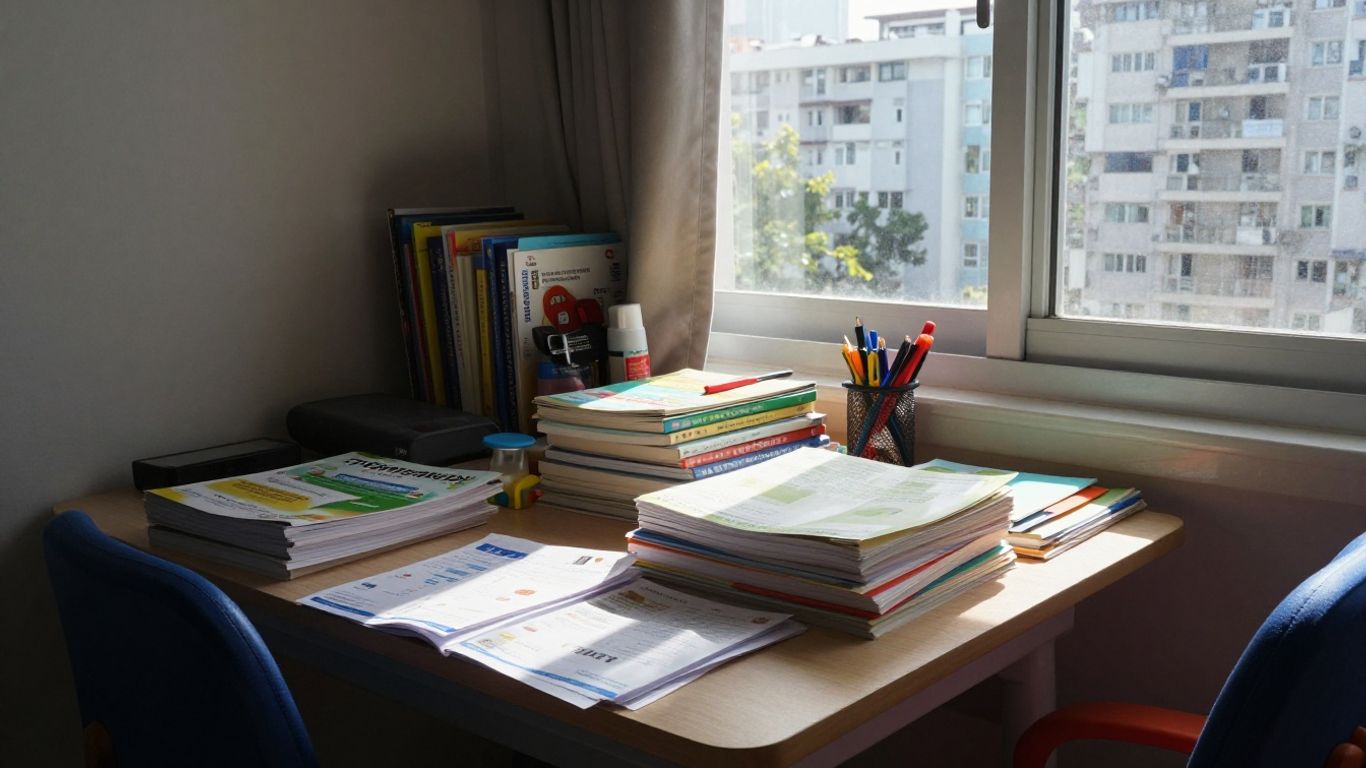
If you have kids, education can easily become your second-biggest expense after housing. It's not just about tuition fees; there are a lot of other things that add up.
Rivaling Rent: Education Expenses
International schools here are top-notch, but they come with a hefty price tag. We're talking annual tuition that can easily range from SGD 25,000 to SGD 40,000 per child. And that's just the tuition. You still need to budget for uniforms, extracurricular activities, school trips, and sometimes even application fees or technology levies. It's easy to see how these costs can quickly surpass what you might be paying for rent each month, especially if you have more than one child.
International Schooling Considerations
Choosing the right international school involves more than just looking at the curriculum. Some of the most popular schools have long waiting lists, sometimes requiring applications years in advance. This can put a lot of pressure on parents, forcing them to consider multiple options or even make last-minute decisions about where their child will study. It's a good idea to start researching schools as soon as you know you're moving.
Here's a rough breakdown of what you might expect:
- Tuition Fees: SGD 25,000 - SGD 40,000+ per child, per year.
- Additional Costs: Uniforms, books, stationery, school trips, extracurriculars (sports, arts, clubs).
- Hidden Fees: Application fees, enrollment fees, technology levies, capital development fees.
- Transportation: School bus services can add several thousand dollars annually.
The sheer cost of international schooling can be a shock. Many families underestimate the total outlay, focusing only on the advertised tuition. It's wise to get a full fee schedule and ask about all potential extra costs before committing.
Don't forget about the long-term picture, either. If you're planning for your children to attend university abroad, starting to save early is key. Dedicated investment accounts or education savings plans can make a big difference in managing those future costs without causing financial strain down the line.
Beyond the Obvious: Hidden Expat Costs
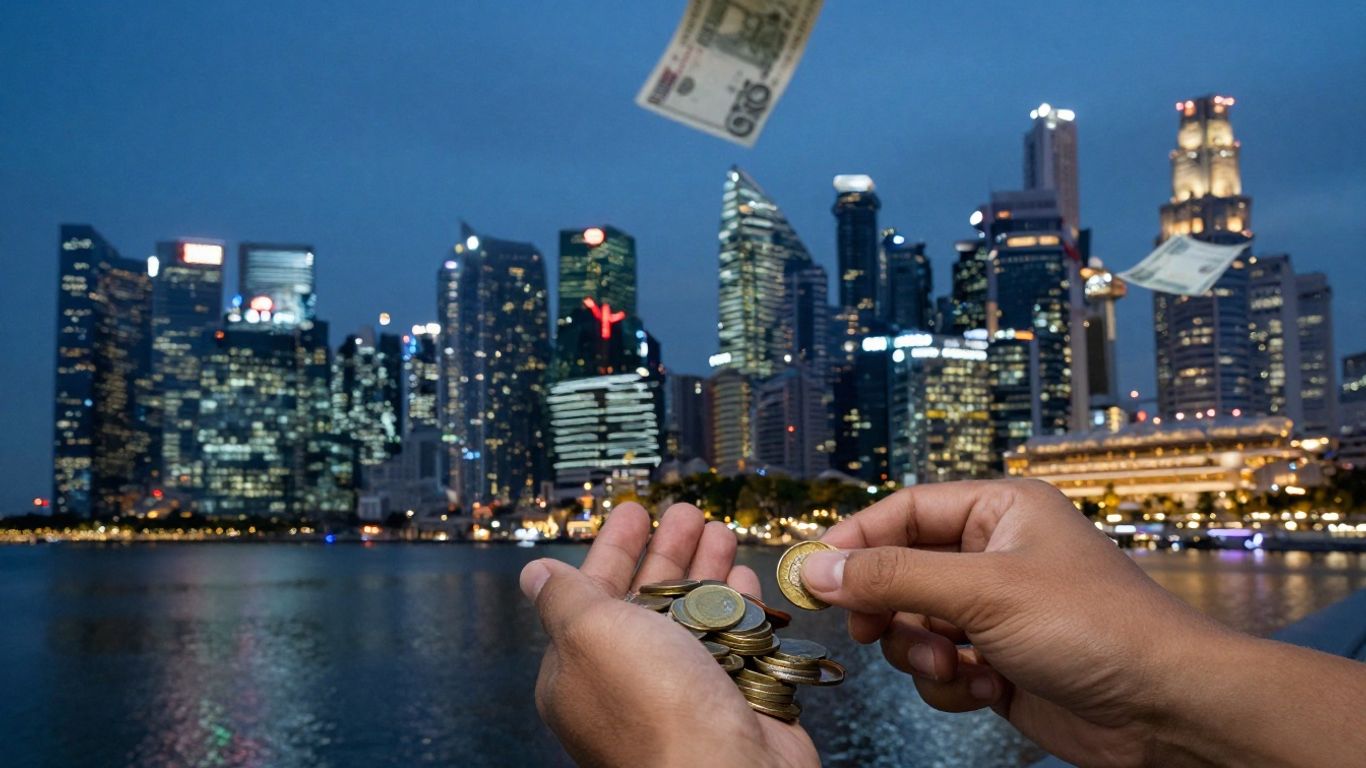
So, you've crunched the numbers on rent, school fees, and maybe even that fancy condo gym membership. But Singapore has a knack for surprising you with expenses that don't always make it onto the initial budget spreadsheet. These are the costs that can quietly chip away at your savings if you're not prepared.
Domestic Helper Expenses
For many expat families, a domestic helper is almost a necessity, not just a luxury. While the monthly salary might seem manageable, there are other mandatory costs to consider. You'll need to pay a monthly Foreign Domestic Worker Levy, which varies depending on your circumstances but adds a fixed amount each month. Then there's mandatory insurance for your helper, covering medical and accident expenses. Don't forget annual leave flights, which can be a significant expense, especially if your helper is from a country far from Singapore. It all adds up, and it's easy to underestimate the total monthly outlay.
Here's a rough breakdown of what to expect:
- Monthly Salary: SGD 600 - 900 (can vary based on experience and duties)
- Foreign Worker Levy: SGD 60 - 300 per month (depending on employer's residential status and number of eligible dependents)
- Medical & Accident Insurance: Approximately SGD 300 - 500 annually
- Annual Leave Flights: SGD 500 - 1,000+ annually (highly variable based on destination)
The Social Life 'Expat Bubble'
Singapore's social scene can be incredibly vibrant, and it's easy to get caught up in the expat lifestyle. This often means frequent brunches that stretch into the afternoon, after-work drinks at trendy bars, weekend getaways, and joining various clubs or social groups. While these activities are part of enjoying your time abroad, they can become a major budget drain. The pressure to 'keep up' or simply participate in the social activities everyone else seems to be doing can lead to spending far more than you intended. Think about it: a few cocktails at a rooftop bar can easily set you back SGD 20-30 each, and a casual brunch for two might hit SGD 100 without even trying.
The 'expat bubble' can create a sense of normalcy around high spending. When you're surrounded by others living a similar lifestyle, it's easy to forget that these costs are significantly higher than what you might spend back home or what locals typically spend.
The Emotional Toll of Keeping Up
Beyond the direct financial costs, there's an often-unspoken emotional and mental cost associated with living the expat life in a city like Singapore. The constant pressure to maintain a certain lifestyle, to be seen at the right places, and to provide a certain experience for your family can be exhausting. This can lead to feelings of inadequacy if you can't keep up financially, or a sense of guilt if you choose to opt out of expensive social events. It's a subtle but real cost that impacts your overall well-being and can indirectly affect your financial decisions as you try to balance perceived social obligations with your budget.
Transportation: Public Transit vs. Car Ownership
When you're thinking about the cost of living in Singapore, transportation is a big one, and there's a huge difference depending on your choices. Most people don't even consider owning a car here, and for good reason. Singapore has one of the most efficient and affordable public transport systems globally. The Mass Rapid Transit (MRT) and bus networks are extensive, connecting almost every corner of the island. A monthly pass for unlimited rides on both MRT and buses is quite reasonable, making daily commutes manageable without breaking the bank.
Affordable Public Transport
The MRT system is clean, reliable, and frequent. You'll rarely wait more than a few minutes for a train, even during peak hours. Fares are calculated based on distance, but even with regular use, your monthly transport bill will likely be a fraction of what you'd expect in many other major cities. For instance, a typical monthly commute might only cost around $60 to $128, depending on your travel patterns and whether you opt for a concession pass. This makes it incredibly easy to get around without the stress of traffic jams or parking.
- MRT Fares: Average around $1.49 per trip for adults.
- Bus Fares: Similar pricing structure to the MRT, offering flexibility.
- Monthly Commute: Typically ranges from $60 to $128 for unlimited travel.
Singapore's public transport is so well-developed that owning a car is often seen as more of a hassle than a necessity. The government actively encourages its use to manage traffic and pollution.
The Steep Price of Owning a Car
If you're considering buying a car, be prepared for a financial shock. Singapore is consistently ranked as one of the most expensive places in the world to own a vehicle. This isn't just about the sticker price of the car itself. The government imposes hefty taxes and fees to control the number of vehicles on the road. The Certificate of Entitlement (COE) is a prime example; it's a bidding system where you pay a significant amount just for the right to own a car, and this cost can easily exceed the car's actual value. On top of that, there's the Additional Registration Fee (ARF), road tax, insurance, and fuel.
Here's a rough idea of the costs involved:
| Cost Component | Estimated Monthly Cost (SGD) | Notes |
|---|---|---|
| Certificate of Entitlement (COE) | Varies wildly (often $75,000+) | One-time purchase, valid for 10 years. Price fluctuates based on demand. |
| Additional Registration Fee (ARF) | Varies (100-320% of car value) | One-time tax based on car's Open Market Value. |
| Road Tax | $50 - $200+ | Annual fee, depends on engine capacity. |
| Car Insurance | $100 - $300+ | Varies based on coverage, driver profile, and car model. |
| Fuel | $150 - $400+ | Depends on mileage and fuel efficiency. |
| Maintenance & Servicing | $50 - $150+ | Regular servicing, potential repairs. |
| Total Estimated Monthly | $350 - $1,000+ (excluding COE/ARF) | This is a conservative estimate; actual costs can be much higher. |
Owning a car in Singapore is a luxury that comes with a substantial, often underestimated, price tag. For most expats, the cost and hassle simply aren't worth it when public transport is so convenient and affordable. If you only need a car occasionally, ride-sharing services or car rental options are far more economical choices.
Dining and Entertainment Expenses
Singapore is a foodie's paradise, and it's easy to get caught up in the endless culinary adventures. While it's possible to eat affordably, the siren song of trendy restaurants and lively bars can quickly inflate your monthly spending. It's not just about the food itself, but the whole experience.
Hawker Culture vs. Restaurant Dining
Let's be real, the hawker centers are where it's at for budget-friendly meals. You can grab a delicious plate of chicken rice or laksa for under $10. It's a huge part of Singaporean life and a fantastic way to sample local flavors without emptying your wallet. Think of it as your weekday go-to. For a more detailed look at how to save money on food, check out this guide on enjoying the city affordably.
On the flip side, restaurant dining can be a whole different ballgame. A casual meal for one might set you back $20-$30, and that's before drinks. Fancy a nice Italian place? A simple pasta dish could easily be $30 or more. And if you're looking at fine dining establishments, well, those prices can climb into the hundreds per person, especially if you add wine pairings. It's easy to see how a couple of nice dinners out each week can add up to a significant chunk of your budget.
Here's a rough idea of what you might spend:
| Meal Type | Estimated Cost (per person) | Notes |
|---|---|---|
| Hawker Meal | $5 - $10 | Main dish and a drink |
| Casual Restaurant | $25 - $50 | Main course, maybe an appetizer or drink |
| Mid-Range Restaurant | $50 - $100 | Appetizer, main, drink, maybe dessert |
| Fine Dining | $150+ | Multi-course meal, wine pairings likely |
The Cost of Alcohol and Nightlife
Singapore doesn't mess around when it comes to taxing alcohol, and this hits your wallet hard if you enjoy a drink. A beer at a decent bar can easily be $13-$15, a glass of wine $14-$20, and cocktails often start at $18-$25. If you're heading to a high-end cocktail bar, expect to pay even more, sometimes with added service charges and taxes.
So, what's the secret? Happy hour. Seriously, most bars and restaurants have one, and they often run quite late. You can find deals like beers under $10 or cocktails for around $15. It's the best way to enjoy a night out without the sticker shock. Otherwise, a few drinks can easily cost $100 or more for a single evening.
It's tempting to embrace Singapore's vibrant social scene, but the costs associated with frequenting bars and restaurants can be surprisingly high. Being mindful of when and where you choose to drink and dine can make a substantial difference in your monthly expenses. Planning ahead, like looking for happy hour deals or opting for hawker meals more often, is key to enjoying the city's offerings without overspending.
Remember, these are just estimates. Your actual spending will depend on your personal preferences and how often you choose to dine out or go for drinks. It's easy to spend $500-$1000+ per month on just food and drinks if you're not careful, especially if you're regularly hitting up nicer establishments or enjoying cocktails.
Travel and Relocation Financial Planning
Singapore's location is a huge plus for exploring Asia, but those quick trips can really add up. It’s easy to get caught up in the excitement of weekend getaways to places like Bali or Bangkok, forgetting that flights, accommodation, and spending money all contribute to your overall budget. Don't let your wanderlust derail your finances.
Budgeting for Regional Travel
Think about travel as a regular part of your Singapore life, not just an occasional splurge. If you're planning on bringing the family along, those return flights can be a significant expense. For instance, a trip for four to Europe or Australia could easily cost upwards of SGD 10,000. It’s wise to start saving for these trips well in advance.
Here’s a rough idea of flight costs for a family of four:
| Destination | Estimated Round Trip Cost (SGD) | Notes |
|---|---|---|
| Southeast Asia | 1,500 - 3,000 | Shorter flights, more frequent trips |
| East Asia | 3,000 - 6,000 | Popular for holidays |
| Australia/Europe | 6,000 - 10,000+ | Longer travel, less frequent |
Consider using loyalty programs and booking flights during off-peak seasons to save money. Also, factor in local transport, food, and activities at your destination – these add up quickly.
Accounting for Repatriation Costs
When you first move to Singapore, the focus is all on the arrival – visas, finding a place, setting up. But what about when it’s time to leave? Few people budget for the expenses associated with moving out of Singapore. This can include:
- Shipping your belongings back home or to your next destination.
- Storage fees if you need to store items temporarily.
- Costs for relocating pets, which can be surprisingly high.
- Temporary accommodation if there's a gap between leaving your Singapore home and starting at your new place.
- Potential visa costs for your next move.
Planning for your eventual departure is just as important as planning your arrival. A "repatriation fund" set aside over your years in Singapore can make a significant difference when it's time to pack up.
Start by estimating these costs early on. Even a small amount saved each month can build up a substantial buffer for when you eventually leave Singapore. Think of it as an investment in a smooth transition, just like you invested in making your move to Singapore easier.
Taking Control of Your Singapore Budget
So, you've seen the eye-watering numbers for rent, school fees, and maybe even that fancy car. It's easy to feel a bit overwhelmed, right? But here's the thing: Singapore doesn't have to be a financial black hole. It's all about getting smart with your money and actually planning for it. The key is to be realistic and proactive, not just reactive.
Building a Realistic Spending Plan
Forget guessing. To really get a handle on your finances, you need to know where your money is actually going. Try tracking every single expense for a good three to six months. Use an app, a spreadsheet, or even a trusty notebook. You might be surprised by what you find. Are those daily coffees adding up more than you thought? Is your "quick" Grab ride becoming a daily habit? Seeing it all laid out helps you identify the leaks.
Setting Financial Guardrails
Once you know your spending habits, it's time to set some limits. Think about what truly matters to you and your family. Maybe you want to prioritize travel and exploring Southeast Asia, which is totally doable from Singapore. That might mean cutting back on eating out every single night or rethinking that gym membership you never use. It's about making conscious choices.
Here’s a way to think about it:
- Must-Haves: These are your non-negotiables – rent, utilities, basic groceries, essential transport.
- Wants: These are the things that add enjoyment but aren't strictly necessary – dining out, entertainment, hobbies, occasional splurges.
- Savings/Investments: This is your future self we're talking about here. Treat this as a non-negotiable expense.
Singapore offers incredible opportunities, but it also tempts you to spend. Without a plan, it's easy to spend more than you earn, even with a good salary. Being intentional with your budget is the only way to truly enjoy the city without financial stress.
Automating Savings for the Future
This is a game-changer. Don't wait until the end of the month to see what's left for savings. Set up automatic transfers from your checking account to your savings or investment accounts right after payday. Treat your savings like any other bill that needs to be paid. This "pay yourself first" approach ensures you're consistently building wealth, rather than just hoping to have some left over. It takes the decision-making out of it and makes saving a habit.
So, What's the Takeaway?
Look, Singapore is a fantastic place to live and work, no doubt about it. The opportunities are huge, and the quality of life is top-notch. But as we've seen, it's super easy to spend way more than you think if you're not paying attention. Those little extras, the 'expat lifestyle' creep, and costs you just don't see coming can really add up. The key is to go into it with your eyes open. Make a real budget, figure out what truly matters to you, and try to save a bit extra. It’s about enjoying everything Singapore has to offer without letting your bank account take a beating. You can have your cake and eat it too, you just need to plan it out.
Frequently Asked Questions
What's the biggest expense for expats in Singapore?
For most people moving to Singapore, housing costs, especially rent, take up the largest chunk of their monthly budget. It's easy to spend a lot on a nice place, but there are ways to save.
Are there hidden costs when renting a place in Singapore?
Yes, beyond the monthly rent, you might have to pay agent fees, a security deposit (often two months' rent), and costs for utilities and furniture. These can add up quickly if you're not prepared.
How much does it cost to send kids to international school in Singapore?
International schooling is a major expense, sometimes even more than rent. Fees can be very high, so it's crucial to research and budget for this if you have children.
Is owning a car in Singapore really that expensive?
Owning a car is incredibly costly due to taxes, permits, insurance, and maintenance. Most expats find Singapore's public transport system so good and affordable that a car isn't necessary.
Is eating out expensive in Singapore?
It depends. Eating at local hawker centers is very cheap, but if you frequently dine at restaurants or bars, especially those catering to expats, the costs can become very high very fast. Alcohol is particularly pricey.
What are some unexpected costs for expats in Singapore?
Besides the usual living expenses, expats might face costs for domestic helpers, the social pressure to keep up with an 'expat lifestyle,' and the emotional effort of adapting. Planning for eventual relocation costs, like shipping belongings home, is also important.
Filed under
The Moveandstay editorial team writes about serviced living, workspaces, and city guides across Asia-Pacific.