
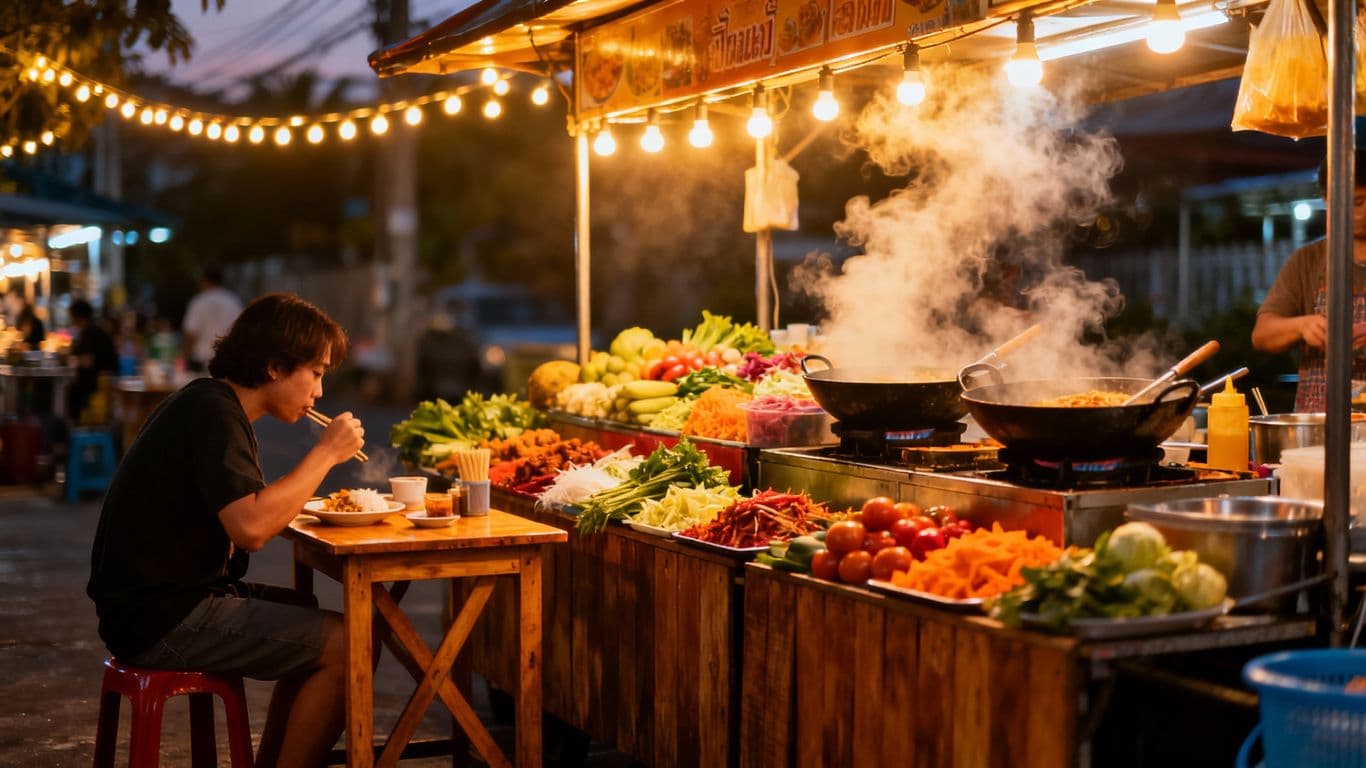
So, you're thinking about moving to Bangkok, huh? It's a big city, and while it's famous for being affordable, there's more to the cost of living bangkok expat than just the low prices you see advertised. We're going to break down what it really costs to live here, from your rent to your daily coffee, and look at the hidden fees you might not expect. It’s not just about the sticker price; it’s about how you live and where your money actually goes.
Key Takeaways
- Bangkok offers a lower cost of living compared to many Western cities, but the actual expenses for expats depend heavily on lifestyle choices and spending habits.
- Accommodation is a major factor; choosing long-term leases on apartments outside prime tourist areas can significantly reduce monthly housing costs.
- Daily expenses like food and transportation can be very low if you embrace local options like street food and public transport, but Western conveniences add up.
- Hidden costs such as visa renewals, utilities, and especially health insurance are non-negotiable and must be factored into your budget.
- Balancing the desire for Western comforts with the affordability of local Thai life is key to managing your budget effectively in Bangkok.
Understanding The True Cost Of Living In Bangkok For Expats
So, you're thinking about making the move to Bangkok, huh? It's easy to get caught up in the idea of "cheap living" – I mean, who wouldn't want to trade their high rent for a tropical paradise? But let's get real for a second. The "real cost" isn't just about the sticker price of your apartment or how much a plate of Pad Thai sets you back. It's a whole picture, and some parts of it can sneak up on you.
Beyond The Initial Sticker Shock: A Realistic Financial Overview
When you first look at prices in Bangkok, especially compared to places like London or New York, it feels like a steal. You see rent for a decent place that's way less than you'd pay back home, and food can be incredibly cheap if you eat like a local. But that's just the surface. You've got to factor in things like getting your visa sorted, which can involve fees and travel, and then there's health insurance – something you absolutely don't want to skimp on. Plus, utilities add up, and if you're not careful, those little daily conveniences can start to eat into your budget faster than you think. It’s not just about the big monthly bills; it’s the sum of all the smaller expenses that really paint the financial landscape.
Geoarbitrage: Earning Dollars, Spending Baht
This is the magic trick for a lot of people moving here. Geoarbitrage means you're earning money in a stronger currency, like US dollars or Euros, but then spending it in a weaker one, like the Thai Baht. So, if you're working remotely for a company back home, your $3,000 a month salary suddenly feels like a fortune when you're converting it to Baht. This is what makes living in Bangkok feel so affordable for many expats. You can live a pretty comfortable life, maybe even a bit of a luxurious one by your home country's standards, without breaking the bank. It’s a smart way to stretch your income, but it relies heavily on maintaining that income stream from abroad.
The Digital Nomad Divide: Dreamers Versus Doers
There's a bit of a split in the digital nomad community here. You've got the "dreamers" – people who come here with big ideas but maybe not a solid plan or a consistent income. They're often drawn by the low cost of living, hoping to figure things out as they go. Then you have the "doers" – those who have established businesses or reliable clients, and they're using Bangkok as a base to grow. The doers tend to have a much more stable financial situation because they've got the income sorted. The dreamers, on the other hand, can sometimes find themselves struggling, relying on the cheapness of the city to survive, which isn't always a sustainable plan. It’s important to know which group you fall into, or plan to be in, before you pack your bags.
Accommodation Strategies For Budget-Conscious Expats
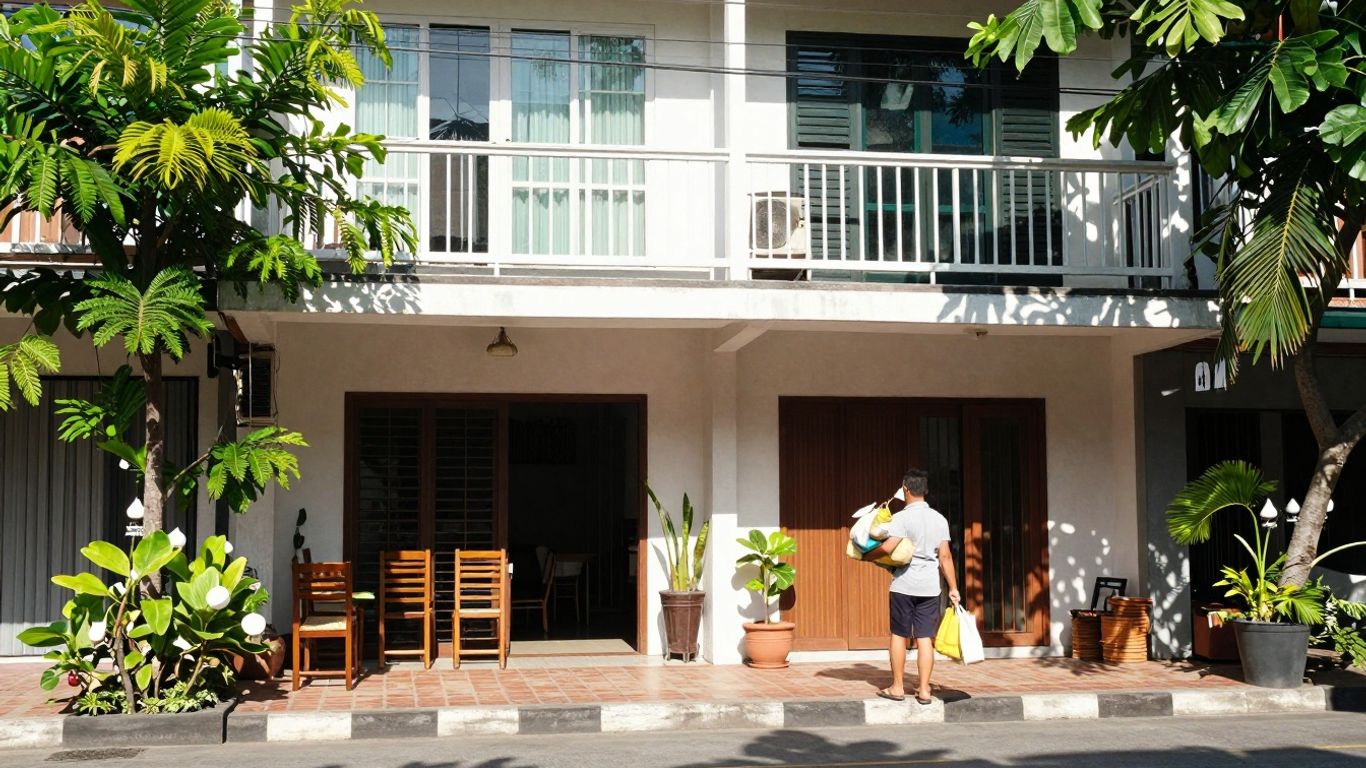
Finding a place to live when you're trying to keep costs down in Bangkok is definitely doable, but it takes a bit of know-how. Forget about fancy hotels for your arrival; book a simple guesthouse or hostel for the first few days. This gives you breathing room to actually look around for a more permanent spot without feeling rushed.
Finding Affordable Rentals In Prime Locations
When you're hunting for a place, think about areas that are a little outside the super touristy zones but still have good transport links. Neighborhoods near universities or business districts often have a good supply of apartments that locals rent, which means better prices. You might be surprised at what you can find if you explore a bit.
- Look for places a few blocks away from main roads. The closer you are to the BTS or MRT, the higher the rent usually is. A short walk can save you a good chunk of change.
- Check out local real estate agents or online forums. Sometimes the best deals aren't advertised everywhere. Ask around, see what people are saying on expat groups.
- Consider areas like Santitham or near Chiang Mai University. These spots are known for being more affordable while still being livable and connected.
The Economics Of Long-Term Leases
Signing a longer lease is almost always cheaper per month. Landlords want stability, so they'll give you a discount if you commit to a year or more. It’s a trade-off: you tie up your money for longer, but your monthly housing cost goes down. For a 12-month lease, you can often negotiate a better rate than if you're just looking for a month-to-month option.
Here's a rough idea of what you might see:
| Lease Term | Estimated Monthly Rent (Studio) | Notes |
|---|---|---|
| Month-to-Month | ฿10,000 - ฿15,000+ | Higher flexibility, higher cost |
| 6-Month Lease | ฿8,000 - ฿12,000 | Some discount for commitment |
| 12-Month Lease | ฿6,000 - ฿10,000 | Best rates, requires longer commitment |
Navigating The Condo Market
Condos are everywhere in Bangkok, and they can range from tiny studios to large family apartments. When you're looking at condos, pay attention to the building's amenities. A gym or pool might sound nice, but they often come with higher management fees, which get passed on to you. Also, check if utilities like water are included or separate. Some buildings have a "management fee" that's separate from your rent, so make sure you know the total monthly cost.
When you're looking at condos, don't just focus on the rent price. Factor in the monthly management fees, electricity, and water. Sometimes a slightly more expensive condo with lower utility costs can end up being cheaper overall.
- Inspect the unit thoroughly. Look for signs of water damage, check the air conditioning, and test the plumbing. A small problem now could be a big expense later.
- Understand the deposit and contract. Most places will ask for a two-month security deposit plus one month's rent upfront. Read your lease agreement carefully before signing anything.
- Ask about furniture. Some places come fully furnished, others are bare. Factor in the cost of furniture if you need to buy it yourself.
Daily Expenses: Food, Drink, And Transportation
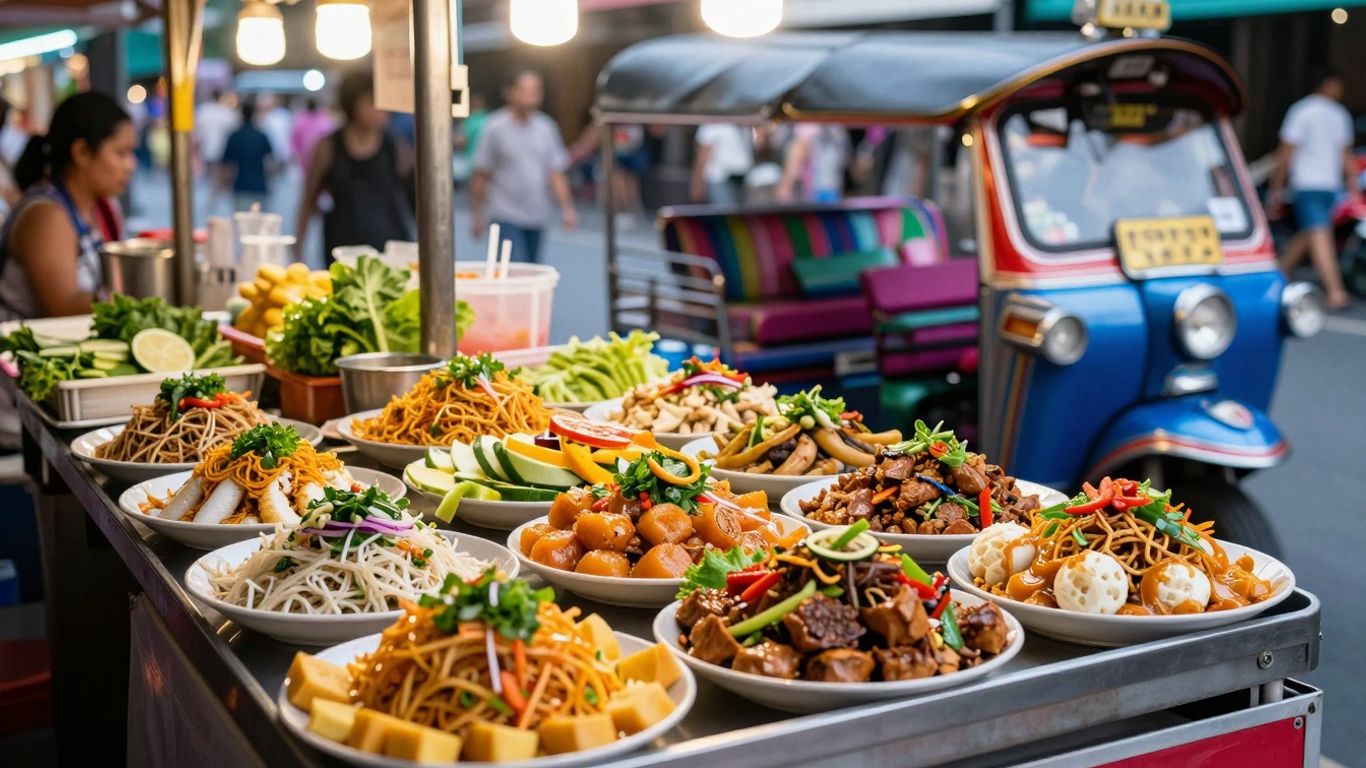
When you're figuring out the real cost of living in Thailand, the daily stuff really adds up. Luckily, for the most part, it's pretty manageable, especially if you embrace the local way of life. Eating like a local is the single biggest way to keep your daily expenses low.
Savoring Local Flavors: Street Food And Casual Dining
Forget fancy restaurants for every meal. The heart of Thai cuisine beats on the street and in small, unassuming eateries. You can grab a plate of Pad Krapow Moo (stir-fried pork with basil) or Khao Pad Gai (fried rice with chicken) for as little as 50-70 baht. A simple omelet might only set you back 30 baht. Even a bottle of water from a 7-Eleven convenience store is usually around 15 baht. If you're looking to treat yourself with a beer at a local spot, expect to pay about 80 baht. For a rough monthly food budget, aiming for around 15,000 baht is a decent starting point if you stick to these affordable, tasty options. Western food or more upscale dining will, of course, cost more.
Here's a quick look at typical street food prices:
| Item | Approximate Price (THB) |
|---|---|
| Pad Krapow (with rice) | 50-70 |
| Fried Rice (with chicken) | 50-70 |
| Omelet (3 eggs) | 30 |
| Small Beer | 80 |
| Bottled Water (7-Eleven) | 15 |
Eating out for every meal is easy here, but making your own breakfast or a simple lunch at home can save a surprising amount over time. Grocery stores have most staples, though finding specific items like good cheese can be a quest.
Navigating Public Transport: Songthaews And Beyond
Getting around doesn't have to break the bank. The most common form of local transport, especially in cities like Chiang Mai, are songthaews. These are essentially red pickup trucks with benches in the back. For shared rides within a city's central areas, you should aim to pay no more than 20 baht. If you're going a bit further or it's late, 50 baht is more realistic. For longer day trips, like visiting national parks, you might charter a songthaew for the day, which could cost around 400 baht per person for several hours of driving. Scooters offer more freedom but come with higher costs and the need for proper licensing and international permits. Check average prices for transportation options to get a clearer picture.
The Cost Of Convenience: Groceries And Local Markets
While street food is king for budget meals, you'll still need groceries for snacks, breakfast, or the occasional home-cooked meal. Major supermarkets like Tops and Rimping offer a good range of products, and prices are generally reasonable. However, fresh produce at supermarkets might not always be the best value. For significant savings, making trips to local fresh markets is highly recommended. You can find almost anything you need, often at much lower prices than in the big supermarkets. If you're looking for bulk items, places like Makro can be a good option, sometimes offering deals on larger quantities.
- Supermarkets: Good for staples, but produce can be pricier.
- Local Markets: Best for fresh fruits, vegetables, and a more authentic shopping experience.
- Wholesale Stores (e.g., Makro): Ideal for bulk purchases if you have the space and need.
- Convenience Stores (e.g., 7-Eleven): Great for quick snacks and drinks, but prices are higher than markets.
Hidden Costs And Essential Considerations
So, you've crunched the numbers on rent and food, and things are looking pretty good. But hold on a second, there are a few other things that can sneak up on your budget when you're living in Thailand. It's not all sunshine and cheap pad thai, you know.
Visa Runs And Immigration Procedures
This is a big one, especially if you're not on a long-term visa. Depending on your nationality and how long you plan to stay, you might need to do "visa runs." This means leaving the country and coming back in to get a new stamp, or heading to an immigration office to extend your current stay. It sounds simple, but it adds up. You've got travel costs (bus, plane, maybe even a short flight to a neighboring country), and then there are the actual visa fees. Plus, you'll spend a whole day doing it, which is time you could be working or exploring.
- Factor in travel expenses: Even a short bus trip to the border costs money.
- Visa extension fees: These can change, so always check the latest government rates.
- Time is money: Don't forget the value of the day you spend dealing with immigration.
The Price Of Staying Connected: Utilities And Internet
Your monthly rent might not include utilities, and these can be surprisingly high, especially if you love blasting the air conditioning. Electricity is usually charged by usage, and those AC units are power hogs. Water bills are generally lower, but still something to budget for. Internet is usually pretty reasonable, but the speed and reliability can vary a lot depending on where you live. If you need super-fast, stable internet for work, you might need to pay a bit more for a premium package.
Here's a rough idea of what you might expect:
| Utility | Estimated Monthly Cost (THB) | Notes |
|---|---|---|
| Electricity | 1,000 - 4,000+ | Heavily dependent on AC usage |
| Water | 100 - 300 | Generally quite low |
| Internet | 500 - 1,000 | Varies by speed and provider |
| Total | 1,600 - 5,300+ | This is a wide range, be prepared! |
Health Insurance: A Non-Negotiable Expense
Seriously, don't skip this. While Thailand has good healthcare, especially in the cities, it's not free for foreigners. Getting comprehensive health insurance is one of the smartest financial decisions you can make. Accidents happen, and a minor scooter scrape could turn into a major hospital bill if you're not covered. Look for plans that cover medical evacuation, as that can cost a fortune. Compare different providers and read the fine print carefully – sometimes specific activities like riding a motorbike aren't covered unless you have the right license.
The cost of healthcare can be a shocker if you're not prepared. Even a simple check-up or a few days in the hospital can run into hundreds, if not thousands, of dollars. Having insurance means you can focus on getting better, not worrying about how you'll pay the bills.
Don't forget about potential bank fees for international transfers or currency exchange, too. While often small, these can add up over time if you're not using the most cost-effective methods.
Lifestyle Choices And Their Financial Impact
The Allure Of Alcohol: Bar Prices Versus Supermarket Buys
When you're out and about in Thailand, it's easy to get caught up in the vibrant nightlife. But that nightly cocktail or beer can add up faster than you think. Bars and restaurants often have a significant markup on drinks, especially imported ones. If you're looking to save some serious baht, stocking up at a local supermarket or convenience store for your evening beverage is the way to go. You'll find a huge difference in price, allowing you to enjoy your drinks without breaking the bank.
Shopping For Essentials: Secondhand Finds And Local Stores
Need new clothes or household items? Thailand offers a fantastic array of options beyond the shiny new malls. Secondhand shops, often called 'vintage' or 'thrift' stores, are scattered throughout cities like Bangkok and Chiang Mai. You can find some real gems if you're willing to dig a little. Facebook groups dedicated to buying, selling, and swapping items are also goldmines for affordable goods. For everyday necessities, local markets and smaller neighborhood stores often beat the prices of larger chain supermarkets.
Leisure Activities: Enjoying Thailand On A Budget
Thailand is packed with things to do, from exploring ancient temples to relaxing on stunning beaches. You don't need to spend a fortune to have an amazing time. Many temples and natural attractions have very low entrance fees, or are even free. Consider exploring local parks, taking cooking classes from local vendors, or simply enjoying the street performances. The key is to seek out authentic, local experiences rather than relying on expensive tourist packages.
Here's a quick look at how different choices can impact your monthly spending:
| Activity | Estimated Monthly Cost (Budget) | Estimated Monthly Cost (Moderate) | Notes |
|---|---|---|---|
| Nightly Drinks | $30 (Supermarket) | $150 (Bars/Restaurants) | Prices vary greatly by venue and type. |
| Shopping (Clothes) | $20 (Secondhand/Local) | $100 (New/Brands) | Focus on needs vs. wants. |
| Weekend Outings | $50 (Local Markets/Parks) | $200 (Tours/Nightclubs) | Many free or low-cost options available. |
Making conscious choices about where you spend your money, especially on non-essentials like alcohol and entertainment, can significantly reduce your overall expenses. It's about finding that sweet spot between enjoying yourself and being mindful of your budget.
Maximizing Your Budget In The City Of Angels
Strategies For Trimming Monthly Expenditures
Okay, so you've got a handle on the big stuff like rent and transport, but how do you really squeeze more out of your baht each month? It's all about the little things, honestly. Think about your daily habits. Are you grabbing a fancy coffee every morning? That adds up fast. Maybe switch to instant or find a local spot that charges a fraction of the price. Same goes for snacks and impulse buys. Keep a running tally of your spending for a week or two; you'll probably be surprised where your money is actually going. The biggest savings often come from small, consistent changes.
Here are a few ideas to get you started:
- Food: Instead of hitting up Western-style cafes daily, embrace the street food scene or cook more meals at home. Local markets are your best friend for fresh produce at low prices.
- Entertainment: Look for free activities like exploring parks, visiting temples (many have no entry fee), or checking out local festivals. Happy hour deals can also stretch your budget for nights out.
- Shopping: Before buying new, check out secondhand stores or Facebook groups for used items. You can find almost anything, from furniture to clothing, at a steep discount.
Living frugally doesn't mean deprivation; it means being smart about where your money goes. It's about making conscious choices that align with your financial goals without sacrificing enjoyment.
The Value Of Local Knowledge: Avoiding Tourist Traps
This is a big one. Tourists often pay inflated prices for everything from tuk-tuk rides to meals at restaurants right on the main drag. The trick? Walk a few blocks away from the major attractions. You'll find the same quality food, often better, at half the price. Locals know the best spots, so don't be afraid to ask. If you see a place packed with Thai people, that's usually a good sign. Also, learn a few basic Thai phrases – a simple 'hello' and 'thank you' can go a long way and sometimes even get you a friendlier price. For example, a short tuk-tuk ride that a tourist might pay 200 baht for could cost a local 50 baht. It's not about being cheap, it's about paying a fair price. You can find some great deals on accommodations if you look beyond the typical tourist hubs, perhaps near public transportation for added convenience.
Balancing Opulence With Frugality
Look, nobody wants to live like a pauper forever. The goal here is to enjoy Thailand, right? So, it's about finding that sweet spot. Maybe you splurge on a really nice meal once a week, but then you pack your own lunch for the other six days. Or perhaps you save up for a weekend trip to an island, but you stick to budget guesthouses and local eateries while you're there. It's a give and take. Don't feel guilty about treating yourself, but make sure those treats are planned and don't derail your overall budget. Think of it like this: you can have amazing experiences without spending a fortune. It just takes a bit more planning and a willingness to step off the beaten path. Prioritize what brings you the most joy and allocate your funds accordingly. You might find that simple pleasures, like watching the sunset from a less-crowded viewpoint or enjoying a delicious bowl of noodles from a street cart, are just as fulfilling as a five-star experience.
So, What's the Real Story?
Look, Thailand can be incredibly affordable, no doubt about it. You can live like royalty on a shoestring budget if you play your cards right. But it's not all sunshine and $1 beers. Remember those hidden costs like visas, insurance, and the occasional splurge that adds up. Plus, chasing the absolute cheapest option might mean missing out on comfort or convenience. It’s about finding that sweet spot between saving money and actually enjoying your life here. Don't just chase the low numbers; figure out what kind of experience you want and budget for that. It’s totally doable to live well without breaking the bank, but be smart about it and know what you're getting into.
Frequently Asked Questions
Is it really cheap to live in Thailand?
Yes, Thailand can be very affordable, especially if you live like a local. You can eat delicious street food for just a few dollars, and rent can be surprisingly low if you stay longer. However, the 'cheapness' depends a lot on your lifestyle. If you want fancy Western food and lots of imported goods, it will cost more.
What's the biggest expense for expats in Thailand?
Accommodation is usually the biggest cost. While you can find cheap places, especially if you rent for a long time, it's still a significant part of your budget. Other big costs can include health insurance and visa fees, which add up over time.
How much does food cost in Thailand?
Eating local food is super cheap! Street food meals often cost less than $2. Even casual restaurants are very affordable. If you cook at home using local markets, you can save even more money. Eating Western food or imported groceries will cost a lot more.
What are common ways to get around Thailand cheaply?
Public transport like songthaews (shared trucks with benches) is very cheap for getting around cities, usually costing less than a dollar for short trips. For longer distances or exploring outside the city, you might rent a scooter, but be careful and make sure you have the right license and insurance. Buses and trains are also good options for inter-city travel.
Are there hidden costs to living in Thailand?
Yes, there can be. Things like visa renewals or visa runs (traveling out of the country to get a new visa) cost money and take time. Utilities like electricity and water can add up, especially if you use a lot of air conditioning. Don't forget health insurance – it's a must-have and an extra cost.
What's the difference between 'dreamer' and 'real' digital nomads in Thailand?
A 'dreamer' digital nomad often comes to cheap places like Thailand with no real skills or income, hoping to make money online without a solid plan, sometimes falling for scams. A 'real' digital nomad has an existing online income or business and uses Thailand's low cost of living to support their work and save money.
The Moveandstay editorial team writes about serviced living, workspaces, and city guides across Asia-Pacific.
Read next

Serviced Offices Surge in Popularity as Businesses Embrace Flexible Leasing
May 3, 2026
Hong Kong Serviced Apartment Market Buzzes with Sales and Investment Activity Amidst Shifting Valuations
May 3, 2026

ONYX Hospitality Group Elevates Shama Serviced Apartments with New Lifestyle Concept and Ambitious Expansion
Apr 26, 2026