
For the full guide, see Cost of Living in Hong Kong: Can Expats Afford It?.
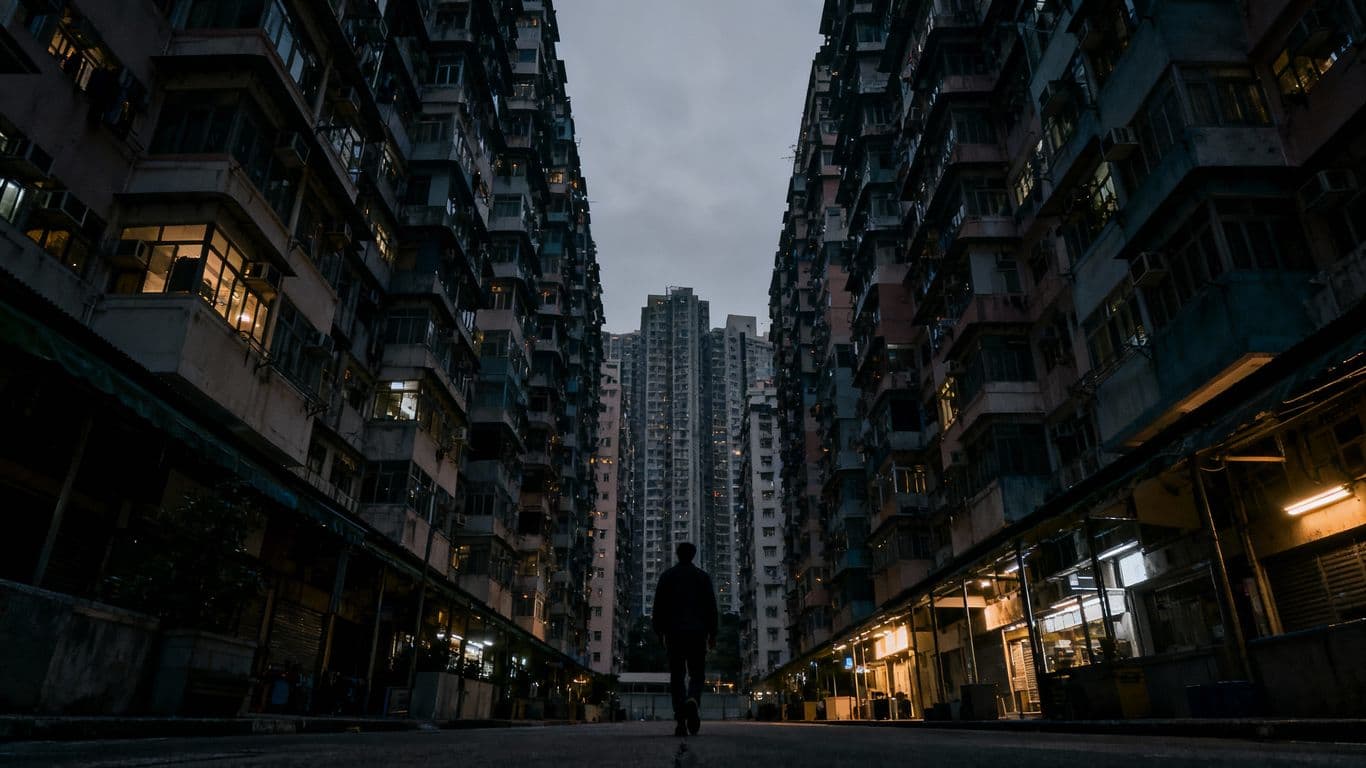
Living in Hong Kong, especially for expats, comes with a unique set of challenges that can really wear you down. The city's fast pace, combined with things like strict pandemic policies and the general high cost of living, has taken a toll on people's mental health. It's not just about the money; it's about the constant stress and how it affects our well-being. This article looks at some of the psychological costs people are facing.
Key Takeaways
- The city's strict 'zero-COVID' policies led to widespread 'pandemic fatigue' and heightened fears, impacting emotional well-being even after restrictions eased.
- Depression rates are projected to remain high, with a significant portion of healthcare costs linked to treatment-resistant cases, highlighting the need for early intervention.
- Expatriates in Hong Kong face unique mental health strains due to policy uncertainty, socioeconomic pressures, and the overall cost of living.
- Proactive mental health strategies and timely patient support are vital for reducing long-term healthcare burdens and improving outcomes.
- Declining trust in government and a sense of self-reliance, alongside community efforts, play a role in how individuals manage their mental health in Hong Kong.
The Psychological Toll of Pandemic Policies
Living through Hong Kong's extended "Zero-COVID" period really took a toll, didn't it? It wasn't just about avoiding the virus; the constant, strict rules wore people down. We saw this thing called "pandemic fatigue" really set in. It's like being tired of being on high alert all the time, even when the actual risk felt lower.
Pandemic Fatigue and Elevated Risk Perceptions
This fatigue meant people started feeling more anxious, even when policies were relaxed. It's a weird cycle. The longer you're told to be super careful, the more you start to see danger everywhere, even when the official stance changes. It's like your brain gets stuck in a worry mode.
Impact of Zero-COVID Strategy on Emotional Well-being
The "Zero-COVID" strategy, while aiming for safety, really messed with our heads. Imagine always having to plan around restrictions, testing, and potential lockdowns. It made everyday life stressful and unpredictable. For many, especially younger folks trying to build careers or finish studies, this uncertainty was a huge burden. It felt like our futures were on hold.
Sustained Fear Beyond Policy Relaxation
Even after the strict rules started to ease up, the fear didn't just disappear. People were still cautious, maybe even wearing masks out of habit or a sense of personal responsibility, long after mandates were lifted. This lingering fear, combined with worries about finances and the general future, meant that emotional well-being stayed low for a lot of us. It showed that the psychological effects of such long-term policies can stick around, even when the policies themselves are gone.
Forecasting the Burden of Depression
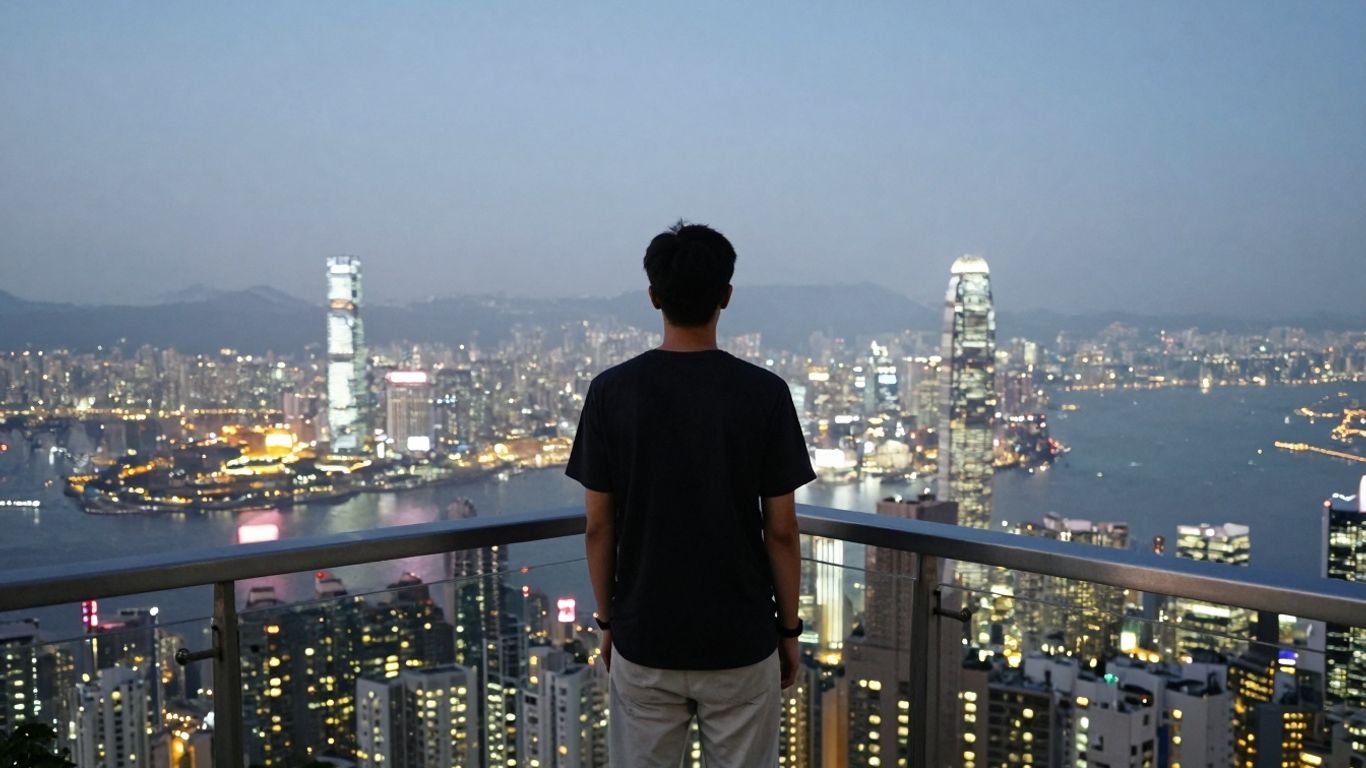
It looks like Hong Kong is in for a long haul when it comes to depression. Studies are pointing to a steady number of people dealing with this condition for the next decade, and that's a big deal for healthcare costs. We're talking billions of dollars just for general health needs, plus hundreds of millions more for specific mental health services. And the kicker? Without new approaches, these costs are expected to stay pretty much the same, even with inflation not factored in.
Projected Depression Rates and Healthcare Costs
Estimates suggest that between 55,849 and 57,896 individuals will be living with depression each year until 2032. The all-cause healthcare costs associated with this are projected to exceed HK$2.51 billion, with psychiatric care alone costing around HK$473.5 million annually. These figures are expected to remain stable over the next ten years if current trends continue without new interventions.
The Economic Impact of Treatment-Resistant Depression
Here's where things get really costly. While most people with depression will get better with treatment, a smaller group, less than 20%, will develop what's called treatment-resistant depression (TRD) or other related health problems. Even though they're a minority, this group accounts for a huge chunk of the total spending on depression – somewhere between 31% and 54%. This means focusing on getting people the right help early on is super important for saving money down the line.
Vulnerable Groups Facing Disproportionate Costs
It's not just about the numbers; certain groups are hit harder. While men might be diagnosed with depression less often, they tend to use more healthcare resources when they are. Older men, especially those over 65 with existing health issues, face the highest individual healthcare expenses and are at greater risk. Interestingly, it's the younger folks, adolescents, who rack up the biggest bills for psychiatric care.
The economic strain of depression isn't just about the number of people affected; it's heavily influenced by the severity and duration of the illness, and the specific needs of different demographic groups. Addressing these disparities is key to managing the overall financial burden.
- Adolescents: Incur the highest psychiatric care expenses.
- Older Men (65+): Face the highest individual healthcare costs and mortality risk, particularly if they have pre-existing health conditions.
- Individuals with TRD: While a smaller percentage of the total patient population, they drive a disproportionately large share of healthcare expenditures.
It really highlights how important it is to get people the right support as soon as possible. Waiting too long means more complex issues, higher costs, and a bigger impact on people's lives. Planning for these long-term needs and looking at ways to introduce new treatments or services could make a real difference in managing this ongoing challenge.
Mental Health Challenges for Hong Kong Expats
Living in Hong Kong as an expat comes with its own set of unique pressures, and the past few years have really put that to the test. It's not just about adjusting to a new culture or a fast-paced city; it's about dealing with constant shifts in policy and a general sense of unpredictability. Many expats found themselves in a difficult spot, trying to make sense of rules that changed without much warning, which can really mess with your head.
Navigating Uncertainty and Policy Shifts
The city's approach to public health, especially during the pandemic, created a lot of anxiety. For expats, who might not have the same deep social networks as locals, these changes could feel even more isolating. Imagine planning a trip home, only to have quarantine rules flip overnight. Or trying to explain complex local regulations to family back home. It’s exhausting. This constant state of flux makes it hard to feel settled, and that uncertainty really chips away at your peace of mind. It's like trying to build a house on shifting sand.
Socioeconomic Stressors and Future Worries
Beyond the immediate policy impacts, there are bigger worries. The cost of living here is famously high, and for expats, this often means a significant portion of their income goes towards rent and daily expenses. Add to that concerns about job security in a changing economic climate, and you've got a recipe for stress. Many expats also worry about their children's education and future opportunities in Hong Kong, especially given the political climate. It’s a lot to juggle when you’re already far from your support system.
The Cost of Living Hong Kong Expat Mental Well-being
All these factors add up. The constant need to adapt, the financial pressures, and the worry about the future can take a serious toll. It's not uncommon for expats to experience burnout, increased anxiety, or even depression. Finding affordable and accessible mental health support can also be a challenge, especially if you're not familiar with the local healthcare system. Sometimes, the best way to cope is to connect with others who understand, perhaps through expat groups or online forums. It’s important to remember that seeking help is a sign of strength, not weakness. If you're struggling with adjusting back home after an overseas assignment, resources are available to help with reverse culture shock [c465].
Here are some common challenges expats face:
- Feeling disconnected from local culture and social circles.
- Difficulty understanding and adapting to new social norms and policies.
- Increased financial pressure due to the high cost of living.
- Concerns about career progression and long-term stability.
- Managing family needs, such as schooling and healthcare, in a foreign environment.
The cumulative effect of these stressors can lead to a significant decline in mental well-being, often going unnoticed until it reaches a critical point. It's a silent burden that many expats carry.
Early Intervention and Resource Planning
The Significance of Timely Patient Support
It's pretty clear that getting help early makes a big difference when it comes to mental health. When people struggling with depression get support sooner rather than later, it can stop things from getting worse. This means fewer people end up with really tough-to-treat conditions, which is good for them and also for the healthcare system. Think about it like fixing a small leak before it floods the whole house. Addressing mental health concerns promptly can prevent more serious issues down the line.
Reducing Healthcare Costs Through Proactive Strategies
We're looking at some pretty significant costs associated with depression in Hong Kong, and these are expected to stick around for a while if we don't do anything new. A big chunk of these costs comes from people with treatment-resistant depression (TRD). These are the folks who have tried a couple of different medications without much luck. While they might not be the biggest group, they account for a huge portion of the total spending. So, focusing on early support and finding ways to help these individuals sooner could actually save a lot of money in the long run. It's about being smart with our resources.
Here's a look at the projected annual costs:
| Cost Category | Estimated Annual Cost (HK$) |
|---|---|
| All-cause Healthcare Costs | Over 2.51 billion |
| Psychiatric Care Costs | Over 473.5 million |
Adapting to Long-Term Mental Health Needs
Looking ahead, it's obvious that mental health is going to be a persistent challenge for Hong Kong. We need to plan for the long haul, not just quick fixes. This means thinking about how to support different groups, like young people who are just starting to deal with these issues, and older adults who might have other health problems too. It’s about building a system that can handle these needs over time. Initiatives like school-based counselling projects are a good start, offering mental health awareness training and one-on-one support to students [d083].
Planning for the future means acknowledging that mental health isn't a temporary problem. We need strategies that are built to last, considering the diverse needs within our community and the potential for ongoing strain on individuals and the healthcare system. This requires a shift from reactive measures to a more forward-thinking, preventative approach.
Societal Factors Influencing Mental Health
It's not just about the policies or the pandemic itself, is it? The way society functions, or doesn't function, plays a huge role in how we all cope. When people feel like they can't rely on the government, for instance, they tend to put more pressure on themselves and their immediate circles. This can lead to a feeling of being alone in dealing with stress.
Erosion of Government Trust and Self-Reliance
After a period of significant political events and the way the pandemic was handled, many in Hong Kong found their trust in official guidance wavering. This lack of faith meant people had to figure things out on their own more often. Think about it: if you're not sure the advice you're getting is solid, you start looking for other ways to stay safe and healthy, which can be exhausting. This self-reliance, while sometimes necessary, can really wear you down over time.
Moral Obligation and Mental Health Strain
There's this strong sense of doing the 'right thing' in Hong Kong, especially when it comes to public health. People felt a deep obligation to follow anti-epidemic rules, not just for themselves but for everyone. While admirable, this constant pressure to be a 'good citizen' and adhere strictly to measures, even when they were disruptive, added a significant mental load. It’s like carrying a weight of responsibility that can easily tip into anxiety and burnout.
Community Initiatives and Personal Choices
On the flip side, we saw a lot of people stepping up to help each other. Local groups organized support networks, shared resources, and just generally tried to keep spirits up. These community efforts were lifelines for many. But even with that support, individual choices still mattered. Deciding how much risk to take, how to balance personal needs with public demands, and how to maintain connections when things felt so uncertain – these were tough calls everyone had to make, and they all had a mental cost.
Looking Ahead
So, what does all this mean for Hong Kong? It's clear that the city has been through a lot, and the mental toll is real. From the constant worry during the pandemic to the ongoing stress of daily life, people here have been dealing with a lot. Studies show that depression is a persistent issue, and certain groups, like younger people and older men, are hit harder. It's not just about the immediate crisis; it's about the long-term effects. We need to pay attention to this and think about how to support people better, especially those who are struggling the most. The city's resilience is amazing, but it shouldn't come at the cost of everyone's mental well-being. It's time to focus on proactive ways to help people cope and ensure a healthier future for everyone living here.
Frequently Asked Questions
How did the 'Zero-COVID' rules affect people's feelings in Hong Kong?
The strict 'Zero-COVID' rules, like lockdowns and constant testing, made many people feel tired and worried. Even when the rules started to ease, some people kept feeling anxious about getting sick or spreading the virus. This constant worry and tiredness, known as pandemic fatigue, really took a toll on everyone's mood and overall well-being.
What is 'pandemic fatigue' and how did it impact Hong Kong?
Pandemic fatigue is that feeling of being worn out from dealing with a pandemic for a long time. In Hong Kong, the strict rules made daily life tough, leading to this fatigue. It made people less likely to follow the rules carefully, which actually made it harder to control the spread of the virus during some outbreaks.
Are people in Hong Kong expected to face more depression in the future?
Yes, studies suggest that Hong Kong might see a significant number of people dealing with depression for the next several years. While most cases won't be severe, a smaller group with harder-to-treat depression could end up costing a lot in healthcare.
Who is most at risk for mental health problems in Hong Kong?
While many people can experience mental health struggles, certain groups are more vulnerable. This includes younger people who worry about their future and older men who might already have health issues. These groups might need extra support to cope with the stress.
Why is early help for mental health important in Hong Kong?
Getting help early for mental health issues, especially depression, is super important. People who don't get better with initial treatments often end up needing more complex and costly care. Helping people sooner can save money in the long run and improve their lives significantly.
How did trust in the government affect people's mental health during the pandemic?
Some people in Hong Kong didn't have much trust in the government, especially after political events. This lack of trust meant people felt they had to rely on themselves more to stay safe from the virus. This self-reliance, combined with strict rules, added to their stress and mental health challenges.
Filed under
The Moveandstay editorial team writes about serviced living, workspaces, and city guides across Asia-Pacific.
Read next

Serviced Offices Surge in Popularity as Businesses Embrace Flexible Leasing
May 3, 2026

Hong Kong Serviced Apartment Market Buzzes with Sales and Investment Activity Amidst Shifting Valuations
May 3, 2026

ONYX Hospitality Group Elevates Shama Serviced Apartments with New Lifestyle Concept and Ambitious Expansion
Apr 26, 2026