

For a long time, 99-year leases were the standard for property development, especially for big projects. It seemed like a good way to balance long-term use with the landowner eventually getting the property back. But things are changing. Newer laws and different ways of thinking about property are making these long leases less common, and it’s impacting everything from big developments to how we think about owning property. This shift is especially relevant in places like Asia, where real estate is always buzzing, and it’s worth looking at what this means for the future of property, including serviced apartments Asia.
Key Takeaways
- The 99-year lease term has historical roots, often seen as a practical way to allow for long-term development while ensuring land eventually returns to the owner.
- Leasehold structures, particularly long ones, have been used globally as an alternative to outright ownership, allowing for development and investment.
- As leases get shorter, especially in the last 20 years, they become less attractive to investors and lenders, turning them into a 'wasting asset'.
- Recent legal changes in various regions are reforming leasehold laws, sometimes abolishing ground rents or allowing for longer lease extensions, which affects property transactions.
- For sectors like serviced apartments Asia, understanding and adapting to these evolving leasehold regulations and dynamics is important for long-term business success and development.
The Evolution of Long-Term Leases
Historical Roots of the 99-Year Term
The idea of a 99-year lease didn't just pop up out of nowhere. It's got some pretty deep roots in English property law, stretching back centuries. Back in the day, lawyers and landowners were trying to figure out how to make property deals work long-term without actually selling the land outright. They needed a term that was long enough to make significant investments worthwhile, like building a big structure, but also short enough that the landowner or their family would eventually get the property back. The 99-year mark seemed to hit that sweet spot. It was long enough to outlast any single person involved in the deal, but finite enough to eventually return control to the original owner's heirs. It wasn't a hard-and-fast rule from medieval times, as some historical texts might suggest, but more of a practical business solution that developed over time as laws allowed for longer lease terms.
Leasehold as a Substitute for Ownership
Think of a long lease, especially a 99-year one, as a way to get a lot of the benefits of owning property without actually holding the freehold title. For developers and businesses, this structure has been super useful. It lets them control and develop a piece of land, build on it, and generate income from it for decades. They can often mortgage their leasehold interest, sell it, or even sublet it, giving them a lot of flexibility. The landlord, on the other hand, keeps ownership of the land itself and gets to collect rent, plus they get the property back at the end of the lease term. It's a way to separate the ownership of the dirt from the ownership of what's built on it, and it's been a really successful model for getting big projects off the ground.
Global Adoption of Long Lease Structures
This whole concept of long-term leasing didn't just stay in England. As the British Empire expanded, so did its legal and property systems. You see the 99-year lease popping up in places like Hong Kong, where the New Territories were leased to Britain for 99 years back in 1898. Germany even used a 99-year lease for Kiautschou Bay in China around the same time. It shows that this lease structure isn't tied to just one legal system; it's been adopted in various parts of the world, under both common law and civil law traditions. In some countries, like Singapore, the government owns most of the land and leases it out, often on 99-year terms, making it the primary way people can acquire long-term use of land. Even during World War II, the US and UK used 99-year leases for military bases.
| Location | Lease Term | Purpose |
|---|---|---|
| Hong Kong | 99 years | Territorial concession |
| Kiautschou Bay | 99 years | Territorial concession |
| Singapore | 99 years | Land use for citizens and businesses |
| US/UK Bases | 99 years | Military base rights during WWII |
Understanding Leasehold Dynamics
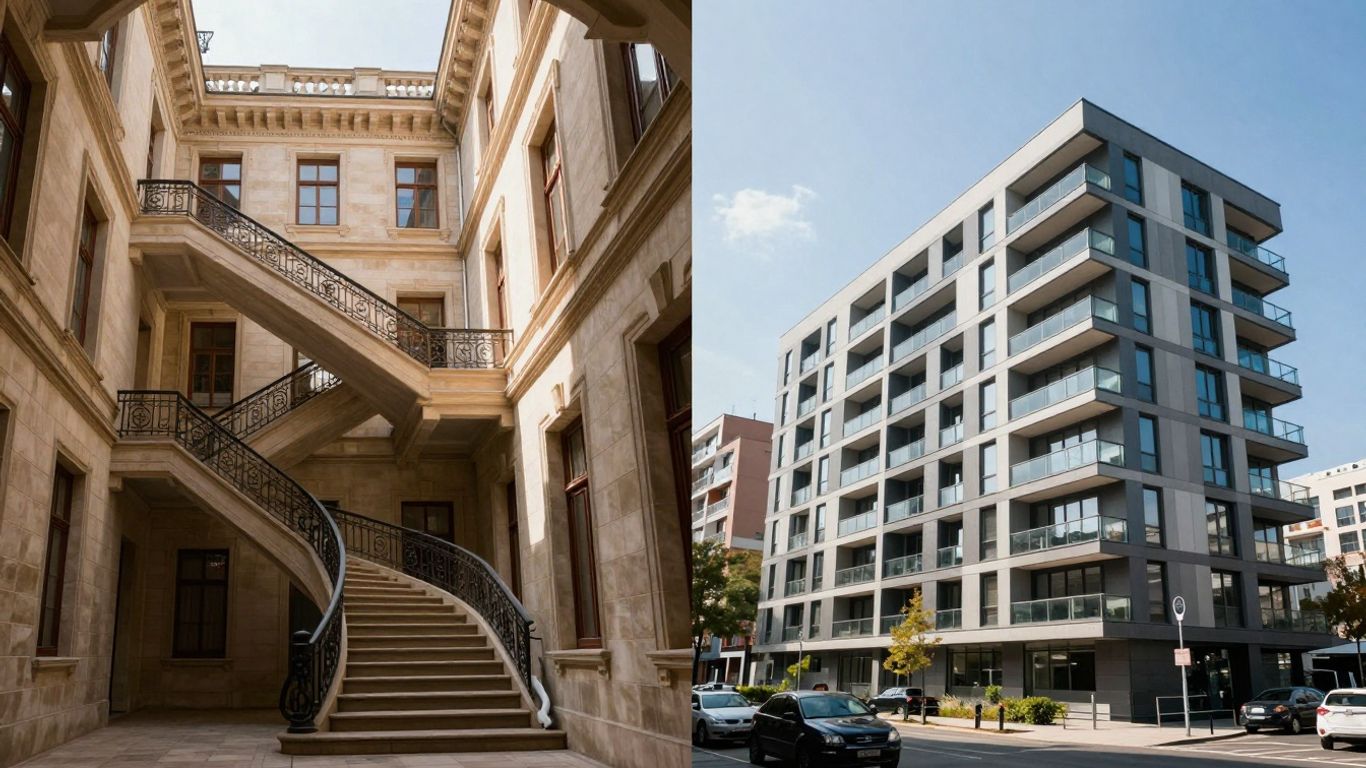
So, what's really going on with these long leases? It's not just about renting land for a really, really long time. There's a whole system behind it, and it's changing.
The Concept of a Wasting Asset
Think of a leasehold property like a car. When you buy it, it's new, but over time, it loses value. A leasehold interest is similar. The longer the lease gets, the less time is left until it expires and the property reverts to the landowner. This is what we mean by a 'wasting asset'. The value of the leaseholder's interest decreases as the expiry date gets closer. This is a big deal for investors because they're essentially buying something that's guaranteed to be worth less in the future.
Investor and Lender Concerns with Shorter Terms
When leases start getting shorter, say under 50 years, investors and banks get a bit nervous. Why? Because there's not enough time left to make a decent return on their investment or to pay back a loan. It makes it harder to sell the property too. Lenders often won't finance properties with very short leases because their loan might not be repaid before the lease runs out. This can really freeze up the market.
The Impact of Lease Expiry on Investment Horizons
This is where things get interesting, especially for big projects. If you're developing something that's meant to last for decades, a long lease is pretty much a must. It gives you the time needed to build, operate, and eventually sell or pass on the development. But if the lease is too short, it messes with your whole plan. You have to think about what happens when the lease ends – does the building just disappear? It makes long-term planning a real headache.
The idea of a lease as a substitute for ownership is common, especially in commercial deals. It allows someone to control and profit from a property without actually buying the land outright. This separation of land ownership from building control is a key feature that makes leasehold structures work for development and investment, even if the lease itself is a wasting asset over time.
Navigating Leasehold Agreements
Okay, so you've got a lease, maybe a long one, and you're wondering what exactly you've signed up for. It’s not just about paying rent; there are a bunch of details in these agreements that really matter. Think of it like a rulebook for your property.
Key Clauses in Ground Lease Contracts
Ground leases, especially the long-term ones, can get pretty detailed. You'll find clauses covering all sorts of things. Here are some of the big ones:
- Rent Structure: This is usually pretty straightforward, but sometimes it can include escalation clauses or adjustments based on market rates. You need to know how and when the rent might change.
- Maintenance and Repairs: Who fixes what? The lease will spell out whether the tenant or the landlord is responsible for upkeep, from minor fixes to major structural issues. This can be a big deal financially.
- Insurance and Taxes: Typically, in a commercial ground lease, the tenant picks up the tab for property taxes and insurance. This is often part of what's called a "triple net" lease, where the tenant covers operating expenses.
- Alterations and Improvements: Want to build something new or change an existing structure? The lease will outline the process for getting approval, if it's allowed at all.
- Subleasing and Assignment: Can you rent out part of the property or transfer your lease to someone else? Usually, you'll need the landlord's okay for this.
- Default and Remedies: What happens if someone doesn't hold up their end of the deal? This section details what constitutes a breach and what actions can be taken.
Tenant Responsibilities and Freedoms
As a tenant on a long ground lease, you often get a lot of freedom to operate and develop the property. You're usually responsible for all the day-to-day costs – that means taxes, insurance, and keeping the place in good repair. This setup allows tenants to treat the leasehold interest much like ownership, enabling them to finance, sell, or develop the property with fewer restrictions than a typical short-term lease. However, this freedom comes with the responsibility of managing all operational aspects and costs. You're essentially running the show on the land, but you don't own the dirt underneath.
Landlord's Role and Reversionary Rights
The landlord's main role in a ground lease is often passive, primarily collecting rent and overseeing the terms of the agreement. Their big payoff comes at the end of the lease term. This is known as their "reversionary interest" – the right to get the property back, including any buildings or improvements made by the tenant, once the lease expires. It’s a long-term play for them, relying on the eventual return of the asset. They might also have rights to approve major tenant actions, like selling the leasehold or making significant changes to the property, depending on what the lease says.
Understanding the specifics of your lease agreement is super important. It dictates who pays for what, who can do what, and what happens when the lease is up. Don't just skim it; really get into the details, because these agreements can last for decades and have big financial implications for everyone involved.
The Shifting Landscape of Leasehold Reform
It feels like the ground is shifting under the old ways of doing things when it comes to property leases. For ages, the 99-year lease was pretty standard, especially for residential properties. But lately, there's been a big push to change that. Think of it like this: laws are catching up to what people actually need and expect from their homes and investments.
Legislative Changes Abolishing Ground Rents
One of the biggest changes we're seeing is the move to get rid of ground rents, at least for new leases. This is a pretty significant shift because, for a long time, even if you owned the building, you were still paying a fee to the landowner. The Leasehold Reform (Ground Rent) Act 2022, for example, basically said that for most new long residential leases in England and Wales, that ground rent is a thing of the past. It's a move towards making leasehold properties feel more like outright ownership, which is a big deal for homeowners. This reform aims to simplify property ownership and reduce ongoing costs for leaseholders.
Statutory Lease Extensions and Their Implications
Beyond just getting rid of ground rents, there's also been a lot of work on making lease extensions more accessible and longer. The Leasehold and Freehold Reform Act 2024 is a good example of this. It's expanded the right to a statutory lease extension, meaning leaseholders can now add 990 years to their lease, whether they live in a house or a flat. Plus, they got rid of that old rule where you had to have owned the property for two years before you could even ask for an extension. This is huge because it gives people more security and makes their properties more valuable in the long run. It also means fewer disputes over expiring leases, which can be a real headache.
Impact of Reforms on Property Transactions
So, what does all this mean for buying and selling property? Well, it's making things a bit more straightforward. When leases are longer and ground rents are gone, properties are generally easier to finance and sell. Lenders like seeing longer leases because it reduces their risk. Buyers feel more secure knowing they won't have to deal with a short lease running out anytime soon. It's also changing how developers think about new projects. They're having to adapt to these new rules, which might mean different lease structures or even more commonhold developments. The whole market is slowly adjusting to this new reality, making property transactions less complicated and more predictable for everyone involved. You can find more details on these changes through resources like the HM Land Registry.
Here's a quick rundown of what's changing:
- Ground Rent Abolition: For most new residential leases, ground rent is no longer a factor.
- Extended Lease Terms: Statutory lease extensions now add 990 years, offering long-term security.
- Easier Access to Extensions: The previous ownership qualification period has been removed.
- Increased Property Value: Longer, simpler leases generally make properties more attractive to buyers and lenders.
The ongoing reforms are designed to create a fairer system for leaseholders, moving away from complex and often costly leasehold arrangements towards greater certainty and value in property ownership.
Strategic Considerations for Serviced Apartments Asia
Optimizing Lease Terms for Long-Term Viability
When looking at serviced apartments in Asia, the lease terms are super important for making sure the whole thing works out long-term. It's not just about getting a place; it's about how long you can use it and what you can do with it. We're seeing a shift away from those super-long, 99-year leases that used to be the norm. Now, people are thinking more about flexibility and what happens when the lease is up. Finding that sweet spot between a lease that's long enough to make a decent return and short enough to avoid major risks is key.
Here’s a quick look at what to think about:
- Lease Duration: How long is the lease? Does it give enough time to recoup investment and make a profit? Shorter leases might mean higher annual costs but less long-term commitment.
- Renewal Options: Are there options to renew? What are the terms for renewal? This can be a big deal for future planning.
- Rent Review Clauses: How often is the rent reviewed, and what's the basis for the review? This impacts operating costs over time.
- Exit Strategies: What are the options if you need or want to get out of the lease early? Are there penalties?
The Role of Leasehold in Asian Real Estate Development
Leasehold arrangements have played a massive role in how real estate gets developed across Asia. Think about places like Singapore or Hong Kong, where land is scarce. Leasehold allows developers to build and operate properties without owning the land outright, which can make big projects more feasible. For serviced apartments, this means developers can secure prime locations and build out their properties. It's a way to get projects off the ground that might otherwise be too expensive or impossible due to land ownership rules. This model has really shaped the urban landscape in many Asian cities, allowing for rapid growth and development. It's a system that balances the need for development with the government's control over land resources. You can find more about the serviced apartment sector here.
Adapting to Evolving Leasehold Regulations
Regulations around leases are changing, and it's something operators of serviced apartments in Asia really need to keep an eye on. Governments are looking at leasehold laws, sometimes shortening terms or changing renewal conditions. For example, in some parts of Malaysia, there have been discussions and changes regarding land tenure, affecting lease lengths and ownership rights for non-locals. Similarly, Hong Kong has mechanisms for extending government leases, but the terms can be specific. Staying informed about these shifts is vital. It means being ready to adjust business plans, renegotiate terms, or even explore different property acquisition models. It’s about being proactive rather than reactive when the rules change.
The landscape of property law is always shifting. What was standard practice even a decade ago might not be today. For businesses relying on long-term property use, understanding these changes and planning accordingly isn't just smart; it's necessary for survival and success. Ignoring regulatory shifts can lead to unexpected costs or even the loss of a property's use.
The Practicalities of Lease Expiration

Challenges in the Final Years of a Lease
As a long-term lease, especially one that's been around for decades, starts to wind down, things can get a bit tricky. We're talking about that period, often the last 10 to 20 years, where the property's future becomes a big question mark. For anyone holding the leasehold interest – that's the tenant's right to use the property – this phase brings a unique set of headaches. The value of the leasehold interest itself begins to decline as the expiration date looms closer. It's like watching a clock tick down, and everyone involved starts to feel the pressure.
Impact on Subleasing and Capital Expenditures
When a lease has only a few years left, it really messes with your ability to do business. For instance, if you're a tenant and you want to sublease part of the property, who's going to sign a lease with you if it extends beyond the original lease's end date? Most potential subtenants want security, and a lease that's about to expire doesn't offer much. This can make it tough to find new tenants or even keep existing ones, potentially leading to vacant spaces and lost income.
Then there's the whole issue of making big investments. Imagine you own a building on leased land, and the lease is set to expire in 15 years. Are you really going to sink a ton of money into a major renovation or a new addition? Probably not. The useful life of that new improvement might easily outlast the lease, meaning you'd be spending a fortune on something that will soon belong to the landowner. This often leads to deferred maintenance and a reluctance to undertake any significant capital projects, which can make the property look run-down.
Negotiating Lease Renewals and Extensions
This is where things can get really interesting, and sometimes, really frustrating. As the lease expiration date approaches, the tenant might want to secure their position by negotiating a renewal or an extension. The landowner, on the other hand, might see this as an opportunity. They could be looking for significantly higher rent, a larger upfront payment, or even different terms altogether.
Here's a look at what typically happens:
- Tenant's Position: The tenant's primary goal is usually to continue operating without interruption. They might have built a successful business or a valuable asset on the land and want to protect that investment. They'll likely push for terms that are as close as possible to the original lease, or at least favorable enough to justify their continued presence.
- Landowner's Position: The landowner has the ultimate leverage. The property will revert to them upon expiration. They might want to capitalize on the current market value of the land, which could be much higher than when the original lease was signed. They might also be looking to redevelop the property themselves or lease it to a new tenant on new terms.
- The Negotiation Process: This can be a lengthy and complex process. It often involves lawyers, appraisers, and real estate consultants. The outcome depends heavily on the specific terms of the original lease, the market conditions, and the bargaining power of each party. Sometimes, a deal is struck, but other times, the parties may fail to agree, leading to uncertainty about the property's future.
The final years of a long lease are a period of increasing uncertainty. Both the tenant and the landowner are aware that the lease is coming to an end, and this awareness shapes their decisions regarding the property. For tenants, it means a shrinking investment horizon and potential difficulties in managing the property. For landowners, it presents an opportunity to regain control and potentially benefit from increased land values, but also carries the risk of protracted negotiations or even disputes.
So, What's Next?
It’s pretty clear the old way of doing things, with those super long leases, isn't really working anymore. People are starting to see the problems as the end date gets closer, and honestly, who wants to deal with that uncertainty? We're seeing changes, like new laws and different lease terms popping up. It feels like we're moving away from the 99-year standard, and maybe that's a good thing. It’s going to be interesting to watch how property deals adapt and what new models emerge as we figure out a better way forward for everyone involved.
Frequently Asked Questions
Why were 99-year leases so popular in the past?
Long ago, people used 99-year leases because it was a really long time – longer than anyone involved in the deal would likely live. This meant the property would eventually go back to the owner. It was a way to let someone use and develop land for a very long time without giving up ownership forever. Think of it as a super long-term rental agreement.
What's the main problem with long leases ending?
The biggest issue is that as a lease gets close to ending, it becomes less valuable and harder to invest in. Imagine buying a building with only 10 years left on the land lease – you wouldn't want to spend a lot of money fixing it up if it's going to be taken back soon. Lenders also get nervous about loaning money for properties with short lease terms remaining.
What does 'wasting asset' mean for a lease?
A 'wasting asset' is something that loses value over time. For a lease, its value goes down as the number of years left on the lease gets shorter. A 99-year lease starts with its full value, but that value shrinks year by year, especially in the last 20 years or so when it becomes less attractive to buyers and lenders.
Are there any new laws changing how long leases work?
Yes, many places are changing the rules. Some laws are getting rid of extra fees called 'ground rents' that used to be common with long leases. Other laws are making it easier to extend leases for a much longer time, like 990 years, or even turning them into full ownership.
What happens when a 99-year lease is about to expire?
In the final years, things can get tricky. It might be hard to rent out space in the building to others because those new rental agreements can't last longer than the main lease. Also, owners might hesitate to make big repairs or upgrades if the lease is ending soon, as they won't get the full benefit.
Why is Asia mentioned in the article title regarding serviced apartments?
In some parts of Asia, like Singapore, long leases (often 99 years) are very common for housing and commercial properties, including serviced apartments. Developers and investors in these areas need to pay close attention to changing lease laws and figure out how to make their businesses work well within these lease structures, especially as regulations evolve.
The Moveandstay editorial team writes about serviced living, workspaces, and city guides across Asia-Pacific.
Read next

Serviced Offices Surge in Popularity as Businesses Embrace Flexible Leasing
May 3, 2026

Hong Kong Serviced Apartment Market Buzzes with Sales and Investment Activity Amidst Shifting Valuations
May 3, 2026

ONYX Hospitality Group Elevates Shama Serviced Apartments with New Lifestyle Concept and Ambitious Expansion
Apr 26, 2026