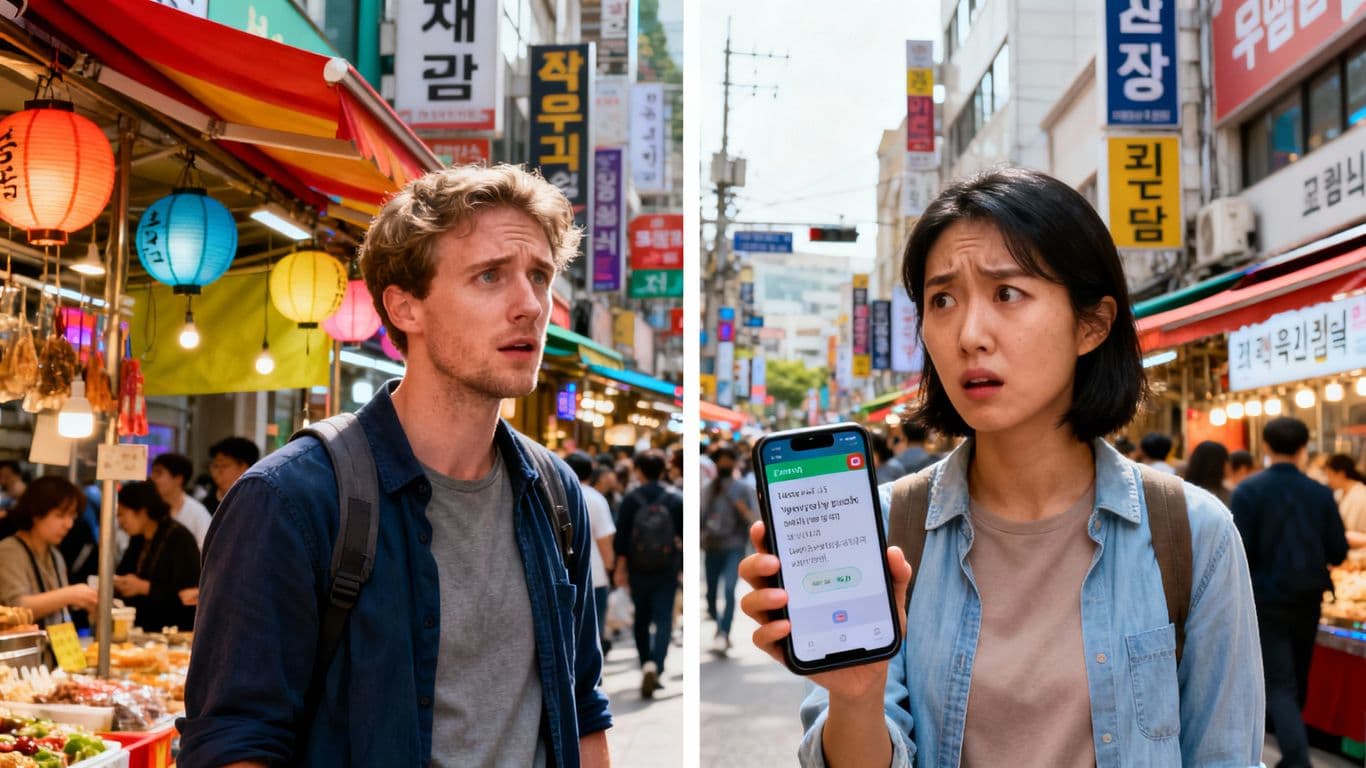
Moving to Korea is exciting, but there are cultural differences you might not see coming. It’s not just about the language, though that’s a big part of it. Things like how people interact in public, the importance of showing respect, and even how you approach making friends can be quite different from what you’re used to. Getting these details right can make your experience so much smoother, whether you're just visiting or planning to stay a while. And for those longer stays, finding the right place to live, like serviced apartments Seoul, makes a world of difference.
Key Takeaways
- Understand that Korean culture values modesty and quiet in public. Loud behavior or overt self-promotion can be seen negatively.
- Communication can be tough when English isn't widely spoken outside tourist spots. Learning basic Korean phrases and using translation apps helps a lot.
- Building connections takes effort. Joining groups, pursuing hobbies, and being open to social activities are great ways to find your community.
- Practicalities like getting a local phone number and finding housing are important. Consider serviced apartments Seoul for a comfortable start.
- Being aware of cultural differences helps avoid misunderstandings. Adapting your behavior shows respect and makes integration easier.
Navigating the Nuances of Korean Etiquette
Moving to Korea is exciting, but there are definitely some social rules that can catch you off guard. It's not just about saying 'hello' and 'thank you'; it's about understanding the deeper currents of how people interact here. Paying attention to these subtle cues can make a huge difference in how smoothly you integrate.
Understanding the Importance of Modesty and Humility
Koreans generally value modesty. Bragging or being overly boastful about achievements, possessions, or even your skills isn't really the done thing. It's more about letting your actions speak for themselves. When someone compliments you, a simple 'thank you' is good, but sometimes deflecting slightly or acknowledging that you still have a lot to learn is seen as more humble and relatable. It’s a bit different from some Western cultures where self-promotion is often encouraged.
- Receiving Compliments: Instead of just saying "Thank you," try adding something like, "Oh, it was nothing," or "I still have a lot to improve on." This shows you're not overly proud.
- Talking About Success: When discussing achievements, frame them as team efforts or acknowledge the help you received from others.
- Personal Space: While not strictly about modesty, being aware of personal space and not being overly loud or attention-seeking in public also ties into this general sense of not wanting to impose.
The cultural emphasis on humility isn't about putting yourself down; it's about showing respect for others and acknowledging that no one is perfect or knows everything.
The Unspoken Rule of Quiet in Public Spaces
This one really surprised me at first. On public transport, like buses and subways, it's generally expected that you'll be quiet. Loud conversations, especially on your phone, are a big no-no. People tend to keep their voices low, and if they do take a call, it's usually very brief. It’s not just about being polite; it’s about respecting the shared space and the other passengers' need for a calm environment.
- Phone Calls: Keep them short, quiet, or better yet, wait until you get off the transport.
- Music/Videos: Always use headphones, and keep the volume at a level that doesn't disturb those nearby.
- Children: While kids will be kids, parents are generally very mindful of keeping their children from being disruptive.
Respecting Cultural Symbols and Their Significance
Korea has a rich history, and certain symbols hold deep meaning. This can range from national flags and historical figures to even certain foods or traditional clothing. For example, showing disrespect to the Korean flag or not understanding the context of certain historical events can be seen as quite offensive. It’s always a good idea to do a little research on significant cultural symbols or historical periods before you arrive or as you start to explore.
- National Symbols: Be mindful when displaying or discussing the Korean flag (Taegeukgi).
- Historical Sites: Treat historical landmarks and monuments with reverence.
- Traditional Practices: If you encounter traditional ceremonies or practices, observe respectfully and ask questions if appropriate, rather than making assumptions or jokes.
Bridging the Communication Gap

Let's be real, moving to a new country means you're going to run into some communication bumps. Korea is no exception, and while many people are friendly, the language barrier can feel pretty significant sometimes. It's not just about not knowing the words; it's about understanding how people communicate, which can be quite different from what you're used to.
When English Isn't Enough: Daily Life Challenges
Outside of the super touristy spots or international business hubs, you'll quickly find that English isn't as widely spoken as you might expect. This can make everyday tasks a bit of a puzzle. Think about trying to order food, ask for directions, or even just understand announcements on public transport. While many younger Koreans or those in customer service might know a few phrases, don't count on having full conversations. This is where things can get tricky, and you might feel a bit isolated if you can't express yourself.
It's easy to get frustrated when you can't communicate basic needs. Remember that most people are trying their best, and a little patience goes a long way. Showing you're making an effort, even with just a few words, can really change the dynamic.
Here are some common situations where you'll need more than just English:
- Shopping: Asking for specific sizes, checking prices, or inquiring about sales can be tough.
- Public Services: Dealing with government offices, banks, or even post offices often requires Korean.
- Local Eateries: Many small, authentic restaurants won't have English menus or staff who speak English.
- Transportation: Understanding bus routes, subway transfers, or taxi fare details can be challenging.
Leveraging Technology for Seamless Interaction
Thankfully, we live in an age where technology can be a lifesaver. Translation apps are your best friend here. Apps like Papago or Google Translate can help you decipher menus, signs, and even have basic conversations. Just be prepared for the occasional funny translation – it happens!
| App Name | Primary Use |
|---|---|
| Papago | Text, voice, and image translation (Korean focus) |
| Google Translate | General translation, good for quick phrases |
| KakaoTalk | Messaging app with built-in translation features |
Beyond translation, having a reliable data plan is key. You'll want to be able to access these tools on the go. Setting up your phone plan and connectivity is one of the first practical steps you should take.
The Power of Basic Korean Phrases
While technology is great, nothing beats making an effort to speak the local language, even if it's just a little. Koreans really appreciate it when you try to speak Korean, and it can open doors to warmer interactions. It shows respect and a genuine interest in their culture.
Here are a few phrases that will get you pretty far:
- 안녕하세요 (Annyeonghaseyo): Hello (formal)
- 감사합니다 (Kamsahamnida): Thank you (formal)
- 죄송합니다 (Joesonghamnida): I'm sorry / Excuse me (formal)
- 이거 얼마예요? (Igeo eolmayeyo?): How much is this?
- 한국어 잘 못 해요 (Hangugeo jal mot haeyo): I don't speak Korean well.
Don't be shy! Even if you stumble over the words, people will likely be patient and helpful. It's a small effort that can make a big difference in your daily life and help you build connections.
Building Connections in a New Culture
Moving to a new country is a big deal, and honestly, it can feel pretty lonely at first. You're surrounded by new sights and sounds, but connecting with people? That's a whole different ballgame. It's not just about finding people who speak your language; it's about finding your tribe, the folks who get what you're going through.
Strategies for Making Friends and Finding Community
Making friends in Korea, especially when you're starting from scratch, takes a bit of effort. Don't expect people to just flock to you. You've got to put yourself out there. Think about joining groups that align with your interests. It could be anything from a hiking club to a language exchange meetup. These shared activities give you a natural starting point for conversations.
- Join a Hobby Group: Whether it's pottery, board games, or a book club, shared interests are a great icebreaker.
- Attend Local Events: Keep an eye out for festivals, markets, or community gatherings. These are prime spots for casual interactions.
- Utilize Online Platforms: Apps and websites dedicated to expats or local interest groups can be a goldmine for finding like-minded individuals.
- Be Open to Fellow Expats: Sometimes, the people who understand your unique challenges the most are other foreigners going through the same thing.
The Role of Hobbies and Shared Activities
Hobbies are seriously underrated when it comes to settling into a new place. They give you a reason to get out of your apartment and interact with others on a regular basis. I found my people at an MMA gym, believe it or not. We're all there, sweating it out, pushing each other. After class, we often grab a bite or a coffee. It’s become my main social circle, and I see them more than anyone else.
Finding a consistent activity you enjoy, something that gets you out and interacting with others regularly, can make a world of difference. It's not just about passing the time; it's about building a routine that includes social interaction.
Transforming Your Experience Through Social Engagement
Honestly, the difference between just living somewhere and truly belonging is all about the connections you make. When you start engaging with people, whether it's chatting with the owner of your local café or joining a group for a shared activity, your whole perspective shifts. It turns a foreign land into a place that feels like home. It’s about moving beyond just existing and starting to really live.
Here’s a quick look at how different types of connections can help:
| Connection Type | How it Helps |
|---|---|
| Hobby Groups | Provides regular interaction with people who share your interests. |
| Local Community Events | Offers casual opportunities to meet neighbors and experience local culture. |
| Expat Networks | Offers support and shared understanding of the expat experience. |
| Language Exchange | Improves language skills while meeting new people. |
Practicalities of Settling In
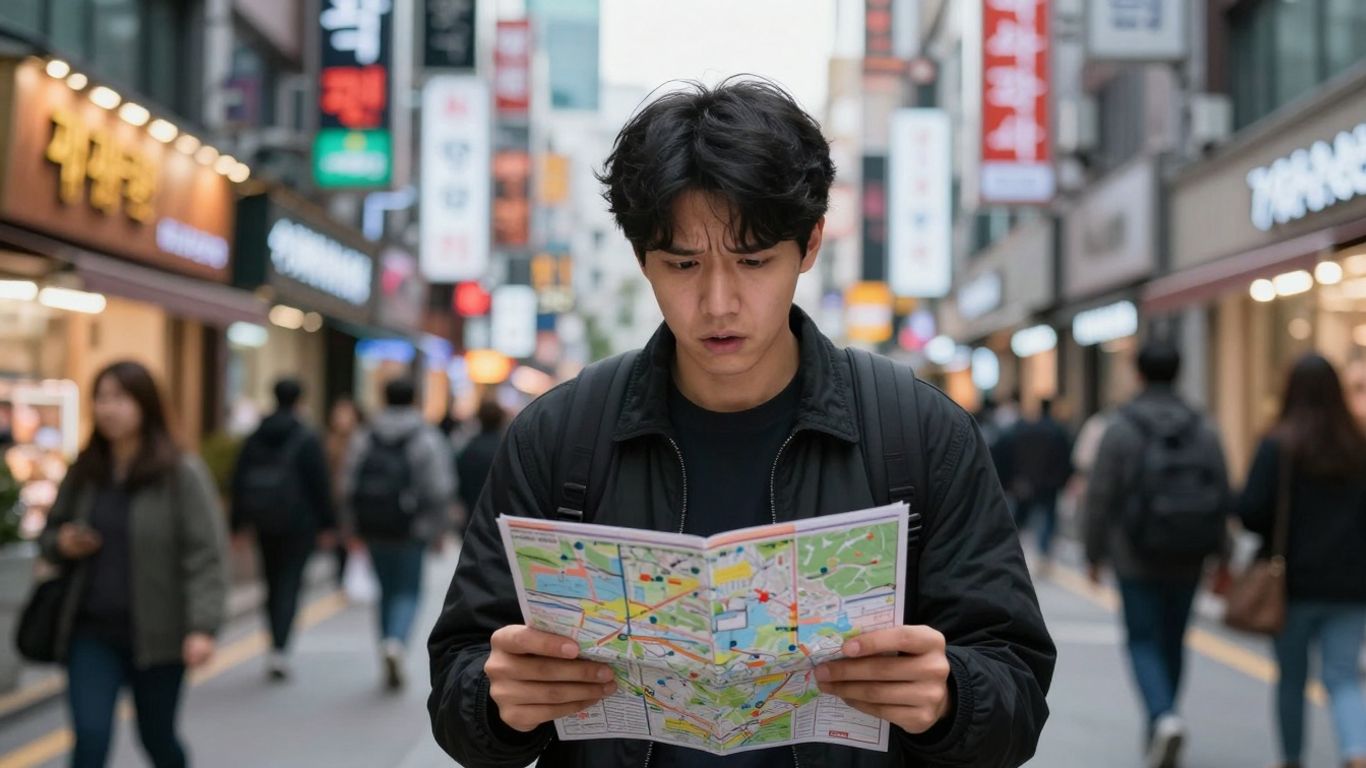
Moving to a new country is always a bit of a whirlwind, and Korea is no exception. Getting the basics sorted out can feel like a puzzle, but once you piece it together, it makes everything else so much easier. Think of it as building your foundation before you start decorating your new home.
Essential Steps for Establishing Connectivity
First things first: you need to be able to connect. Korea is a super connected place, and without a local phone number and data, even simple things like ordering food or getting directions can be a hassle. It’s a good idea to sort out a SIM card or a phone plan as soon as you can. Many people order one online before they even arrive, so they can pick it up at the airport. This way, you have internet access right away, which is a lifesaver for finding your way around and translating signs.
- Get a SIM card or eSIM: This is your lifeline for calls, texts, and data.
- Set up a messaging app: KakaoTalk is the big one here. Everyone uses it.
- Consider a portable Wi-Fi device: If you need more data or are traveling with others, this can be handy.
Navigating the Korean Housing Market
Finding a place to live is probably one of the biggest tasks. The Korean housing system can be a bit different from what you might be used to. A big thing to know is that deposits can be quite high – sometimes a large chunk of the apartment's value. Monthly rent is also a thing, but it usually means higher monthly payments. It’s also worth noting that most listings are in Korean, and landlords might prefer tenants who speak the language. This is where having a friend who speaks Korean or using a real estate agent who works with foreigners can really help.
The housing market moves fast. Don't expect to find a place months in advance; often, the search really kicks off about two weeks before you need to move in. Realtors might not even take inquiries much earlier than that.
Securing Serviced Apartments in Seoul for a Smooth Transition
If you want to ease into things without the immediate pressure of the long-term housing hunt, a serviced apartment can be a great option, especially in Seoul. These places often come furnished and include utilities, which means fewer things to worry about right off the bat. They offer a comfortable base while you get your bearings and figure out your longer-term housing plans. It’s a way to get settled without the immediate stress of setting up utilities or buying furniture. Plus, they're usually in convenient locations, making it easier to explore and get to know the city.
- Look for short-term leases: Serviced apartments are great for the first few weeks or months.
- Check what's included: Utilities, Wi-Fi, and sometimes even cleaning services can be part of the package.
- Consider location: Being close to public transport or areas you want to explore makes a big difference.
Avoiding Cultural Missteps
The Difference Between Tourists and Expats
Look, being a tourist is one thing. You pop in, see the sights, maybe make a minor gaffe, and then you're gone. Nobody really expects you to know all the ins and outs. But as an expat? You're here to stay, or at least for a good while. That means your actions have a bigger impact, and frankly, people expect a bit more from you. It's not about being perfect, but it is about showing you're making an effort to understand the place you've chosen to live. Think of it like this: a tourist might accidentally wear socks with sandals (gasp!), but an expat who consistently ignores local dress codes might be seen as disrespectful.
Preventing Misunderstandings and Friction
Misunderstandings happen, it's a given when you're in a new place. But a lot of friction can be avoided if you just pay a little attention. For instance, in Korea, there's a strong emphasis on modesty and humility. So, while you might be used to loudly celebrating your successes back home, here it can come across as bragging. It's not that you can't be proud of yourself, but maybe tone down the public declarations a bit. Similarly, public spaces tend to be quieter. You won't see people shouting into their phones on the subway. It's a small thing, but noticing and adapting to these differences makes a big difference in how you're perceived.
- Observe and Adapt: Spend time watching how locals interact in different settings – cafes, public transport, workplaces. What's the general vibe?
- Ask Questions (Politely): If you're unsure about something, it's usually better to ask a trusted friend or colleague than to guess and potentially offend.
- Learn Basic Phrases: Even a simple "Annyeonghaseyo" (Hello) or "Kamsahamnida" (Thank you) goes a long way in showing respect and effort.
It's easy to get caught up in the excitement of a new country and forget that you're a guest. While you shouldn't have to completely change who you are, a little bit of awareness and effort to fit in goes a long way. Think of it as adding a new skill to your repertoire, not losing your identity.
Adapting Behavior Without Compromising Identity
This is the tricky part, right? How do you blend in without losing yourself? It's about finding that sweet spot. You don't need to become a completely different person. It's more about understanding the local context and adjusting your behavior accordingly. For example, if you're in a professional setting, adopting a more formal tone and showing deference to seniors is often appreciated. This doesn't mean you can't be friendly or have your own personality; it just means you're showing respect for the established norms. It’s like wearing a suit to a job interview – it’s appropriate for the situation, but it doesn’t change who you are underneath. The goal is to be a considerate member of the community, not to erase your own background.
The Expat's Role in the Community
So, you've been living in Korea for a while now. You've figured out the subway, maybe even ordered coffee without pointing, and you're starting to feel like you actually live here, not just visit. But there's this whole other layer to being an expat that most people don't think about until they've been here a bit longer: giving back. It sounds a bit grand, but honestly, it's just about sharing what you've learned.
Documenting Your Journey for Others
When you first arrived, remember how confusing everything was? The visa stuff, finding a place to live, figuring out your phone plan – it was a lot. Writing down what you went through, the problems you hit, and how you solved them is a huge help to the next wave of expats. It doesn't have to be a novel; even a few notes or a quick social media post can make a difference. Think of it as leaving breadcrumbs for others.
Contributing to Online Expat Forums
There are tons of online groups for expats in Korea – KakaoTalk chats, Reddit threads, you name it. Instead of just lurking, jump in! When someone asks a question you know the answer to, share it. It might seem small, but answering questions about finding a doctor or understanding a rental contract can save someone a lot of stress. It's like being a helpful neighbor, but online.
Becoming a Resource for Newcomers
This is where things get really rewarding. You've walked the path, so you can help others avoid some of the bumps. Maybe you can meet up with someone new for coffee and share your experiences. Or perhaps you know a reliable mechanic or a good place to buy furniture. Sharing your network and your knowledge makes the transition smoother for everyone. It turns your own challenges into stepping stones for others, building a stronger expat community one connection at a time.
So, What's the Takeaway?
Look, moving to Korea is a big deal, and while the shiny brochures talk about K-pop and amazing food, there's a whole other side to it. It's not just about learning a few phrases or knowing where to get the best kimchi. It's about really paying attention to how things work here, the little things that matter to people. Sometimes, it’s the quiet on the subway, or how you greet someone, or even just understanding why a certain statue is important. These aren't huge, dramatic things, but they add up. Being aware and making an effort, even when it feels a bit awkward, can make all the difference between feeling like an outsider and actually feeling like you belong. It’s a learning curve, for sure, but one that’s totally worth it for a smoother, happier life here.
Frequently Asked Questions
What's the biggest cultural difference expats might not expect in Korea?
Many expats are surprised by how much Koreans value modesty and quietness, especially in public places like buses and subways. Being loud or overly boastful can be seen as rude, which is different from some Western cultures. It's important to be aware of this and try to blend in by keeping your voice down and being humble.
How important is it to learn Korean phrases as an expat?
While you can get by with English in some areas, knowing basic Korean phrases makes a huge difference. It shows respect and helps you connect with locals much better. Even simple greetings or 'thank you' can open doors and make daily tasks easier, especially outside of big tourist spots where English isn't widely spoken.
What are some good ways for expats to make friends in Korea?
Making friends can take time, but joining groups based on hobbies like sports, art, or even language exchange meetups is a great start. Many expats also find community through online groups or by frequenting cafes and bars known to be foreigner-friendly. Being patient and persistent is key!
Are there any specific etiquette rules I should be aware of?
Yes, several! For example, always use two hands when giving or receiving something, especially money or important documents. Also, be mindful of age and seniority; older people or those higher up in a company are shown more respect. It’s also common to take off your shoes before entering someone’s home or certain establishments.
What are the biggest practical challenges expats face when settling in?
Setting up essentials like a local phone number and a bank account can be tricky at first, often requiring specific documents like an ARC (Alien Registration Card). Finding housing can also be a challenge, as the market works differently than in many other countries, sometimes requiring large deposits. Having a plan for these practicalities is crucial.
How can I avoid causing cultural misunderstandings as an expat?
The best way is to be curious and observant! Try to understand the 'why' behind certain customs. Instead of judging differences, approach them with an open mind. Learning about Korean history and values can provide context. Remember, showing genuine effort to respect the local culture goes a long way in preventing friction.
Filed under
The Moveandstay editorial team writes about serviced living, workspaces, and city guides across Asia-Pacific.