The biggest relocation mistake people make in Thailand

Moving to Thailand is exciting, but it's easy to stumble into common pitfalls. Many people, especially those relocating for work, make the same few mistakes that can really make things harder than they need to be. From figuring out where to live to just getting around, a little foresight goes a long way. Let's talk about some of the big ones so you can have a smoother time settling in.
Key Takeaways
- Don't assume you'll find the perfect place to live, especially for corporate relocation housing in Bangkok, without doing thorough research or getting local help. It's easy to underestimate what's available and what fits your needs.
- Trying to wing it with language and cultural differences often leads to misunderstandings. Learning even a little Thai and respecting local customs makes a huge difference in daily life and business.
- Be smart with your money. Scams are out there, and unexpected costs pop up. Keeping a close eye on your spending and knowing what to watch out for is key.
- Relying only on other foreigners or rushing your move can cause problems. Taking advice from locals and giving yourself enough time to plan properly is way better.
- Adjusting to the local way of life, including traffic and general pace, is important. Trying to force your old habits onto a new environment usually doesn't work out well.
Navigating Bangkok's Transportation and Accommodation
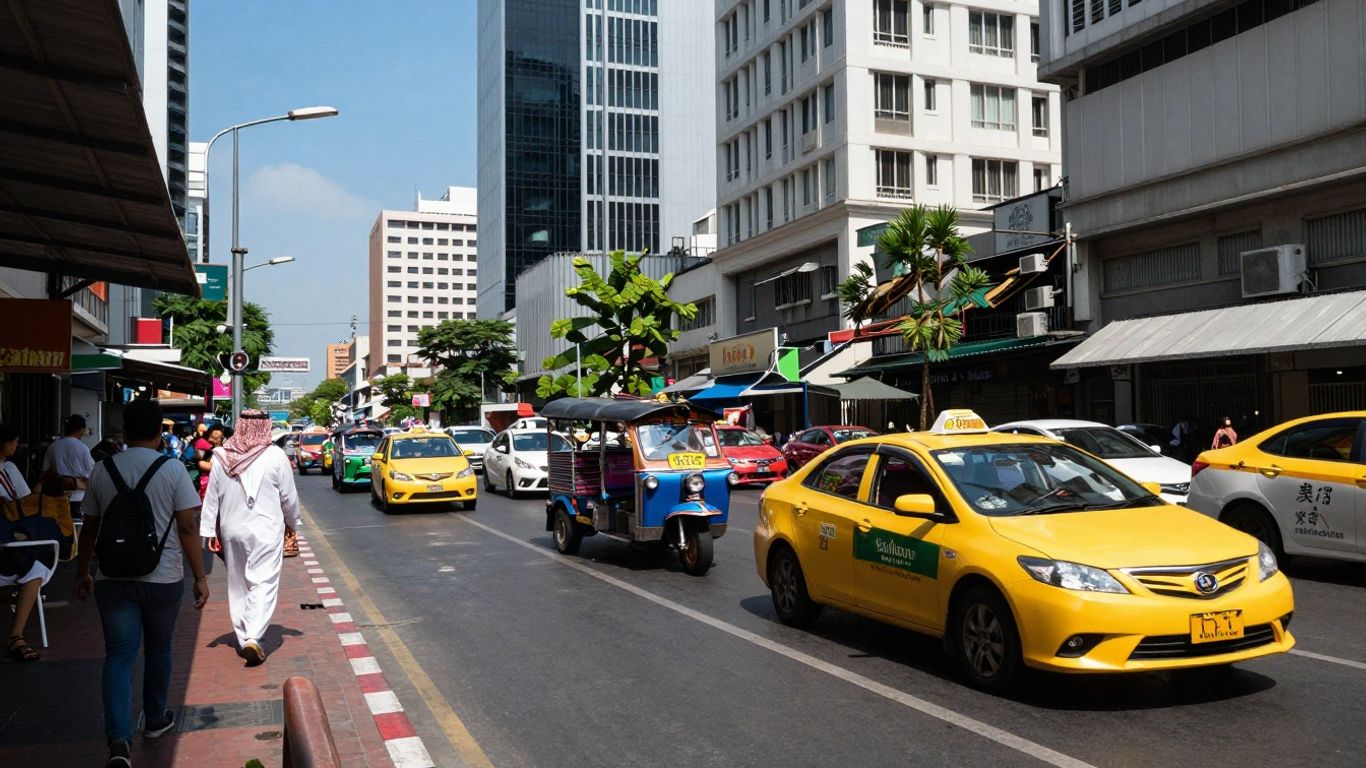
Getting around Bangkok and finding a place to stay can feel like a puzzle, especially when you're new. It's easy to get overwhelmed, but a little planning goes a long way.
Understanding Bangkok's Dual Airport System
First things first, Bangkok has two main airports: Suvarnabhumi (BKK) and Don Mueang (DMK). This is a big one, and people often mix them up, leading to missed flights or a very expensive taxi ride to the wrong place. BKK is the newer, bigger international hub, while DMK is older and handles a lot of domestic and budget airline flights. Always double-check which airport your flight is arriving at or departing from. Seriously, write it down.
Leveraging Local Apps for Seamless Travel
Forget trying to hail taxis on the street all the time, especially during rush hour. The real lifesaver here is using local apps. Grab is the big one – it's like Uber but also does food delivery and package delivery. You can book a car or a motorbike taxi right from your phone, see the price upfront, and track your driver. It makes getting around so much easier and cuts down on the 'are we going the right way?' anxiety. For public transport, the BTS Skytrain and MRT subway are pretty straightforward, but apps can help you plan routes.
Securing Suitable Corporate Relocation Housing Bangkok
When you're moving for work, finding the right place to live is key. Corporate relocation housing in Bangkok can range from serviced apartments to fully furnished condos. Don't just pick the first thing you see online. Think about your commute to work – how long will it really take? What's nearby? You'll want to consider proximity to grocery stores, maybe a gym, and public transport. It's also worth looking at different neighborhoods; some are quieter, while others are right in the middle of the action.
Finding a place that feels like home, even temporarily, makes a huge difference in settling into a new city. It's not just about having a roof over your head; it's about creating a base where you can relax and recharge after a long day.
Here are a few things to keep in mind when looking for accommodation:
- Location is everything: Is it close to your office? Is it safe? Are there amenities nearby?
- Lease terms: Understand what you're signing. What's included? What are the rules?
- Budget: Factor in rent, utilities, and any potential deposit or fees. Prices can vary a lot.
Cultural Integration and Communication Challenges
Moving to a new country like Thailand is exciting, but it comes with its own set of hurdles, especially when it comes to fitting in and making yourself understood. It's not just about knowing where to buy groceries; it's about understanding the unspoken rules and connecting with people on their terms. Many people underestimate how much this impacts their experience.
The Importance of Learning the Thai Language
Sure, you can get by in tourist areas with English, and translation apps are pretty good these days. But if you really want to feel at home and avoid misunderstandings, picking up some Thai is a game-changer. It shows respect and opens doors that might otherwise stay shut. Even knowing a few basic phrases can make a huge difference in daily interactions. It's not about becoming fluent overnight, but about making an effort. This effort is often recognized and appreciated by locals, making your interactions smoother and more genuine. The language barrier in Thailand can be a significant hurdle, but actively working to overcome it pays off.
Adapting to Thai Cultural Nuances
Thailand has a rich culture with unique social customs. Things like
Financial Prudence and Avoiding Scams
When you're settling into life in Thailand, keeping your finances in check and staying sharp about potential scams is super important. It's easy to get caught up in the excitement, but a little bit of caution can save you a lot of headaches and money.
Managing Cash Transactions Effectively
While credit cards are accepted in larger establishments, Thailand still runs on cash for a lot of daily transactions. Think street food stalls, local markets, and smaller shops – they'll almost always want baht. It’s a good idea to always have some cash on hand. You don't want to be that person holding up a line because you can't pay for a delicious plate of noodles.
- Withdraw larger amounts: ATM fees can add up quickly if you're taking out small sums frequently. Try to withdraw a larger amount less often to minimize these charges.
- Use reputable exchange booths: If you need to exchange currency, stick to official exchange booths, often found in malls or major tourist areas. Avoid unofficial street money changers.
- Keep small bills handy: Once you have your cash, try to break larger bills at convenience stores or smaller shops so you have smaller denominations for everyday purchases.
Recognizing Common Tourist Scams
Unfortunately, like many popular destinations, Thailand has its share of scams targeting tourists. Being aware of these can help you steer clear.
- The "Attraction Closed" Scam: You'll be dropped off at a famous temple or attraction, only to be told it's closed for a holiday or special event. The tuk-tuk driver will then offer to take you to a "better" place, which is usually a gem shop or tailor where you'll be pressured to buy.
- The Tuk-Tuk Price Gouge: Agree on a price before you get in any tuk-tuk. Some drivers will take you on a scenic (and often pointless) tour, then demand an exorbitant amount at the end. Using ride-sharing apps like Grab is often a safer bet for predictable pricing.
- Gem and Tailor Scams: Be very wary if someone approaches you on the street offering "deals" on gems or custom suits. These are almost always overpriced and of poor quality.
It's not about being paranoid, but rather being informed. Most Thai people are incredibly honest and welcoming. The scams are usually perpetrated by a small number of individuals looking to take advantage of visitors. A healthy dose of skepticism, especially when something seems too good to be true, goes a long way.
Budgeting for Unexpected Fees
Beyond the everyday costs, there are often smaller fees that can creep up on your budget if you're not prepared. These might not break the bank individually, but they can add up.
- National Park Fees: Many beautiful islands and natural attractions, especially in the south, charge an entrance fee. These can range from a few dollars to a bit more.
- ATM Withdrawal Fees: As mentioned, these can be significant if you're not mindful of how often you use them.
- Potential Fines: If you're renting a scooter, be aware of local traffic laws. Fines for not wearing a helmet or other violations can add unexpected costs.
Planning Your Relocation Strategy
So, you're thinking about moving to Thailand. That's exciting! But before you pack your bags and book that flight, let's talk about making sure your move goes smoothly. A lot of people jump in without a solid plan, and that's where things can get messy.
Avoiding Over-Reliance on Expatriate Networks
It's natural to want to connect with other foreigners when you arrive in a new country. Expat groups can be a good starting point for quick advice or finding familiar faces. However, relying too heavily on these networks can actually hold you back. You might end up getting advice that's geared towards short-term visitors, or you could miss out on understanding how things really work for long-term residents. Try to balance your connections between the expat community and local Thai people. This gives you a much richer perspective and can help you avoid common pitfalls that only outsiders face.
The Pitfalls of Rushing Relocation Plans
Impatience is a big mistake. Thinking you can sort out housing, visas, and all the other details in a week or two is a recipe for stress. Things in Thailand often move at a different pace, and trying to force them into your Western timeline just won't work. You'll end up frustrated and possibly making costly errors. Give yourself ample time for research and execution. For instance, understanding the requirements for a Thailand Long-Term Resident Visa can take time and careful preparation.
The Value of Local Recommendations
When you're looking for anything – from a good place to live to a reliable mechanic – don't just ask the first foreigner you meet. While some expat advice is solid, local recommendations often lead to better deals and more authentic experiences. This could mean finding a neighborhood that truly suits your lifestyle or discovering services that are more affordable and efficient. It takes a bit more effort to seek out these local insights, but the payoff is huge. It's about building trust and understanding the local way of doing things, which is key to a successful move.
Here are a few things to keep in mind:
- Research neighborhoods thoroughly: Don't just pick a place based on online photos. Visit different areas at different times of day.
- Understand rental agreements: Read the fine print, especially regarding deposits, lease terms, and any potential fees.
- Learn basic Thai phrases: Even a little effort goes a long way in building rapport and getting better service.
Trying to rush through the relocation process often leads to overlooking important details. This can result in higher costs, unnecessary stress, and a less fulfilling experience in Thailand. Patience and thoroughness are your best allies.
Consider this common scenario:
| Aspect | Rushed Approach | Planned Approach |
|---|---|---|
| Housing | Books first available, often overpriced | Researches multiple areas, negotiates better rates |
| Visa Process | Haphazardly gathers documents, misses deadlines | Understands requirements, applies well in advance |
| Local Services | Relies on expat recommendations, higher costs | Seeks local referrals, finds better value |
| Cultural Integration | Minimal effort, potential misunderstandings | Actively learns customs, builds stronger relationships |
Lifestyle Adjustments for a Smoother Transition

Moving to a new country like Thailand isn't just about finding a place to live and figuring out the commute. It's also about adjusting how you live day-to-day. Sometimes, the biggest hurdles aren't the obvious ones, but the subtle shifts in routine and expectation.
Embracing the Local Pace of Life
Thailand is often called the "Land of Smiles," and part of that comes from a generally more relaxed approach to time. Things might not always happen on the exact schedule you're used to. Appointments could start a little late, deliveries might take longer than expected, and that "urgent" request might not feel so urgent to everyone else. Instead of getting frustrated, try to go with the flow. This doesn't mean being unproductive, but rather understanding that efficiency here sometimes looks different. It's about adapting your own internal clock to sync better with the local rhythm.
- Be patient: Things often take longer than you anticipate. Build extra time into your plans.
- Don't expect everything to be on your schedule: Learn to let go of rigid timelines.
- Find the positives: A slower pace can mean less stress and more opportunity to appreciate your surroundings.
Adapting to Driving Standards
If you plan on driving or even just crossing the street, you'll notice that traffic rules can seem... flexible. Motorbikes weave through cars, horns are used frequently (often as a signal rather than an angry outburst), and traffic lights are sometimes treated as suggestions. For your own safety and sanity, it's best to adapt rather than expect others to change.
- If you drive: Consider taking a local driving course or at least spending significant time as a passenger observing before getting behind the wheel yourself. Understand the common practices and be extra defensive.
- If you don't drive: Use ride-sharing apps like Grab. They're generally reliable and often cheaper than traditional taxis. When walking, always look both ways multiple times before crossing, and be aware of your surroundings.
- Motorbike taxis: These are common for short distances, but assess the driver's confidence and the condition of the bike before hopping on.
The key is to observe, learn, and adjust your own behavior to match the environment. Trying to impose your home country's driving norms will likely lead to frustration and potential danger.
Prioritizing Authentic Experiences
It's easy to fall into the trap of seeking out places and activities that cater specifically to foreigners. While there's nothing wrong with comfort, you'll miss out on so much of what makes Thailand special if you stick only to the familiar. Seek out local markets, try street food from busy stalls (look for ones with high turnover), and explore neighborhoods away from the main tourist hubs. Engaging with local culture, even in small ways like trying to order food in basic Thai or attending a local festival, can make your experience much richer.
- Eat where the locals eat: Look for busy food stalls and small restaurants filled with Thai people.
- Explore beyond the tourist zones: Wander through local neighborhoods and discover hidden gems.
- Engage with local customs: Learn a few basic Thai phrases, show respect at temples, and be open to new experiences.
So, What's the Takeaway?
Look, Thailand is an amazing place, truly. But it's easy to get caught up in the postcard version and forget it's a real country with its own ways. The biggest slip-up? Probably thinking you can just breeze in and have everything work like it does back home, or treating it like a giant theme park. Learning a few Thai words, respecting local customs, and ditching the 'I know best' attitude goes a long way. It’s about being a guest, not just a tourist. Do that, and you'll find the real magic of Thailand, the stuff that keeps people coming back for more.
Frequently Asked Questions
What's the biggest mistake people make when moving to Thailand?
A common slip-up is not really trying to understand and connect with the local way of life. Many newcomers stick too closely to what they know from home or only hang out with other foreigners. This can lead to missing out on the real Thai culture and making the adjustment harder than it needs to be.
Why is learning some Thai important, even if many people speak English?
While English is spoken in tourist spots and business, knowing even a little Thai goes a long way. It shows respect for the local culture and can help you connect with people on a deeper level. It can also make everyday tasks smoother and open doors to more genuine experiences.
What should I know about getting around in Bangkok?
Bangkok has two main airports, Suvarnabhumi (BKK) and Don Mueang (DMK). It's super important to know which one you're flying into or out of to avoid confusion and missed flights. Also, using ride-sharing apps like Grab can make getting around the city much easier and more predictable than just hailing taxis.
Are there common scams I should watch out for?
Yes, tourists sometimes fall for scams. Be wary of deals that seem too good to be true, especially with tuk-tuk rides or offers for 'special tours' that pop up unexpectedly. Always agree on a price beforehand and do a quick online search if something feels off. Using apps for transport can help avoid many of these issues.
How can I handle money wisely in Thailand?
It's a good idea to carry some cash, especially for smaller shops, local markets, and street food vendors, as they often don't accept cards. While ATMs are widely available, be aware of potential fees. Also, try not to flash large amounts of cash around, as this can attract unwanted attention.
What's the best way to find a place to live?
Instead of relying only on expat groups, try to get recommendations from people who have lived in Thailand longer or local contacts. Online platforms and local real estate agents can be helpful, but doing your homework and getting advice from trusted sources can prevent you from ending up in a less-than-ideal living situation.
Filed under
The Moveandstay editorial team writes about serviced living, workspaces, and city guides across Asia-Pacific.