
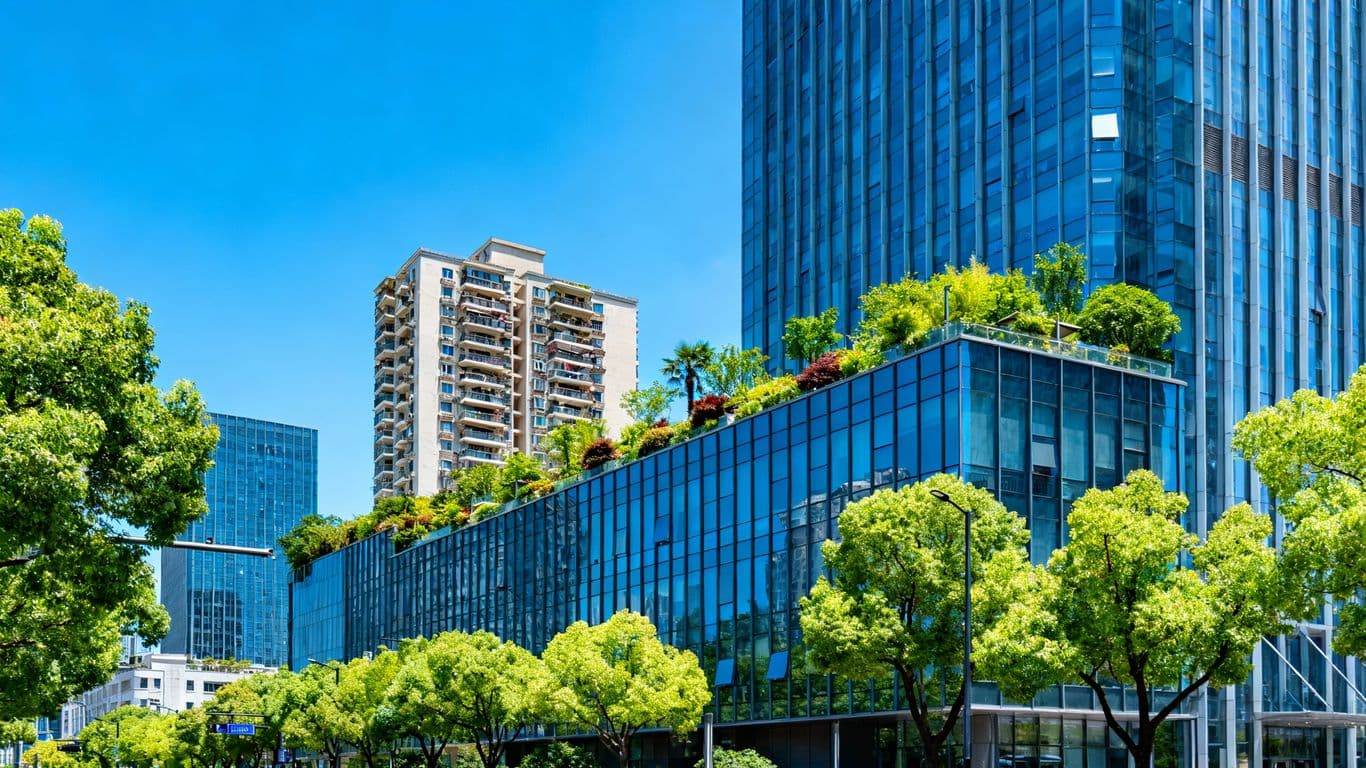
So, you're thinking about a long stay in Singapore? It's a fantastic city, no doubt about it. The food is amazing, the city is super clean, and there's always something cool to see. But, like anything, there are a few things to know before you pack your bags for an extended trip. It’s not as simple as just showing up and staying for months, especially if you're trying to do it on a tourist visa. Let's break down what you need to consider, from the official rules to the everyday practicalities.
Key Takeaways
- Singapore has strict immigration rules, and trying to stay longer than a typical tourist on a visa can raise red flags, potentially leading to denial of entry. Genuine tourists usually don't stay for months.
- For extended legal stays, consider options like getting a job that sponsors an Employment Pass, marrying a Singaporean citizen for a Long-Term Visit Pass (LTVP), or exploring investor schemes if you have significant capital.
- If you're a digital nomad, look into visa options in nearby countries like Malaysia or Indonesia, and then make shorter visits to Singapore. This avoids issues with Singaporean immigration.
- Pack light, breathable clothing for the hot and humid tropical weather, but also bring a light jacket or scarf for the surprisingly cold indoor air conditioning in malls and buildings.
- While Singapore is a great base, consider the cost of living, especially for dining and drinks. Exploring options like hawker centers for food and looking into short term rental Singapore for accommodation can help manage expenses.
Navigating Singapore's Immigration Rules
So, you're thinking about a long stay in Singapore, maybe six months or more? It's a fantastic city, no doubt, but when it comes to the immigration side of things, it's not quite as straightforward as just booking a flight and showing up. Singapore has some pretty clear rules about how long visitors can stay, and they tend to keep a close eye on patterns that look a bit unusual for a typical tourist.
Understanding Tourist Visa Limitations
Most nationalities get a visa-free entry for a certain period, usually around 30 to 90 days, depending on your passport. This is meant for short visits – think holidays, seeing the sights, maybe a quick business trip. If you're seen to be staying for extended periods repeatedly on a tourist visa, it can raise red flags. Immigration officers are looking for genuine tourists, and someone spending months on end, year after year, might not fit that picture. It's not that they don't want visitors, but they want to make sure people aren't trying to live there long-term without the proper permits, which often means working illegally.
Exploring Legal Long-Term Stay Options
If you have a solid reason to stay longer, you'll need to look into official channels. This usually means:
- Getting a Job Offer: If you can secure a job with a Singaporean company, they can sponsor you for an Employment Pass. This is a common route for professionals.
- Long-Term Visit Pass (LTVP): This is typically for family members of Singapore citizens or permanent residents. If you have a partner who is a Singaporean citizen or PR, marriage could open the door to this.
- Investor Schemes: For those with significant financial resources, there are schemes that allow you to invest in Singapore and gain residency. This definitely isn't a budget option, though.
Considering Digital Nomad Visas in Neighboring Countries
Singapore itself doesn't have a specific digital nomad visa right now. If your work allows you to be location-independent, you might find it easier to base yourself in nearby countries that do offer such visas. Places like Malaysia or Indonesia have options that let you stay for longer periods while working remotely. You could then visit Singapore for shorter, more manageable trips without triggering any immigration concerns. It's a bit of a workaround, but it's a practical one for many.
It's really important to be upfront and honest with immigration. Trying to bend the rules or overstaying your welcome can lead to serious consequences, like being denied entry in the future, which would make any future travel plans to Singapore incredibly difficult.
Basically, if you're not working there and don't have family ties, a six-month stay on a tourist visa is probably not going to fly. It's better to plan ahead and explore the legitimate long-term options or consider basing yourself elsewhere in the region for your extended stay.
The Practicalities of Extended Stays
So, you're thinking about sticking around Singapore for more than just a quick holiday? It's a fantastic city, no doubt, but settling in for a longer haul comes with its own set of considerations. It's not just about booking another hotel room; you've got to think about the climate, how you'll get around, and just generally fitting in.
Packing for Tropical Climates and Humidity
First off, let's talk about the weather. Singapore is hot and humid, pretty much year-round. We're talking about that sticky kind of heat where your clothes feel damp almost instantly. You'll want to pack light, breathable fabrics like cotton and linen. Think shorts, t-shirts, and sundresses. Forget heavy sweaters or thick jeans; they'll just make you miserable. Evenings don't offer much relief, so layers aren't really a thing here unless you're ducking into an air-conditioned building. Also, a good umbrella or a lightweight rain jacket is a must, as sudden downpours are common.
Adapting to Indoor Air Conditioning
This is a big one. While it's sweltering outside, almost every indoor space in Singapore is kept at a chilly temperature. Malls, offices, even some buses and taxis blast the air conditioning. You'll go from sweating buckets one minute to shivering the next. It's a good idea to keep a light cardigan or a scarf handy for when you pop inside. Some people find this constant temperature shift a bit jarring at first, but you get used to it. Just be prepared for the contrast!
Understanding Local Customs and Etiquette
Singapore is a melting pot of cultures, and while people are generally very polite and understanding, knowing a few basics goes a long way. For instance, it's considered rude to eat or drink on public transport. When visiting temples or mosques, dress modestly – cover your shoulders and knees. Tipping isn't customary in restaurants or for services; a service charge is usually already included in the bill. Also, remember that Singapore is famously clean and orderly, so littering is a big no-no and can result in hefty fines. Being mindful of these small things makes a big difference in how you're perceived and how smoothly your stay goes.
Singapore's efficiency extends to its public services and infrastructure. Things generally work, and they work well. This can be a refreshing change, but it also means there's a certain expectation of order and adherence to rules that's quite ingrained in daily life.
Here are a few more points to keep in mind:
- Queueing: Singaporeans are big on queues. Whether it's for food, a bus, or a shop, form an orderly line. Cutting in line is frowned upon.
- Noise Levels: While it's a bustling city, try to be mindful of noise, especially in residential areas or on public transport. Loud conversations or music can be disruptive.
- Respect for Elders: As in many Asian cultures, showing respect to elders is important. This can be as simple as offering a seat on the bus or being polite in your interactions.
If you're planning an extended stay, you might also want to look into options for longer-term accommodation, as short-term rentals can add up quickly. For those considering a longer visit, understanding the visa situation is key. While tourist visas are straightforward, staying for six months or more requires a different approach, and it's worth looking into options like the Long-Term Visit Pass (LTVP) if applicable, though processing for a Long-Term Visit Pass can take a while.
Singapore's Unique Urban Landscape
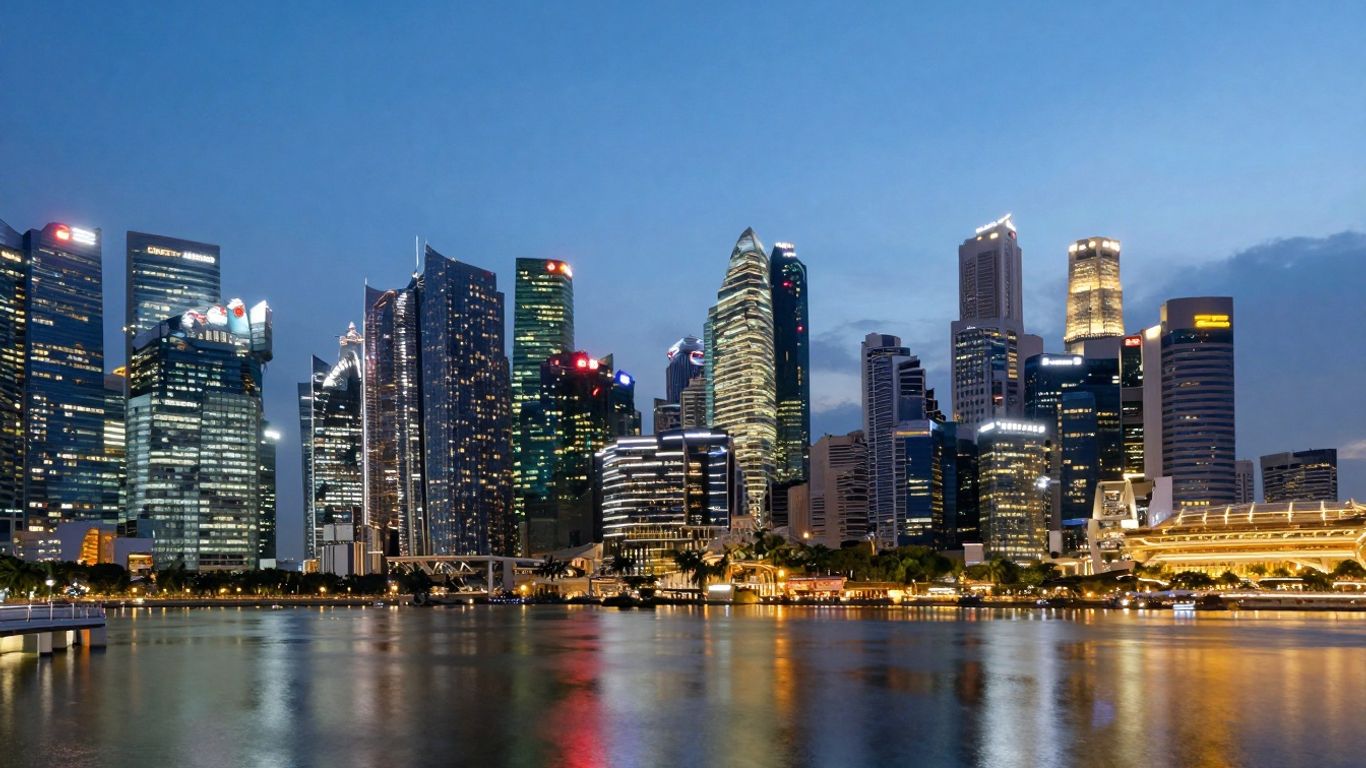
Singapore really is something else when it comes to how it looks and feels. It’s this crazy mix of super modern, almost sci-fi architecture right next to older, charming buildings. You can spend your morning looking at futuristic skyscrapers and then wander through streets that feel like they’re from another era.
Exploring the Futuristic Marina Bay
Marina Bay is probably what most people picture when they think of Singapore. It’s got that iconic skyline with the Marina Bay Sands hotel, which looks like a ship balanced on three towers. It’s a place that feels really polished and, honestly, a bit ritzy. We spent a lot of time just walking around here, taking in the sights. It’s the kind of place that makes you feel like you’ve stepped into a movie.
- Gardens by the Bay: This is a must-see. The Supertrees are incredible, especially at night. You can walk on the OCBC Skyway to get right among them, which is way better for photos than just looking up from the ground.
- Garden Rhapsody: Don't miss the free light and sound show at the Supertrees. It happens every night, and it’s pretty magical watching the trees light up and move to music.
- Marina Bay Sands: Even if you don't stay here, it's worth seeing. The architecture is wild, and the views from the area are amazing.
Singapore manages to blend the hyper-modern with pockets of history in a way that feels quite deliberate. It's not just random; the city's layout often reflects its past, making even the newest areas feel grounded.
Discovering the Underground Shopping Malls
While the above-ground sights are stunning, Singapore also has a whole other world beneath your feet. The city has an extensive network of underground malls and walkways, especially around the Orchard Road and Marina Bay areas. It’s a smart way to get around, especially when it’s hot and humid outside, or if there’s a sudden downpour – which happens often!
- Connectivity: These underground networks link major shopping centers, MRT stations, and office buildings, making it easy to travel without stepping outside.
- Climate Control: It’s a welcome escape from the tropical heat and humidity, offering a cool and comfortable environment for shopping or just passing through.
- Hidden Gems: You can find everything from high-end boutiques to casual eateries and even art installations tucked away in these subterranean spaces.
Experiencing the Green Spaces and Parks
What’s really striking about Singapore is how much green space there is, even in the middle of all the concrete and steel. It feels like the city was built within a garden, rather than just having parks added on. This constant connection to nature is something special.
- Singapore Botanic Gardens: This UNESCO World Heritage Site is a beautiful place to wander, with its stunning orchid displays and peaceful walking paths.
- Fort Canning Park: Rich in history, this park offers a green oasis with historical artifacts and lovely views over the city.
- East Coast Park: A long, flat park by the sea, perfect for cycling, rollerblading, or just enjoying a picnic with a sea breeze.
The sheer amount of well-maintained green spaces woven into the urban fabric is one of Singapore's most impressive features. It creates a unique atmosphere where nature and city life coexist harmoniously.
Cultural Immersion and Exploration
Singapore is a melting pot, and really getting to know it means diving into its diverse neighborhoods and, of course, eating everything in sight. It’s more than just the shiny skyscrapers; the real soul of the city is found in its distinct cultural pockets and bustling food scene.
Visiting Ethnic Neighborhoods
Singapore’s ethnic enclaves are vibrant and offer a real glimpse into the lives of its different communities. You can spend days just wandering through these areas, soaking it all in.
- Kampong Glam: This is the historic Malay-Arab quarter. Think colorful shophouses, trendy boutiques, and the majestic Sultan Mosque. Haji Lane is famous for its street art and independent shops, while Arab Street is great for textiles and perfumes. The food here is a mix, but you'll find fantastic Middle Eastern and Malay options.
- Little India: Prepare for a sensory overload – in the best way possible! Serangoon Road is the main artery, lined with temples, spice shops, and restaurants. The Sri Veeramakaliamman Temple is a must-see for its intricate carvings. For a truly unique experience, the 24-hour Mustafa Centre sells just about anything you can imagine.
- Chinatown: This area is a classic. You'll find traditional shophouses, bustling markets, and numerous temples like the Buddha Tooth Relic Temple and Museum. It’s a great place to pick up souvenirs and sample local snacks.
Exploring these neighborhoods can feel intense, especially Little India. It's a lot to take in all at once, but that's part of the experience. Just go with the flow and let your senses guide you.
Sampling Local Cuisine at Hawker Centers
Forget fancy restaurants for a moment; the heart of Singaporean food culture beats in its hawker centers. These are open-air food courts where you can find an incredible variety of local dishes at super affordable prices. It's where locals eat, and it's the best way to taste authentic Singapore.
Here are a few popular spots:
- Lau Pa Sat: Located in the financial district, this place is a beautiful Victorian-era building that transforms into a satay street at night. Great for a bit of everything.
- Maxwell Food Centre: Famous for Tian Tian Hainanese Chicken Rice, but honestly, everything here is good. It's a classic choice.
- Tekka Centre: Situated in the heart of Little India, this center offers a fantastic range of Indian and Malay dishes alongside Chinese options.
Don't be shy! Point at what looks good, try a few different things, and embrace the communal dining experience. It's noisy, it's busy, but it's delicious.
Understanding Singapore's Multilingual Society
Singapore has four official languages: English, Malay, Mandarin Chinese, and Tamil. While English is the language of business and administration, you'll hear a mix of languages and dialects everywhere. Singlish, the local colloquial English, is a unique blend that incorporates words and grammar from the other languages. It can be a bit tricky to understand at first, but listening to locals chat is part of the fun. You'll see signs in multiple languages, and menus often reflect this linguistic diversity. It’s a constant reminder of the different cultures that make up this small island nation.
Beyond the City: Islands and History
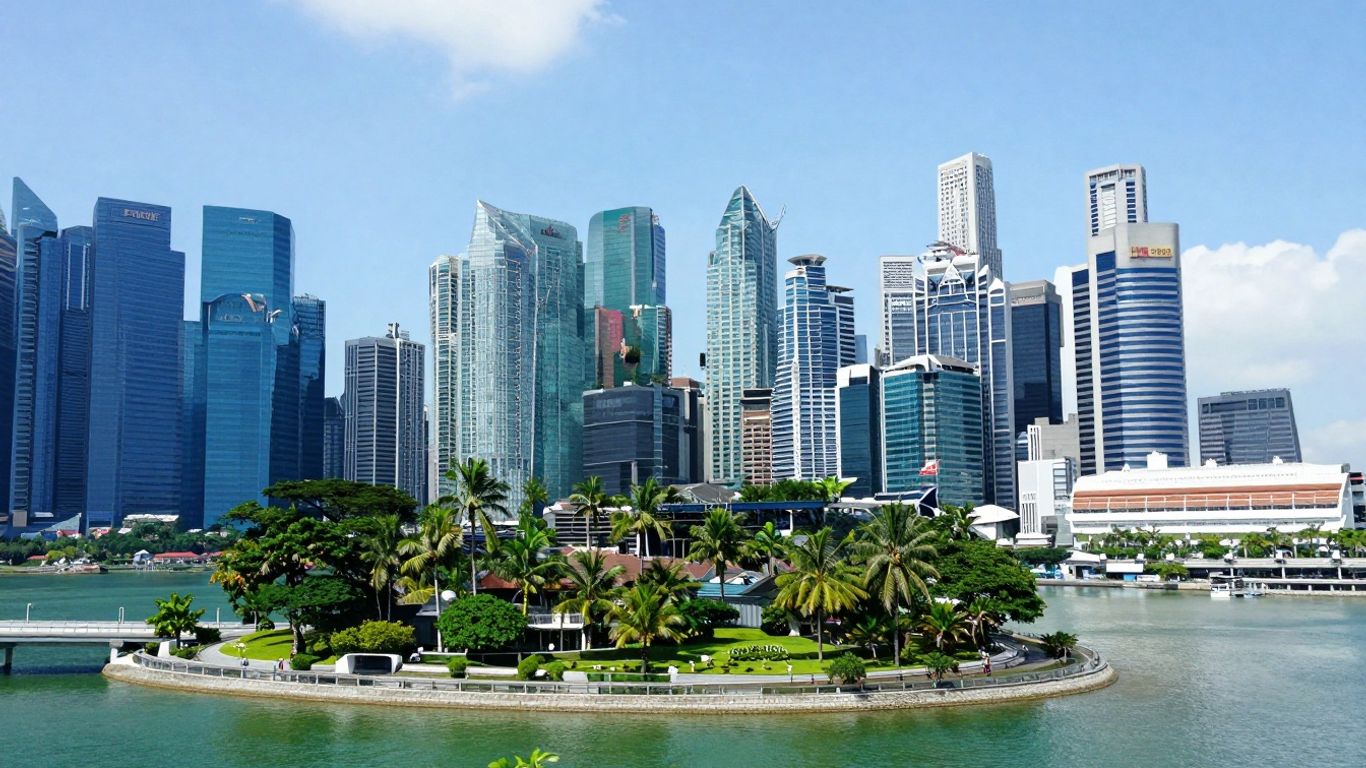
Singapore isn't just about the gleaming skyscrapers and futuristic gardens, though those are pretty amazing. If you've got a bit more time, or just want a change of pace, there are some fantastic islands and historical spots that are totally worth checking out. It’s a nice way to see a different side of the country.
Day Trips to Sentosa and St. John's Island
When you think of islands near Singapore, Sentosa probably comes to mind first. It's a super popular spot, especially if you're traveling with kids. Think theme parks like Universal Studios, beaches, and all sorts of attractions. We took the cable car over, which was a fun ride, and spent a day hitting some rides and walking along the beach. Honestly, it's huge, and you could easily spend two days there and still not see everything. There are cheaper ways to get there than the cable car, like a monorail or even a pedestrian bridge, so look into that.
On the flip side, there are islands like St. John's and Lazarus. These are the complete opposite of Sentosa – really quiet and natural. We took a ferry over and it was so peaceful. Lazarus Island has a beautiful beach, and it felt like a real escape. It's worth noting that these islands don't have shops or places to buy food, so definitely pack plenty of water and snacks. It gets really hot and humid, so more water than you think you'll need is a good idea.
- Sentosa: Packed with attractions, theme parks, and beaches. Great for families and those looking for entertainment.
- St. John's Island: Offers a tranquil escape with natural beauty and quiet beaches.
- Lazarus Island: Connected to St. John's, known for its pristine, often deserted, beaches.
Exploring WWII History at The Battlebox
For history buffs, The Battlebox is a must-see. It's this incredible underground command center from World War II, hidden deep within Fort Canning Hill. This is where the British made the decision to surrender Singapore to the Japanese. Walking through the maze of rooms, with wax figures and old maps, really gives you a sense of the history. It's quite atmospheric. You can visit for free, or pay a bit extra for an audio guide and more interactive elements, but the basic visit is pretty compelling on its own.
Remember that Singapore is hot and humid outside, but all museums are kept very cool. It's a good idea to bring a light jacket or sweater, especially if you plan on spending a lot of time indoors at places like The Battlebox or other museums.
Visiting Museums and Heritage Sites
Beyond The Battlebox, Singapore has a rich tapestry of museums and heritage sites. The Asian Civilizations Museum is fantastic for understanding the diverse cultural influences that have shaped Singapore. They have some really interesting artifacts, like ceramics from a 9th-century shipwreck, which gives you a glimpse into ancient trade routes. It’s a great way to connect with the region's past. Also, don't forget to explore the various ethnic neighborhoods like Chinatown, Little India, and Kampong Glam. Each has its own unique temples, markets, and food stalls, offering a real taste of the different cultures that make up Singapore. It feels like stepping into another world just by walking a few blocks.
Budgeting for Your Singapore Visit
Okay, let's talk about money. Singapore can seem a bit daunting price-wise, but it doesn't have to break the bank if you plan smart. The biggest thing to remember is that while fancy restaurants and high-end shops are plentiful, there are also super affordable ways to eat and shop.
The Cost of Dining and Drinks
Food is where you can really save some cash. Forget those pricey hotel buffets; the real culinary heart of Singapore beats in its hawker centers. You can get a delicious, filling meal for just a few Singapore dollars. Think chicken rice, laksa, or char kway teow. Even in these bustling food courts, it's good to have some cash on hand, as many smaller stalls prefer it. For drinks, tap water is safe and free, so carry a reusable bottle. If you do want to grab a beer or a cocktail at a bar, expect prices to be more in line with other major global cities.
Here's a rough idea of daily food costs:
| Meal Type | Estimated Cost (SGD) |
|---|---|
| Hawker Center Meal | $5 - $10 |
| Casual Cafe Meal | $15 - $25 |
| Restaurant Meal | $30+ |
| Coffee/Tea | $2 - $5 |
| Beer/Cocktail | $10 - $18 |
Shopping and Tax Refunds
Shopping in Singapore can be a major draw, especially along Orchard Road. While you can spend a fortune on designer goods, there are also plenty of mid-range and budget-friendly options. Remember to keep your receipts if you plan to claim the Goods and Services Tax (GST) refund. You can do this at the airport before you depart if you meet the minimum spending requirements (usually S$100). It's a nice little chunk of money back, so don't forget to ask for the tax-free form at the time of purchase. Some stores might add it automatically, but it's always good to check.
Finding Affordable Short-Term Rental Singapore Options
Accommodation is often the biggest expense. Hotels in prime locations can get pricey quickly, especially for longer stays. If you're looking to stay for a month or more, consider alternatives to traditional hotels. Look into serviced apartments, which can offer more space and kitchen facilities, potentially saving you money on food. Websites specializing in short-term rentals might also have options, but be sure to check reviews and understand the terms carefully. Sometimes, booking a bit further out from the absolute city center can also yield significant savings, provided you're comfortable using Singapore's excellent public transport system to get around.
Singapore's public transport is incredibly efficient and affordable, making it feasible to stay slightly outside the main tourist hubs and still get everywhere easily. Factor in the cost of an EZ-Link card or simply use your contactless credit card for seamless travel on the MRT and buses. This can be a much cheaper alternative to relying on taxis or ride-sharing services for every trip.
So, About That Six-Month Stay...
Look, Singapore is a fantastic place, no doubt about it. It's clean, safe, and there's always something cool to see or do. But trying to stretch a tourist visa for half a year? That's where things get tricky. Most people visit for a week or so, and immigration notices when you're trying to stay way longer than the average tourist. If you're serious about extended stays, you'll need to look into actual work passes, investor visas, or maybe consider basing yourself in nearby countries and popping over for short visits. Singapore is amazing, but it's not really set up for long-term, visa-run-style visits. Plan accordingly, or you might find yourself on the wrong side of immigration.
Frequently Asked Questions
Can I stay in Singapore for 6 months every year?
Singapore has rules about how long tourists can stay. If you try to stay for very long periods, especially if you visit many times, immigration officials might get suspicious. They might think you're not a real tourist and could deny you entry in the future. It's best to follow the typical tourist stay limits.
What are the legal ways to stay in Singapore long-term?
To stay in Singapore for a longer time legally, you usually need a job offer that sponsors your work pass, or if you're married to a Singaporean citizen or permanent resident, you can apply for a long-term visit pass. If you have significant money to invest, there are also investor schemes.
Are there visas for digital nomads in nearby countries?
Yes, some countries close to Singapore, like Malaysia and Indonesia, offer special visas for digital nomads. This allows you to work remotely while living in those countries, and you can still visit Singapore for shorter trips without causing immigration issues.
What's the weather like in Singapore, and what should I pack?
Singapore is very close to the equator, so it's hot and humid all year round, with temperatures usually between 25-35°C (77-95°F). You should pack light, breathable clothing. An umbrella is a good idea for both sun and sudden rain showers. Be prepared for strong air conditioning indoors, as it can be much colder inside than outside.
Is Singapore an expensive city to visit?
Singapore can be expensive, especially for things like drinks and certain activities. However, you can save money by eating at hawker centers, which offer delicious and affordable local food. Shopping can also add up, but remember you can claim back the Goods and Services Tax (GST) at the airport.
What are some must-see places in Singapore?
Singapore has many amazing places to explore! You should definitely check out the futuristic Marina Bay area, including Marina Bay Sands. Don't miss the incredible underground shopping malls on Orchard Road, the beautiful green spaces like Gardens by the Bay, and the vibrant ethnic neighborhoods like Chinatown and Little India. Trying food at hawker centers is also a must!
Filed under
The Moveandstay editorial team writes about serviced living, workspaces, and city guides across Asia-Pacific.
Read next
Serviced Offices Surge in Popularity as Businesses Embrace Flexible Leasing
May 3, 2026
Hong Kong Serviced Apartment Market Buzzes with Sales and Investment Activity Amidst Shifting Valuations
May 3, 2026

ONYX Hospitality Group Elevates Shama Serviced Apartments with New Lifestyle Concept and Ambitious Expansion
Apr 26, 2026