
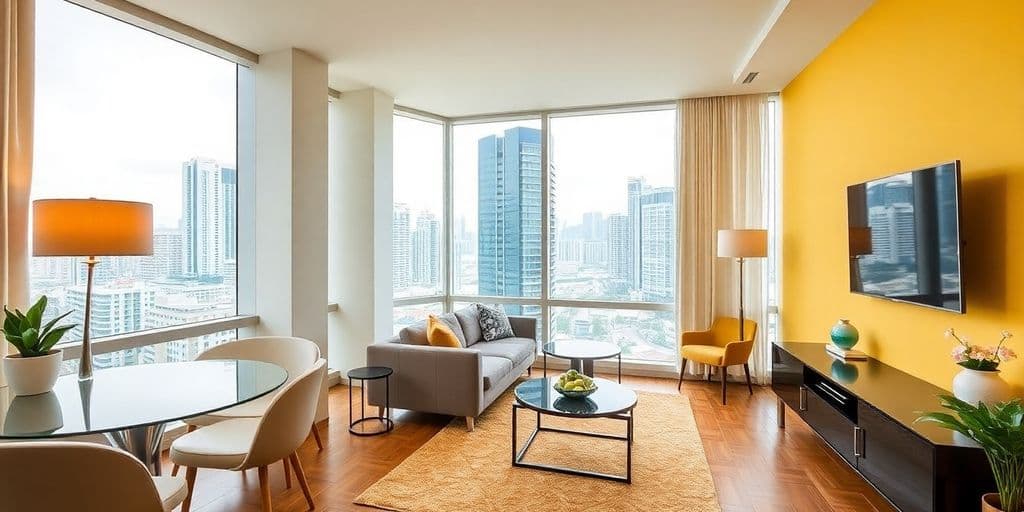
If you're considering a short stay in Singapore, it's essential to understand the ins and outs of short-term rentals in Singapore. The city offers a range of accommodation options, but there are specific legalities and practicalities you need to keep in mind. This guide will walk you through the important aspects of renting short-term in this vibrant city-state, from eligibility to costs and tips for making the most of your stay.
Key Takeaways
- Short-term rentals in Singapore are legally restricted, so be cautious when choosing your accommodation.
- You need to meet certain criteria to rent, including having the right documentation and visa.
- Consider your needs and budget when selecting accommodation, as options vary widely.
- Know the average costs and additional fees associated with short-term rentals to avoid surprises.
- Familiarise yourself with the rental process, including tenancy agreements and negotiation tips.
Understanding Short-Term Rentals in Singapore
Legal Restrictions on Short-Term Rentals
Navigating the world of short-term rentals in Singapore can be tricky due to strict regulations. The Housing and Development Board (HDB) generally requires a minimum lease term of six months. This rule effectively prohibits rentals shorter than that, impacting platforms like Airbnb. While some might still list properties, it's important to be aware of the potential risks involved, as these rentals operate in a grey area. It's worth checking out the subletting rules before committing to anything.
Types of Short-Term Accommodations
Singapore offers a variety of accommodation options for those seeking shorter stays, even with the legal constraints. These include:
- Serviced Apartments: Fully furnished apartments with hotel-like amenities, often available for weekly or monthly rentals.
- Hostels and Budget Hotels: Affordable options for budget-conscious travellers, providing basic amenities and communal spaces.
- Co-Living Spaces: Increasingly popular, these spaces offer private rooms with shared common areas, fostering a sense of community.
It's important to research and compare different types of accommodation to find one that suits your needs and budget. Consider factors such as location, amenities, and rental terms before making a decision.
Risks of Illegal Rentals
Renting a property for less than six months can carry significant risks. Landlords who violate the regulations may face hefty fines. Renters could also face eviction without notice. It's crucial to verify the legality of any short-term rental before booking. Always ask for proof of compliance with local laws to avoid potential problems. Remember, ignorance of the law is not an excuse. It's better to be safe than sorry when it comes to minimum rental period requirements.
Eligibility Criteria for Renting
So, you're thinking about renting a place in Singapore? Great! But before you start packing your bags, it's worth understanding who exactly can rent here. It's not quite as simple as having the cash ready; there are a few rules to keep in mind.
Who Can Rent in Singapore
Generally, Singaporeans and Permanent Residents (PRs) have no issues renting. However, if you're not a citizen or PR, things get a little more specific. Non-citizens usually need to hold a valid pass, such as an Employment Pass, S Pass, Student Pass, or Dependent Pass, to be eligible to rent property here. Without one of these, you might find it difficult to secure a lease. It's all about ensuring you're here legally and have the right to reside in Singapore.
Required Documentation
Okay, let's say you are eligible. What paperwork do you need? Well, landlords and agents will typically ask for a few key documents to verify your identity and eligibility. Expect to provide:
- A copy of your passport.
- Your valid pass (Employment Pass, S Pass, etc.).
- Proof of employment (like an employment letter).
- Sometimes, bank statements to show you can afford the rent and security deposit.
It's a good idea to have these documents ready to go when you start viewing properties. It can speed up the application process and show the landlord you're serious.
Visa Requirements for Foreigners
For foreigners, your visa status is directly linked to your ability to rent. If your visa expires, you're technically no longer eligible to stay in Singapore, which obviously affects your rental agreement. Make sure your visa is valid for the duration of your intended stay. If you're planning to extend your stay, start the visa renewal process well in advance. Landlords will usually check the validity of your visa, so it's best to be prepared. Also, it's worth noting that some types of visas might have restrictions on the type of property you can rent. Always double-check the specific conditions of your visa to avoid any surprises.
It's important to remember that immigration laws and regulations can change. Always check the latest guidelines from the Singaporean government to ensure you meet all the requirements for renting as a foreigner. Staying informed can save you a lot of hassle down the road.
Choosing the Right Accommodation
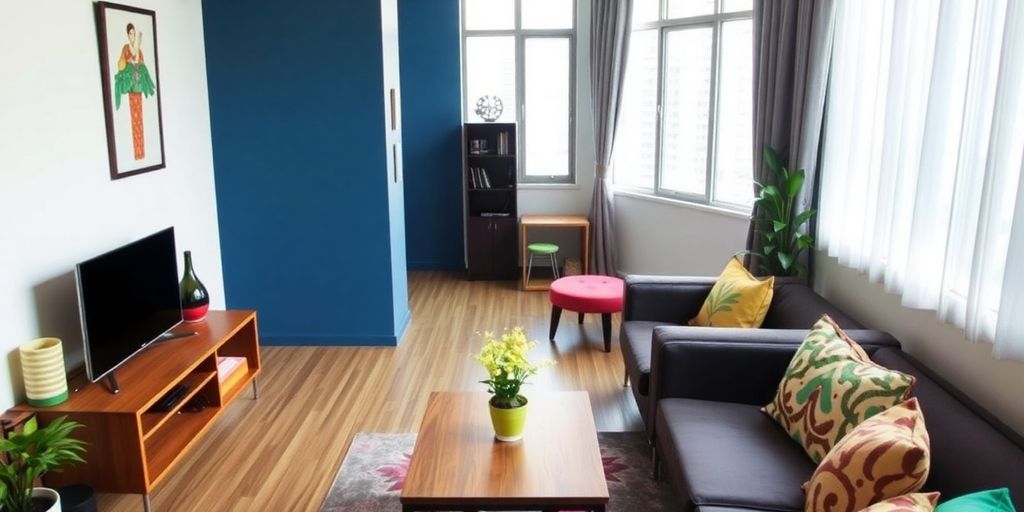
Finding the right short-term rental in Singapore can feel like a bit of a puzzle, but with a bit of thought, it's totally manageable. It's about figuring out what you really need and want from your stay. Let's break down the key things to consider.
Assessing Your Needs
Before you even start browsing listings, take a moment to think about what's important to you. What are your must-haves versus your nice-to-haves? Consider these points:
- How much space do you actually need? A solo traveller might be perfectly happy in a studio, while a family will need more room to spread out.
- What amenities are essential? Do you need a kitchen to cook your own meals, or is a microwave enough? Is laundry access a must?
- What kind of environment are you after? Do you want a quiet place to relax, or somewhere with a bit more buzz?
It's easy to get caught up in the excitement of finding a place, but taking the time to really think about your needs will save you a lot of hassle in the long run. It's better to be realistic about what you need than to end up in a place that doesn't quite work for you.
Location Considerations
Location, location, location! It's a cliché for a reason. Think about how you'll be spending your time in Singapore and choose a location that makes sense for you. If you are a student, proximity to your campus is likely a top concern. For business travellers, easy access to the central business district might be crucial. Tourists, on the other hand, may prioritise being close to popular attractions or vibrant neighbourhoods.
- Commute: How long are you willing to travel to work, school, or other important places?
- Amenities: Do you want to be close to shops, restaurants, and public transport?
- Environment: Do you prefer a lively, urban setting or a quieter, more residential area?
Budgetary Factors
Let's face it, money matters. Singapore can be an expensive place, so it's important to set a realistic budget for your short-term rental. Don't forget to factor in all the costs, not just the rental price. Compare the nightly, weekly, or monthly rates of various accommodation options. At Coliwoo, affordable serviced apartments are available for rent coupled with an all-inclusive pricing package, compared to independent rentals where you might need to factor in separate utility bills. Choose from a variety of options at different price points to find a comfortable stay that fits your budget.
Here's a rough guide to budgeting (prices are approximate and can vary widely):
| Accommodation Type | Average Price (per month) | Notes
Types of Short-Term Accommodations Available
Finding the right place to stay for a short period in Singapore can feel overwhelming, but there are actually quite a few options to suit different needs and budgets. From the convenience of serviced apartments to the social atmosphere of hostels, there's something for everyone. Let's explore some of the most common types of short-term accommodations available.
Serviced Apartments
Serviced apartments are a popular choice, especially for those seeking a comfortable and hassle-free stay. They offer the amenities of a hotel, such as housekeeping and sometimes even concierge services, combined with the space and privacy of an apartment. These apartments usually come fully furnished with a kitchen, laundry facilities, and separate living areas. This makes them ideal for families, business travellers, or anyone who prefers a more home-like environment. They often work out cheaper than hotels for longer stays, too. For those looking for a comfortable stay, serviced apartments are a great option.
Hostels and Budget Hotels
If you're on a tighter budget, hostels and budget hotels can be a great option. Hostels offer dormitory-style rooms, which are the most affordable, as well as private rooms. They're a good way to meet other travellers and often have communal areas where you can socialise. Budget hotels, on the other hand, offer basic private rooms at a lower price point than traditional hotels. While they may not have all the bells and whistles, they provide a clean and comfortable place to sleep.
Co-Living Spaces
Co-living spaces are a relatively new trend in Singapore, offering a unique blend of private living and community interaction. These spaces typically consist of private bedrooms with shared common areas, such as kitchens, living rooms, and sometimes even workspaces. Co-living is great for those who want to meet new people and enjoy a sense of community while still having their own private space. They often include utilities and cleaning services in the rental price, making budgeting easier. They are a good option for expatriates and students looking for a hassle-free living experience.
Choosing the right short-term accommodation depends on your individual needs and preferences. Consider factors such as budget, location, and desired amenities to find the perfect place for your stay in Singapore. Don't be afraid to explore different options and read reviews to make an informed decision.
Costs Associated with Short-Term Rentals
Average Rental Prices
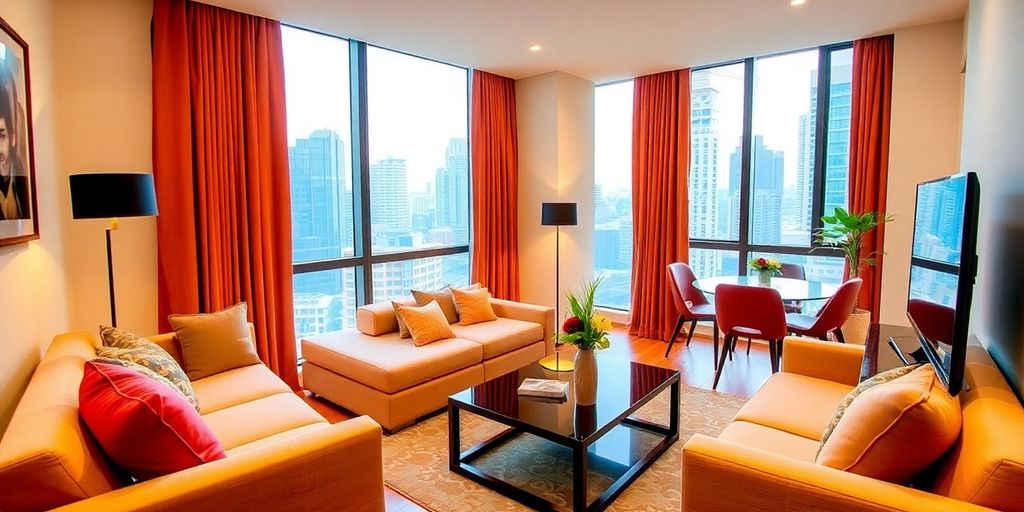
Okay, so let's talk money. What's it actually going to cost you to snag a short-term rental in Singapore? Well, it varies quite a bit. Location is a big factor – a swanky apartment near Orchard Road will obviously set you back more than something further out. The type of accommodation also plays a role. Hostels are the cheapest, then co-living spaces, and serviced apartments tend to be the priciest. Generally, you can expect to pay anywhere from a few hundred to several thousand Singapore dollars per month. It really depends on your needs and where you want to be. For example, serviced apartments can range from SGD 1,000 to SGD 5,000.
Additional Fees and Deposits
Don't just look at the monthly rental price, though. There are other costs to consider. Most places will require a security deposit, usually equivalent to one or two months' rent. This covers any potential damages to the property during your stay. You'll also likely need to factor in utilities (electricity, water, gas), internet, and maybe even cleaning fees. Some places include all of this in the rental price, but it's always best to check. Also, be aware of stamp duty, which depends on your monthly rent and lease period. Here's a quick rundown:
- Security deposit (1-2 months' rent)
- Utilities (approx. SGD 155/month)
- Internet (approx. SGD 35/month)
- Stamp duty (varies based on rent and lease)
Cost Comparison with Long-Term Rentals
So, is short-term renting more expensive than signing a long-term lease? Usually, yes. You're paying for the flexibility and convenience of not being tied down to a year-long contract. However, if you're only staying for a few months, the costs associated with setting up a long-term rental (furniture, appliances, etc.) can quickly add up. Plus, there's the hassle of finding a place and dealing with all the paperwork. Short-term rentals often come fully furnished and equipped, so you can just move in and start living. It's a trade-off between cost and convenience. Remember to check average cost of rent to make an informed decision.
Short-term rentals can be a great option if you need a place to stay temporarily, but it's important to factor in all the costs involved. Don't just focus on the monthly rental price – consider the security deposit, utilities, and other fees. Compare the costs with long-term rentals to see which option makes the most sense for your situation.
Navigating the Rental Process
Finding Suitable Listings
Okay, so you're on the hunt for a short-term rental. Where do you even start? Well, there are a few avenues you can explore. Online portals are a good shout, of course. Loads of websites list properties, but make sure you're using reputable ones to avoid scams. Don't just jump at the first shiny listing you see. Do your homework!
- Check out multiple websites.
- Read reviews (if available).
- Be wary of listings that seem too good to be true.
Word of mouth can also be surprisingly effective. Ask around! You never know, a friend of a friend might have a place going spare. And if you're really struggling, consider using a real estate agent. They can take a lot of the hassle out of the search, but remember they'll charge a commission.
Understanding Tenancy Agreements
Right, you've found a place you like. Now comes the fun part: the tenancy agreement. This is a legally binding document, so read it carefully! Don't just skim it and sign on the dotted line. If there's anything you don't understand, ask for clarification. It's better to be safe than sorry. Key clauses to look out for include:
- The rental amount and payment schedule.
- The length of the tenancy.
- The deposit amount and conditions for its return.
- The minor repair clause: This specifies who is responsible for what repairs and up to what amount.
- The access to premises clause: This outlines when and why the landlord can enter the property and how much notice they need to give.
- The option to renew clause: This allows you to extend your stay beyond the initial lease period.
It's always a good idea to get a second opinion on the tenancy agreement, especially if you're not familiar with Singaporean rental laws. A lawyer can review the document and advise you on your rights and obligations.
Negotiating Rental Terms
Don't be afraid to haggle! The listed rental price isn't always set in stone. You might be able to negotiate a lower rent, especially if you're signing a longer lease. Also, consider negotiating other terms, such as the deposit amount or the inclusion of certain utilities in the rent. It never hurts to ask. Here are some things you can try to negotiate:
- Rental price.
- Deposit amount.
- Inclusion of utilities.
- Furnishings.
Remember to be polite and respectful during negotiations. A little bit of charm can go a long way. And if the landlord is unwilling to budge, don't sweat it. There are plenty of other fish in the sea. Just make sure you understand the minimum lease duration before committing.
Tips for a Successful Short-Term Stay
Preparing for Your Arrival
Before you even set foot in Singapore, a little preparation can go a long way. Make sure all your important documents are in order, including your passport, visa (if required), and any necessary permits. It's also a good idea to inform your bank and mobile phone provider of your travel plans to avoid any issues with your accounts while you're away. Consider purchasing a local SIM card upon arrival for cheaper data and calls. Finally, pack appropriately for Singapore's tropical climate – lightweight, breathable clothing is a must!
Settling into Your New Space
Once you've arrived and checked into your short-term rental, take some time to familiarise yourself with your surroundings. Locate the nearest supermarket, public transport stops, and any other amenities you might need. Don't be afraid to ask your landlord or property manager for recommendations on local restaurants, shops, and attractions. It's also a good idea to test all the appliances and utilities in your rental to ensure they're working properly. If you're staying in a co-living space, introduce yourself to your housemates and get to know them – they could become valuable sources of information and support during your stay.
Exploring the Local Area
Singapore is a vibrant and diverse city with plenty to offer visitors. Make the most of your short-term stay by exploring the local area and discovering hidden gems. Take advantage of Singapore's excellent public transport system to visit popular attractions such as Gardens by the Bay, the Merlion, and Sentosa Island. Sample the local cuisine at hawker centres and food courts – you'll find a wide variety of delicious and affordable dishes. And don't forget to immerse yourself in Singapore's rich culture by visiting museums, temples, and historical sites. Remember to check out the irresistible cocktails Singapore has to offer!
It's important to be respectful of local customs and traditions during your stay. Dress modestly when visiting religious sites, avoid chewing gum in public, and be mindful of noise levels in residential areas. By showing respect for the local culture, you'll ensure a more enjoyable and rewarding experience.
Final Thoughts on Short-Term Rentals in Singapore
So, there you have it. Renting short-term in Singapore can be a bit tricky, mainly due to the laws around it. While there are options out there, like serviced apartments and co-living spaces, you need to be aware of the rules. If you're not a citizen or permanent resident, your choices might be limited. Just remember to do your homework before diving in. Check out the area, think about your budget, and make sure you have all the right documents ready. If you keep these things in mind, you’ll be in a good spot to find a place that suits your needs. Good luck with your search!
Frequently Asked Questions
What are short-term rentals in Singapore?
Short-term rentals are places where you can stay for a short time, usually less than three months. However, many of these rentals are illegal in Singapore due to strict laws.
Can foreigners rent properties in Singapore?
Yes, foreigners can rent in Singapore if they have the right visa, like a work or student visa. However, they need to follow specific rules.
What types of short-term accommodations are available?
You can find different types of short-term places to stay in Singapore, such as serviced apartments, hostels, and co-living spaces.
What documents do I need to rent a place?
To rent a property, you usually need a valid passport, your visa, and proof that you can pay the rent, like bank statements.
How much does it cost to rent in Singapore?
Rent prices in Singapore can be quite high, similar to cities like New York. Costs vary based on the type of accommodation and location.
What should I consider when choosing a rental?
When picking a rental, think about your budget, the location's convenience, and what you need in your living space, like size and amenities.
Planning a serviced apartment in Singapore? Read our complete guide: Serviced Apartments in Singapore — areas, brands & monthly prices.
Filed under
The Moveandstay editorial team writes about serviced living, workspaces, and city guides across Asia-Pacific.
Read next
Serviced Offices Surge in Popularity as Businesses Embrace Flexible Leasing
May 3, 2026
Hong Kong Serviced Apartment Market Buzzes with Sales and Investment Activity Amidst Shifting Valuations
May 3, 2026

ONYX Hospitality Group Elevates Shama Serviced Apartments with New Lifestyle Concept and Ambitious Expansion
Apr 26, 2026