
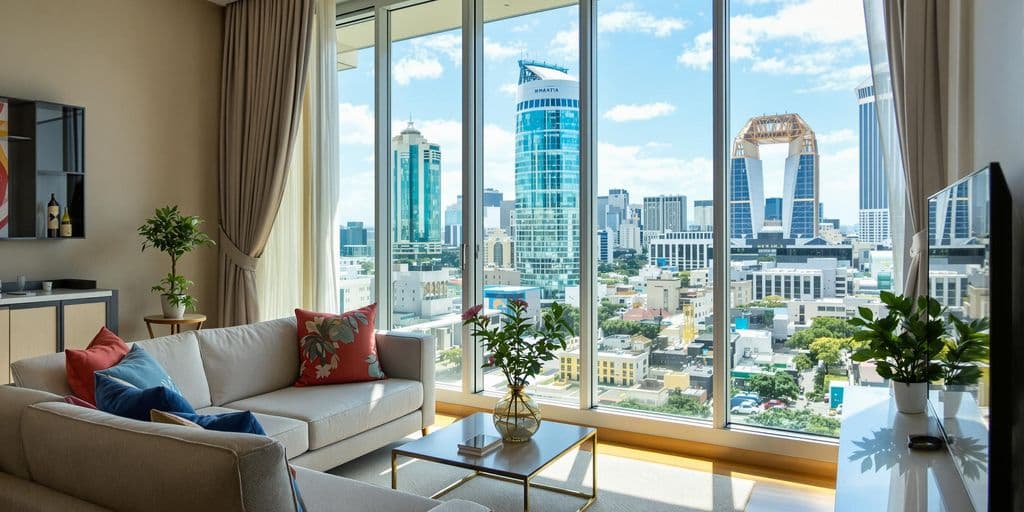
Thinking about short-term rentals in Manila? It's a popular choice for many, whether you're visiting for a bit or looking to earn some extra cash from a property. However, it's not as simple as just putting a listing online. There are quite a few things to get your head around, from local rules to how much you can actually make. This article will help you understand the ins and outs of short-term rentals in Manila, giving you the lowdown on what you really need to know to make it work.
Key Takeaways
- Always check local government and homeowners association rules before listing a property for short-term rental in Manila.
- Understand that short-term rentals usually cost more per month than long-term ones, but can offer higher overall income if managed well.
- Online platforms like Airbnb and Booking.com are great for finding short-term rental properties, but also look at local real estate sites and social media groups.
- Carefully read all parts of a short-term rental agreement, especially payment terms and clauses about disputes.
- Be aware that while short-term rentals are common in Manila, many operate without official licences, so regulations might not be strictly enforced.
Understanding Short-Term Rental Regulations in Manila
So, you're thinking about jumping into the short-term rental game in Manila? Great! But before you list your place and start dreaming of those sweet rental incomes, it's important to get your head around the rules. It's not always straightforward, and ignorance isn't an excuse when it comes to local laws and regulations. Trust me, a little research now can save you a lot of headaches (and potentially fines) later.
Navigating Local Government Policies
First things first, Manila isn't a single entity. It's made up of different cities and municipalities, each with its own set of rules. What's allowed in Makati might not fly in Quezon City. You need to check the specific policies of the local government unit (LGU) where your property is located. This could involve digging through their website (good luck with that!), visiting their offices, or even contacting them directly. Don't assume anything – always verify.
- Check for specific ordinances related to short-term rentals.
- Inquire about business permits and licences required for operating a rental business.
- Understand the zoning regulations that apply to your property.
It's easy to assume that if others are doing it, it must be okay. But that's a risky assumption. Just because you see loads of available listings on Airbnb doesn't mean they're all operating legally. Many might be flying under the radar, but that doesn't mean you should too.
Adhering to Homeowners Association Rules
Living in a condo or a gated community? Then you've got another layer of rules to contend with: the Homeowners Association (HOA). These guys can be pretty strict, and they often have the power to ban short-term rentals altogether. Before you even think about listing your property, get a copy of the HOA's rules and regulations and read them carefully.
- Check for clauses that restrict or prohibit short-term rentals.
- Attend HOA meetings to understand their stance on the issue.
- Get written approval from the HOA before listing your property.
Ensuring Compliance with Zoning Ordinances
Zoning ordinances dictate how land can be used in different areas. Some zones are strictly residential, while others allow for commercial activities. Operating a short-term rental could be considered a commercial activity, which might not be allowed in a residential zone. It's important to check the zoning classification of your property and make sure that short-term rentals are permitted. If not, you might need to apply for a variance or special permit, which can be a lengthy and complicated process. It's also worth noting that standard lease agreements are generally governed by the Civil Code of the Philippines.
- Contact the local planning department to determine your property's zoning classification.
- Review the zoning ordinance to understand the permitted uses in your area.
- If necessary, consult with a lawyer to explore options for obtaining the necessary permits.
Financial Aspects of Short-Term Rentals in Manila
Analysing Average Daily Rates and Occupancy
Okay, so let's talk numbers. When you're thinking about getting into the short-term rental game in Manila, you need to get a handle on what you can realistically charge and how often you can expect your place to be booked. Average daily rates (ADR) and occupancy rates are your bread and butter here.
According to recent data, the average daily rate in Manila hovers around PHP 1,847. The occupancy rate is about 51%. This means, on average, properties are booked just over half the time. Keep in mind that these are just averages. Location, property type, and amenities will all play a big part in how your place performs. For example, a swanky condo in Makati is likely to command a higher ADR than a studio in a less central area. Similarly, places with pools, gyms, or killer views tend to attract more bookings.
Estimating Potential Rental Revenue
Alright, so you know the ADR and occupancy rate. Now, how do you figure out how much money you could actually make? It's pretty straightforward, but let's break it down.
- Calculate potential monthly revenue: Multiply your ADR by the number of days in a month (let's say 30) and then multiply that by your estimated occupancy rate (expressed as a decimal). So, if your ADR is PHP 1,847 and you expect a 60% occupancy rate, your calculation would look like this: PHP 1,847 x 30 x 0.60 = PHP 33,246.
- Factor in seasonality: Manila has peak seasons (like holidays and festivals) and off-seasons. Your occupancy rate will likely fluctuate throughout the year. Research historical data to get a better sense of these trends and adjust your revenue projections accordingly.
- Consider your competition: What are similar properties in your area charging? Are they consistently booked? Use this information to fine-tune your pricing strategy and revenue estimates. You can find real estate websites to help you with this.
Considering Operating Costs and Hidden Fees
Okay, so you've got your revenue projections. But don't start counting your money just yet! You need to factor in all the costs associated with running a short-term rental. These can really eat into your profits if you're not careful.
Here's a rundown of some common expenses:
- Cleaning fees: You'll need to clean your property thoroughly between guests. You can either hire a cleaning service or do it yourself, but either way, it's going to cost you time and money.
- Utilities: Electricity, water, internet – these all add up. Factor in higher usage due to guests being in the property.
- Maintenance and repairs: Things break. Be prepared to fix leaky faucets, replace light bulbs, and handle other maintenance issues.
- Platform fees: Airbnb and other booking platforms charge fees for their services. These can range from 3% to 15% of the booking price.
- Taxes: Don't forget about taxes! You'll need to pay income tax on your rental income, and you may also be subject to other local taxes.
It's easy to get caught up in the potential revenue, but it's important to be realistic about the costs. Create a detailed budget that includes all of these expenses to get a clear picture of your potential profit margin. Also, remember that the Civil Code of the Philippines applies to short-term rentals.
Here's a quick example of how costs can impact your bottom line:
| Expense | Monthly Cost (PHP) |
|---|---|
| Cleaning | 3,000 |
| Utilities | 4,000 |
| Maintenance | 1,000 |
| Platform Fees | 5,000 |
| Taxes | 2,000 |
| Total Costs | 15,000 |
If your potential monthly revenue is PHP 33,246, your actual profit after expenses would be PHP 18,246. Not bad, but definitely something to keep in mind when you're making your decision.
Finding Suitable Short-Term Rental Properties
Finding the right short-term rental in Manila can feel like a treasure hunt. There are loads of options, but knowing where to look and what to consider will save you time and stress. It's not just about finding a place; it's about finding the right place for your needs and budget.
Utilising Online Booking Platforms
Online booking platforms are usually the first stop for most people. Sites like Airbnb and Booking.com have a huge selection of properties in Manila. These platforms let you philtre by location, price, amenities, and reviews, making it easier to narrow down your search.
Here's a quick guide to using these platforms effectively:
- Read Reviews Carefully: Pay attention to both positive and negative reviews. Look for patterns in the feedback. Are there consistent complaints about cleanliness or noise?
- Use Philtres Wisely: Don't just philtre by price. Consider amenities like Wi-Fi, air conditioning, and kitchen facilities. Think about what's important for your stay.
- Check Location: Make sure the property is in a convenient location for your needs. Is it close to public transport, attractions, or business districts?
Exploring Local Real Estate Websites
Don't just stick to the big international platforms. Local real estate websites in the Philippines can sometimes offer better deals or more unique properties. These sites often have listings that aren't available elsewhere. Plus, you might find direct contact information for property managers, potentially cutting out middleman fees. It's worth checking out local options to see what's available. You might even find some fully furnished rentals that are perfect for your needs.
Leveraging Social Media Groups and Referrals
Social media groups and referrals can be goldmines for finding hidden gems. Join Facebook groups for expats or travellers in Manila. People often share their experiences and recommendations in these groups. You can also ask friends or colleagues if they know of any good short-term rentals. Personal referrals can be more reliable than online listings, as you're getting information from someone you trust.
Word-of-mouth recommendations can be incredibly valuable. People are often more honest and forthcoming when sharing their personal experiences. Plus, you might get insider tips that you wouldn't find on a booking platform. Don't underestimate the power of asking around.
Key Considerations for Short-Term Rental Agreements
Reviewing Rental Rates and Payment Terms
Okay, so you've found a place that looks good. Now comes the slightly less fun part: actually understanding what you're paying for and how you're paying for it. Don't just skim the rental agreement; read it properly. It's easy to get caught up in the excitement of a new place, but knowing the details can save you a headache later.
- Check if utilities are included. This can seriously affect your monthly expenses. Some landlords include them, others don't. Always clarify this upfront.
- Look for any hidden fees. Are there cleaning fees? Service charges? Make sure you know the total cost before you commit.
- Negotiate if you can. Especially if you're staying longer or find similar properties cheaper. It never hurts to ask!
Understanding Lease Agreement Clauses
Lease agreements can seem like a load of legal jargon, but they're important. Here's what to look out for:
- House Rules: Be aware of any house rules or restrictions, such as noise levels, pet policies, smoking policies, or restrictions on guests. Make sure these rules align with your lifestyle and preferences.
- Cancellation Policy: Understand the cancellation policy if you need to terminate the lease early. Are there any penalties for early termination? How much notice do you need to provide?
- Maintenance and Repairs: Determine who is responsible for maintenance and repairs. What is the procedure for reporting maintenance issues? Is there a 24/7 emergency contact number?
- Inventory List: If the property is furnished, ensure there’s an inventory list detailing all items included in the rental. This will help prevent disputes when you move out.
It's always a good idea to ask the landlord to clarify anything you don't understand. Don't be afraid to ask questions. It's better to be clear from the start than to have misunderstandings later.
Addressing Potential Disputes and Legalities
Even with the best intentions, disputes can happen. Knowing how to handle them is key. Make sure you understand your tenant rights and responsibilities.
- Document everything. Keep records of all communication, payments, and any issues that arise.
- Know your rights. Familiarise yourself with local laws regarding short-term rentals.
- Consider mediation. If a dispute arises, mediation can be a less confrontational way to resolve it than going straight to court.
Here's a simple table outlining common dispute areas and how to approach them:
| Dispute Area | Possible Solution -
Market Overview of Short-Term Rentals in Manila
Current Number of Available Listings
Right, let's talk numbers. As of today, there are around 1,419 short-term rental listings floating about in Manila. That's a fair few, isn't it? It gives you a sense of how popular this whole thing has become. But here's a thing to keep in mind: the number can change pretty quickly, so it's always worth checking the latest figures on real estate websites before making any big decisions.
Insights into Licencing and Compliance Rates
Okay, this is where it gets a bit interesting. Brace yourself: apparently, zero percent of those 1,419 listings actually have the proper short-term rental licences. Yep, you read that right. It pretty much screams that the rules aren't exactly being enforced to the letter. It's something to think about if you're planning to get into this game – you might want to get your ducks in a row and check the rental rates to avoid any future headaches.
Analysing Market Trends and Statistics
So, what's actually happening in the Manila short-term rental market? Well, the average occupancy rate is sitting at around 51%. The average daily rate is about PHP 1,847. A two-bedroom apartment could potentially rake in about PHP 9,289 a year. Here's a quick look at some key stats:
| Metric | Value |
|---|---|
| Number of Listings | 1,419 |
| Occupancy Rate | 51% |
| Average Daily Rate | PHP 1,847 |
It's worth remembering that these are just averages. What you actually earn will depend on loads of things, like where your property is, how nice it is, and how well you market it. Plus, the market can change, so keep an eye on those trends!
Also, it's worth noting that residential rents in Metro Manila experienced a slight decline of 0.4% in Q1 2025, continuing a previous downward trend. This could influence short-term rental pricing strategies.
Legal Framework for Short-Term Rentals in Manila
Applicability of the Civil Code of the Philippines
When you're thinking about renting out your place on a short-term basis in Manila, it's easy to focus on the income. But it's super important to understand how the law sees things. The Civil Code of the Philippines definitely applies to these rentals, setting out the basic rules for contracts, obligations, and property rights. This means that even a short-term lease agreement is legally binding, and both you and your guest have certain responsibilities. It's not just a casual agreement; it's a legal one.
Importance of Professional Legal Advice
Getting some professional legal advice is a really good idea. The rules around short-term rentals can be a bit of a minefield, and what's allowed can change depending on where your property is. A lawyer who knows about property law in the Philippines can help you with a few things:
- Making sure your rental agreements are solid and cover all the important points.
- Explaining your rights and responsibilities as a landlord.
- Helping you sort out any problems or disputes with guests.
It might seem like an extra cost, but getting legal advice early on can save you a lot of headaches (and money) later. Think of it as an investment in protecting yourself and your property.
Ensuring Property Use Permits are in Order
Before you even think about listing your property, double-check that you have all the right permits. Manila has zoning laws, and some areas might not allow commercial activities like short-term rentals in residential zones. You might need to get a business permit or a special use permit to operate legally. Not having the right paperwork can lead to fines, or even having to shut down your rental business. It's worth doing your homework and making sure everything is above board. The number of available listings in Manila is high, but the number of licenced ones is low, so make sure you are compliant.
Wrapping Things Up
So, there you have it. Short-term rentals in Manila can be a good option, whether you're visiting or thinking about renting out your place. Just remember, things can change with rules and stuff, so it's always a good idea to stay updated. And if you're ever unsure about the legal side of things, getting some advice from a pro is probably the smartest move. That way, you can make sure everything's above board and you don't run into any surprises later on.
Frequently Asked Questions
Are short-term rentals legal in Manila?
Yes, short-term rentals are generally allowed in Manila. However, it's important to check local government rules and any specific regulations from your building's homeowners' association. Some areas might have restrictions on how properties can be used.
Where can I find a short-term rental in Manila?
You can find short-term rentals on popular online platforms like Airbnb and Booking.com. Local real estate websites and social media groups, especially those for expats or digital nomads, can also be good places to look. Don't forget to ask friends or colleagues for recommendations!
What should I look for in a short-term rental agreement?
When looking at an agreement, pay close attention to the rental cost, how and when payments are due, and what happens if you need to cancel. Make sure you understand the rules about guests, pets, and using the property's facilities.
How much do short-term rentals usually cost in Manila?
The cost of short-term rentals can vary a lot based on where it is, what kind of place it is, and what time of year you're staying. Generally, they cost more per month than long-term rentals because they include things like utilities and furnishings. Always ask about any extra charges or hidden fees.
What laws apply to short-term rentals in the Philippines?
The Civil Code of the Philippines covers rental agreements, even for short stays, outlining the rights and duties of both landlords and tenants. If there's a problem, it might lead to mediation or legal action. It's wise to get legal advice if you're unsure about anything.
What's the current situation for short-term rentals in Manila?
As of a recent check, there are over 1,400 Airbnb listings in Manila. While many operate, a very small percentage have official short-term rental licences, suggesting that regulations aren't always strictly enforced. The average daily rate is around PHP 1,847, and the occupancy rate is about 51%.
Filed under
The Moveandstay editorial team writes about serviced living, workspaces, and city guides across Asia-Pacific.
Read next

Serviced Offices Surge in Popularity as Businesses Embrace Flexible Leasing
May 3, 2026

Hong Kong Serviced Apartment Market Buzzes with Sales and Investment Activity Amidst Shifting Valuations
May 3, 2026

ONYX Hospitality Group Elevates Shama Serviced Apartments with New Lifestyle Concept and Ambitious Expansion
Apr 26, 2026