
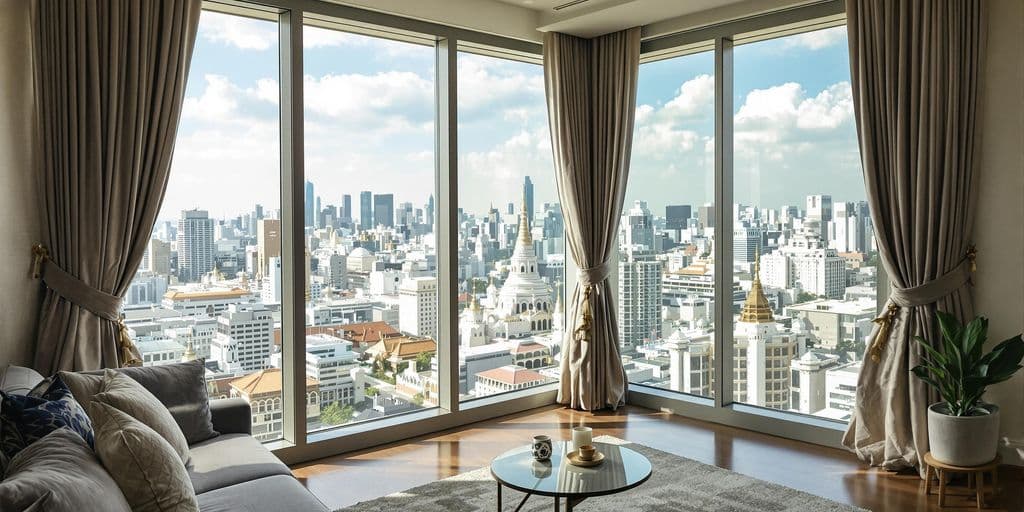
Bangkok is a real magnet for all sorts of people – digital nomads, students, business folks on short stints, and even retirees. It's a city that just buzzes with life. So, it makes sense that loads of people want to find somewhere to stay for a bit, maybe a month or two. You'd think with all the condos around, finding short-term rentals in Bangkok would be a doddle, but it's actually quite tricky. This guide is here to help you get your head around the rental market here and hopefully make your search a bit easier.
Key Takeaways
- Finding short-term rentals in Bangkok can be a bit of a challenge because landlords usually prefer longer leases for stability.
- Property agencies often focus on securing tenants for 12 months or more, as shorter rentals don't pay them as much.
- Thailand's Hotel Act means places need a special permit to rent out for very short stays, like nightly or weekly.
- Websites like Airbnb do have short-term options, but sometimes landlords have to list them as longer stays to get around local rules.
- Always check out property agents and landlords properly, and be careful with security deposits and rental agreements.
The Challenge of Finding Short-Term Rentals in Bangkok
Bangkok is a vibrant hub, drawing in digital nomads, students, and professionals alike. The city boasts countless condos, yet securing a short-term rental can feel like navigating a maze. Why is this the case?
Understanding Bangkok’s Rental Standards
Landlords in Bangkok generally favour long-term leases. This preference stems from the stability these leases provide. Short-term rentals mean more frequent vacancies and the hassle of constantly finding new tenants. Landlords often avoid the repetitive tasks of preparing the property, negotiating terms, and signing new agreements multiple times a year.
Preference of Property Agencies for Long-Term Rentals
Property agencies play a significant role in the rental market, but their focus is primarily on securing long-term tenants. The commission earned from short-term rentals is considerably smaller, making it less appealing for them to dedicate resources to this segment. As a result, properties listed on Thai property portals typically require a minimum rental period of six to twelve months.
Hotel Act and Legal Restrictions
It's important to be aware of the legal landscape. Thailand’s Hotel Act places restrictions on rentals shorter than 30 days. To legally offer nightly or weekly rentals, properties must possess a hotel permit. This regulation means that many individual landlords stick to minimum one-month stays to avoid potential legal issues. This is why finding short-term rentals can be tricky.
Navigating Bangkok's rental market requires understanding these underlying factors. The preference for long-term leases, the focus of property agencies, and the legal restrictions all contribute to the challenge of finding suitable short-term accommodation.
Exploring Available Short-Term Rental Options
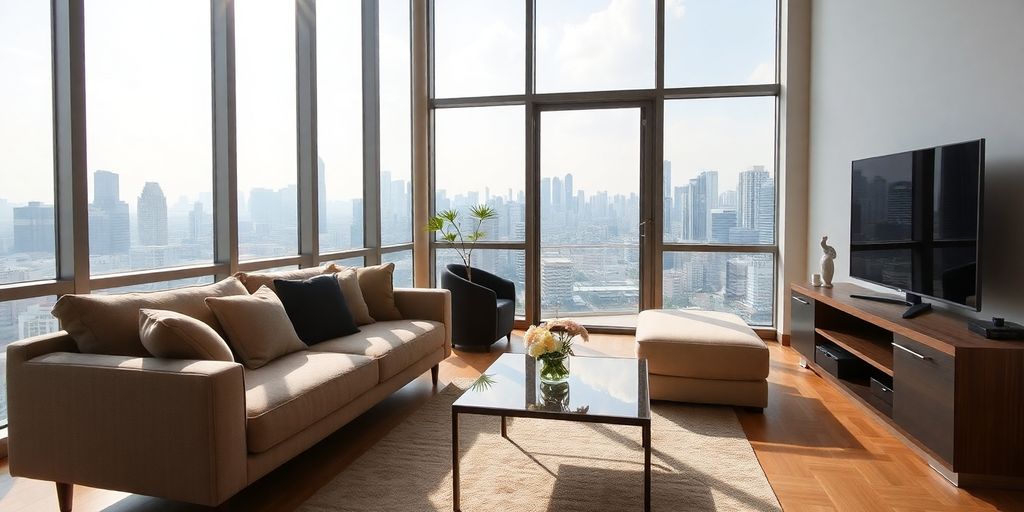
Despite the challenges in finding short-term rentals in Bangkok, there are definitely options out there. It might take a bit more digging than in other cities, but it's doable. Let's have a look at some of the ways you can find a place for a shorter stay.
Accommodation Websites
The most obvious place to start is with accommodation websites. You know the ones – Airbnb is probably the biggest, but there are others too. Lots of Bangkok landlords use these platforms to advertise their properties. Just be aware of the local rules and regulations, as some very short stays might fall under hotel licencing rules. It's worth checking out a few different sites to see what's available and compare prices. You might find some hidden gems that way. Always read the reviews carefully, and don't be afraid to ask the host questions before you book. This will help you avoid any surprises when you arrive. For example, you can find Thai property portals online.
Serviced Apartments and Co-Living Spaces
Serviced apartments are a great option if you want something that feels more like a hotel but with the space and amenities of an apartment. They usually come fully furnished and include services like cleaning and laundry. Co-living spaces are becoming increasingly popular too. These offer a more social environment, with shared common areas and organised events. They can be a good way to meet people if you're new to the city. Plus, they often have flexible lease terms, which is ideal for short-term renters.
Lease Takeovers and Room Shares
This is where things get a bit more interesting. A lease takeover is when someone who already has a lease transfers it to you. This can be a good option if you only need a place for a few months and don't want to commit to a long-term lease. Room shares are another possibility, where you rent a room in a shared apartment. Both of these options can be cheaper than renting an entire apartment on your own, but they also come with more risks. It's really important to carefully evaluate the rental agreements and arrangements before committing. Of all the options discussed, it’s important to note that room shares and lease takeovers carry the most financial and security risks. Renters considering these options should exercise caution and carefully evaluate the rental agreements and arrangements before committing.
Finding a short-term rental in Bangkok can be a bit of a challenge, but it's definitely possible. Just be prepared to do your research, ask questions, and be aware of the potential risks. With a bit of effort, you can find a great place to stay that suits your needs and budget.
Key Differences Between Short-Term and Long-Term Rentals
It's easy to get lost in the details when you're trying to decide between a short-term and a long-term rental in Bangkok. Both have their own set of perks and drawbacks, and what works for one person might be a terrible idea for another. Let's break down the key differences to help you make the right choice.
Lease Duration
This is probably the most obvious difference. Short-term rentals are all about flexibility. You might be looking at a few weeks, a month, or maybe a few months at most. Long-term rentals, on the other hand, usually involve a commitment of at least six months, and often a full year or more. This makes a big difference if you're not sure how long you'll be staying in Bangkok, or if you like to move around a lot.
Rental Rates
Generally, short-term rentals come with a higher price tag per night or per month. You're paying for the convenience and flexibility. Long-term rentals tend to be cheaper on a monthly basis, but you're locked into a longer commitment. It's a trade-off. Think about it like this:
| Rental Type | Typical Rate | Commitment |
|---|---|---|
| Short-Term | Higher per month | Shorter |
| Long-Term | Lower per month | Longer |
Tenant Turnover
With short-term rentals, there's a lot more coming and going. This means more work for the landlord or property manager, dealing with cleaning, check-ins, and check-outs. Long-term rentals offer more stability, with fewer tenants to manage. This can be a big plus for landlords who don't want to be constantly searching for new renters. If you are looking for Airbnb rentals in Thailand for longer than 30 days, you can find reasonable prices.
Furnishings
Short-term rentals almost always come fully furnished. Think of it like a hotel or serviced apartment – everything you need is already there. Long-term rentals can vary. Some are furnished, some are unfurnished, and some are somewhere in between. If you're planning a long stay, you might prefer an unfurnished place so you can bring your own stuff and make it feel like home.
Choosing between short-term and long-term rentals really boils down to your individual needs and circumstances. Consider how long you plan to stay, your budget, and how much hassle you're willing to deal with. There's no one-size-fits-all answer, so weigh your options carefully.
Tips for Short-Term Renters in Bangkok
Finding a short-term rental in Bangkok can be a bit of a minefield, so it pays to be extra cautious. Here are a few tips to help you navigate the process and avoid potential pitfalls.
Verifying the Credentials of Property Agents and Landlords
Always, always verify who you're dealing with. Don't just take their word for it. If you're using a property agent, get their business card and ask for a copy of their ID. Check the agency's website and look for reviews on Google or Facebook. It's a good idea to ask for references from previous clients, too. If you're dealing directly with a landlord, ask to see their ID and proof of ownership of the property. You can even ask to see a copy of their title deed (Chanote). This might seem excessive, but it's better to be safe than sorry, especially when money is involved. You can also check Thai property portals for more information.
Understanding Security Deposits and Advance Rent
Most short-term rentals in Bangkok will require a security deposit and advance rent. The security deposit is usually equal to one or two months' rent, and the advance rent is typically one month's rent. Make sure you understand the terms of the security deposit, including when and how it will be returned to you. Get everything in writing, and don't hand over any money until you're completely happy with the agreement. Be wary of landlords who ask for unusually large deposits or advance rent payments. It's also worth noting that some platforms, like Airbnb, handle security deposits differently, often charging a small amount to your credit card.
Reviewing Rental Agreements Carefully
Before you sign anything, read the rental agreement very carefully. Make sure you understand all the terms and conditions, including the length of the lease, the rental rate, the payment schedule, and any rules or restrictions on the property. Pay close attention to clauses about early termination, repairs, and maintenance. If there's anything you don't understand, ask for clarification before signing. It's also a good idea to have a Thai speaker review the agreement for you, just to be sure you're not missing anything. Remember, Bangkok condos can have very specific rules.
It's always a good idea to take photos and videos of the property before you move in, documenting any existing damage. This can help you avoid disputes with the landlord when you move out and want your security deposit back. Also, make sure you get a receipt for all payments you make, and keep a copy of the rental agreement in a safe place.
Here's a quick checklist:
- Verify the identity of the landlord or agent.
- Understand the terms of the security deposit and advance rent.
- Read the rental agreement carefully.
- Document the condition of the property before moving in.
- Get receipts for all payments.
Pros and Cons of Condo Rentals in Bangkok
Renting out condos in Bangkok can be a good way to make some money, but it's not without its downsides. Whether you're thinking about short-term or long-term rentals, it's important to weigh up the advantages and disadvantages before you jump in. Let's have a look at what you need to consider.
Advantages for Investors
- Potential for decent rental yields, especially in good locations. You can often get a good return on your investment if you pick the right property in a popular area.
- Access to a large pool of potential renters. Bangkok attracts all sorts of people, from expats and tourists to locals needing a place to stay. This means you're less likely to have your property sitting empty.
- Opportunity to invest in desirable buildings. There are some really nice condos in Bangkok, and owning one can be a good investment.
- Flexibility compared to other investments. Property can be a bit more flexible than some other types of investment, giving you more control.
Disadvantages for Investors
- Management effort required. This is especially true for short-term rentals, where you'll need to handle bookings, cleaning, and guest communication. Even with long-term rentals, there's still some management involved.
- Potential for vacancy periods impacting cash flow. If you can't find renters, you won't be making any money. This can be a problem, especially during the low season.
- Dealing with tenant issues and property maintenance. Things can go wrong, and you'll need to be prepared to deal with them. This could be anything from a leaky tap to a difficult renter.
- Market fluctuations affecting rental rates and demand. The rental market can change, and you might find that you need to lower your rates to attract renters.
It's worth remembering that management effort is a key factor. Short-term rentals, in particular, demand more hands-on involvement. You'll need to be prepared to handle a lot of the day-to-day tasks yourself, or hire someone to do it for you.
Here's a quick summary of the pros and cons:
| Feature | Pros | Cons |
|---|---|---|
| Rental Yields | Potentially high, especially in prime locations | Can be affected by market fluctuations and vacancy periods |
| Tenant Pool | Large and diverse | Requires effective marketing to attract and retain tenants |
| Management | Can be outsourced, but this reduces profit margins | Time-consuming, especially for short-term rentals |
| Market Stability | Bangkok's rental market is generally stable, but can be affected by events | Economic downturns or changes in tourism can impact demand and rental rates |
| Property Value | Potential for appreciation over time | Can be affected by market conditions and the condition of the property |
How to Choose the Right Condo Rental Strategy for You
So, you've got a condo in Bangkok and you're thinking about renting it out. Great! But before you jump in, it's worth spending some time figuring out the best approach for you. There's no one-size-fits-all answer, and what works for your mate might be a disaster for you. Let's have a look at some things to consider.
Investment Goals
What are you hoping to achieve with your rental? Are you after a quick buck with higher potential monthly income, or are you more interested in a steady, reliable income stream? Short-term rentals can bring in more money per month, but they also come with more risk and hassle. Long-term rentals might not be as lucrative, but they offer more stability. Think about what matters most to you.
Management Effort
How much time and effort are you willing to put into managing your rental? Short-term rentals are basically like running a mini-hotel. You'll need to handle bookings, cleaning, check-ins, and deal with guests' requests. If you're not up for that, a long-term rental might be a better bet. You can always hire a property manager, but that will eat into your profits.
Regulatory Landscape
It's important to be aware of the rules and regulations surrounding short-term rentals in Bangkok. The legal situation can be a bit murky, and things can change quickly. Make sure you're up-to-date on the latest laws and restrictions to avoid any nasty surprises. For example, some areas might have restrictions on daily or weekly rentals. It's always best to check with the local authorities or a legal professional to ensure you're following regulations.
Choosing the right rental strategy is a balancing act. It's about weighing the potential rewards against the risks and effort involved. There's no right or wrong answer, but by carefully considering your goals, resources, and risk tolerance, you can make an informed decision that sets you up for success.
Conclusion: Short-Term Rental Guide
So, Bangkok is a really lively place, full of different things to see and do. It's no wonder lots of people want to stay there for a bit. There are loads of places to choose from, and each area has its own vibe, so picking a temporary home can feel a bit much. Hopefully, this guide has given you some good ideas to make finding a short-term rental easier. Go on and explore Bangkok's rental scene! We think the info here will help you make smart choices and have a smoother time finding a place. Good luck with your search!
Frequently Asked Questions
Why is it so hard to find short-term rentals in Bangkok?
Finding short-term rentals in Bangkok can be tricky because most landlords and property agencies prefer renting out places for a year or more. Also, there are special laws, like the Hotel Act, that make it hard to rent out places for just a few nights or weeks without a hotel permit.
What are my options for finding a short-term rental in Bangkok?
You can look on websites like Airbnb, or consider serviced apartments which are like hotels but with more space and kitchen facilities. Sometimes, people also look for 'lease takeovers' or 'room shares', where you take over someone else's rental agreement or share a place with others.
What's the main difference between short-term and long-term rentals?
Short-term rentals are usually for less than six months, while long-term ones are typically for a year or more. Short-term places often cost more per night but offer more flexibility. They are usually fully furnished, unlike some long-term rentals.
What should I do to protect myself when renting short-term?
Always check if the person you're dealing with, whether it's an agent or landlord, is real and trustworthy. Understand what you need to pay for a security deposit and rent in advance. Most importantly, read your rental agreement very carefully before you sign anything.
What are the good and bad points of renting out condos in Bangkok?
Renting out condos can bring in good money, especially in popular areas. You have many potential renters, like tourists or business people. But, it takes work to manage the property, and there might be times when no one is renting, which means no income.
How do I pick the best way to rent out my condo?
Think about what you want: do you want to make as much money as possible each month (short-term), or do you prefer a steady income over a longer time (long-term)? Also, think about how much effort you want to put into managing the rental and what the local laws say about renting.
Filed under
The Moveandstay editorial team writes about serviced living, workspaces, and city guides across Asia-Pacific.
Read next

Serviced Offices Surge in Popularity as Businesses Embrace Flexible Leasing
May 3, 2026

Hong Kong Serviced Apartment Market Buzzes with Sales and Investment Activity Amidst Shifting Valuations
May 3, 2026

ONYX Hospitality Group Elevates Shama Serviced Apartments with New Lifestyle Concept and Ambitious Expansion
Apr 26, 2026