
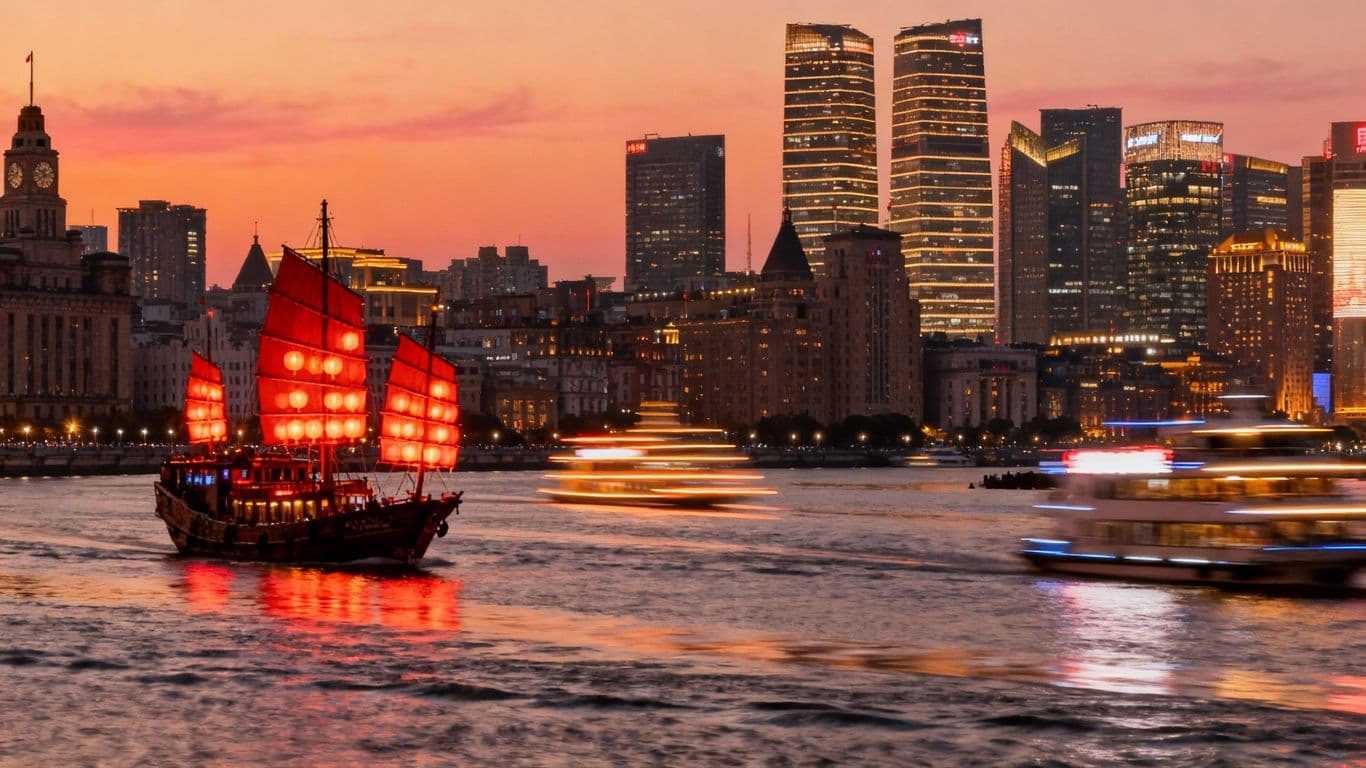
Shanghai is a city that really makes you think. It's got this global feel, you know, like it's connected to everything happening everywhere. But at the same time, it feels different now, like it's found a new rhythm. It's a place where old meets new, and East definitely meets West, but it's doing it in its own way. You can see it in the buildings, hear it in the streets, and feel it in the air. It’s a city that’s always been a bit of a crossroads, and that’s still true, just… different.
Key Takeaways
- Shanghai's history as a treaty port and home to foreign concessions shaped its unique East-meets-West character, evident in its architecture and cosmopolitan vibe.
- The city remains a major global hub for business and trade, particularly in finance, with its modern Lujiazui district symbolizing its economic power.
- While English is widely spoken and international culture is prevalent, there's a noticeable shift with the fading use of the Shanghainese dialect and the changing landscape of traditional Shikumen architecture.
- Shanghai is a center for global events, arts, and entertainment, attracting international sports championships, fashion, and cultural festivals.
- Modern Shanghai offers a fast-paced, tech-integrated lifestyle, but there's also a growing trend among youth towards 'lying flat,' a rejection of intense work pressures, and a search for comfortable living solutions like serviced apartments Shanghai.
A City Shaped By Global Encounters
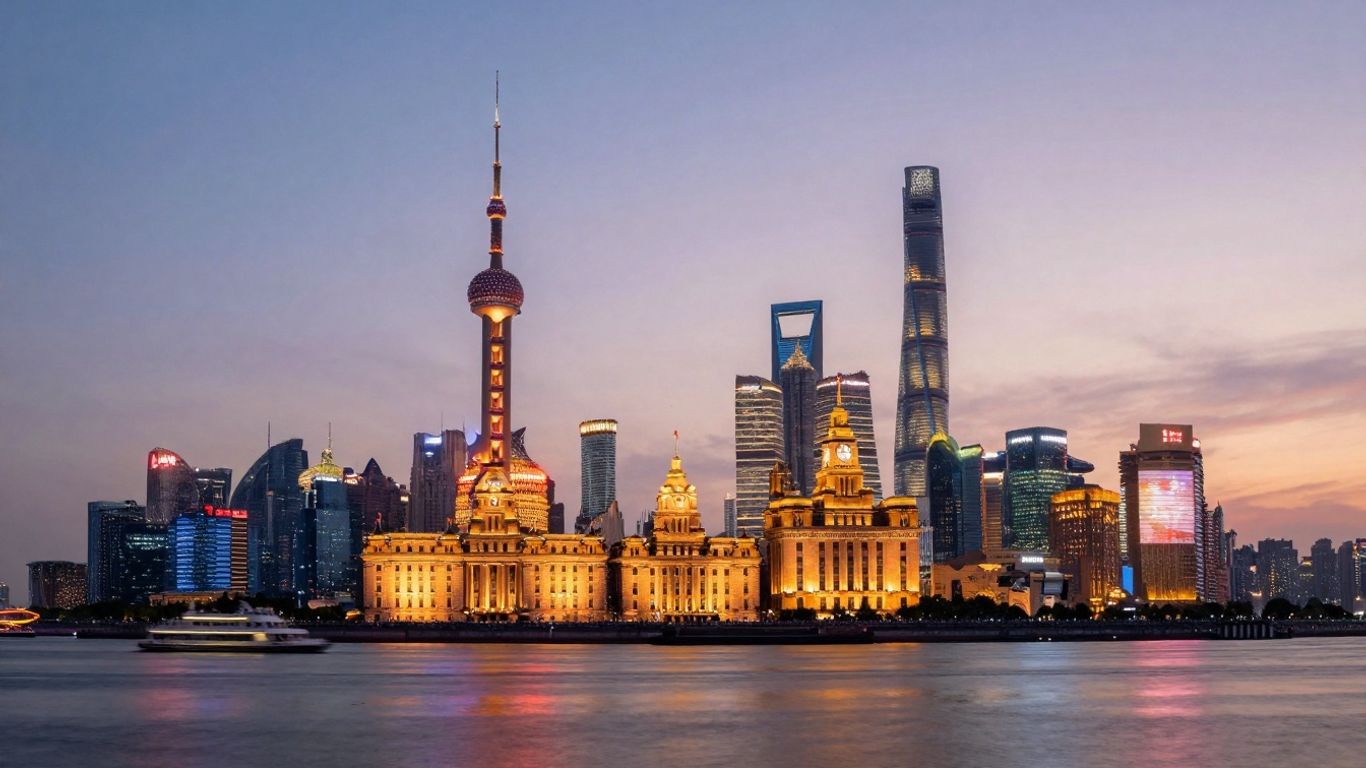
Shanghai wasn't always the bustling metropolis we see today. For a long time, it was just a small fishing village. Things really started to change after 1843 when it became a treaty port. This opened the door for foreign powers, and soon, areas known as concessions popped up, run by the British, French, and Americans.
From Fishing Village to International Hub
Before the mid-19th century, Shanghai was a quiet spot on China's coast. Its transformation began when it was designated a treaty port. This shift wasn't just about trade; it marked the beginning of Shanghai's journey to becoming a global player. The influx of foreign businesses and people fundamentally altered its trajectory, setting it on a path to international prominence.
The Enduring Influence of Foreign Concessions
These foreign concessions were like mini-states within the city. They brought their own laws, architecture, and ways of life. Imagine walking down streets lined with European-style buildings, complete with cafes and shops that felt a world away from the rest of China. This period left a lasting mark, making Shanghai the most Westernized city in China for a long time. It created a unique blend of cultures that you can still feel today.
Architectural Echoes of East and West
Walk around Shanghai, and you'll see this history everywhere. The Bund is a prime example, with its grand buildings from the early 1900s showcasing styles like Gothic and Neoclassical. But it's not just old buildings. Newer areas have taken historic Shikumen houses, those distinctive stone-gate homes, and turned them into trendy restaurants and boutiques. It’s this mix of old and new, Eastern and Western, that gives Shanghai its special character.
Shanghai's development is a story of constant adaptation, absorbing influences from around the globe while retaining its core identity. It's a place where history isn't just remembered; it's lived in and built upon.
Shanghai's Distinctive Cosmopolitan Vibe
Shanghai really does feel like a city that’s always looking outwards, doesn't it? It’s a place where you can grab a fantastic bowl of ramen one minute and then find yourself in a classic French-style cafe the next. This blend isn't just about food, though; it’s woven into the very fabric of the city.
A Melting Pot of Cultures and Languages
It's estimated that over 200,000 foreign residents call Shanghai home, making it the most international city in China. You hear it everywhere – English is pretty common on signs, in shops, and especially in the subway system. It’s not just about expats, either. The city has a long history of welcoming people from all over, and that openness really shapes the atmosphere. You can feel it when you walk around, a kind of buzz that comes from so many different backgrounds mixing together.
The Ubiquity of English and International Cuisine
Seriously, trying to find something to eat here is an adventure in itself. Beyond the local Shanghainese dishes, you've got authentic Italian trattorias, spicy Indian restaurants, and even places serving up hearty Russian borscht, a dish that became a local favorite after Russian immigrants arrived in the early 20th century. This wide range of food options is a direct reflection of Shanghai's global connections. It’s not uncommon to see menus in English alongside Chinese, and many service staff can communicate effectively, making it easier for visitors to get around and feel comfortable. This makes exploring Shanghai a lot less daunting for newcomers.
A Global Gateway for Business and Trade
Shanghai isn't just a tourist spot; it's a major player on the world stage for business. It’s home to China’s first stock exchange and the headquarters for tons of international companies. The Lujiazui financial district, with its towering skyscrapers, is often called 'China's Wall Street'. While other cities might focus more on politics or technology, Shanghai's energy is really centered on finance, trade, and commerce. It’s a place where deals are made and global markets are influenced.
The city's unique history as a treaty port and its early exposure to foreign influences have created a lasting international character that sets it apart from other Chinese cities. This blend of East and West is palpable in its architecture, its culture, and its everyday life.
Here’s a quick look at how diverse the city is:
- Languages Heard: Mandarin, Shanghainese dialect, English, and many others.
- Food Options: From traditional Xiaolongbao to French pastries and Middle Eastern kebabs.
- International Events: Hosting major expos, film festivals, and fashion weeks.
It’s this constant flow of people, ideas, and goods that gives Shanghai its distinctive, forward-looking cosmopolitan vibe. It feels like a city that’s always connected to what’s happening everywhere else.
Modern Shanghai: Innovation and Lifestyle
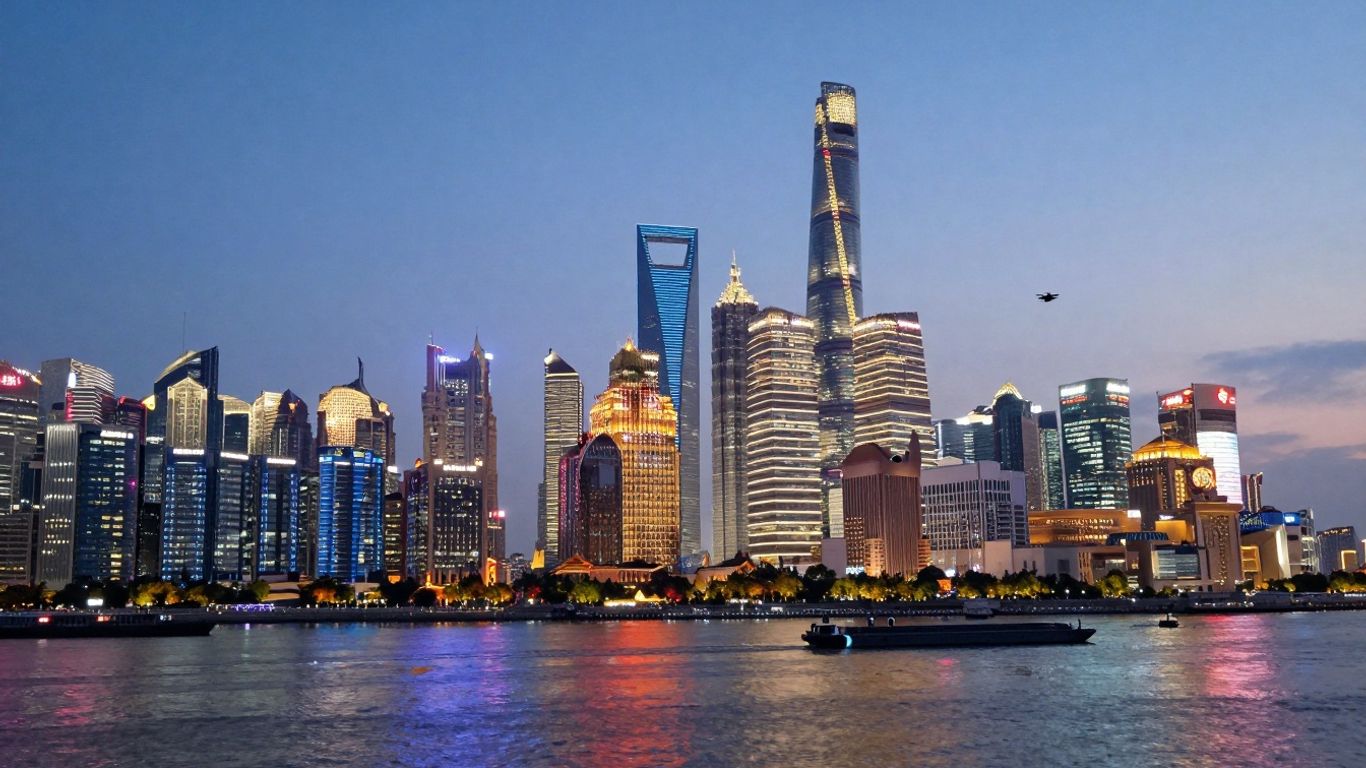
Shanghai today feels like a city that's constantly plugged in, always moving forward. It's a place where the future isn't just imagined, it's being built, brick by digital brick. You see it in the gleaming towers of Lujiazui, which has become the undeniable financial engine of not just Shanghai, but a huge part of China's economic story.
The Financial Heartbeat of Lujiazui
This area, with its iconic skyline, is where the big deals happen. It's home to China's first stock exchange, and you'll find the regional headquarters for countless international banks and major global companies. It’s a concrete jungle that represents Shanghai’s ambition on the world stage, a place where finance and global trade really come together.
Embracing Smart Living and Digital Convenience
Beyond the high finance, everyday life here is pretty streamlined. Getting around and getting things done is incredibly easy thanks to technology. Think about it: ordering food, paying for almost anything, or catching a ride – it’s all done with a few taps on your phone. Public transport is efficient, with high-speed trains connecting you to other cities and an extensive subway system within Shanghai. Even simple things, like getting your morning coffee, often come with a nod to sustainability, with eco-friendly packaging becoming more common.
The Rise of 'Lying Flat' Among Youth
But it's not all hustle and bustle. There's a growing sentiment among younger people, a movement known as 'lying flat' or 'tang ping'. It’s a reaction against the intense pressure to constantly work harder and achieve more. Instead, many are opting to do the bare minimum, prioritizing well-being and a less demanding pace of life. It’s a quiet pushback against the relentless drive that has defined Shanghai for so long.
This shift reflects a broader conversation about work-life balance and societal expectations, showing that even in a city synonymous with progress, people are seeking different ways to live and find happiness.
Navigating Shanghai's Evolving Identity
Shanghai is a city that’s always changing, and sometimes it feels like you need a map just to keep up. It’s a place where the past and the future bump into each other on every street corner, and figuring out what makes it tick can be a bit of a puzzle.
The Fading Resonance of Shanghainese Dialect
It’s a shame, really, but the local Shanghainese dialect is becoming less common. You used to hear it everywhere, a distinct sound that really set Shanghai apart. Now, with so many people moving in from all over China and the world, Mandarin has become the main language for daily life. It makes things easier for everyone, sure, but it also means a piece of Shanghai’s unique culture is fading away. It’s like losing a special song that only this city knew how to sing.
Shikumen Architecture: A Disappearing Heritage
Then there’s the architecture. Shikumen houses, those traditional stone-gate buildings, are really something special. They’re full of history and character, showing how people used to live in Shanghai’s narrow alleyways. But as the city builds more and more modern skyscrapers, these old Shikumen are disappearing fast. Some have been turned into trendy shops and cafes, which is nice, but a lot are just being torn down. It feels like we’re losing a physical link to the city’s past.
The rapid pace of development means that Shanghai is constantly reinventing itself, sometimes at the expense of its older, more traditional elements. This creates a unique tension between progress and preservation.
Finding Your Place: Serviced Apartments Shanghai
For people coming to Shanghai, whether for work or just to explore, finding a place to stay can also feel like part of this evolving identity. Serviced apartments are becoming a popular choice. They offer a mix of hotel convenience and home-like comfort, which seems to fit the modern, fast-paced lifestyle here. It’s a way to get a feel for the city without being completely overwhelmed by its constant change. It’s about finding your own little corner in this massive, ever-shifting metropolis.
Global Events and Entertainment Hub
Shanghai really knows how to put on a show, acting as a magnet for big international happenings. It's not just about business here; the city buzzes with excitement, from thrilling sports to a vibrant arts scene. It's a place where the world comes to play and experience something new.
Hosting World-Class Sporting Championships
When it comes to sports, Shanghai is a major player. It's the only spot in mainland China that hosts the Formula One Grand Prix, drawing speed demons and fans from everywhere. Then there's the Shanghai Masters tennis tournament, which brings in the top players on the circuit. It’s pretty cool to see these global competitions happening right here.
Shanghai's Flourishing Arts and Fashion Scene
Beyond the roar of engines and the thwack of tennis balls, Shanghai's creative side is really shining. The city is a hub for fashion weeks and art fairs, attracting designers, artists, and trendsetters. You can find galleries showcasing both local talent and international work, and the fashion scene is always evolving, reflecting the city's dynamic spirit.
The Allure of International Theme Parks
For a dose of pure fun, Shanghai has also become a destination for major theme parks. The opening of Shanghai Disneyland was a huge deal, marking the first Disney park in mainland China. It’s a place where families can escape into fantasy, and it adds another layer to the city's entertainment landscape, drawing visitors looking for that classic theme park magic.
So, What's the Takeaway?
Shanghai definitely still has that global vibe, you know? It’s got the fancy buildings, the international events, and you can grab a croissant or some ramen pretty easily. But underneath it all, there’s this feeling that things are shifting. It’s still a place where East meets West, with its unique history and blend of cultures, but maybe it’s not quite the same as it used to be. It’s like looking at a familiar face that’s changed just enough to make you pause and think. It’s still Shanghai, but it’s a Shanghai for right now, a city that’s always moving forward, even if it feels a little different than the one we thought we knew.
Frequently Asked Questions
Why does Shanghai feel different from other Chinese cities?
Shanghai feels different because it's a mix of Chinese and global influences. It used to be a small fishing town, but it became a major international hub a long time ago. This history means it has a unique blend of Eastern and Western styles in its buildings, food, and way of life, making it feel more open and modern compared to cities focused purely on history or technology.
What is the 'melting pot' idea in Shanghai?
The 'melting pot' idea means Shanghai is a place where many different cultures and people come together. Lots of foreigners live there, and you can hear English spoken often. You can also find foods from all over the world, not just Chinese dishes. This mix makes the city feel very international and vibrant.
What is Lujiazui known for?
Lujiazui is Shanghai's main financial district. It's famous for its super tall skyscrapers, like the Oriental Pearl TV Tower and the Shanghai Tower. It's often called 'China's Wall Street' because it's a major center for business and money in the country.
What does 'lying flat' mean for young people in Shanghai?
'Lying flat,' or 'tǎng píng' in Chinese, is a trend where some young people are choosing to do the bare minimum in their jobs and lives. They feel that working extremely hard doesn't always lead to the success or rewards they expect, so they're opting for a more relaxed approach to life.
Is the Shanghainese dialect disappearing?
Yes, the local Shanghainese dialect is becoming less common. While it used to be a strong part of the city's identity, more people are speaking Mandarin, which is the official language. This is happening partly because many people move to Shanghai from other parts of China, and Mandarin is easier for everyone to understand.
What kind of international events does Shanghai host?
Shanghai hosts many big international events. These include major sports competitions like Formula One racing and tennis championships. The city also has a lively arts and fashion scene and is home to attractions like Shanghai Disneyland, making it a popular destination for global entertainment.
Filed under
The Moveandstay editorial team writes about serviced living, workspaces, and city guides across Asia-Pacific.
Read next
Serviced Offices Surge in Popularity as Businesses Embrace Flexible Leasing
May 3, 2026
Hong Kong Serviced Apartment Market Buzzes with Sales and Investment Activity Amidst Shifting Valuations
May 3, 2026
ONYX Hospitality Group Elevates Shama Serviced Apartments with New Lifestyle Concept and Ambitious Expansion
Apr 26, 2026