
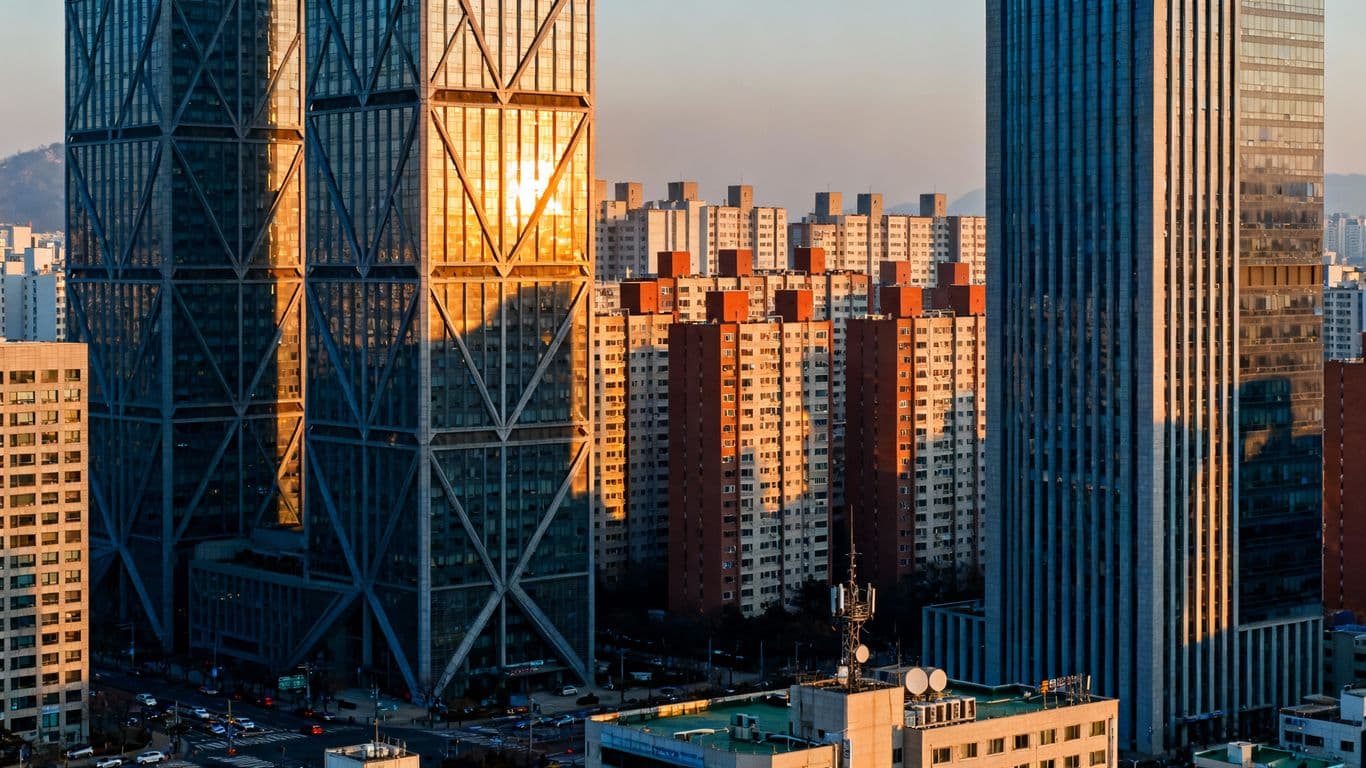
Seoul is a city that really strikes you with how modern it looks. Everywhere you turn, there are these tall buildings and busy streets. But when it comes to finding a place to live, things get a bit tricky. The housing market here has its own set of rules, and for someone new, it can feel like a real puzzle to figure out. From understanding different rental types to just getting the paperwork sorted, it's definitely a process.
Key Takeaways
- Seoul's skyline is dominated by modern, tall apartment towers, a symbol of economic growth, often featuring 'streets in the sky' concepts.
- The Korean housing market can be tough for foreigners, with complex rental systems like Jeonse and Wolse, high deposits, and specific contract rules.
- Apartments (Apateu) are highly valued for social prestige, while Officetels blend living and working, and smaller units like Goshiwons highlight economic disparities.
- For short-term stays, Officetels are common, but co-living spaces are gaining popularity among digital nomads and expats seeking flexibility and community.
- Finding housing involves understanding cultural values around home ownership, potential language barriers, and the practicalities of securing a lease, including necessary documents and avoiding common pitfalls.
Seoul's Vertical Landscape: A Modern Marvel
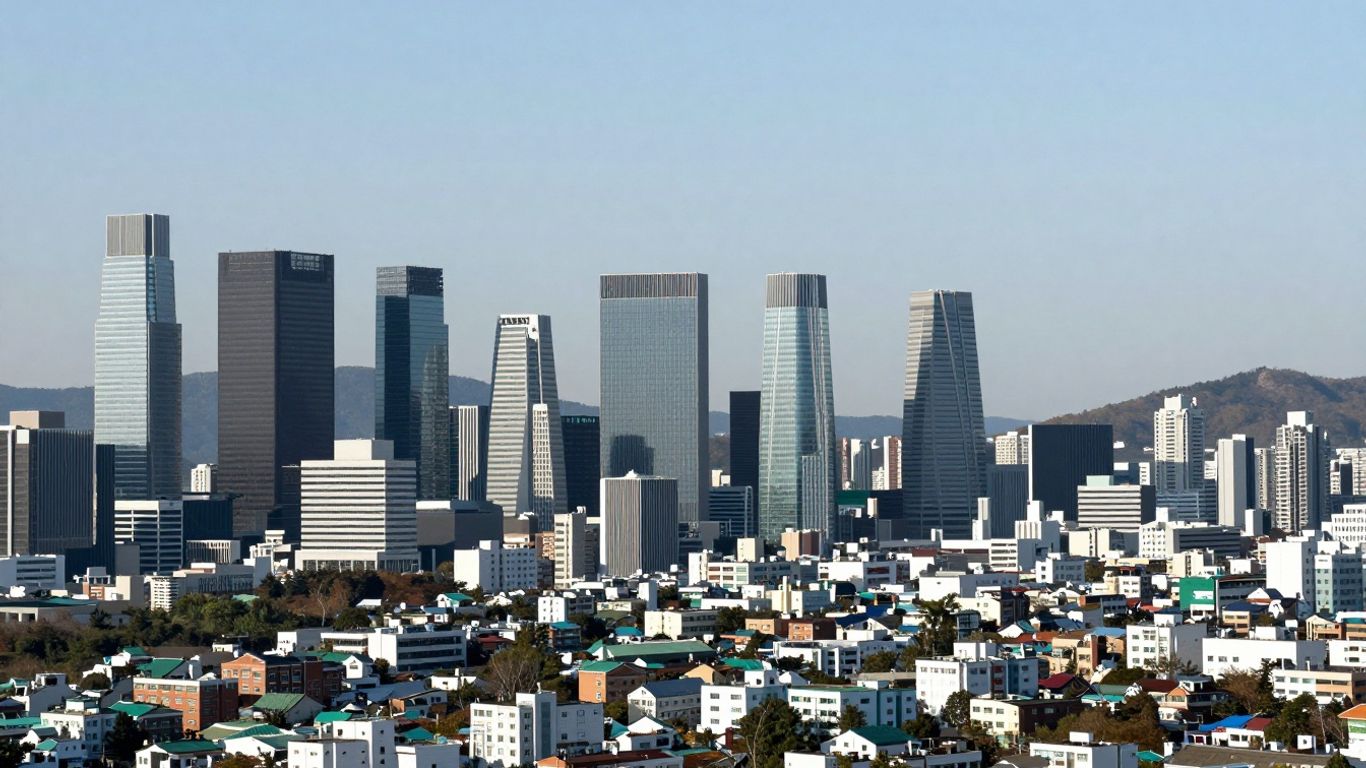
The Appeal of 'Streets in the Sky'
When you first arrive in Seoul, the sheer scale of the apartment buildings is striking. It's not just about height; it's about how these structures create a unique urban experience. Think of it like "streets in the sky." Just as you'd find shops, cafes, and services lining a street, many of Seoul's massive apartment complexes integrate these amenities within their own vertical spaces. This means you can often get your groceries, grab a coffee, or even visit a dentist without leaving the immediate vicinity of your building. It's a concept that allows for a dense, vibrant urban life to unfold upwards, not just outwards.
Dimensionality in Urban Design
Seoul's urban design really plays with dimensions. It's not just about moving left or right on a map. You're also moving up and down, and even through time as the city constantly evolves. This multi-dimensional aspect makes the city feel alive and dynamic. Unlike cities with more rigid zoning, Seoul allows for a mix of uses within buildings – a restaurant on one floor, offices above, maybe a gym, and then residences. This creates a richer, more varied experience as you navigate the city, both horizontally and vertically.
Seoul's Towers: A Signature Style
Seoul has developed a distinct architectural signature: vast clusters of tall, often identical towers. You'll see complexes with names that might sound a bit unusual to outsiders, like "Brownvill" or "We've." These aren't just buildings; they're often seen as symbols of economic growth and middle-class aspiration in South Korea. While some might find them architecturally monotonous, they represent a practical response to a growing population and a desire for modern living.
- High-rise living is a symbol of modernity and wealth.
- Apartment complexes often include integrated services like markets and salons.
- The sheer density allows for convenience and a vibrant urban lifestyle.
The constant construction and the sheer number of cranes dotting the skyline are a testament to Seoul's continuous growth and adaptation. It's a city that's always building, always reaching higher.
Navigating Seoul's Complex Housing Market
So, you're thinking about living in Seoul? That's awesome! But let me tell you, finding a place to live here is, well, it's a whole thing. It's not like just browsing Zillow back home. The market moves super fast, and the deposit amounts can be pretty wild. It feels like the whole system is set up for locals, and if you're not one, you're definitely going to feel it.
The Expat's Challenge: A Test of Endurance
Honestly, for foreigners, looking for a place can feel like a real endurance test. You've got Korean-only forms, landlords who seem a bit wary, and agencies that might not be the most helpful if you don't speak the language fluently. It's a bit of a maze, and sometimes it feels like everything is designed to make it harder for outsiders. It's more than just finding a roof over your head; it's about understanding the local culture and how it plays out in everyday life. You'll need documents like your passport, visa, and proof of income. Sometimes, they even want a local guarantor, which is a whole other hurdle.
Understanding Korean Rental Systems: Jeonse, Wolse, and Ban-Jeonse
This is where it gets really interesting, and maybe a little confusing. There are a few main ways people rent here:
- Jeonse: This is the one that sounds almost too good to be true. You pay a huge deposit upfront, like, really huge, and then you don't pay monthly rent. At the end of your lease, you get the whole deposit back. It used to be super common, but now it's mostly for people with a lot of cash saved up.
- Wolse: This is more like what you'd expect elsewhere. You pay a smaller deposit and then a monthly rent. This is the more common option for younger Koreans and, you guessed it, most foreigners.
- Ban-Jeonse: This is kind of a middle ground. You pay a deposit, but it's not as massive as Jeonse, and you also pay monthly rent. It's a compromise, often used when prices are just getting too high for a full Jeonse.
Here's a rough idea of what monthly rents (Wolse) might look like in 2025, though prices can change a lot:
| City | Studio Apartment | Sharehouse |
|---|---|---|
| Seoul | ≈ 730,000₩ ($530) | ≈ 500,000₩ ($360) |
| Busan | ≈ 350,000₩ ($250) | ≈ 300,000₩ ($215) |
| Daegu | ≈ 300,000₩ ($215) | ≈ 250,000₩ ($180) |
Key Considerations for Renting: Deposits, Contracts, and Legalities
When you're actually signing a lease, pay close attention. You'll need to think about the deposit protection, especially with Jeonse and Wolse. It's really important to check the property's debt situation to avoid any scams. Also, make sure you file for your "Moving-in Report" and get a "Fixed Date" right away to make sure your rights are protected. Don't forget about things like monthly management fees, which can add up, and any potential utility connection costs. It's always a good idea to have everything in writing and understand exactly what you're signing up for. If you're looking for a place, checking out options for apartments in Seoul can give you a starting point.
The Korean housing market is built on a foundation of trust and established networks. For newcomers, this can present a steep learning curve. Understanding the nuances of deposits, contracts, and the unspoken rules is not just about securing accommodation; it's about integrating into a system that values familiarity and local knowledge.
Housing Types and Social Significance in Seoul
Seoul's housing scene is a fascinating mix of the ultra-modern and the deeply traditional, and what you choose to live in says a lot about your place in society here. It's not just about having a roof over your head; it's a statement.
The Prestige of the Apartment (Apateu)
When you think of Seoul, you probably picture those towering apartment complexes, right? These aren't just buildings; they're symbols of success and stability in South Korea. Owning an 'apateu' is often seen as the ultimate goal, a sign that you've made it. They represent a certain middle-class aspiration, with names that often try to convey luxury and power. While they offer a sense of security and modernity, they also contribute to a landscape that can feel very uniform. It's a bit like a factory producing the middle class, as one geographer put it, where conformity is part of the package.
Officetels: Blurring Lines Between Work and Home
Officetels are a really common sight, especially for newcomers or those focused on their careers. They're basically studio apartments that are zoned for both residential and commercial use. This setup really speaks to a culture that often prioritizes work and ambition. Living where you work might sound efficient, but it can also mean a constant blurring of personal and professional life. They're modern and convenient, but often come with higher price tags and can feel a bit isolating if you're living alone.
Villas and Goshiwons: Reflecting Economic Divides
On the other end of the spectrum, you have 'villas' and 'goshiwons'. Villas are typically smaller, low-rise buildings, often family-owned. They can offer a more intimate, community feel and are generally more affordable than the big apartment complexes. They represent a different kind of urban living, perhaps a bit more traditional. Then there are 'goshiwons'. These are tiny rooms, sometimes just a few square meters, and they represent the most basic level of urban living. They're a stark reminder of economic disparity, offering solitude and shelter but little else. It's a tough reality for those on the tightest budgets.
The Rise of Sharehouses and Co-living Spaces
As rents continue to climb, especially in desirable areas, sharehouses and co-living spaces are becoming more popular. This trend reflects a younger generation that's looking for more affordable options and perhaps a different kind of community. It's a practical response to the high cost of living, allowing people to share expenses and live in areas they might not otherwise be able to afford. These spaces often attract students, young professionals, and even digital nomads looking for a more social and budget-friendly way to experience Seoul.
The Evolving Housing Scene for Short-Term Stays
Moving to a big city like Seoul is exciting, but finding a place to stay, especially for a shorter period, can feel like a puzzle. For a long time, the "officetel" – basically a studio apartment – has been the standard choice for people new to the city, whether they're digital nomads, expats, or students. These places are often in convenient spots and come with basic furnishings. However, dealing with long contracts, big security deposits, and sometimes feeling a bit isolated can be a real drag.
Officetels as a Standard Choice for Newcomers
Officetels are still a popular option for those just arriving. They offer a private space that blends living and working, which appeals to many. When looking at officetels, it's smart to think about the total monthly costs, not just the rent. You'll have management fees, which can add up, and sometimes there are extra charges for utilities or furniture. Always check the efficiency ratio too; what looks like a decent size on paper might be smaller in reality. Paying attention to these details can save you a lot of hassle down the line.
The Allure of Co-living for Digital Nomads and Expats
Lately, co-living spaces have become a really attractive alternative. They're designed to fix some of the problems with traditional rentals, like those rigid, long-term leases and the feeling of being alone in a new city. Co-living often means more flexibility, with contracts starting from just a month. Plus, these places usually come fully furnished and include social spaces, making it easier to meet people and settle in quickly. It's a more plug-and-play kind of living.
Here's a quick look at how they compare:
| Feature | Traditional Officetel | Co-living (e.g., mangrove) |
|---|---|---|
| Contract Length | Usually 1-2 years | Flexible (from 1 month) |
| Initial Costs | High deposit (KRW 10M-50M+) | Lower deposit options |
| Living Space | Basic appliances | Fully furnished + social areas |
| Support | Self-managed | Community managers, 24/7 security |
Strategic Essentials for Choosing Serviced Apartments Seoul
When you're looking for a short-term stay, whether it's an officetel or a serviced apartment, keep a few things in mind. Proximity to public transport is key, of course, but also think about what else you need nearby. Fitness centers, cafes, and coworking spots can make a big difference in your daily routine. It's about finding a place that supports your work and your life.
- Total Monthly Costs: Factor in rent, management fees, and utilities. Don't forget potential hidden costs.
- Deposit Protection: Understand the rental system and ensure your deposit is secure. Always insist on a formal moving-in report for legal protection.
- Location Perks: Look for places within walking distance of essential amenities and good transport links.
Finding the right short-term housing in Seoul means balancing convenience with flexibility. While officetels offer privacy, co-living spaces are gaining popularity for their community feel and adaptable lease terms, making them a strong contender for newcomers and digital nomads alike. It's about creating a comfortable basecamp for your urban adventure.
For those looking for flexible living arrangements, exploring options like co-living spaces in Seoul can be a smart move.
Challenges and Cultural Underpinnings of Seoul Housing
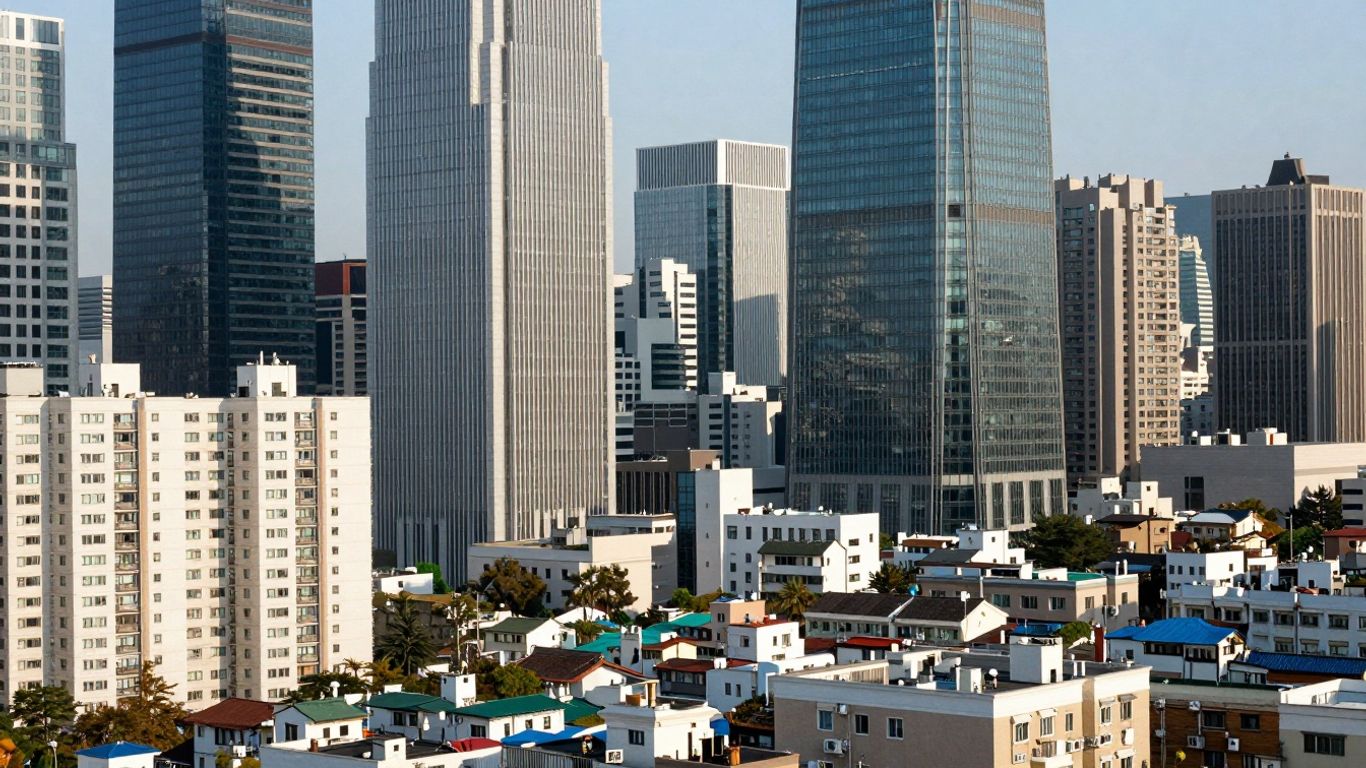
The Cultural Value Placed on Home Ownership
In Seoul, owning a home isn't just about having a place to live; it's a major status symbol. It's like the ultimate achievement marker in a society that really values success and stability. People often move homes not just for comfort, but as a way to invest and build wealth. This focus on ownership can make renting feel like a temporary, less desirable situation, especially for those who aren't able to buy.
Hierarchical Structures and Foreigner Caution
The housing market here can feel pretty exclusive. It's like there are unwritten rules and a system that's mostly set up for locals. Landlords and agencies might be hesitant with foreigners, sometimes due to language barriers, but also maybe a general caution. It can be a real test of patience to find a place, and you might run into situations where paperwork is only in Korean or where a local guarantor is needed. It’s not always straightforward, and you have to be prepared for that.
The 'More is Better' Mentality and Its Consequences
There's a strong cultural push towards 'more is better,' which you see everywhere, including in housing. Think bigger apartments, fancier buildings with grand names. This drive for more, more, more has fueled rapid development, but it also creates pressure. It can lead to a lot of competition and maybe even a bit of social inequality. Plus, this constant focus on growth and material success sometimes overshadows other important things, like community well-being or environmental concerns. It's a complex mix of ambition and the potential downsides that come with it.
- Status Symbolism: Owning property is seen as a primary indicator of financial success and social standing.
- Investment Focus: Real estate is often viewed as a key investment vehicle, driving market dynamics.
- Rental Perception: Renting can carry a stigma, often perceived as a less secure or aspirational housing choice.
The way housing is structured and valued in Seoul really reflects deeper cultural ideas about success, stability, and social order. It's not just about bricks and mortar; it's tied into how people see themselves and their place in the world.
| Housing Type | Social Significance |
|---|---|
| Apartment (Apateu) | High prestige, symbol of middle-class achievement |
| Officetel | Blurs work/life, reflects ambition and performance culture |
| Villa | More traditional, community feel, often more affordable |
| Goshiwon | Represents economic hardship, basic survival housing |
Finding Your Place: Practical Advice for Seoul Residents
Okay, so you're thinking about settling down in Seoul, or at least sticking around for a bit. It's a big city, and finding a place to live can feel like a whole adventure, especially if you're new here. It's not always straightforward, and sometimes the rules seem a bit… opaque. But don't worry, with a little know-how, you can totally find a spot that works for you.
Essential Documents for Renting
First things first, you'll need some paperwork. Landlords and agencies often ask for a few key things to make sure you're legit. Having these ready will speed things up considerably.
- Passport and Visa: Your identification is number one. Make sure they're current.
- Proof of Income: This could be a letter from your employer or bank statements. It shows you can afford the rent.
- Korean Bank Account: Most places will want to see you have a local account for rent payments and deposits.
- Local Guarantor (Sometimes): This is less common now, especially with agencies, but some older landlords might still ask for one. It's basically someone who agrees to cover your rent if you can't.
Avoiding Common Rental Traps
This market can have its quirks, and it's good to be aware of potential pitfalls. You don't want any nasty surprises down the line, right?
- Vague Contracts: Always read everything carefully. If something doesn't make sense, ask for clarification. Korean-only forms can be tricky, so if you don't read Korean, try to get help or use an agency that provides English support. Look for English-speaking agencies like Ziptoss or Dream Realty.
- Non-Refundable Deposits: Be wary of any mention of deposits being non-refundable, especially if it's not clearly tied to damages. Your deposit is your money, and you should get it back, minus any agreed-upon deductions for damages beyond normal wear and tear.
- Fake Agents or Listings: Unfortunately, scams exist. Always try to verify the agent's credentials and the legitimacy of the listing. If a deal seems too good to be true, it probably is.
- Hidden Fees: Beyond the rent and deposit, there are often management fees (gwan-ri-bi), utility costs, and sometimes even setup fees. Make sure you get a clear breakdown of all expected monthly expenses. For example, management fees can easily add another KRW 150,000 to 200,000 per month.
Neighborhoods Balancing Commute and Culture
Choosing the right neighborhood is huge. It affects your daily commute, your social life, and your overall vibe in the city. Some areas are super convenient but maybe a bit sterile, while others have more character but might be further out.
- Sinseol-dong and Dongdaemun: These spots are becoming really popular. They're well-connected by subway lines, making it easy to get to major business districts like Jongno and Gangnam. Plus, they offer a more authentic neighborhood feel compared to purely commercial zones.
- Godeok: This area is also gaining traction for its balance of accessibility and a more relaxed atmosphere. It's a good option if you want a bit more breathing room without being too far from the action.
- Consider Your Lifestyle: Think about what's important to you. Do you need to be close to a specific subway line? Are you looking for quiet streets or a lively atmosphere? Do you want to be near parks, cafes, or gyms? Answering these questions will help narrow down your search significantly.
When you're looking at a place, especially older buildings, take a good look around. Check out the appliances, see how the water pressure is, and make sure the heating system seems okay. Keep an eye out for any signs of mold, too. It's the little things that make a big difference in how comfortable you'll be living there.
The Future of Seoul's Housing Landscape
Seoul's skyline is undeniably modern, a testament to its rapid growth and economic success. Yet, beneath the gleaming towers lies a housing system that feels anything but flexible. From the high deposits and complex rules that can make finding a place a real challenge, especially for newcomers, to the sheer uniformity of many apartment complexes, the city's residential landscape presents a unique set of hurdles. While the vertical living offers convenience and density, it also raises questions about affordability, community, and the preservation of older, more characterful neighborhoods. As Seoul continues to evolve, finding a balance between its forward-looking architecture and the need for more adaptable, inclusive housing options will be key to its future livability.
Frequently Asked Questions
What are the main types of housing in Seoul?
Seoul has many types of homes! You'll see lots of tall apartment buildings, called 'apateu,' which are seen as a sign of success. There are also 'officetels,' which are like studios that can be used for living and working. Smaller buildings called 'villas' offer a more cozy feel. Tiny rooms called 'goshiwons' are for people on a tight budget, and 'sharehouses' are becoming popular for people who want to live with others.
What is 'Jeonse' and 'Wolse'?
'Jeonse' is a special Korean rental system where you pay a huge deposit instead of monthly rent. You get all your money back when you move out. 'Wolse' is more like what you might know – you pay a smaller deposit and monthly rent. 'Jeonse' is harder to find now and usually for wealthier people, while 'Wolse' is more common.
Is it hard for foreigners to find a place to live in Seoul?
Yes, finding a home in Seoul can be tough for foreigners. The rental market moves very fast, deposits can be really high, and many rules and forms are in Korean. Landlords might be cautious, and sometimes it feels like the system is set up for locals. It's helpful to work with agencies that can help English speakers.
Why are there so many tall apartment buildings in Seoul?
Seoul is a very popular city, and to fit everyone, buildings grow upwards! These tall apartments are seen as modern and a sign of economic growth. They also allow for many services and shops to be built right into the buildings, creating 'streets in the sky' where you can find almost anything as you go up and down the floors.
What are some important things to know before renting?
Always check the total monthly costs, not just the rent. This includes things like management fees. For your deposit, make sure you understand how to protect it, especially with 'Jeonse.' It's important to file official paperwork like a 'Moving-in Report' right away to get legal protection.
Are there neighborhoods that are good for both commuting and experiencing culture?
Yes, some areas offer a good mix. Places like Sinseol-dong and Dongdaemun are popular because they connect well to the main business areas but also have a more local, interesting feel. They can be a good alternative to areas that are just offices or brand-new apartments.
Filed under
The Moveandstay editorial team writes about serviced living, workspaces, and city guides across Asia-Pacific.
Read next
Serviced Offices Surge in Popularity as Businesses Embrace Flexible Leasing
May 3, 2026
Hong Kong Serviced Apartment Market Buzzes with Sales and Investment Activity Amidst Shifting Valuations
May 3, 2026
ONYX Hospitality Group Elevates Shama Serviced Apartments with New Lifestyle Concept and Ambitious Expansion
Apr 26, 2026