Sealing the Deal: Business Etiquette in Hong Kong for Expats
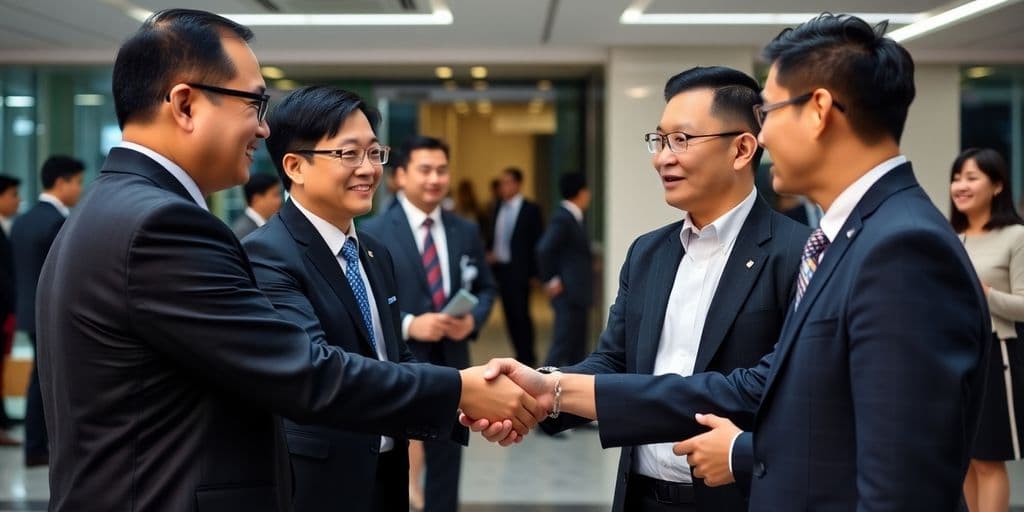
If you're an expat looking to do business in Hong Kong, understanding the local etiquette is key. The business culture here can be quite different from what you might be used to, so it’s essential to know the ins and outs. From punctuality to dining practises, getting these details right can make all the difference in sealing the deal. Let’s explore the important aspects of business etiquette in Hong Kong that every expat should know.
Key Takeaways
- Punctuality is non-negotiable; always arrive on time or a bit early.
- Business meetings often start with small talk, but get to the point quickly.
- Handshakes should be light and accompanied by eye contact.
- Always present and receive business cards with both hands.
- Be mindful of dining etiquette; wait for the host to start eating.
Understanding The Importance Of Punctuality
In Hong Kong's fast-paced business world, time really is money. Being on time isn't just polite; it's a sign of respect and reliability. It shows you value the other person's time and are serious about doing business. Let's get into why it matters so much.
Arriving On Time Is Essential
Punctuality is highly valued in Hong Kong business culture. It reflects your professionalism and commitment. Aim to arrive a few minutes early to allow for any unexpected delays, like traffic. It's better to be early than late, giving you time to settle in and prepare before the meeting starts. This also demonstrates that you've planned your journey well and are organised. Remember, first impressions count, and arriving late can set a negative tone for the entire meeting. You should allow sufficient travel time to arrive on schedule.
Apologising For Delays Is Expected
Sometimes, despite our best efforts, delays are unavoidable. If you know you're going to be late, it's crucial to inform the other party as soon as possible. A sincere apology is expected, along with a brief explanation of the reason for the delay. Avoid making excuses; simply acknowledge the inconvenience you've caused. When you eventually arrive, apologise again and try to move on quickly to the business at hand. Lingering on the apology can draw unnecessary attention to your tardiness.
Confirming Meetings In Advance
Confirming meetings a day or two beforehand is a good practise. It shows you're organised and helps prevent any misunderstandings or no-shows. A simple email or phone call is sufficient to reconfirm the time, location, and agenda. This also gives the other party an opportunity to raise any last-minute issues or request changes. If there are any changes, make sure to communicate them clearly and promptly. This proactive approach demonstrates your respect for their time and commitment to the meeting.
In Hong Kong, being late can be seen as a sign of disrespect or disinterest. It's important to show that you value the other person's time and are committed to the business relationship. Always strive to be on time, and if delays are unavoidable, communicate them promptly and sincerely.
Navigating Business Meetings Effectively

The Role Of Small Talk
Before diving into the nitty-gritty, a bit of chit-chat is the norm. Think of it as a warm-up before the main event. Starting with a few pleasantries helps build rapport and eases everyone into the meeting. It's a chance to find common ground and create a more relaxed atmosphere.
- The weather is always a safe bet.
- Complimenting their office or the view is another good option.
- Asking about their weekend (if it's early in the week) can also work.
Remember, the goal isn't to have a deep conversation, but to break the ice and show that you're friendly and approachable. Don't overdo it, though; keep it brief and relevant.
Presenting Information Clearly
When it's time to get down to business, clarity is key. Avoid jargon and technical terms that might confuse your audience. Use visuals like charts and graphs to illustrate your points and make the information easier to digest. Make sure your presentation is well-structured and easy to follow. If you plan to work from an agenda, it is a good idea to send it in advance of the meeting.
Understanding Meeting Etiquette
Hong Kong business meetings have their own set of unspoken rules. Here are a few things to keep in mind:
- Respect hierarchy: Pay attention to seniority and address people accordingly.
- Be punctual: Arriving late is considered disrespectful. If you know you're going to be delayed, let people know as soon as possible.
- Listen attentively: Show that you're engaged by making eye contact and nodding occasionally. Avoid interrupting or talking over people.
- Be mindful of body language: Maintain an open and respectful posture. Avoid fidgeting or slouching.
| Topic | Dos | Don'ts |
|---|---|---|
| Introductions | Use titles and surnames unless invited to use first names. | Be overly familiar or casual. |
| Communication | Be clear, concise, and respectful. | Use slang or jargon that might not be understood. |
| Participation | Contribute thoughtfully and respectfully. | Dominate the conversation or interrupt others frequently. |
Mastering The Art Of Handshakes
Handshakes might seem simple, but in Hong Kong, they carry a bit of weight. It's not just a quick hello; it's a sign of respect and sets the tone for your interaction. Getting it right can really help you make a good impression.
The Appropriate Handshake Style
In Hong Kong, the handshake is generally lighter than what you might be used to in Western cultures. Avoid a bone-crushing grip; a gentle, but firm, handshake is the way to go. Think polite and respectful, not overpowering. It's also worth noting that some individuals, particularly women, might not initiate a handshake, so it's best to wait for them to extend their hand first. This shows respect for their personal space and cultural norms.
Eye Contact And Body Language
Eye contact is important, but don't stare intensely. A brief, direct look shows sincerity. Your overall body language should be open and respectful. Stand straight, but not stiffly, and offer a genuine smile. These small cues can make a big difference in how you're perceived. Remember, business etiquette is key.
When To Initiate A Handshake
Generally, you should wait for the most senior person to offer their hand first. If you're unsure, it's always better to err on the side of caution and wait. In a group setting, shake hands with everyone present, starting with the most senior person. This shows respect for hierarchy and ensures everyone feels acknowledged.
It's worth remembering that while handshakes are common, they aren't always mandatory. Some people might prefer a slight bow or nod, especially if they're not comfortable with physical contact. Pay attention to their cues and adjust your behaviour accordingly. Being observant and adaptable is a sign of good manners and cultural sensitivity.
Here's a quick guide:
- Wait for the senior person to initiate.
- Use a light, firm grip.
- Make brief eye contact.
- Be mindful of personal space.
The Significance Of Business Cards
Business cards might seem like a small thing, but in Hong Kong, they're a pretty big deal. It's not just about swapping contact details; it's about showing respect and understanding the local customs. Mess this up, and you could make a bad first impression without even realising it. I remember when I first arrived, I almost shoved a card in my back pocket – thankfully, someone stopped me just in time!
Exchanging Cards With Respect
The way you give and receive a business card speaks volumes. Use both hands when offering your card, with the printed side facing the recipient. When you receive a card, take a moment to actually look at it. Don't just glance and shove it in your pocket. Treat it like it's something important, because, well, it is. I usually give a small nod to show I've registered the details. It's a simple gesture, but it goes a long way.
Understanding The Card Presentation Protocol
There's a bit of a ritual to it all. When you receive a card, take a moment to read it carefully. Place it on the table in front of you, arranging it according to the seating arrangement. This shows you value the person and their position. Never, ever write on a business card in front of the person who gave it to you. It's seen as incredibly rude. Also, make sure your business meetings are scheduled well in advance.
Avoiding Common Mistakes
There are a few common mistakes that expats often make. Here's a quick rundown:
- Don't put the card in your back pocket. It's seen as disrespectful.
- Don't write on the card unless specifically asked to do so.
- Don't offer your card with one hand – always use both.
- Don't rush the exchange. Take your time and show respect.
Getting the business card exchange right is more than just good manners; it's about building trust and showing that you're serious about doing business in Hong Kong. It demonstrates that you've taken the time to learn about their culture, which is always appreciated.
Dining Etiquette During Business Meals
Waiting For The Host To Start
Okay, so you're at a business dinner in Hong Kong. Don't just tuck in the moment the food arrives! It's considered polite to wait for your host to initiate eating. This shows respect and that you're mindful of local customs. It's a simple thing, but it makes a difference. Just sit tight, admire the food, and maybe engage in some light conversation until they give the go-ahead.
Understanding Seating Arrangements
Seating can be pretty important. The host will usually guide you to your seat, and there's often a reason behind the arrangement. It's not just random. Higher-ranking people tend to be seated in more prominent positions. So, pay attention and don't just plonk yourself down anywhere. It's all about showing respect for hierarchy. If you're unsure, just wait to be told where to sit. This is all part of meeting etiquette.
The Importance Of Food And Drink
Food and drink are a big deal in Hong Kong business culture. It's not just about filling your stomach; it's about building relationships. Don't be surprised if you're offered food or drinks you're not familiar with. Accepting shows willingness to engage with the culture. Also, avoid eating and drinking at the same time. It's seen as a bit impolite. And remember, moderation is key. You don't want to overdo it and make a bad impression. Here are some things to keep in mind:
- Try everything offered (within reason, of course).
- Pace yourself – it's a marathon, not a sprint.
- Engage in conversation and show interest in the dishes.
Business meals are often about more than just the deal. They're about building trust and rapport. So, relax, enjoy the food, and focus on connecting with your colleagues or clients. It's a chance to show you're not just about business, but also about building a lasting relationship.
Gift Giving Practises In Business
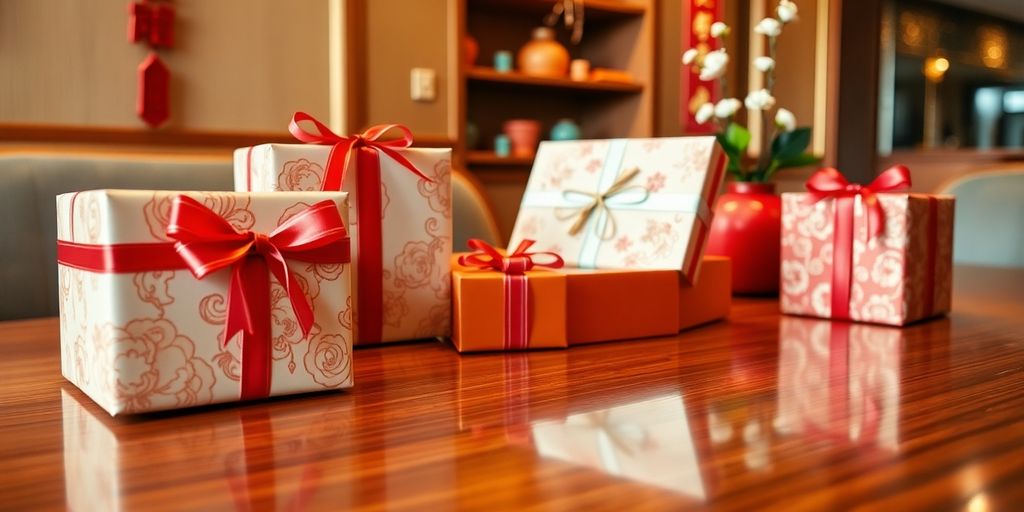
Gift-giving in Hong Kong business circles can be a bit of a minefield. It's not as straightforward as picking up something nice and handing it over. There are unspoken rules and cultural nuances that you need to be aware of to avoid causing offence or embarrassment. It's all about showing respect and building relationships, but getting it wrong can send the wrong message.
Understanding The Restrictions
First things first, you need to be aware of the potential for gifts to be misconstrued. In recent years, there's been increased scrutiny around bribery and corruption, so overly extravagant gifts are a definite no-no. It's best to err on the side of caution and keep things modest. Think less 'luxury hamper' and more 'thoughtful token'. Also, be mindful of company policies – some organisations have strict rules about accepting gifts, so it's worth doing your homework beforehand. It's also worth noting that giving a gift before receiving one is not the norm.
Choosing Appropriate Gifts
So, what does make a good gift? Well, something that reflects your home country or region is often a good starting point. A bottle of wine from a local vineyard, or a speciality food item, can be a nice touch. Alternatively, something related to your company, like branded stationary, can work well, but make sure it's tasteful and not too flashy. Avoid anything overly personal, like clothing or jewellery, unless you know the recipient very well. And steer clear of anything with overtly negative connotations in Chinese culture – clocks, for example, are considered bad luck.
Here's a quick guide:
- Good: Local delicacies, company-branded items (tasteful), high-quality pens.
- Okay: Small souvenirs from your home country.
- Bad: Clocks, overly expensive items, anything too personal.
It's always a good idea to wrap your gift nicely, preferably in red or gold paper, as these colours symbolise good fortune and prosperity. Avoid white or black wrapping, as these are associated with mourning.
The Protocol For Presenting Gifts
Presentation is key. Always present your gift with both hands as a sign of respect. It's also polite to offer a small bow when giving and receiving a gift. Don't be surprised if the recipient doesn't open the gift in front of you – this is common practise in Hong Kong to avoid any potential embarrassment about the value of the gift. Just accept it graciously and thank them. Remember, it's the thought that counts, and the gesture of giving is often more important than the gift itself. If you're unsure, joining expat communities can provide insights into local customs.
Building Long-Term Business Relationships
It's easy to get caught up in the immediate deals and transactions, but in Hong Kong, cultivating lasting business relationships is where the real value lies. It's about more than just closing a sale; it's about building a network of trust and mutual respect that can benefit you for years to come. Think of it as an investment, not an expense.
The Value Of Trust And Loyalty
Trust and loyalty are the cornerstones of any successful business relationship in Hong Kong. It takes time to build, but once established, it can withstand market fluctuations and other challenges. Hong Kong business culture values long-term partnerships over short-term gains. This means being reliable, keeping your promises, and demonstrating a genuine commitment to your partners' success. It's not just about what you can get, but what you can give.
Engaging In Meaningful Conversations
Don't just stick to business talk. Take the time to get to know your counterparts on a personal level. Ask about their families, their interests, and their perspectives. Showing a genuine interest in them as individuals will go a long way in building rapport and strengthening your bond. Remember, people do business with people they like and trust. This is especially true in Hong Kong, where personal connections matter a great deal. You might even find that discussing topics unrelated to work helps you understand their business needs better. For example, understanding expat career paths can help you connect on a personal level.
Patience In Relationship Development
Don't expect to seal a deal overnight. Building strong business relationships in Hong Kong takes time and patience. It often requires multiple meetings, shared meals, and ongoing communication. Be prepared to invest the time and effort needed to nurture these relationships. Rushing the process can be counterproductive and may even damage your chances of success. Remember that initial meetings are more social than business-related. Be patient, and let the relationship develop organically.
Building relationships is a marathon, not a sprint. It requires consistent effort, genuine interest, and a willingness to invest in the long-term success of your partners. Don't be discouraged if things don't happen as quickly as you'd like. The rewards of a strong, trusting business relationship are well worth the wait.
Wrapping Up: Key Takeaways for Expats in Hong Kong
So, there you have it. Doing business in Hong Kong can be a bit of a minefield if you're not clued up on the local customs. Remember to be punctual—being late is a big no-no. Dress smartly, and don’t forget to use both hands when exchanging business cards. It’s all about respect and building relationships, so be prepared for some small talk before diving into the nitty-gritty. And when it comes to gifts, steer clear of anything extravagant. Just keep it simple and personal. With a bit of patience and understanding, you’ll find that the Hong Kong business scene can be rewarding and fruitful.
Frequently Asked Questions
Why is being on time so important in Hong Kong?
In Hong Kong, arriving on time shows respect for others' time. Being late can be seen as rude and unprofessional.
What should I do if I'm running late for a meeting?
If you are late, it's polite to call ahead and apologise for your delay. This shows that you value the other person's time.
How should I behave during business meetings?
Start with a bit of small talk, but get to the main points quickly. It's important to present your ideas clearly and concisely.
What is the proper way to exchange business cards?
When giving or receiving a business card, use both hands. Take a moment to look at the card before putting it away.
What should I know about dining etiquette in business meals?
Wait for the host to start eating before you do. It's also important to follow their lead on seating arrangements.
Are gifts appropriate in a business setting?
Gift giving is generally not common in Hong Kong due to strict rules. If you do give a gift, make sure it is small and thoughtful.
The Moveandstay editorial team writes about serviced living, workspaces, and city guides across Asia-Pacific.